- info@mnagrp.com
- House 06, Road 12, Sector 09, Uttara, Dhaka - 1230

Reliable high visibility wear manufacturer in Bangladesh, specializing in durable hi-vis clothing, premium materials, and custom production for global commercial buyers.
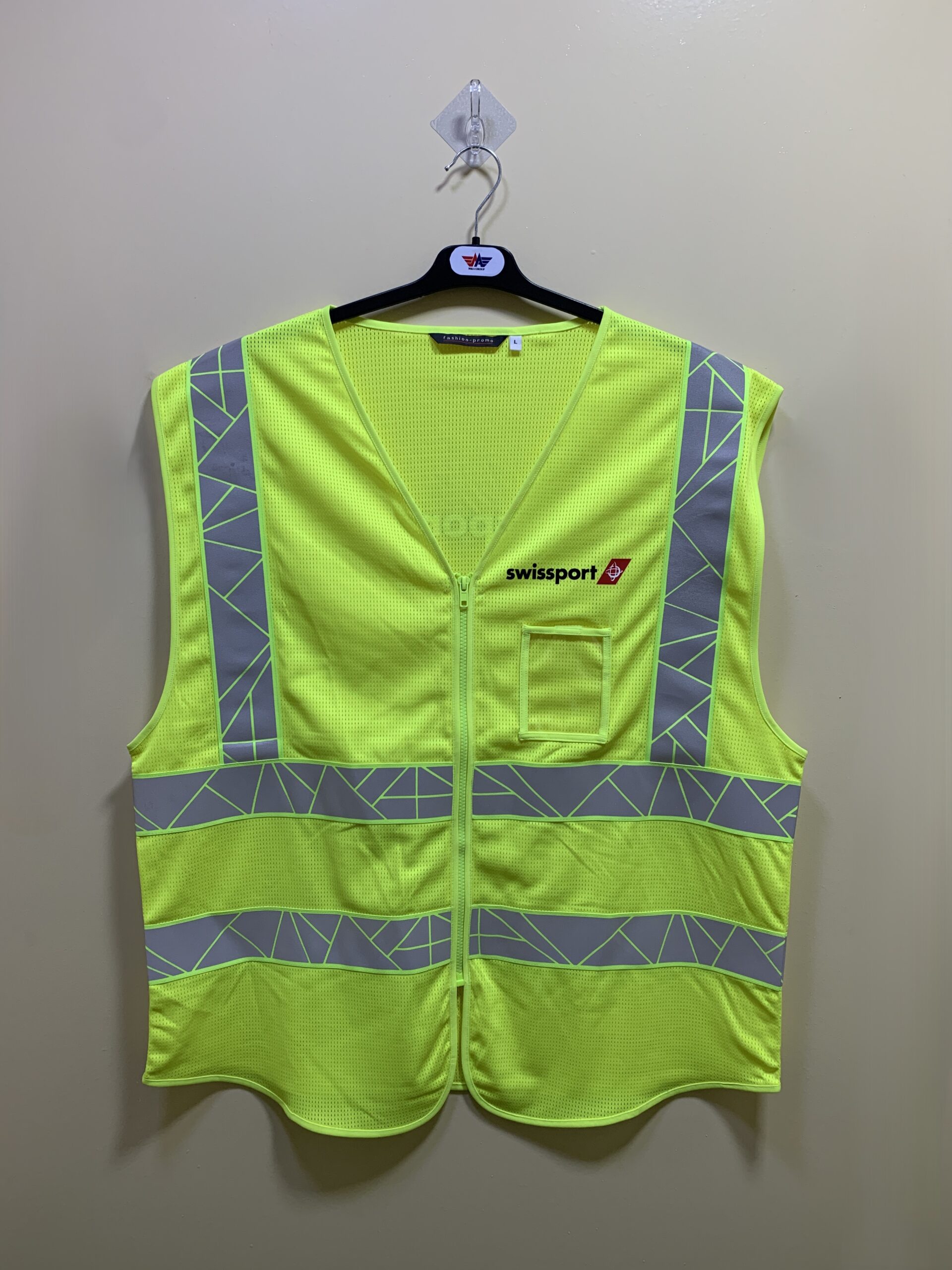
A high visible wear manufacturer in Bangladesh operates in a category where appearance is secondary. Visibility, durability, and compliance tend to carry more weight than design alone.
High visibility garments—commonly used in construction, logistics, and roadside work—are expected to perform under demanding conditions. That expectation changes how a high visible wear manufacturer in Bangladesh approaches production. Reflective elements must remain effective after repeated washing, while fluorescent fabrics need to retain brightness rather than fade unevenly.
At M&A Sourcing Limited, as a high visible wear manufacturer in Bangladesh, production is treated as a balance between material performance and construction control. Reflective tapes are not simply attached—they are positioned to maintain visibility during movement. Stitching placement, fabric tension, and seam direction can all influence how the garment performs in real use.
Standards also play a role. Buyers supplying to regulated markets often refer to guidelines from organizations like ISO when evaluating product requirements. These frameworks may not define every step, but they shape expectations around durability and visibility.
Fabric selection usually involves trade-offs. Heavier materials may improve durability but reduce comfort, while lighter fabrics enhance wearability but may need reinforcement in high-stress areas. A capable high visible wear manufacturer in Bangladesh adjusts these decisions based on the working environment.
Production is coordinated through experienced workwear factories where batch consistency is monitored. Still, variation exists in real manufacturing. What matters is how quickly those variations are identified and controlled—something any reliable high visible wear manufacturer in Bangladesh must manage carefully.
Describing a supplier as the best custom high visible wear manufacturer in Bangladesh can be misleading if it ignores the nature of the product itself. High visibility garments are not simply customized—they are constrained by performance requirements that limit how far design can vary.
Custom development in this category often begins with compliance rather than creativity. Placement of reflective elements, for example, is not entirely flexible. It must follow visibility logic that ensures the wearer remains noticeable from different angles and distances.
At M&A Sourcing Limited, custom orders are approached with these limitations in mind. A design may appear visually complete, yet still require adjustment to meet practical visibility expectations. This is not always obvious during early discussions, particularly for buyers new to safety apparel.
Fabric behavior introduces another layer of complexity. Fluorescent materials can respond differently under washing and exposure to sunlight. Over time, color degradation may reduce visibility, even if the initial product meets expectations. These are not immediate defects—they develop gradually, which makes early material selection more significant than it may seem.
Customization typically includes fabric sourcing, reflective tape application, branding, and labeling. However, each element interacts with the others. Adding a logo, for instance, may affect visibility zones if not placed carefully.
Production is handled through workwear-focused factories where repeatability is prioritized. Even then, consistency is not absolute. It is managed through continuous monitoring rather than assumed.
Buyers working within structured compliance systems often refer to international frameworks such as International Labour Organization or production certifications like WRAP when evaluating suppliers. These references may not define the garment itself, but they influence sourcing decisions.
For most projects, sampling becomes less about aesthetics and more about verification—checking whether visibility, construction, and comfort align under realistic conditions.
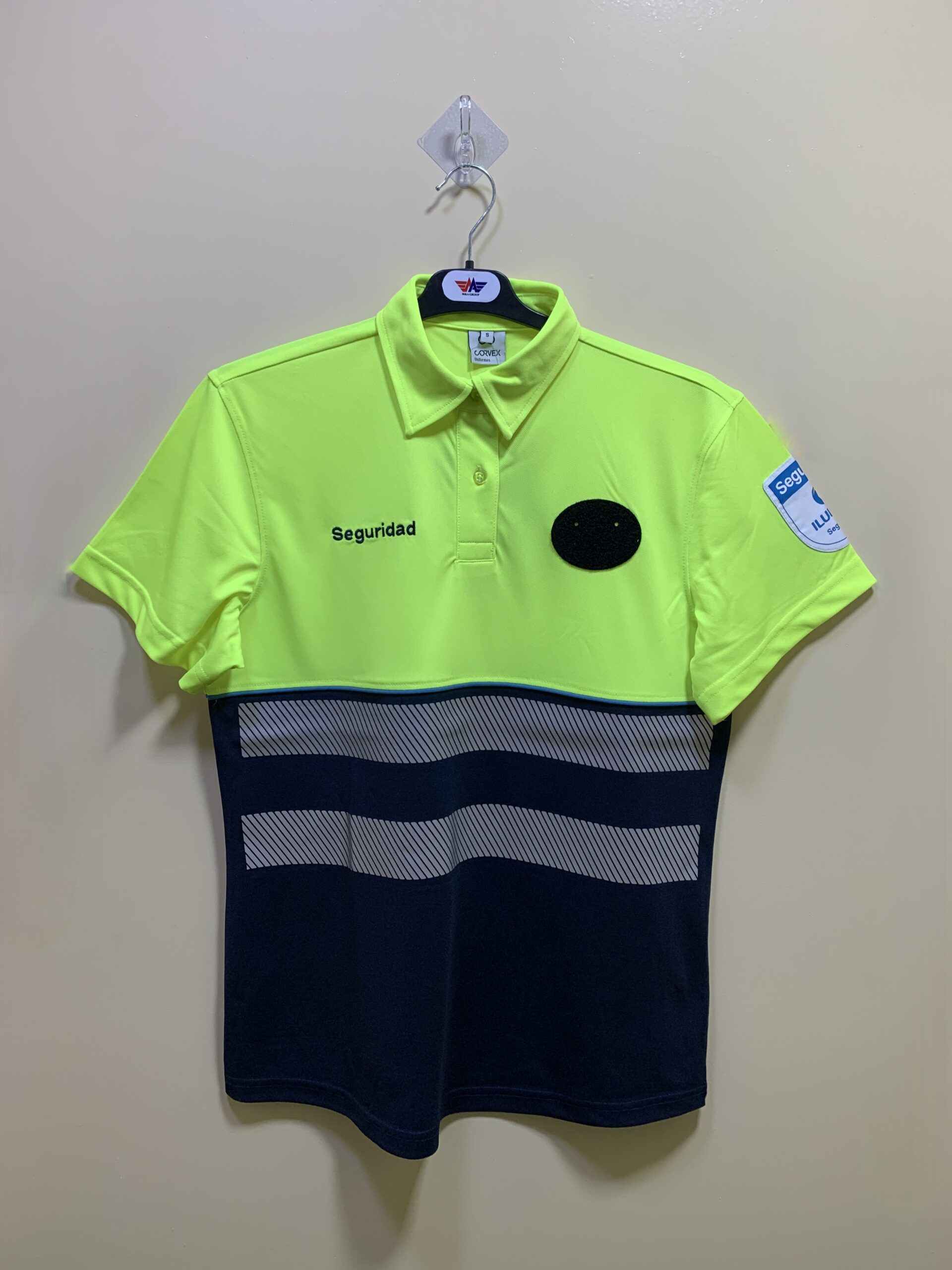
M&A Sourcing Limited is a reliable High Visible Wear Manufacturer in Bangladesh, providing high-visibility workwear and safety-oriented apparel solutions for international buyers, distributors, brands, contractors, and organizations. Based in Bangladesh, we support the development, sourcing, customization, manufacturing, quality coordination, and shipment of high-visibility garments according to specific buyer requirements.
High visibility workwear is designed for working environments where workers need to remain clearly visible to vehicle operators, machinery operators, colleagues, and other personnel. Construction sites, road and highway projects, logistics operations, warehouses, transportation services, utilities, infrastructure projects, industrial facilities, and other demanding workplaces commonly require garments designed around visibility, functionality, durability, and comfort.
At M&A Sourcing Limited, we understand that high-visibility apparel is more than simply using bright-colored fabric and reflective tape. Product development must consider the intended application, garment construction, material selection, reflective-element placement, comfort, durability, sizing, branding, quality requirements, and applicable market standards. Our sourcing and manufacturing approach is therefore focused on matching the buyer’s technical requirements with suitable production solutions.
As an experienced Bangladesh-based workwear sourcing and manufacturing partner, we work with qualified manufacturing partners and coordinate the production process from product development through shipment. This enables international buyers to develop customized high-visibility workwear programs while receiving practical support throughout the sourcing process.
M&A Sourcing Limited operates from Bangladesh and specializes in workwear, uniforms, and customized apparel for international buyers. Our knowledge of the Bangladesh apparel supply chain allows us to coordinate product development and manufacturing requirements according to individual project specifications.
We support customized high-visibility garments based on the buyer’s preferred design, fabric, color, reflective elements, branding, measurements, labeling, packaging, and other product requirements.
A successful workwear program begins with a clear product specification. Our team can coordinate fabric selection, trims, reflective materials, garment construction, measurements, and other technical requirements before bulk production.
We support buyers looking for Bangladesh-based workwear sourcing and manufacturing solutions for international markets. Our service is designed to make communication, product development, manufacturing coordination, quality follow-up, and shipment management more organized.
High-visibility garments are often used repeatedly in demanding working environments. Therefore, fabric quality, stitching, reflective-element placement, measurements, color consistency, and overall construction require careful attention throughout production.
High visibility workwear, commonly called hi-vis workwear, is clothing designed to make workers more noticeable in environments where visibility is important. These garments typically combine fluorescent or highly visible background materials with retroreflective elements or reflective tape.
The purpose of high-visibility clothing is to increase the visual contrast between the worker and the surrounding environment. This can be particularly important around traffic, construction equipment, industrial machinery, warehouses, transport operations, and low-light working conditions.
The exact construction and performance requirements of a high-visibility garment depend on the intended application and the standard or specification required for the destination market. For example, buyers may specify requirements associated with standards such as EN ISO 20471 or ANSI/ISEA 107. The appropriate requirements should always be confirmed according to the end-use environment and destination market.
As a High Visible Wear Manufacturer in Bangladesh, M&A Sourcing works with buyers to understand these requirements before production so that the garment specification can be developed around the intended application.
The background fabric provides a strong visual contrast and is one of the most recognizable characteristics of hi-vis clothing. Common colors include fluorescent yellow, fluorescent orange, and other buyer-specified high-visibility colors.
Reflective tape or retroreflective material is incorporated into many high-visibility garments to improve visibility under illumination, particularly during night or low-light conditions.
High-visibility workwear must also function as practical work clothing. Pockets, closures, cuffs, collars, reinforcement, ventilation, and other construction details can be incorporated according to the intended job and buyer specification.
Workers may wear safety clothing for long periods. Appropriate fabric selection, garment weight, fit, breathability, and construction can therefore contribute to wearer comfort and practical usability.
M&A Sourcing Limited supports a range of high-visibility workwear products according to buyer specifications. Product development can be adapted for different industries, working conditions, climates, and branding requirements.
High-visibility safety vests are among the most widely used safety garments. They can be developed in different fabrics, colors, reflective configurations, pocket arrangements, closures, and sizes.
Customized safety vests can include company logos, identification areas, printed branding, labels, and other buyer-specific features.
High-visibility T-shirts combine everyday comfort with increased visibility. They can be developed using suitable lightweight fabrics for warmer working environments.
Depending on the product specification, reflective elements can be positioned on the body, shoulders, sleeves, or other appropriate areas.
Hi-vis polo shirts provide a more structured appearance than standard T-shirts and can be suitable for corporate workwear, logistics teams, supervisors, construction personnel, and service workers.
M&A Sourcing can coordinate customized polo shirts with buyer-selected colors, fabrics, reflective details, logos, labels, and packaging.
High-visibility jackets can provide greater coverage for outdoor and colder working environments. Product development may include water-resistant fabrics, insulated construction, multiple pockets, adjustable cuffs, hoods, reflective tape, and other functional features according to requirements.
High-visibility trousers can be developed to complement hi-vis jackets, vests, shirts, or other workwear. Depending on the application, designs may include cargo pockets, tool pockets, reinforced areas, reflective elements, adjustable waist construction, and durable fabrics.
Hi-vis coveralls provide high-visibility coverage across a larger portion of the body and can be developed for industrial, construction, infrastructure, maintenance, and other professional applications.
For colder environments, high-visibility sweatshirts and hoodies can provide additional warmth while incorporating visible colors and reflective elements.
M&A Sourcing can also support high-visibility outerwear programs, including jackets and other protective workwear layers according to the buyer’s technical specifications.
Every workwear buyer can have different product requirements. A construction company may require durable high-visibility garments with multiple functional pockets, while a logistics company may prioritize lightweight fabrics and comfortable daily wear. A transportation company may require a specific reflective configuration, branding system, and sizing range.
For this reason, M&A Sourcing provides a customized approach to high-visibility workwear sourcing and manufacturing.
Fabric selection should be based on the garment’s intended use. Buyers may require lightweight materials for warm climates, heavier fabrics for demanding environments, or specialized fabric constructions for particular applications.
Possible fabric considerations include:
Our team can coordinate suitable material options according to the buyer’s product brief.
High-visibility garments are commonly associated with fluorescent yellow and orange, but exact color requirements may vary according to the buyer, market, brand, or applicable product specification.
M&A Sourcing can coordinate color development and matching according to the approved sample and buyer requirements.
Reflective elements are an important part of high-visibility garment design. Their placement should be considered during product development rather than treated as an afterthought.
Depending on the garment and specification, reflective elements may be incorporated around the torso, shoulders, sleeves, legs, or other areas.
Businesses can develop branded high-visibility workwear with:
A professional workwear manufacturing program requires coordination from the initial product brief through final shipment. M&A Sourcing provides sourcing and manufacturing support throughout this process.
The process begins by understanding the buyer’s requirements. These may include product type, target market, end-use industry, quantity, fabric, color, reflective material, size range, branding, packaging, delivery schedule, and applicable technical requirements.
After reviewing the requirements, product development begins. Technical details are reviewed to create a practical production specification.
Suitable fabrics, reflective materials, trims, labels, threads, closures, and accessories are sourced according to the approved specification.
Samples allow the buyer and sourcing team to review the garment before bulk manufacturing. Fit, appearance, construction, material, reflective-element placement, branding, and other details can be evaluated at this stage.
Bulk production should begin only after the relevant product details have been reviewed and approved. This reduces the possibility of misunderstandings during manufacturing.
Once the specification is approved, production is coordinated with the appropriate manufacturing partner. Production planning focuses on maintaining consistency with the approved sample and specifications.
Quality checks can focus on areas such as fabric, measurements, stitching, reflective-element placement, workmanship, color, branding, accessories, packing, and other buyer-defined requirements.
After production and inspection, garments are prepared according to the agreed packing requirements and coordinated for shipment.
Quality is particularly important for professional workwear because garments are often used repeatedly in demanding environments. A product can look visually correct while still failing to meet important construction or specification requirements.
M&A Sourcing therefore approaches quality as a process rather than a single final inspection.
Fabric can be reviewed for appearance, construction, color, weight, defects, and other agreed requirements before production.
Measurements are compared against the approved size specification to help maintain consistency across production.
Important construction areas such as seams, hems, pockets, closures, cuffs, collars, and reinforcement points require appropriate workmanship.
Reflective tape and other visibility-related components should be checked against the approved specification for material, placement, dimensions, and workmanship.
High-visibility garments depend heavily on their visible appearance. Color consistency between approved samples and production should therefore be monitored.
Logos, labels, embroidery, printing, and other branding elements should be checked against approved artwork and placement instructions.
Before shipment, the finished products can be reviewed against the agreed purchase specification and quality requirements.
High-visibility clothing can be subject to different standards depending on the destination market and intended application. Buyers should identify the applicable requirements before placing an order.
One widely referenced European standard is EN ISO 20471, which specifies requirements for high-visibility clothing. In the United States, buyers may work with requirements associated with ANSI/ISEA 107. Other markets can have their own requirements.
These standards are not interchangeable simply because a garment uses fluorescent fabric and reflective tape. The required classification, materials, design, testing, labeling, and documentation depend on the relevant standard and product application.
As a sourcing and manufacturing partner, M&A Sourcing can coordinate product development according to the buyer’s requested technical specification and intended destination market.
EN ISO 20471 is a recognized standard for high-visibility clothing used in professional environments. It addresses requirements related to high-visibility materials and retroreflective materials and establishes performance classifications.
Buyers requiring EN ISO 20471 products should specify the applicable class and intended use before production.
ANSI/ISEA 107 is a widely recognized US standard for high-visibility safety apparel and accessories. US buyers should identify the appropriate type and class based on their working environment and applicable requirements.
European, North American, Australian, Middle Eastern, and other markets can have different procurement and regulatory expectations. The correct requirements should therefore be established at the beginning of product development.
Bangladesh is one of the world’s major apparel manufacturing and exporting countries, with an extensive garment supply chain serving international markets. This established apparel ecosystem provides access to textile, trims, manufacturing, sourcing, and logistics resources.
For buyers seeking a High Visible Wear Manufacturer in Bangladesh, the country’s apparel manufacturing base can provide a practical sourcing location for customized workwear programs.
Bangladesh has an established ecosystem of textile and garment manufacturers, sourcing companies, accessories suppliers, and supporting service providers.
The country’s apparel industry has developed a large workforce experienced in garment manufacturing and export-oriented production.
International buyers can develop different types of garments through Bangladesh’s manufacturing and sourcing ecosystem, including woven and knit workwear.
Bangladesh’s garment sector has extensive experience supplying international customers, which makes structured communication, documentation, quality coordination, and shipment planning important parts of the sourcing process.
High-visibility workwear can be used across numerous industries where workers need to remain visually noticeable.
Construction workers may operate around heavy machinery, vehicles, cranes, equipment, and changing site conditions. High-visibility garments can be incorporated into construction workwear programs.
Workers involved in road construction and maintenance may work close to moving traffic. Visibility is therefore a major consideration when selecting workwear.
Warehouses and distribution centers can involve forklifts, delivery vehicles, loading equipment, and high-traffic operational areas.
Transportation and fleet-related workers can require high-visibility garments for roadside, loading, maintenance, and operational activities.
Utility workers may operate around roads, infrastructure, electrical systems, maintenance equipment, and outdoor environments.
Large infrastructure projects often involve multiple contractors and heavy machinery. Customized high-visibility workwear can help establish a consistent professional appearance across project teams.
Industrial workplaces may use high-visibility garments as part of their site-specific workwear programs.
M&A Sourcing Limited supports international buyers looking for a Bangladesh-based sourcing and manufacturing partner. Our approach is designed for companies that need more than a basic garment supplier.
We work around the buyer’s product requirements and coordinate the supply chain from development to shipment.
Workwear brands can develop private-label high-visibility collections with customized fabrics, colors, reflective configurations, branding, labels, and packaging.
Importers and distributors can source high-visibility workwear programs according to their target market, product range, and customer requirements.
Companies can develop branded uniforms for employees, contractors, field teams, logistics personnel, and operational staff.
Construction companies can develop customized hi-vis garments according to project requirements, branding guidelines, workforce needs, and working conditions.
Logistics operators can develop coordinated high-visibility uniforms for warehouse, transportation, loading, and delivery teams.
Private-label workwear allows brands and distributors to sell products under their own brand identity. M&A Sourcing can coordinate customized product development for private-label high-visibility workwear programs.
Private-label development can include:
A clear technical pack and approved sample help ensure that production remains aligned with the brand’s requirements.
Professional workwear needs to perform in real working environments. A garment intended for construction, logistics, road maintenance, or industrial use should be developed with practical functionality in mind.
Areas exposed to repeated stress can be reinforced according to the product design and intended application.
Workers may need convenient storage for tools, identification cards, phones, documents, or other equipment. Pocket design can therefore be customized according to the job.
Zippers, snaps, buttons, hook-and-loop fasteners, and other closure systems can be selected according to the garment’s intended use.
A garment that is uncomfortable may be less practical for long working shifts. Fit, fabric selection, garment weight, ventilation, and construction should therefore be considered together.
High-visibility workwear for hot and humid environments may require lightweight and breathable construction, while colder environments may require layered or insulated garments.
A complete workwear program often includes multiple products rather than a single garment. For example, a buyer may require high-visibility T-shirts, polo shirts, vests, trousers, jackets, and coveralls as part of one coordinated uniform system.
M&A Sourcing can support multi-product workwear programs by coordinating product development and sourcing requirements across different garment categories.
A coordinated collection can provide:
Clear communication is essential when manufacturing technical workwear. Small differences in measurements, materials, reflective tape, colors, labels, or construction can affect the final product.
Our sourcing process emphasizes clear product specifications and approval stages.
We review available technical information before production begins.
Samples provide a physical reference for product appearance, fit, construction, and materials.
Production progress can be coordinated against the approved requirements.
Quality issues identified during production can be communicated and addressed before shipment.
The final stage includes packing and shipment coordination according to the buyer’s requirements.
OEM manufacturing allows buyers to develop workwear products based on their own specifications rather than simply selecting an existing catalog design.
M&A Sourcing supports OEM-style product development for international buyers looking for customized high-visibility workwear.
OEM development may include:
A detailed product brief helps a manufacturer understand the project accurately and prepare a realistic production proposal.
Buyers should ideally provide:
Providing these details early can make the quotation, product development, sampling, and manufacturing process more efficient.
When choosing a high-visibility workwear supplier, buyers should evaluate more than price. A professional sourcing decision should consider product suitability, material quality, manufacturing capability, communication, quality control, documentation, lead time, and supply-chain reliability.
Important considerations include:
These questions help buyers distinguish between a general apparel supplier and a sourcing partner capable of managing a specialized workwear program.
The primary purpose of high-visibility clothing is to make the wearer more noticeable. This becomes particularly relevant where workers and vehicles operate in the same environment.
However, high-visibility clothing should not be considered a substitute for workplace safety procedures, traffic management, training, lighting, engineering controls, or other appropriate safety measures.
The garment should be selected based on the actual working environment and applicable safety requirements.
M&A Sourcing focuses on developing garments according to the buyer’s specified application, technical requirements, and destination market.
M&A Sourcing Limited is a Bangladesh-based workwear sourcing and manufacturing company serving international buyers. Our workwear product range includes high-visible wear along with other categories such as tees and polos, cargo and trousers, sweaters, outerwear, aprons, caps, school uniforms, and medical wear.
Our role is to provide practical sourcing and manufacturing support from product development through production and shipment.
For high-visibility workwear, this can include:
Our approach is designed to provide international buyers with a structured Bangladesh sourcing solution rather than simply supplying an off-the-shelf garment.
Working with a sourcing partner can simplify communication between the international buyer and manufacturing supply chain.
Instead of managing multiple suppliers independently, buyers can work through a coordinated sourcing process covering product development, material selection, factory coordination, sampling, quality follow-up, and shipment.
This can be particularly useful when the buyer has multiple workwear styles or needs different garment categories from the same sourcing program.
M&A Sourcing’s Bangladesh-based team provides local coordination while working with international buyer requirements.
Professional workwear sourcing is often a long-term activity. Buyers may need repeat orders, seasonal replenishment, additional colors, new sizes, replacement garments, or new products for expanding operations.
For repeat programs, maintaining consistency becomes particularly important.
M&A Sourcing can coordinate repeat production around approved specifications, samples, fabrics, colors, trims, branding, and packaging requirements.
A documented product specification can help reduce unnecessary variations between production runs.
Repeat orders can be coordinated around the previously approved product specifications and buyer requirements.
Once a successful high-visibility garment has been established, buyers can develop complementary products such as trousers, jackets, vests, polos, T-shirts, and coveralls.
Using consistent labels, colors, logos, packaging, and construction details helps maintain a recognizable workwear identity.
A high visible wear manufacturer produces garments designed to improve worker visibility in professional environments. These products commonly use high-visibility background fabrics and reflective materials and can include vests, T-shirts, polo shirts, jackets, trousers, and coveralls.
Yes. M&A Sourcing Limited provides sourcing and manufacturing support for high-visible wear and other workwear products in Bangladesh. The company works with qualified manufacturing partners and coordinates product development, sourcing, production, quality follow-up, and shipment according to buyer requirements.
Yes. High-visibility garments can be developed according to buyer specifications, including fabrics, colors, reflective elements, measurements, logos, labels, trims, and packaging.
Our high-visibility workwear capabilities can support products such as safety vests, T-shirts, polo shirts, jackets, trousers, coveralls, sweatshirts, hoodies, and other customized workwear products according to the required specification.
Yes. Private-label workwear can be developed with customized branding, labels, packaging, colors, product specifications, and other buyer-specific requirements.
Product requirements can be developed around applicable standards such as EN ISO 20471 when specified by the buyer. The exact class, materials, garment design, testing, documentation, and certification requirements should be confirmed according to the destination market and intended application before production.
High-visibility products can be developed around buyer-specified US requirements, including applicable ANSI/ISEA 107 specifications. Buyers should provide the required type, class, intended application, and documentation requirements so that the product can be developed appropriately.
Sample development can be coordinated before bulk production so buyers can review product appearance, fit, construction, materials, branding, and other requirements.
Yes. High-visibility garments can be customized with embroidery, printing, labels, identification areas, and other branding elements according to the buyer’s requirements.
Yes. M&A Sourcing supports a broad workwear product range, allowing buyers to develop coordinated product programs that can include high-visibility garments and other workwear categories.
Potential buyers include workwear brands, importers, distributors, corporate uniform buyers, construction companies, logistics companies, industrial businesses, infrastructure contractors, and organizations requiring customized professional workwear.
Send your product specification, technical drawing, reference sample, product image, required quantity, target market, fabric requirements, reflective-material requirements, branding details, and delivery expectations. Our team can review the project and discuss suitable sourcing and manufacturing options.
Starting a high-visibility workwear project with M&A Sourcing is straightforward.
Share your product image, technical pack, sample, or basic product description.
Our team reviews the fabric, color, reflective materials, garment construction, sizing, branding, and other requirements.
A sample can be coordinated for review and approval before bulk production.
After sample and specification approval, production details, quantities, packing, and delivery requirements are confirmed.
Production is coordinated according to the approved product specification.
Quality follow-up and shipment coordination are completed according to the agreed requirements.
If you are looking for a reliable High Visible Wear Manufacturer in Bangladesh, M&A Sourcing Limited can help you develop and source customized high-visibility workwear according to your product requirements.
Whether you need safety vests, hi-vis T-shirts, polo shirts, jackets, trousers, coveralls, or a complete workwear collection, our Bangladesh-based sourcing and manufacturing team can coordinate the process from product development to shipment.
Our goal is to make high-visibility workwear sourcing more organized, transparent, and practical for international buyers.
Send us your product specification, reference image, technical pack, required quantity, target market, and delivery requirements to start the discussion.
Choose a Bangladesh-based sourcing and manufacturing partner for customized high-visibility workwear designed around your business requirements.
M&A Sourcing Limited — Your Bangladesh Workwear Sourcing and Manufacturing Partner.