Workwear and Uniform Exporter Bangladesh: 10 Buyer Checks
Published by M&A Sourcing Ltd. | Updated: 7 October 2026
Looking for a workwear and uniform exporter Bangladesh? Compare design scope, materials, fit, artwork, sample approvals and quality records before placing an order. This guide supports buyer enquiries with M&A Sourcing Ltd.
Discuss Your Workwear and Uniform Export Programme →
Workwear and uniform exporter Bangladesh: connect product approvals with dispatch
Choosing a workwear and uniform exporter Bangladesh programme means reviewing both the garments and the shipment arrangement. Define product categories, materials, fit, branding, quantities, packing and destination requirements before accepting a proposal.
M&A Sourcing Ltd. offers apparel sourcing and export-related coordination for buyer enquiries. Confirm the contracting seller, manufacturing site, export entity and agreed service scope for the actual order. One main sales contact does not automatically define every commercial responsibility.
This guide focuses on coordinated workwear and uniform orders: product references, allocation, inspection evidence, document consistency and shipment release. It does not promise a fixed timeline, universal MOQ or blanket certification for every product.
For the development workflow, read our garment sourcing guide. For published industry background, consult the Bangladesh Garment Manufacturers and Exporters Association.
Real workwear and uniform product examples
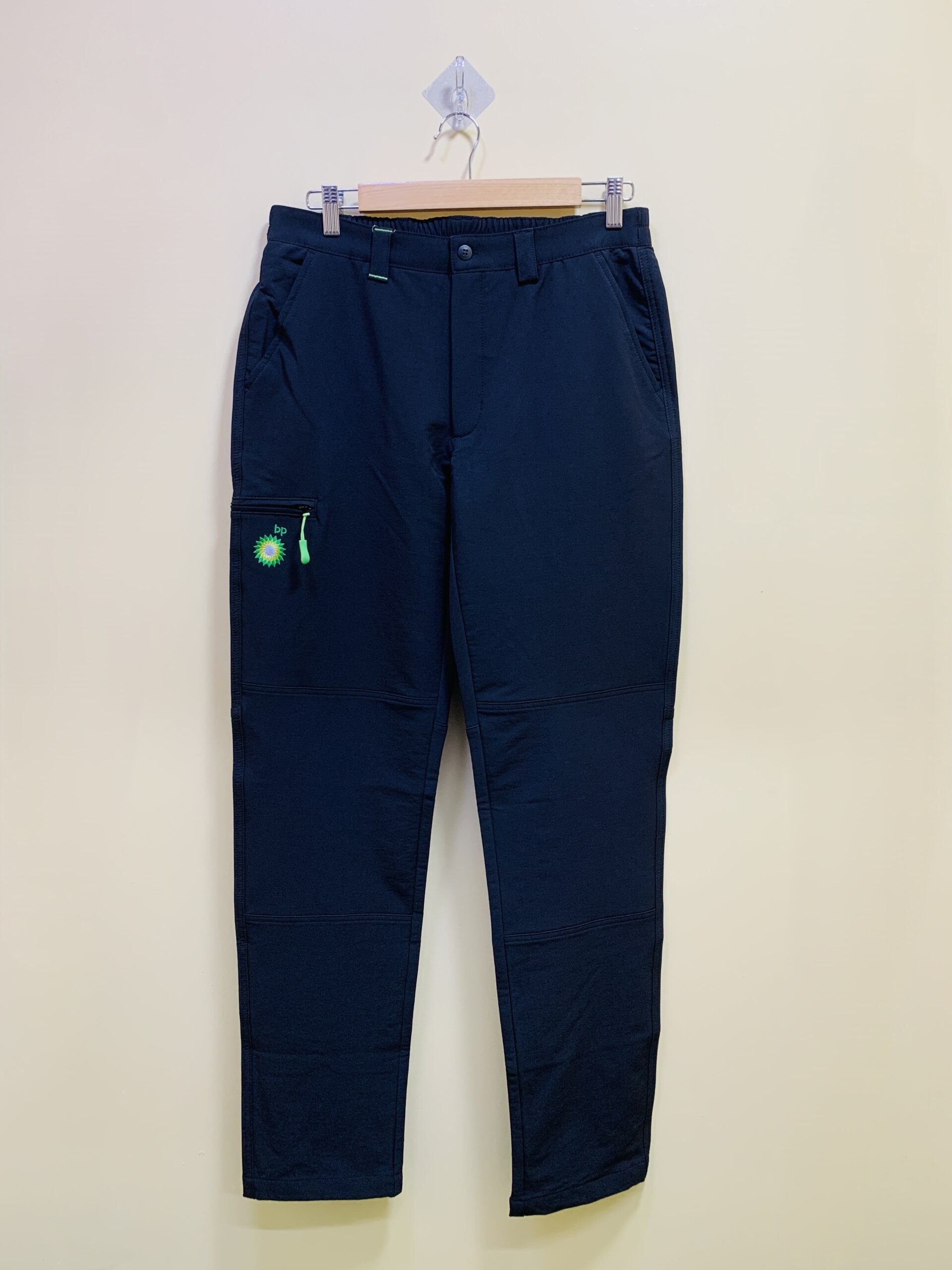
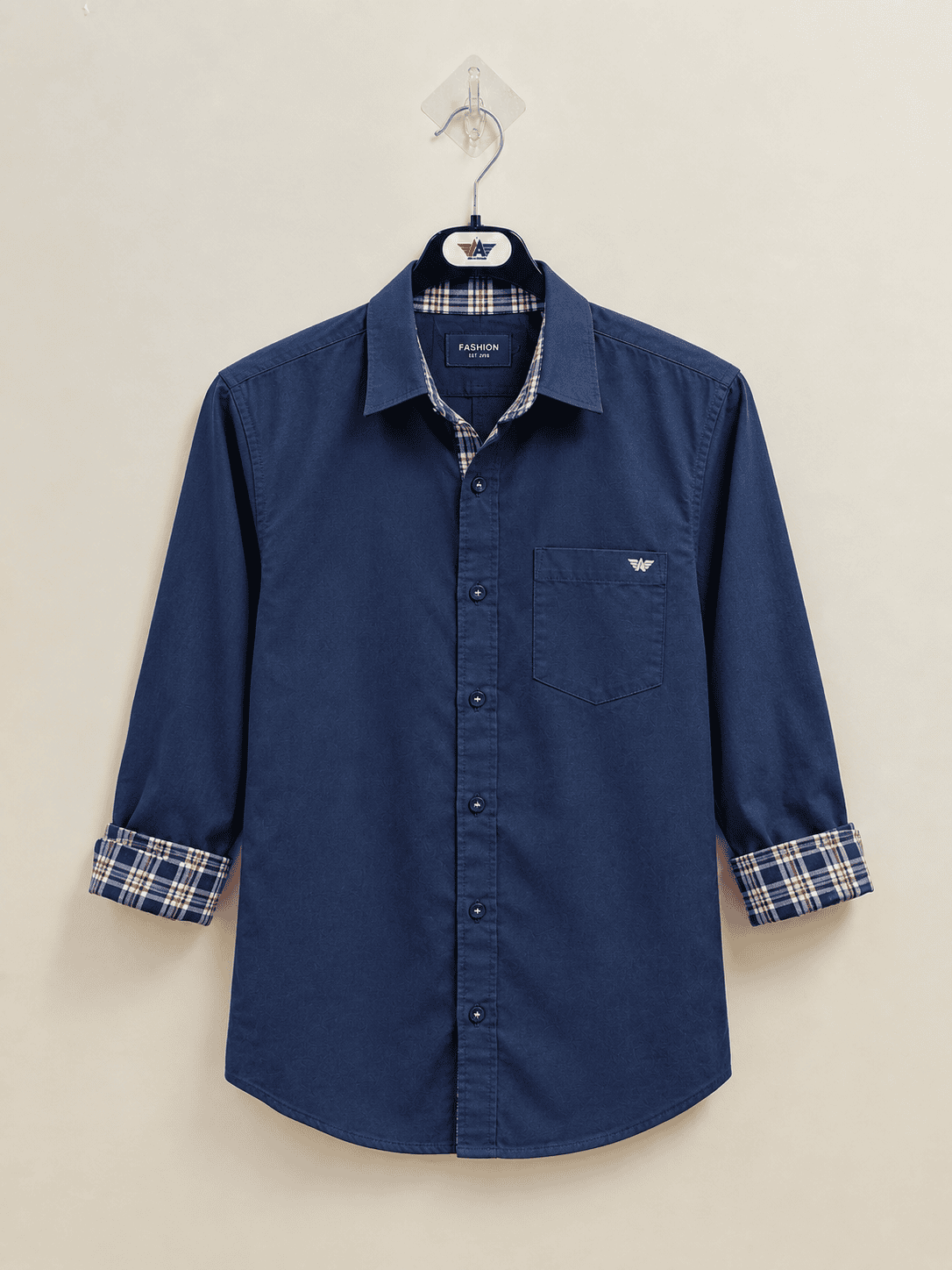
Use these existing catalogue photographs as starting references. Click a picture or button to open the dedicated product page and view more examples. Confirm which details can be developed for your own programme.
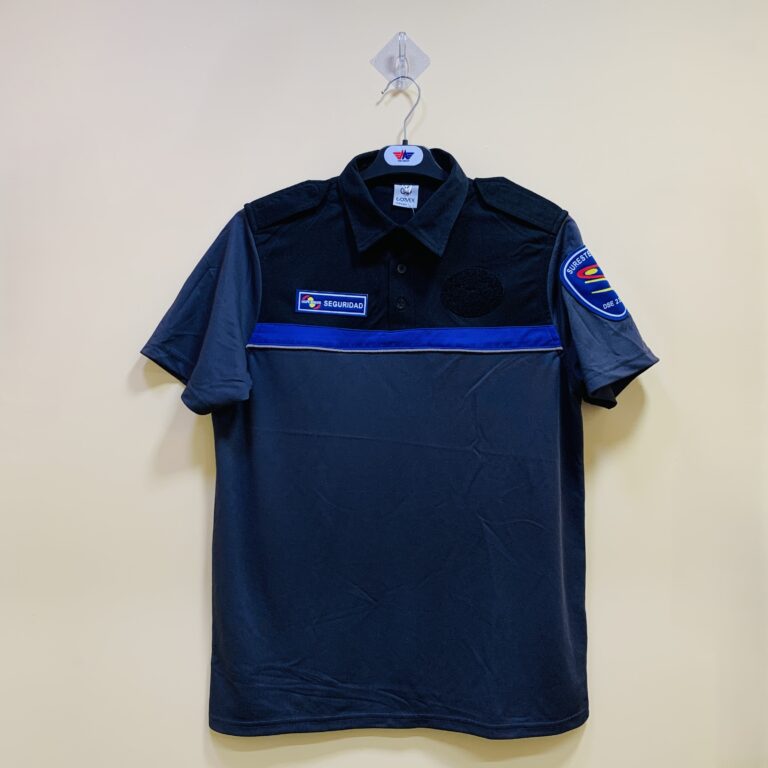
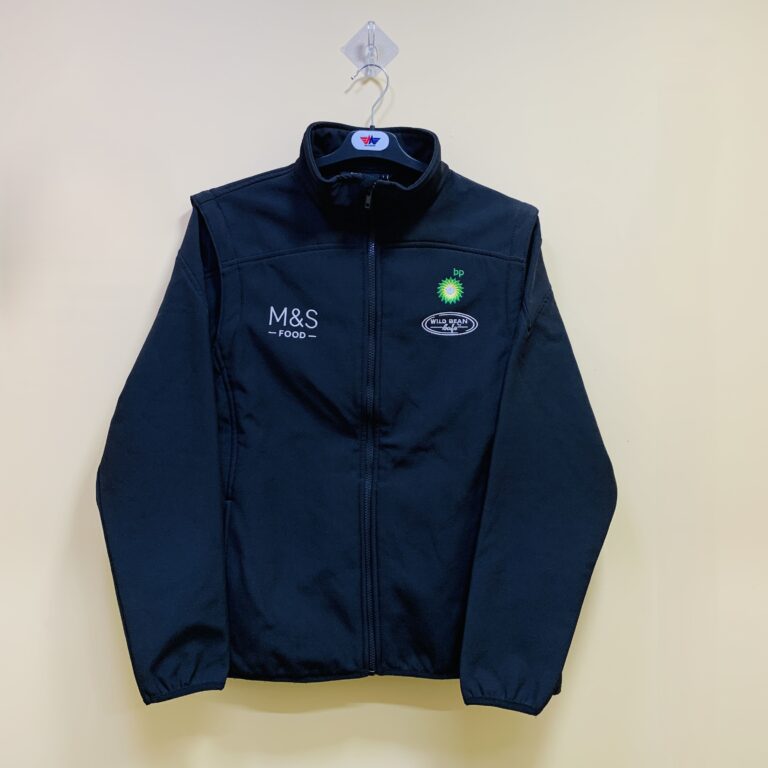
Also explore high-visibility wear, aprons, padded jackets and the complete workwear range. Catalogue images do not establish availability or protective performance for every proposed modification.
10 essential workwear and uniform export buyer checks
- Product brief: identify garment categories, wearer needs and care requirements.
- Commercial parties: confirm seller, manufacturer, exporter and coordination roles.
- Quantity matrix: record styles, colours, sizes and distribution allocations.
- Materials: approve fabric, trims and colour references.
- Fit and branding: retain accepted samples, charts, artwork and labels.
- Quality plan: define inspection scope and corrective-action decisions.
- Delivery basis: agree responsibilities and the named place.
- Packing: confirm garment identification, carton marks and allocation.
- Documents: agree the shipment-specific list and review responsibilities.
- Release and repeats: resolve open conditions and retain the final references.
Compare offers against one dated specification and delivery basis. Identify differences in materials, packing or services before treating an alternative price as equivalent.
Product categories and export planning decisions
| Programme | Product focus | Packing and coordination questions |
|---|---|---|
| Industrial workwear | Trousers, jackets and order-specific garment briefs | How are styles and sizes identified? |
| Corporate uniforms | Shirts, polos and coordinated layers | Is packing by team, individual or location? |
| Hospitality uniforms | Selected aprons, shirts and department garments | How are department quantities allocated? |
| Branded casual workwear | Tees, polos and selected outerwear | Which decoration and label references control the order? |
| Specialised garments | Defined performance and supporting evidence | Which product documents need review before release? |
These are enquiry categories rather than fixed offers for every design. Confirm feasibility and review relevant samples before selecting the production arrangement.
Explore our industrial workwear guide, corporate uniform guide and hospitality uniform guide for category-specific decisions.
Prepare the buying brief, party details and shipment instructions
Provide drawings or product references, fabric requirements, measurements, construction details, branding and packing instructions. Mark the current revision and identify any requirements still in development.
Break quantities down by style, colour and size. Include destination, target delivery information and the document instructions already provided by the buyer or appointed logistics provider. Confirm who prepares and reviews each record.
Identify the manufacturing site and any operations performed elsewhere. Ask who signs the order, receives payment and coordinates shipment. Keep the accepted commercial parties and responsibilities with the purchase order.
For a mixed programme, a shared brand colour may need separate approval on shirts and jackets. Packing may also differ between retail garments and workforce sets. Resolve those decisions before quotation and production release.
Read the sourcing and export coordination guide for related responsibility questions.
Fabric, colour and trim approvals
| Item | Define | Reference |
|---|---|---|
| Fabric | Composition, construction, target weight and finish | Accepted swatch |
| Colour | Reference and comparison method | Approved colour sample |
| Trims | Closures, thread, labels and accessories | Accepted components or trim card |
| Care | Laundering and appearance expectations | Agreed evaluation method and results |
| Dimensions | Measurement chart and tolerances | Reviewed fit sample |
GSM measures weight per square metre; it is not a complete quality assessment. Material suitability also depends on construction, finish and garment design.
Identify substitutes used in development samples and which approvals remain open for bulk materials. Distinguish informal checks from any formal test evidence needed for the programme.
Artwork, decoration and label control
Supply the current logo file, dimensions, colours and positions. Confirm the proposed decoration method and approve a suitable decorated reference before bulk release.
Review positions on the actual garment. A pocket, seam or placket may affect the available area. If the fit or layout changes, check whether decoration instructions need updating.
Specify brand labels, size identification, care information, swing tags and packing separately. Identify who supplies files and who approves the final versions.
For category-specific programme planning, see the corporate uniform guide and hospitality uniform guide.
Real company images: sourcing staff and samples
These existing company photographs show staff, samples and production-related activity. Discuss who will review your brief and maintain the sample approval log.
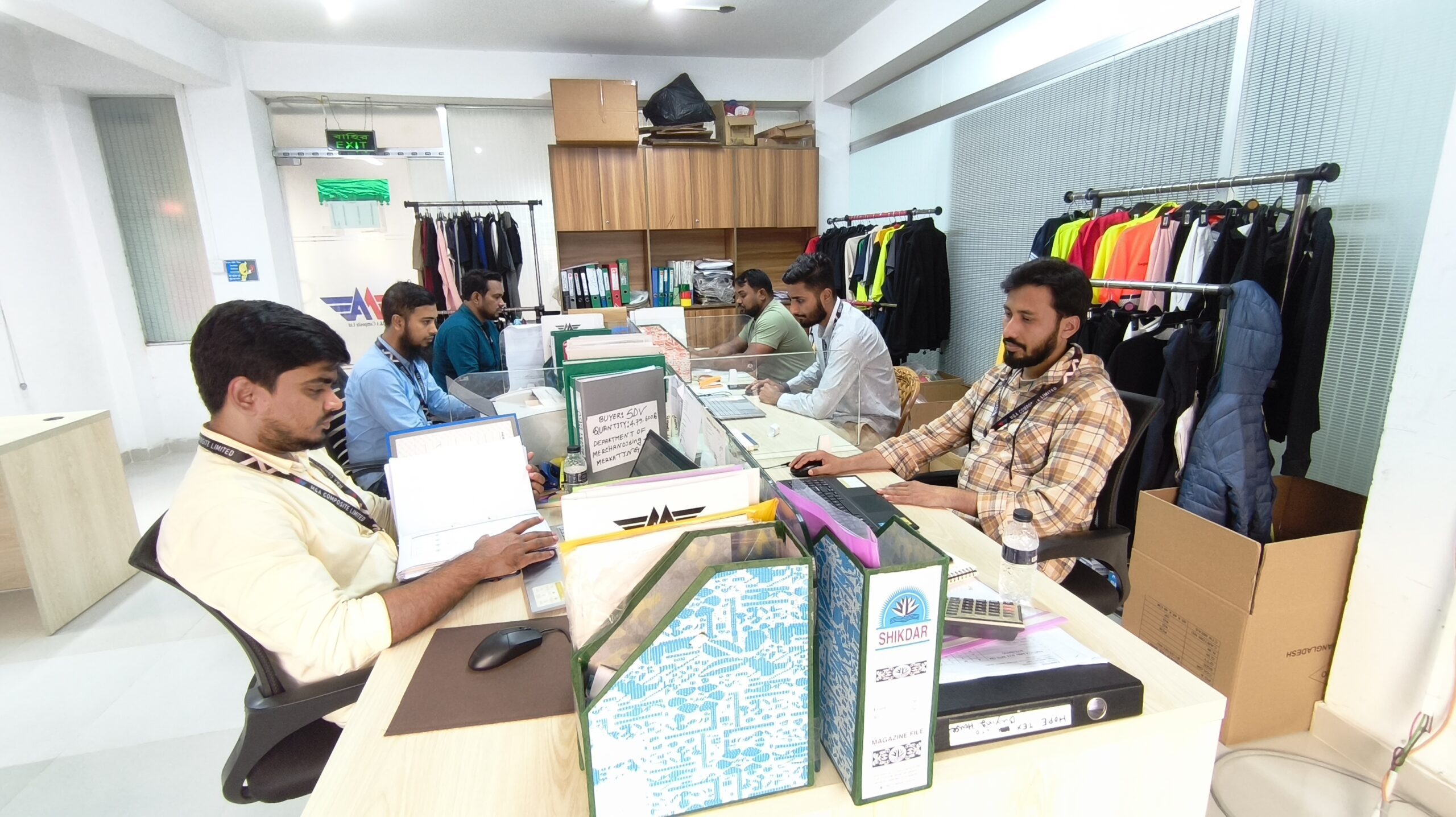
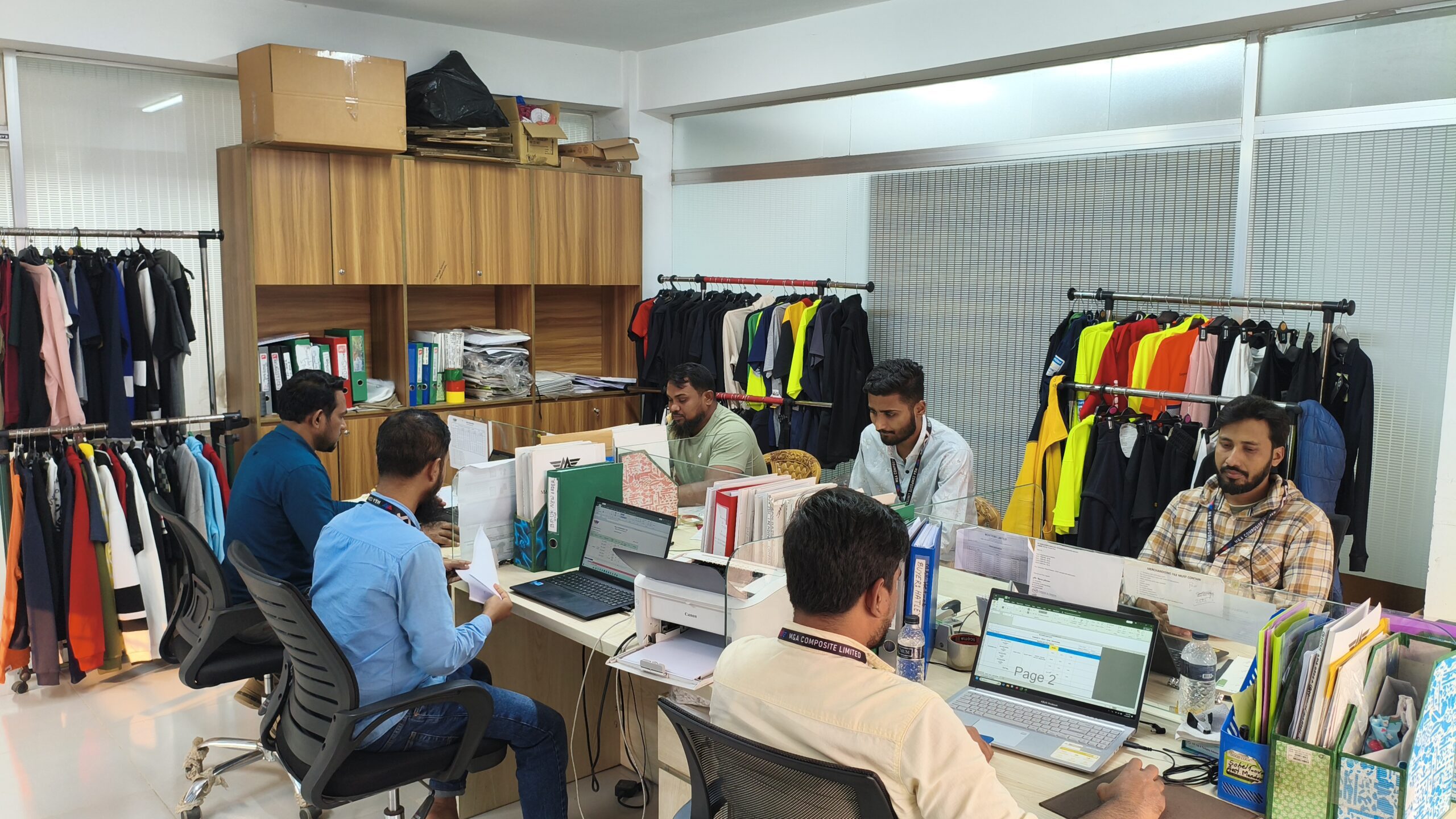
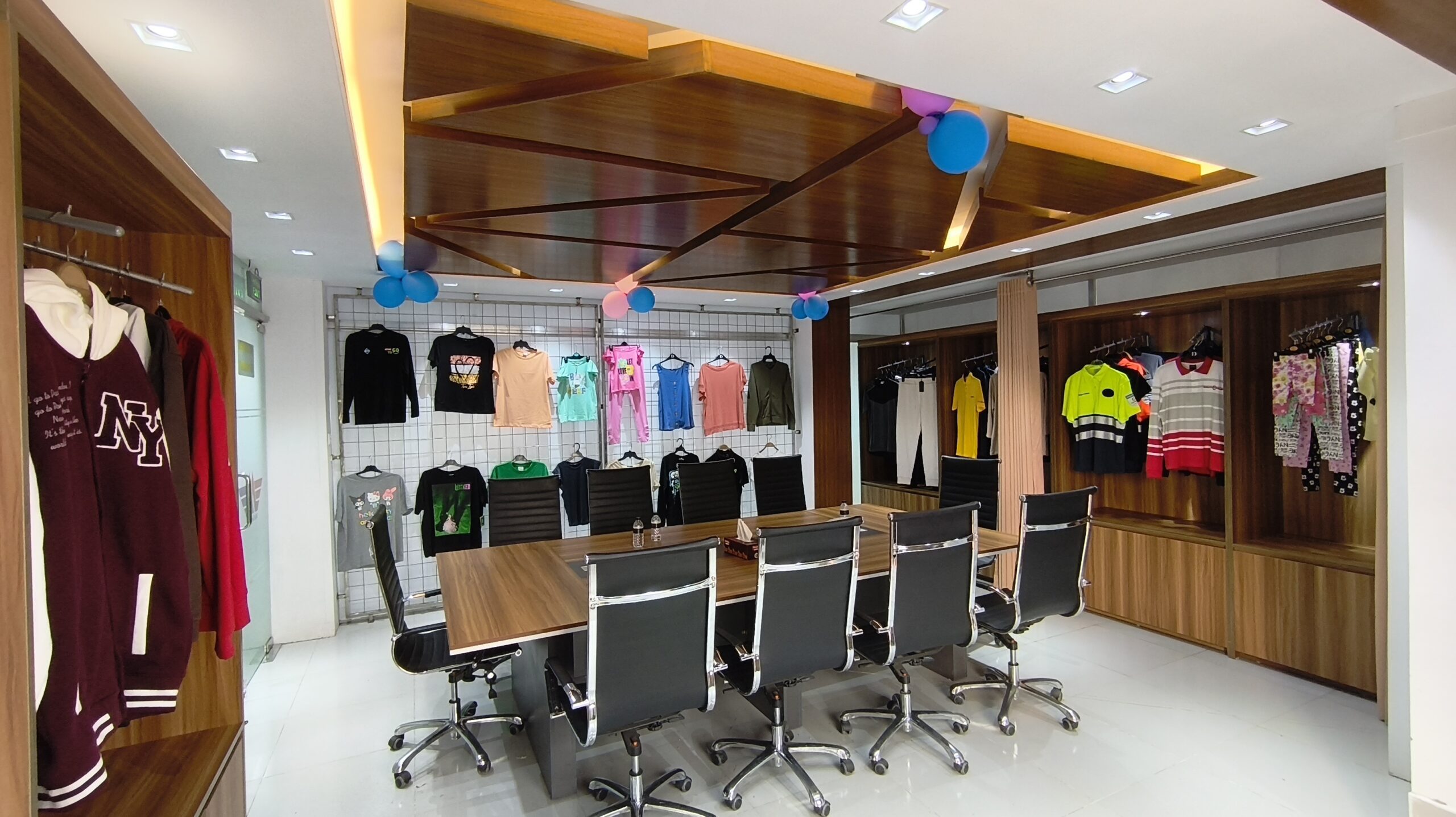
Agree a named contact and escalation route. The photographs introduce the working environment; relevant samples and current records support capability discussions.
Sampling, comments and pre-production release
Agree the development, fit, decoration and pre-production stages needed for the product. State what each sample resolves and which materials or details remain provisional.
Keep a dated log with the sample reference, specification revision, comments and status. Describe changes precisely by component, measurement or position and update the controlling file.
Before release, consolidate the accepted sample, materials, trims, artwork, labels and packing instructions. Confirm who authorises production and which revision controls the order.
For late changes, review the effect on product, evidence, cost and schedule before acceptance. A new instruction should not silently overwrite an approved reference.
Workwear and uniform export progress: 7 milestones
These bars illustrate a process. They are not live completion percentages, product-performance scores or delivery guarantees.
Identify the product, changes, wearer requirements and quantities.
Confirm the site, scope and commercial assumptions.
Resolve fit, colour, construction and trim comments.
Confirm artwork, labels, packing and accepted references.
Track dated findings, revisions and corrections.
Check acceptance conditions and allocation.
Review document consistency, coordinate dispatch and preserve accepted references.
Use a dated tracker for an actual order, showing owners, open issues and next actions.
Quality records and revision control
| Stage | Record | Decision |
|---|---|---|
| Sample review | Fit, construction and decoration comments | Approve or revise |
| Material approval | Identity against accepted references | Release or resolve differences |
| Inline checks | Dated findings and corrective actions | Confirm follow-up |
| Final inspection | Results against the agreed plan | Accept, rework or further review |
| Packing | Labels, quantities and allocation | Confirm readiness or correct details |
Define measurable acceptance criteria before production. If acceptance sampling is used, agree the method, levels and defect categories. An AQL reference alone does not describe the complete inspection arrangement.
Keep unresolved points visible at shipment release. Connect corrective-action evidence with the original issue and the accepted specification.
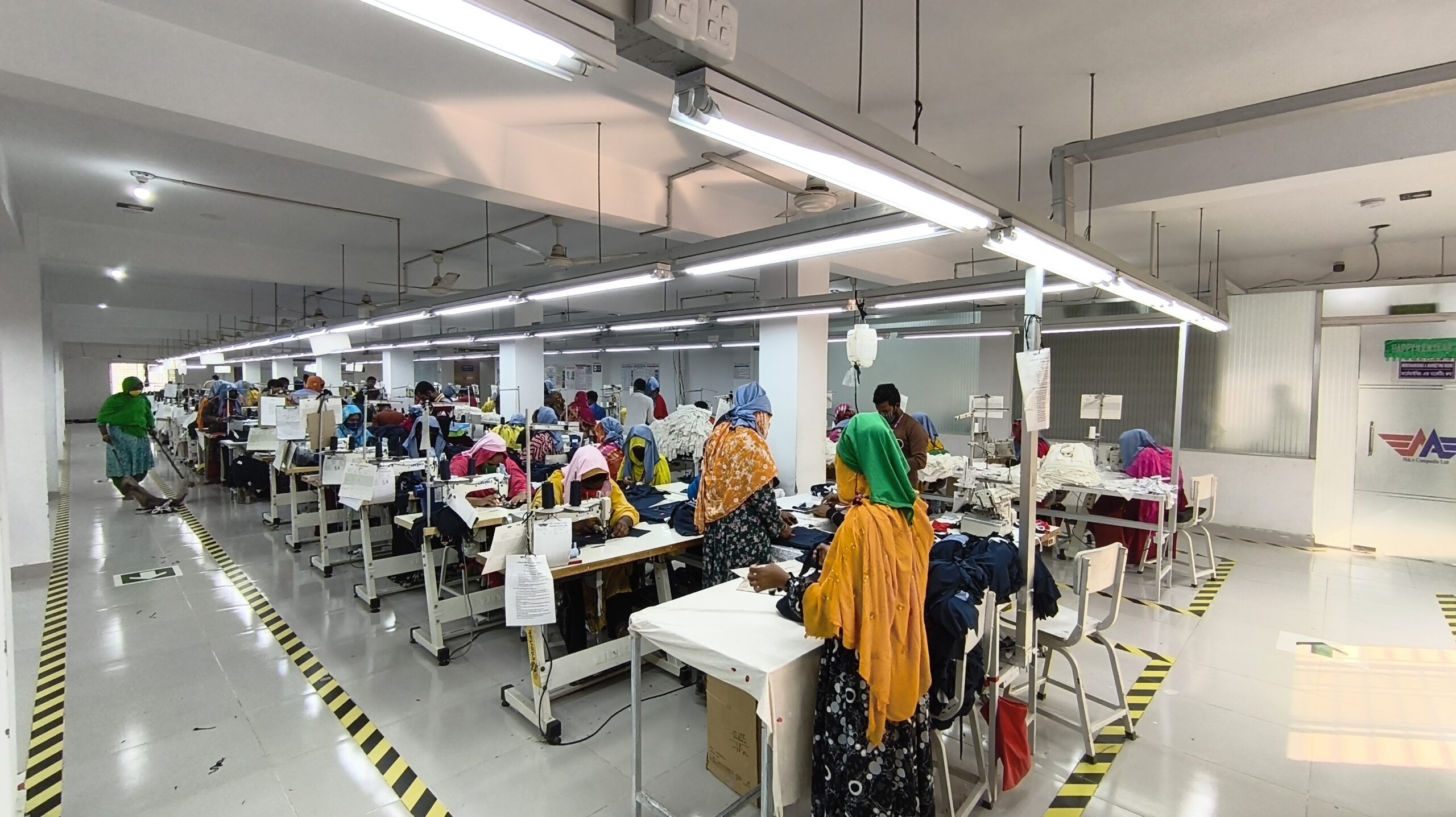
Related real images: production workers and garment handling
These existing company photographs show sewing activity and garment handling. Discuss the proposed manufacturing site and any operations performed elsewhere.
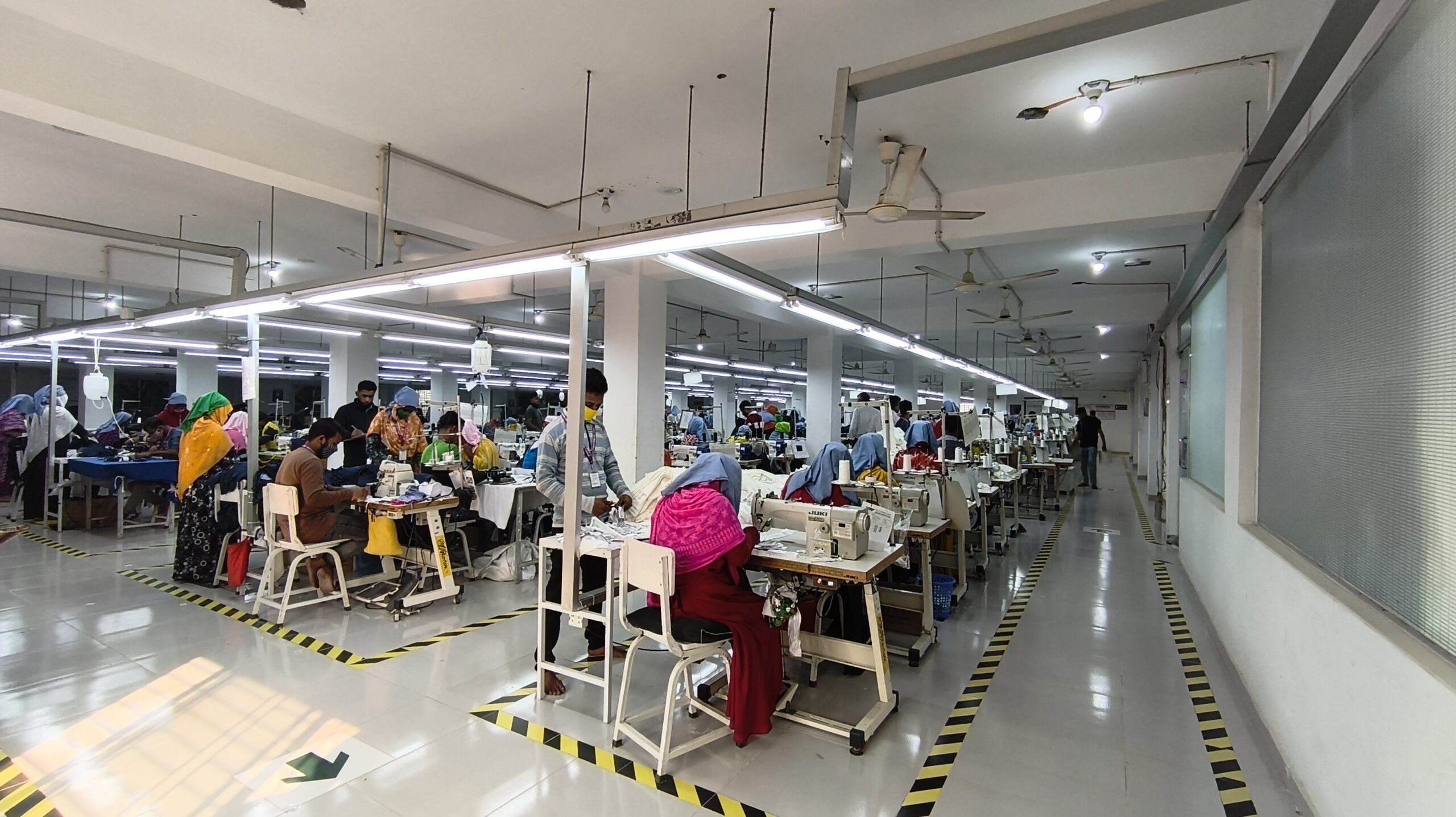
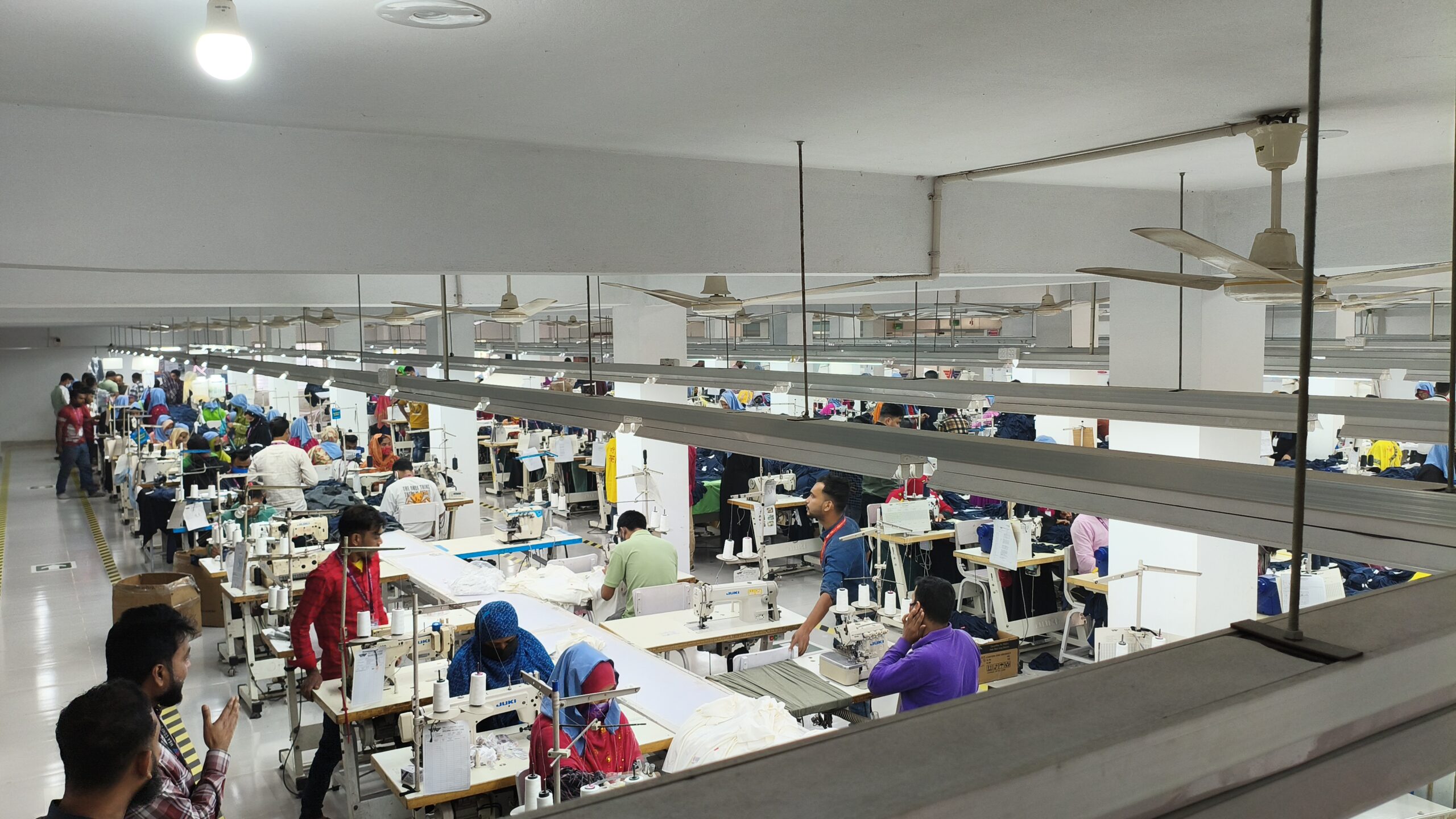
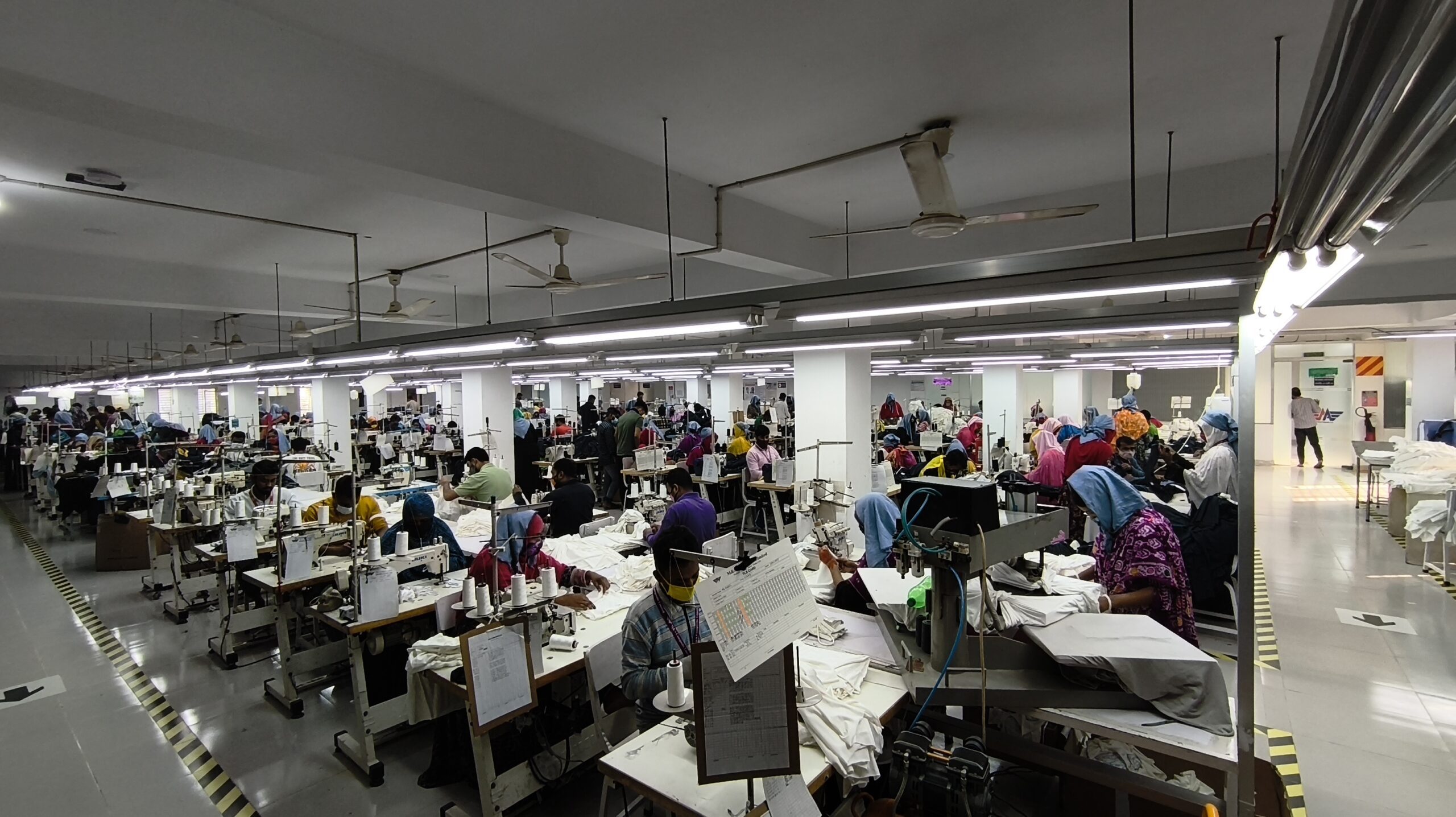
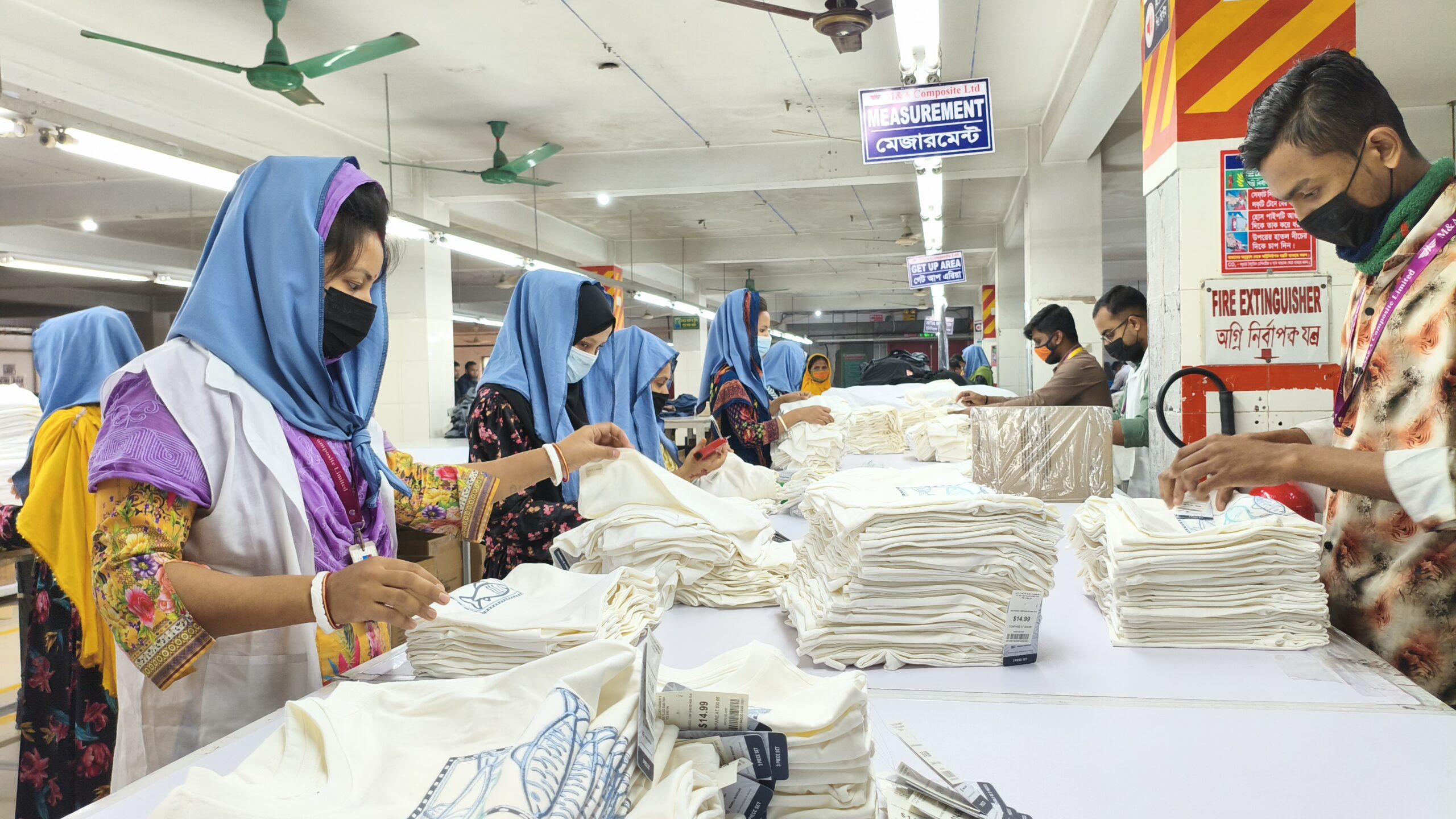
The images are not presented as a particular customer’s custom order, audit result or delivery status. Request current programme-specific records for those decisions.
Responsible sourcing and product evidence
Review documents for the actual manufacturing entity and allocated site. Check scope, dates, findings and corrective actions. A document from another factory does not establish the selected site’s status.
Sedex’s SMETA guidance describes an audit methodology rather than certification. Review site-specific findings and improvement actions.
OEKO-TEX STANDARD 100 concerns textiles tested for harmful substances. Confirm the relevant certificate and article scope.
Define any required protective or environmental claim and its supporting evidence for the actual programme. Broad compliance wording should not replace product-specific review.
Commercial terms, document consistency and repeat shipments
No universal MOQ, price or timeline is offered here. Request terms for the specification, quantities, materials, services and delivery arrangement you intend to buy.
| Question | Confirm in writing | Purpose |
|---|---|---|
| Who performs each role? | Seller, manufacturer, exporter and transport coordinator | Defines responsibilities |
| What is included? | Product revision, branding, packing and services | Makes offers comparable |
| What minimums apply? | Style, colour, fabric and trim restrictions | Checks quantity feasibility |
| Which documents apply? | Shipment-specific list and review ownership | Avoids assuming one universal pack |
| What starts the schedule? | Material, approval and payment dependencies | Connects dates with milestones |
| How are changes handled? | Product, price, documents and timing impact | Controls revisions |
Review invoice, packing and transport information where applicable against accepted instructions. The required document list depends on the actual shipment; agree it with the buyer and appointed providers. Resolve differences in descriptions, quantities, parties or allocation before final release.
Keep inspection acceptance, packing readiness and shipment release as identifiable decisions. Production completion alone should not conceal outstanding conditions.
Retain specifications, samples, materials, artwork, inspection results and final shipment references. Before repeating an order, review substitutions, quantities, current terms and changed destination or packing instructions.
For bulk allocation, see the wholesale workwear guide.
Frequently asked questions
How do I choose a workwear and uniform exporter in Bangladesh?
Compare the product brief, commercial parties, manufacturing site, sample approvals, quality scope, packing, documents and shipment responsibilities for the actual order.
Can I discuss workwear and uniform exports with M&A Sourcing?
Yes. Share products, materials, branding, quantities and destination. Confirm feasibility and responsibilities in an order-specific proposal.
Where can I see actual product examples?
Use the linked Cargo and Trousers, Shirts, Tees and Polos, and Softshell cards. Each picture and button opens its category page.
Are the sourcing company, manufacturer and exporter always the same entity?
Do not assume so. Identify which entity performs each role and retain the agreed commercial arrangement.
How should quantities be recorded?
Provide a matrix by style, colour and size, including department or location allocation where relevant. Confirm packing and garment identification requirements.
Which shipment documents are required?
Agree the list for the actual product, destination and transaction with the buyer and appointed providers. No universal required list is published here.
Is there a fixed MOQ or timeline?
No universal MOQ or timeline is offered here. Request terms based on materials, quantities, approvals and the production and delivery arrangement.
Do the progress bars show live shipment status?
No. They illustrate seven order milestones. A real programme needs a dated tracker with owners, issues and next actions.
What supports shipment release?
Review agreed inspection results, resolved corrective actions, packing allocation and document consistency against the order’s release conditions.
How can I contact M&A Sourcing?
Use the contact page, email info@mnasourcing.com or WhatsApp +8801993672513. Include the product brief, quantity matrix, packing and destination.
Related buyer guides
Start your workwear and uniform export enquiry
Send your design references, wearer brief, materials, artwork, quantities and destination. Request a proposal covering development, samples, production responsibilities, quality checks and commercial assumptions.