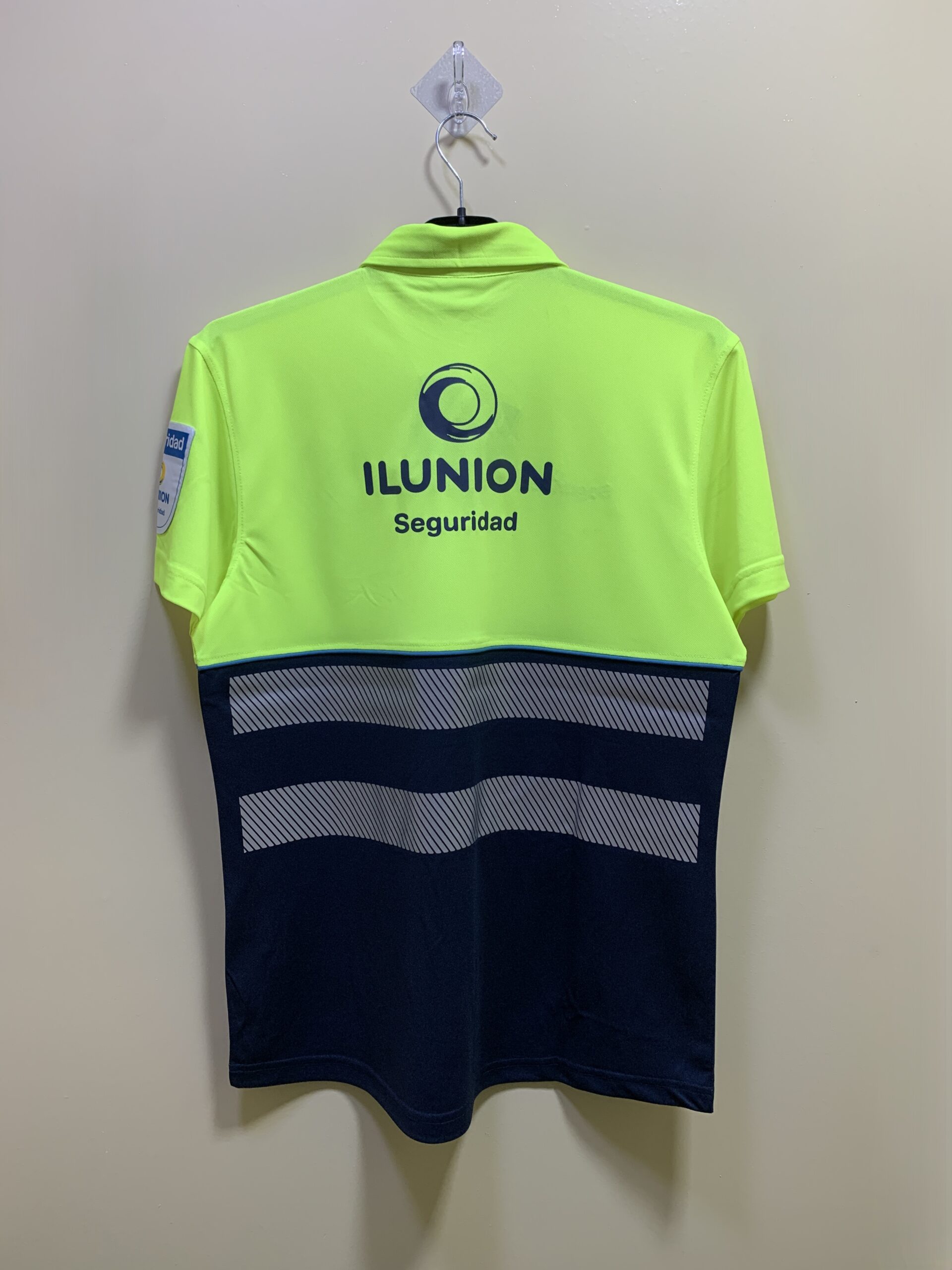
Best Workwear Manufacturer in Bangladesh 2026: A Practical Buyer Guide
Published by M&A Sourcing Ltd. | Updated: 7 October 2026
Searching for the Best Workwear Manufacturer in Bangladesh 2026? Start with the requirements of your workforce: garment function, fit, materials, washing, quality evidence and delivery planning. This guide helps buyers assess suppliers and prepare a clear sourcing brief.
M&A Sourcing Ltd. presents workwear sourcing and manufacturing services for international buyers. Below, you will find real company photographs, comparison tables, a seven-stage production roadmap and practical questions to ask before ordering.
“Best” describes the supplier that meets your requirements; it is not an independently verified number-one ranking. Commercial terms and certification availability must be confirmed for each programme.
Discuss your workwear project or request samples →
M&A Sourcing Ltd.: company background and real work images
M&A Sourcing Ltd. describes its services as apparel sourcing, merchandising, manufacturing coordination and quality control. Its company background page presents a history beginning in 1998 and a renewed business approach from 2020. Buyers should confirm the legal entity, production site and responsibilities that apply to their own order.
For buyers searching for the Best Workwear Manufacturer in Bangladesh 2026, relevant evidence is more useful than a broad ranking claim. The photographs below come from the company’s existing media library and show people working on garments. They illustrate activity and working environments; photographs alone do not prove capacity, compliance or the results of a particular order.
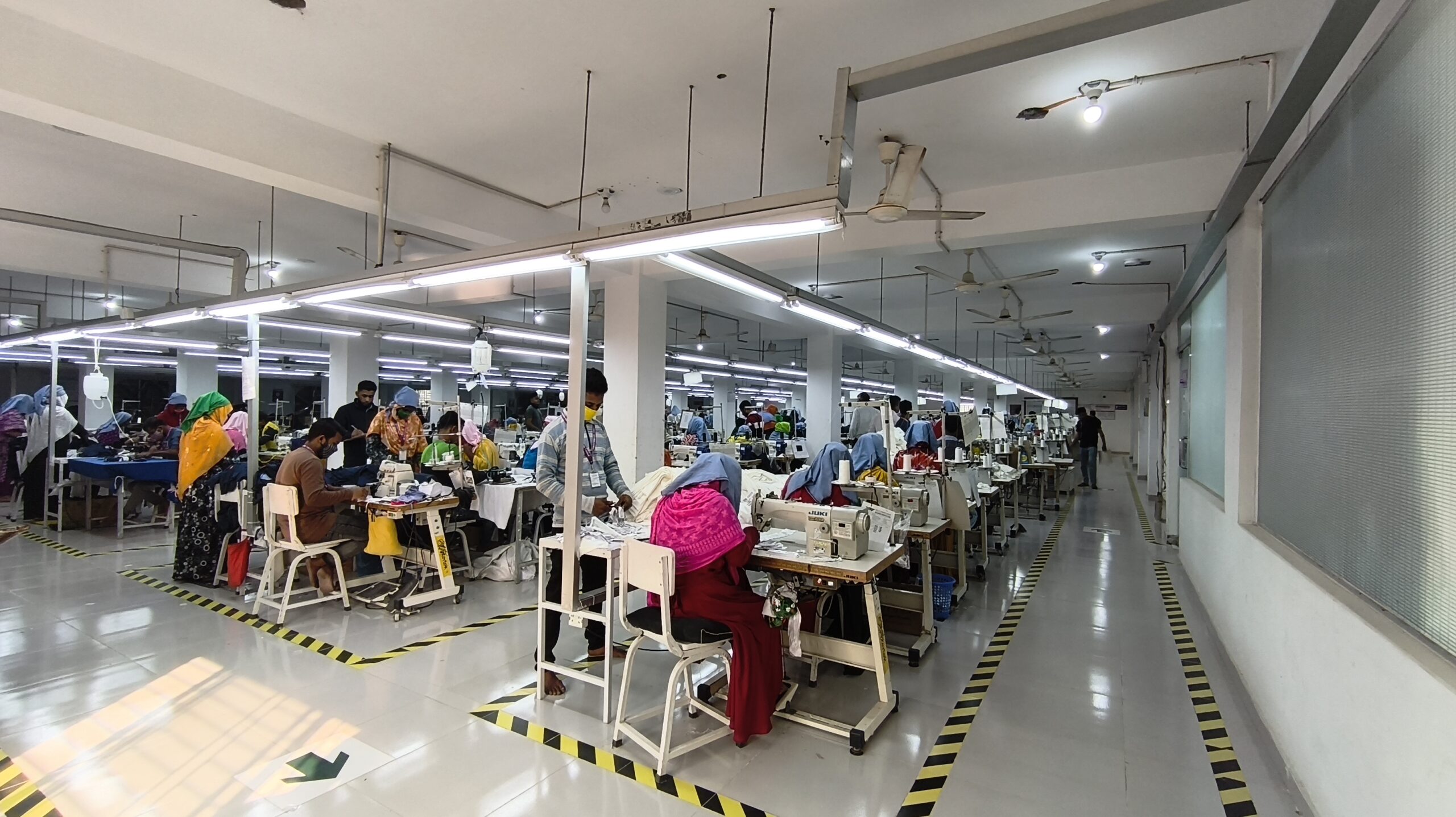
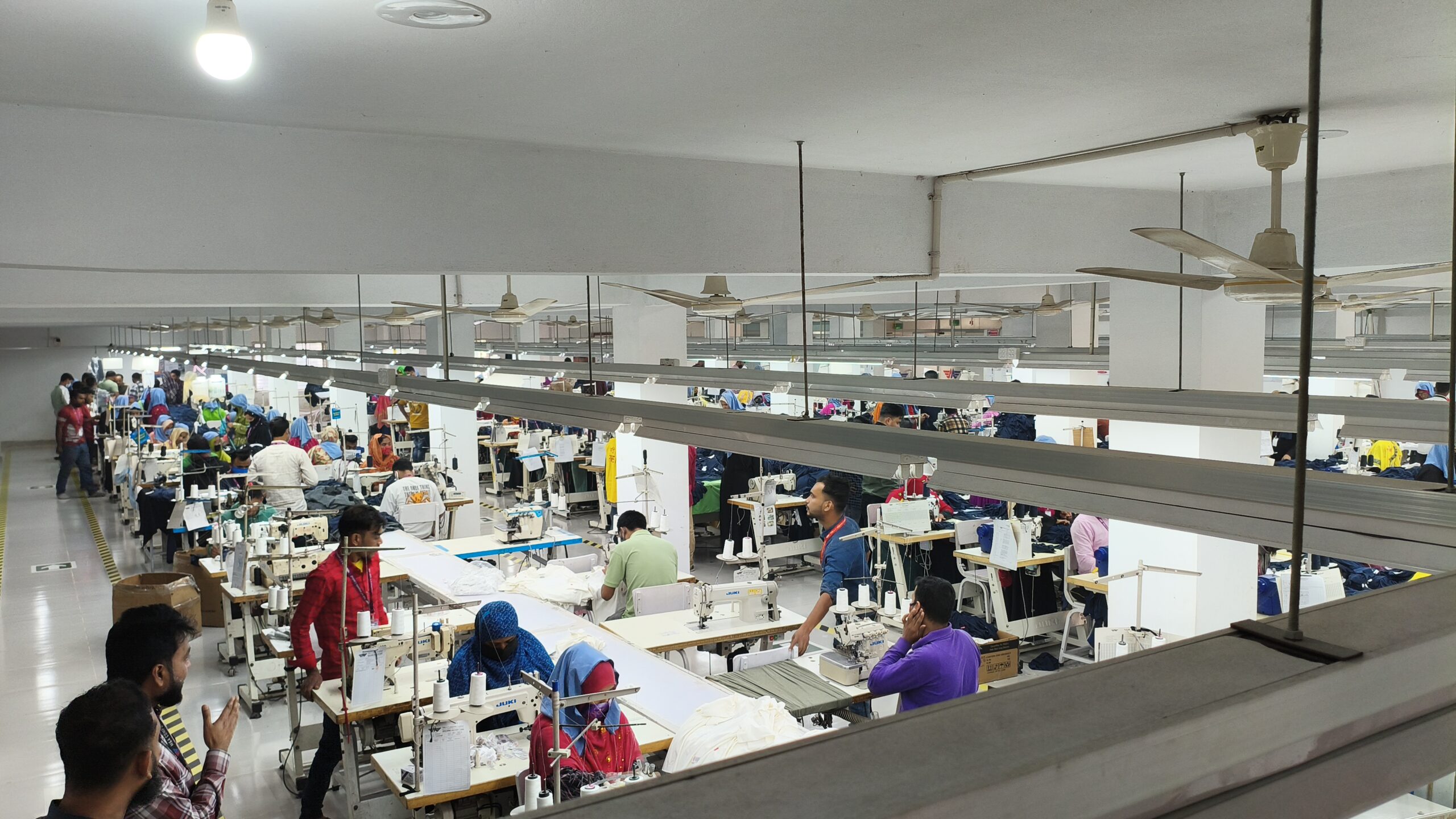
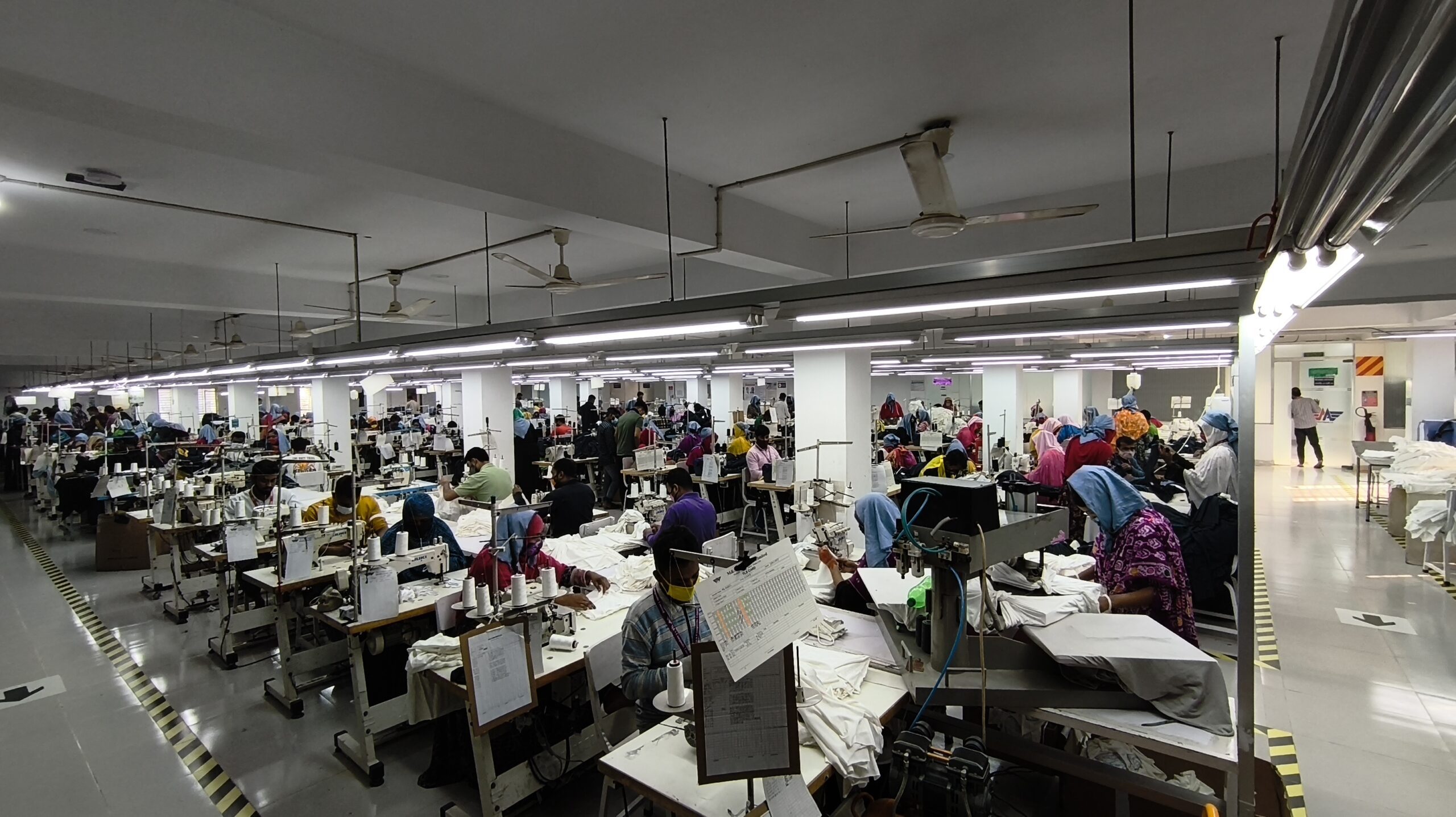
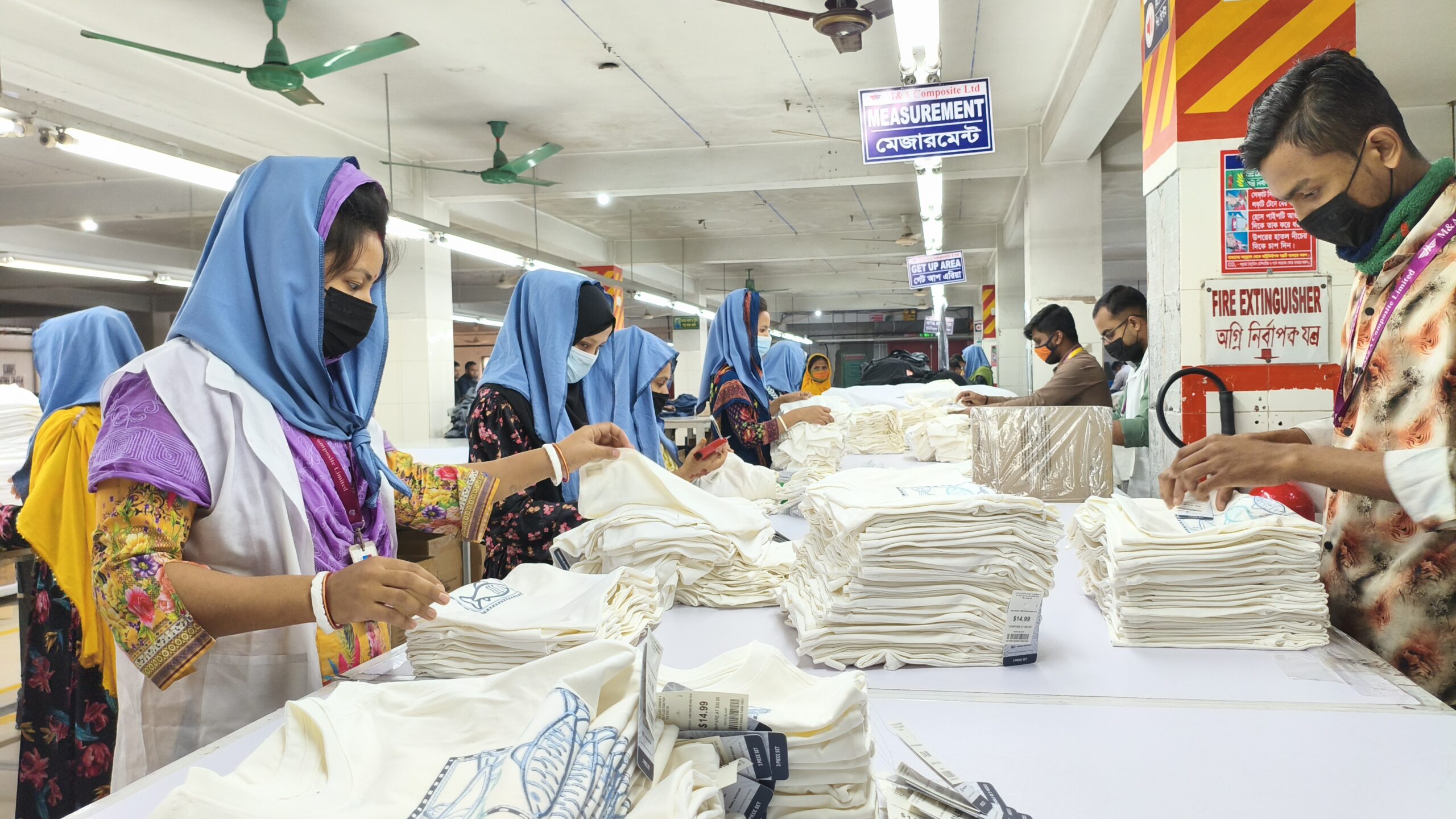
Ask the team how the pictured operations relate to your proposed programme. Confirm which processes are performed at the allocated site, which are handled by production partners and who approves corrective actions. A clear answer helps buyers understand the supply chain before commercial commitments are made.
For additional examples, explore the workwear product range and custom workwear manufacturing guide. Use an existing product as a starting reference, then specify the changes your workforce needs.
10 essential checks for the best workwear manufacturer in Bangladesh 2026
The right supplier depends on your workforce, environment, budget and destination market. Use the same checklist when comparing companies. A low unit price is difficult to assess when fabric, inspection and packaging requirements differ.
- Relevant garment experience: request samples comparable to your proposed trousers, jackets, coveralls or uniform sets.
- Production responsibility: identify the manufacturer, any subcontracted operations and the person accountable for quality.
- Written specifications: agree composition, construction, measurements, pockets, trims and branding positions.
- Usable samples: review fit and movement on intended users, then record changes before bulk approval.
- Material evidence: approve swatches, colour references and test results relevant to the programme.
- Clear MOQ: confirm minimums separately for styles, colours and specialised materials.
- Comparable pricing: document decoration, labels, packing, inspection and delivery assumptions.
- Quality checkpoints: agree how defects are identified, corrected and reported during production.
- Realistic scheduling: separate material sourcing, sampling, bulk manufacturing and transit milestones.
- Verifiable claims: check applicable certificates, reports and permissions instead of relying on marketing labels.
These checks provide a practical interpretation of “best”. They do not establish an independent league table or a number-one position for M&A Sourcing Ltd. Choose a supplier whose documented capability matches the requirements of your actual workwear order.
Workwear types and industry requirements
Start with the job rather than a photograph of a uniform. Ask employees what they carry, how they move, how frequently garments are washed and where clothing wears out. That information helps define pockets, closures, reinforcement and fit.
| Application | Garment examples | Questions to resolve |
|---|---|---|
| Construction and logistics | Cargo trousers, jackets, work shirts and visibility garments | Movement, pocket access, wash care and any required visibility performance |
| Manufacturing and maintenance | Coveralls, trousers and two-piece uniforms | Abrasion areas, closures, seam durability and job-specific requirements |
| Healthcare and hospitality | Scrubs, tunics, aprons and service uniforms | Care routine, comfort, coverage, colour consistency and branding |
| Corporate and team clothing | Polos, shirts and coordinated uniforms | Fit range, colour matching, logo placement and replenishment planning |
Ordinary workwear and protective equipment are different purchasing categories. If protection against a specific hazard is needed, the buyer must identify the applicable requirements and obtain appropriate evidence for the finished product. A reflective strip or a heavier fabric does not by itself establish protective performance.
Browse cargo trousers, high-visibility garment examples and medical wear to prepare a relevant reference for your enquiry.
Fabric comparison: comfort, durability and wash care
Fabric choice should follow the intended use and care routine. GSM measures weight per square metre, but weight alone does not establish durability. Fibre composition, yarn, weave, finishing, seam construction and laundering all contribute to garment behaviour.
| Material / construction | Potential application | Approval checks |
|---|---|---|
| Cotton woven fabric | Work shirts and uniforms where cotton hand feel is desired | Shrinkage, colourfastness, weight and finished measurements |
| Polyester/cotton twill | Trousers, coveralls and repeated-use uniforms | Declared blend, weave, pilling, seam strength and wash results |
| Stretch woven fabric | Workwear designed for mobility | Stretch recovery, pocket support and seam behaviour |
| Piqué knit | Polo shirts and team uniforms | Collar stability, shrinkage, surface appearance and embroidery suitability |
| Specialised protective fabric | Programmes with defined protective requirements | Applicable product requirements, test evidence and compatibility of all components |
Ask for a swatch and a garment sample using the proposed bulk material. Agree the wash procedure and acceptance criteria before interpreting the results. A sample washed at home without a defined method may be helpful for initial feedback, but it should not be presented as a certified test report.
When comparing quotations, check whether the same fibre blend, fabric weight, finishing and trims are included. A proposal for a different material is an alternative, not a directly comparable price. Record the final bill of materials so later approvals refer to one specification.
Explore real workwear products from M&A Sourcing
View actual product photographs from our existing catalogue. Click each image or product name to open its dedicated category page and explore more examples.
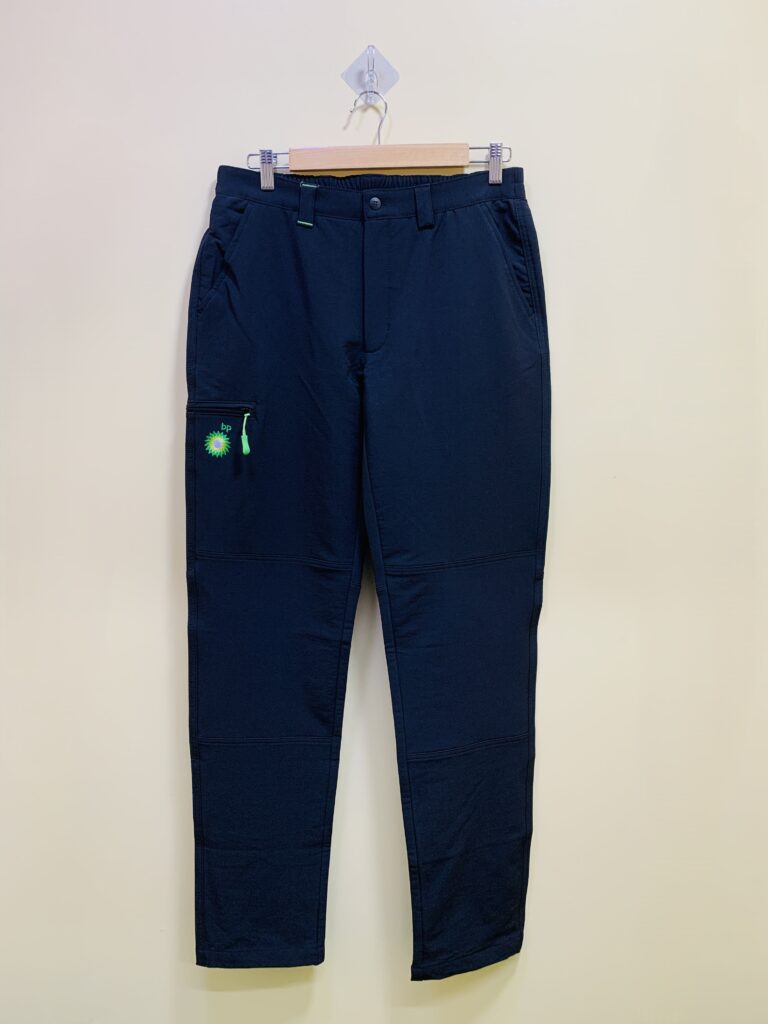
Cargo & Trousers
Browse trouser samples and discuss fit, pockets, fabrics and reinforcement.
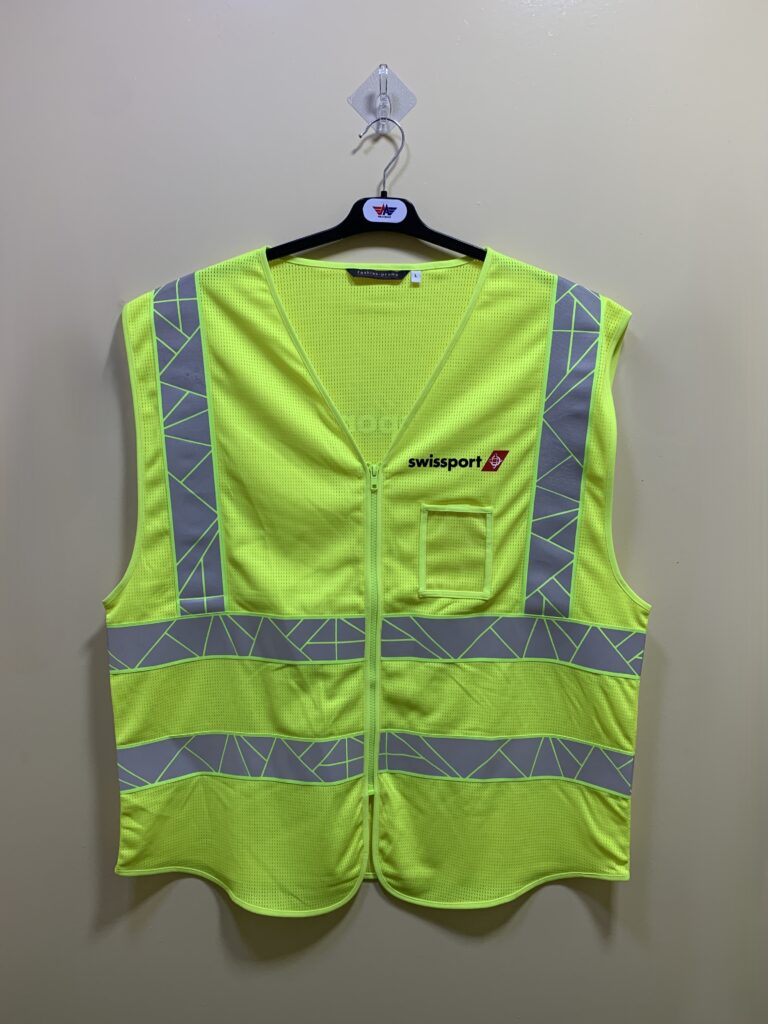
High Visibility Wear
View visible-wear samples and confirm the required design and supporting evidence.
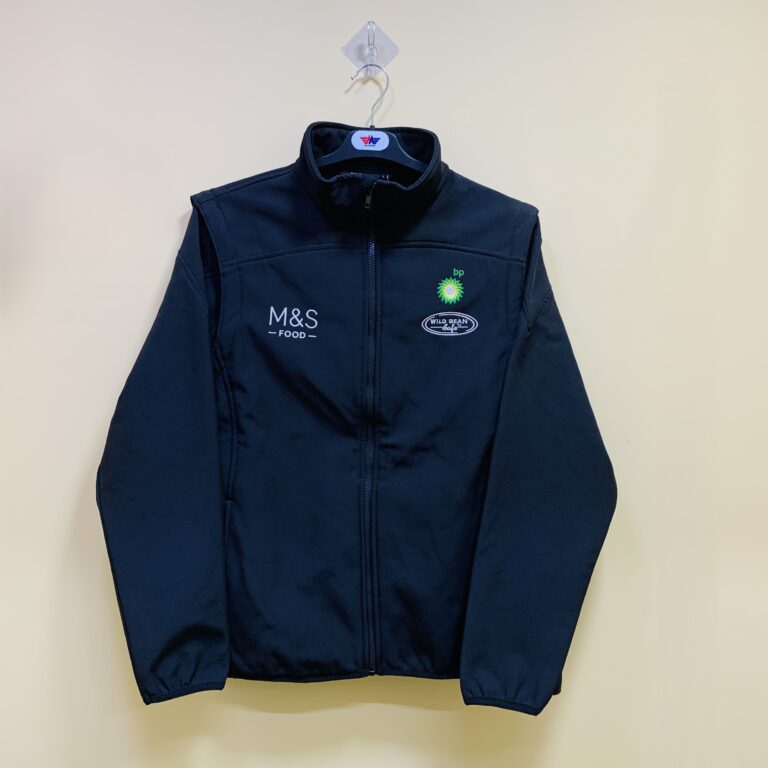
Softshell Jackets
Explore jacket samples and discuss layering, closures and branding.
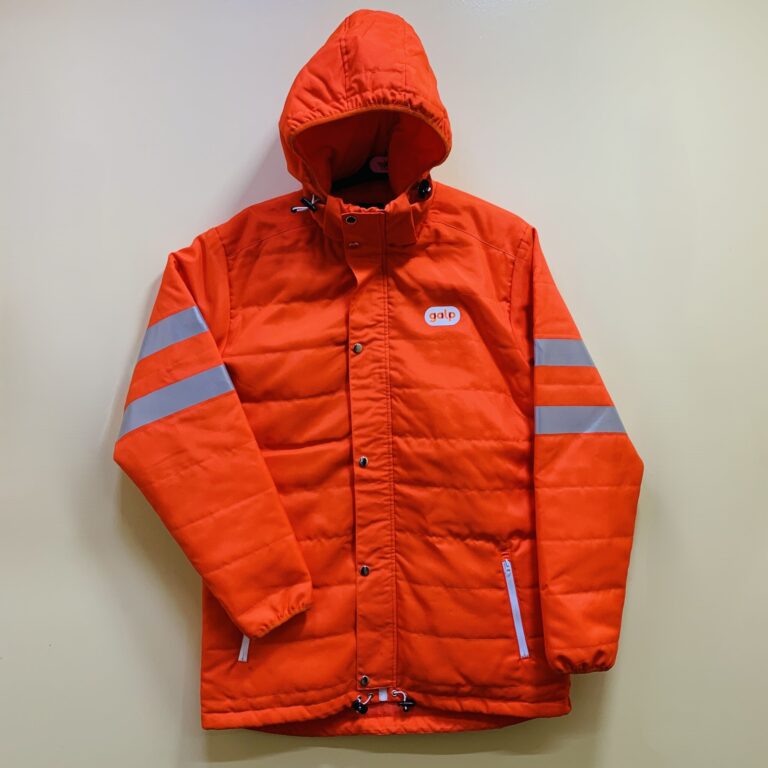
Padded Jackets
Browse padded-jacket samples and discuss shell, lining, fit and packing.
Also explore our complete workwear range, hoodies, tees and polos and vests. Confirm product availability, specifications and any required performance evidence for your own programme.
Production progress bars: 7 approval milestones
This visual guide shows the sequence of an order. The bars indicate milestone positions, not real-time order status, production percentages or guaranteed lead times.
Stage 1 of 7: Brief and specifications confirmed
Stage 2 of 7: Materials and colours approved
Stage 3 of 7: Development sample reviewed
Stage 4 of 7: Pre-production reference approved
Stage 5 of 7: Bulk production monitored
Stage 6 of 7: Final inspection completed
Stage 7 of 7: Packing and shipment released
At the first checkpoint, the buyer should provide a tech pack, quantity breakdown and intended use. Material approval should include fabric, colours, labels and trims. Sample review should close fit, construction and decoration comments in writing. The pre-production reference then becomes the shared standard for the order.
During bulk production, ask for updates that connect progress with quantities and the agreed schedule. Quality findings should identify the affected style and the action taken. Final inspection and packing checks should be completed according to the approved plan before shipment release.
Use a shared approval log to track decisions. Identify who can approve a colour, fit or artwork change, and record the date and version. This reduces the risk of production following an outdated instruction when several people are involved in the programme.
Quality control: what buyers should approve and record
A dependable workwear programme needs a measurable acceptance standard. “Good quality” is not a complete instruction. Set tolerances for key dimensions, confirm construction details and identify which tests or inspections are required for the intended use.
| Checkpoint | What to review | Useful record |
|---|---|---|
| Material approval | Composition, colour, surface appearance and specified tests | Approved swatches and relevant reports |
| Sample approval | Fit, movement, construction, pockets and branding | Signed sample comments and size chart revision |
| Inline inspection | Seams, assembly, decoration and recurring defects | Inspection findings and corrective actions |
| Final inspection | Measurements, appearance, quantities and agreed sampling checks | Final report linked to the order and style |
| Packing verification | Labels, barcodes, size assortment and carton markings | Packing list and dispatch checks |
Where sampling inspection is used, agree the sampling plan and defect categories in advance. It does not mean every unit has been inspected. Request reports that identify the order, style, colour, inspected quantity and date, with clear photographs where a defect needs explanation.
Repeat orders also need quality approval. Keep the current size chart, colour standard and artwork version accessible. If a fabric source or trim changes, decide whether reapproval is required before bulk production. These controls are especially useful when several locations or teams share the same uniform programme.
Custom branding, practical design and private-label options
Workwear customisation involves more than putting a logo on a garment. Pockets need to support the tools or documents employees use. Cuffs, waist adjustments, closures and reinforcement should be reviewed with the actual tasks in mind. Fit should allow the required movement without adding unnecessary bulk.
For printing or embroidery, provide authorised artwork, dimensions, placement and colour references. Review a decorated sample on the proposed fabric, rather than approving a digital mock-up alone. Check appearance after the agreed laundering process and confirm the backing or application method where relevant.
Labels, care instructions, hang tags, barcodes and packing arrangements should be part of the quotation brief. Confirm which language and destination-market requirements apply. Custom branding should not be assumed to preserve the performance of a certified protective garment; verify changes against the applicable product requirements.
M&A Sourcing’s corporate uniform guide and T-shirt sourcing guide offer related starting points for branded uniform programmes. Confirm the available customisation methods and costs with the team for your chosen style.
Compliance and certification: verify the scope of every claim
When assessing the Best Workwear Manufacturer in Bangladesh 2026, distinguish company information, factory audit records, material certificates and finished-product testing. Each document answers a different question. Request current evidence for the relevant legal entity, production site and product.
For protective clothing, consult the official ISO 13688 general requirements resource alongside the standards relevant to the required protective performance. For high-visibility garments, see the official ISO 20471 resource. The buyer should confirm the applicable edition and requirements for the destination market.
OEKO-TEX STANDARD 100 addresses testing textiles for harmful substances. Verify a presented certificate using the issuing organisation’s resources. It is not a substitute for evidence of a garment’s specific protective performance.
This guide does not certify M&A Sourcing Ltd., its production partners or every product shown. Discuss documentation with the supplier before using a certification logo or making a product claim. For organic or recycled materials, establish the relevant sourcing and documentation requirements before placing an order.
Related real images: office coordination, samples and production
A uniform order connects several activities: interpreting the brief, checking samples, coordinating materials and monitoring garment production. These company-supplied photographs show office work, sample presentation and sewing-floor activity.
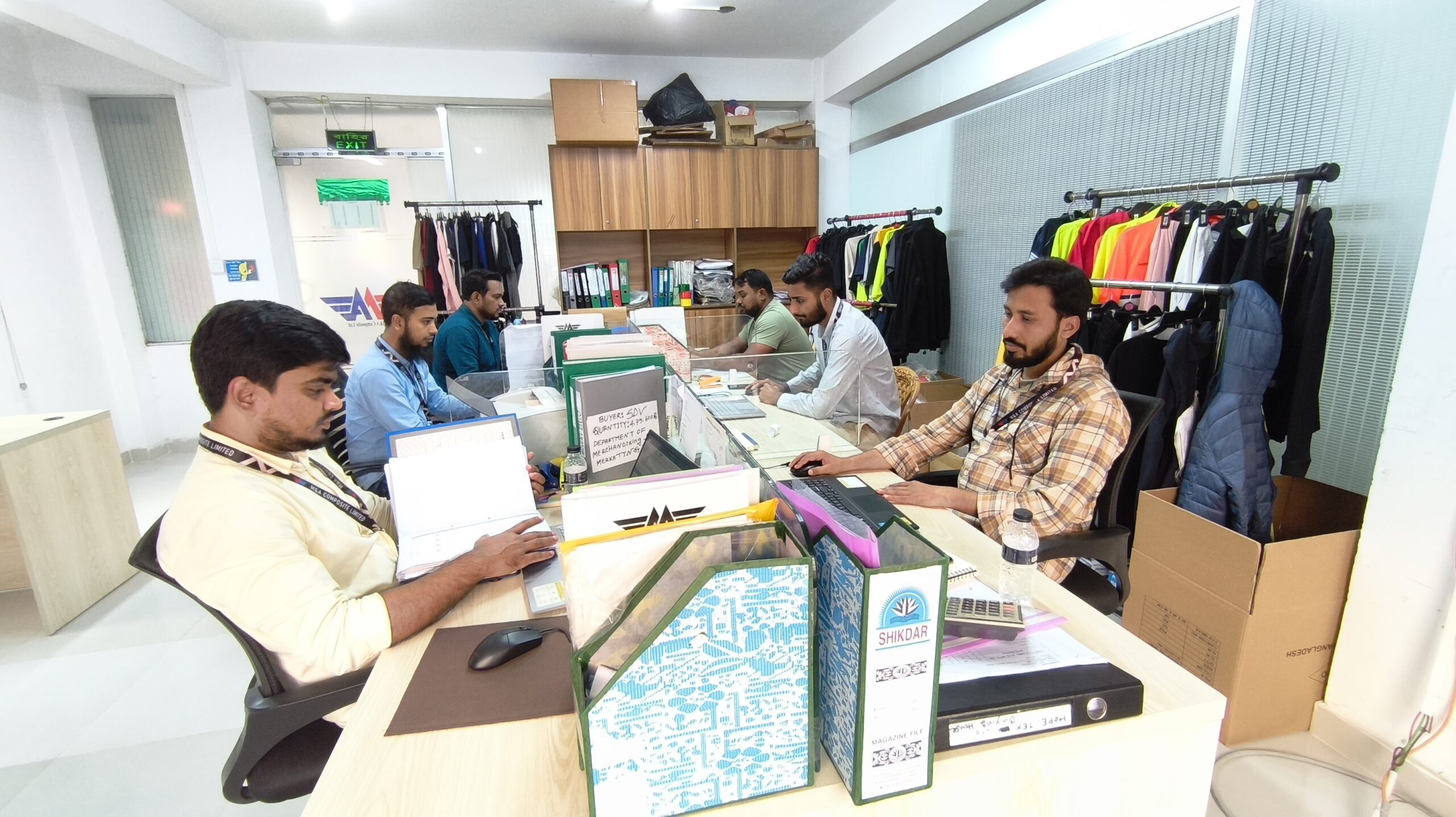
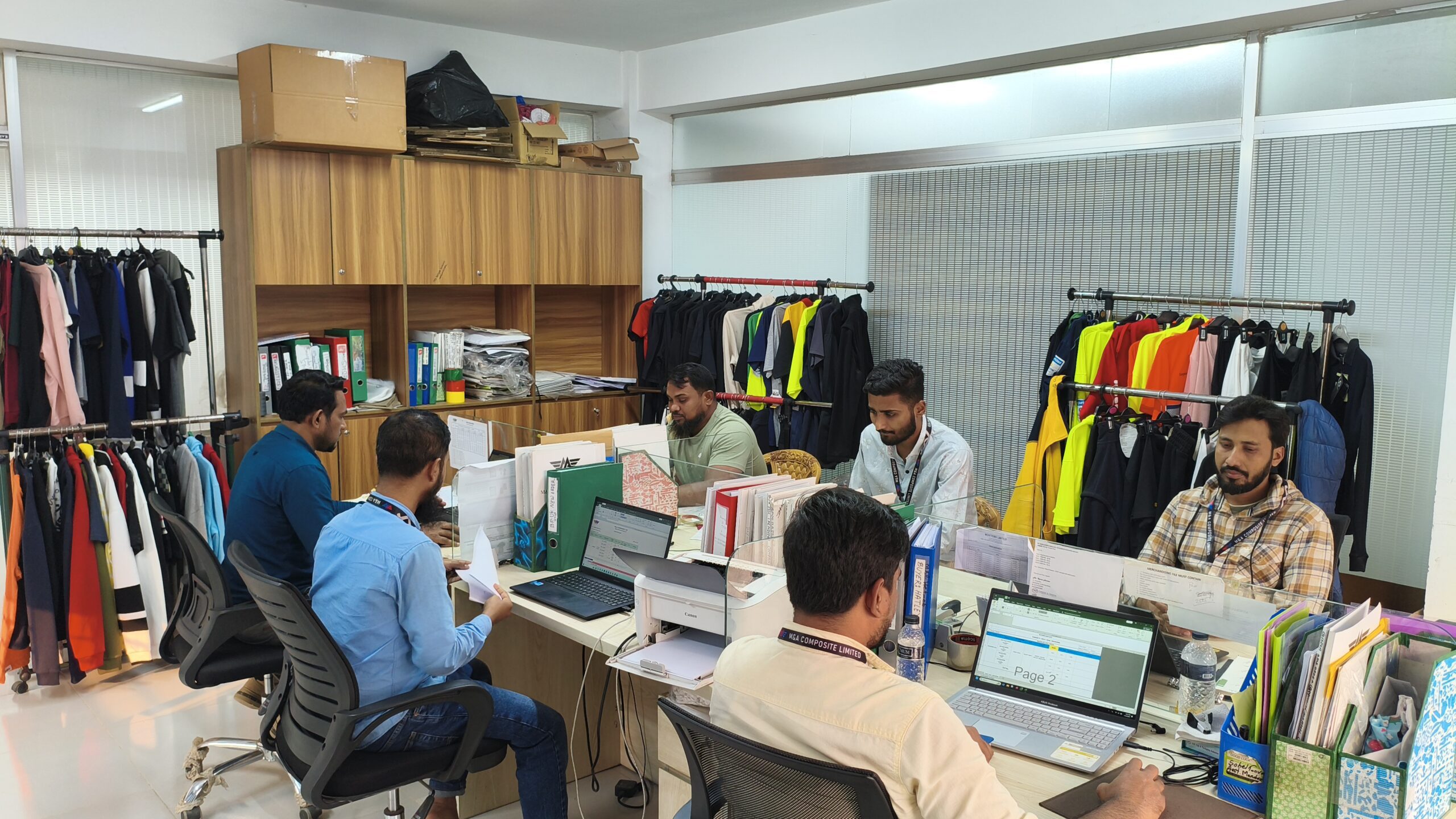
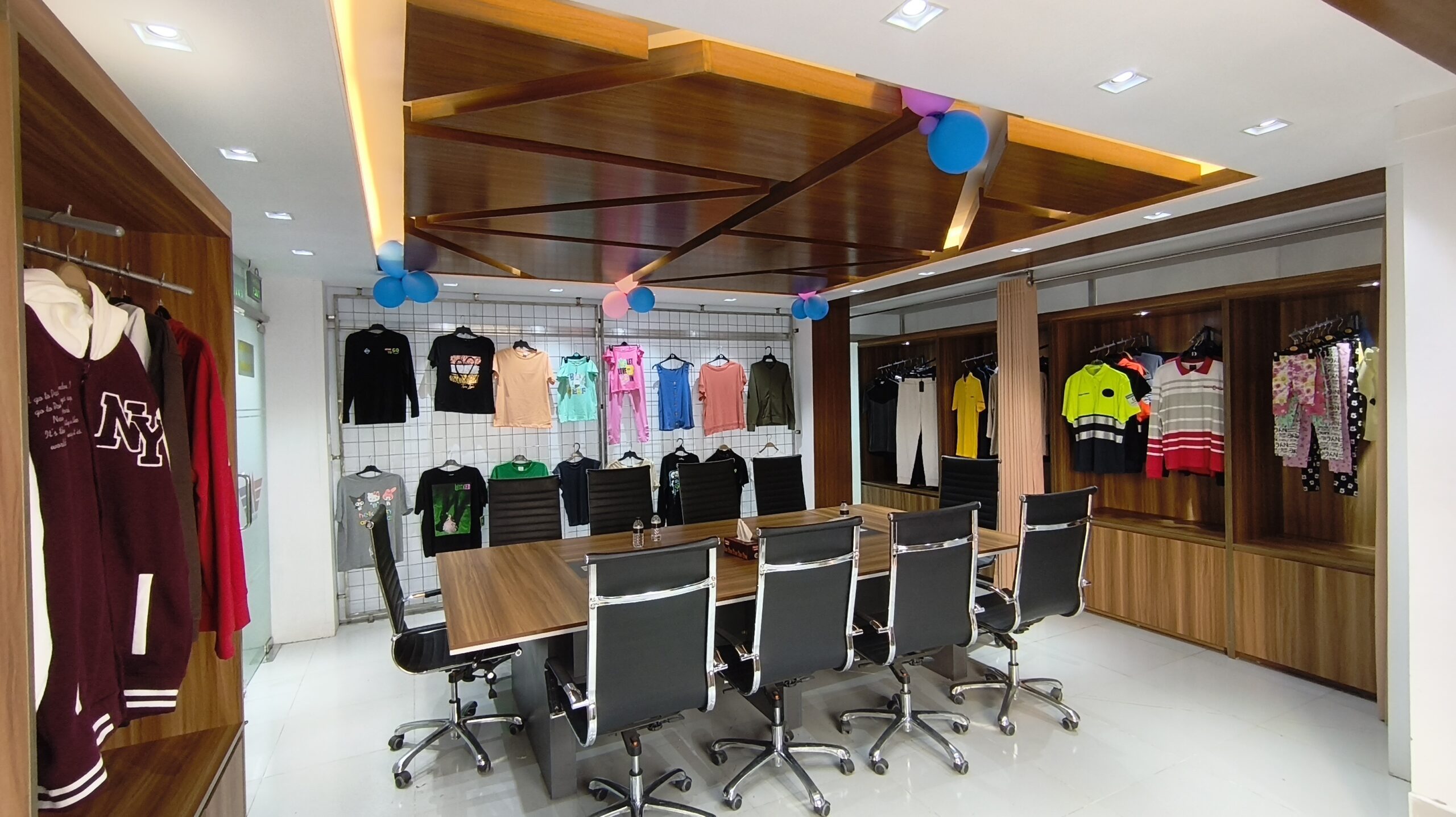
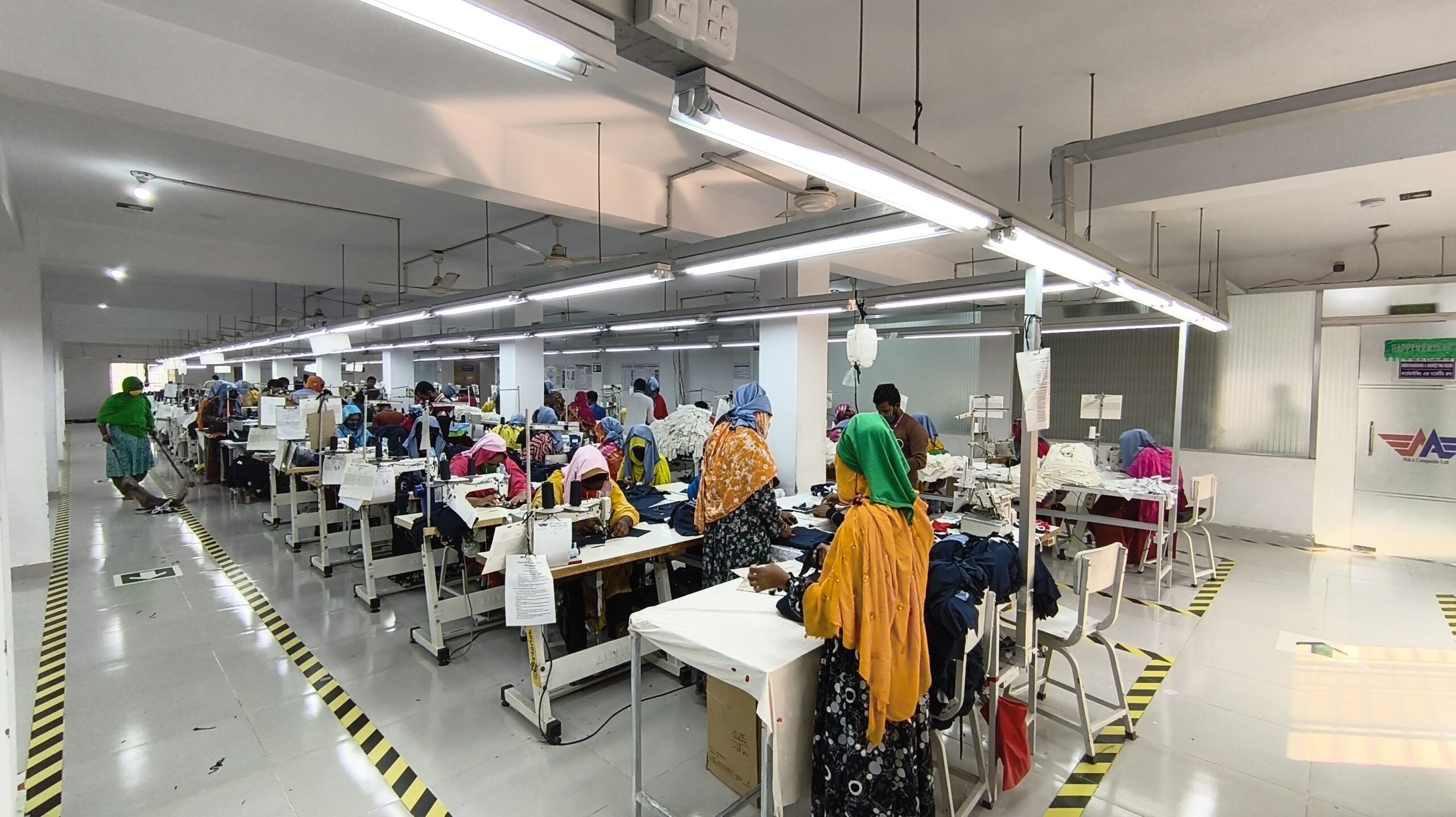
Use the photographs as discussion references. Ask how sample comments move from the merchandising team to the production team, who confirms corrections and how buyers receive updates. A photograph can introduce the people and environment involved; approval records and order-specific reports provide the operational evidence.
Explore related M&A Sourcing pages
MOQ, lead time and quotation checklist
MOQ and lead time should be confirmed for the specific programme. Fabric purchasing, colour quantities, specialised trims, sample revisions and production capacity can affect the proposal. This guide deliberately does not publish an unconfirmed minimum quantity, unit price or delivery promise.
| Information | What to send |
|---|---|
| Intended use | Industry, tasks, care routine and required protective performance if applicable |
| Product specification | Tech pack, construction details, fabric preference and size chart |
| Order breakdown | Quantities by style, colour and size |
| Branding | Artwork, print or embroidery placement and label requirements |
| Quality requirements | Measurements, tolerances, inspection expectations and required documents |
| Delivery requirements | Destination, requested timeline, proposed terms and packing instructions |
Ask the supplier to separate sampling time, material availability, bulk production and transit. Confirm which approvals start the agreed production schedule. If a requirement changes, request a revised price or timetable before treating the earlier offer as valid.
Compare the full scope of quotations, including currency, validity period, payment stages, inspection and delivery arrangements. Reorder planning should also cover replacement uniforms and colour consistency across later batches. A useful supplier relationship makes these practical details clear from the beginning.
Request a workwear quotation or discuss sample development. Send the brief above so the merchandising team can respond to the actual requirements of your project.
Approval planning and repeat orders: practical buyer examples
Consider an illustrative uniform programme with trousers, shirts and jackets. The same company colour is required across different fabrics. Approving one colour on a shirt fabric does not automatically approve the jacket material: surface texture and finishing can change its appearance. Ask for references on each proposed fabric and agree how colours will be compared.
Similarly, an approved size chart should identify the garment and intended fit. A jacket worn over other clothing needs a different fit discussion from a polo worn directly against the body. Request samples in the sizes needed for review, collect wearer feedback and record changes to the pattern or measurements before authorising production.
This is a planning example, not a claim about a completed M&A customer order. It shows how buyers can convert general expectations into documented approvals. Apply the same approach to pocket position, closures, embroidery and packing: specify the requirement, review the evidence and identify the approved version.
Compare cost over the intended service life
Unit price is one part of a uniform budget. Also consider replacement frequency, care requirements, freight, inspection and the time spent handling corrections. A more expensive garment is not automatically better; compare evidence of performance against the intended tasks and laundering routine rather than assuming that price establishes quality.
Before ordering, ask how replacement sizes or additional quantities will be handled. Confirm whether fabric and colour references can be retained for future programmes and what changes would require reapproval. The supplier should explain which reorder assumptions can be maintained and which depend on material availability.
Keep one approved order file
Store the tech pack, size chart, artwork, bill of materials, approval comments, quotation and production schedule together. Label each revision clearly and designate the person who can authorise a change. An email approving an old sample should not silently override a newer specification.
When production updates arrive, compare them with this file. If a trim, fabric or packaging arrangement needs substitution, request a clear explanation of its effect on appearance, function, price and timing. Record the decision before the change reaches bulk goods.
At shipment release, reconcile the final packing list with the confirmed quantity breakdown. Keep relevant inspection and testing records alongside the order documents so your team can review the programme when planning replacements. This creates a useful record of what was agreed, checked and delivered.
Frequently asked questions
How do I choose the best workwear manufacturer in Bangladesh in 2026?
Compare relevant samples, documented production responsibilities, material specifications, quality checkpoints, certification evidence and commercial terms. The best fit depends on your workforce, intended use and order requirements rather than a universal supplier ranking.
What workwear can I discuss with M&A Sourcing Ltd.?
The company’s product pages cover workwear and uniform categories such as cargo trousers, jackets, polos, medical wear and high-visibility garment examples. Confirm availability, construction and any required protective performance for your order.
Are the photographs in this guide real company images?
The galleries use existing photographs from M&A Sourcing’s media library, identified by the company as its real images. They show staff, garment production, finishing and sample-display environments.
What is the MOQ for a workwear order?
MOQ depends on the style, colour breakdown, fabric and trims. Request a written minimum for each part of the proposed order; this guide does not state an unconfirmed universal MOQ.
How long does workwear production take?
Material availability, sampling, revisions, order quantity and capacity affect timing. Ask for separate sampling, approval, production and shipment milestones before committing to a delivery date.
Can logos, labels and pockets be customised?
Discuss authorised artwork, branding position, label requirements and functional details with the supplier. Approve the decorated garment sample and verify any impact on required protective performance.
Does a high-visibility appearance prove certification?
No. Colour and reflective details alone do not establish compliance. Confirm applicable requirements and obtain evidence for the finished product and the proposed design.
How should I check garment quality?
Agree measurable specifications, sample approval, relevant tests and an inspection plan. Review inline findings, corrective actions and the final report before shipment release.
Do all products shown have the same certifications?
This guide makes no blanket certification claim. Check the scope and validity of documentation for the legal entity, production site, material and product relevant to your order.
How can I request a quotation?
Contact M&A Sourcing through its contact page, info@mnasourcing.com or WhatsApp. Include intended use, specifications, quantity breakdown, branding, quality requirements and destination.
Best Workwear Manufacturer in Bangladesh 2026: Plan Your Enquiry
Prepare the specification, quantity breakdown and delivery destination, then discuss the details with M&A Sourcing Ltd. Ask for an order-specific proposal and the approval steps needed before bulk production.
Request a Workwear Quotation | Discuss Samples on WhatsApp
Email: info@mnasourcing.com
Office: House 06, Road 12, Sector 09, Uttara, Dhaka 1230, Bangladesh.