T-Shirt Printing Methods: 9 Essential Checks for Better Orders
T-shirt printing methods affect the look, feel and production requirements of branded garments. Screen printing, direct-to-garment printing and heat-transfer applications should be compared against the actual fabric, artwork and order rather than treated as interchangeable services.
This M&A Sourcing Ltd. buyer guide helps clothing brands and importers prepare a clearer decoration brief, compare proposals and approve the physical result. For the wider sourcing process, read our T-shirt manufacturer in Bangladesh guide.
Table of Contents
1. Begin with the artwork, garment and buying brief
T-shirt printing methods should be compared against a complete brief: the artwork, finished print dimensions, garment fabric and colour, order allocation, intended feel and care expectations. A method name alone cannot tell you whether the finished application will suit your product.
Send the actual design rather than requesting a quotation for a generic logo. Identify each location separately and state whether the artwork changes by colourway, size or individual wearer. Ask the supplier to identify unresolved technical questions before treating an indicative price as a confirmed offer.
For the wider sourcing process, use our T-shirt manufacturer in Bangladesh guide. This article concentrates on selecting and approving decoration, with project-specific feasibility and available processes to be confirmed by M&A Sourcing Ltd.
2. Understand what screen printing brings to the discussion
Screen printing applies ink through a prepared screen stencil. A multicolour design involves additional preparation and registration considerations. Describe the artwork colours, fine details, gradients and desired appearance so the decorator can explain the proposed approach rather than simply quoting a colour count.
For a repeated design, ask how setup, print locations, garment colours and quantity allocation affect the quotation. There is no universal order quantity at which screen printing becomes the cheapest option. Compare actual quotations for the same garment and approved result.
Review ink coverage, edges, colour, placement and feel on the intended fabric. Different ink systems and application choices can produce different results. Do not assume that all screen prints have the same texture or that the process name establishes a particular wash life.
3. Assess direct-to-garment printing against the exact fabric
Direct-to-garment, or DTG, uses a printer to apply the image directly to the garment. It is worth discussing for detailed artwork and designs where digital image handling is relevant. The proposed equipment, ink system, garment surface and preparation still need to suit the actual product.
Epson’s DTG overview identifies cotton and cotton/polyester blends as material options for its maker-focused workflow. Treat that as manufacturer guidance for the relevant system, not proof that every DTG process supports every blend or finish. Ask the decorator to confirm compatibility for the exact fabric reference.
Check whether garment preparation, a white underbase or other process choices affect appearance, feel and quotation. Review a physical application and the agreed care evidence. A digital mock-up cannot establish how the colours or fine details will appear on the final garment.
4. Define which heat-transfer process is being proposed
Heat transfer is a broad description, not a single material or printing system. Ask whether the supplier proposes cut heat-transfer vinyl, a printed transfer, direct-to-film transfer or another identified product. Those options can have different preparation, appearance and application requirements.
Specify the finished dimensions and location, including names or numbers where relevant. Request the exact transfer product or system and its suitability for the garment material. Confirm that the decorator will follow the applicable manufacturer instructions for that product rather than assuming one temperature and time work for everything.
Review edge definition, adhesion, feel and stretch interaction on the intended garment. For polyester-containing materials, ask about dye-migration risk and the suitability of the proposed transfer system. Stahls’ technical resources discuss this concern; no generic transfer name guarantees that it has been resolved.
5. Prepare usable artwork and placement instructions
Ask the decorator what file format and image quality are needed for the chosen process. Provide a finished-size reference and identify colour expectations. Avoid approving a small on-screen preview as evidence that tiny text, thin lines or gradients will reproduce as intended at garment scale.
Create a placement diagram with measurements from stable garment landmarks. State whether location and print dimensions remain fixed or vary by size. A larger garment body can change visual balance, particularly for oversized styles. Our oversized T-shirt guide explains the connection between silhouette and graphic placement.
Keep an artwork register with version, garment colour, location, application dimensions and approval status. A change to one location should not silently replace every file in the order. Confirm permission for third-party artwork and branding before requesting production.
6. Review compatibility, comfort and the finished appearance
Consider fabric composition, knit structure, surface, stretch, colour and finishing when discussing decoration. The same design can look and feel different on two materials. Use the actual proposed fabric wherever possible and identify any substitute used for development.
Review the garment on a wearer or suitable form as well as flat. Inspect whether a large application changes the intended drape or feel. An appearance that is acceptable for a small chest logo may not suit a large filled graphic on the same material.
Use our T-shirt fabric selection guide to connect the material reference with the decoration assessment. If the fabric or application system changes, decide which previous approvals need to be repeated.
7. Compare the complete quotation and production scope
Send equivalent artwork, garment specifications and quantities to each potential supplier. Record print locations, dimensions, artwork variation, proposed method, setup and any separately agreed charges. Compare the full quoted scope rather than relying on a headline price per print.
Clarify whether the enquiry concerns printing supplied garments or a complete garment-and-decoration order. Establish responsibility for the garment material, sampling, production quality, packing and any goods affected by an application problem. Those responsibilities should be clear before the work starts.
MOQ and pricing depend on the actual project and proposed production route. Our custom T-shirt MOQ guide helps organise the style-colour-size allocation. Do not assume a quantity advertised for one application automatically applies to another design or garment.
8. Approve a physical application and defined care review
Keep digital artwork approval separate from the physical print decision. Identify the sample, garment material, artwork version, application system and date. Inspect dimensions, colour, position, edges and feel against the agreed brief.
Agree the relevant care assessment, sample reference and acceptance criteria. Record the conditions and outcome instead of promising that every process lasts a fixed number of washes. Care guidance should suit the complete garment and application, with the appropriate parties reviewing the final instructions.
The T-shirt sample approval checklist provides a decision-record structure. If a sample is approved for artwork or fit only, say so explicitly. Bulk release should identify the complete approved reference set and any unresolved exceptions.
9. Control bulk consistency and repeat orders
Use the approved garment and print references during early production and later quality checks. Record findings against the affected goods and operation. If a recurring placement or appearance issue is found, identify its scope and verify the agreed correction rather than checking only a single replacement sample.
Our bulk T-shirt quality control guide covers finding records, packing and release responsibilities. Confirm how printed garments will be identified and packed, especially where artwork varies by style, colour, size or wearer.
For repeats, retain the approved artwork, application reference, material codes and care evidence. Confirm current availability and review proposed changes in ink, transfer product, garment or production method. A previous approval should not become permission for an unreviewed substitute.
T-shirt printing methods comparison table
Use this as a quotation and sampling worksheet. The questions identify what to confirm; they are not universal cost, fabric or durability ratings.
| Method | Process distinction | Questions before approval |
|---|---|---|
| Screen printing | Ink applied through prepared screen stencils | Which ink system, preparation, colour registration and care review? |
| DTG | Printer applies the image directly to the garment | Which fabric, preparation, equipment and physical application reference? |
| Cut heat-transfer vinyl | Prepared cut material applied under product-specific conditions | Which vinyl, artwork detail, garment compatibility and finished feel? |
| Printed transfer / DTF | A separately prepared printed decoration is transferred to the garment | Which exact system, transfer product and application requirements? |
Print quotation checklist
| Enquiry item | Information to provide |
|---|---|
| Garment | Fabric reference, colour, construction and proposed sizes |
| Artwork | Current file version, finished dimensions and colour expectations |
| Locations | Placement diagram and measurements from garment landmarks |
| Variation | Artwork changes by style, colour, size or individual wearer |
| Quantity | Style-colour-size allocation and repeat expectations |
| Approval | Digital proof, physical sample and care assessment requirements |
| Commercial basis | Setup, application scope, packing, exclusions and delivery assumptions |
A fictional print-selection example
A fictional clothing brand has two designs: a simple chest mark and a detailed back graphic. It initially requests one price for printing without supplying the finished dimensions or garment fabric. The supplier cannot make a meaningful like-for-like comparison from that description, so the buyer prepares a separate artwork and placement sheet for each design.
The chest mark and back graphic are discussed against the intended material and colour. The decorator proposes alternative processes and identifies the preparation, setup and sample requirements for each. The brand does not assume that the same route must be used for both applications or that one process is automatically the lowest-cost choice at every quantity.
The physical samples reveal that the larger application changes the garment’s feel more than the buyer expected. The buyer reviews the design and proposed alternatives, then records the accepted material, artwork version, method and dimensions. Any revised option goes through the relevant appearance and care assessment before approval.
The final quotation and production handover refer to that same reference set. This fictional example illustrates a buyer decision process. It is not a completed M&A Sourcing project, a guarantee of process availability or evidence of a particular decoration’s lifetime.
Illustrative print-approval progress
The bars show preparation sequence only. They do not represent live order completion or elapsed production time.
1. Confirm artwork and garment references
2. Compare proposed application systems
3. Review physical samples
4. Record care evidence and corrections
5. Approve the complete production reference
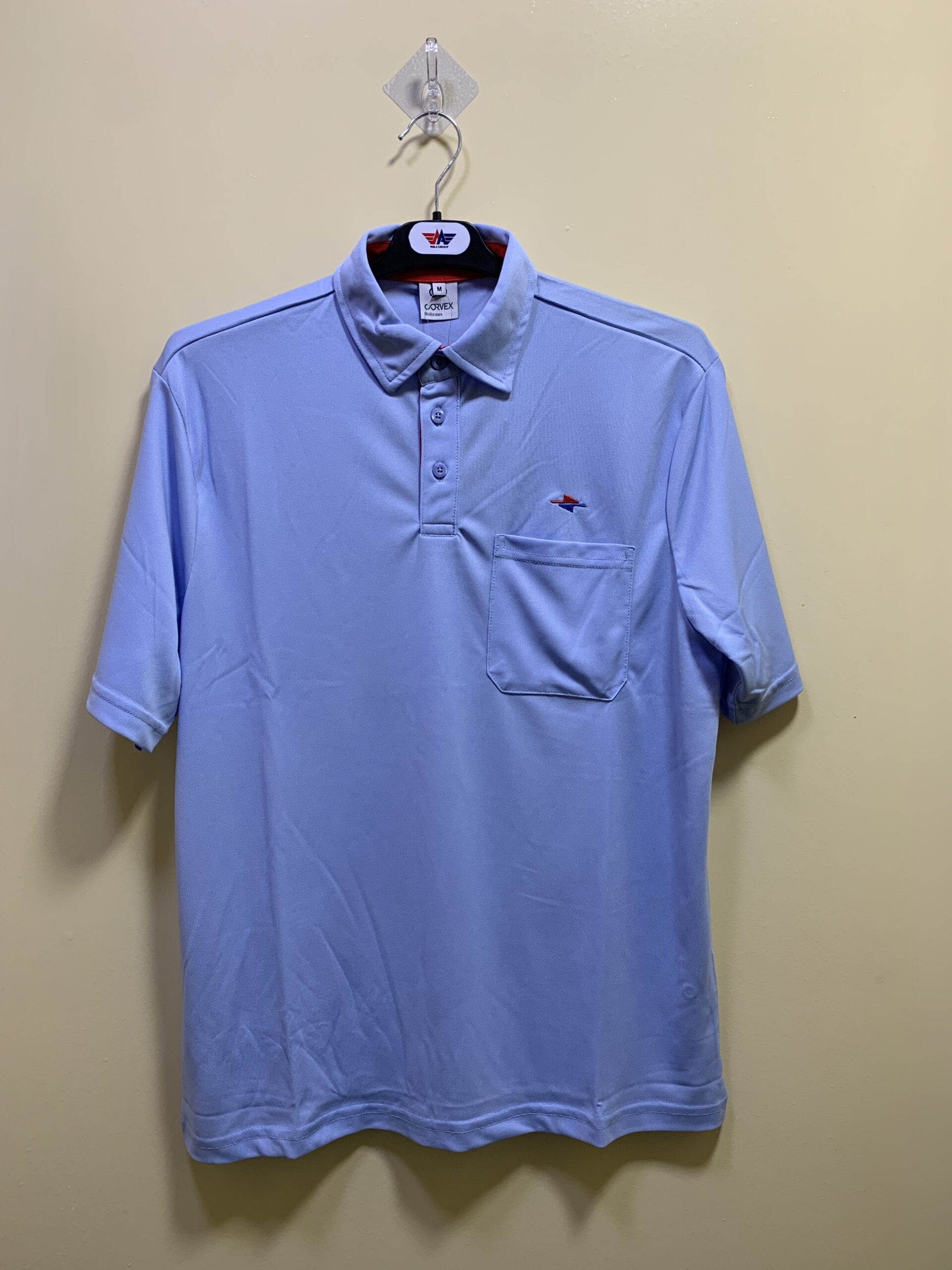
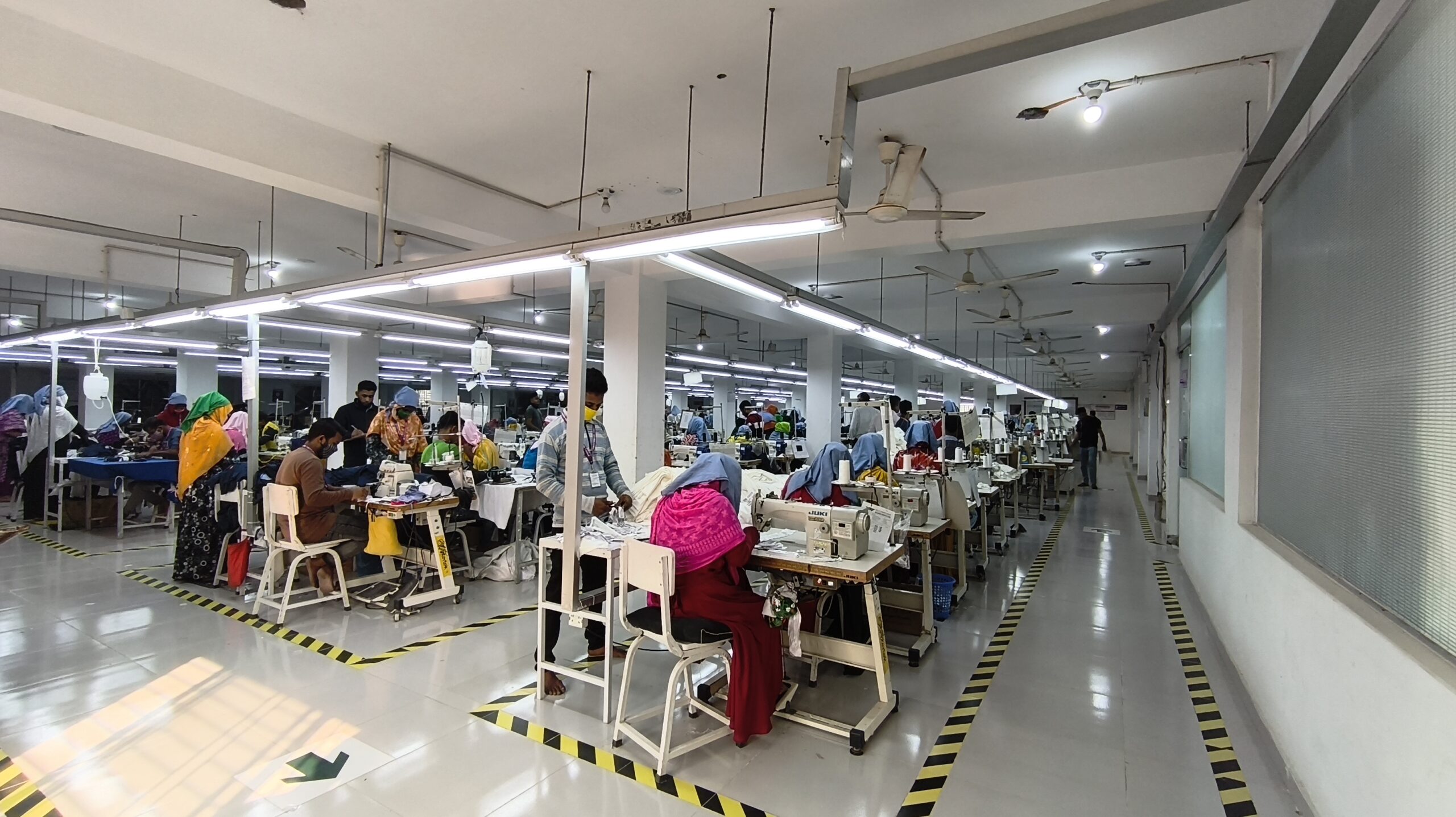
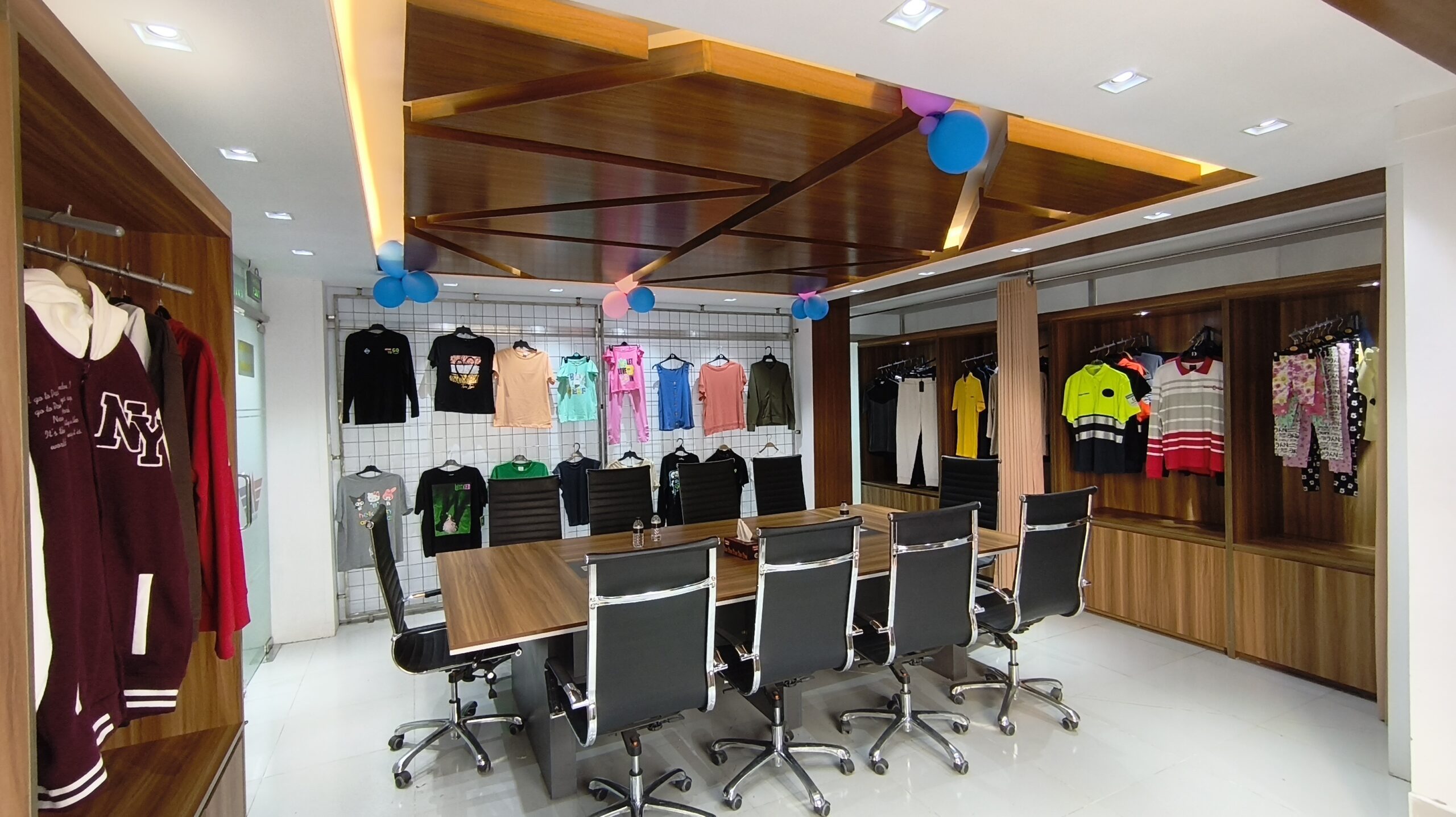
Related product and company photographs
These real media-gallery images are garment and company references. They do not demonstrate the printing methods discussed, establish a customer relationship or verify printing equipment and capacity.
Technical reference resources
For process context, consult ScreenPrinting.com’s explanation of screen printing, Epson’s DTG and DTF overview, and Stahls’ dye-migration handbook. Manufacturer instructions relate to their relevant products and systems; confirm the instructions applicable to the actual proposed application.
T-Shirt Printing Methods: FAQs
Which T-shirt printing method is best?
The suitable method depends on artwork, garment material and colour, quantity, desired appearance, feel and care requirements. Compare proposals and physical application samples against the same brief.
What is the difference between DTG and a heat transfer?
DTG applies the image directly to the garment using a printer. A heat-transfer process applies a separately prepared decoration using heat under the relevant system’s instructions. Heat transfer includes several distinct products and processes.
Is screen printing always cheaper for bulk orders?
No universal quantity establishes the lowest cost. Compare actual quotations including setup, artwork variation, print locations, garment specification and the intended approved result.
Are DTF and heat-transfer vinyl the same?
No. They are different decoration routes within the wider heat-transfer discussion. Ask the supplier to identify the exact product or system and confirm its compatibility and application requirements.
Can every method be used on polyester T-shirts?
Do not assume universal compatibility. Ask about the exact fabric, finish, colour and proposed ink or transfer system, including any dye-migration concern. Review an application sample and relevant evidence.
Does approving a digital mock-up approve the physical print?
No. A mock-up supports the artwork and layout discussion. The physical application still needs review for dimensions, appearance, position, feel and the relevant care assessment.
How many washes should a T-shirt print last?
Avoid a universal lifetime promise. Agree the application, care conditions, assessment method and acceptance requirements, then review evidence tied to the actual sample and material.
How do I request a printed T-shirt quotation?
Send the garment brief, artwork, finished application dimensions, locations, quantity allocation, destination market and required delivery window. Ask M&A Sourcing to confirm available processes, feasibility and project-specific terms.
Contact M&A Sourcing Ltd. with garment references, current artwork, application dimensions, locations, quantities and your required delivery window. Request written confirmation of the proposed process and commercial terms.
Return to the main T-shirt manufacturing buyer guide or continue with our private-label T-shirt development guide.