T-Shirt Fabric Selection: GSM, Shrinkage and Colourfastness
T-shirt fabric selection affects appearance, fit, decoration and the care experience. GSM is a useful specification, but it cannot establish fabric quality on its own. Buyers also need to consider fibre composition, knit structure, finishing and the results of agreed assessments on representative materials and garments.
Prepared by M&A Sourcing Ltd. for clothing brands, importers and sourcing teams. For the wider supplier-selection discussion, read our T-shirt manufacturer in Bangladesh guide. This article focuses on t-shirt fabric selection so you can prepare a more specific enquiry.
Table of Contents
Start with the wearer and product use
Define the intended garment before comparing swatches. An opaque structured fashion tee, a lightweight promotional item and a garment intended for active use may need different balances of drape, weight and construction. Explain the target wearer, fit, decoration and care expectations so proposed fabrics can be assessed against a real purpose.
Separate required properties from preferences. If a performance claim is essential, identify the evidence needed to support it. Terms such as breathable, premium and sustainable require more explanation than a catalogue description. Review actual materials and avoid treating a generic fibre name as proof that every version will behave identically.
Understand composition and knit structure
Record the declared fibre composition and whether the fabric is single jersey, pique or another specified structure. Similar weights can have different surfaces, drape and stretch behaviour. Ask for a reference code and retain a labelled swatch so that the quotation, sample and later production discussion refer to the same material.
Assess the body fabric together with neck rib and other components. Their behaviour needs to work within the finished garment. A body material that looks good on its own does not resolve neckline appearance, seam bulk or decoration compatibility. If a blend or structure changes, review the consequences rather than treating it as a purely commercial substitution.
Use GSM as a specification, not a quality score
GSM means grams per square metre and describes mass per unit area. It can help distinguish proposed material options, but it does not independently establish durability, opacity or a soft feel. Yarn, construction, finishing and colour can affect the wearer’s experience. Compare representative swatches rather than choosing by the highest number.
Agree the target weight and applicable tolerance with the supplier, together with how and when it is checked. Do not compare figures taken under different or unknown conditions as if they were equivalent. Include the approved material reference in the technical pack so the GSM target remains connected to the actual proposed fabric.
Review dimensions after agreed care
Shrinkage discussions need a defined method and a clear sample reference. Decide whether you are assessing fabric dimensional change, finished-garment dimensions or both. Identify washing and drying conditions, the agreed number of cycles and the points to be measured. A result without those conditions is difficult to interpret or compare.
AATCC lists TM135 for dimensional changes of fabrics after home laundering. This identifies one relevant fabric test resource; it is not a universal acceptance limit or a substitute for the full method. Ask a qualified laboratory which procedure suits the material and which additional garment assessment is appropriate for the product.
Keep before-and-after measurement records and review visible changes as well as the calculation. A finished tee may need attention to body proportion, neckline appearance, seam distortion and decoration after the agreed care process. Do not approve an undeclared compensation change to the pattern without checking the final intended fit.
Separate colour matching from colourfastness
Colour matching asks whether the proposed shade meets the agreed reference. Colourfastness examines colour behaviour under a defined exposure or procedure. These are related buying concerns, but a good shade match is not proof that colour will remain acceptable during use or care. Record both requirements where they matter.
Discuss laundering, rubbing or other relevant assessments with the supplier and laboratory. AATCC’s TM8 resource addresses colourfastness to crocking, meaning colour transfer associated with rubbing. Its result should not be described as proof of performance in every other condition. Match the evidence to the specific claim and test conditions.
Review trims and decoration with the garment, particularly where contrasting colours meet. Retain approved shade references and ask how different batches will be reviewed. Do not infer batch consistency solely from an earlier sample photo taken under different lighting.
Assess print, embroidery and construction compatibility
Provide the intended decoration during material selection. Surface texture, stretch and finishing can influence the application choice. Ask for a physical sample on the proposed fabric rather than assuming that artwork approved on one material will give the same result on another.
Review edges, coverage, colour, hand feel and the garment’s movement. For embroidery, inspect backing and how the stitches interact with the material. For printing, ask about the proposed process and the relevant care review. Avoid generic lifetime claims; record the evidence and conditions applicable to the approved sample.
Create a fabric approval record
The record should identify the supplier reference, composition, structure, colour, target weight, material status and associated results. Link it to the garment style, sample revision and approval date. Note any unresolved item and the person responsible for closing it. This connects material selection to a controlled production decision.
If organic, recycled or other certification-related claims are part of the brief, verify the relevant documents and their scope with the appropriate organisation and parties. A sustainability phrase is not a replacement for traceability. This guide does not assert that any pictured garment carries a particular certification.
Before repeating an order, review material availability and any proposed alternative. Keep the previous swatch as a reference, but confirm how the new batch will be checked. A repeat purchase still needs a recorded decision when the composition, finish, source or other significant detail changes.
Buyer decision worksheet
Use this worksheet in your next supplier discussion. Add the reference, owner and decision date to each item, and keep outstanding questions visible until they are resolved.
| Question | Evidence to review | What it does not establish alone |
|---|---|---|
| Is the weight suitable? | Agreed GSM and representative swatch | Overall quality or durability |
| Does it match the colour? | Approved shade reference and proposed material | Colourfastness in use |
| How does it change in care? | Defined method and before/after records | Behaviour under all care conditions |
| Does colour transfer? | Relevant rubbing or laundering assessment | Every type of colourfastness |
| Will decoration work? | Application sample on intended fabric | Performance on a substitute material |
| Is a material claim supported? | Applicable traceability and scope documents | Certification of unrelated products |
A practical swatch-to-garment comparison exercise
For a fictional launch, a buyer receives two cotton jersey options with similar stated weights. The buyer codes the swatches A and B, records the proposed specifications and reviews opacity, drape and surface appearance under consistent conditions. Those observations support selection, but they are not laboratory results and should not be described as proof of durability or other performance.
The shortlisted material is then used for a garment sample with the intended neck construction and decoration. The buyer records fit and appearance before the agreed care assessment and compares them afterwards. Any result is tied to the sample code, conditions and assessment procedure. If material B is substituted later, the earlier approval of A does not silently transfer to it.
Keep a simple exception list: uncertain composition, unconfirmed colour, unresolved dimensional result, incomplete decoration review or missing claim documentation. Each item needs an owner and a closing decision. This process makes the material choice easier to explain internally and gives the supplier a clear record of what still needs to be resolved before production approval.
Illustrative preparation progress
The bars show sequence only. They do not measure production completion, elapsed time or your order’s current status.
1. Prepare the product reference
2. Identify open technical questions
3. Review supplier proposals
4. Record samples and evidence
5. Approve corrections and final references
Related T-shirt products and buying guides
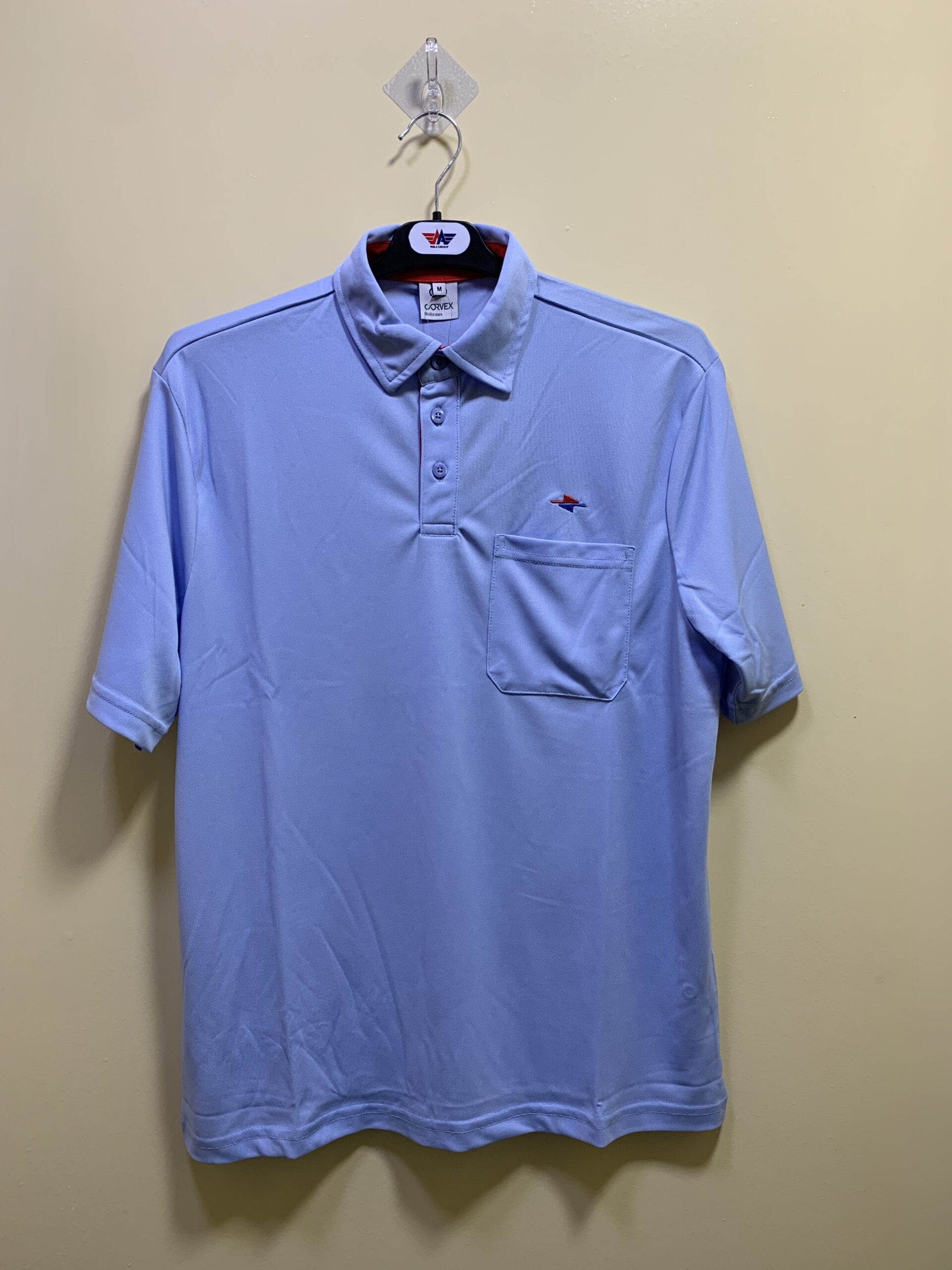
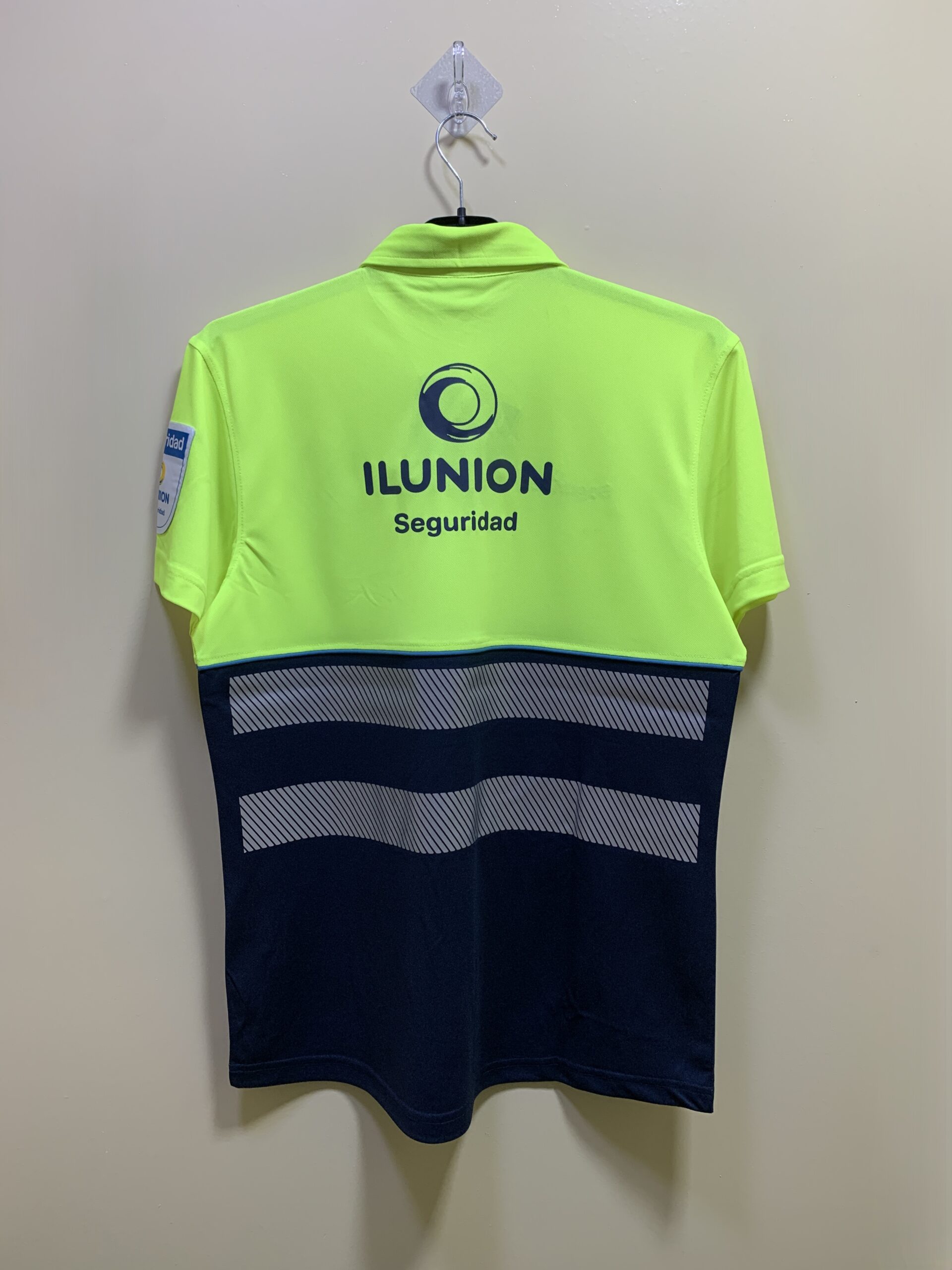
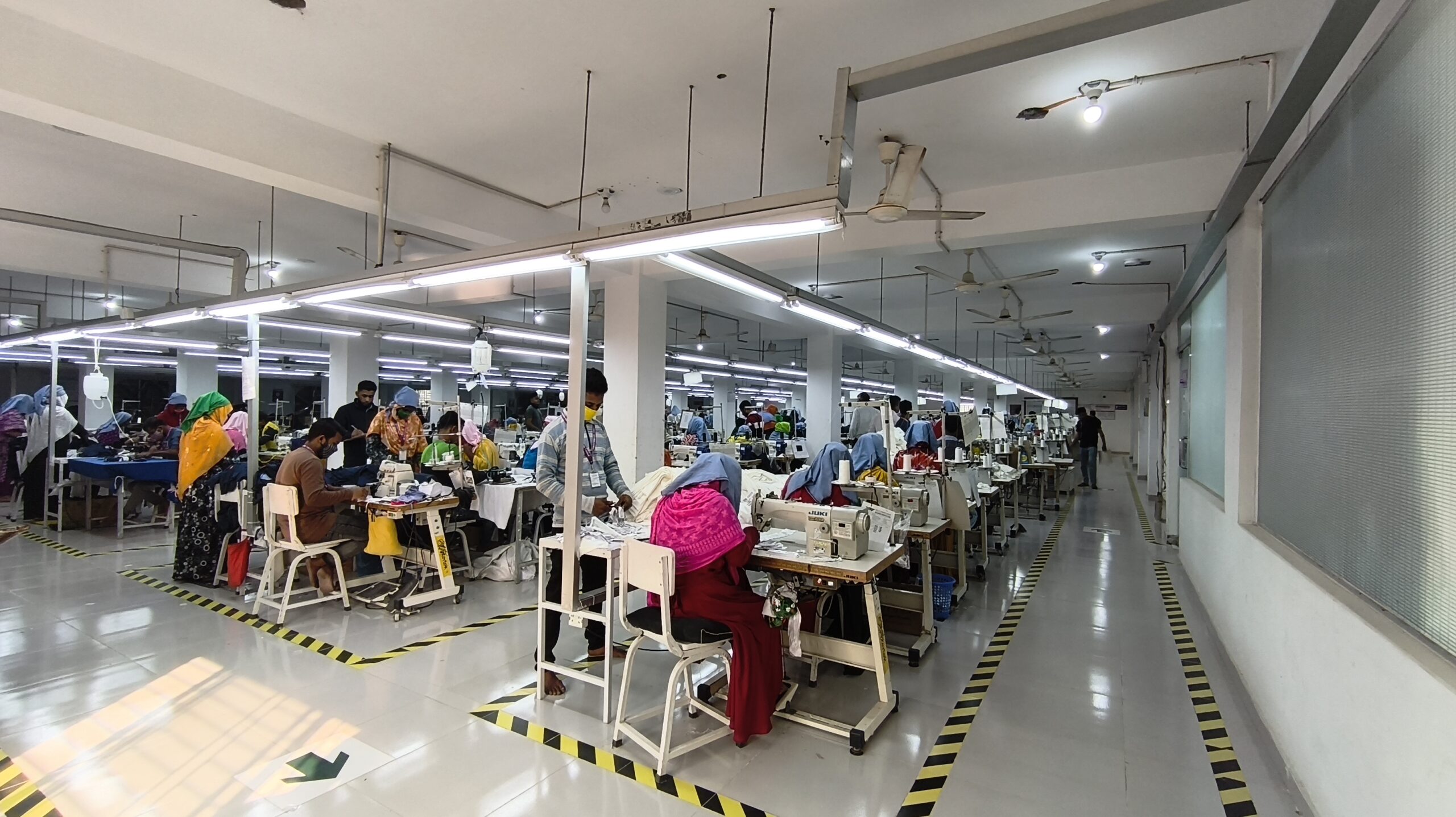
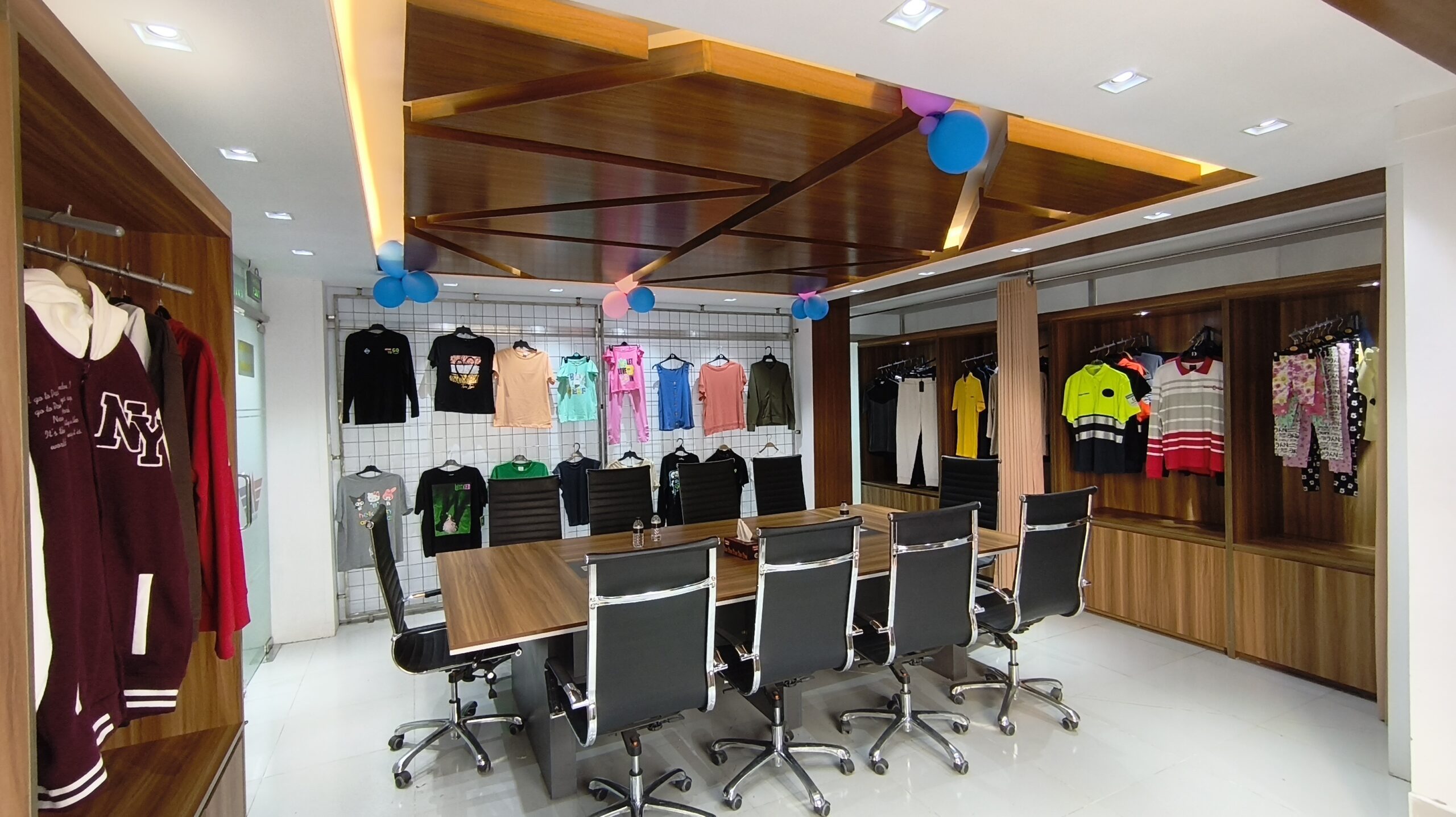
These existing media-gallery photographs are garment and company references. They do not verify a customer relationship, certification or a specification for a new order. Confirm the actual proposed product through your brief and approvals.
Continue with the related guides:
- Private Label T-Shirt Manufacturing in Bangladesh: A Buyer’s Guide
- T-Shirt Tech Pack: 8 Essential Fields for Bulk Production
- Custom T-Shirt MOQ: A Practical Guide for Clothing Brands
- T-Shirt Sample Approval Checklist for International Buyers
Technical references: AATCC TM135: fabric dimensional changes after home laundering and AATCC TM8: colourfastness to crocking. Consult the full applicable procedure and a qualified laboratory; these summaries do not provide testing instructions or universal pass limits.
T-Shirt Fabric Selection: FAQs
Does higher GSM mean a better T-shirt?
No. GSM describes fabric weight per unit area. Suitability also depends on composition, yarn, construction, finish, fit and the product’s intended use.
What GSM should my T-shirt use?
Discuss the intended silhouette, opacity, drape, season, decoration and care with the supplier. Compare representative materials rather than applying one weight to every garment category.
How should I specify shrinkage?
Agree the sample reference, procedure, washing and drying conditions, measurement method and acceptance criteria. Distinguish fabric dimensional change from finished-garment fit and appearance.
Is colour matching the same as colourfastness?
No. Matching compares a shade with an approved reference; colourfastness assesses behaviour under specified conditions. Both may need separate review.
Can I change fabric after approving the print?
Treat the change as a new compatibility question. Review the effect on application, appearance, feel and the agreed care assessment before approving the substitution.
Are the catalogue images proof of a fabric specification?
No. Images help discuss garment references, while composition, structure, weight and performance must be confirmed for the actual proposed material.
Send your enquiry with garment references, estimated quantities by colour and size, target market, branding requirements and required delivery window. Attach the current technical pack if available and identify which decisions need development support.
Review our T-shirt manufacturing and supplier-selection guide for the wider buying process.