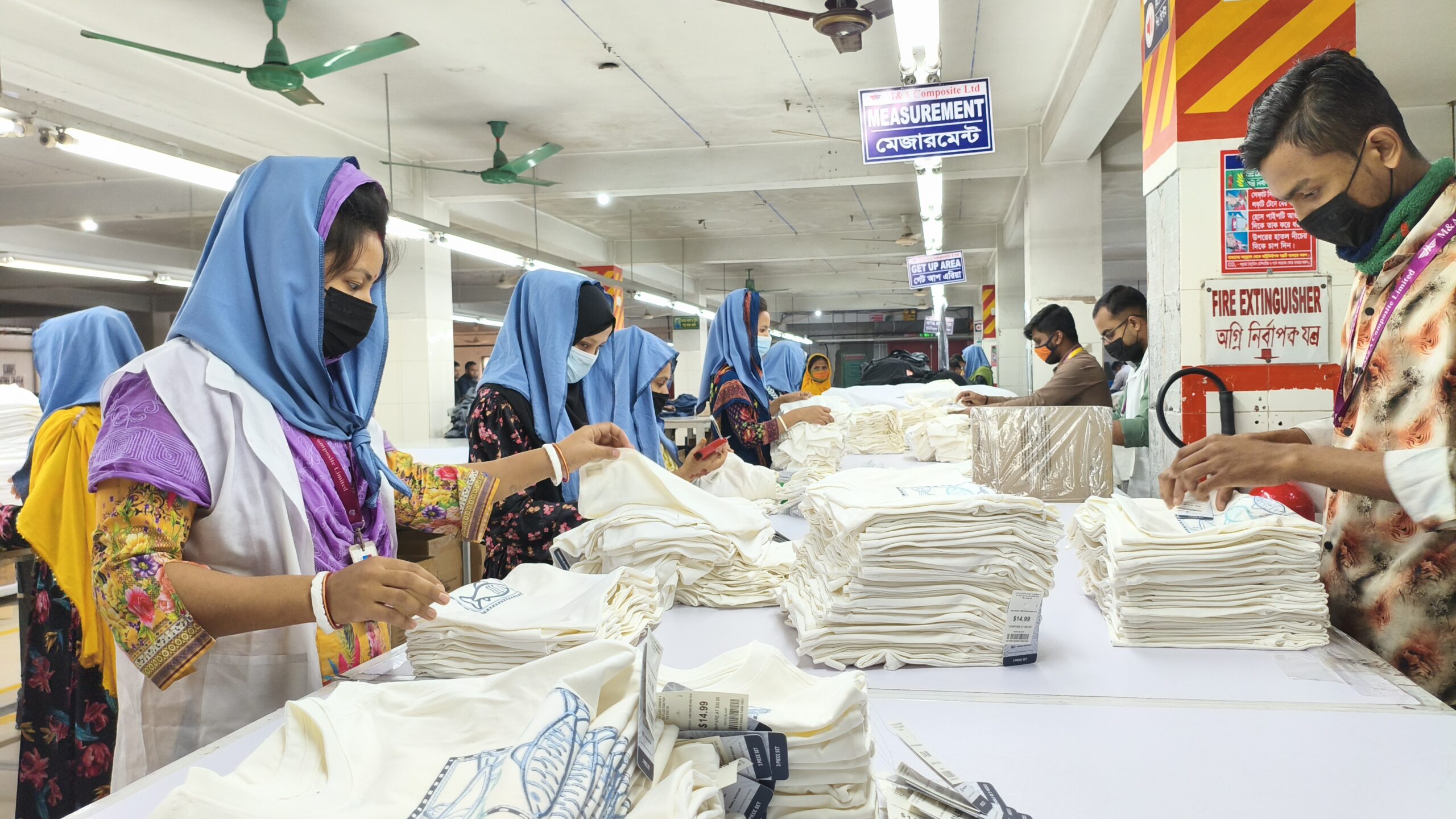
T-Shirt Sample Approval Checklist for International Buyers
A T-shirt sample approval checklist gives a buyer a repeatable way to record fit, materials, construction, decoration and final decisions. A sample photo or an informal message can leave important exceptions unclear. This guide shows how international buyers can connect each reviewed sample to a specific next step before bulk production.
Prepared by M&A Sourcing Ltd. for clothing brands, importers and sourcing teams. For the wider supplier-selection discussion, read our T-shirt manufacturer in Bangladesh guide. This article focuses on t-shirt sample approval checklist so you can prepare a more specific enquiry.
Table of Contents
Identify the exact sample being reviewed
Record the style code, sample ID, revision, size, colour, date received and material reference. Photograph the garment with its identifier, then compare it with the current technical pack. If labels or fabrics are substitutes, list them before discussing approval. This prevents a development sample from being mistaken for a complete bulk reference.
State the purpose of the review: construction development, fit, decoration, size set or pre-production approval. A sample can support one decision while leaving others unresolved. Ask the supplier to identify known differences in advance so the buyer does not spend time approving a feature that will later change.
Check fabric, shade and components
Compare the garment’s material with the approved swatch and specification. Review the body fabric, neck rib, reinforcement, thread and labels together. Record any apparent mismatch and ask for clarification rather than judging a subtle difference solely from screen photographs taken under unknown lighting.
Confirm the material reference and any associated assessment results. A swatch approval should be tied to the actual proposed material, while bulk-batch checks may still be needed under the agreed plan. An attractive sample does not establish certification, capacity or performance claims that require separate evidence.
Measure and review fit systematically
Use the agreed measurement method and record actual values beside targets and tolerances. Measure the relevant points rather than judging fit only by appearance. Define the garment condition, how it is laid out and where the tape starts and ends. Two reviewers need the same method if their findings are to be compared.
Review the garment on an appropriate wearer or form and consider movement, neckline, shoulder position, body proportion and sleeve shape. Keep subjective feedback separate from the technical instruction. If the buyer says the body feels short, turn that into a specific measurement decision or a request for further fitting before asking for a correction.
Inspect seams, hems and finishing
Review the neckline attachment, shoulder seams, side seams, sleeve hems and bottom hem against the specification or approved reference. Look at the garment inside and outside. Record the location and nature of an issue clearly, using annotated photographs when helpful, rather than writing poor quality without an identifiable correction.
Check label attachment, loose threads, garment balance and the feel of seams against the intended use. Where a construction change is requested, consider how it may affect measurements, appearance and decoration. Keep the correction tied to a revision so a later sample can be checked for the same issue.
Approve artwork and physical decoration separately
Check the artwork version, dimensions, colours and position from the agreed landmarks. Compare the physical result with the approved design. Review print edges, coverage and feel, or embroidery detail, backing and its effect on the material. A digital artwork approval is useful but does not establish every property of the physical application.
Inspect neck labels, size tabs, care information and packaging graphics as separate items. Read small text and verify the intended size and style codes. Ask the responsible buyer or importer to review destination-specific label wording before production approval; a generic sample should not become the final market label by accident.
Review evidence after the agreed care assessment
Identify the procedure, washing and drying conditions, number of cycles and acceptance criteria relevant to the product. Keep the sample and report references connected. If fabric and garment assessments are both used, distinguish them. A result from one material or exposure should not be presented as evidence for every condition.
Compare before-and-after dimensions and review neckline, seams, overall appearance and decoration. If there is a concern, ask for a documented corrective proposal and identify which parts need another sample or assessment. Do not approve a change solely because a revised photograph appears better without understanding what was changed.
Issue a clear approval or resubmission decision
Use a decision sheet containing findings, required corrections, responsible person, target response and the authorised decision. Separate approved for fit from approved for bulk production. If conditional approval is used, list every exception and the evidence required to close it. Unclear conditions can create different expectations on the buyer and supplier sides.
For a revised sample, compare it with the previous comment log and confirm whether each correction is closed. New changes should be recorded rather than replacing the history. Keep the final approved garment or reference set and ensure the production team can identify the exact version released.
A pre-production approval should describe the proposed bulk details and any unresolved differences. Link it to the technical pack, artwork, quantity allocation and packing instructions. No checklist removes the need for an agreed production quality plan and relevant checks after sampling.
Coordinate remote reviews and retain the archive
Plan remote review photographs around the decisions needed: front and back, inside construction, label close-ups, decoration measurements and a visible sample identifier. Use consistent lighting and a measuring reference where appropriate. Remote images can improve communication while physical review or testing may still be needed for important material and fit decisions.
Keep one shared comment log rather than conflicting instructions in several message threads. Name the person authorised to release each stage and set realistic feedback dates. When a delivery date depends on approval, update the schedule after a delayed or failed review instead of assuming the lost time will disappear.
Archive the final technical pack, approval sheet, material references, artwork and packing instructions for repeats. Record later production corrections separately so they are available to the next order. A repeat programme becomes easier to manage when the team can find the final decision without reconstructing the entire conversation.
Buyer decision worksheet
Use this worksheet in your next supplier discussion. Add the reference, owner and decision date to each item, and keep outstanding questions visible until they are resolved.
| Review area | Record | Decision to make |
|---|---|---|
| Sample identity | Style, size, revision and material | Is this the correct review reference? |
| Measurements | Targets, actual values and tolerances | Accept, correct or review fit again |
| Materials | Swatch codes and known substitutions | Which material decisions remain open? |
| Construction | Located findings and photographs | What correction is required? |
| Decoration | Artwork, dimensions and physical result | Is the application approved? |
| Care assessment | Procedure and referenced results | Does the evidence meet agreed criteria? |
| Release | Authorised approval and exceptions | What activity may begin next? |
Example: manage a fit-approved sample with an open print issue
In a fictional remote review, the buyer accepts the body and sleeve fit but finds that the chest print is positioned differently from the approved diagram. The decision sheet says approved for fit only, identifies the print discrepancy and requests a corrected application reference. It does not simply say approved, because that could be misunderstood as permission to use the existing print.
The next review checks the correction against the placement measurements and artwork reference. The team also asks whether the correction changes any other previously reviewed detail. Once the outstanding issue is closed, the authorised buyer records the complete bulk-release decision. The fictional example illustrates approval scope, not an actual customer project or completed factory result.
For the production handover, attach the final comment log and references rather than sending only the last approval message. Confirm that the supplier’s production and quality contacts can identify the same garment version. Retain unresolved questions in the register until they are answered; do not remove them merely to make a progress checklist appear complete.
Illustrative preparation progress
The bars show sequence only. They do not measure production completion, elapsed time or your order’s current status.
1. Prepare the product reference
2. Identify open technical questions
3. Review supplier proposals
4. Record samples and evidence
5. Approve corrections and final references
Related T-shirt products and buying guides
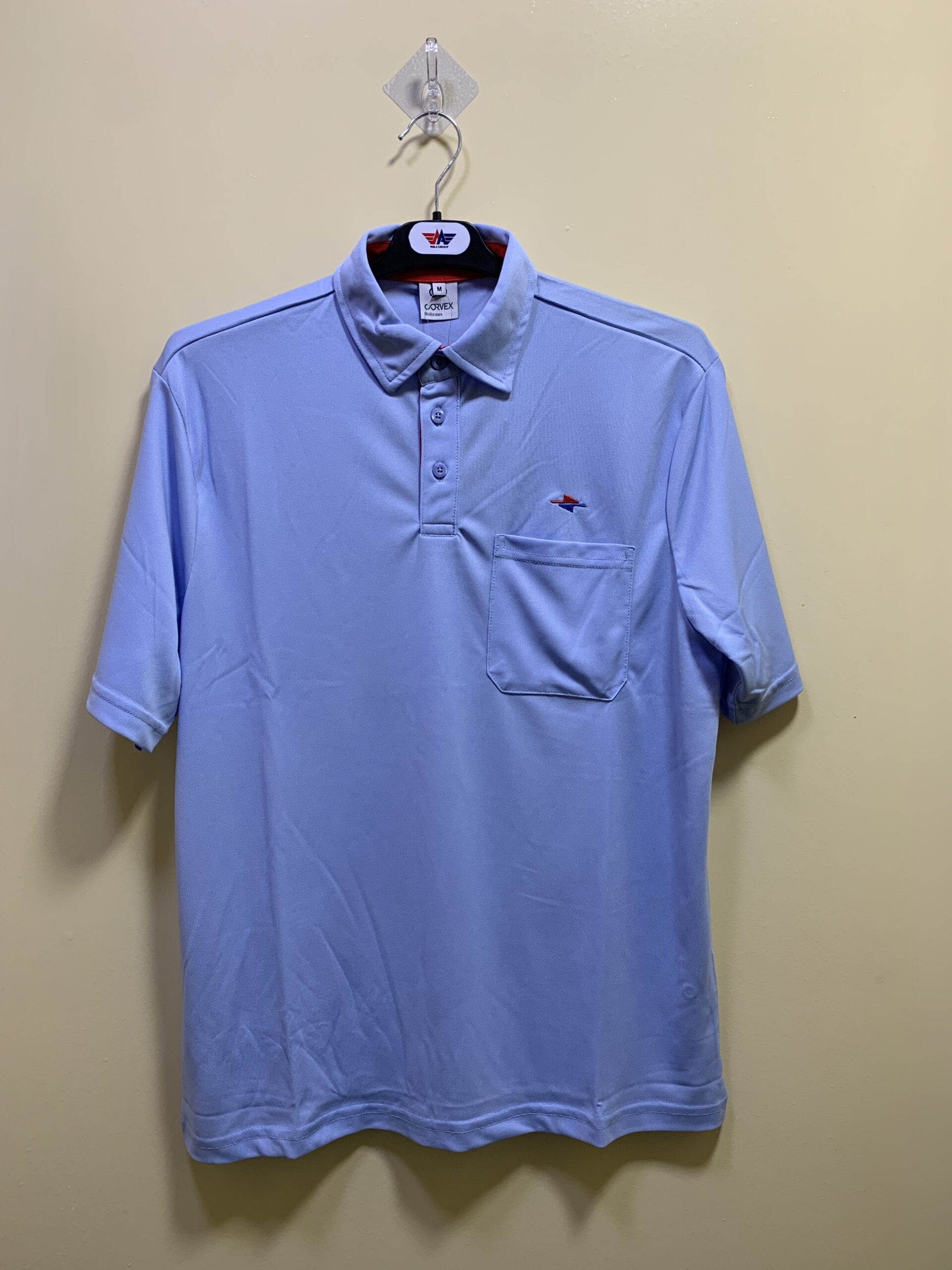
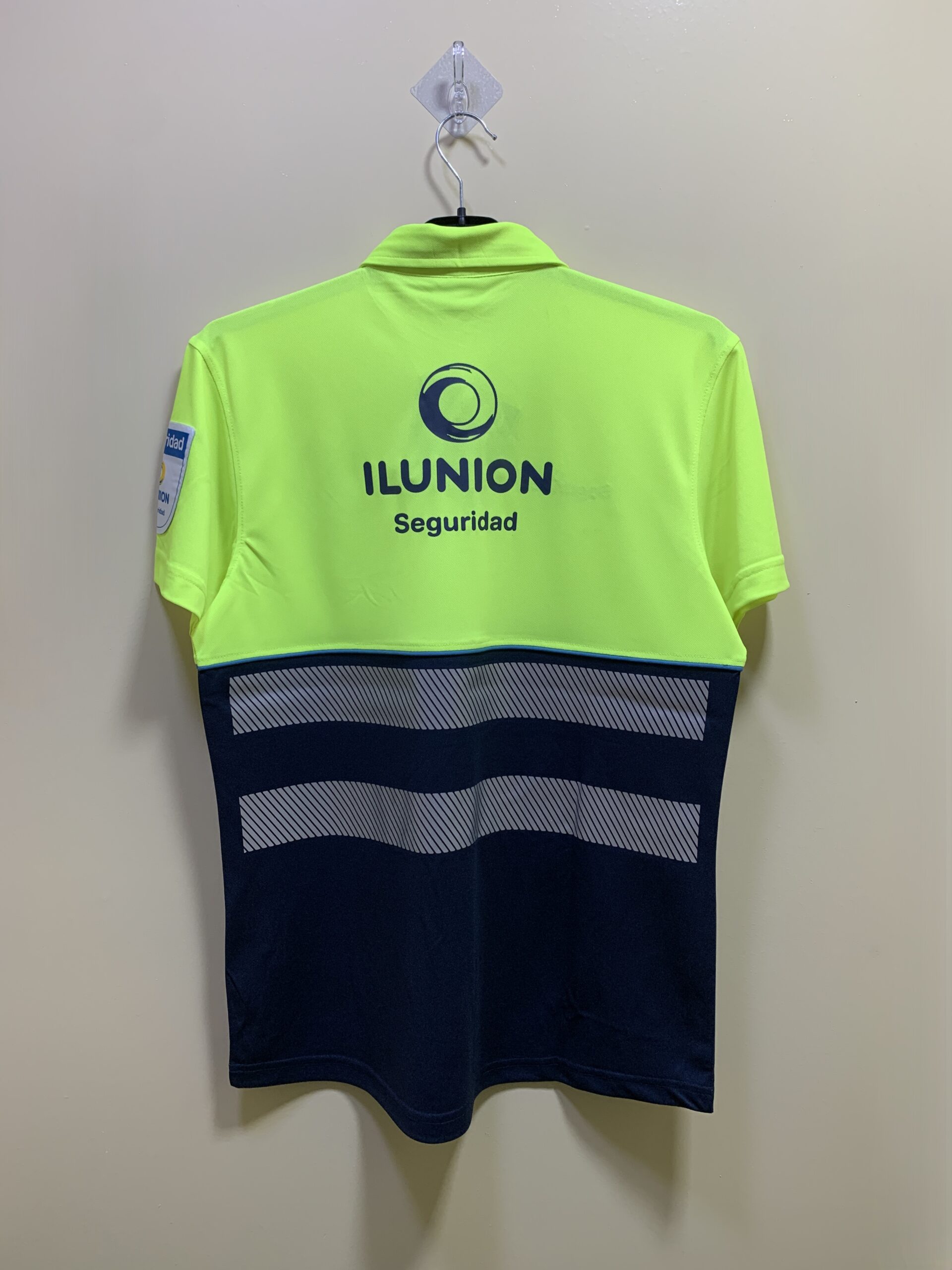
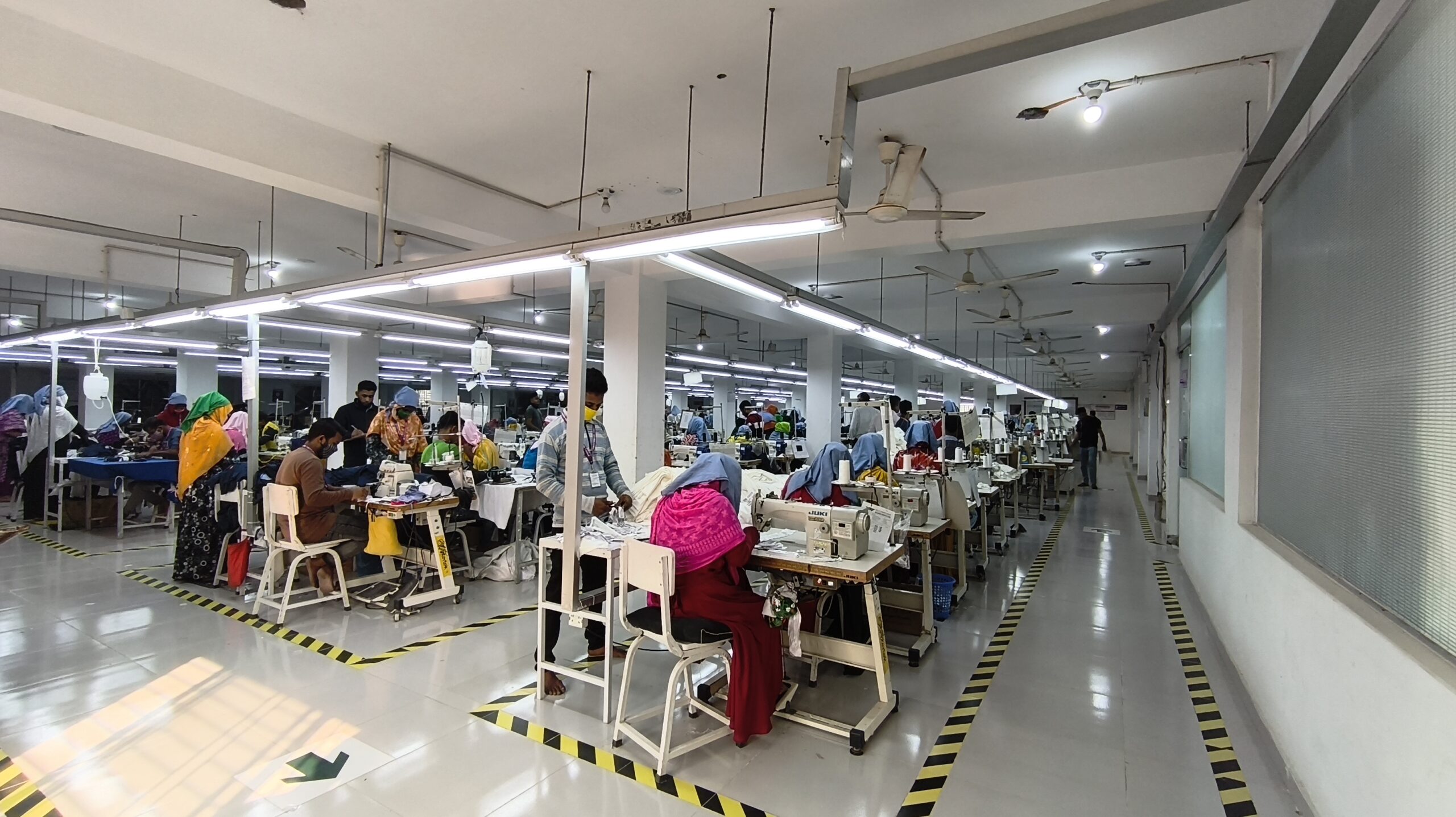
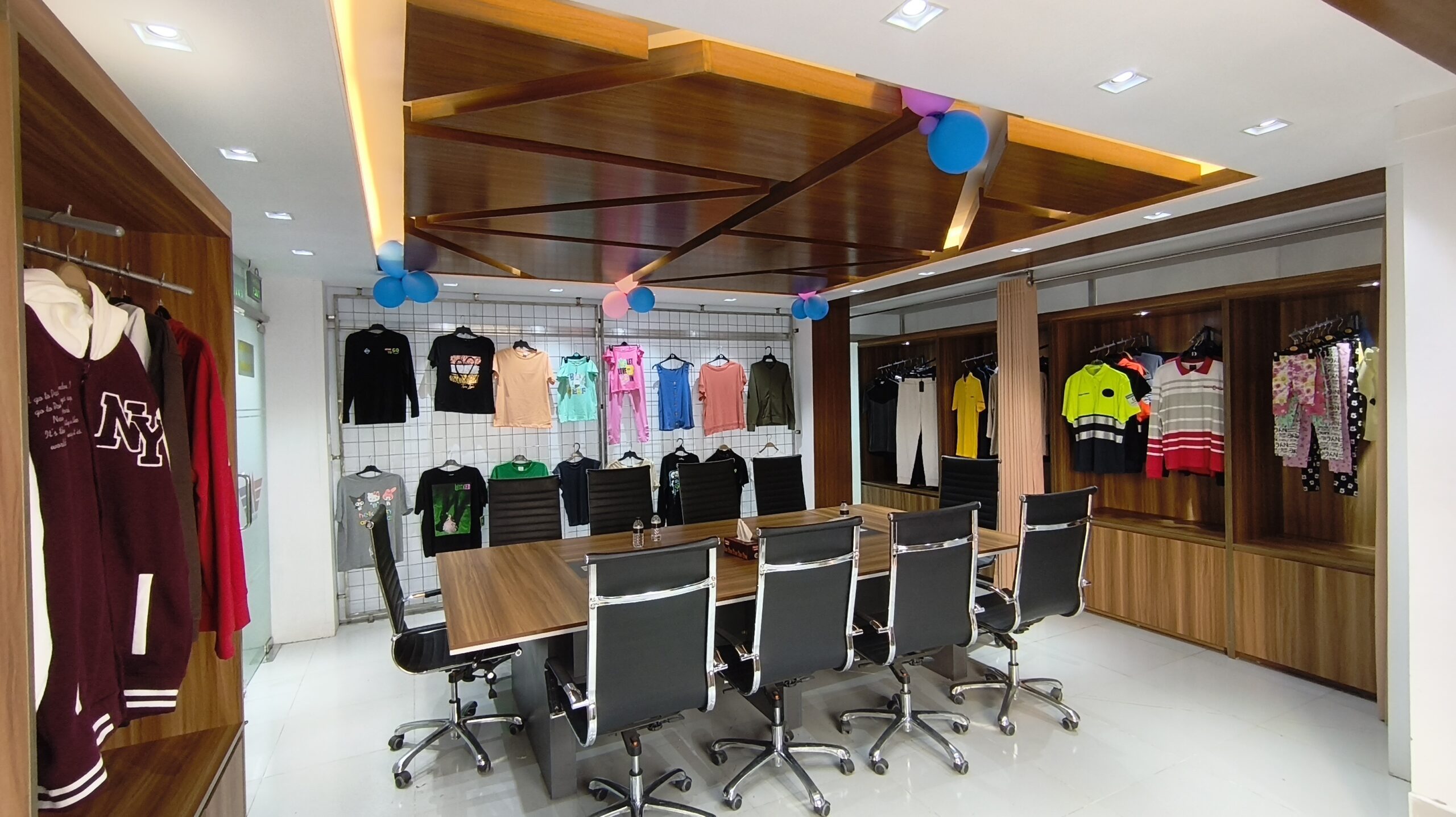
These existing media-gallery photographs are garment and company references. They do not verify a customer relationship, certification or a specification for a new order. Confirm the actual proposed product through your brief and approvals.
Continue with the related guides:
- Private Label T-Shirt Manufacturing in Bangladesh: A Buyer’s Guide
- T-Shirt Tech Pack: 8 Essential Fields for Bulk Production
- T-Shirt Fabric Selection: GSM, Shrinkage and Colourfastness
- Custom T-Shirt MOQ: A Practical Guide for Clothing Brands
For US-market label planning, consult the FTC clothing and textiles resources and care-labelling guidance with the responsible importer. Confirm the current requirements for the actual garment and destination rather than reusing a label without review.
T-Shirt Sample Approval Checklist: FAQs
What should a T-shirt sample approval checklist cover?
Include sample identity, materials, measurements, fit, construction, decoration, labels, agreed care evidence and the final authorised decision. Record known substitutions and exceptions.
Does approving fit mean approving bulk production?
No. The decision should explicitly state its scope. Fit approval does not automatically approve substitute materials, temporary labels or unreviewed decoration.
Can I approve a T-shirt using photos only?
Photos can support some decisions, but may not establish hand feel, precise shade, wearer fit or care performance. Agree which decisions require physical review or other evidence.
What should I do when the sample needs changes?
Issue a clear correction log with the location, target change and responsible decision owner. Decide whether a revised sample or additional evidence is needed before release.
Should I keep the approved sample?
Retain an identifiable approved reference or agreed reference set, alongside the final technical pack and approval record. It provides a basis for production and repeat-order comparisons.
Does a good sample guarantee the whole order?
No. Sampling establishes an approved reference. Bulk production still needs the agreed material, process, inspection and corrective-action controls.
Send your enquiry with garment references, estimated quantities by colour and size, target market, branding requirements and required delivery window. Attach the current technical pack if available and identify which decisions need development support.
Review our T-shirt manufacturing and supplier-selection guide for the wider buying process.