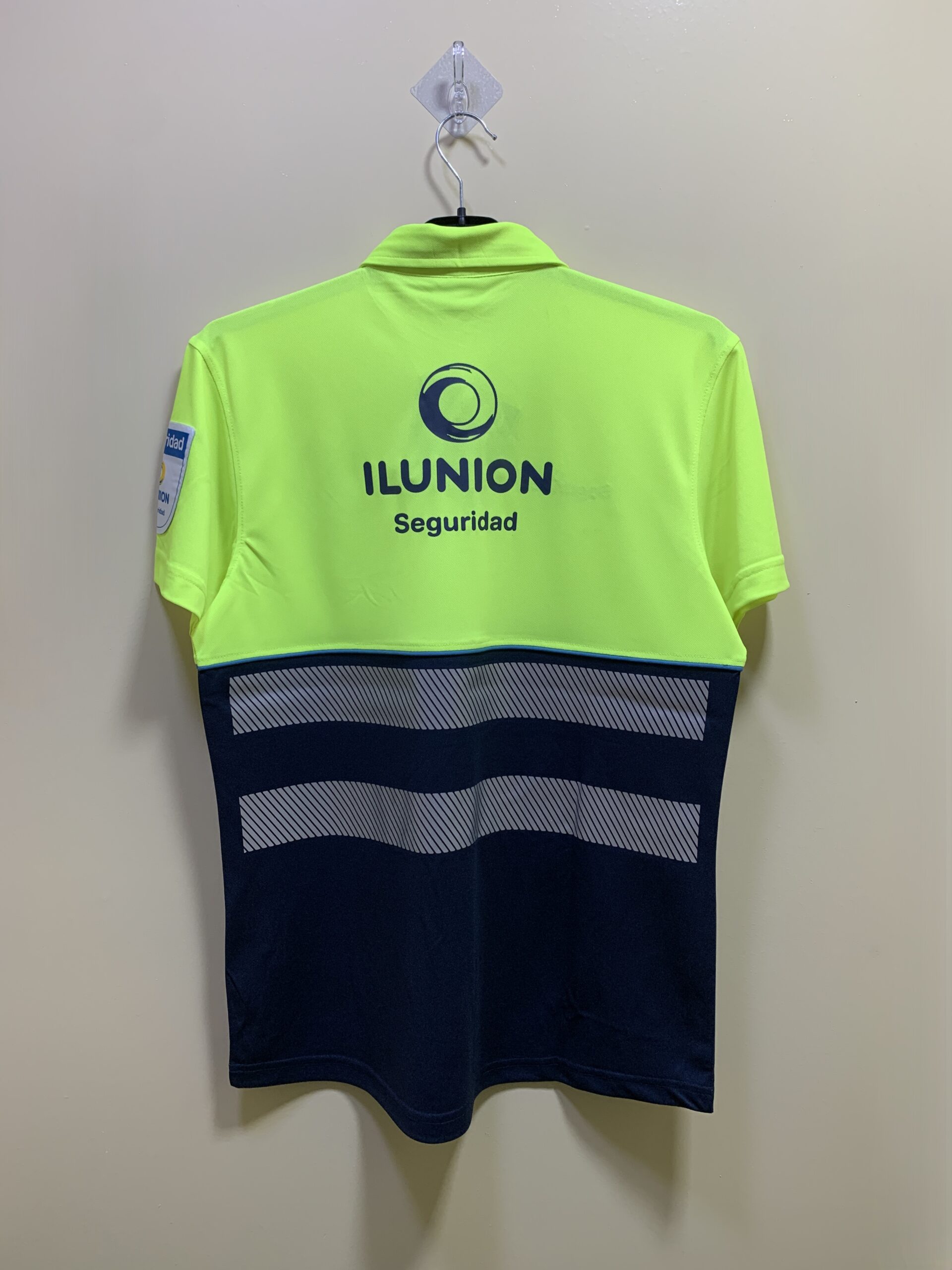
Best Custom Workwear Manufacturer in Bangladesh: 10 Essential Buyer Checks
Published by M&A Sourcing Ltd. | Updated: 7 October 2026
Choosing the best custom workwear manufacturer in Bangladesh starts with a clear brief. Define the garment’s function, fabric, fit, branding and approval requirements before comparing prices. A custom uniform needs to work for the people wearing it as well as represent your organisation.
This guide explains how to develop a specification, review samples, manage production approvals and request a useful quotation from M&A Sourcing Ltd. It includes real company photographs, comparison tables and a visual production roadmap.
Discuss Your Custom Workwear Design →
What custom workwear manufacturing involves
Custom workwear is a garment programme developed around the buyer’s workforce, brand and practical requirements. Branding matters, but so do movement, fit, pocket access, closures, fabric and laundering. A logo applied to an existing garment is one option; a design developed from a tech pack is a different scope of work.
Start by explaining where the garment will be worn and what employees do during a shift. A driver, warehouse picker and maintenance technician may need different features even when they work for the same organisation. Agree the garment’s intended function before choosing a style from a catalogue.
M&A Sourcing Ltd. describes workwear sourcing, merchandising, manufacturing and quality-control services on its company background page. Confirm the services, production arrangements and product options available for your specific project rather than assuming every request is included.
When searching for the best custom workwear manufacturer in Bangladesh, use “best” to mean the supplier that meets your documented requirements. This guide does not establish an independent supplier ranking or a number-one position.
Explore real workwear products from M&A Sourcing
View actual product photographs from our existing catalogue. Click each image or product name to open its dedicated category page and explore more examples.
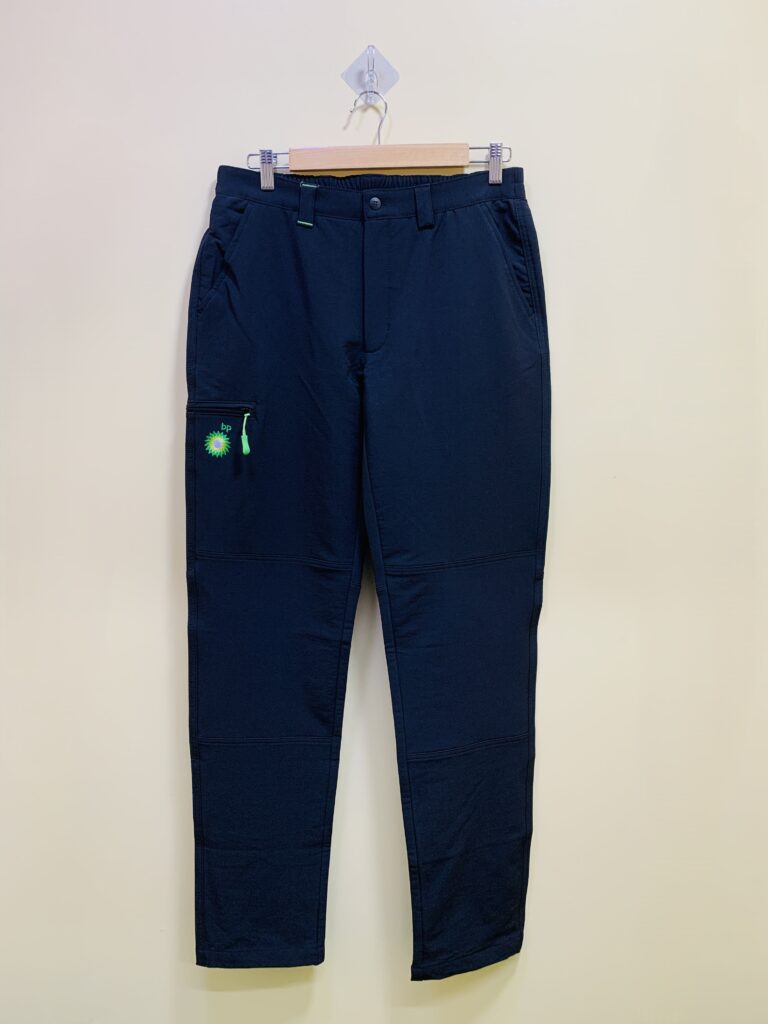
Cargo & Trousers
Browse trouser samples and discuss fit, pockets, fabrics and reinforcement.
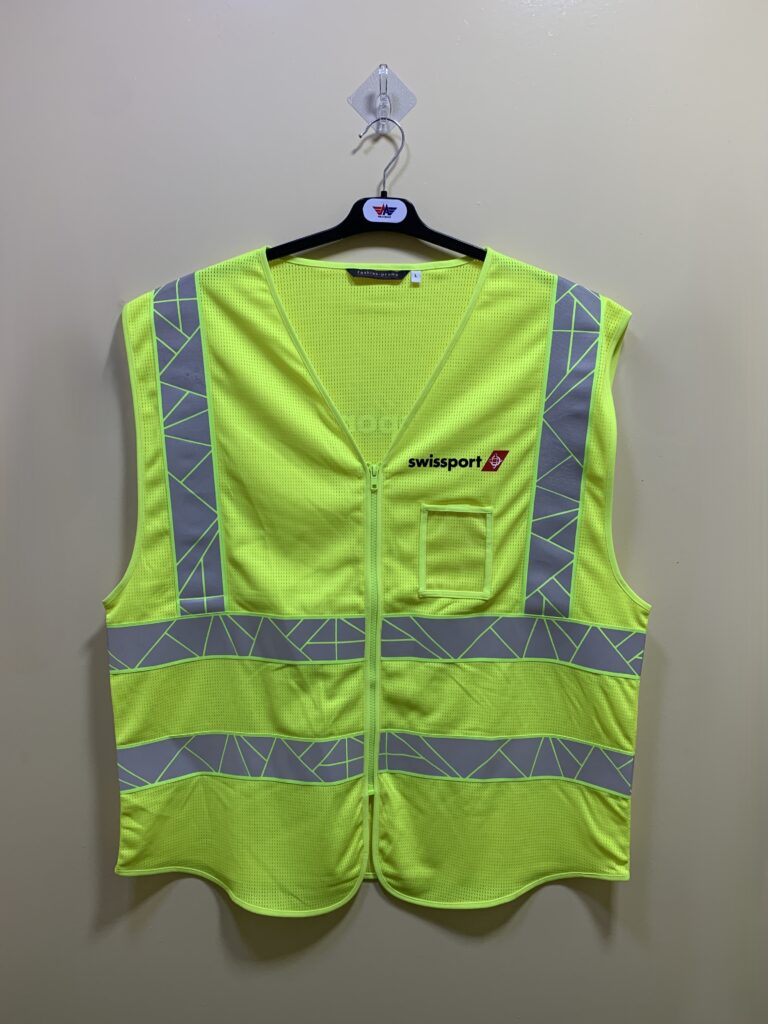
High Visibility Wear
View visible-wear samples and confirm the required design and supporting evidence.
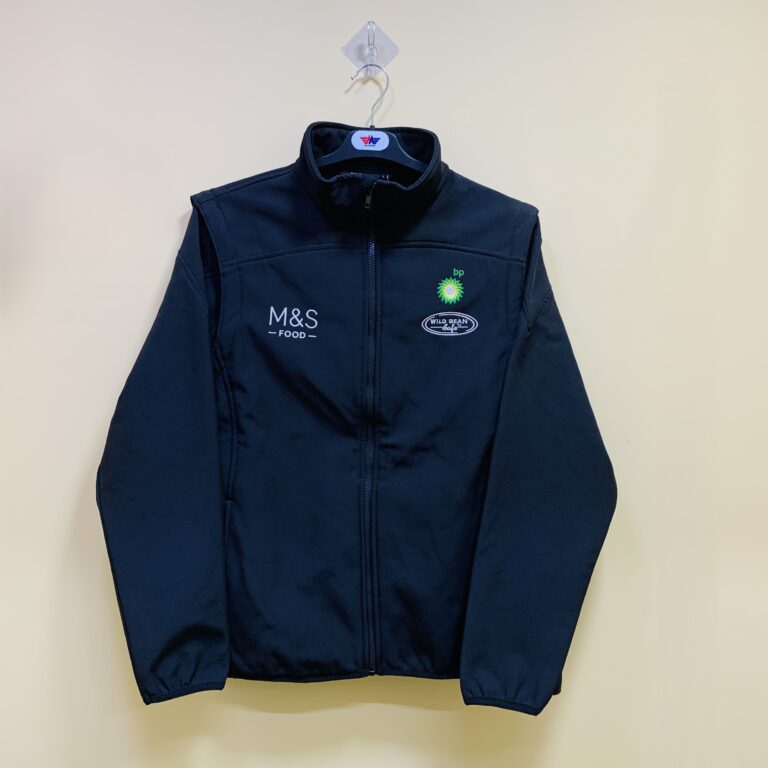
Softshell Jackets
Explore jacket samples and discuss layering, closures and branding.
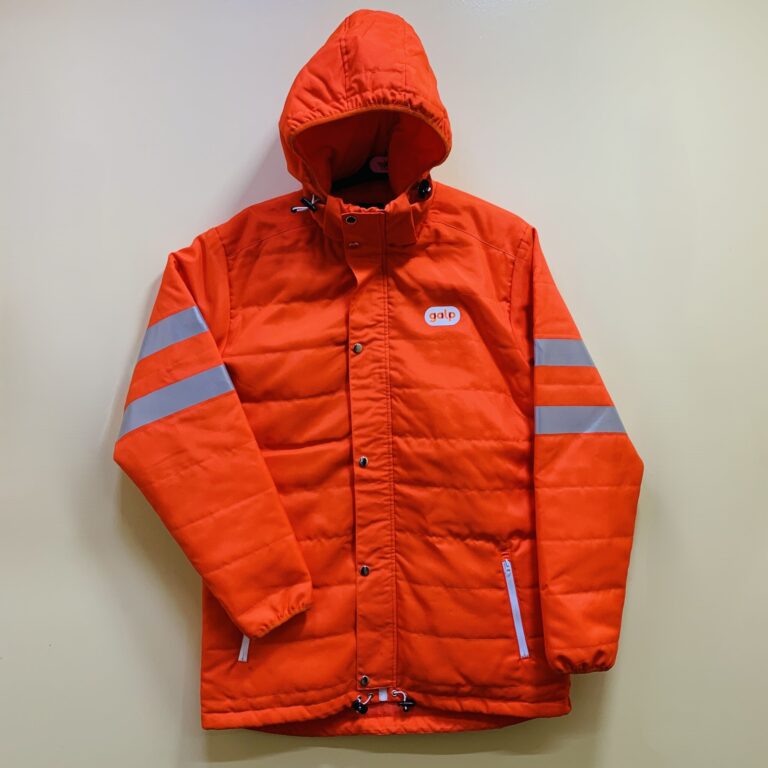
Padded Jackets
Browse padded-jacket samples and discuss shell, lining, fit and packing.
Also explore our complete workwear range, hoodies, tees and polos and vests. Confirm product availability, specifications and any required performance evidence for your own programme.
Real company images: workers and garment production
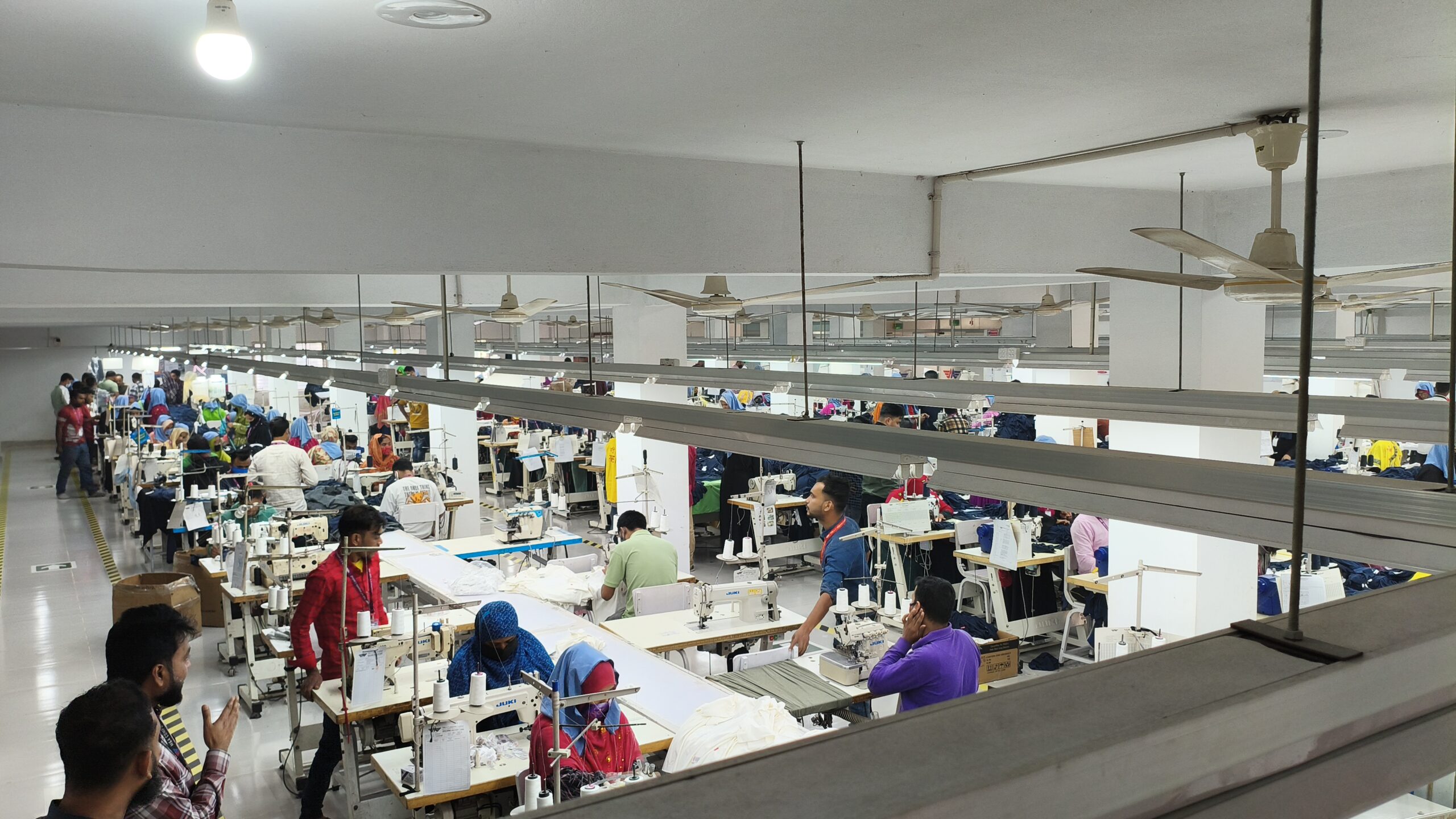
The following photographs are existing images from M&A Sourcing’s media library, which the company identifies as its real work images. They show garment assembly, production-floor activity and garment handling. No new factory scene has been generated for this article.
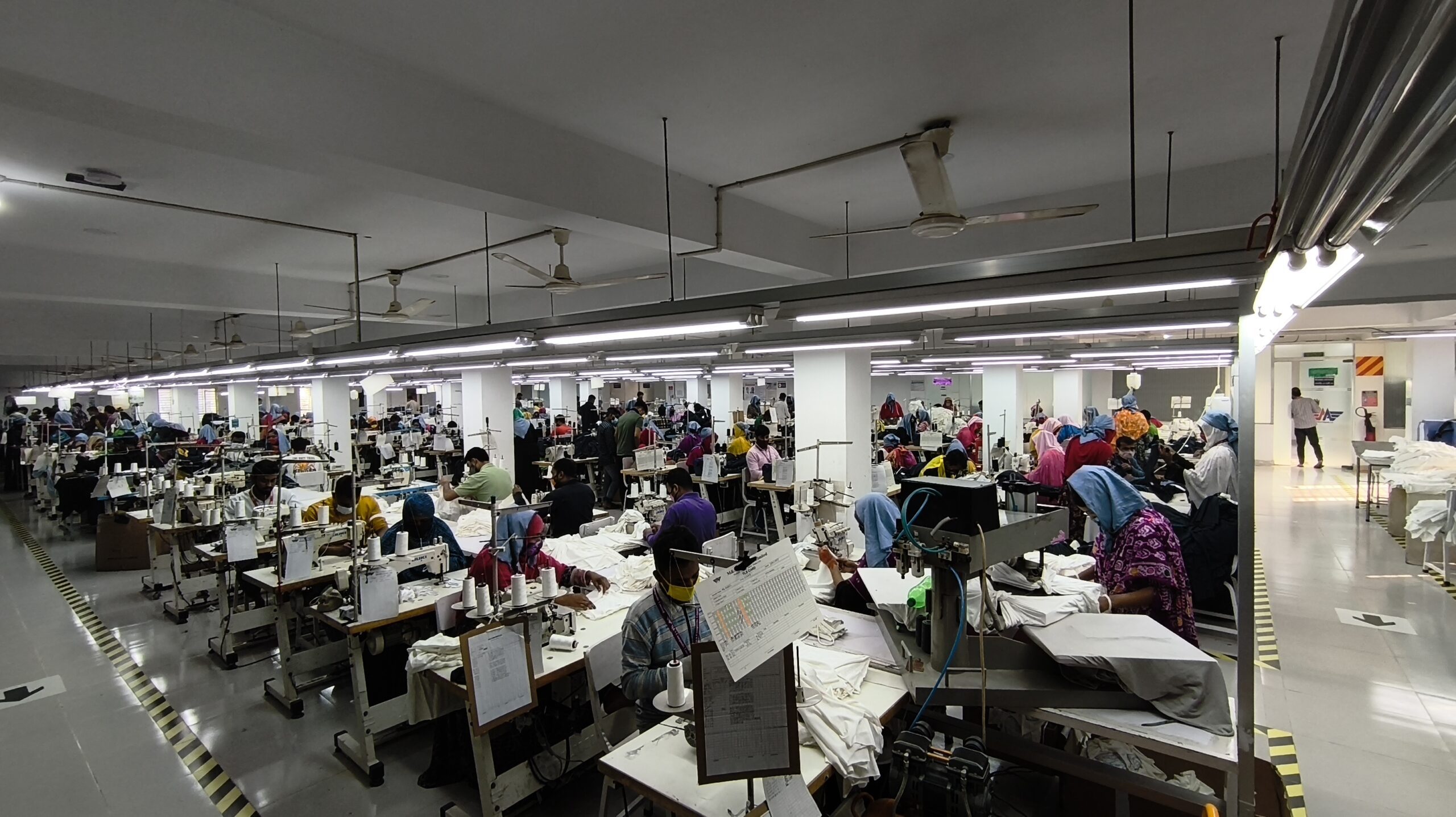
When comparing the best custom workwear manufacturer in Bangladesh, request the approved seam details and inspection record for your actual style. A production photograph provides context but cannot establish the quality of an entire order.
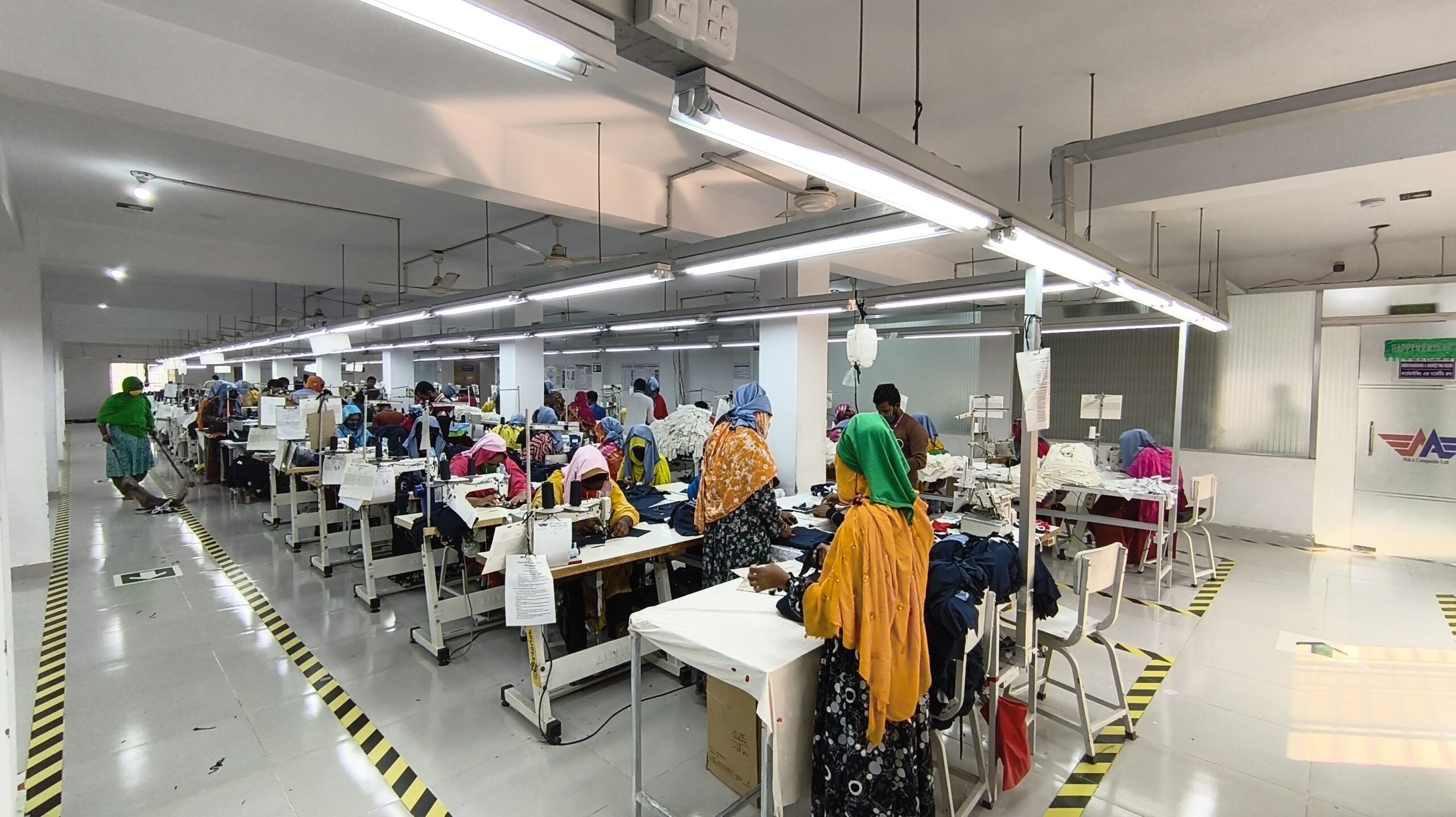
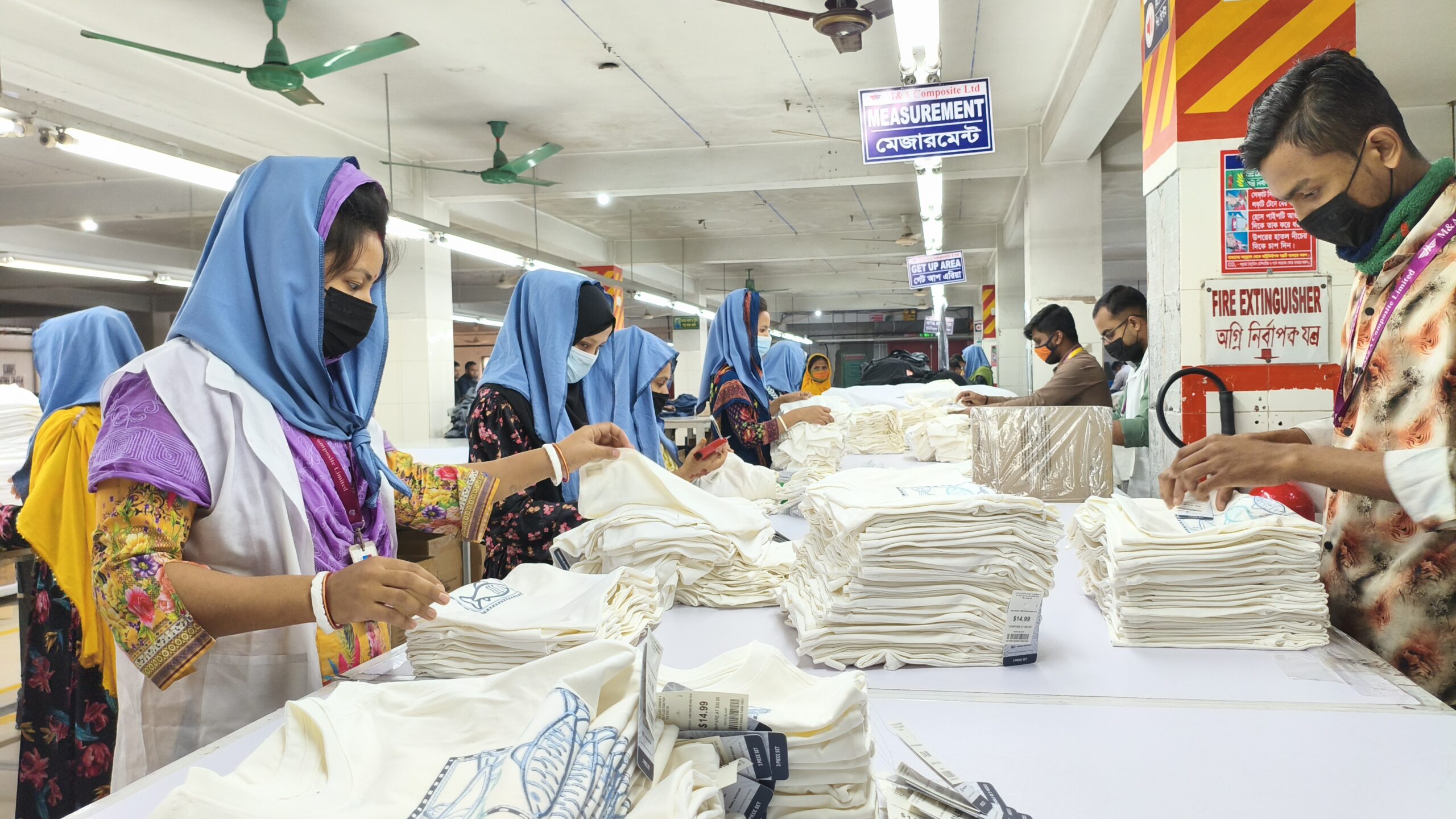
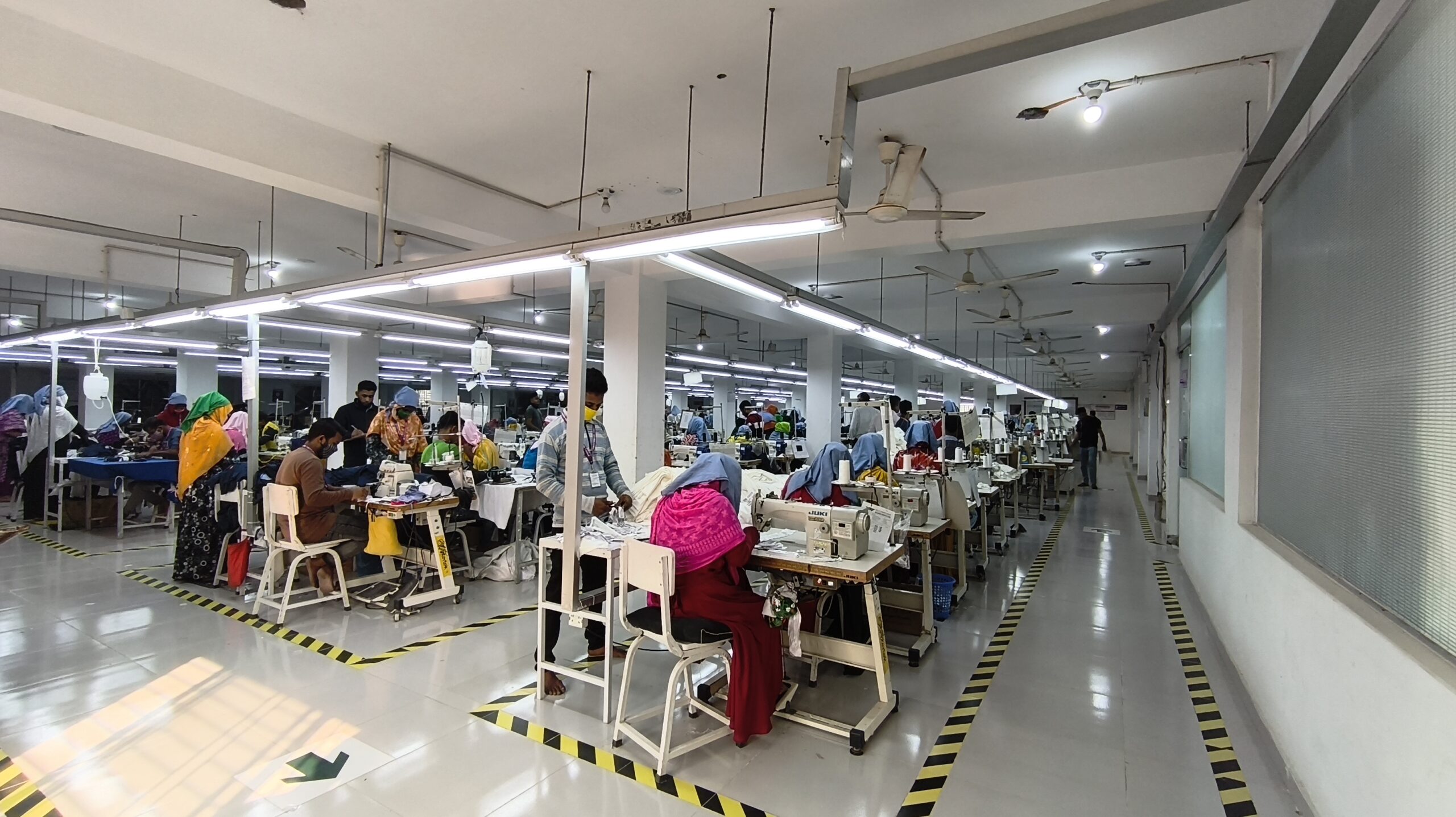
Use these images to begin a discussion about your allocated production arrangement. Ask which site will handle the order, who manages technical comments and whether any decoration or other operation will be subcontracted. Photographs show an environment and activity; they do not establish production capacity, certification or a promised completion date.
For a broader supplier assessment, see the 2026 workwear manufacturer buyer guide. This article focuses specifically on custom design, branding, sample development and approval decisions.
Customisation options: appearance and function
| Area | Options to discuss | Approval reference |
|---|---|---|
| Fit and sizing | Size range, intended fit and allowance for movement | Size chart and wearer-fit sample |
| Functional construction | Pocket layout, reinforced areas, closures and adjustments | Technical drawing and construction sample |
| Fabric and colour | Composition, construction, weight, finish and colour reference | Approved swatch and relevant colour approval |
| Branding | Print, embroidery, logo position and contrast panels | Authorised artwork and decorated sample |
| Labels and packing | Care labels, size labels, barcodes and carton assortment | Label artwork and packing instructions |
Do not rely on phrases such as “standard fit” or “normal pocket” when a detail affects usability. Specify the measurements, positions and tolerances that matter. A reference garment helps explain appearance, but the supplier still needs a written description of changes.
Decoration, trims and modifications may affect a garment intended to provide protective performance. Confirm the applicable product requirements and evidence before treating a customised design as equivalent to a tested reference.
Explore cargo trousers, high-visibility garment examples and corporate uniforms for relevant starting references.
Fabric selection and wash-care comparison
Fabric should be chosen against intended use, wear conditions and care requirements. GSM is fabric weight per square metre; it does not by itself prove quality or durability. Compare the fibre blend, construction, finishing and garment performance as well.
| Material / construction | Design consideration | Checks to agree |
|---|---|---|
| Cotton woven fabric | Hand feel, weight and suitability for the care routine | Shrinkage, colourfastness and finished measurements |
| Polyester/cotton twill | A potential option for trousers and repeated-use uniforms | Blend, weave, pilling, seam behaviour and laundering |
| Stretch woven fabric | Movement and recovery in fitted workwear | Stretch recovery, pocket stability and seam construction |
| Piqué or jersey knit | Polos, work T-shirts and team clothing | Shrinkage, collar or neck recovery and decoration |
| Specialised protective material | A programme with defined protective requirements | Relevant testing, compatible components and permitted claims |
Request a garment sample in the proposed fabric before approving bulk production. Identify the care procedure used for evaluation and record what will be measured after washing. Do not present an informal wear or wash check as an accredited laboratory report.
For programmes containing several garment types, approve colours on the actual materials. A matching colour name does not guarantee identical appearance across woven and knitted fabrics. Keep approved references accessible for bulk comparison and future reorders.
Build a clear tech pack and approval brief
A useful brief connects visual design with measurable instructions. Include technical drawings, fabric specifications, measurements, construction details, artwork and packaging requirements. Name the version and date so the buyer and supplier can identify the same document.
Record style codes and the quantity breakdown by colour and size. Mark unresolved details explicitly. If the supplier proposes an alternative fabric or construction, ask how it changes appearance, function, price and timing before accepting it.
- State how and where key garment measurements are taken.
- Provide logo dimensions and placement references rather than artwork alone.
- Identify label content, care instructions and destination requirements.
- Specify pocket positions, closures, reinforcement and adjustments.
- Assign one person to consolidate comments and authorise revisions.
A practical approval log lists the item reviewed, the version, comments, decision, approver and date. Keep revised instructions together rather than letting emails or chat messages become competing versions of the order.
If your programme includes branded knitwear, the T-shirt manufacturer guide explains related fabric, decoration and sample considerations.
10 essential checks before custom workwear production
Use this final checklist before approving bulk production. It connects the design brief with the evidence needed to manufacture and deliver the intended garment.
- Purpose: record tasks, wear conditions, care routine and any required protective performance so the garment is evaluated against its intended use.
- Specification: confirm the latest tech pack, drawings and size chart, with tolerances and clear measurement instructions for every key dimension.
- Materials: approve fabric, trims, colour references and permitted substitutions rather than relying only on a catalogue name or photograph.
- Construction: check pocket dimensions, closures, reinforcement and seam details on the sample against the current technical drawing.
- Fit: review movement and coverage with intended users, record comments and confirm the size range before the pattern is released.
- Branding: approve authorised artwork, colours, decoration dimensions and positions on the actual fabric, including care expectations.
- Reference sample: identify the approved production reference and close outstanding comments so there is one shared manufacturing standard.
- Commercial scope: confirm MOQ, quantity breakdown, quotation assumptions, payment stages and the handling of any proposed change.
- Quality and timing: agree inspection requirements, reporting, corrective actions and the schedule linked to material and sample approvals.
- Packing and delivery: confirm labels, barcodes, carton assortment, destination and documentation responsibilities before dispatch preparation.
If a requirement remains unresolved, identify the decision-maker and deadline. A checklist is useful only when the buyer and supplier know which version has been approved. Keep supporting samples, comments and documents with the order record.
Sample development: approve before bulk production
Sampling is a decision process. A development sample checks the design; a fit review examines size and movement; a decorated sample verifies the artwork on the selected material. Agree which samples are required instead of assuming that every project uses the same sequence.
The production reference should close the buyer’s technical comments. If a development sample uses substitute trims or fabric, identify those substitutions and decide what must be reviewed again when actual materials are ready.
| Review | Questions to answer | Record to keep |
|---|---|---|
| Construction | Do seams, pockets and closures follow the specification? | Sample comments and revision instructions |
| Fit and movement | Can intended users perform their tasks comfortably? | Fit feedback and approved size chart |
| Colour and branding | Are colours, positions and artwork correct? | Approved swatches and decorated sample |
| Care evaluation | Does the sample meet agreed laundering expectations? | Test method, results and accepted limits |
| Production reference | Have outstanding comments been closed? | Dated approval and retained reference |
For an illustrative example, a buyer may need a larger pocket and a different logo position after reviewing a sample. Update the technical drawing and artwork placement together, then ask the supplier to confirm which revision will be used. This is a planning example, not a claim about a completed customer project.
Custom workwear production progress: 7 milestones
The bars below mark positions in a proposed workflow. They are an illustrative process guide, not live order status or a measurement of production completion.
Stage 1 of 7 — Buyer brief confirmed
Stage 2 of 7 — Fabric, colours and trims approved
Stage 3 of 7 — Development and fit samples reviewed
Stage 4 of 7 — Branding and production reference approved
Stage 5 of 7 — Bulk cutting, sewing and decoration monitored
Stage 6 of 7 — Final quality and packing checks completed
Stage 7 of 7 — Shipment documentation and release confirmed
Ask for a project schedule that connects each approval with the next activity. Material sourcing, sample revision, production and transit should have separate milestones. Confirm which decisions start the production clock and how changes will be reported.
During bulk manufacture, updates should connect quantities and quality findings with the agreed plan. A progress photograph is useful context, but the buyer should also know what has been checked, what remains outstanding and who is responsible for resolving an issue.
Branding, private labels and artwork permissions
Custom branding can involve printing, embroidery, woven labels, care labels, hang tags or contrast details. Confirm the available methods and minimums with the supplier. Provide artwork you are authorised to use and specify size, colours, position and any required wash performance.
A digital mock-up explains layout but does not establish the appearance of the finished garment. Review the decoration on the actual fabric, including its effect on hand feel, stretch, backing and laundering. Confirm that approved placement is achievable across the intended size range.
Labels and packing should be included early. A late barcode, language or carton-assortment change can affect dispatch preparation. Check the text and artwork with the people responsible for the destination market before authorising printing.
Do not infer an endorsement or current customer relationship from a displayed brand logo. Company photographs and catalogue examples help explain possible design details; permission and product requirements still apply to each new programme.
Quality evidence and certification checks
Agree measurable acceptance criteria before manufacturing. Check the material, seams, dimensions, decoration and packing against the approved reference. Reports should identify the order, style, date and inspected quantity, with clear findings and corrective actions where needed.
Where sampling inspection is used, confirm the sampling plan and defect categories. It is not equivalent to inspection of every unit. Record how failed checks are addressed before shipment release, rather than assuming a report itself resolves the problem.
For protective garments, consult the official ISO 13688 resource together with requirements for the intended protective performance. For visibility garments, see the official ISO 20471 resource. Confirm the applicable edition and destination requirements for your programme.
OEKO-TEX STANDARD 100 concerns textiles tested for harmful substances. Check the validity and scope of any certificate presented. This article does not establish that every M&A Sourcing product or production partner holds a particular certification.
Related real images: office team, samples and production
Customisation requires communication between the buyer, sample-development team and production operations. These existing company-supplied photographs show office work, sample displays and garment production.
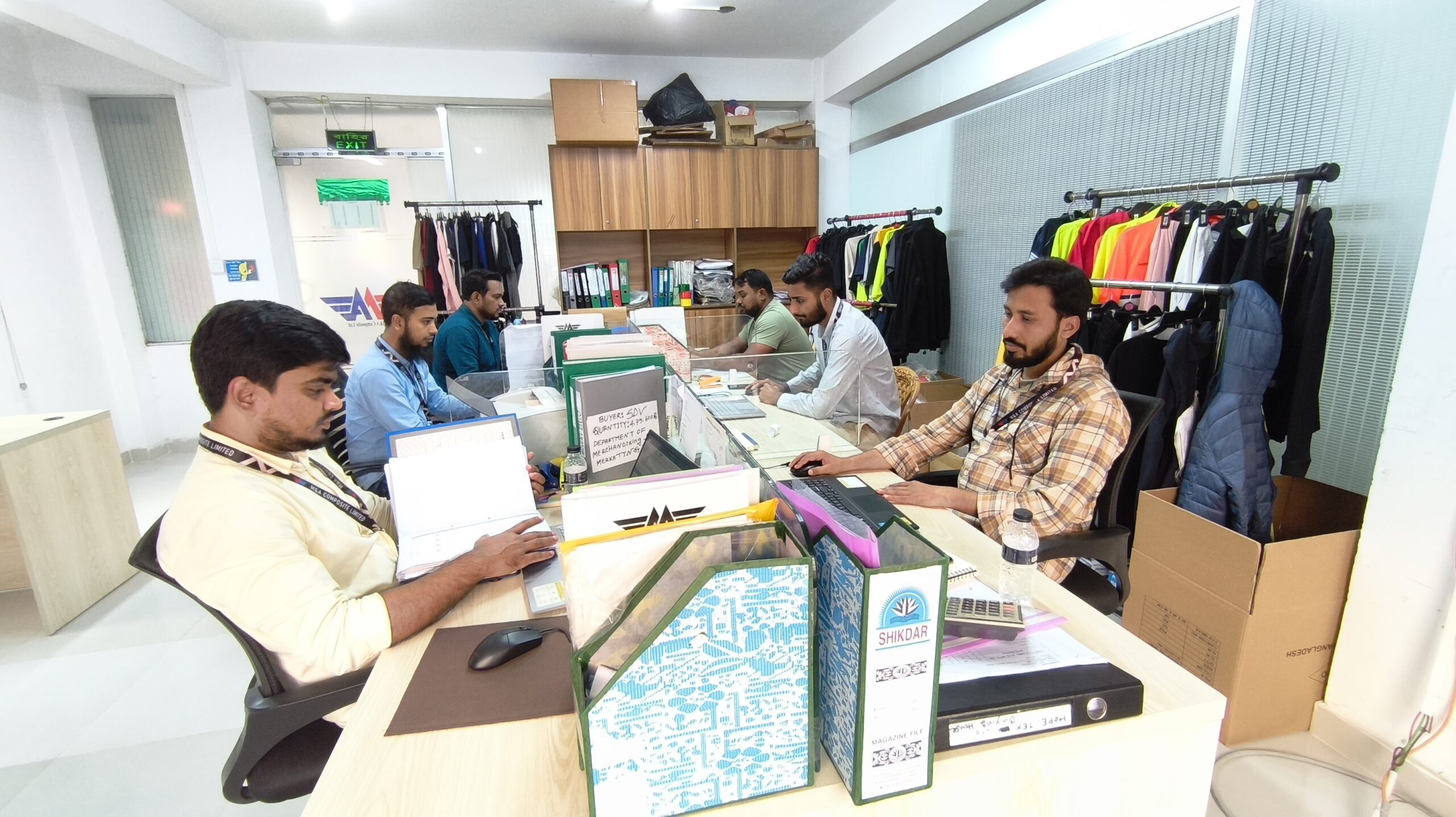
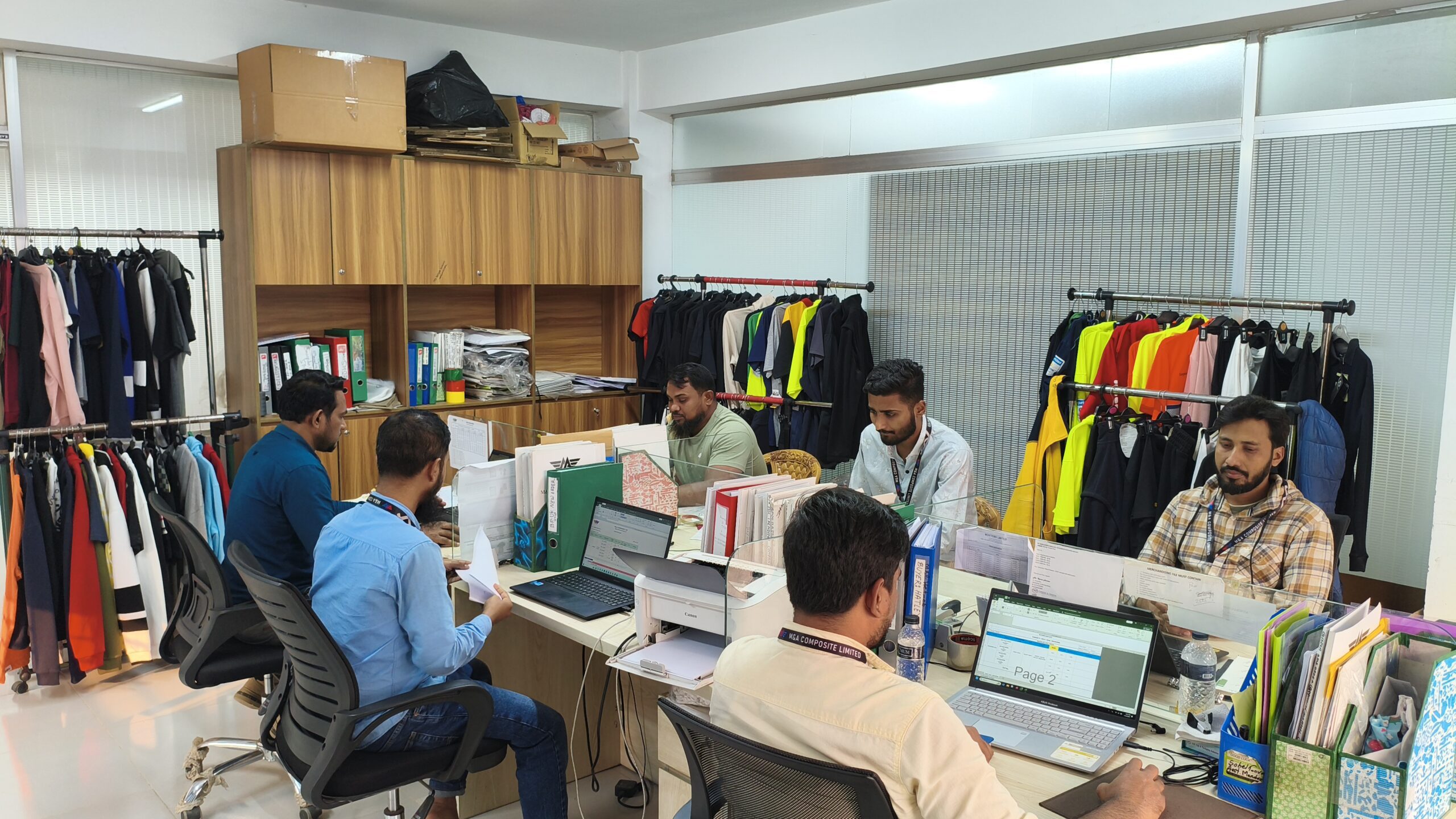
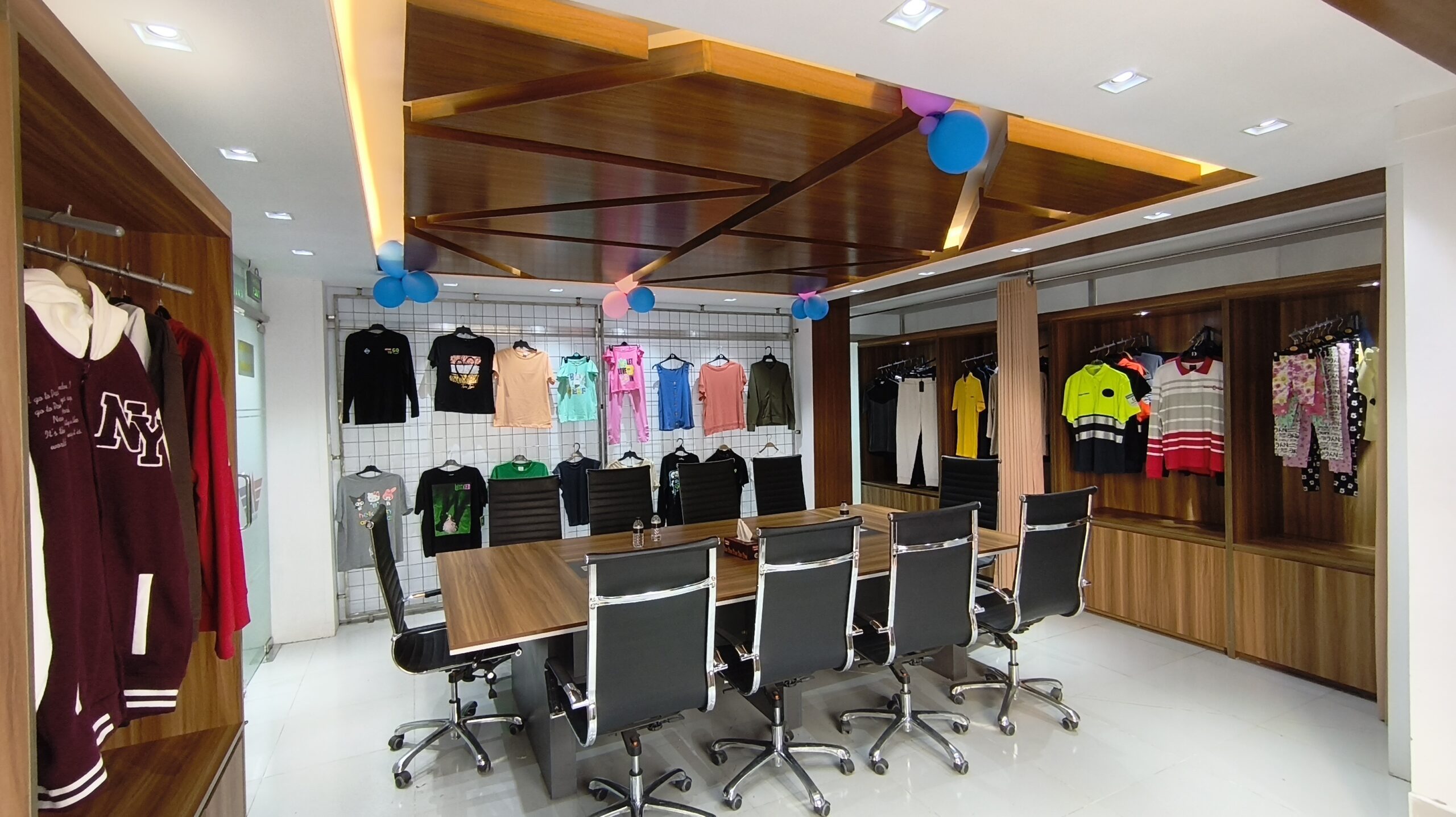
Ask how sample comments are transferred to the production team and how revisions are controlled. A showroom photograph introduces available examples, but the approved order file defines what will be manufactured.
Related products and guides
MOQ, pricing, delivery and the quotation checklist
The minimum order quantity depends on the proposed garment, material, colour breakdown, decoration and custom trims. Request minimums in writing for the actual programme. This guide does not publish an unconfirmed MOQ, sample charge, unit price or delivery promise.
| Buyer input | Details to provide |
|---|---|
| Use and garment design | Industry, tasks, reference styles and required functional details |
| Technical specification | Fabric preference, size chart, construction and quality requirements |
| Quantities | Style, colour and size breakdown |
| Branding | Authorised artwork, label text and decoration positions |
| Approval plan | Required samples, decision-makers and test expectations |
| Delivery and packing | Destination, requested dates, proposed delivery terms and carton instructions |
Compare quotations on the same scope: material, construction, decoration, labels, packing, inspection and delivery arrangements. Check currency, validity period and payment stages. An alternative fabric or simplified design may change the cost, but should be identified clearly rather than presented as the same product.
Separate sample lead time, material sourcing, bulk production and transit. If the brief changes, ask whether the schedule or commercial offer needs revision. Supplier flexibility should be discussed as an order-specific option, not treated as a general guarantee of small runs.
Reorders and practical change control
Uniform programmes often continue beyond the first shipment. Plan how replacement sizes and additional quantities will be handled. Ask which material references can be retained and which aspects of a reorder depend on availability.
Keep a current approved size chart, artwork, colour reference and bill of materials. If a trim, fabric or construction needs substitution, record its effect on appearance, function, price and timing. Approve changes before they enter the next bulk run.
At dispatch, reconcile the packing list with the agreed size and colour breakdown. Retain inspection records and unresolved-issue notes with the order file. This makes future discussions more precise than relying on memory or an old catalogue photograph.
For buyers comparing the best custom workwear manufacturer in Bangladesh, these processes are useful evidence of order management. Request an explanation of how the supplier handles revisions, approval records and repeat programmes in practice.
Frequently asked questions
What is custom workwear manufacturing?
It is development and production of work garments around a buyer’s requirements, including fit, fabric, pockets, branding, labels and packing. The project scope should be confirmed in a written brief.
How do I choose the best custom workwear manufacturer in Bangladesh?
Compare relevant samples, documented production responsibilities, technical support, approval records, quality evidence and commercial terms. The right supplier depends on your programme rather than a universal ranking.
Can M&A Sourcing develop garments from my design?
Discuss your tech pack or reference garment with the company. Confirm feasibility, available materials, sampling requirements, costs and production arrangements for the proposed design.
Are the images on this page real company photographs?
The galleries use existing images from M&A Sourcing’s media library, identified by the company as its real photographs. They show garment workers, office staff and sample displays.
What is the minimum order quantity?
MOQ depends on style, fabric, colour quantities, decoration and trims. Ask for a written minimum for the actual programme; no universal MOQ is confirmed here.
Can I customise logos, pockets and labels?
Discuss the requested details with the supplier and provide authorised artwork. Approve construction and decoration on the proposed garment before bulk production.
How should samples be approved?
Record fit, construction, colour, branding and care comments. Close outstanding revisions and identify the production reference and document version approved for bulk manufacture.
How long does a custom workwear order take?
Timing depends on materials, sample revisions, quantity, production capacity and transit. Confirm separate milestones and the approvals that start the agreed production schedule.
Are custom garments automatically certified protective clothing?
No. Verify the applicable requirements and evidence for the finished product and design. A modification or a reflective detail alone does not establish protective performance.
How can I request a quotation?
Use the contact page, email info@mnasourcing.com or WhatsApp. Provide intended use, specifications, quantity breakdown, branding, sample requirements and destination.
Shortlist the best custom workwear manufacturer in Bangladesh
Send your design brief, quantity breakdown and delivery requirements to M&A Sourcing Ltd. Ask for a project-specific quotation and sample plan before committing to bulk production.
Request a Custom Workwear Quotation | Discuss Samples on WhatsApp
Email: info@mnasourcing.com
Office: House 06, Road 12, Sector 09, Uttara, Dhaka 1230, Bangladesh.
A buyer evaluating the best custom workwear manufacturer in Bangladesh should also compare how each candidate handles changes after approval. Ask for a revised material reference, quotation and schedule when the agreed design changes. Retain the supplier response with the purchase order so the production team has one current instruction.
The best custom workwear manufacturer in Bangladesh for a repeat programme should be assessed against the same documented brief as the first order. Confirm whether fabric, trims and decoration remain available, and request approval before any substitution. Reorder consistency depends on these records rather than an unchanged catalogue photograph.