School Uniform Sourcing from Bangladesh: 7 Steps for Global Buyers
School uniform sourcing from Bangladesh requires a clear development brief when the buyer and supplier work across borders. This guide helps importers, uniform distributors, private-label brands and school purchasing teams prepare materials, sizing, market requirements, sample approvals and packing records.
It is written for international enquiries, including buyers evaluating supply for the United States, United Kingdom and other destinations. Market requirements must be confirmed for the exact product; this article does not claim that every listed product is approved for every country.
Table of Contents
1. Build an importer-ready school uniform brief
School uniform sourcing from Bangladesh becomes easier to evaluate when the enquiry explains the buying programme rather than simply requesting a price. State whether you are a distributor, private-label brand, retailer or school purchasing team. Describe the garments, destination, intended wearer range and distribution model so suppliers can assess the actual project.
For a commercial overview, visit our School Uniform Manufacturer in Bangladesh page. This guide supports that page by explaining the cross-border development decisions an international buyer should prepare. It does not replace a quotation, product-specific assessment or destination compliance review.
List shirts, polos, trousers, skirts, sweaters and other items as separate styles. Record which are sold individually and which are supplied as sets. A distributor offering replacement trousers has different stock and packing needs from a school issuing fixed uniform bundles.
Include a target arrival window and identify which details are confirmed. Avoid presenting the final arrival date as if it were the factory handover date: development, approvals, production, transport and receiving all need to be considered in the agreed plan. Ask the supplier to state dependencies and proposed milestones.
| Field | Buyer input | Supplier confirmation |
|---|---|---|
| Range | Separate garment references and style codes | Development feasibility |
| Destination | Country and delivery point | Quotation and logistics assumptions |
| Quantities | Style, colour and size breakdown | Applicable minimums and offer |
| Timing | Required arrival and approval windows | Proposed schedule and dependencies |
| Distribution | Retail units, sets or institutional allocation | Packing proposal |
2. Define the range by garment, climate and use
School uniform sourcing from Bangladesh should connect each garment with the conditions in which it will be worn. A lightweight polo for a warm climate and a sweater worn over a shirt need separate specifications. Use the school’s clothing policy and actual wearer feedback to decide the range.
For polos, record the knit structure, composition, weight, collar and cuff direction. For shirts, review opacity, collar construction and the appearance after care. For bottoms, define the waistband, closures, pockets and permitted fit options. For knitwear, confirm material and construction rather than inferring fibre content from a photograph.
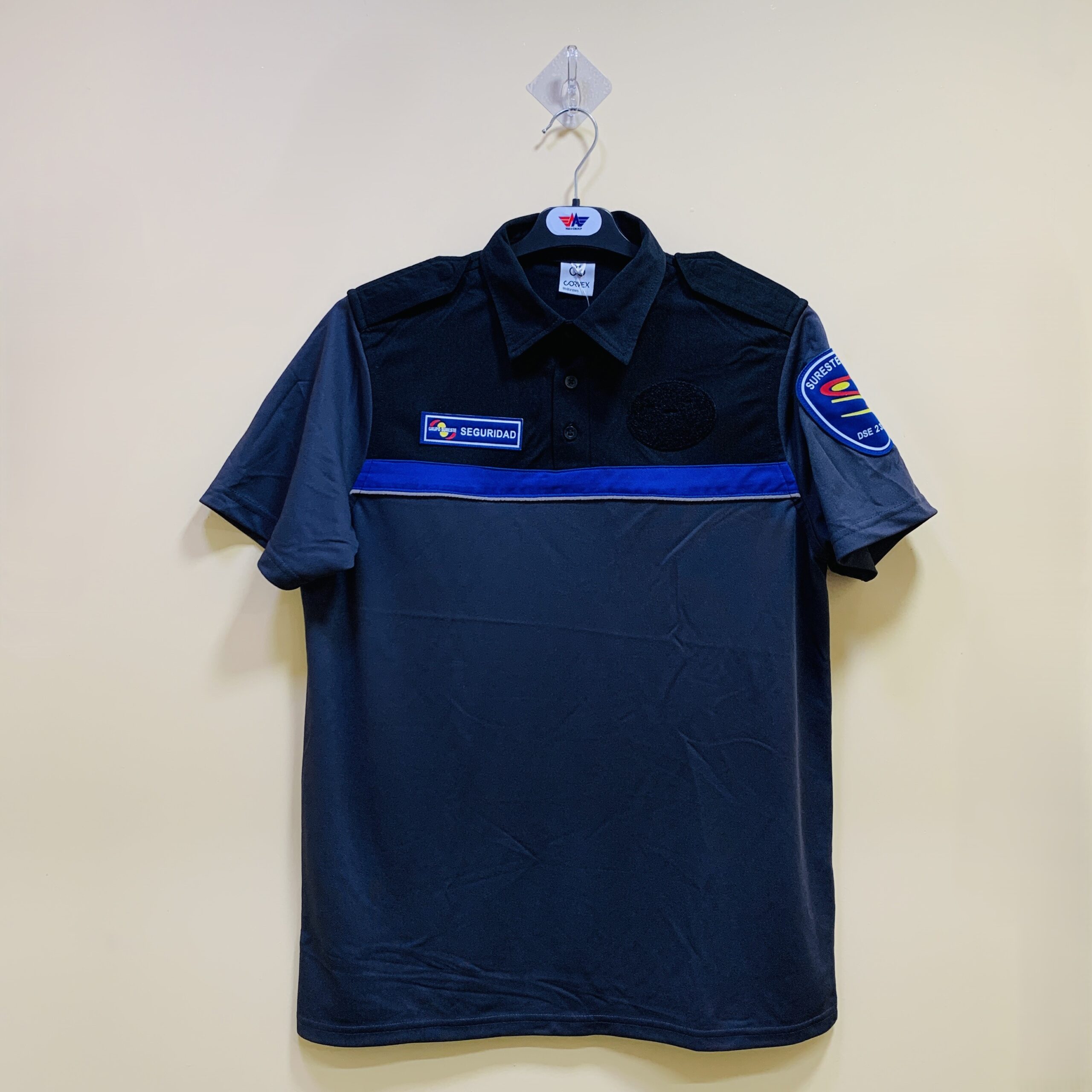
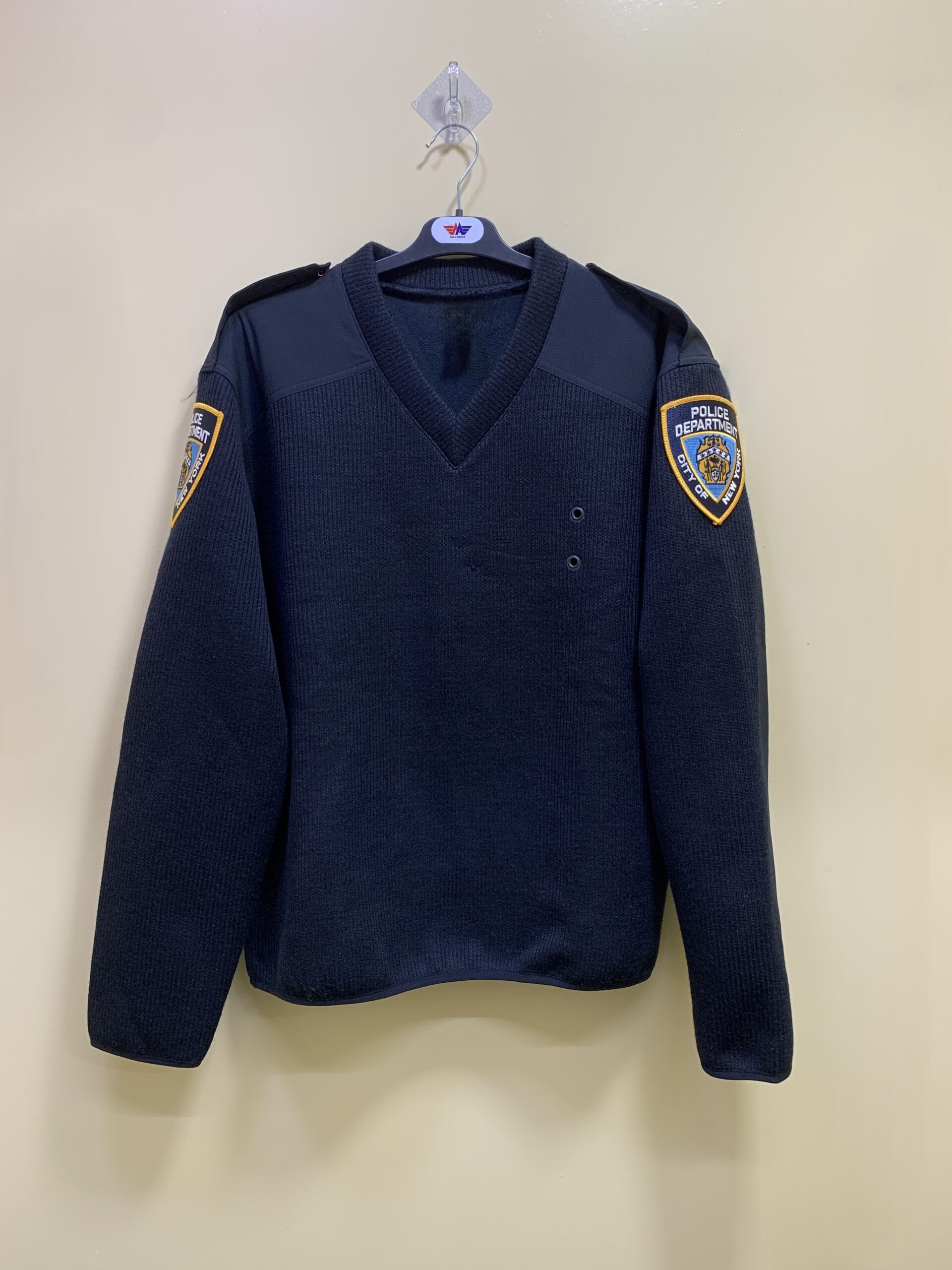
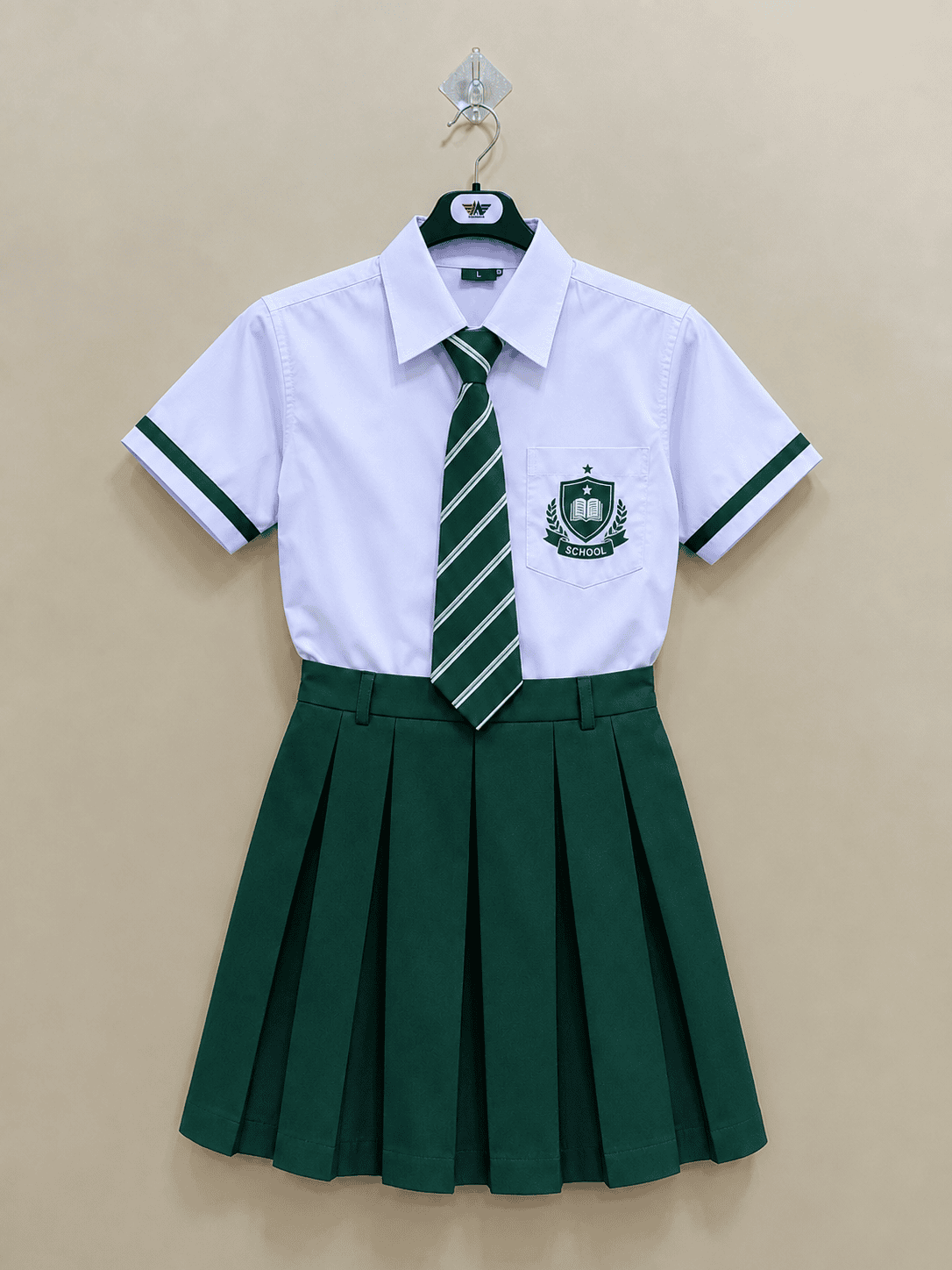
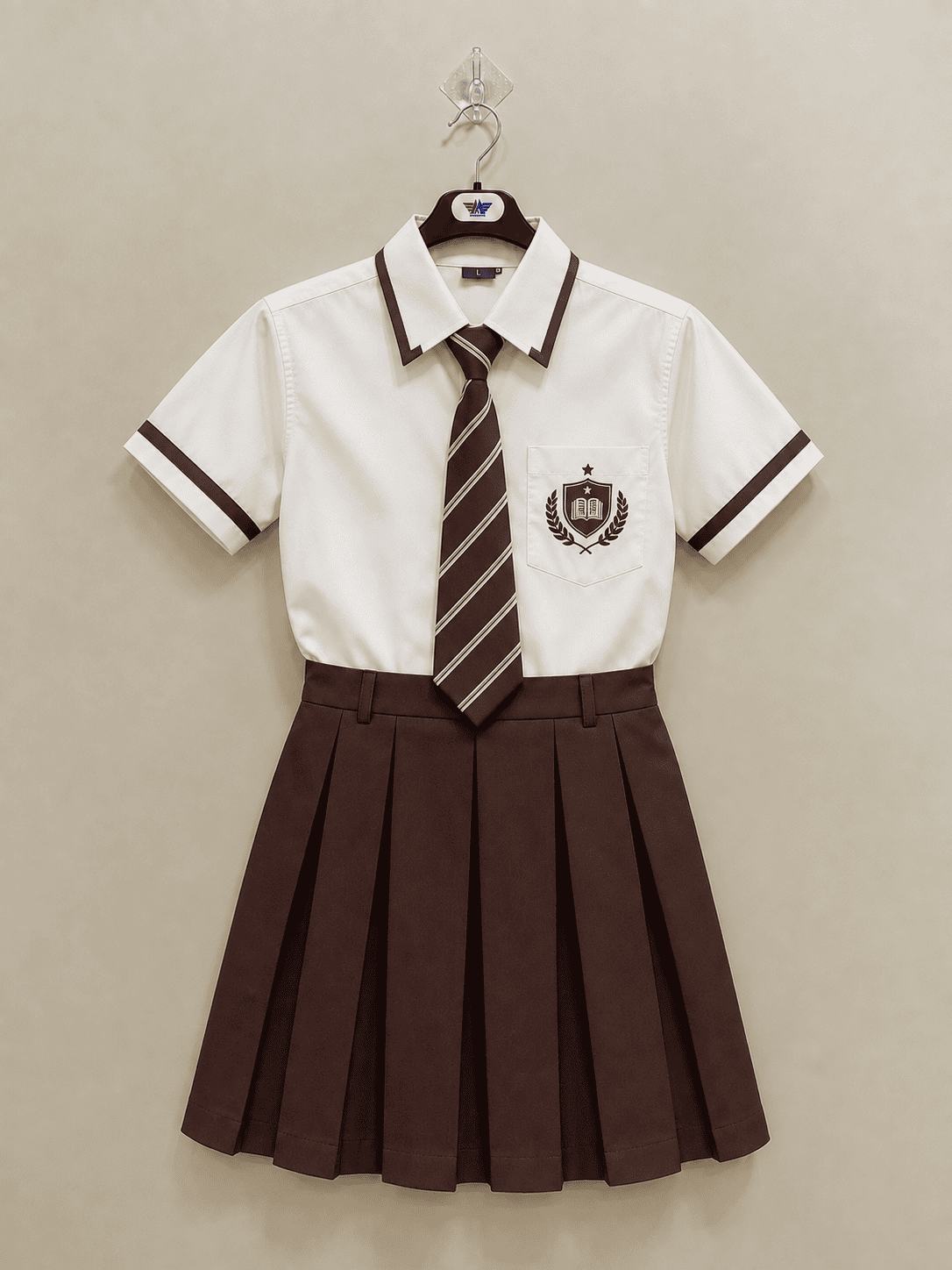
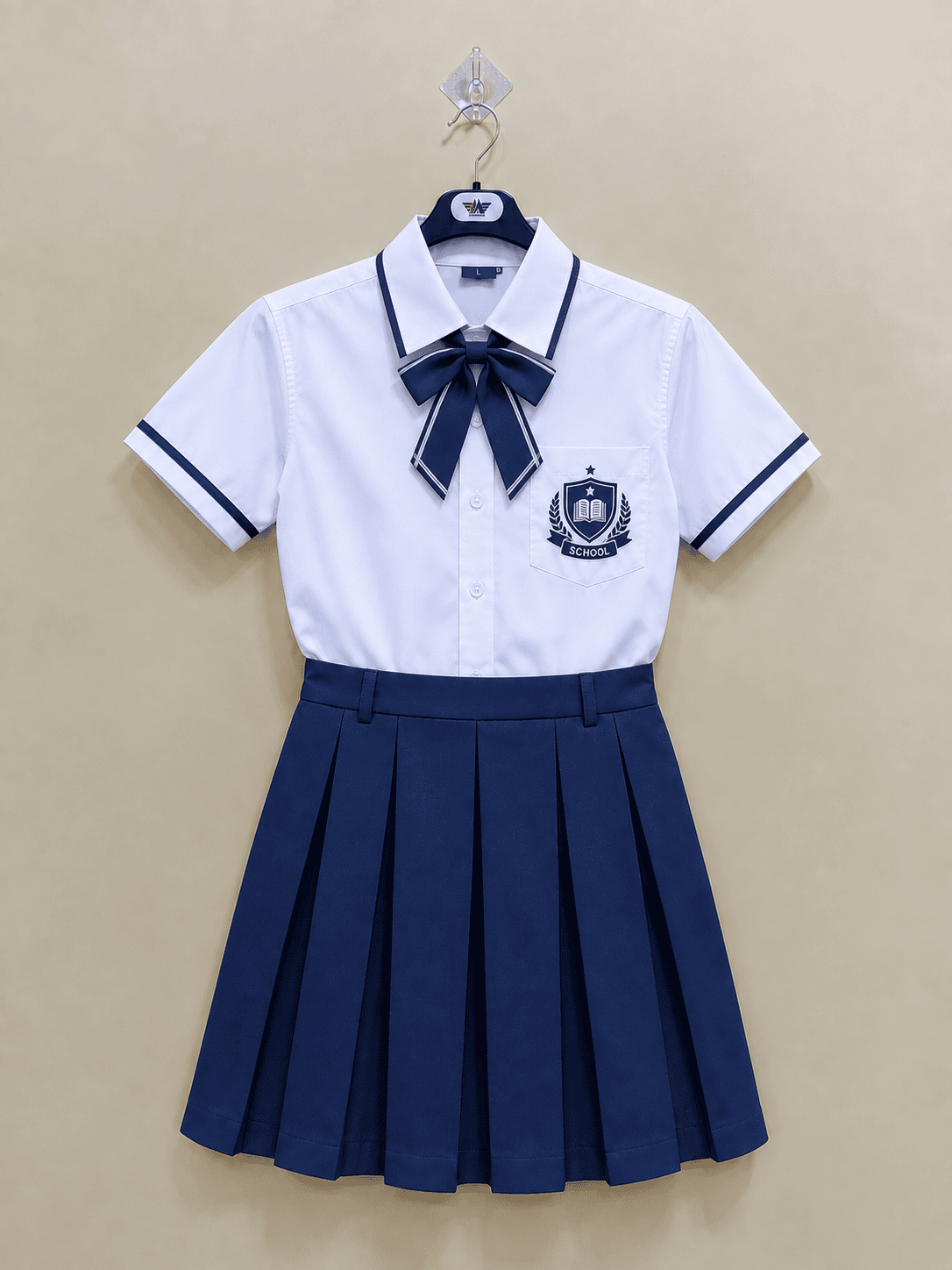
Review related tees and polos and sweater references alongside the main school uniform collection. Category photographs are starting points for a development discussion; they do not confirm current stock or a fixed specification.
Ask for identified material swatches and a written proposal. Keep colour references for the body, trims and branding where coordination matters. Do not assume that a woven shirt and a knitted polo will look identical simply because both use the same colour name.
| Item | Specification priorities | Sample review |
|---|---|---|
| Polo | Composition, knit, collar and cuffs | Shape, comfort and care appearance |
| Shirt | Construction, opacity and collar | Fit, seams and care appearance |
| Bottom | Waist, rise, length and closures | Sitting, movement and usability |
| Sweater | Yarn, knit and neckline | Layering and shape |
| Branded item | Artwork and decoration method | Execution on the actual material |
3. Convert size names into an approved measurement system
An international school uniform order should not rely on the assumption that an age label means the same thing in every market. Start with the buyer’s intended body or height range, then agree a finished-garment chart. Make the relationship between body measurements and garment measurements explicit.
Choose units and use them consistently. Where both centimetres and inches are supplied, agree the controlling values and rounding convention. A conversion should not silently change the approved specification. Define measurement points with diagrams and record a tolerance for each important dimension.
Review the size set across the actual range rather than approving only one middle size. Confirm top and bottom pairing, length options and whether separate fits are required. A sample labelled “unisex” still needs an appropriate fit review for the intended wearers.
Our measurement chart guide and school uniform buying guide help organise these records. Use anonymised fit comments and size totals in routine supplier files rather than unnecessary student names or other identifying details.
For example, if a buyer finds that the polo hem rises during normal reaching, the next instruction should identify the relevant fit observation and measurement correction. Changing only the size label will not resolve a pattern or proportion issue.
4. Prepare a destination-specific review with the importer
School uniform sourcing from Bangladesh needs a destination brief, not a generic promise of “worldwide compliance.” Ask the importer to identify the applicable requirements for the exact garment, intended age group, claims and sales channel. Assign responsibility for reviewing labels, product safety evidence, testing and shipment documents before production release.
For the United States, the FTC’s textile and wool labeling guidance describes disclosures covering fibre content, origin and responsible business identity for most covered products. Its separate care labeling guidance addresses garment care instructions. These resources are starting points, not a complete children’s apparel compliance checklist.
For UK, EU, Canadian, Australian or other destinations, obtain the relevant market review instead of copying a US label. Confirm required wording, languages, care information, product-specific safety obligations and evidence with the responsible importer or qualified specialist. Do not assume that approval for one country transfers automatically to another.
Document proposed cords, detachable trims and other design details early so any necessary safety review can affect the design before it is finalised. Never add certification logos or performance claims solely because they appear in a reference image.
| Topic | Question | Approval evidence |
|---|---|---|
| Market and channel | Where and how will the garment be sold? | Importer’s confirmed destination brief |
| Labels | What wording and identifiers are required? | Approved market-specific artwork |
| Product safety | What obligations apply to this design and age group? | Qualified review and relevant evidence |
| Claims | Which claims will appear on labels or marketing? | Evidence for the exact product |
| Responsibility | Who approves and retains each record? | Named owner and release record |
5. Approve materials, branding and samples in stages
School uniform sourcing from Bangladesh works better when each sample has a purpose and an identifier. A fit sample in substitute material may demonstrate shape without proving final colour or care performance. A decorated panel may prove logo execution without approving the complete garment. Record these limits clearly.
Approve physical colour references and branding on the intended material. Record artwork version, logo dimensions, placement and method. Check the reverse side for comfort and inspect the decoration after the agreed care assessment. A digital crest preview is not the same approval as a decorated garment.
Keep one current technical specification and a revision log. Feedback should identify the affected part, observed issue and requested correction. Before bulk release, reconcile the final sample with the approved material, chart, colour, construction, decoration and labels.
The tech pack checklist and sample approval guide provide related record structures. Ask who can approve each gate and how unresolved issues will be escalated.
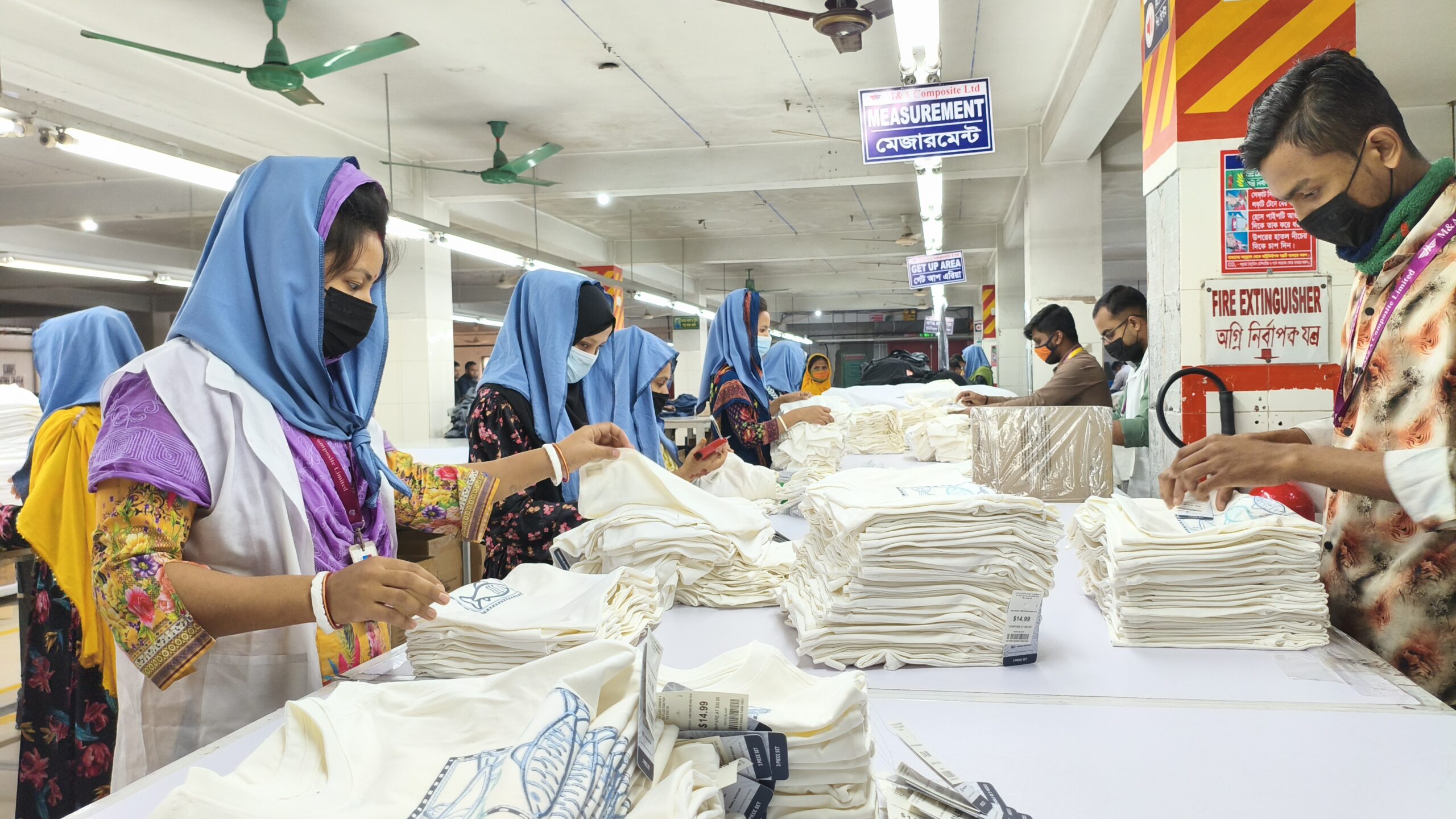
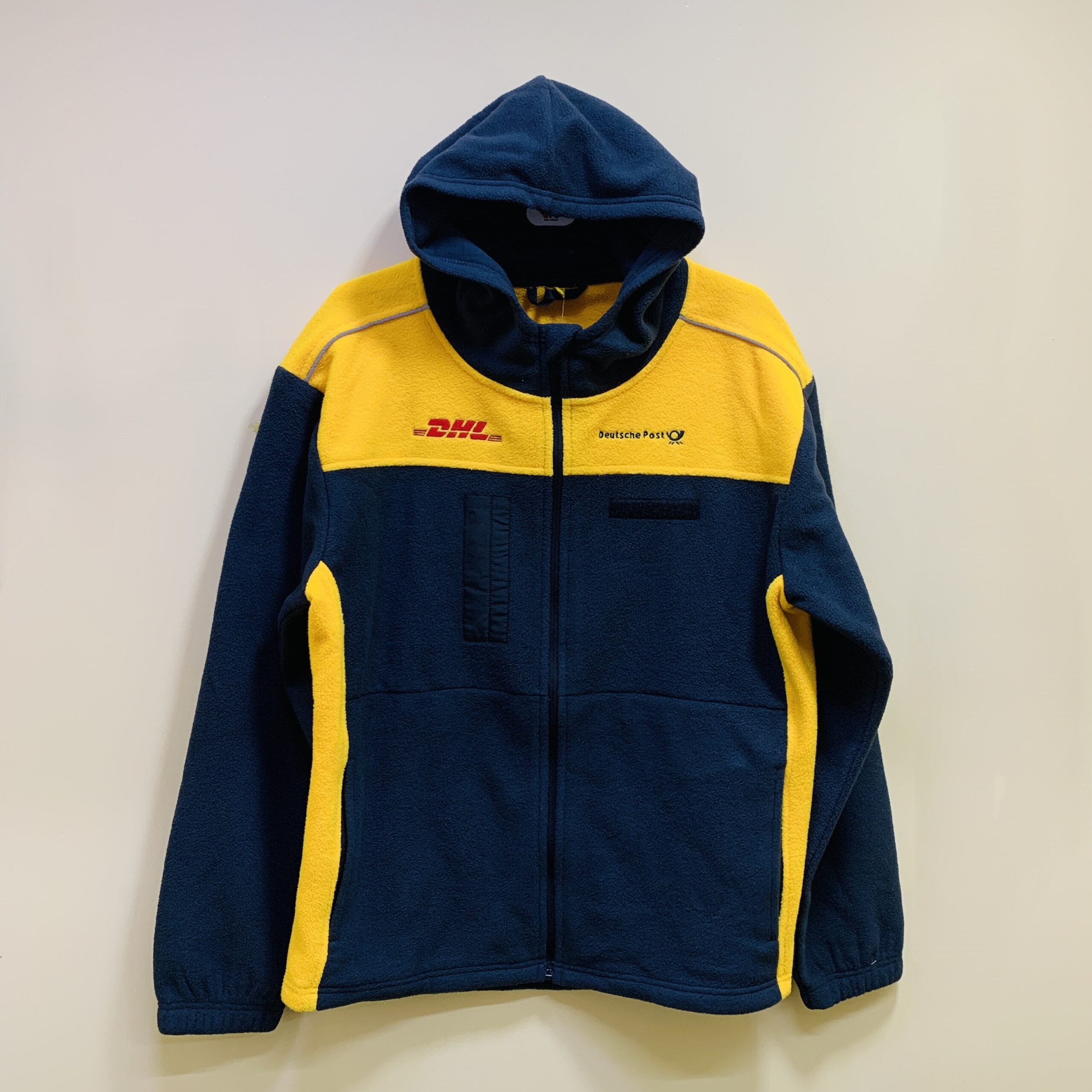
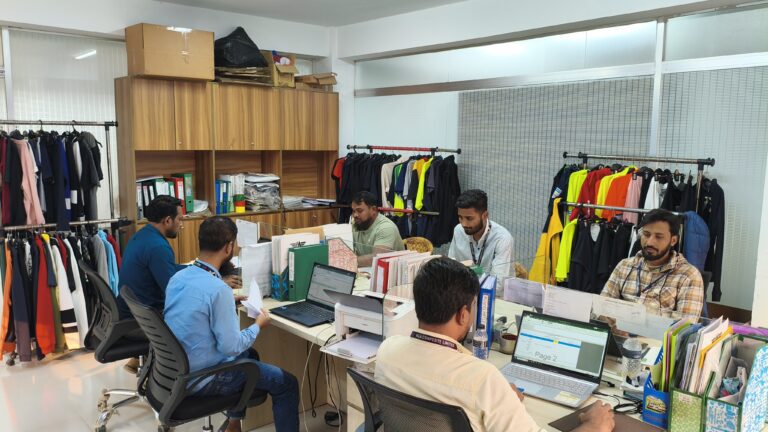
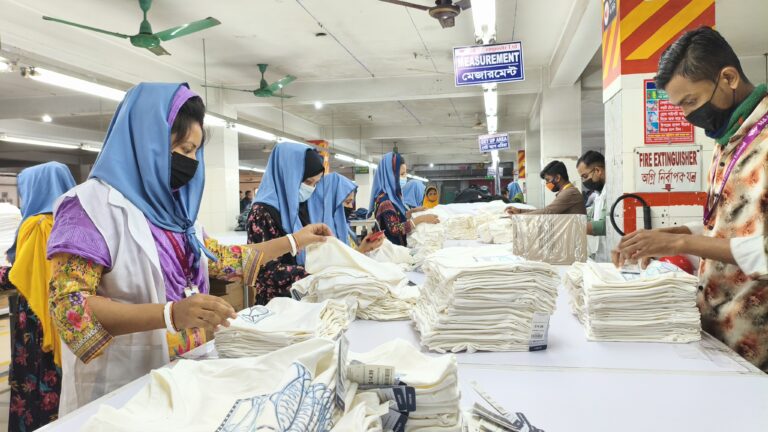
The photos in this guide are references from the website’s school uniform and company media libraries. They are not customer case studies, proof of an international delivery, current stock commitments or evidence of a relationship with any visible brand.
6. Link care and quality checks with the receiving plan
Agree care conditions before comparing samples. Record the procedure, sample ID, measurements and appearance before and after assessment. Review colour coordination, seams, shape, closures and branding together; a single measurement cannot describe every aspect of garment performance.
CottonWorks’ shrinkage and skewing resource explains how construction, processing, finishing and care influence dimensional stability. For buyers, this supports setting and assessing an actual specification rather than assuming that a fibre name guarantees the outcome.
Define inspection criteria, scope and responsibility with the buyer. Request relevant laboratory evidence where required, and confirm which product or material it covers. A certificate or report for an unrelated item does not establish the result for your final garment.
Plan receiving at the same time as packing. State whether cartons contain one style and size, a defined assortment or complete sets. Use agreed product identifiers and size labels, identify balance cartons and reconcile the final packing list with actual contents. See our packing checklist for a detailed workflow.
The seven bars below illustrate development decisions. They do not show a live order, a manufacturing success rate or a guaranteed delivery schedule.
Stage 1: Buyer brief agreed
Stage 2: Material selected
Stage 3: Size set reviewed
Stage 4: Market requirements confirmed
Stage 5: Branding approved
Stage 6: Care and quality reviewed
Stage 7: Packing and release agreed
7. Compare quotations and agree a repeat-order plan
School uniform sourcing from Bangladesh should be quoted against the same written brief when comparing suppliers. Include the material, style, sizes, colours, decoration, packaging, destination and delivery expectations. Ask what is included, what remains provisional and what changes would require a revised offer.
Confirm minimum quantities for the actual material and colour programme. Do not assume that one published MOQ applies to every school uniform item. Ask about development charges where applicable and identify the decisions that must be complete before production timing can be confirmed.
Define the agreed delivery term, named place and respective responsibilities in the commercial documents with the appropriate logistics support. Compare transport assumptions separately from garment price. This article does not provide tariff rates, landed-cost guarantees or a universal transit period.
Retain approved material references, measurement charts, artwork, care assessments and sample IDs for replenishment. Reconfirm availability before promising an exact repeat. A substitution should trigger a review of any affected fit, colour, care or branding approvals.
| Area | Confirm before ordering | Retain for repeat orders |
|---|---|---|
| Material | Exact specification and approved reference | Swatch and material record |
| Quantity | Style, colour and size allocation | Approved order matrix |
| Cost basis | Inclusions, exclusions and provisional items | Accepted quotation revision |
| Delivery | Agreed term, place and responsibilities | Commercial and handover records |
| Repeat supply | Availability and substitution process | Sample, chart and artwork versions |
M&A Sourcing’s school uniform manufacturing page is the main product enquiry destination for this range. For broader uniform sourcing, review the uniform export guide.
Send your school uniform enquiry with garment references, destination, size quantities, artwork, material requirements and arrival expectations. Request a confirmed feasibility review, quotation assumptions and sampling plan. Include any importer-approved market requirements from the start.
International school uniform sourcing FAQs
How should an overseas buyer start a school uniform enquiry?
Send separate garment references, destination, material requirements, size quantities, artwork, packing needs and arrival expectations. Identify confirmed decisions and open options.
Can one size label be used for every country?
Do not assume that labels establish equivalent fit. Approve a measurement chart, units, diagrams and tolerances for the intended wearer range.
What should US importers review before production?
Confirm requirements for the exact product with the responsible importer or qualified specialist. Review labels, care instructions, applicable safety obligations, claims and supporting evidence.
Does a US label approval cover the UK or EU?
Do not assume it does. Obtain a destination-specific review and approve the wording, languages and evidence required for the actual product.
Which products can be included in a school uniform range?
Discuss shirts, polos, trousers, skirts, sweaters and other relevant items as separate styles. Confirm actual availability and development feasibility with the supplier.
How should school crests be approved?
Approve the artwork version, dimensions, colours and measured placement on the intended material. Review a decorated sample rather than a digital preview alone.
What MOQ applies to international school uniform orders?
Request a specific confirmation. Material, colours, decoration and the size allocation can affect quantity requirements and commercial terms.
How long does international production and delivery take?
Request a project-specific plan covering development, approvals, production and logistics. This guide does not establish a universal production or transit period.
Are the photographs proof of exports to a particular country?
No. They are product and company references from the media library, not destination-specific case studies or shipment evidence.
How can a distributor manage replenishment?
Retain approved specifications, swatches, size charts, artwork and sample IDs. Reconfirm materials and review substitutions before repeat production.