Workwear Sweaters: 7 Essential Tips for Better Orders
Workwear sweaters can give a staff uniform programme a coordinated layer for changing indoor conditions. Choosing the right garment requires more than a colour and size label: buyers need clear material specifications, a layered fit trial, decoration approval and a practical care plan.
This guide covers ordinary uniform knitwear and the records to prepare before requesting a quotation. Confirm product availability, technical claims, minimum quantities and production timing for the specific order.
Table of Contents
1. Choose the sweater around the uniform programme
Workwear sweaters should be selected around the wearer, the workplace and the layers they accompany. A reception team wearing shirts may need a different neckline and silhouette from staff wearing polos. Start by identifying the role, normal indoor conditions, underlayer and any jacket worn over the sweater.
Compare crew neck, V-neck, cardigan and zip-neck directions as separate style choices. Record how each option should sit over the base garment and whether identification or a tie must remain visible. Ask staff to try the intended combination rather than approving a sweater in isolation.
Use the employer’s clothing requirements to decide suitability for the task. This guide concerns ordinary uniform knitwear. A workwear label does not demonstrate flame resistance, high visibility or another protective property; any such claim needs applicable evidence for the exact garment.
Review the sweater product category and our corporate uniform sourcing guide. M&A Sourcing’s Workwear Manufacturer in Bangladesh homepage covers the broader product direction. Confirm availability, development options and commercial terms for your own enquiry.
| Decision | Information to supply | Approval question |
|---|---|---|
| Wearer and role | Department and wearing context | Does the design meet workplace requirements? |
| Layers | Shirt, polo and outer jacket references | Has the complete combination been tried? |
| Style | Neckline, opening and sleeve direction | Are details confirmed or still optional? |
| Identity | Colours and logo artwork | Who approves the brand reference? |
| Order plan | Sizes, quantities and destination | Can the supplier quote the same brief? |
2. Record yarn and knit specifications together
Workwear sweaters cannot be specified reliably with a fibre name alone. Request the composition, yarn details, knit structure and agreed finished measurements. Where gauge is discussed, record the supplier’s proposal with the construction; the gauge number is not a standalone guarantee of warmth, durability or quality.
Compare identified swatches and completed garments. Review surface appearance, handle, opacity and the way the knit recovers after gentle extension. An attractive yarn sample does not show every property of a finished neckline, shoulder seam or cuff, so keep the garment review separate from the swatch approval.
Ask whether the proposed material is a standard option or requires development. Confirm colour availability and any sourcing assumptions before finalising the range. Do not assume that a photographed sweater uses a particular wool, cotton or synthetic blend unless the supplier confirms the specification.
The fabric selection guide helps organise material questions across a coordinated uniform range. Keep a labelled reference for each approved proposal so a later substitution can be identified and assessed.
| Detail | Record | Review on the sample |
|---|---|---|
| Composition | Confirmed fibre percentages | Handle and agreed care requirements |
| Yarn and knit | Supplier specification and structure | Surface, opacity and consistency |
| Neck and trims | Construction and dimensions | Comfort and recovery |
| Colour | Approved physical reference | Body and trim coordination |
| Finished garment | Measured reference and revision | Shape before and after care |
3. Approve fit over shirts and polos
Workwear sweaters need enough room for the intended layers without creating unwanted bulk. Define chest width, body length, shoulder width, sleeve length, cuff opening and hem dimensions. Add neckline or front-opening measurements relevant to the style and state the tolerance at each point.
Specify whether measurements refer to the body or the finished garment. Use diagrams for the measuring method, especially for neck openings, raglan sleeves and ribbed edges. A size label from a previous supplier is a useful reference only after its actual measurements have been compared.
During the trial, review sitting, reaching and ordinary arm movement. Inspect pulling across the back, bunching over the shirt, cuff position and the relationship between the sweater hem and the underlayer. Check the sweater under the intended outer jacket when layering is part of the programme.
Record corrections against a specific measurement or detail. “Too tight” is less useful than a photograph showing the tension and a clear instruction for the next sample. Our size chart planning guide explains how to organise the measurement record. Compare tees and polos and softshell options as needed for the full outfit.
| Area | Trial | What to record |
|---|---|---|
| Neckline | Wear with the intended collar | Pressure, coverage and appearance |
| Chest and shoulders | Reach forward | Restriction or excess bulk |
| Sleeves | Bend elbows and reach | Length, cuff position and comfort |
| Body and hem | Sit and stand | Ride-up, coverage and shape |
| Outer layer | Try the chosen jacket | Bulk and closure access |
4. Inspect necklines, seams and rib trims
Workwear sweaters should be inspected inside as well as outside. Review the shoulder joins, side seams, armholes and trim attachments. Check for irregular stitches, loose ends and uncomfortable label edges. Agree which construction details must match the approved sample.
Examine the neckline after fitting, not only when the garment lies flat. A V-neck should be checked with the intended shirt or polo; a crew neck needs a separate comfort review. For cardigans or zip-neck designs, operate the opening and inspect how it sits when worn both open and closed.
Assess cuff and hem dimensions with the complete knit structure. A tight hem can change how the body hangs; a loose cuff can affect sleeve position. Review recovery after use and after the agreed care process instead of accepting “stretchy” as a complete specification.
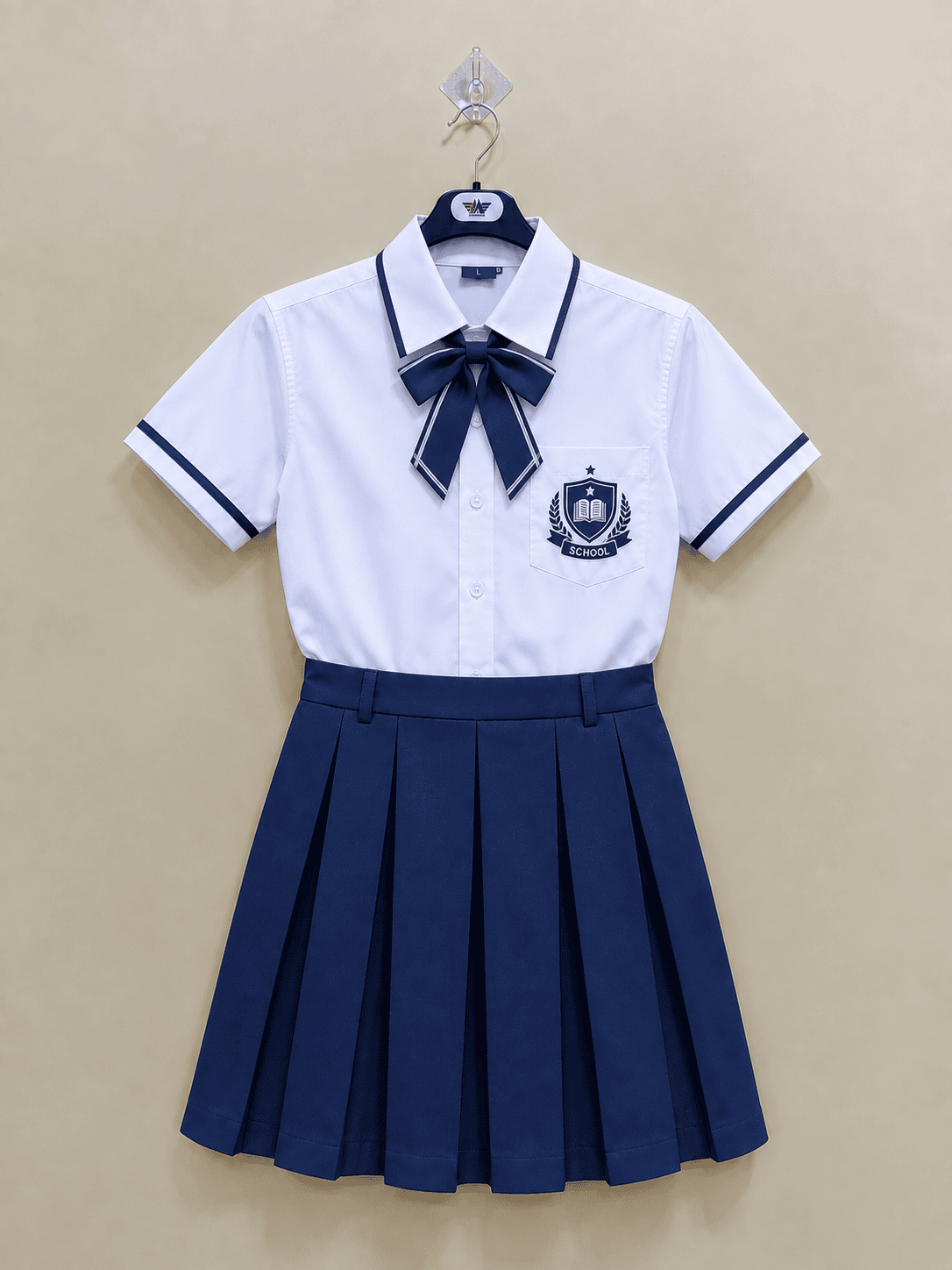
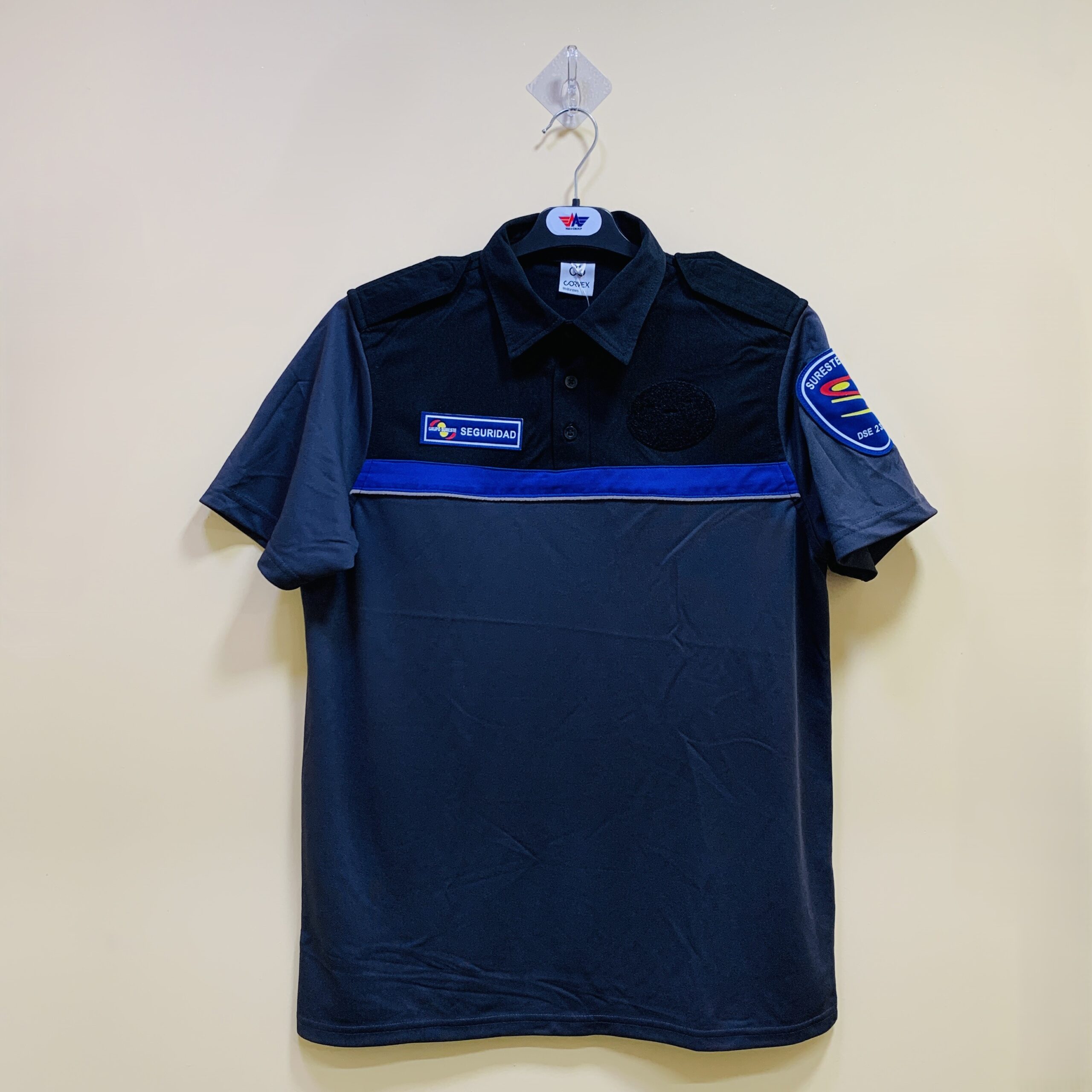
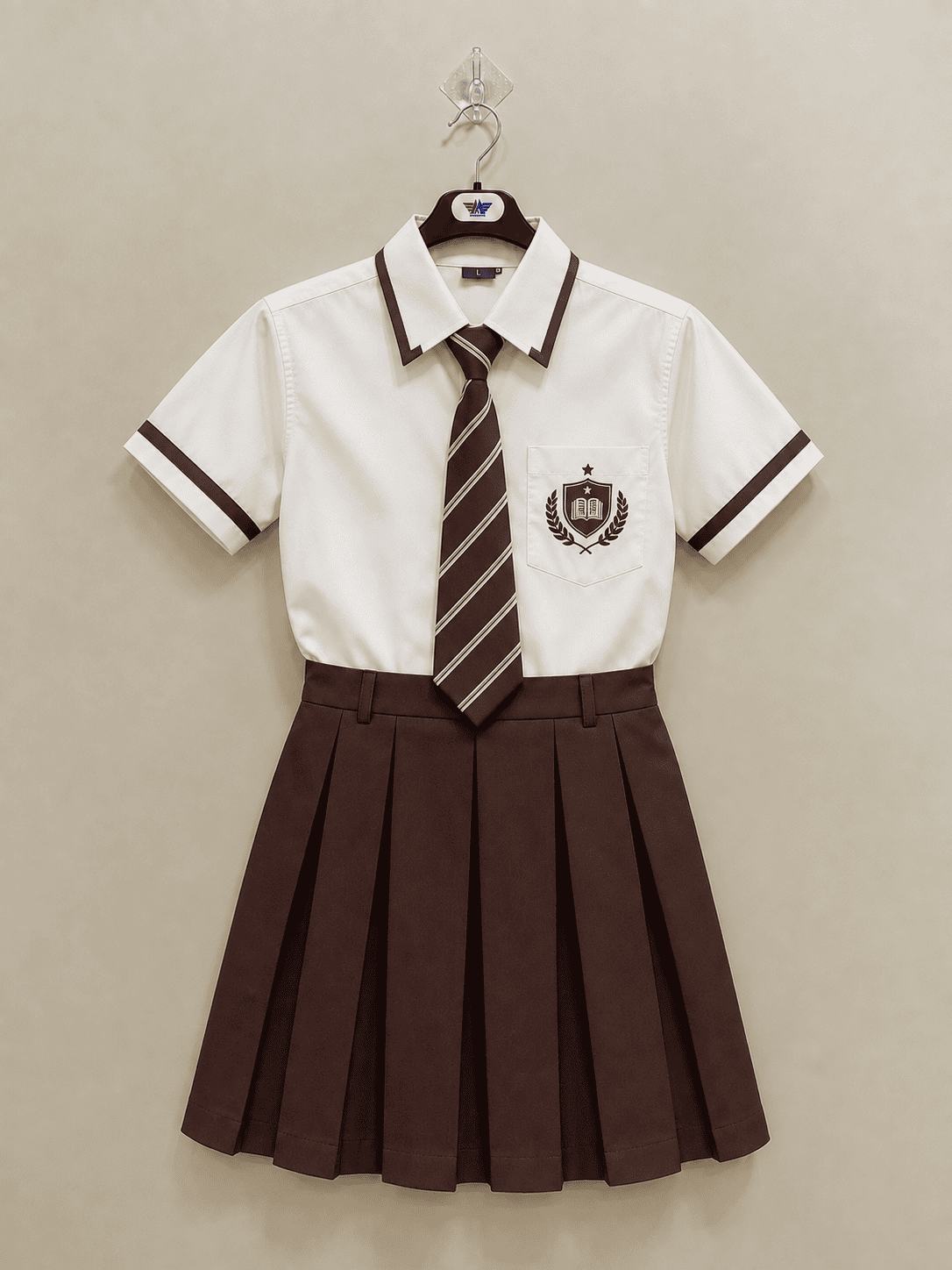
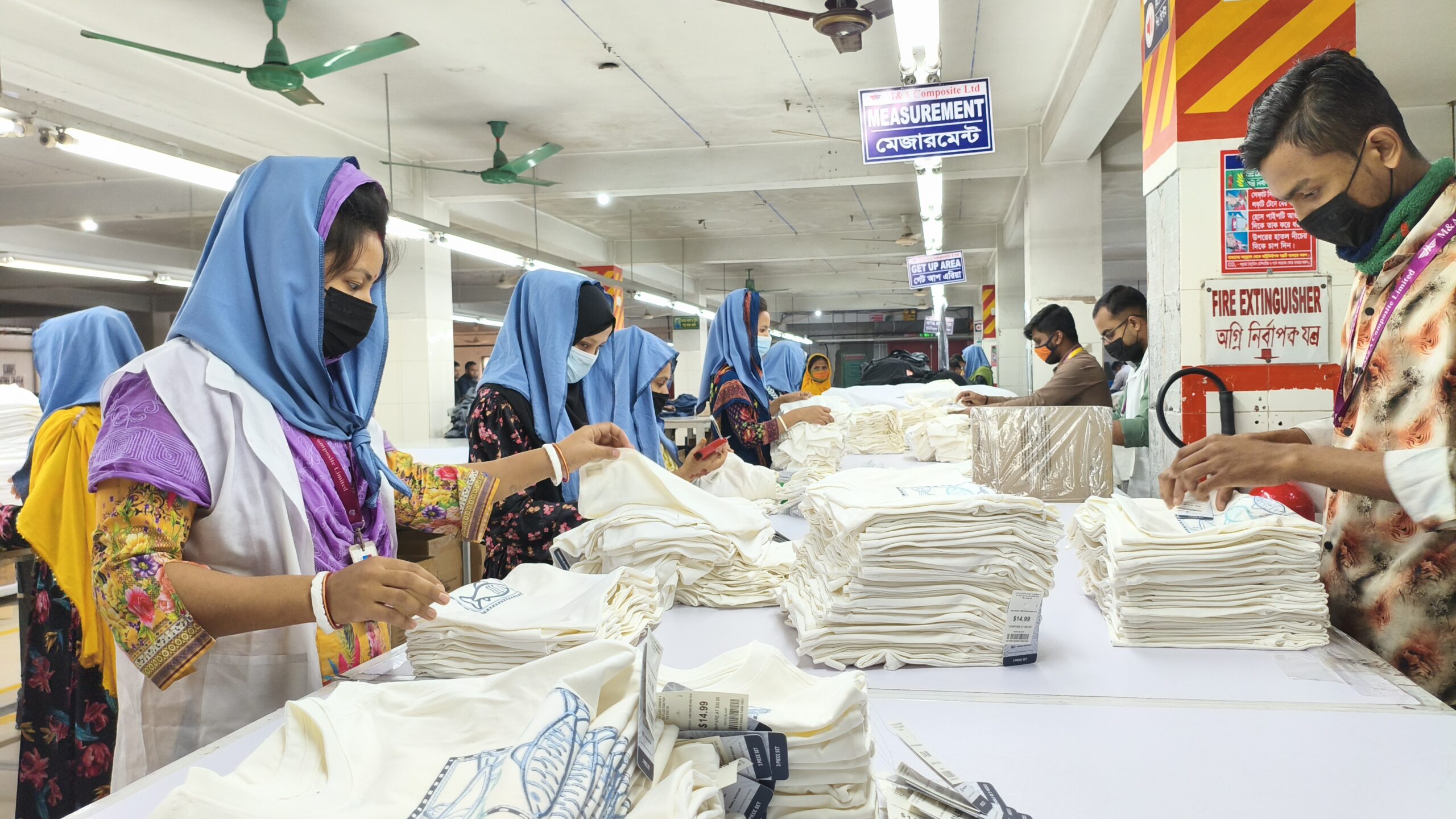
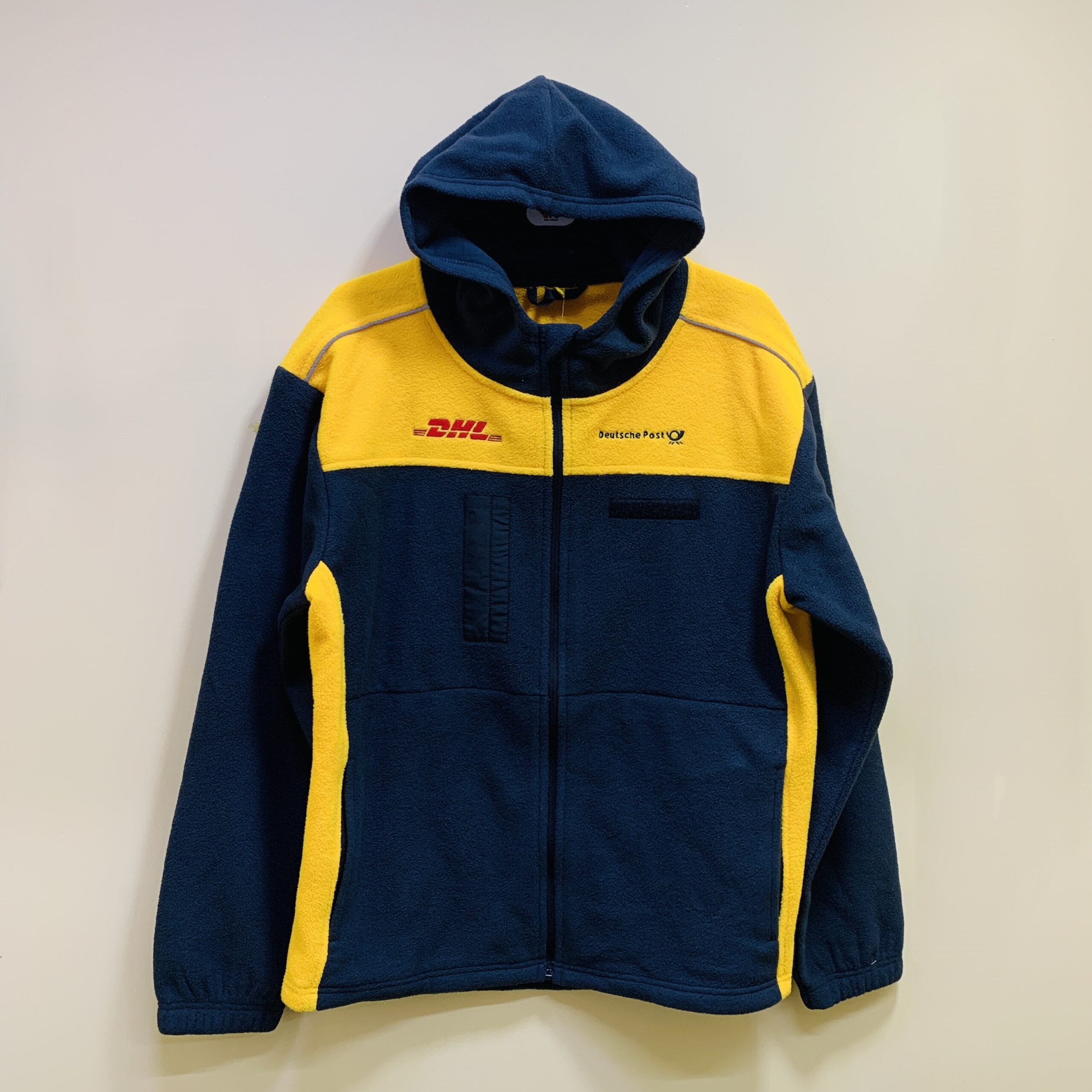
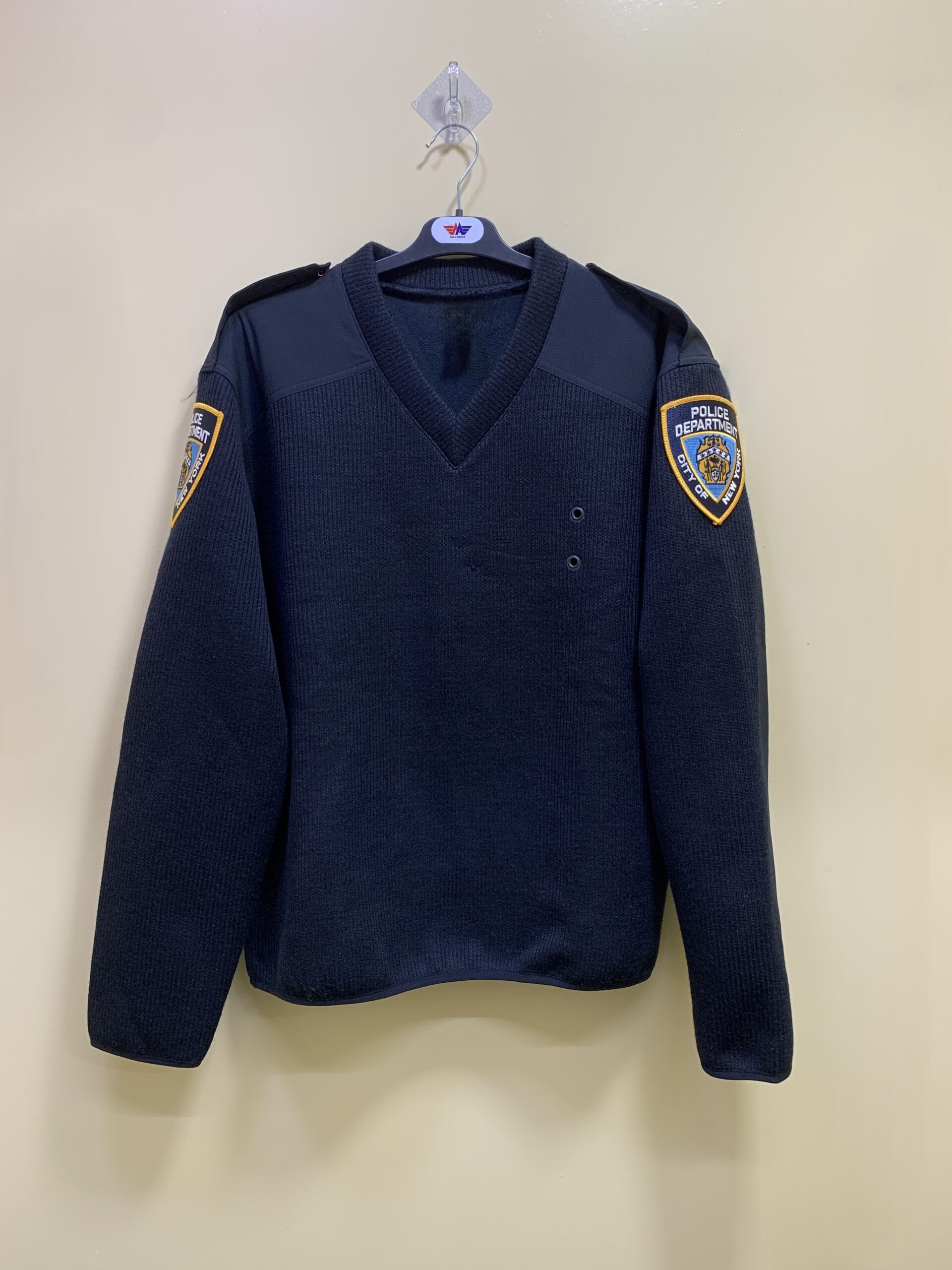
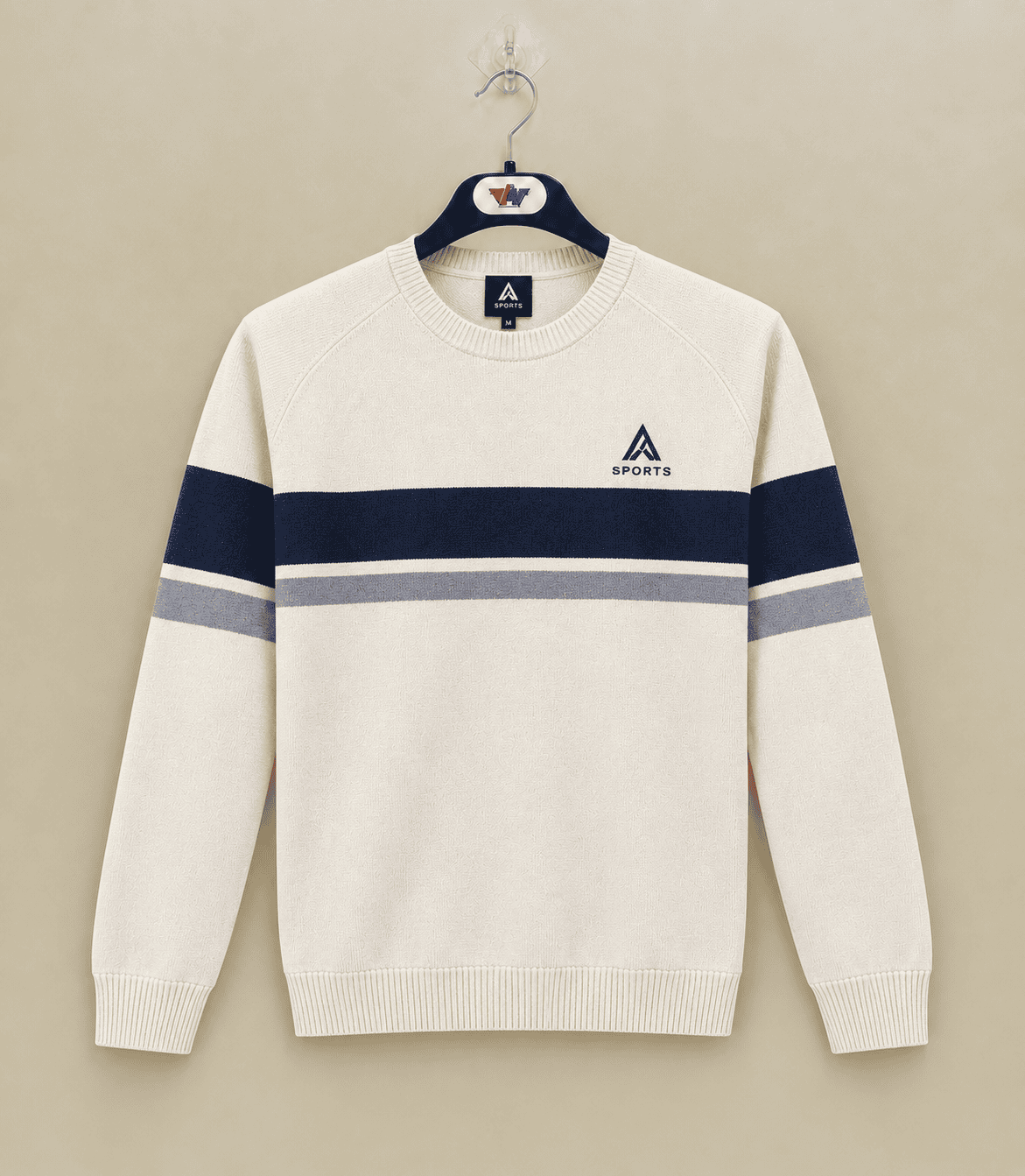
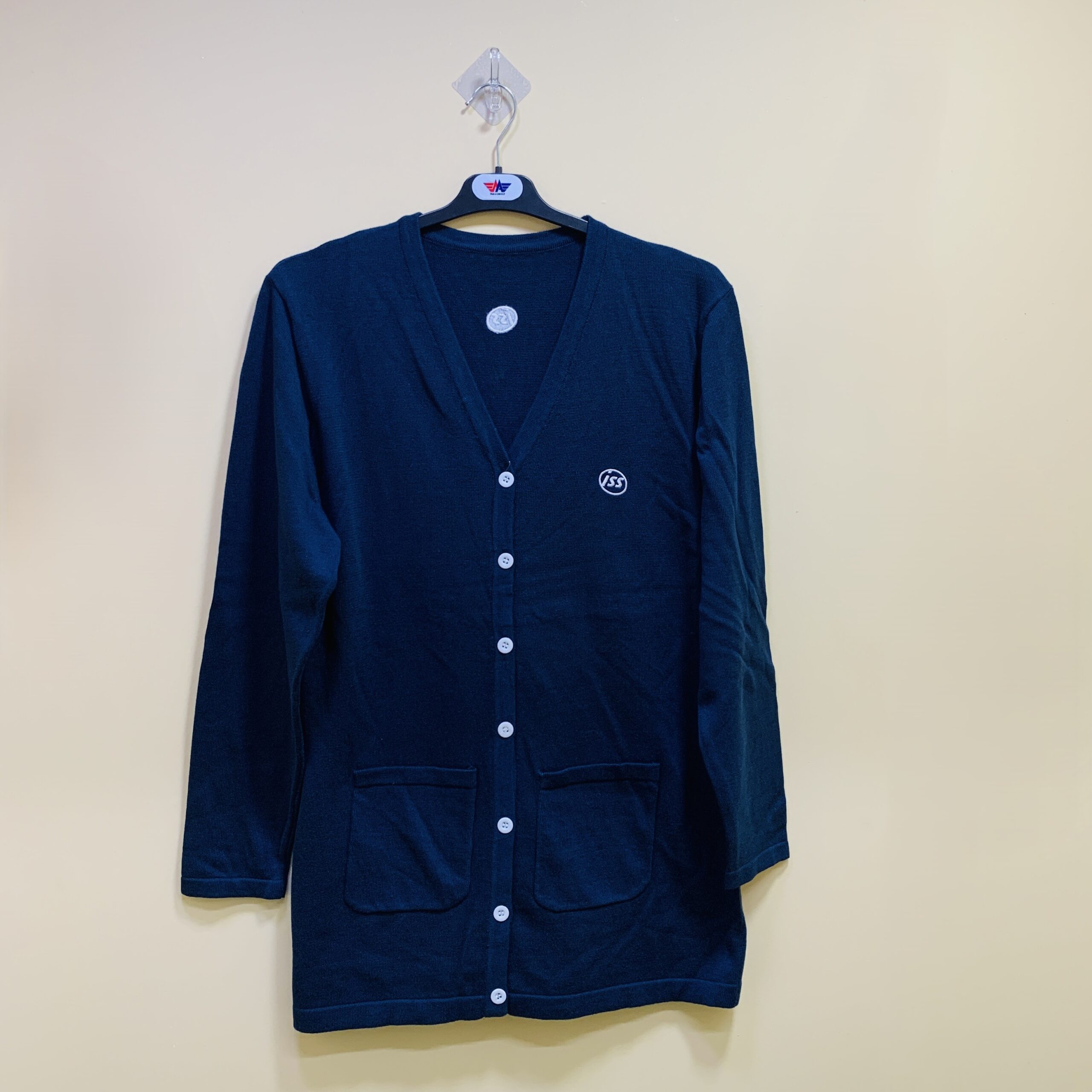
The catalogue photographs below link to the sweater category. They show product references from the website media library and do not establish current stock, confirmed fibre composition or a relationship with any visible brand. Ask for a style-specific specification before ordering.
5. Approve decoration on the actual knit
Workwear sweaters need branding that suits their knit structure and intended appearance. Review a decorated sample in the proposed material rather than relying only on a digital artwork preview. Check the surrounding knit, the way the garment hangs and the reverse side where it could contact an underlayer or the wearer.
Specify artwork version, finished dimensions, colours and placement from fixed landmarks. A placement described as “left chest” still needs a measurable position. Review the smallest relevant size as well as the middle size so the design does not crowd the neckline or armhole.
Consider whether the logo will remain visible beneath an outer jacket and whether a shirt collar changes the visual balance. Approve any badge, embroidery or other method as part of the actual garment. Avoid assuming that a technique used on a woven shirt will behave identically on knitwear.
Keep the decoration reference with the tech pack and related custom branded uniform requirements. Written approval should identify both the accepted result and any remaining correction.
6. Check care requirements before releasing production
Workwear sweaters must fit the buyer’s real care arrangements. Discuss washing and drying requirements before approving the material. A garment that needs care the end user cannot provide may be unsuitable for the programme even if its first sample looks good.
For wool garments, Woolmark’s drying guidance recommends flat drying knitwear unless the garment’s care claim allows tumble drying. This is a wool-specific reference, not confirmation that every sweater shown here contains wool or carries Woolmark certification. Follow the approved instructions for the exact garment.
Assess representative samples using an agreed procedure. Record sample identification, conditions, measurements and appearance before and after care. Review neck shape, body dimensions, seams, trims and decoration. Agree acceptance criteria and obtain relevant laboratory evidence where required for the market or performance claim.
Do not promise universal machine washing, tumble drying, pilling resistance or zero shrinkage without supporting evidence. Keep care instructions consistent with the assessed garment, including its trims and decoration. If a material or construction changes after approval, review the affected evidence again.
| Gate | Record to retain | Release question |
|---|---|---|
| Material and colour | Identified swatch and specification | Is the exact proposal approved? |
| Fit | Measurements and layering trial comments | Are corrections resolved? |
| Construction | Seam and trim detail record | Does the sample match the brief? |
| Decoration | Artwork and decorated sample ID | Is execution accepted? |
| Care | Procedure and before-and-after results | Are buyer criteria satisfied? |
| Final reference | Sample ID, revision and approval date | Are open issues closed in writing? |
The progress bars show an illustrative approval sequence. They are not an actual order tracker, factory completion rate or quality score. Confirm live status with supplier records.
Stage 1: Brief confirmed
Stage 2: Yarn and knit selected
Stage 3: Layered fit approved
Stage 4: Construction agreed
Stage 5: Branding approved
Stage 6: Care assessed
Stage 7: Final sample released
7. Plan quotations, packing and replenishment
Workwear sweaters should be quoted against one common specification. Supply material requirements, style references, colour standards, size quantities, branding, packaging, destination and delivery expectations. Ask the supplier to identify assumptions and exclusions so quotations can be compared on a meaningful basis.
Confirm minimum quantities, development charges where applicable and proposed timing for the actual style. A standard yarn colour and a newly developed colour may involve different sourcing arrangements. Reconfirm the quotation when the final specification is agreed rather than carrying early assumptions into a purchase order.
Plan garment identification and carton assortments around staff distribution. Agree whether cartons contain a single size or a defined mix and ensure the packing list follows the same style, colour and size references as the order. Keep folding and packaging expectations in the written brief.
For replenishment, retain the approved material specification, colour reference, measurement chart, artwork and sample identification. Ask whether the same yarn and construction remain available. Review substitutions through the relevant approval steps instead of treating a familiar style name as proof of identical components.
Use the sample approval guide and order checklist to prepare the enquiry. For alternative midlayers, compare the workwear hoodie guide. School programmes can use our school uniform buying guide alongside a separate sweater specification.
Contact M&A Sourcing with garment references, size quantities, artwork, proposed material, destination and delivery requirements. Request a confirmed quotation and sampling plan before committing to the order.
Workwear sweaters: frequently asked questions
What information is needed for a workwear sweater quotation?
Provide style references, material requirements, colours, size quantities, branding artwork, packaging, destination and delivery expectations. Identify any details still awaiting approval.
Which material is best for workwear sweaters?
There is no universal best material. Compare the proposed composition and knit construction against comfort, layering, appearance and the buyer’s actual care arrangements.
Does a higher gauge mean a better sweater?
Gauge is a construction detail, not a standalone quality rating. Review it alongside yarn, knit structure, finished dimensions and sample performance.
Should a sweater be fitted over a shirt?
Yes, when a shirt is the intended underlayer. Try the complete uniform combination and assess movement, neckline, cuffs and bulk.
Can the catalogue images confirm fibre composition?
No. Images are style references. Request the confirmed composition and construction for the exact garment being quoted.
How should logos be approved on knitwear?
Review a decorated sample in the proposed material. Record artwork version, dimensions, colours and measured placement, and inspect the surrounding knit.
Can every workwear sweater be tumble dried?
No. Follow the care instructions approved for the exact garment. Do not assume tumble-drying suitability from a fibre name or catalogue photograph.
Are ordinary sweaters protective workwear?
Do not assume protective performance. Any protective claim needs suitable evidence for the exact garment and intended use.
What minimum order quantity applies?
Request a style-specific confirmation. Material sourcing, colours, sizes, branding and development requirements can affect the commercial terms.
How should repeat orders be controlled?
Keep the approved material details, colour reference, measurements, artwork and sample ID. Reconfirm availability and approve substitutions before production.