Workwear Order Checklist: 7 Essential Steps for Success
By M&A Sourcing Ltd. | 14 October 2026
A workwear order checklist connects product files with quantities, quotation assumptions, approvals and receiving requirements. Use these seven steps when preparing a first enquiry or a repeat uniform programme.
1. Send an enquiry with a defined scope
A workwear order checklist helps the buyer prepare an enquiry that a supplier can evaluate. Start with garment types, intended wearers, destination and the scope you want quoted. State whether the discussion covers development and samples, bulk manufacture, branding, inspection coordination or other agreed services.
When evaluating a Workwear Manufacturer in Bangladesh, ask for a response against an identifiable brief. M&A Sourcing Ltd. supports workwear and uniform development and sourcing discussions. Confirm the commercial party, proposed production arrangements and responsibilities for the actual programme.
Give each style a reference code. List open questions rather than filling gaps with assumptions. A catalogue picture may explain appearance, but accurate comparison also needs materials, measurements, construction and quantity information.
For Bangladesh industry background, the BGMEA overview introduces the garment trade association and its role. Industry information does not replace review of an individual supplier, manufacturing site or order.
2. Assemble the product reference pack
The workwear order checklist should point to the current drawing, measurement chart, material register and artwork. Keep a document index with file names and revision dates. Identify which reference controls if photographs and drawings show different details.
Mark fabric, trims or colours as provisional where they remain undecided. Ask suppliers to identify which assumptions affect their proposal. If an alternative is offered, record its differences so the buyer can compare the original and proposed specifications.
Use the workwear tech pack checklist for garment-level files. The order checklist serves a different purpose: it connects those files with quantities, quotation scope, approvals and receiving requirements.
Before sending the pack, check that attachments open and that size totals reconcile. Name the buyer representative who resolves technical questions and consolidates decisions. This gives the supplier a clear route for clarification.
| File | Record |
|---|---|
| Drawing | Style and revision |
| Materials | Codes, swatches and provisional items |
| Measurements | Chart, methods and size labels |
| Artwork | File name, placement and approval owner |
3. Confirm the style, colour and size quantities
Record each style-colour-size combination separately in the workwear order checklist. Reconcile row totals with the total quantity and distinguish sets from individual garments. A programme containing jackets and trousers needs clear item quantities even when garments are worn together.
Do not assume that a generic size ratio describes the actual wearer group. Ask the buyer to confirm its allocation. Keep the size codes consistent with the accepted chart and record any mapping between the buyer’s labels and supplier references.
Separate manufacturing quantities from distribution allocation. Departments, stores or receiving locations may require different assortments. Keep those requirements visible in the packing instructions rather than hiding them in an unrelated email.
Our workwear size chart guide explains measurement and label records. Quantity changes should also trigger review of affected material, packing and commercial assumptions.
| Style | Colour | Size | Quantity | Allocation |
|---|---|---|---|---|
| Style code | Accepted colour code | Chart size code | Buyer quantity | Receiving location |
| Additional style | Accepted colour code | Chart size code | Buyer quantity | Receiving location |
4. Compare quotations on the same basis
A workwear order checklist makes quotation differences visible. Ask each supplier to identify fabric and trim references, decoration, labels, packing and the development scope covered by its proposal. Compare these fields before comparing the unit price.
Keep separately charged work visible. Material development, artwork preparation, samples, evaluation and inspection may be handled differently in different proposals. Ask what is included, excluded or conditional and record the answer against the relevant quote revision.
Illustrative example: one polo proposal assumes an available fabric shade while another assumes a newly developed colour. The prices describe different work until the material basis is aligned. Record the difference and request a comparable proposal where needed.
Confirm the proposed commercial terms with the appropriate parties. This article does not prescribe payment terms, a universal minimum order or a fixed lead time. Request order-specific terms after the brief and responsibilities have been reviewed.
Use the wholesale workwear guide for related bulk-order questions.
| Field | Supplier response to record |
|---|---|
| Product basis | Fabric, trims, construction and quantities |
| Development | Included samples and amendments |
| Branding | Artwork work and decoration scope |
| Evaluation | Agreed checks and cost responsibilities |
| Packing and delivery | Included work and assumptions |
5. Link sample decisions to production references
The workwear order checklist should name the samples needed, their review purposes and the responsible approvers. Identify the current sample code, material references, measurements and artwork. Record provisional components so an early sample is not mistaken for a complete bulk reference.
Consolidate sample comments into a dated register with findings, actions and owners. Resolve conflicting reviewer requests before issuing another instruction. An amendment should identify which drawing, chart or component changes.
Before production release, name the accepted sample and controlling specification. Keep conditional decisions visible until their handling is agreed. Approval of fit does not silently approve material, artwork, packing or a protective claim outside the review scope.
Our workwear sample approval guide provides the detailed decision record. Use the fabric selection guide for material references and substitutions.
6. Agree quality, packing and document responsibilities
Add the agreed quality review scope to the workwear order checklist. Identify who performs checks, which references apply and how findings are communicated. Development sample approval and bulk inspection are separate decisions; record their responsibilities clearly.
Specify garment identifiers, folding requirements, size assortments and carton allocation where relevant. Identify who supplies label and packing artwork and who approves the final versions. Keep each location’s allocation linked to the manufacturing matrix.
List shipment and receiving information required by the actual order and destination. Confirm the relevant document responsibilities with the commercial and logistics parties. No universal document list is presented here as suitable for every transaction.
If a specification or quantity changes, review the affected packing and document references. A revision that looks small in the garment brief may alter labels or allocation. Record the accepted change and distribute one current instruction.
The workwear manufacturing process guide connects accepted references with later production and shipment checkpoints.
| Decision | Record |
|---|---|
| Technical approval | Owner and controlling files |
| Inspection | Scope, references and reporting route |
| Packing | Assortments, identifiers and approver |
| Documents | Responsible party and order-specific requirements |
| Changes | Revision, impact and accepted decision |
7. Keep a controlled record for receiving and repeat orders
Archive the workwear order checklist with accepted samples, material codes, artwork, charts and commercial references. Record approved substitutions made during the programme. The next order should begin with what was actually accepted rather than an outdated early proposal.
Before replenishment, confirm current wearer needs, care expectations, quantities and destination. Ask about component availability and review proposed alternatives. Repeating a style name does not remove the need to confirm the current specification and terms.
At receiving, reconcile quantities and identifiers against the agreed allocation. Keep this separate from any technical inspection. Identify findings by style, size or reference so they can be handled through the agreed review process.
Turn feedback into specific questions for the next development cycle. Describe the garment, situation and affected detail when requesting changes to fit, pockets, decoration or appearance.
Send your workwear order checklist and supporting files through the contact page to discuss the actual development and sourcing scope with M&A Sourcing Ltd.
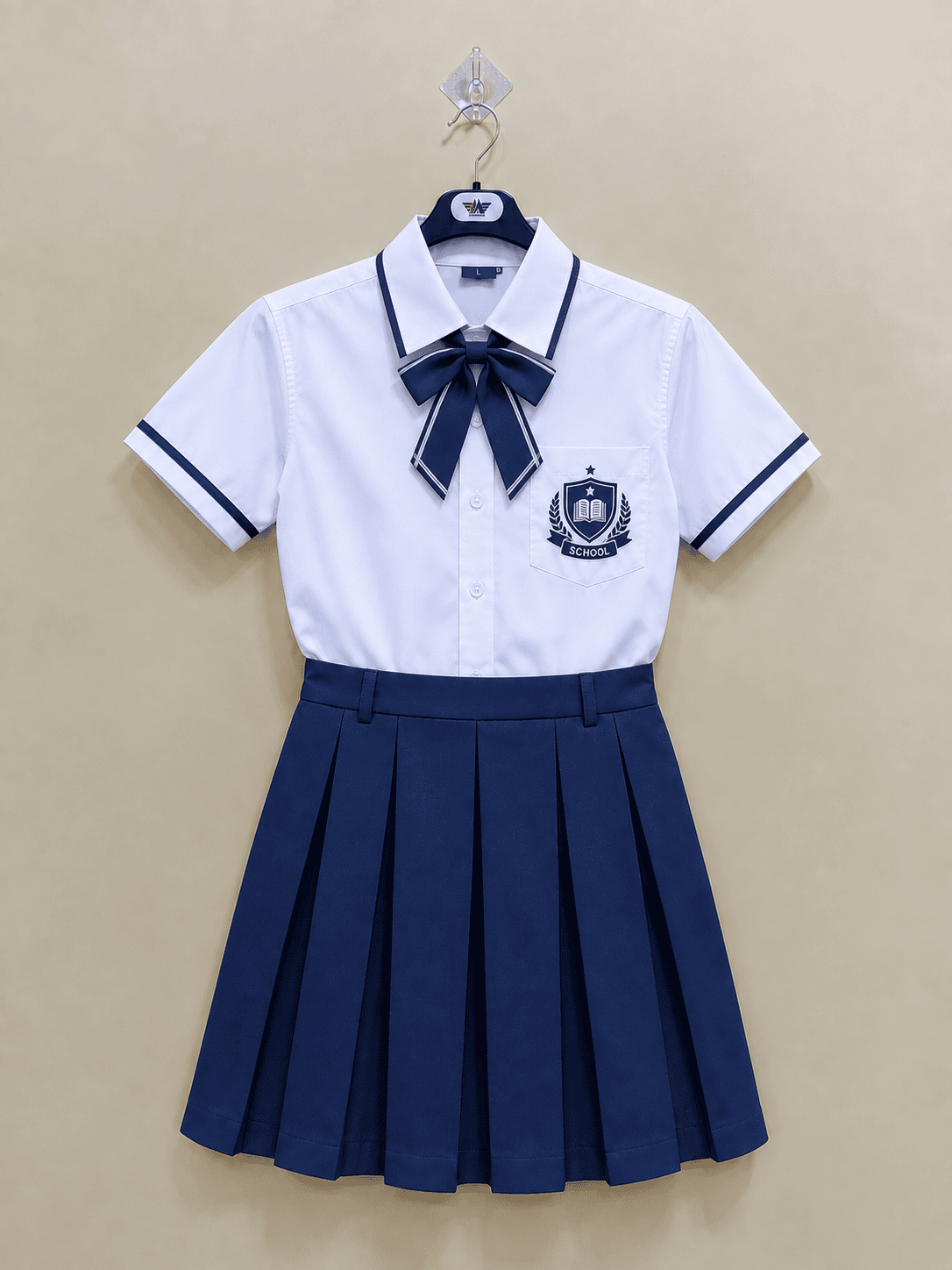
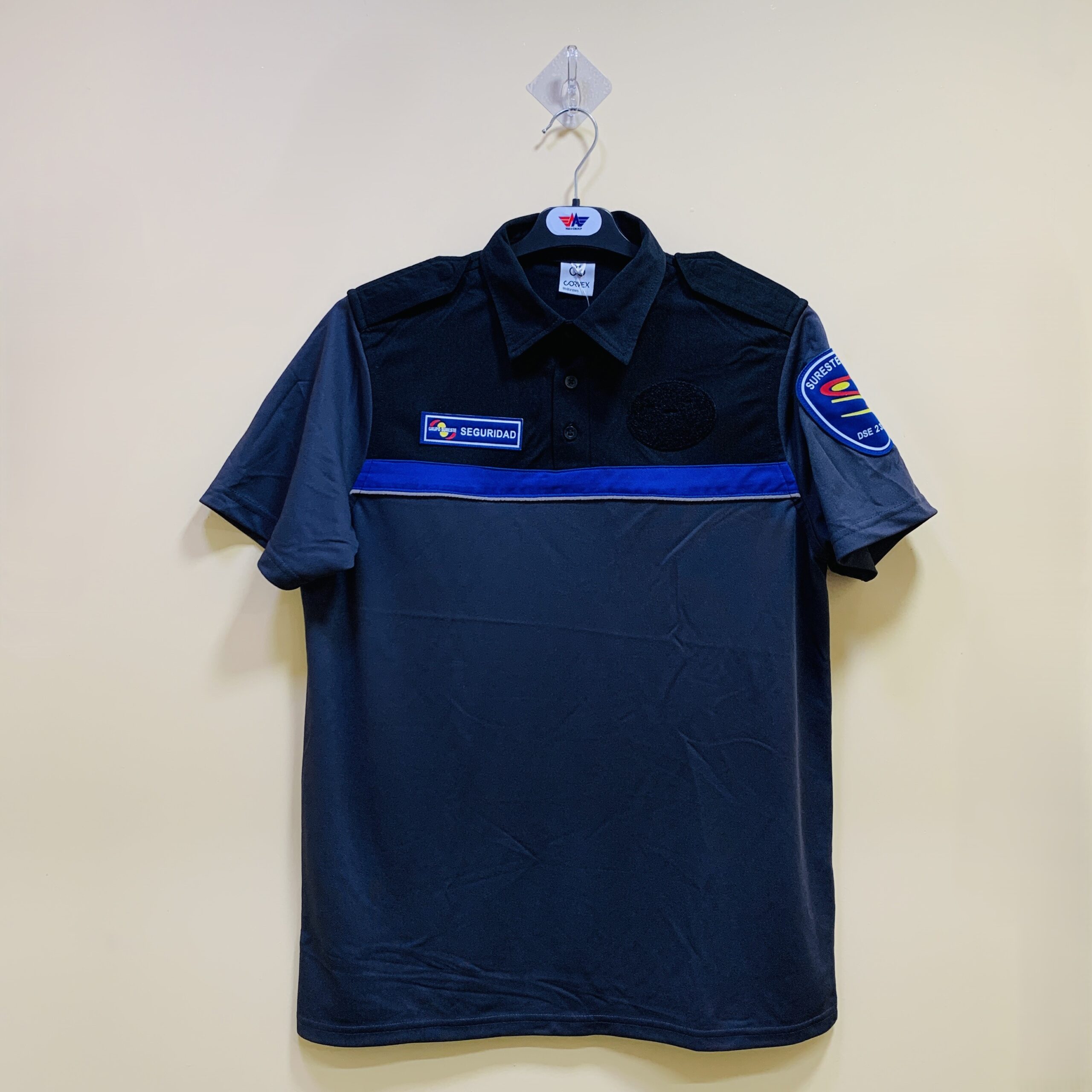
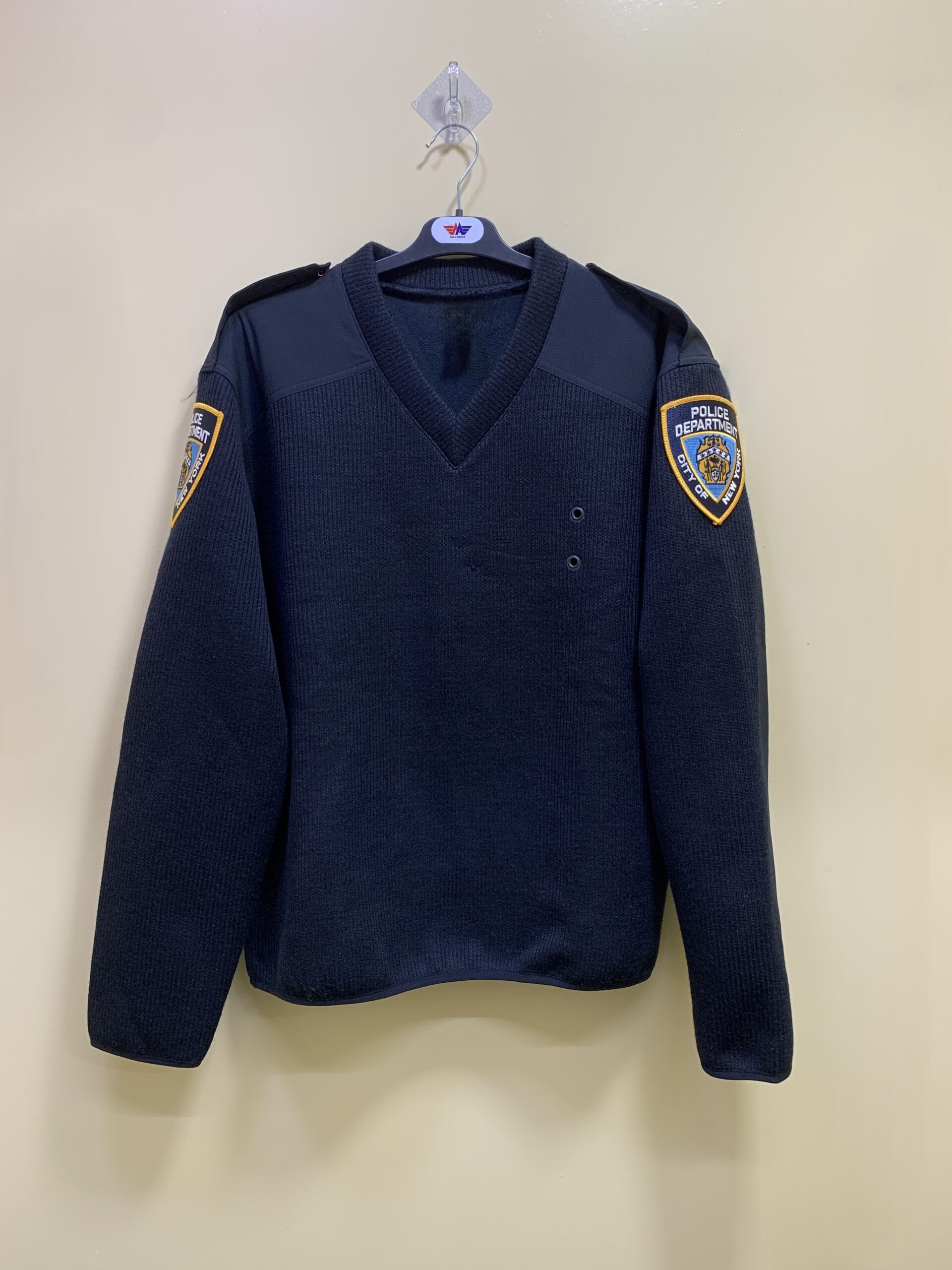
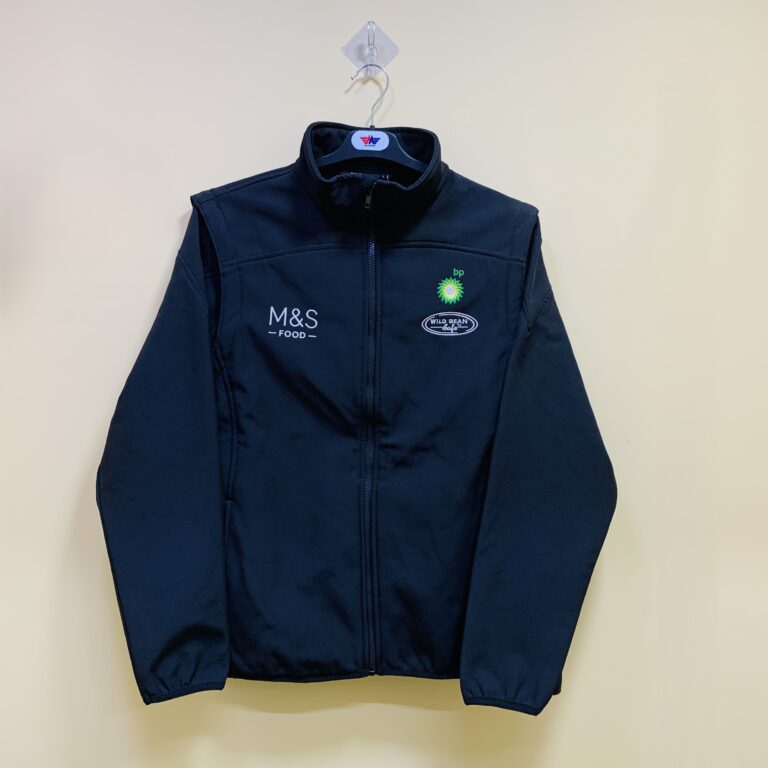
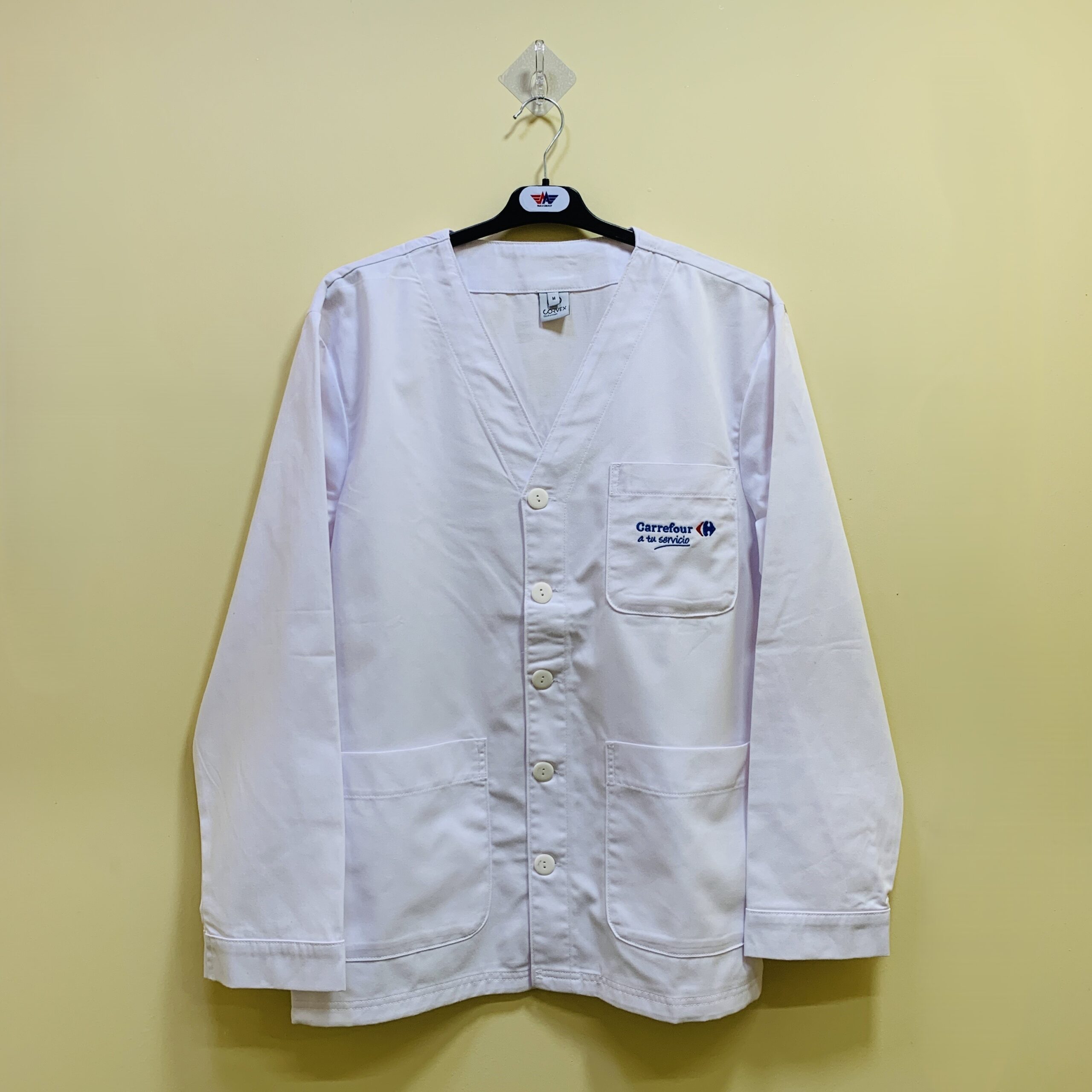
Real product references for your enquiry
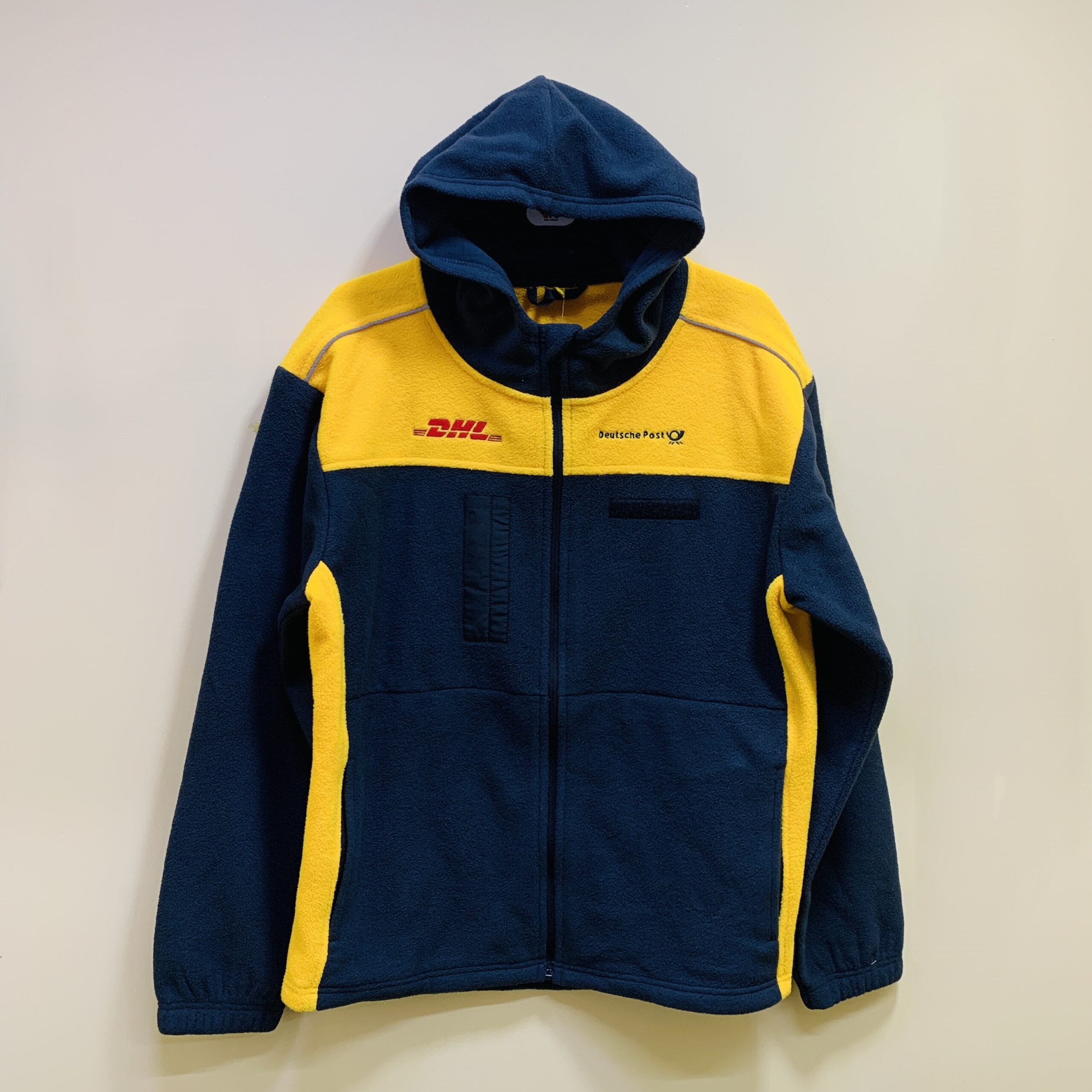
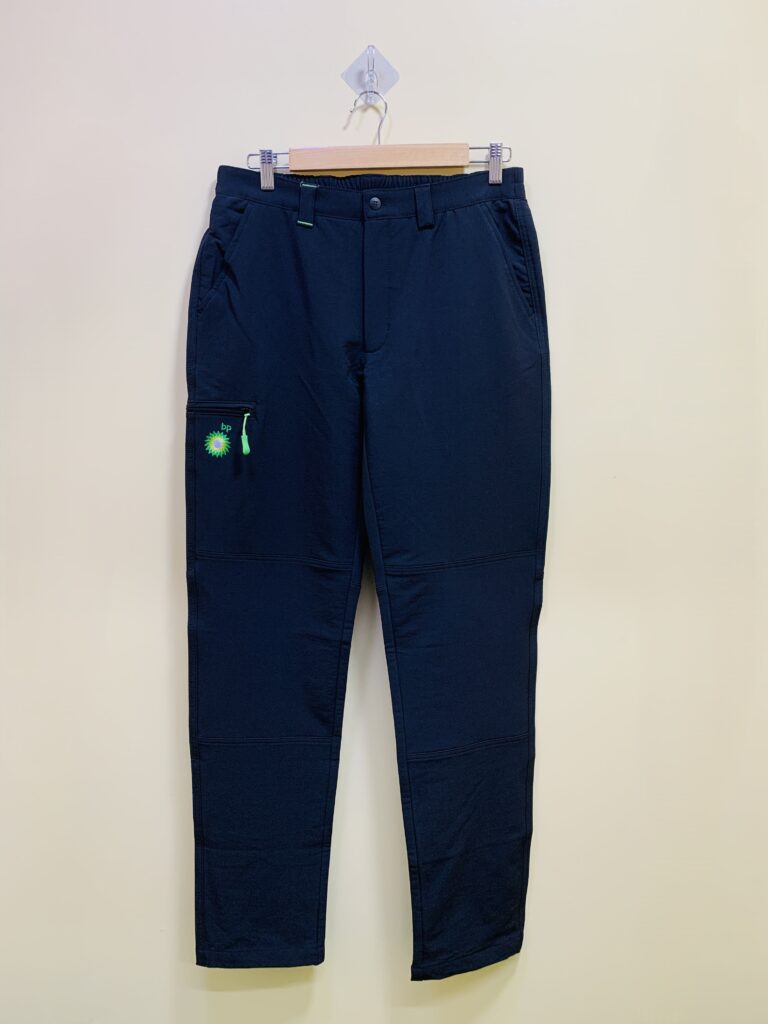
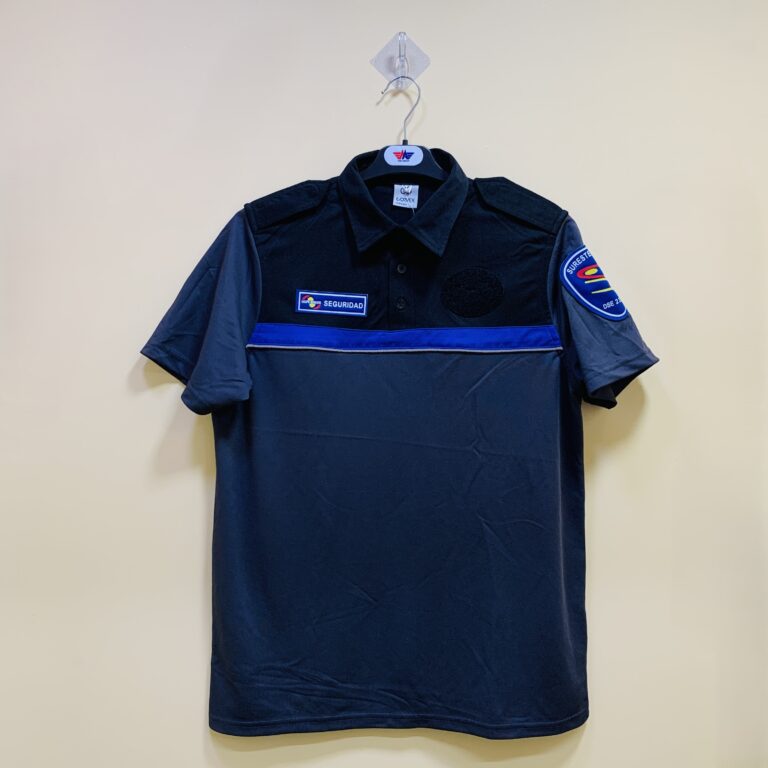
Choose the relevant product category and identify which design details you want reviewed. Catalogue photographs are starting references, not confirmation of current availability or protective performance.
Illustrative order preparation milestones
The bars show a decision sequence, not live order status, pass rates or guaranteed completion percentages.
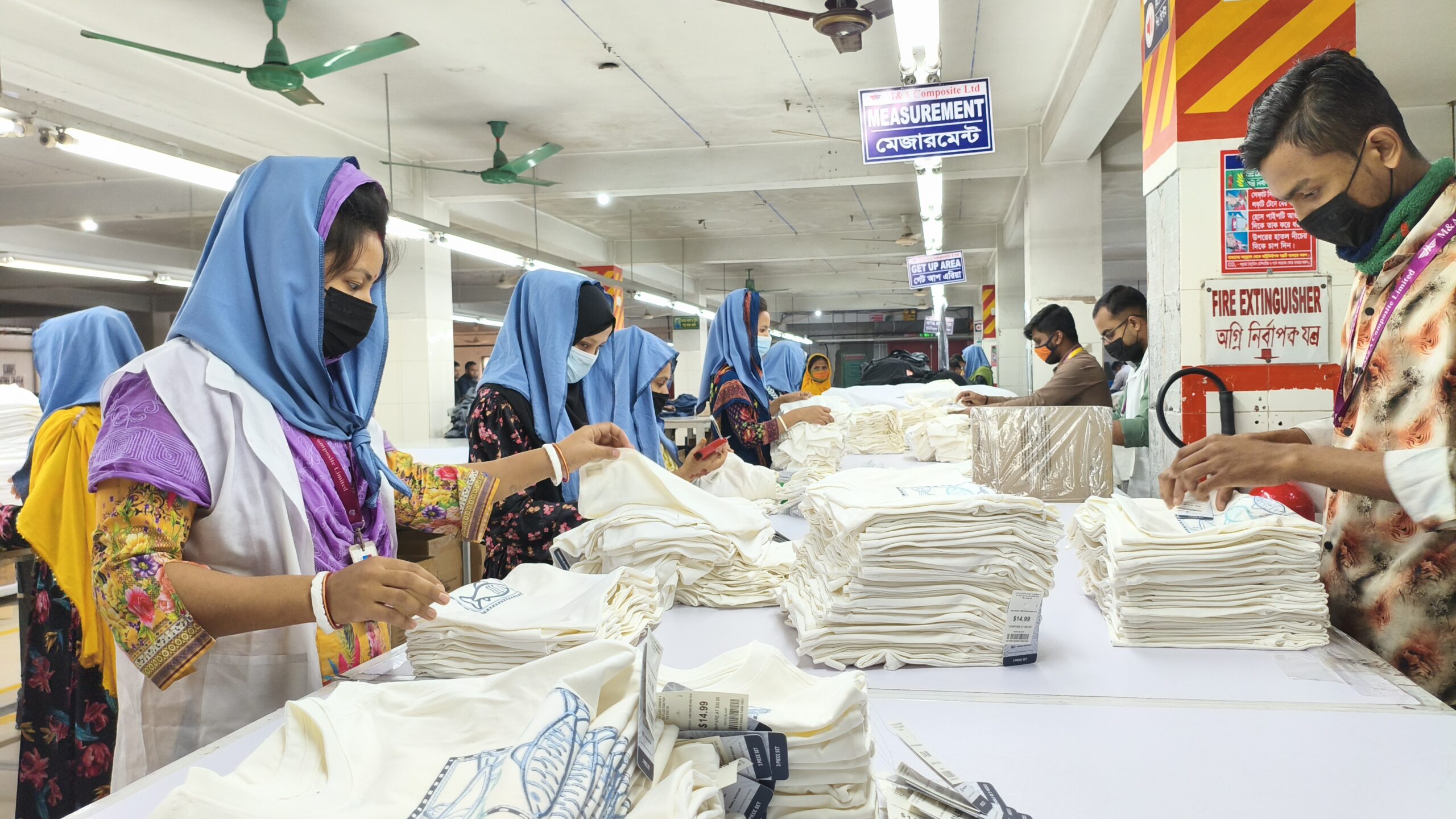
Company staff and garment coordination
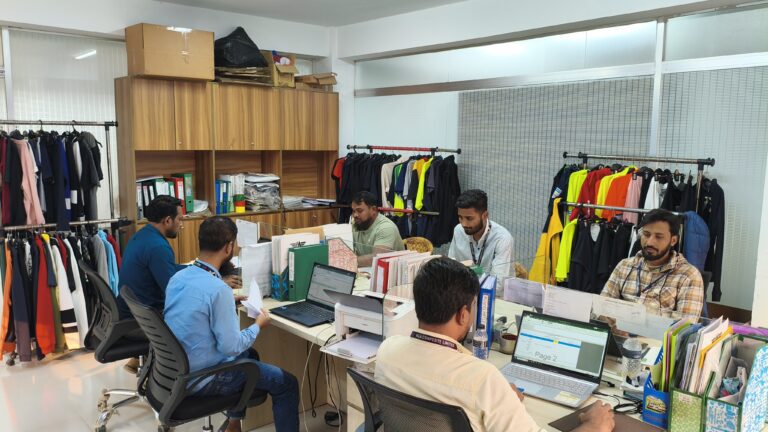
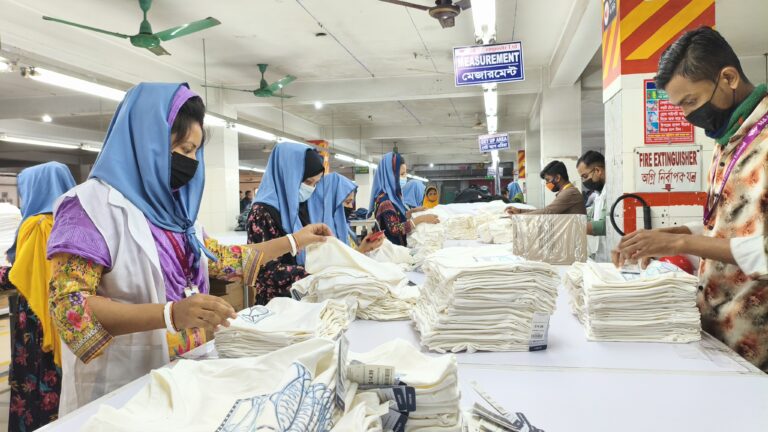
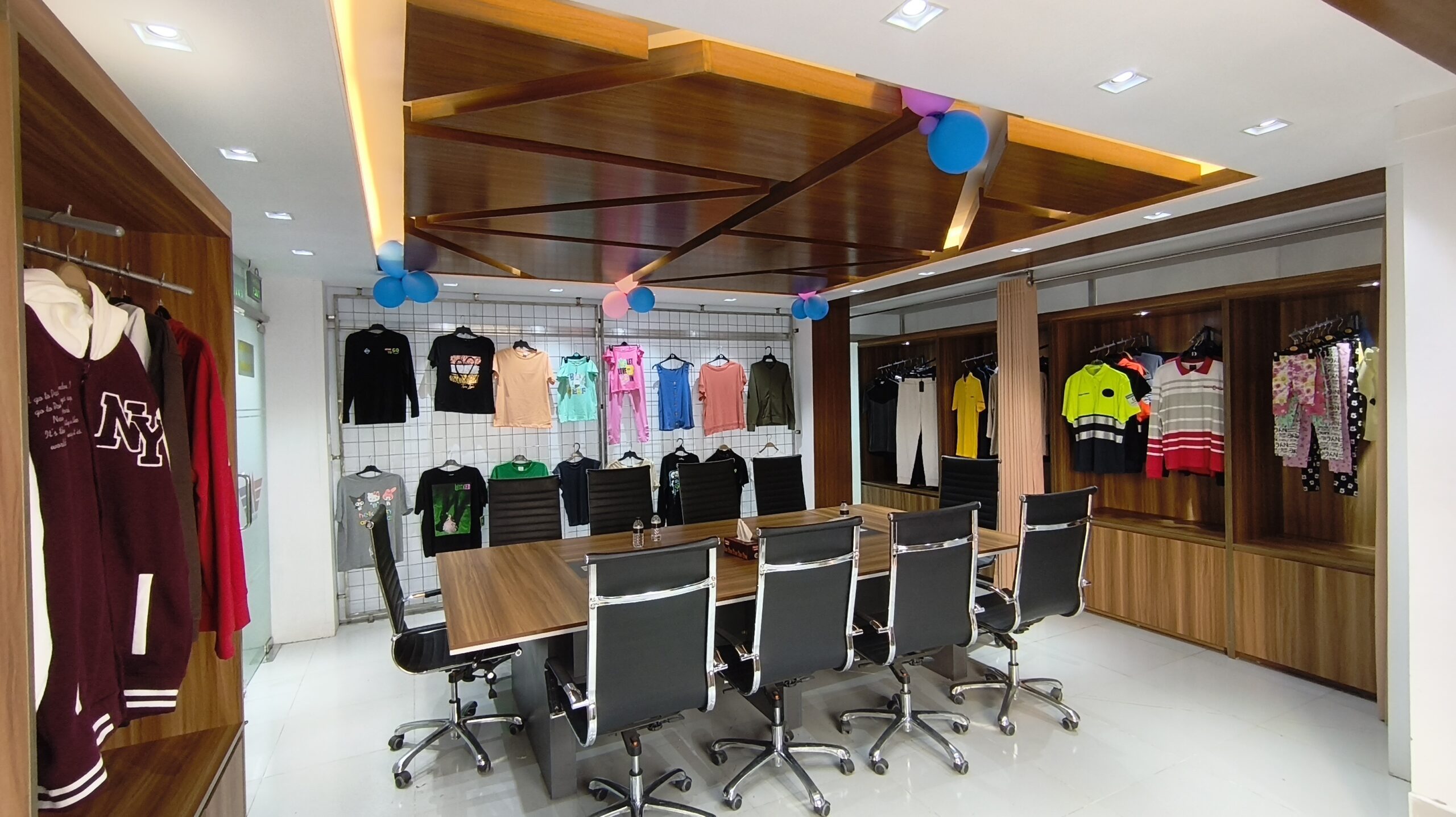
Original company photographs introduce the working environment. Request actual programme samples and records for order-specific decisions.
Frequently asked questions
What is a workwear order checklist?
It connects a garment brief with quantities, quotation scope, approvals, packing and order responsibilities.
How is it different from a tech pack?
A tech pack describes the product. The order checklist connects those technical files with the commercial and operational decisions.
Can I request a quotation using photographs?
Photos can begin a discussion, but comparable proposals need defined materials, construction, measurements and quantities.
Should I use a standard size ratio?
Use confirmed buyer allocation rather than assuming one ratio fits every wearer group or distributor.
What quotation differences should I identify?
Record material assumptions, included development, branding, evaluation, packing and other stated scope differences.
Does sample approval replace bulk inspection?
No. Record the responsibilities for development approval and agreed production or shipment checks separately.
What should happen when quantities change?
Reconcile the matrix and review affected material, packing and commercial assumptions with the supplier.
Are export documents identical for every order?
No universal list is supplied here. Confirm requirements and responsibilities for the actual transaction and destination.
Is there a fixed MOQ or lead time?
Request order-specific terms after reviewing the brief, materials, quantities and development scope.
How can M&A Sourcing review my enquiry?
Send your product files, quantity matrix, artwork, destination and open questions through the contact page.
Prepare your workwear enquiry
Share the garment references, quantity breakdown and open decisions for an order-specific sourcing discussion.
Discuss Your Workwear Order →