Workwear Size Chart: 7 Essential Steps for Better Fit
By M&A Sourcing Ltd. | 13 October 2026
A workwear size chart helps buyers connect wearer requirements, garment measurements, sample reviews and order quantities. Follow these seven steps to prepare clear sizing instructions for workwear sourcing in Bangladesh.
1. Define who the workwear size chart serves
A workwear size chart should describe the intended garment and wearer group before it lists sizes. Identify the job, clothing layers, expected movements and fit preference. A uniform worn while seated may need different development questions from a garment worn over an existing layer outdoors.
For buyers evaluating a Workwear Manufacturer in Bangladesh, a clear sizing brief helps connect design, sampling and quantity planning. M&A Sourcing Ltd. supports workwear and uniform development discussions against buyer specifications. Confirm your proposed style, wearer needs and development scope with the team.
Do not assume that an S, M or L label represents the same measurements across different suppliers or garments. Ask which chart controls the proposed style and how its size labels relate to the intended wearer. Retain the accepted reference with the order.
Identify who collects sizing requirements and who approves fit decisions. Consolidate requests through a named buyer representative. This gives the supplier one current instruction when different departments or reviewers prefer different fits.
2. Separate body dimensions from garment measurements
A workwear size chart can describe body dimensions or finished garment measurements. Label the purpose clearly. A body chest measurement and a flat garment chest width are different quantities; they should not share an unexplained column heading.
Use body information to discuss the target wearer and garment information to specify the product. The development team needs to consider the garment design and intended movement when translating those requirements into a pattern. Do not apply one universal extra allowance to every style without review.
The ISO 8559-3 overview describes methodology for body measurement tables and intervals. It is a useful reference for understanding sizing terminology, rather than a ready-made measurement chart for every workwear garment.
This guide provides record structures, not universal size values or certification claims. Fill the tables with values developed and approved for your programme. Verify whether a measurement refers to a circumference, flat width, length or another defined method.
| Record | Describes | Clarify |
|---|---|---|
| Body measurement table | Intended wearer dimensions | Method and relevant population |
| Finished garment chart | Product dimensions | Flat width, circumference or length |
| Quantity matrix | Pieces by style, colour and size | Accepted size-code mapping |
3. Define consistent points of measure
Every workwear size chart needs clear points of measure, units and garment positioning. Explain where each measurement begins and ends. Use a diagram or annotated drawing where words can leave the method ambiguous.
For trousers, define waist, hip, rise, thigh, knee, inseam and leg opening as relevant to the design. State how elastic or adjustable areas are positioned. For polos or jackets, define chest width, body length, shoulder and sleeve references against the actual construction.
Use one controlling unit system in the production chart. If another unit is displayed for a buyer’s convenience, identify how it was converted and which value controls. Mixing centimetres and inches without clear labels can create avoidable sample discrepancies.
Agree tolerances by measurement with the responsible technical team. A tolerance should not be guessed from another garment. Record the method, target and accepted variation so sample findings can be interpreted against a known basis.
Our workwear tech pack checklist connects measurements with drawings, materials and construction references.
| Point of measure | Method reference | Size targets | Tolerance |
|---|---|---|---|
| Waist | Define garment position | Enter agreed values by size | Agree with technical reviewer |
| Chest width | Define flat measurement position | Enter agreed values by size | Agree with technical reviewer |
| Inseam | Define start and end points | Enter agreed values by size | Agree with technical reviewer |
| Sleeve length | Define construction-specific points | Enter agreed values by size | Agree with technical reviewer |
4. Review fit through realistic wearer trials
A workwear size chart needs review in the garment, not only in a spreadsheet. Check relevant samples on representative wearers and record the size, sample code and clothing combination used. Keep findings tied to the chart revision.
Include the movements relevant to the programme: sitting, stepping, reaching, bending and accessing pockets where appropriate. Observe the waistband, rise, sleeves, hem and layering relationship. Describe the affected area and situation rather than simply requesting a more comfortable fit.
Separate measurement findings from wearer observations. A sample can match its chart but still need a design amendment for the intended use. Conversely, a personal fit preference should not automatically become an unexplained change to the entire size range.
Where reviewers disagree, resolve the requirement before asking the supplier to amend the garment. The programme may need different fit options or a further trial. Record the buyer decision and identify what should change in the next sample.
For functional trouser reviews, read the cargo work trousers guide. For the decision register, use our workwear sample approval guide.
| Field | Record |
|---|---|
| Sample | Style, code, size and revision |
| Conditions | Clothing layers and relevant movement |
| Finding | Specific location and observation |
| Action | Proposed amendment and owner |
| Decision | Review outcome, approver and date |
5. Check the size range and grading decisions
The workwear size chart should identify the base size and how the other sizes are developed. Agree the grading references with the technical team. Do not assume that every garment point or pocket placement changes by the same amount.
Review representative sizes where the programme requires them. An accepted base-size sample can leave questions about shoulder shape, rise, sleeve relationship or pocket position in other sizes. Identify which samples or measurement reviews are needed before release.
Keep size labels consistent between the chart, sample tags and artwork. If the buyer uses a different naming convention, document the mapping explicitly. A relabelled size should not be mistaken for a pattern change or a new measurement specification.
When the workwear size chart changes, review the associated drawings and samples together. State which sizes are affected and whether earlier approvals need repeating. Retain superseded charts for reference while clearly marking the current controlling issue.
6. Build an order quantity matrix from approved sizes
A workwear size chart defines the garment; the quantity matrix records how many pieces are ordered in each style, colour and size. Keep these records separate but linked through the same size codes. Check that subtotals reconcile with the order total.
Do not create a standard size ratio without knowing the buyer’s actual requirements. A distributor’s assortment and an employer’s staff allocation may have different starting information. Ask the buyer to confirm the quantities rather than treating an assumed ratio as an approved instruction.
Separate production totals from distribution allocation. A buyer may need goods divided between departments or receiving locations. Record carton assortments, identifiers and destination requirements in the packing instructions, then verify them against the manufacturing matrix.
When quantities change, review the commercial and material implications with the supplier. A revised size split can affect planning even if the total number of garments is unchanged. Request confirmation against the accepted proposal and controlling files.
Our wholesale workwear guide covers related bulk-order questions and quotation assumptions.
| Style | Colour | Size code | Quantity | Destination |
|---|---|---|---|---|
| Trouser style A | Accepted colour reference | Approved size code | Enter buyer quantity | Receiving location |
| Polo style B | Accepted colour reference | Approved size code | Enter buyer quantity | Receiving location |
| Jacket style C | Accepted colour reference | Approved size code | Enter buyer quantity | Receiving location |
7. Control revisions, care reviews and repeat orders
Keep the accepted workwear size chart with the sample identity, fabric references and approval decision. Use a style code, revision date and named approver. A file called “final” becomes unclear when a later amendment is issued.
Identify whether measurements are reviewed before or after an agreed care evaluation. The proposed fabric and garment assembly need consideration with the intended care process. Record relevant observations and decisions rather than assuming the original chart remains suitable after a material change.
Read the workwear fabric selection guide when discussing proposed materials. Keep material substitutions visible and review affected sizing or sample approvals before release.
For replenishment, confirm that wearer needs, care expectations and size allocation have not changed. Compare the current proposal with what was actually accepted in the earlier programme. Retain approved substitutions so the repeat order begins from an accurate reference set.
Send the proposed workwear size chart, garment references, material preferences, quantities and destination through our contact page. Ask for an order-specific development scope and terms; no universal MOQ or lead time is stated here.
Real product references for sizing discussions
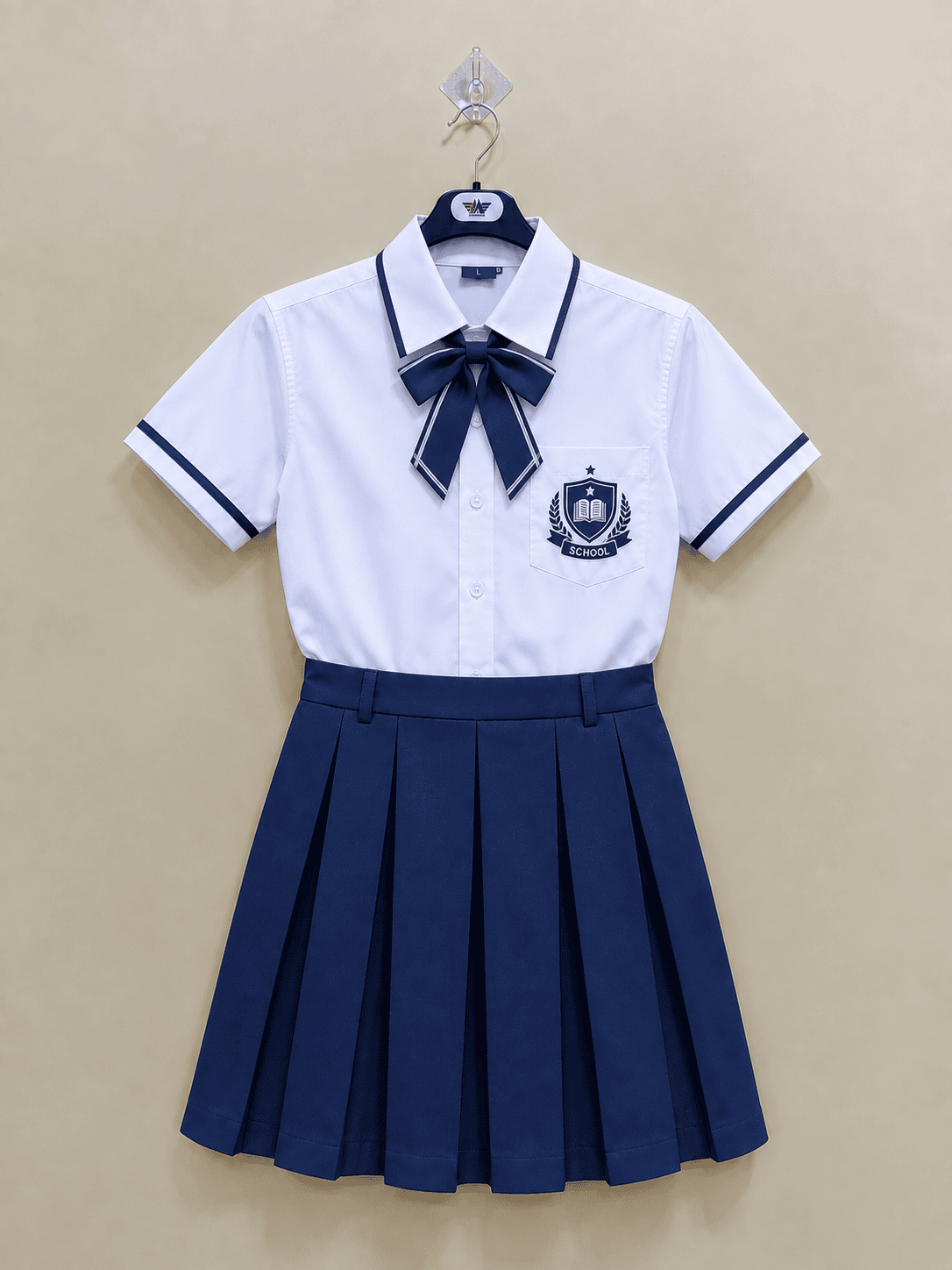
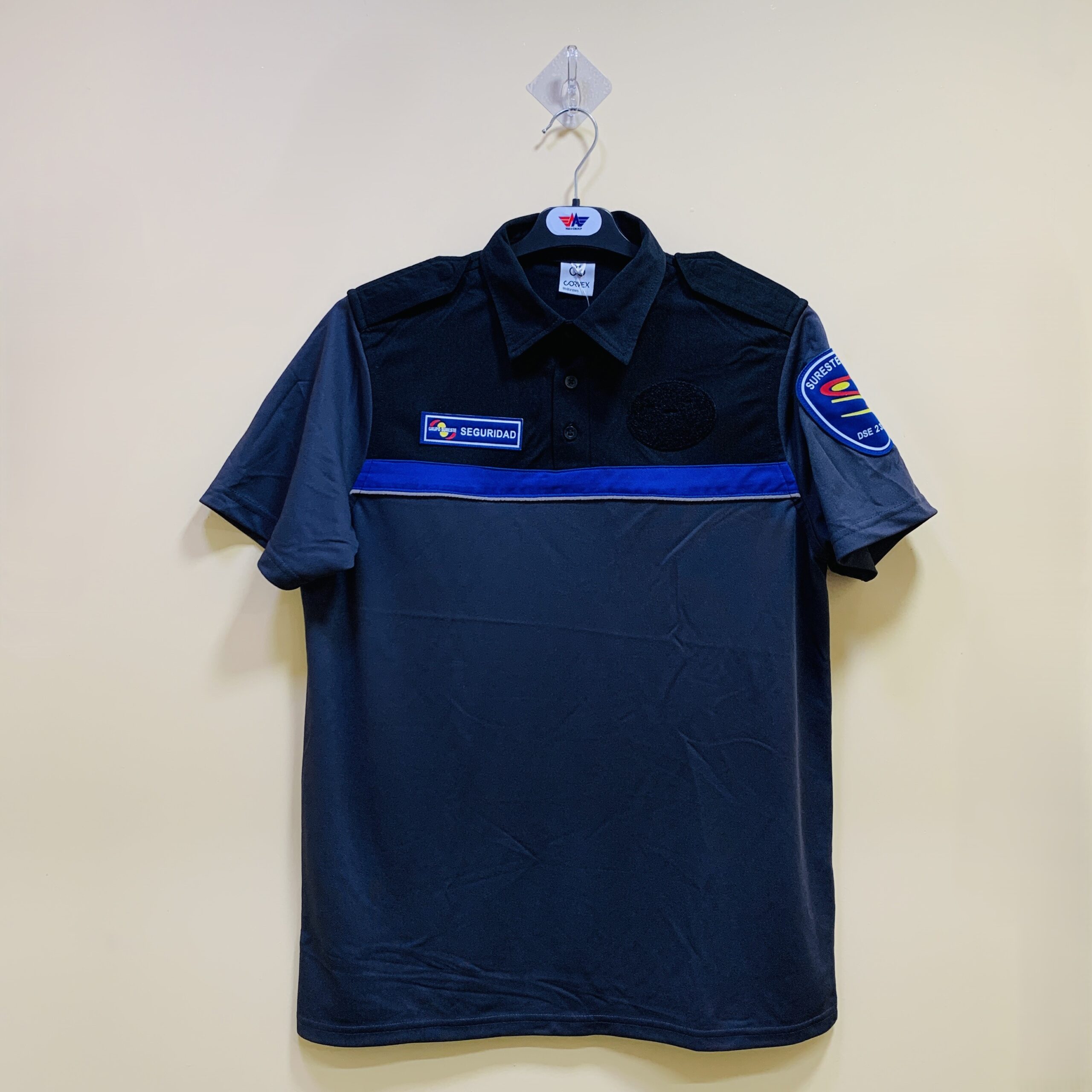
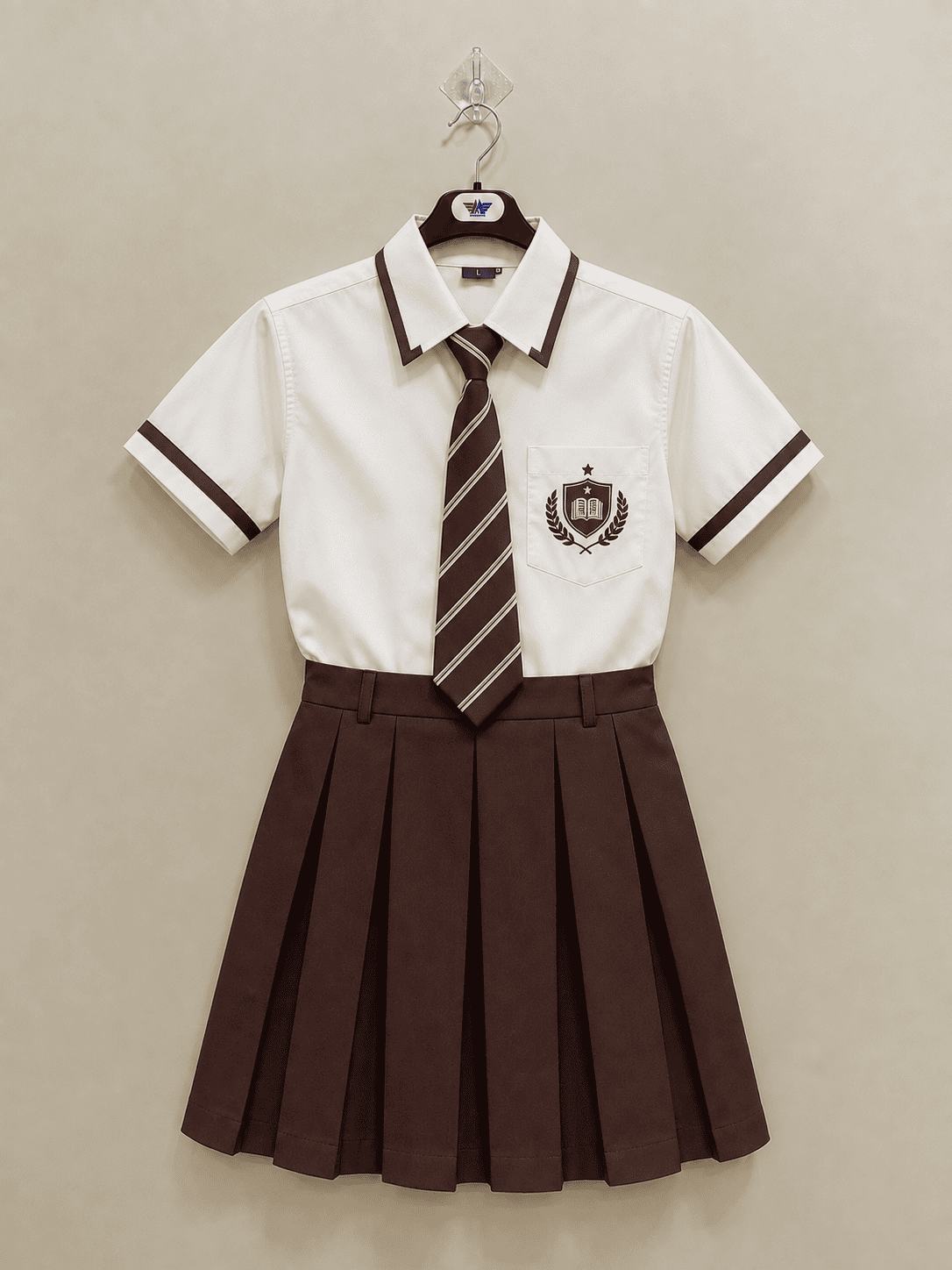
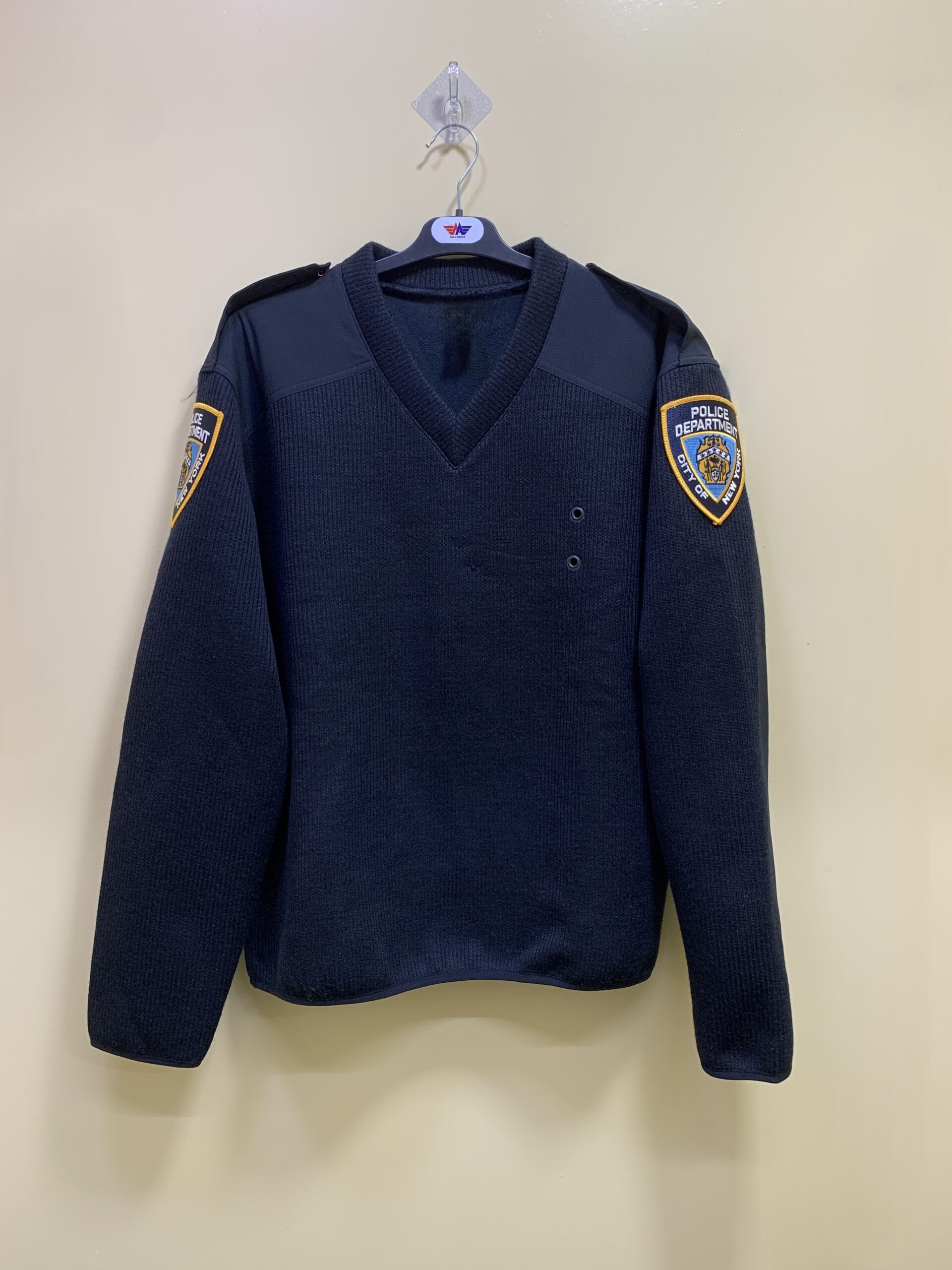
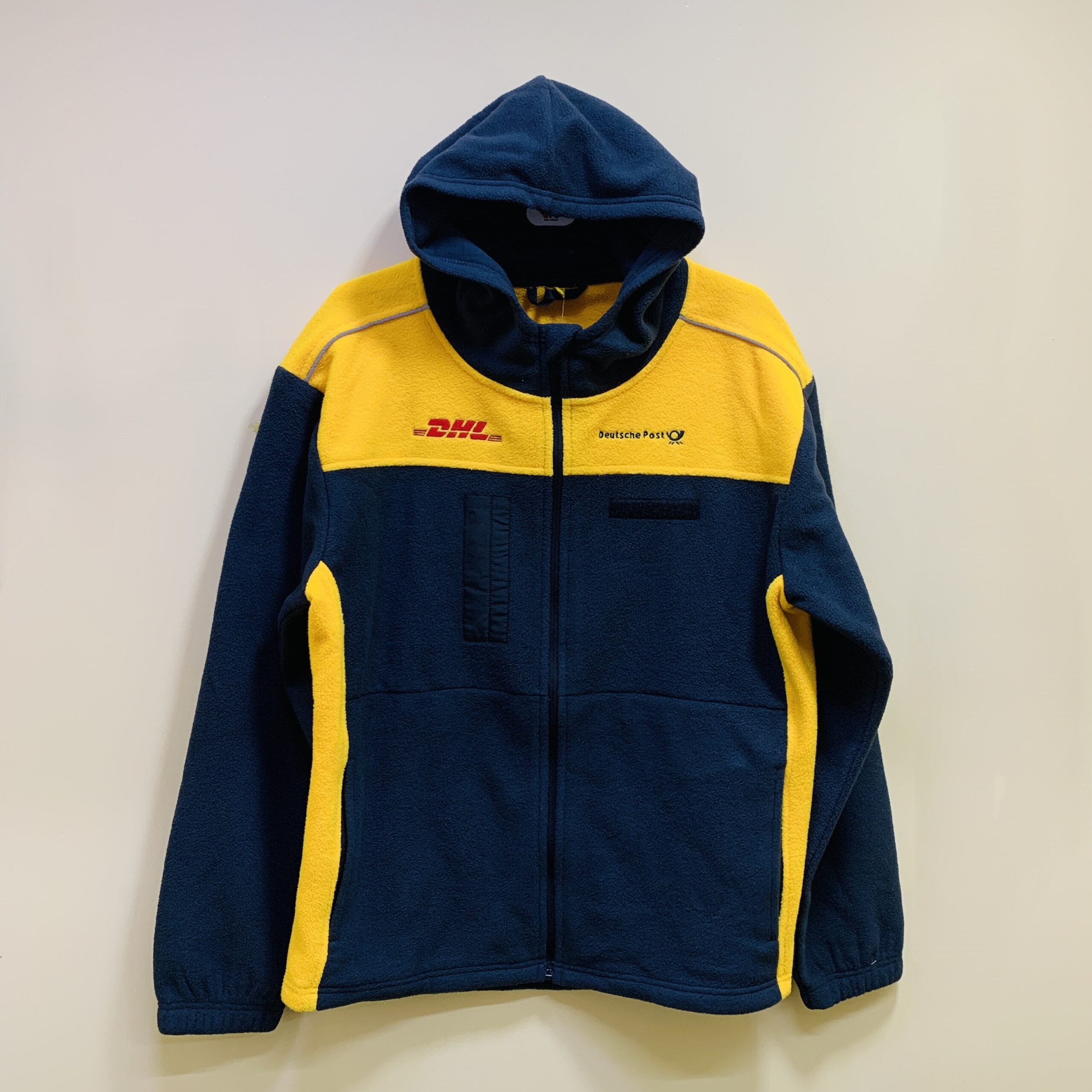
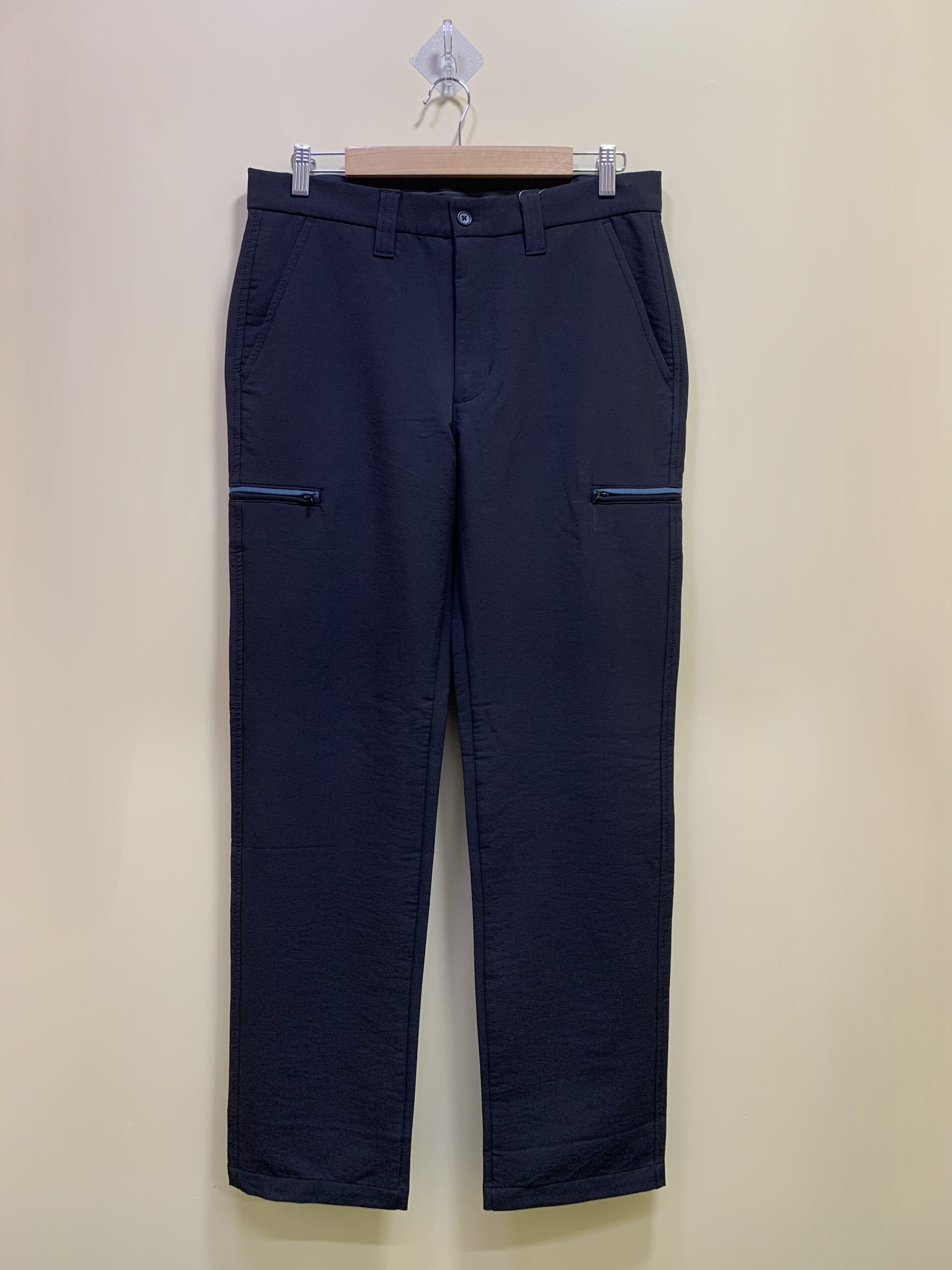
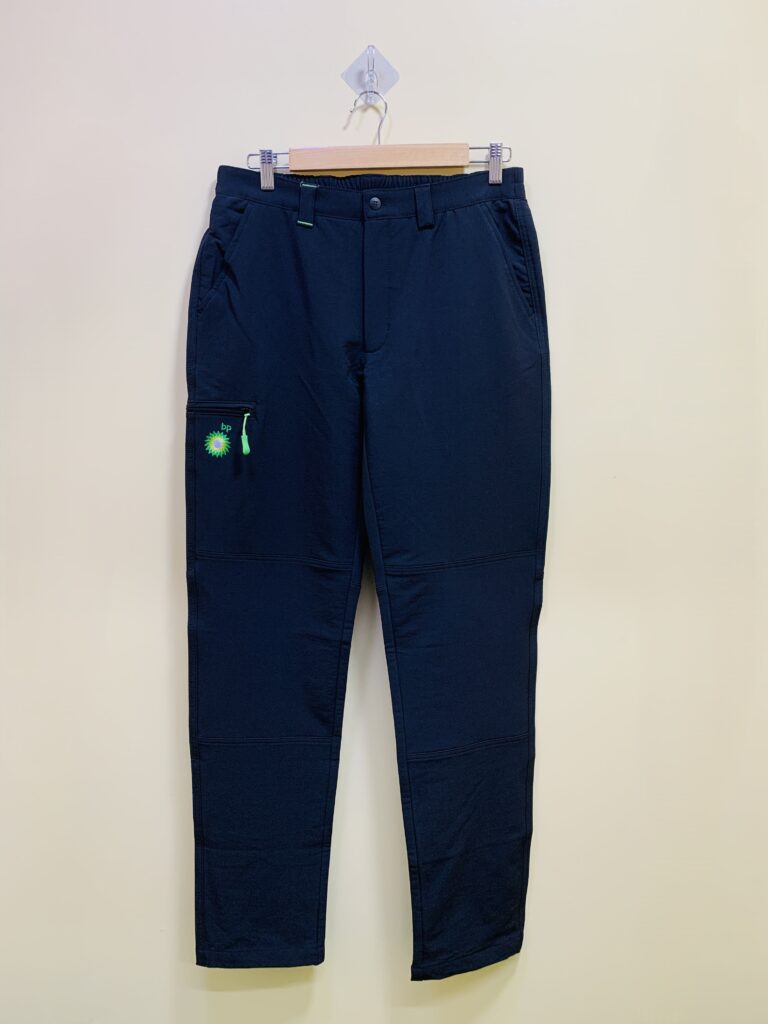
These existing catalogue images introduce garment categories. Confirm the measurements and fit requirements for the actual style; the photographs do not supply a universal size chart.
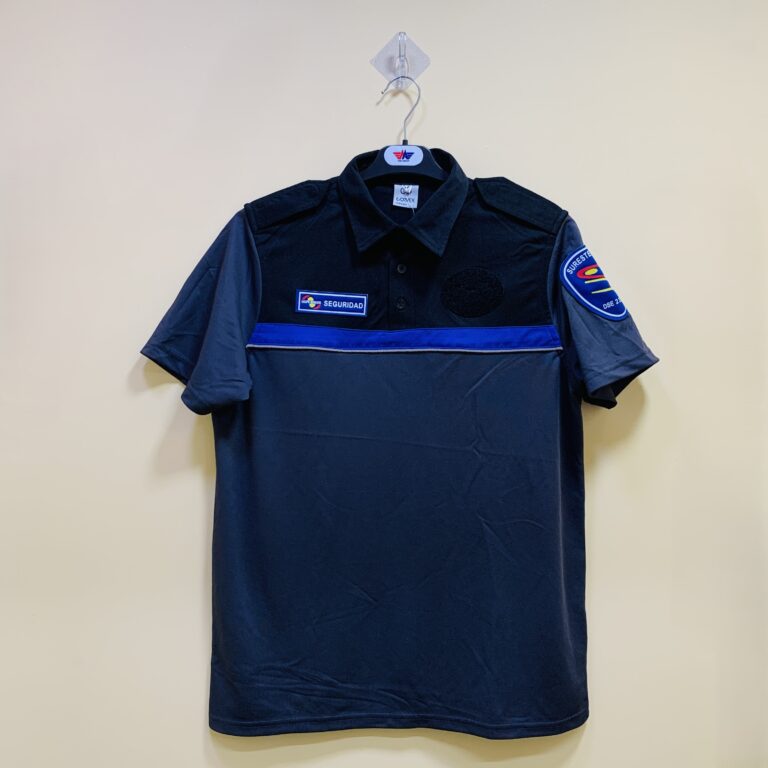
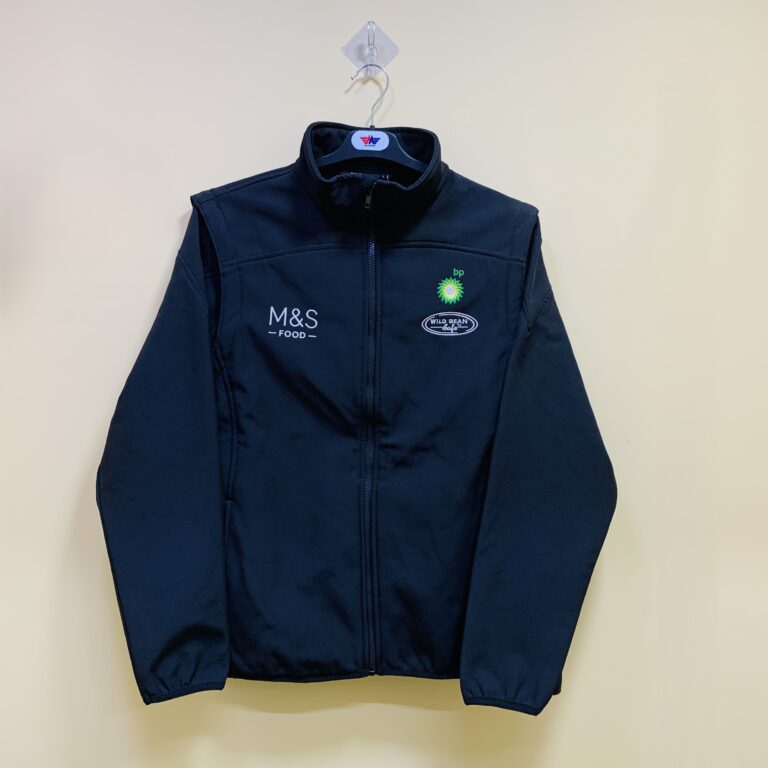
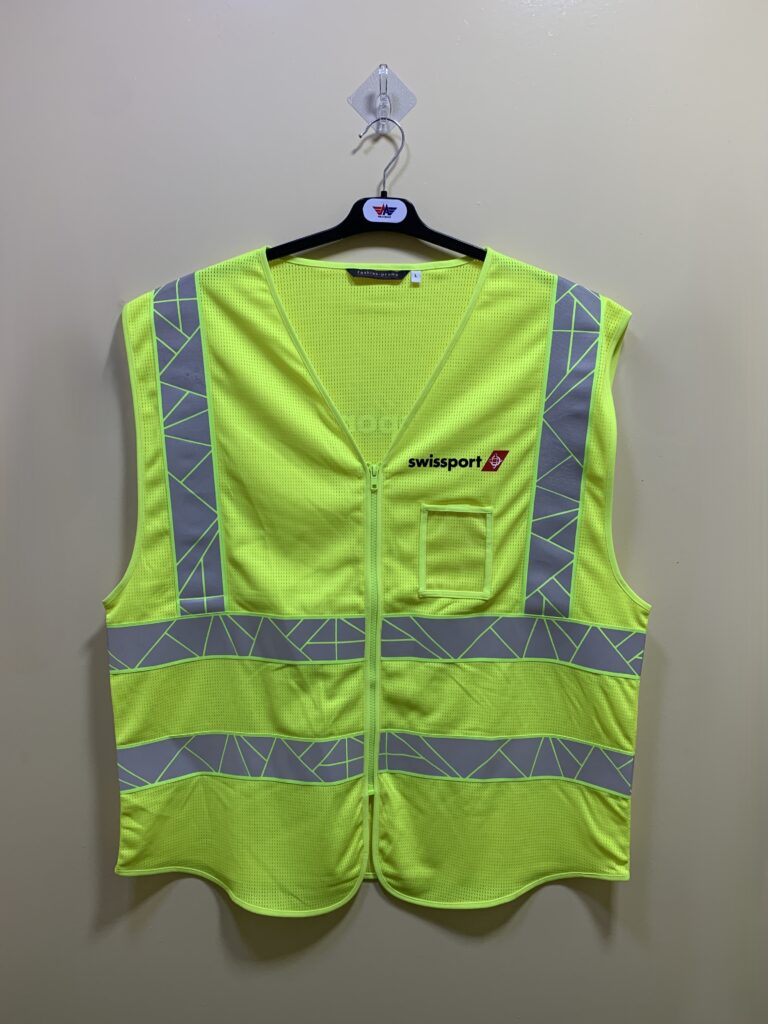
Illustrative sizing approval milestones
These bars show a sequence of decisions, not live order progress or guaranteed fit results.
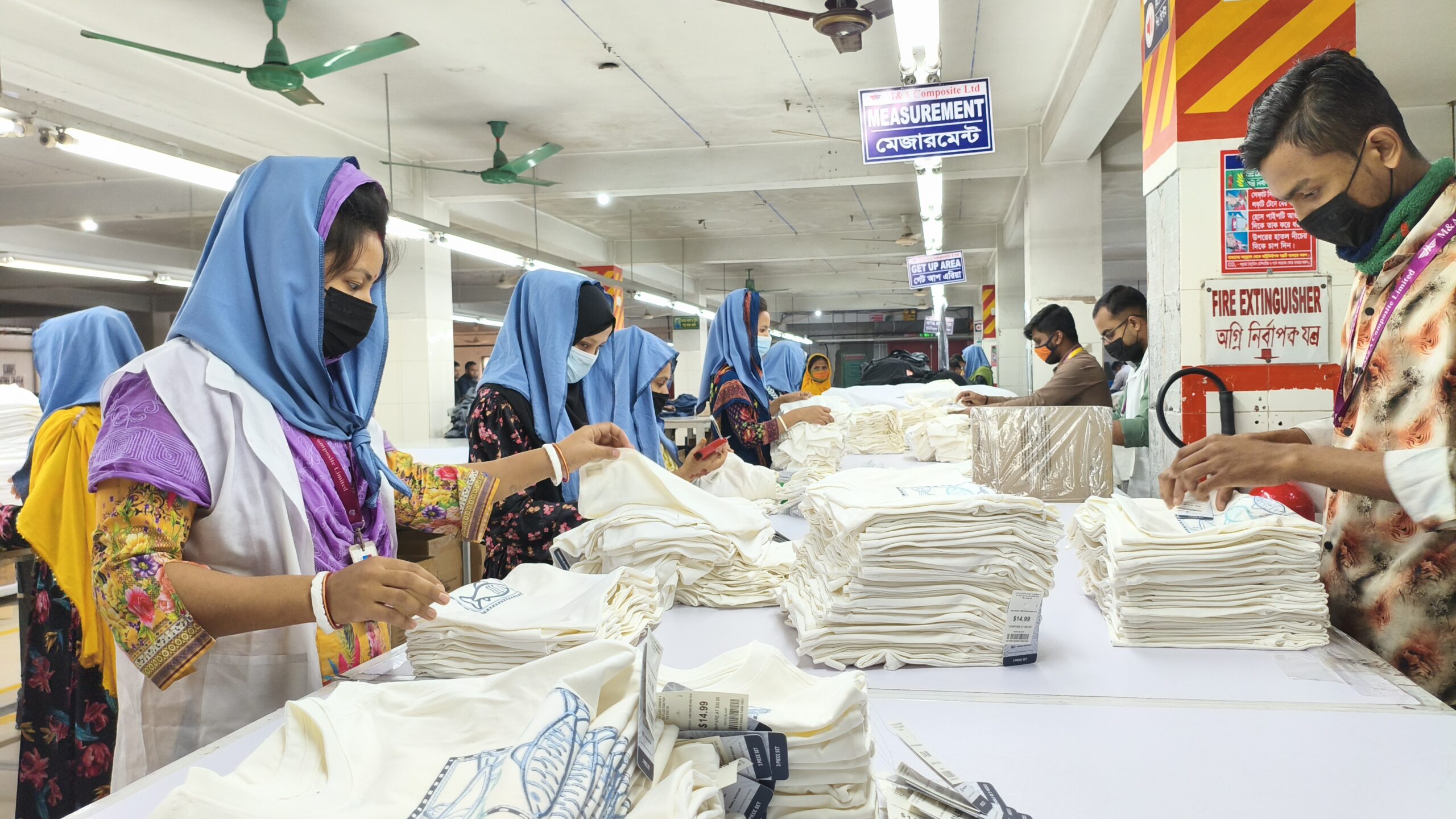
Company staff and garment coordination
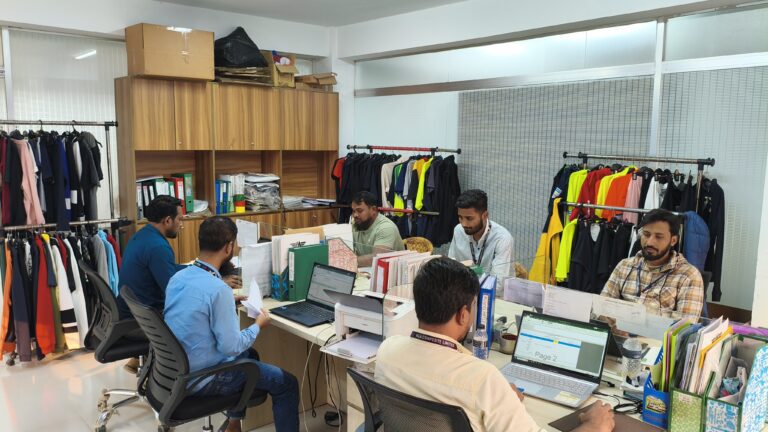
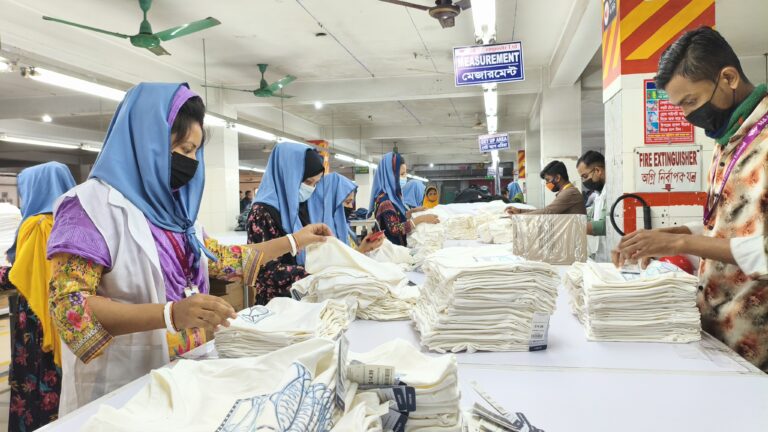
Original company photographs show the working environment. Ask for programme-specific charts and samples when reviewing sizing decisions.
Frequently asked questions
What is a workwear size chart?
It records sizing information for a specified garment or wearer group. State whether it describes body dimensions or finished garment measurements.
Are S, M and L identical across suppliers?
Do not assume they are. Confirm the actual measurements and size-label mapping for the controlling style.
Can I use the tables here as a universal size chart?
No. They are record formats. Enter values developed and approved for your garment and intended wearers.
How should units be recorded?
Clearly identify centimetres or inches and the controlling values. Keep any converted display values distinguishable.
Does matching the chart prove comfortable fit?
No. Review relevant movements, layers and wearer observations alongside the measurement findings.
Should one base-size sample approve the complete range?
Agree representative size reviews with the technical team so grading and placement questions are resolved.
How do I decide the bulk size ratio?
Use confirmed buyer requirements for each style, colour and size. Do not treat an assumed ratio as approved allocation.
What happens when the fabric changes?
Review affected fit, care and sample decisions and update the controlling records before accepting the substitute.
Are MOQ and lead time fixed?
Request order-specific terms after the specification, materials, quantities and development scope are reviewed.
How can M&A Sourcing review my size requirements?
Send garment references, charts, material preferences, quantities and destination through the contact page, identifying open decisions.
Discuss your workwear sizing brief
Share the proposed garments, measurements and quantity requirements for an order-specific development discussion.
Request Workwear Development →