Custom Branded Uniform Exporter Bangladesh | M&A Sourcing
Published by M&A Sourcing Ltd. | Updated: 7 October 2026
Looking for a custom branded uniform exporter Bangladesh? Compare design scope, materials, fit, artwork, sample approvals and quality records before placing an order. This guide supports buyer enquiries with M&A Sourcing Ltd.
Discuss Your Branded Uniform Export Programme →
Custom branded uniform exporter Bangladesh: turn brand files into approved garments
A custom branded uniform exporter Bangladesh enquiry connects your brand guidelines with garment development and shipment planning. The buyer needs consistent logo appearance, suitable fabric, practical fit and clearly identified approval references across each ordered style.
M&A Sourcing Ltd. supports custom uniform sourcing enquiries and export-related coordination. Share your artwork, product references, size quantities and destination to discuss an order-specific proposal. Confirm the seller, production site, decoration operations and export entity for the actual transaction.
This guide focuses on brand execution: colour references, logo placement, decorated samples, label versions and repeat-order consistency. For broader staff allocation, read our uniform exporter guide. For industrial garments, explore the workwear export guide.
Review the Bangladesh Garment Manufacturers and Exporters Association for industry background. Your buying decision should also review the actual samples, allocated site and accepted commercial responsibilities.
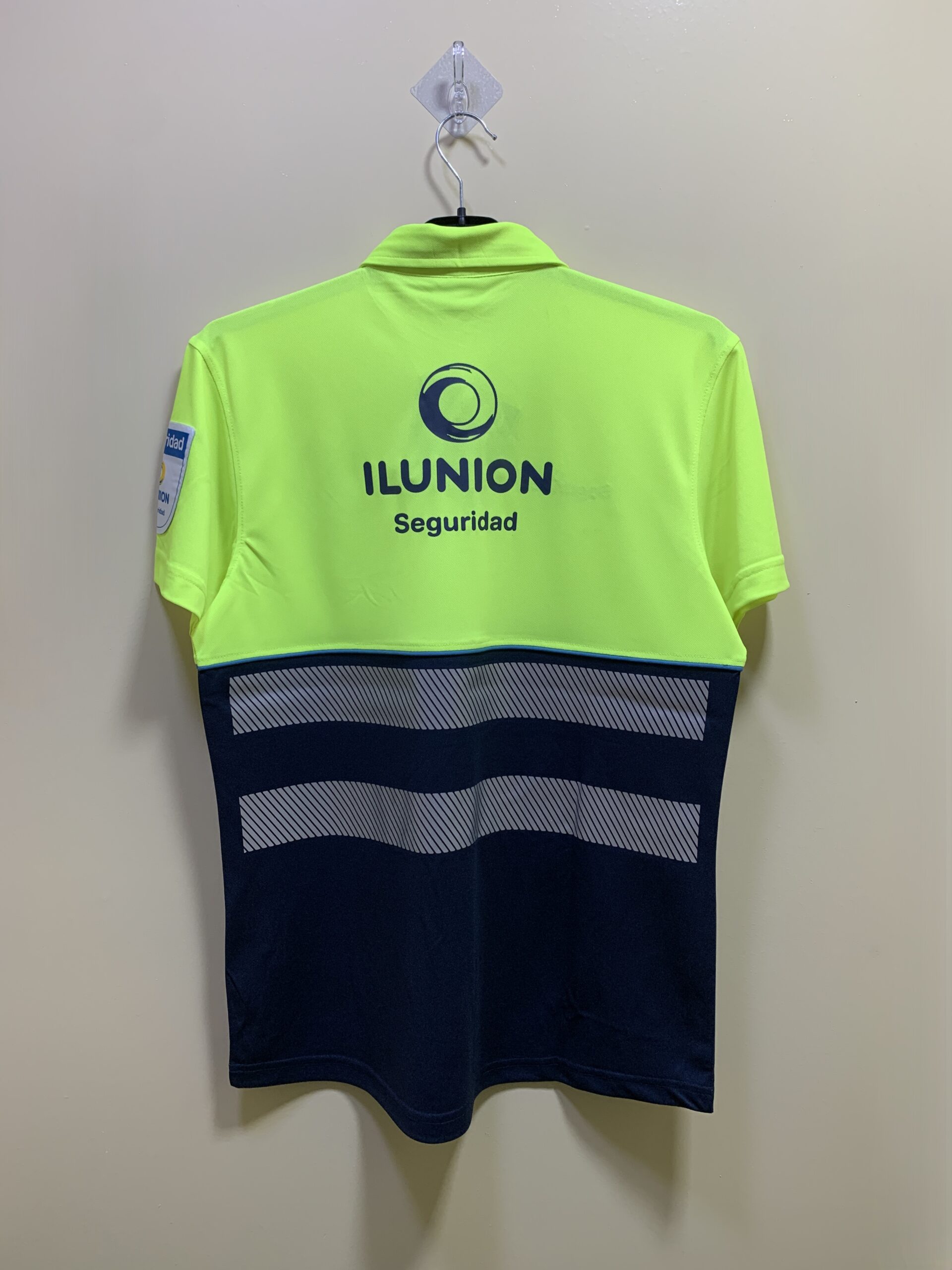
Real uniform and related workwear product examples
Use these existing catalogue photographs as starting references. Click a picture or button to open the dedicated product page and view more examples. Confirm which details can be developed for your own programme.
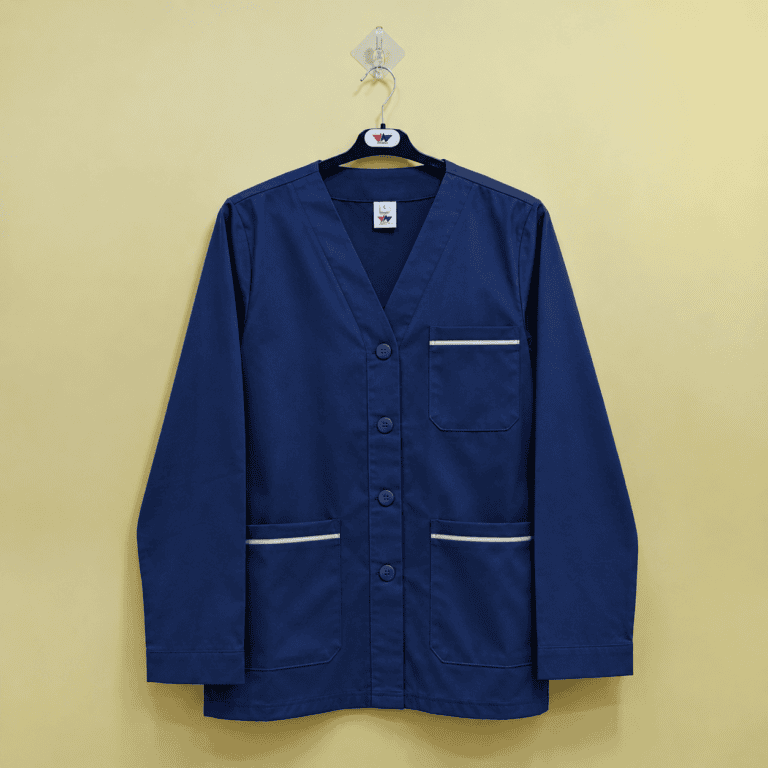
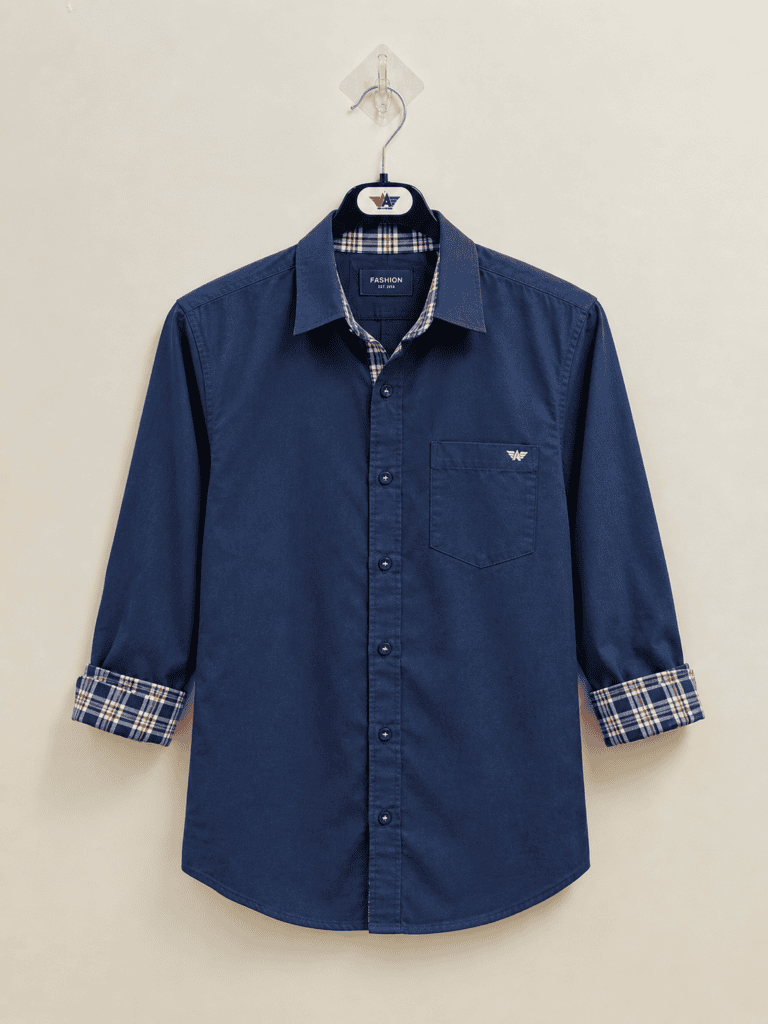
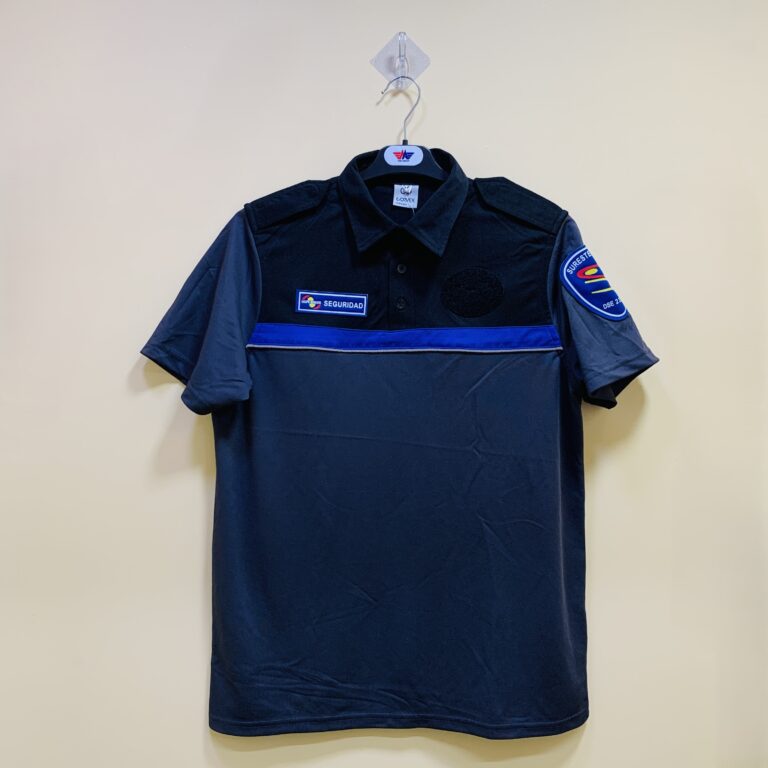
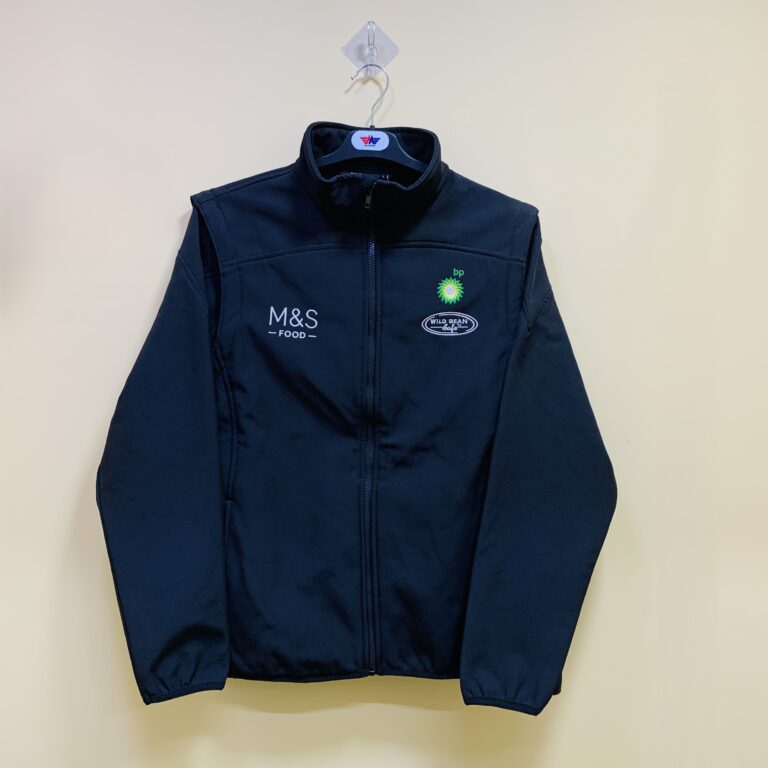
Also explore high-visibility wear, aprons, padded jackets and the complete workwear range. Catalogue images do not establish availability or protective performance for every proposed modification.
Essential uniform supplier and export checks
- Wearer groups: define departments, categories and care needs.
- Product references: identify current designs, materials and measurements.
- Quantity allocation: record style, colour, size and location requirements.
- Commercial parties: confirm the seller, manufacturer and exporter.
- Sample approval: retain accepted fit, materials and decoration references.
- Quality scope: agree inspections and corrective-action responsibilities.
- Delivery arrangement: identify responsibilities and the named place.
- Packing: approve garment identification and carton allocation.
- Documents: agree the shipment-specific list and review ownership.
- Repeat control: review substitutions and current terms before replenishment.
Compare quotations against the same dated specification and delivery basis. Identify different inclusions before treating a cheaper offer as an equivalent programme.
Branding methods and sample approval decisions
Discuss the proposed branding method against the actual garment, fabric and artwork. Feasibility and pricing need sample review; no single technique is suitable for every design.
| Method | Buyer should define | Review on the sample |
|---|---|---|
| Embroidery | Logo dimensions, colours and placement | Legibility, backing, puckering and appearance on the garment |
| Printing | Artwork version, colours and intended fabric | Coverage, alignment, feel and agreed care evaluation |
| Transfers or patches | Dimensions, position and attachment approach | Edges, appearance and agreed application checks |
| Woven or printed labels | Brand, size and care files | Text, version, placement and garment compatibility |
| Branded packing | Bag, tag and carton artwork | Identifiers, quantities and receiving-location allocation |
Use product pages to select starting references: shirts, tees and polos, aprons and softshell jackets. Approve branding separately for each style rather than treating one decorated sample as approval for the full range.
Prepare the brand brief, staff sizes and artwork register
Provide a brand guideline or concise artwork register listing the approved logo version, colours, dimensions and placement for each garment. Supply editable artwork where available, and identify who may authorise changes. A screenshot is useful for reference but should not silently become the final production file.
Record fabric composition, construction, target weight, measurements and care expectations. Break quantities down by style, colour and size, then add department or location allocation if the uniforms will be distributed to different teams. Check fit samples against the intended wearer group.
Keep one approval register with the garment code, artwork file name, revision date, decoration method and sample reference. For example, a shirt and a softshell jacket may use the same logo but need different placement dimensions. This is a planning example, not a claim about a completed client order.
Identify where decoration is performed and who checks the finished result. Retain accepted responsibilities for garment production, embroidery or printing, packing and export coordination with the purchase order.
See our corporate workwear guide for coordinated staff garments and hospitality uniform guide for department-specific needs.
Fabric, colour and trim approvals
| Item | Define | Reference |
|---|---|---|
| Fabric | Composition, construction, target weight and finish | Accepted swatch |
| Colour | Reference and comparison method | Approved colour sample |
| Trims | Closures, thread, labels and accessories | Accepted components or trim card |
| Care | Laundering and appearance expectations | Agreed evaluation method and results |
| Dimensions | Measurement chart and tolerances | Reviewed fit sample |
GSM measures weight per square metre; it is not a complete quality assessment. Material suitability also depends on construction, finish and garment design.
Identify substitutes used in development samples and which approvals remain open for bulk materials. Distinguish informal checks from any formal test evidence needed for the programme.
Logo placement, embroidery, printing and label approvals
Measure logo placement from a defined reference such as a seam, centre line or pocket edge. Record both artwork dimensions and position; phrases such as “left chest” leave important details unresolved. State any permitted tolerance and identify the sample used for comparison.
Review the full logo at its intended size. Fine lettering and small details may need development before the result is acceptable on a garment. Agree any artwork adjustment with the buyer rather than changing the logo during bulk production.
Check thread or print colours against the accepted decoration reference. Fabric colours and decoration colours need their own approvals. Confirm the viewing and comparison method when consistent brand appearance matters across different materials.
Specify care, brand and size labels separately from the main logo. Check spelling, language, revision and placement before release. Include swing tags and packaging files in the same register so outdated versions cannot be mixed into a shipment.
For products with a defined protective claim, review decoration changes with the party responsible for conformity. Branding photographs alone do not establish product certification.
Real company images: sourcing staff and samples
These existing company photographs show staff, samples and production-related activity. Discuss who will review your brief and maintain the sample approval log.
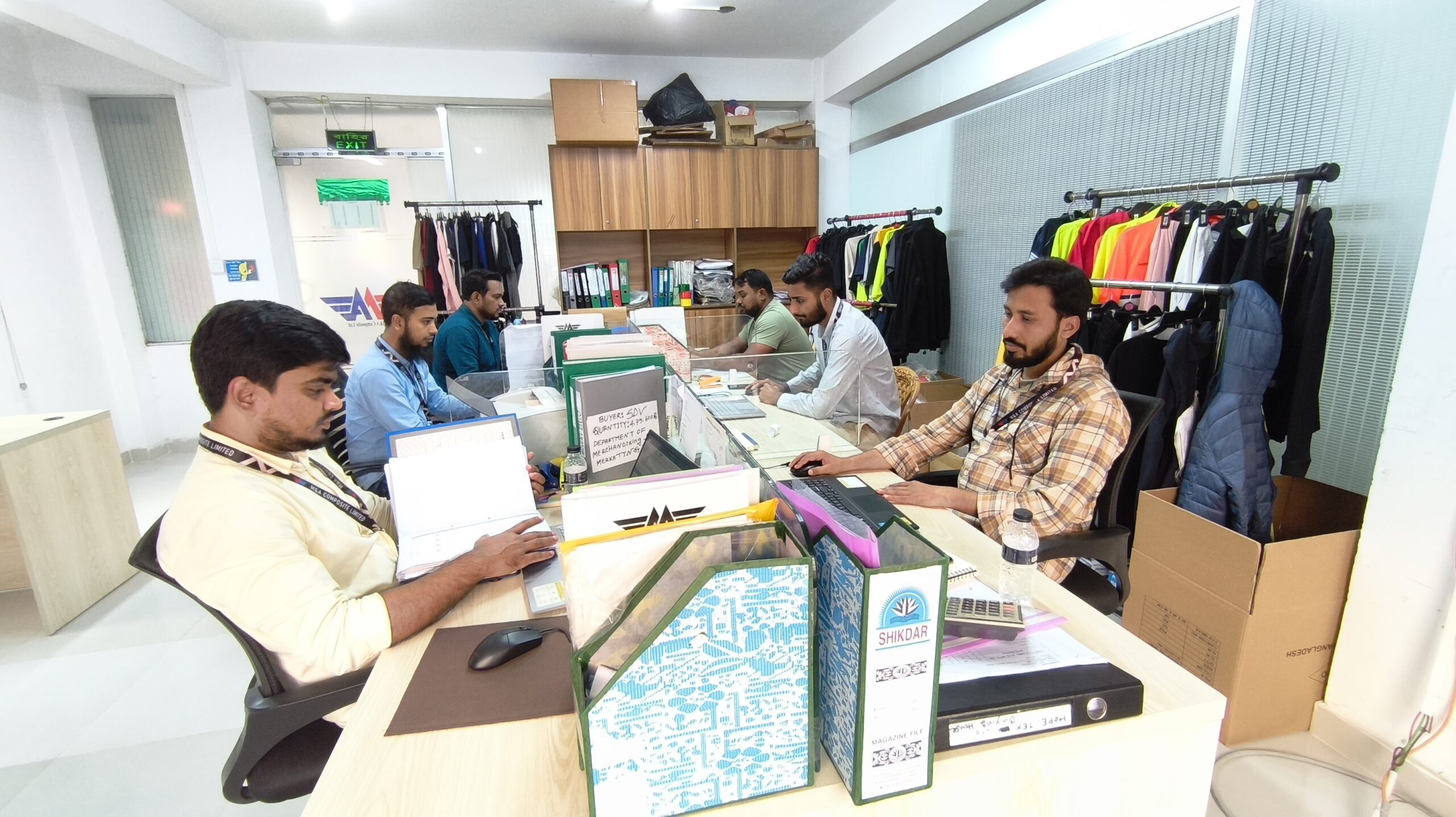
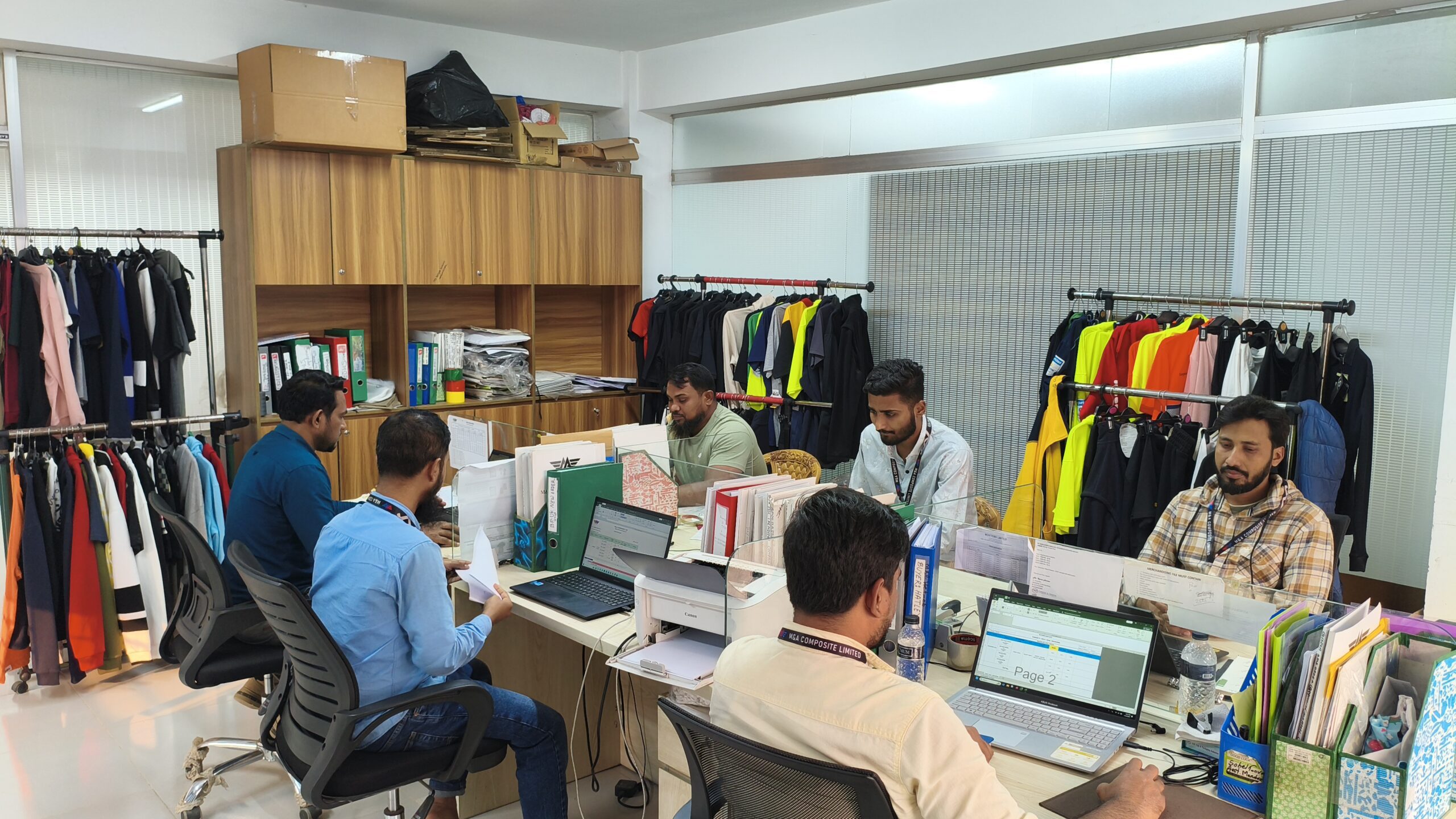
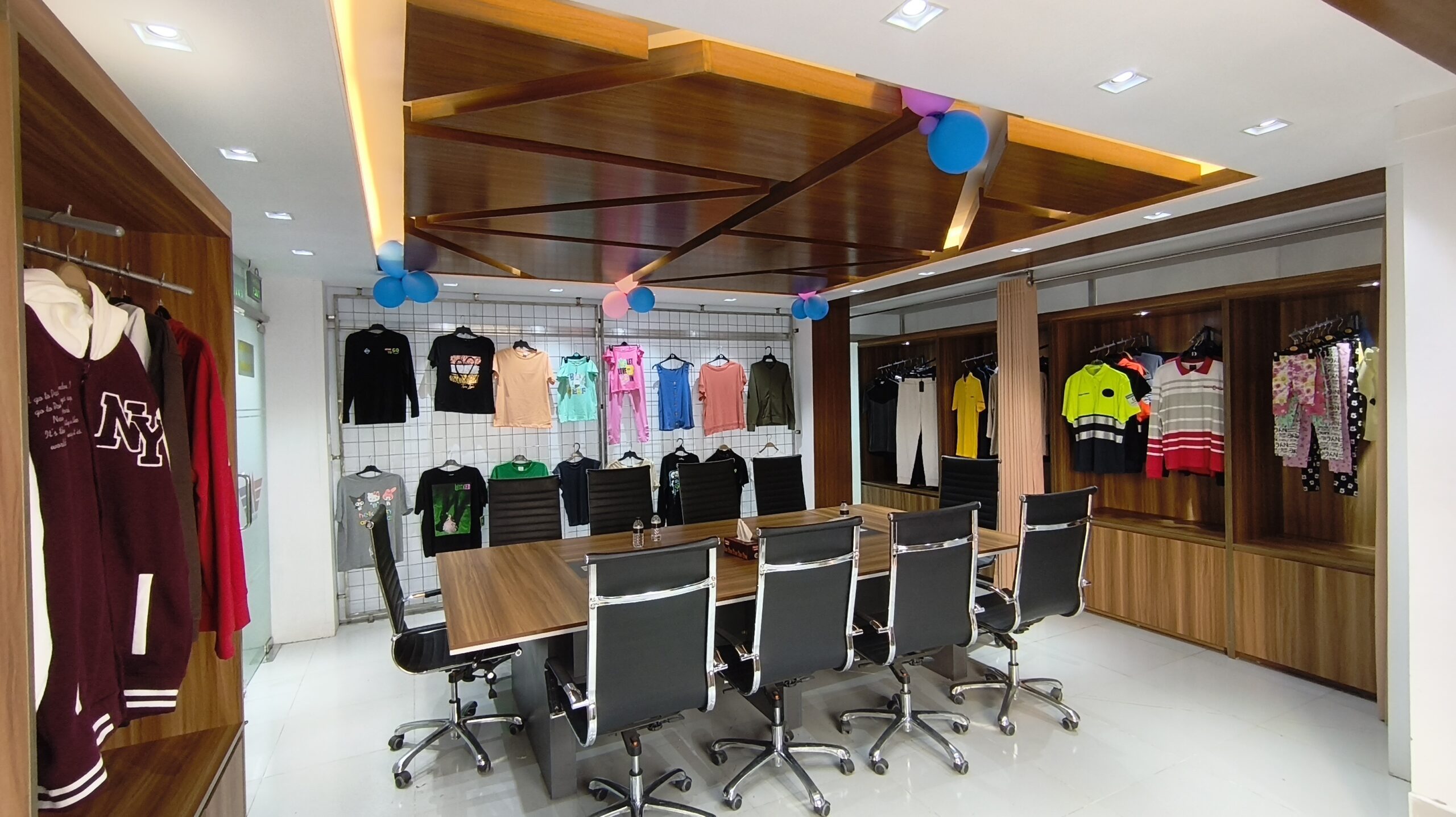
Agree a named contact and escalation route. The photographs introduce the working environment; relevant samples and current records support capability discussions.
Sampling, comments and pre-production release
Agree which samples answer which questions. A fit sample checks dimensions and wearer comfort; a decoration sample checks artwork execution; a pre-production reference consolidates accepted garment materials, branding, labels and packing.
Evaluate decorated references on the intended fabric where practical. Record the sample identifier, artwork revision and any provisional component. A logo approved on one material should not automatically authorise a different garment or application method.
Keep dated comments precise: identify the affected colour, letter, position or measurement and the required change. Confirm the revised reference before bulk release, with one named approver and a clear status for each style.
Agree any laundering or appearance evaluation needed for the intended use. Distinguish informal sample checks from formal test evidence. If fabric or decoration changes, review whether earlier acceptance still applies.
Before production, consolidate approved drawings, measurements, decorated samples, materials, labels and packing instructions. Record the controlling revision so separate production and decoration teams use the same references.
Branded uniform export progress: 7 approval milestones
These bars illustrate a process. They are not live completion percentages, product-performance scores or delivery guarantees.
Identify the product, changes, wearer requirements and quantities.
Confirm the site, scope and commercial assumptions.
Resolve fit, colour, construction and trim comments.
Confirm artwork, labels, packing and accepted references.
Track dated findings, revisions and corrections.
Check acceptance conditions and allocation.
Review document consistency, coordinate dispatch and preserve accepted references.
Use a dated tracker for an actual order, showing owners, open issues and next actions.
Quality records and revision control
| Stage | Record | Decision |
|---|---|---|
| Sample review | Fit, construction and decoration comments | Approve or revise |
| Material approval | Identity against accepted references | Release or resolve differences |
| Inline checks | Dated findings and corrective actions | Confirm follow-up |
| Final inspection | Results against the agreed plan | Accept, rework or further review |
| Packing | Labels, quantities and allocation | Confirm readiness or correct details |
Define measurable acceptance criteria before production. If acceptance sampling is used, agree the method, levels and defect categories. An AQL reference alone does not describe the complete inspection arrangement.
Keep unresolved points visible at shipment release. Connect corrective-action evidence with the original issue and the accepted specification.
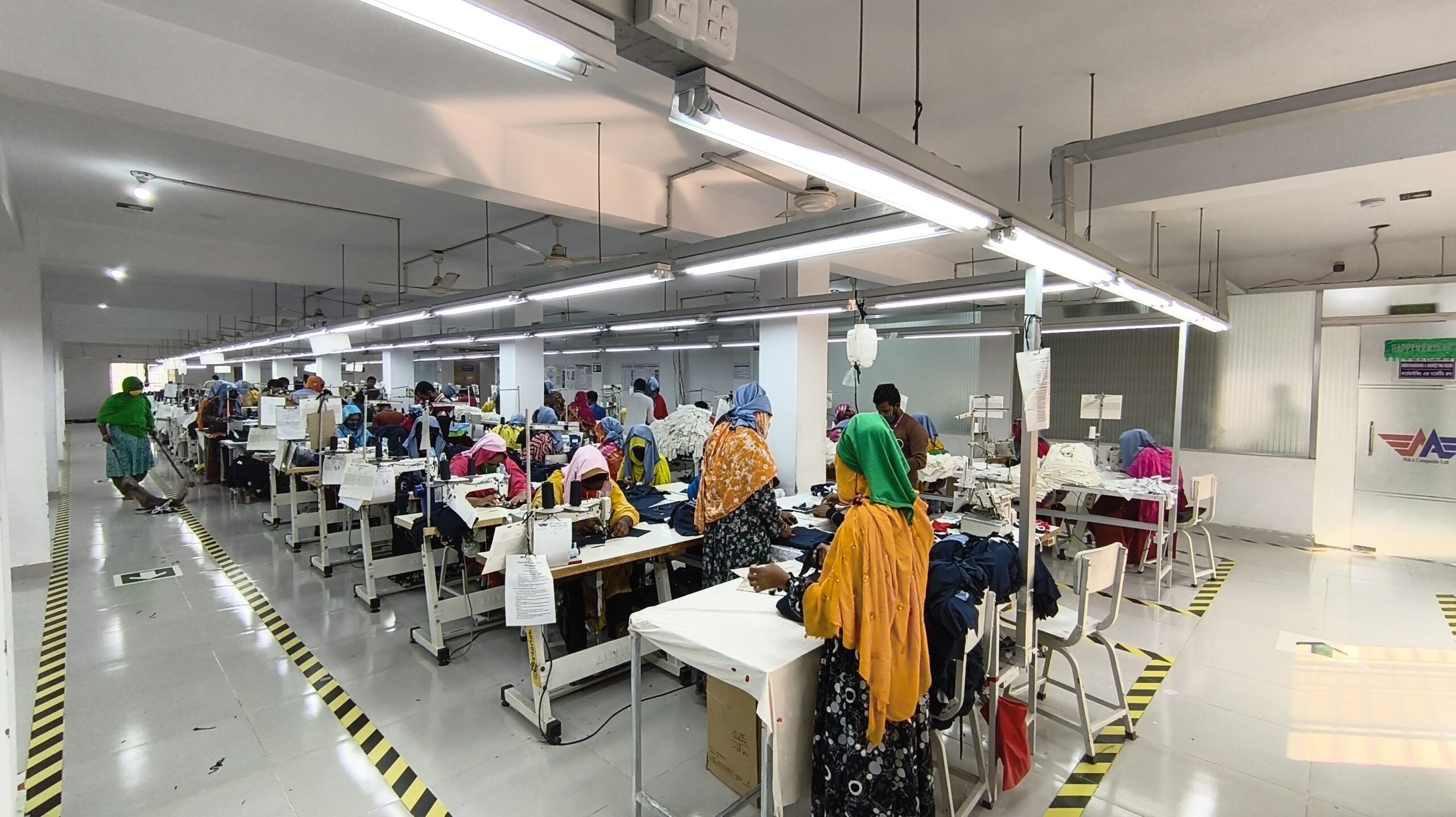
Related real images: production workers and garment handling
These existing company photographs show sewing activity and garment handling. Discuss the proposed manufacturing site and any operations performed elsewhere.
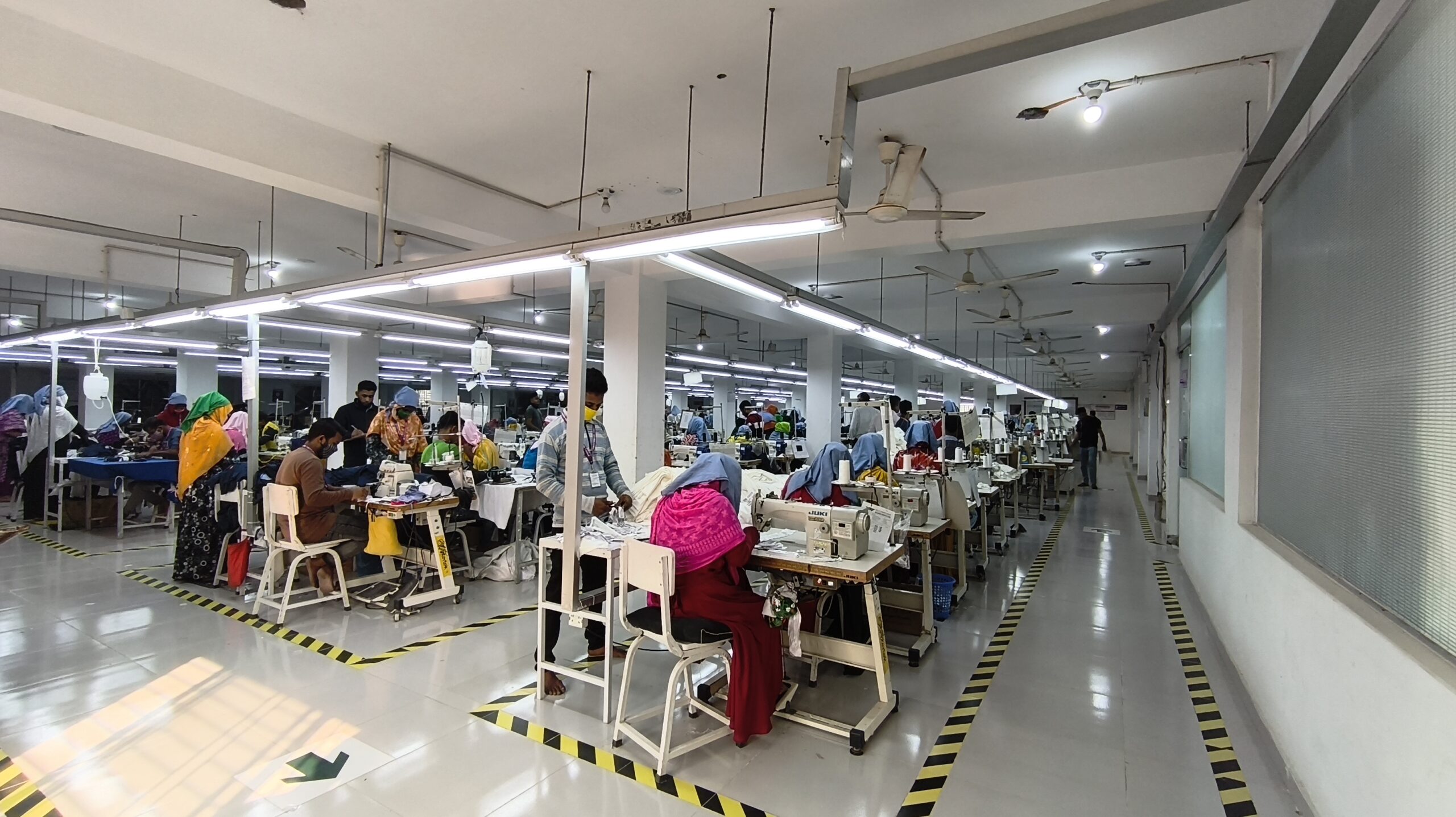
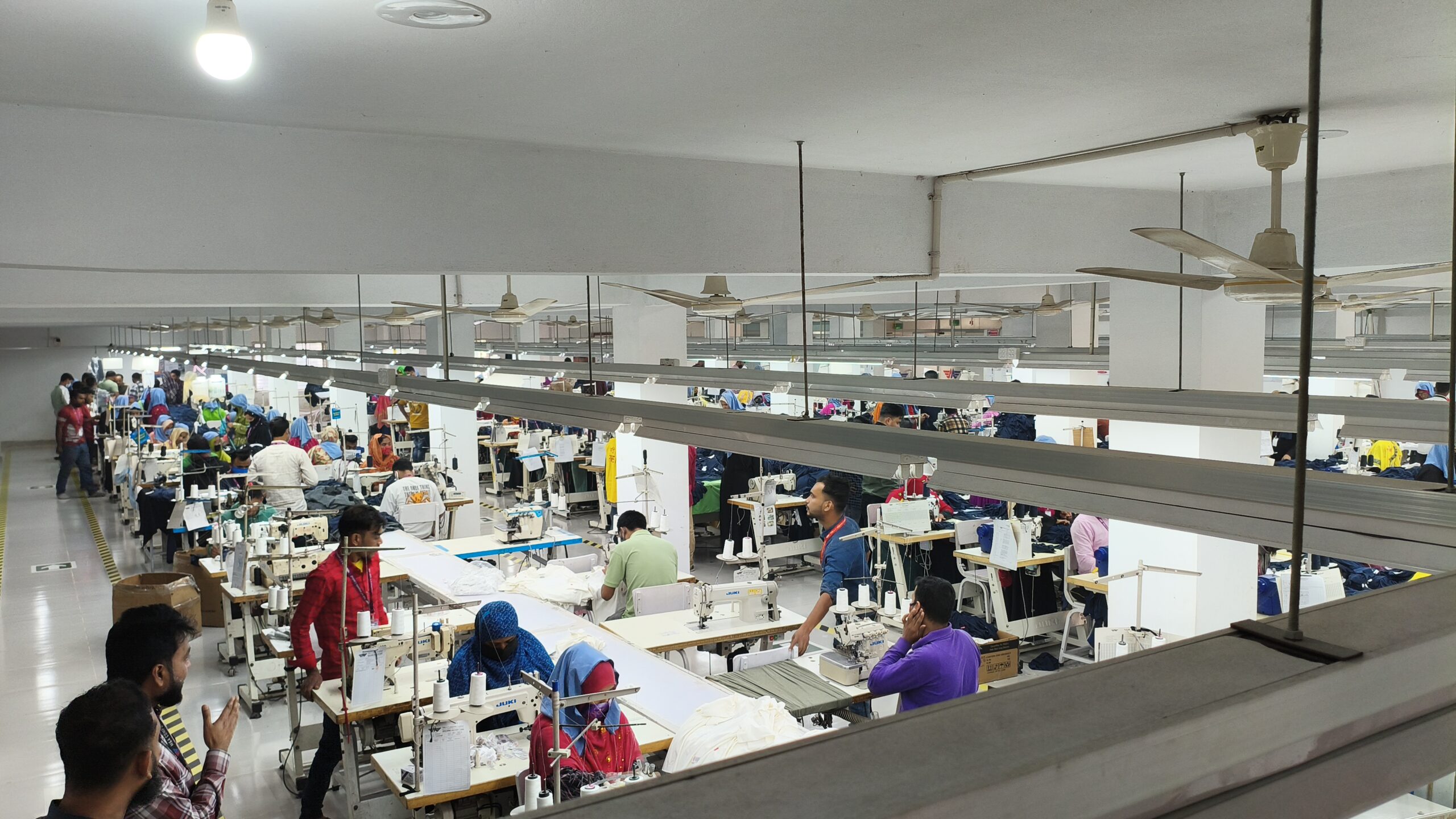
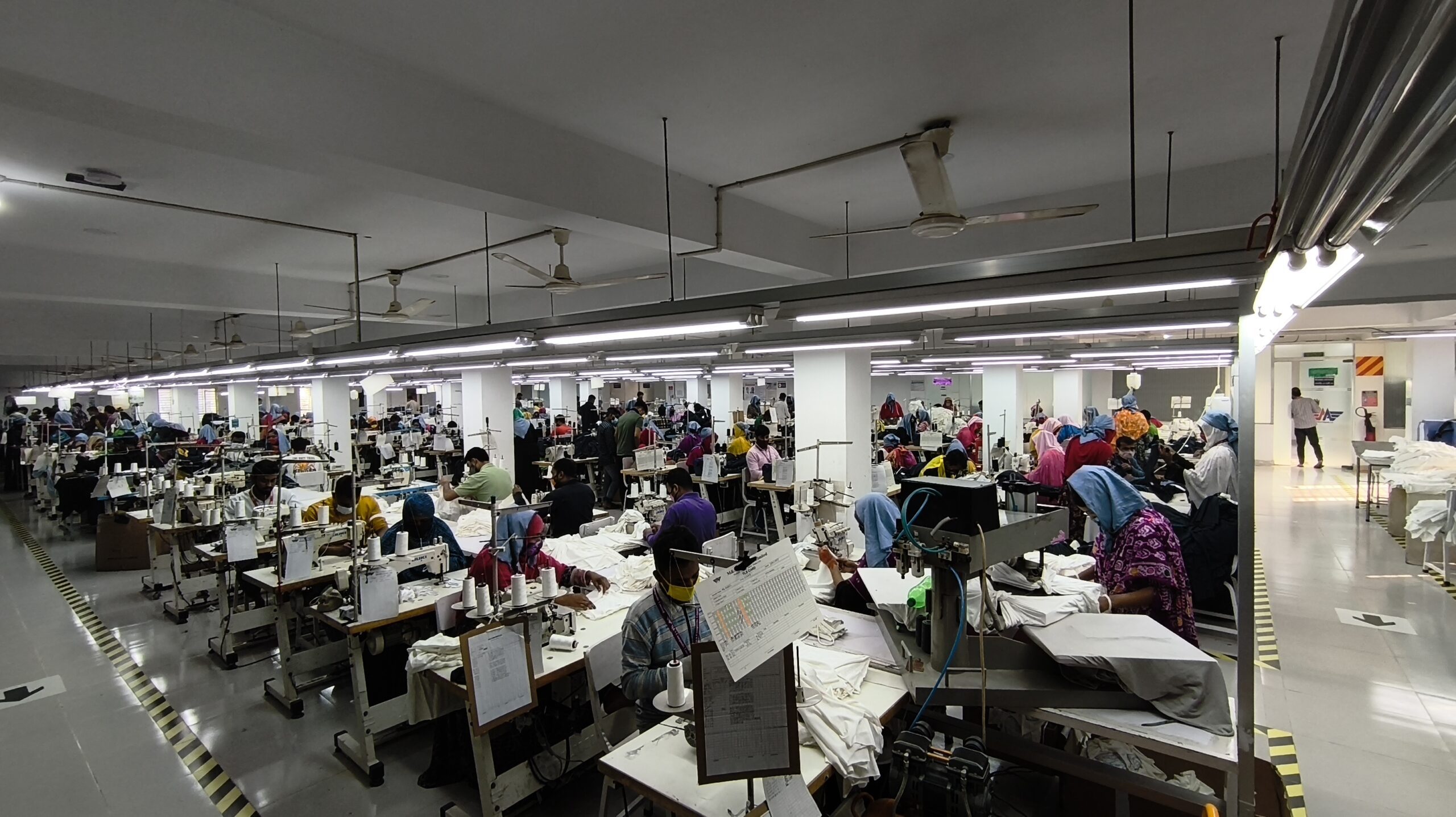
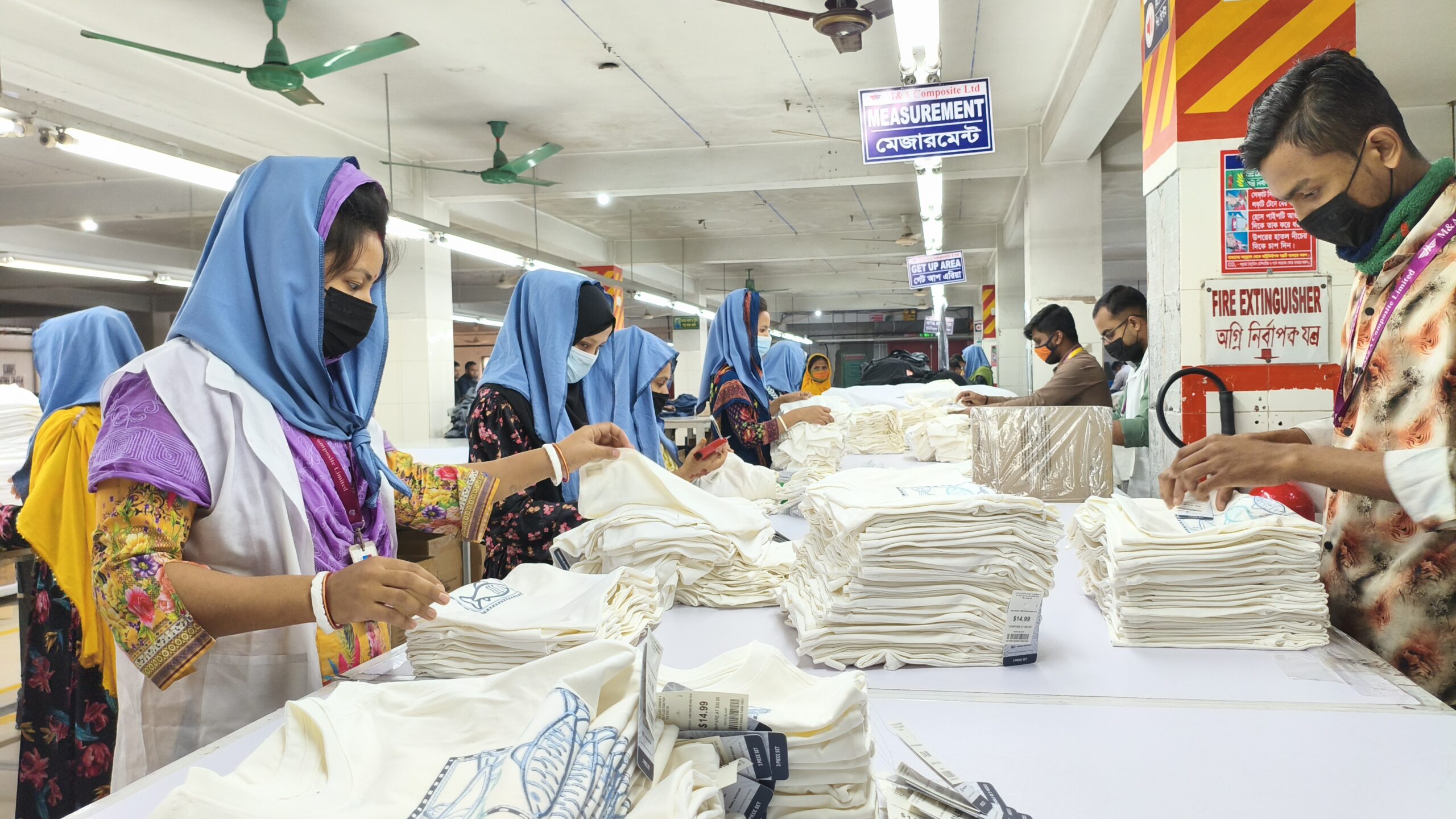
The images are not presented as a particular customer’s custom order, audit result or delivery status. Request current programme-specific records for those decisions.
Responsible sourcing and product evidence
Review documents for the actual manufacturing entity and allocated site. Check scope, dates, findings and corrective actions. A document from another factory does not establish the selected site’s status.
Sedex’s SMETA guidance describes an audit methodology rather than certification. Review site-specific findings and improvement actions.
OEKO-TEX STANDARD 100 concerns textiles tested for harmful substances. Confirm the relevant certificate and article scope.
Define any required protective or environmental claim and its supporting evidence for the actual programme. Broad compliance wording should not replace product-specific review.
Commercial terms, document consistency and repeat shipments
No universal MOQ, price or timeline is offered here. Request terms for the specification, quantities, materials, services and delivery arrangement you intend to buy.
| Question | Confirm in writing | Purpose |
|---|---|---|
| Who performs each role? | Seller, manufacturer, exporter and transport coordinator | Defines responsibilities |
| What is included? | Product revision, branding, packing and services | Makes offers comparable |
| What minimums apply? | Style, colour, fabric and trim restrictions | Checks quantity feasibility |
| Which documents apply? | Shipment-specific list and review ownership | Avoids assuming one universal pack |
| What starts the schedule? | Material, approval and payment dependencies | Connects dates with milestones |
| How are changes handled? | Product, price, documents and timing impact | Controls revisions |
Review invoice, packing and transport information where applicable against accepted instructions. The required document list depends on the actual shipment; agree it with the buyer and appointed providers. Resolve differences in descriptions, quantities, parties or allocation before final release.
Keep inspection acceptance, packing readiness and shipment release as identifiable decisions. Production completion alone should not conceal outstanding conditions.
Retain specifications, samples, materials, artwork, inspection results and final shipment references. Before repeating an order, review substitutions, quantities, current terms and changed destination or packing instructions.
For bulk allocation, see the wholesale workwear guide.
Frequently asked questions
What should I send for a custom branded uniform enquiry?
Send garment references, fabric requirements, measurements, editable logo files where available, brand colours, placement dimensions, style-colour-size quantities and destination.
Can M&A Sourcing discuss embroidery and printing?
Share the design and garment requirements with the team. Confirm the proposed technique, feasibility, samples and service scope in an order-specific proposal.
How should a company logo be approved?
Record artwork version, dimensions, colours, placement and technique. Approve a decorated reference for each relevant garment before production release.
Can the same logo approval cover all uniform styles?
Do not assume so. Different fabrics, seams and garment layouts may need separate placement or decoration approvals.
Where can I see real product examples?
The linked product cards open catalogue pages for shirts, tees and polos, aprons and softshell jackets. Photographs are starting references rather than confirmation of a particular custom order.
How are brand colours controlled?
Keep fabric and decoration colour references separately identified. Agree the comparison method and retain the accepted sample for each material and technique.
Is there a universal minimum order or delivery time?
No fixed MOQ or timeline is offered here. Request terms based on materials, quantities, branding, approvals and the production and delivery arrangement.
Do the progress bars show live production?
They illustrate seven approval and shipment milestones. Actual status needs a dated order tracker with owners, open issues and next actions.
How can repeat orders keep the same branding?
Retain artwork files, decorated samples, material and label references and final packing instructions. Review substitutions and changed requirements before replenishment.
How can I request a branded uniform export proposal?
Use the contact page or email info@mnasourcing.com with your garment brief, artwork, quantity matrix, packing instructions and destination.
Custom branded uniform exporter Bangladesh: Related Guides
Custom branded uniform exporter Bangladesh: Enquiry Planning
Send your design references, wearer brief, materials, artwork, quantities and destination. Request a proposal covering development, samples, production responsibilities, quality checks and commercial assumptions.