School Polo Fabric Selection: 7 Essential Checks for Buyers
School polo fabric selection helps uniform distributors, school purchasing teams and private-label buyers turn a material preference into an approved garment specification. This guide explains how to compare composition, knit structure, GSM, trims, colour and care performance without assuming that one fabric suits every programme.
The guidance supports international sourcing enquiries. Confirm availability, technical claims and destination requirements for the actual garment before ordering.
Table of Contents
1. Define the school polo fabric brief
School polo fabric selection should begin with the wearing programme. Record the climate, indoor conditions, expected underlayers, school colour and the actual care routine. A polo used as a daily classroom uniform and a separate sports top may need different specifications; do not assume one material must solve both purposes.
International buyers should identify the intended market, age or height range and sales channel in the enquiry. These details help the supplier understand the project, but the importer must separately confirm applicable product and labelling requirements. A fabric choice alone does not establish that the finished garment is suitable for every destination.
Use our School Uniform Manufacturer in Bangladesh page for the main product enquiry. This guide focuses on material decisions and complements the international school uniform sourcing guide. Confirm current materials, development feasibility and commercial terms with the team.
| Input | What to specify | Why it helps |
|---|---|---|
| Wearing conditions | Climate, layers and normal use | Makes sample comparison relevant |
| Colour | Physical approved reference | Creates a clear shade target |
| Care | Intended washing and drying procedure | Connects selection with actual maintenance |
| Garment | Sleeves, collar, cuffs and branding | Identifies interacting components |
| Market | Destination and buyer requirements | Starts the appropriate product review |
2. Compare composition and knit structure separately
Do not treat “cotton,” “blend” or a knit name as a complete quality description. Ask for the exact composition, construction, finished weight and any proposed finish. Keep an identified swatch for each option so a decision can be connected to a reproducible specification.
If cotton-rich, polyester-containing or other blends are proposed, compare actual samples rather than assigning a universal winner. Fibre content is important, but yarn, structure, finishing and garment construction also influence the result. A composition percentage does not prove a particular drying speed, surface durability or comfort rating.
Piqué and jersey references describe different construction directions, not automatic grades of quality. Request the proposed material and review its texture, opacity, drape and response during a fit trial. Check that the supplier’s written specification matches the swatch being discussed.
Review light colours with the intended underlayer and ordinary movement. Examine both faces and look at how the material behaves around seams. If a finish is described with a performance claim, ask what evidence supports that claim for the actual material.
| Proposal detail | Compare | Avoid assuming |
|---|---|---|
| Composition | Exact declared percentages | A fibre name guarantees all performance |
| Construction | Identified piqué, jersey or other proposal | A knit name is a quality score |
| Weight | Agreed finished value and tolerance | Heavier always means more suitable |
| Finish | Specified treatment and evidence | A marketing term proves performance |
| Colour | Approved physical comparison | Screens show an exact shade |
3. Use GSM as one decision, not the whole decision
School polo fabric selection often starts with a GSM request. Record the agreed finished weight and tolerance, but evaluate it with construction and wearing needs. Two materials with similar weight can differ in texture, coverage, flexibility and how the garment hangs.
Ask whether the swatch weight represents the proposed finished material. Keep the material reference and any measurement evidence together. An early quotation based on an approximate weight should be updated when the specification is finalised.
For a useful comparison, evaluate materials under similar conditions. Use the same colour direction where possible, the same garment pattern for a development comparison and the same care assessment. If several variables change at once, it becomes harder to identify what caused a difference.
A practical decision may be to reject a pleasant swatch because the finished light-coloured polo does not provide the required coverage. Another may be to reject an overly bulky construction because it does not fit comfortably under the intended sweater. Both decisions need an actual sample rather than a blanket GSM rule.
See our fabric selection guide for organising material records across a wider range. Product examples are available in the tees and polos category.
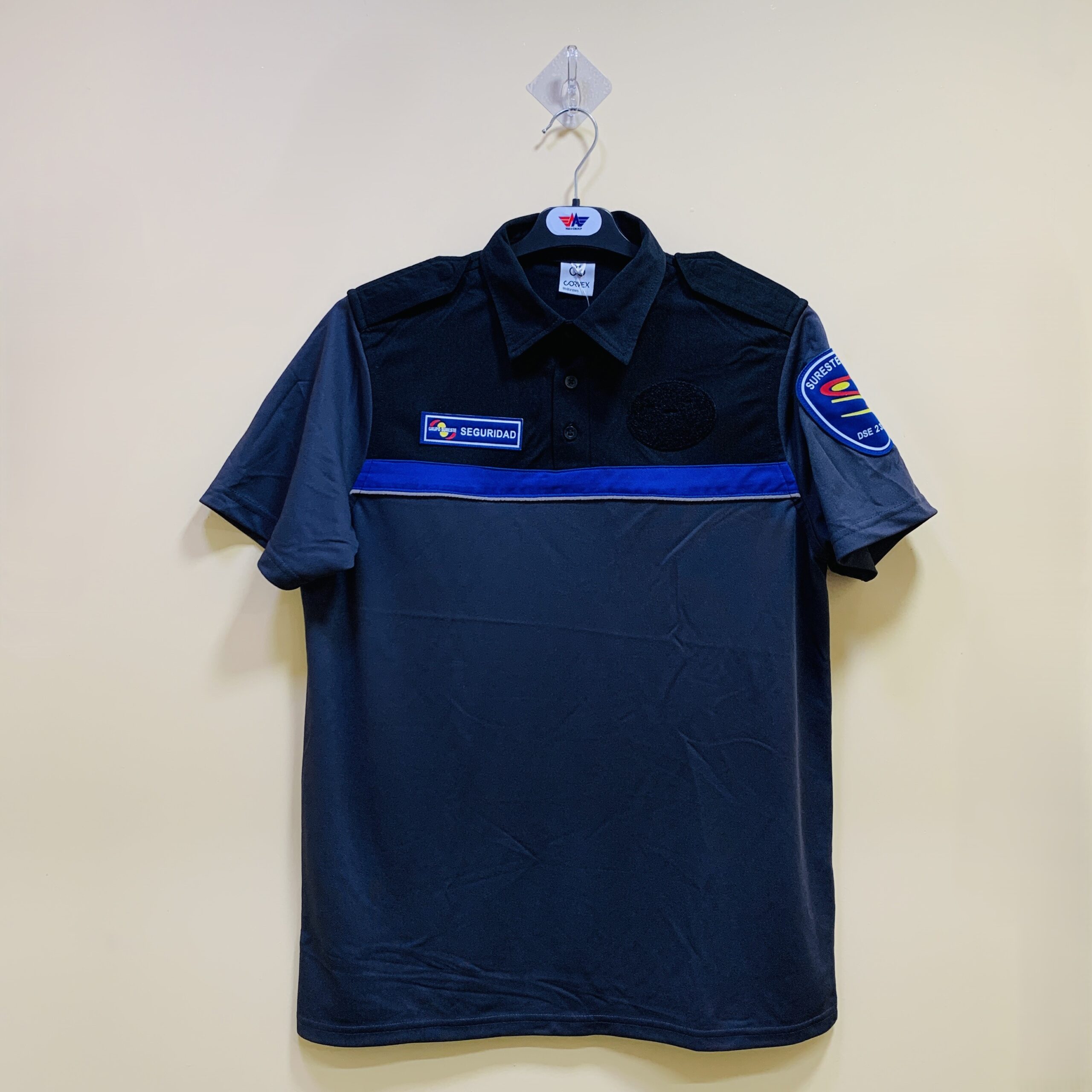
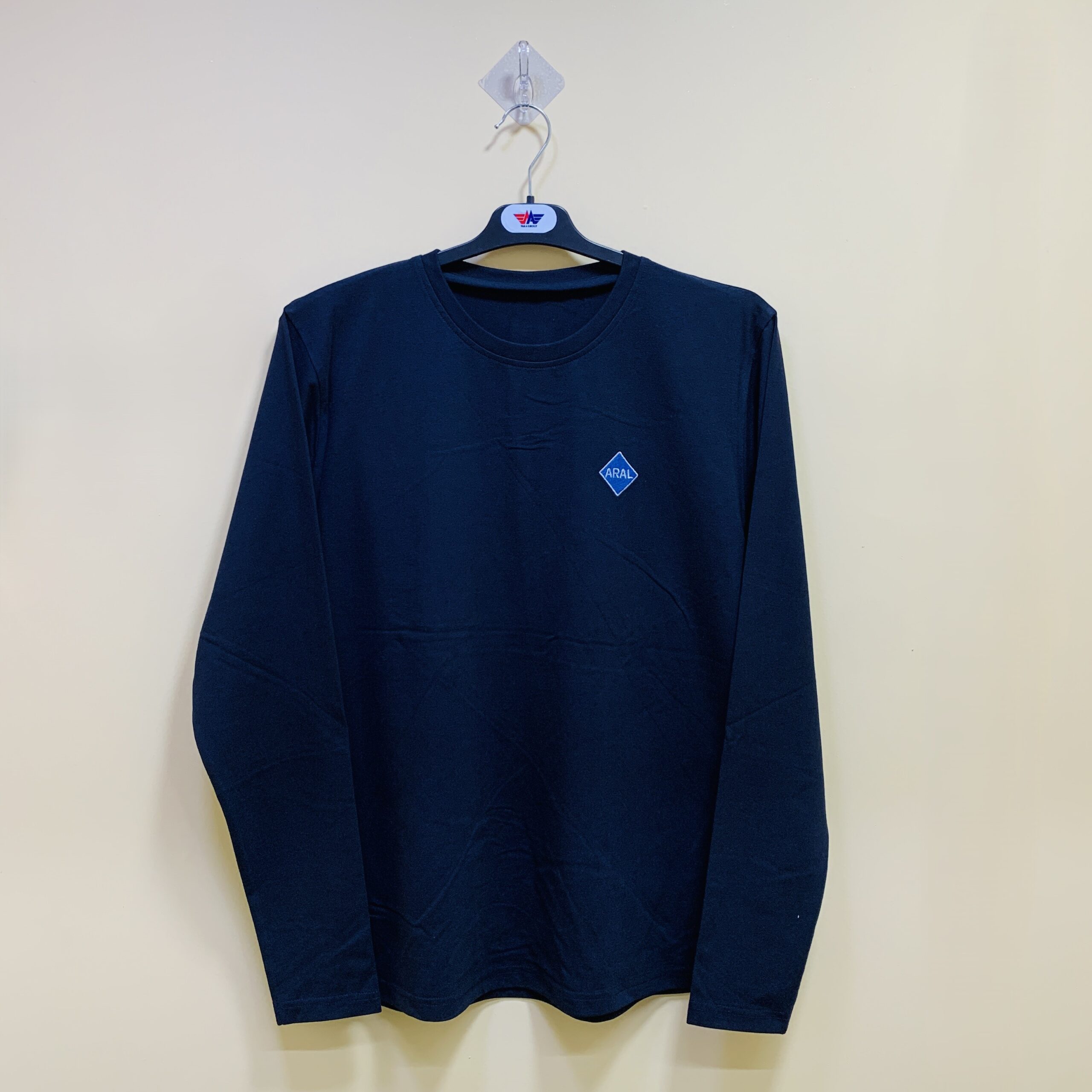
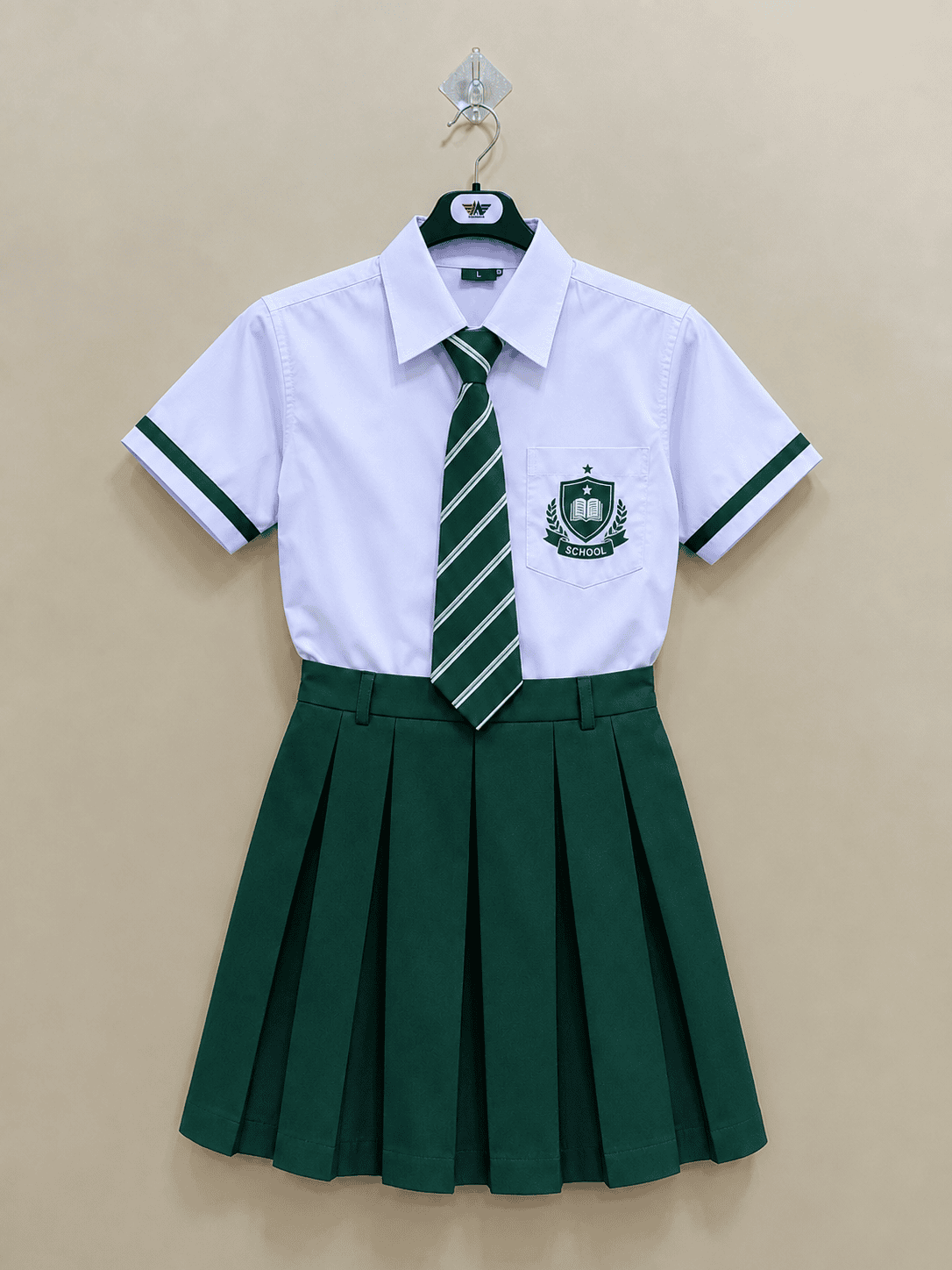
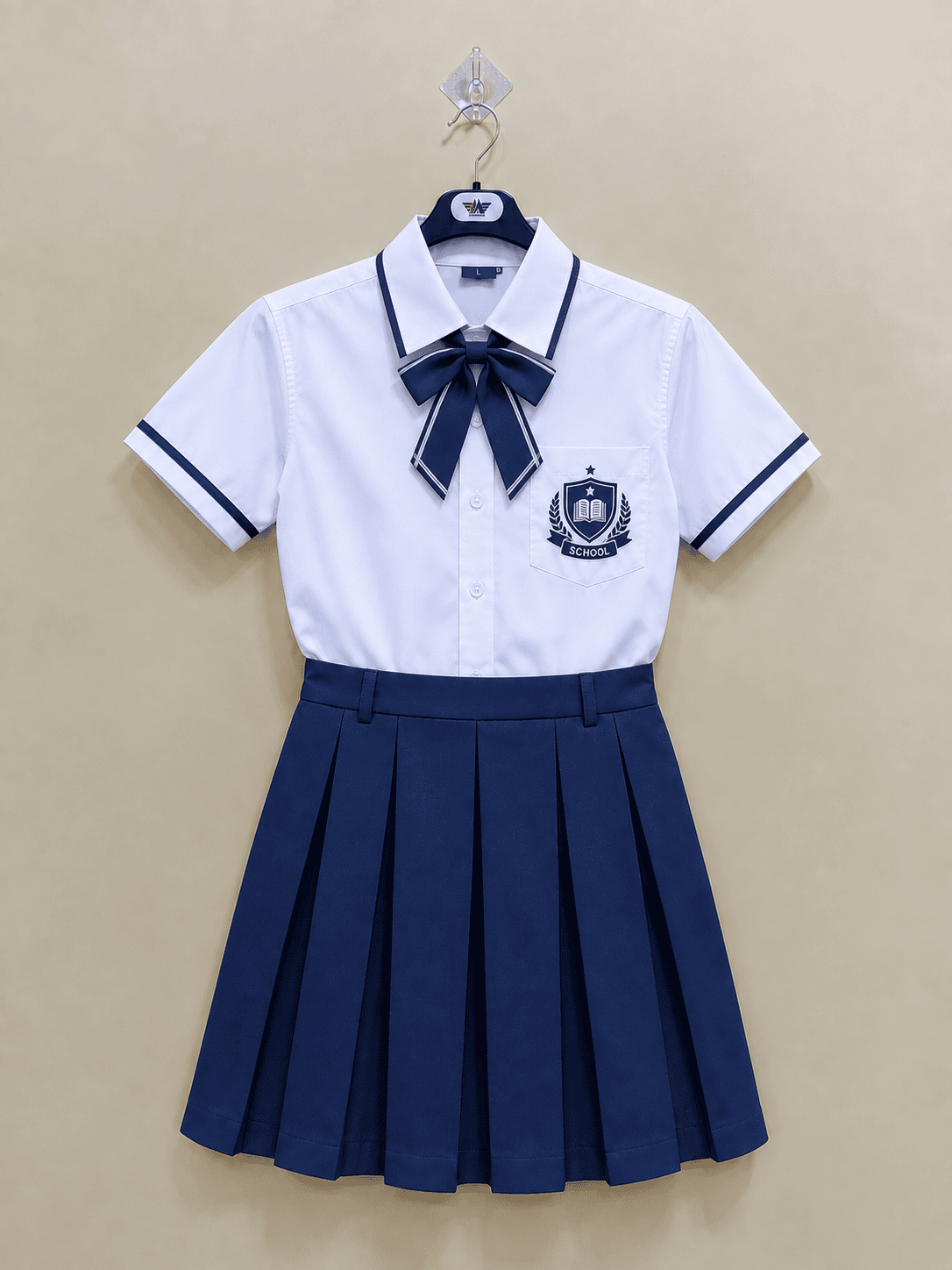
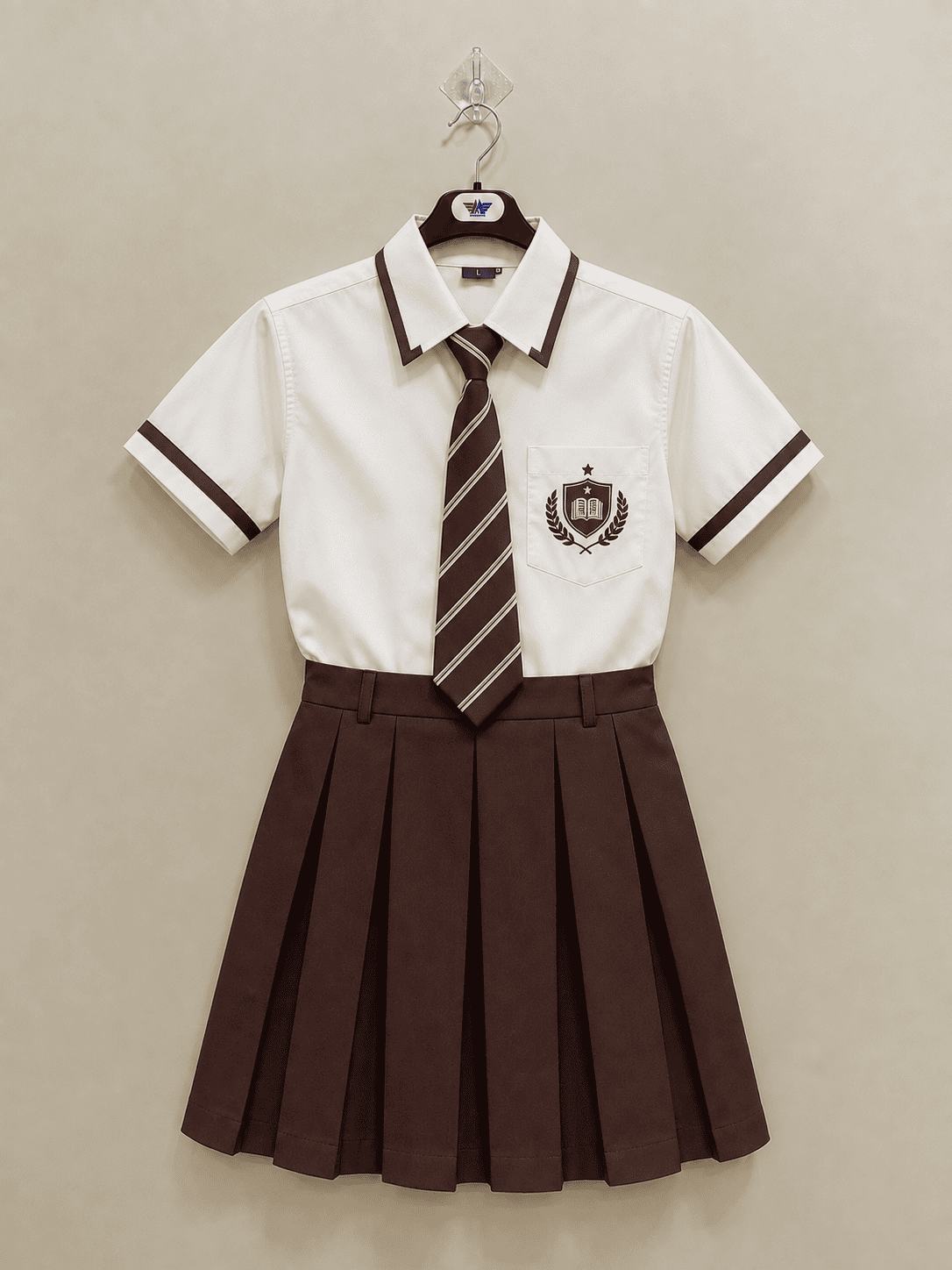
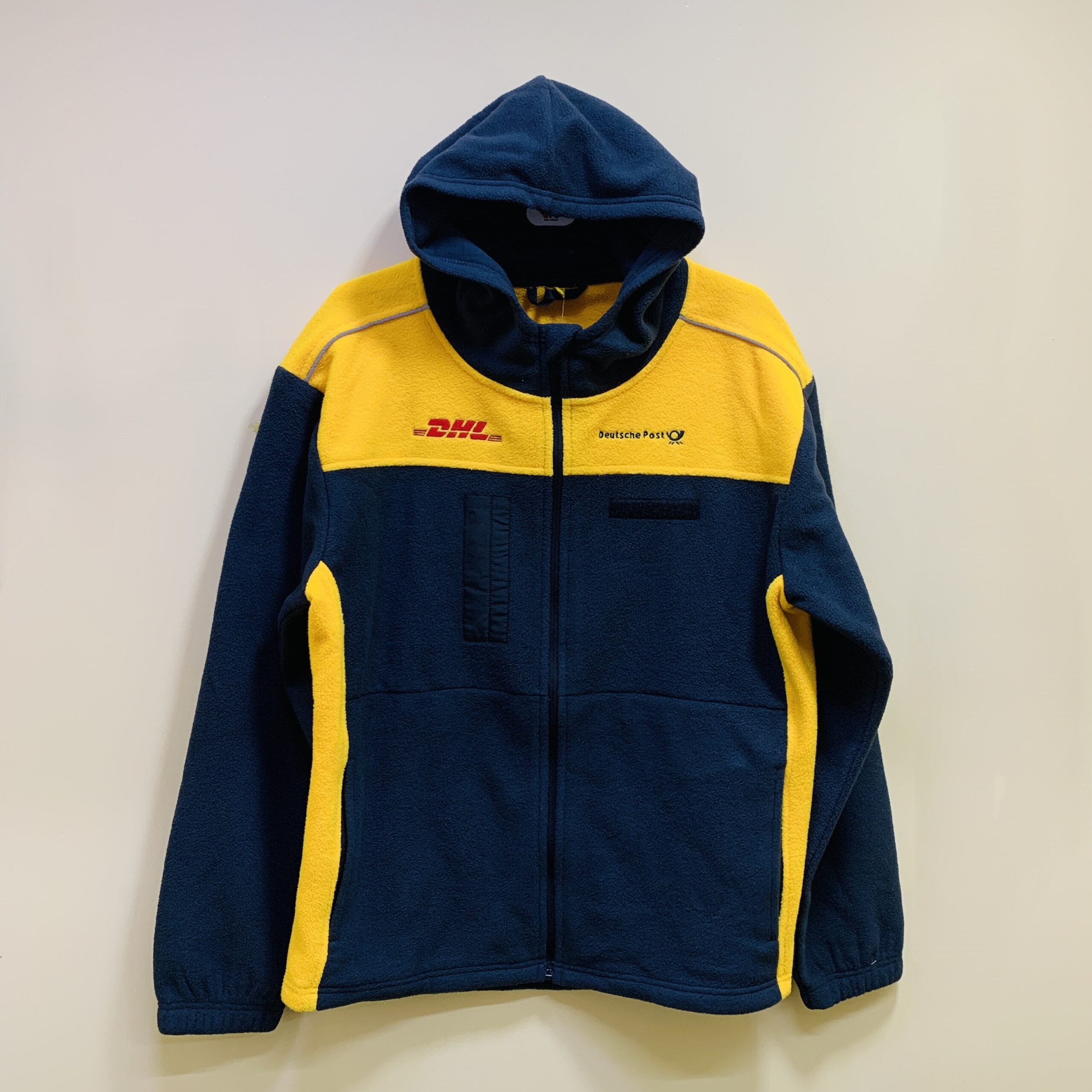
Catalogue photographs do not prove fibre composition, fabric weight, current stock or a relationship with a visible brand. Obtain an identified material proposal for the actual enquiry.
4. Approve colour, collars and cuffs as a system
School polo fabric selection includes trims, not just the body. Identify the collar, cuffs, placket material, buttons and sewing thread where coordination matters. The appearance of a finished polo depends on how those components work together.
Approve the colour method with the buyer. A phone photograph is helpful for discussion but should not be the only reference for a critical school shade. Record the physical reference and the conditions used to compare body and trim proposals.
Check collar shape and cuff recovery on the completed garment before and after the agreed care process. A collar approved as a loose component may sit differently after attachment. Examine the placket for distortion and the interaction of trims with the body material.
For repeat orders, retain the approved material and trim references. If a supplier proposes an alternative, identify what changed and review the affected colour, fit, branding and care decisions before accepting it.
| Component | Record | Review |
|---|---|---|
| Body | Fabric and shade reference | Coverage, handle and dimensions |
| Collar | Construction and colour reference | Shape and attachment |
| Cuffs | Structure and dimensions | Comfort and recovery |
| Placket and buttons | Material, colour and placement | Appearance and operation |
| Thread and decoration | Approved references | Coordination and care appearance |
5. Assess dimensions and appearance after care
School polo fabric selection needs a clear care assessment. Agree the washing and drying procedure, identify the sample and record measurements before and after the process. Check width and length alongside seam alignment, collar shape and overall appearance.
CottonWorks’ shrinkage and skewing resource explains that knitting, processing, finishing and care influence dimensional stability. For a buyer, this supports assessing the finished proposal rather than assuming that composition alone predicts the result.
Define acceptance criteria with the buyer and the supplier. Request relevant laboratory evidence where required and confirm what sample, material or garment the evidence covers. An informal wash can highlight development issues, but it is not a substitute for required testing.
Review surface appearance and colour interaction as well as measurements. Record observations about contrasting panels, seams, trims and decoration. Avoid unsupported labels such as “zero shrinkage,” “anti-pilling” or “colourfast” without an agreed basis and relevant evidence.
Keep an approved unwashed reference and a documented cared-for comparison where practical. If the material or finish changes later, determine which assessments need to be repeated. Use the sample approval guide to keep those decisions traceable.
6. Review fit and school crest execution on the chosen material
A fabric can look promising on a swatch and still need changes in a complete polo. Review the sample against the approved measurement chart and fit it with the intended layers. Check reaching, sitting, neckline comfort and sleeve movement.
Approve the school crest on the actual fabric. Record artwork version, finished dimensions, colours and placement measured from fixed landmarks. Inspect the surrounding knit and reverse side, then review decoration appearance after the agreed care assessment.
Use the same material reference throughout the fit and branding records. A decorated sample made in a different fabric should be clearly marked as limited to that purpose. Do not treat an artwork approval as approval of the full garment.
| Decision | Evidence | Release question |
|---|---|---|
| Material | Identified swatch and specification | Is the final fabric confirmed? |
| Colour and trims | Physical approved references | Are all components agreed? |
| Fit | Chart, diagrams and comments | Have corrections been resolved? |
| Branding | Decorated sample and artwork | Is execution accepted? |
| Care | Procedure and results | Are buyer criteria met? |
The seven bars below illustrate approval steps only. They do not describe a live production order, a performance score or a guaranteed completion rate.
Stage 1: Brief agreed
Stage 2: Composition confirmed
Stage 3: Knit and weight selected
Stage 4: Colour and trims approved
Stage 5: Care assessed
Stage 6: Fit and crest approved
Stage 7: Specification released
7. Quote and reorder against the approved specification
School polo fabric selection should end with a specification that both parties can use. Include composition, construction, finished weight and tolerance, colour references, trims, measurements, branding and the approved care requirements in the technical pack.
Ask the supplier to quote the final proposal with style, colour and size quantities, packaging, destination and timing expectations. Confirm whether the material is a standard option or requires development. Minimum quantities, sample charges where applicable and production timing need project-specific confirmation.
For overseas distribution, decide whether labels and packs are organised by individual SKU, size assortment or complete sets. Coordinate the specification with the packing checklist so the approved garment is also identifiable at receiving.
Retain material, colour, trim, artwork and sample references for replenishment. Ask about current availability before committing to an identical repeat. Any substitution should trigger a review of the affected approvals rather than being accepted under the same familiar style name.
Browse the school uniform buying guide and polo ordering guide for related steps. M&A Sourcing’s Workwear Manufacturer in Bangladesh homepage covers the wider product range.
Send a school polo enquiry with reference images, destination, size quantities, colour standard, proposed material and artwork. Request a confirmed material proposal and sampling plan through the school uniform manufacturing enquiry page.
School polo fabric selection FAQs
What is the best fabric for a school polo?
There is no universal best option. Assess the actual material against the wearing conditions, comfort, coverage, care process and buyer-approved performance criteria.
Is cotton always better than a blend?
Do not decide from composition alone. Compare identified samples with the proposed knit, weight, finish and garment construction.
Does a higher GSM mean better quality?
No. Weight is one specification. Evaluate it with coverage, handle, movement, construction and care results for the intended use.
How should piqué and jersey be compared?
Review actual proposals for texture, opacity, drape, fit and care appearance. A construction name alone does not establish a quality grade.
Can a photograph confirm composition or GSM?
No. Request a written specification and identified swatch or sample. Product photographs are visual style references.
Should collars and cuffs be approved separately?
Record their specifications and colour references, then review them attached to the finished garment before and after the agreed care process.
How should a school crest be approved?
Approve dimensions, colours and measured placement on the intended material. Review the decorated garment and relevant care results.
Can a home wash replace required laboratory testing?
No. Informal care assessments can reveal development issues, but required laboratory evidence must be obtained separately for the exact requirements.
What should international buyers provide?
Send the destination, garment brief, size quantities, colour references, proposed care process, artwork and any importer-approved market requirements.
How can repeat school polo orders remain consistent?
Retain approved material, trims, colour, artwork and sample references. Reconfirm availability and assess substitutions before production.