Workwear Polo Shirts: 7 Essential Tips for Better Orders
By M&A Sourcing Ltd. | 14 October 2026
Workwear polo shirts need a clear brief connecting fabric, fit, collar construction, branding and care. This buyer guide explains seven practical decisions with real catalogue images, specification tables and a sample approval workflow.
1. Define the role of workwear polo shirts
Workwear polo shirts can form part of a coordinated staff uniform, but the buying brief should start with the actual workday. Identify who will wear the garment, whether it is tucked in, which layers accompany it and what movements need review. Record the intended care arrangement before choosing material and decoration.
When discussing a Workwear Manufacturer in Bangladesh, use a written brief to connect brand presentation with practical garment requirements. M&A Sourcing Ltd. supports apparel development and sourcing discussions against buyer specifications. Confirm the proposed scope, materials and responsibilities for your actual programme.
Separate requirements shared by every wearer from department-specific preferences. Customer-facing staff may have a different presentation brief from a team working between indoor and outdoor locations. Agree whether one design serves the whole programme or whether different sleeve, fit or colour options are needed.
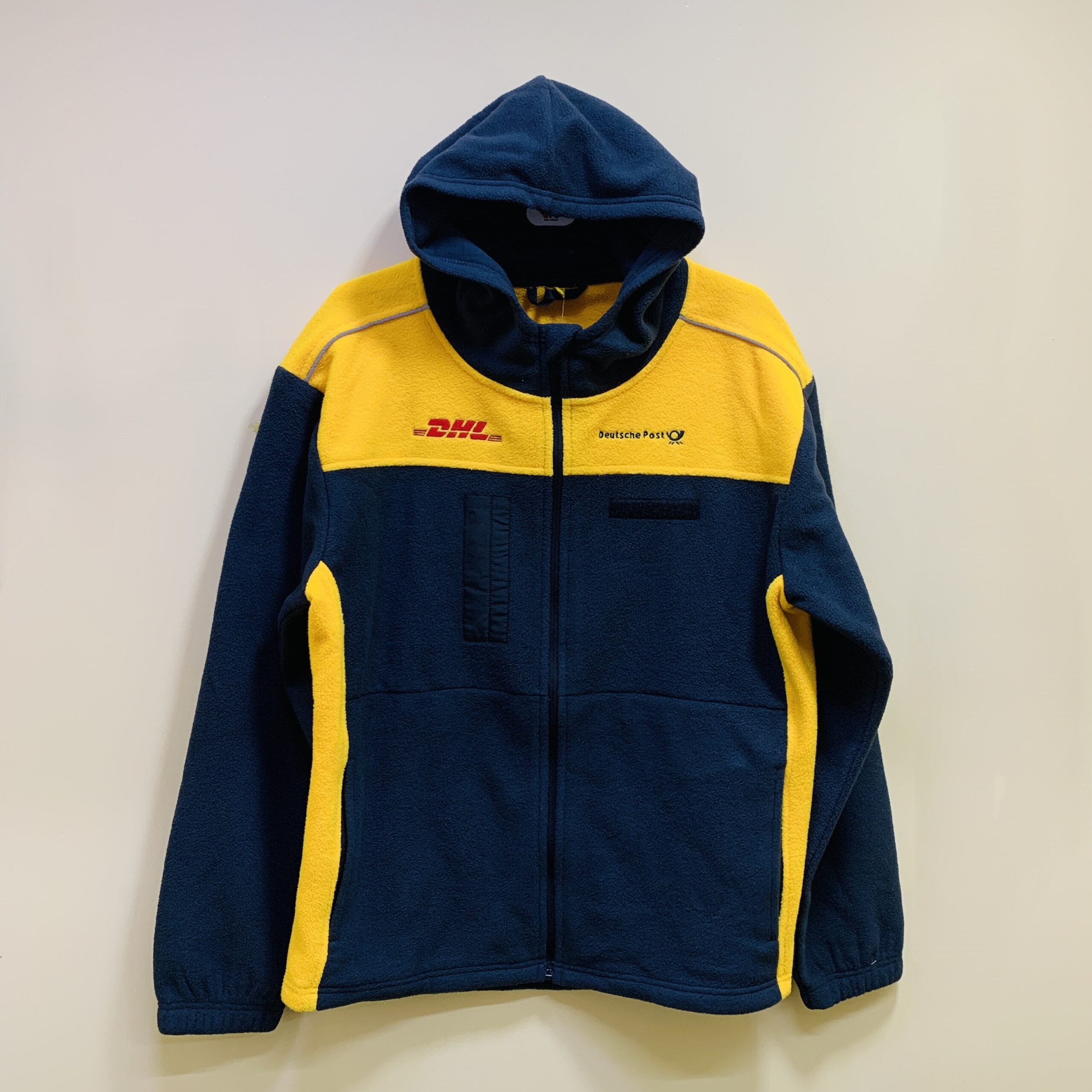
Visit our Tees & Polos product range for existing catalogue references. Use the photographs to identify a starting design, then define the materials, measurements and construction for your own order.
2. Specify fabric, structure and colour together
Fabric for workwear polo shirts needs more than a fibre name. Record composition, knitted structure, weight, finish and colour reference. Two materials described as a cotton blend can differ in handle and garment behaviour. Ask for labelled swatches and identify the accepted reference in the bill of materials.
Piqué and jersey describe structures; cotton and polyester describe fibres. Keep these fields separate when comparing options. Rather than assuming one combination is universally best, review relevant materials in the proposed garment and intended care conditions.
GSM describes fabric mass per square metre. It does not establish comfort, shape retention or protective suitability on its own. Consider the material with the collar, placket, seams and logo treatment. A heavier option can affect bulk and drape without resolving every wearer concern.
Keep colour decisions traceable. Approve against agreed physical references and identify how the body fabric, collar and cuffs should relate. A screen image may introduce the colour scheme but should not silently become the controlling shade reference.
Our workwear fabric selection guide explains material approvals and substitutions. Mark provisional components clearly if the first sample does not use the final proposed fabric.
| Field | Record | Review |
|---|---|---|
| Composition | Fibre percentages | Confirm the proposed material |
| Structure | Piqué, jersey or proposed alternative | Review in the garment |
| Weight and finish | Agreed reference and requirements | Relevant sample evaluation |
| Colour | Physical reference and trim relationship | Accepted shade decision |
3. Review collar, placket and sleeve details
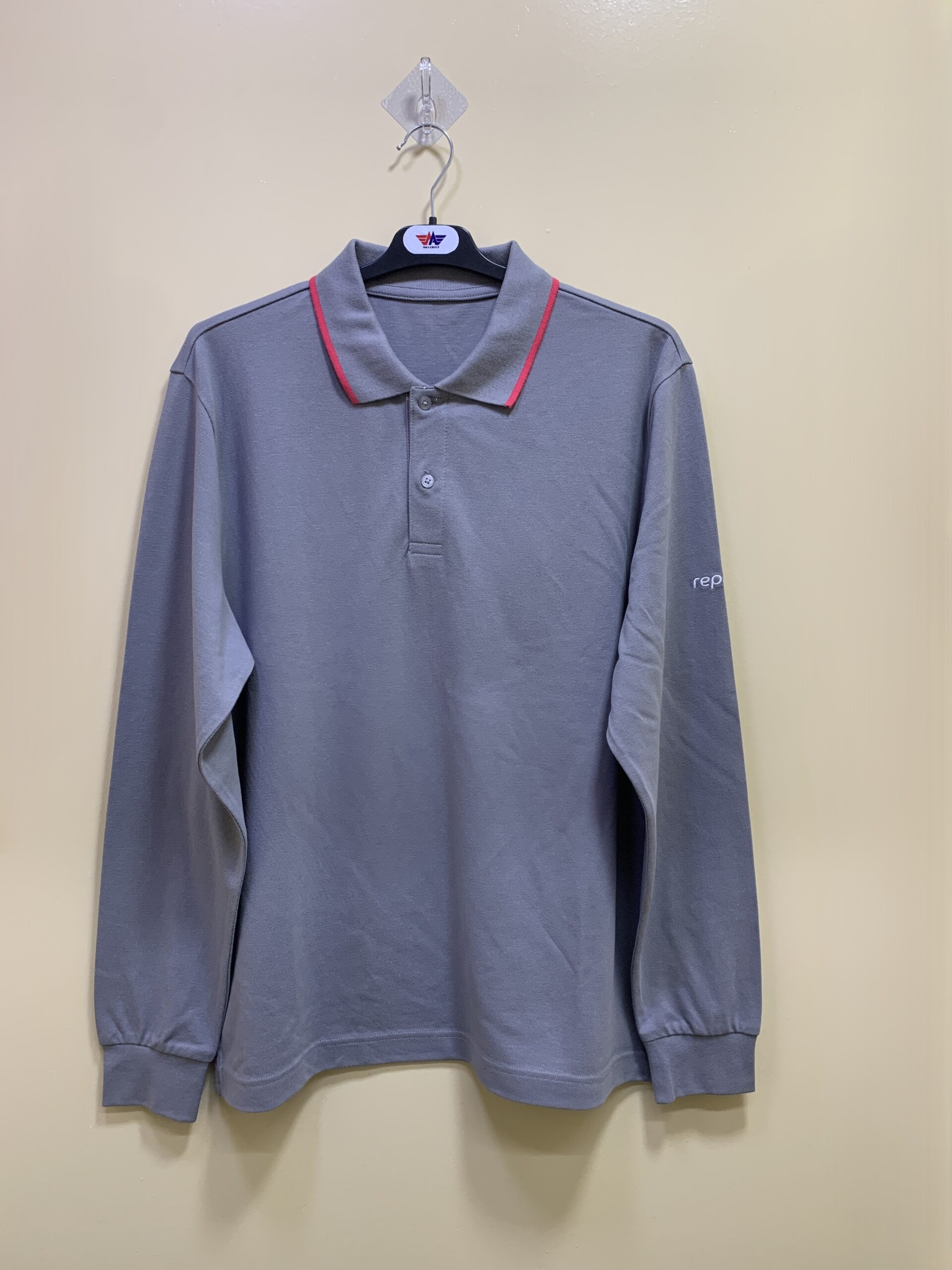
The collar and placket give workwear polo shirts much of their visual identity. Specify collar shape, dimensions, trim colours and the relationship with the neckline. Review the assembled garment rather than approving these parts only as separate components.
Define the placket length, number of buttons, button reference and appearance when opened and closed. Check alignment, stitching and the finish around the lower end. If contrast tape or a decorative detail is requested, identify its position and material.
For sleeve finishes, identify whether the design uses a cuff or hem and record its dimensions. Review the opening during the wearer trial, especially where reaching or layering is relevant. A sleeve comment should refer to the affected size and sample revision.
Include side vents, hem shape and any chest pocket in the construction drawing. These details can affect the garment’s presentation when tucked or untucked. When a detail changes, update the related measurements and sample instructions together.
| Component | Define |
|---|---|
| Collar | Shape, dimensions, material and colours |
| Placket | Length, buttons, placement and finish |
| Sleeves | Cuff or hem, opening and length |
| Body hem | Shape, length and side vents |
| Dimensions, position and construction if requested |
4. Test fit on the intended wearers
Fit trials for workwear polo shirts should connect the measurement chart with actual movement. Record the sample code, size and layers used. Review shoulder position, chest, body length, sleeve relationship and access where the design includes pockets.
Distinguish body dimensions from finished garment measurements. Define the measuring method, units and agreed tolerances with the technical team. A flat chest width and a body chest circumference should not be placed under an unexplained common heading.
Check relevant positions such as sitting, reaching and raising the arms. Observe whether the garment remains suitable for its intended presentation and movement. Keep measurement findings separate from observations about comfort or personal preference.
Review representative sizes where the programme requires a range. Approval of the base size can leave grading questions unresolved. Agree which points change and whether pocket, logo or trim placement needs additional size-specific instructions.
Use our workwear size chart guide to organise the sizing record. Confirm the actual staff quantity allocation instead of assuming a universal size ratio.
| Check | Record | Decision |
|---|---|---|
| Measurements | Method, chart revision and findings | Review against agreed targets |
| Movement | Wearer, size and situation | Identify any fit amendment |
| Layers | Garments worn together | Confirm intended use |
| Size range | Representative sample identities | Resolve grading questions |
5. Approve decoration on a relevant sample
Branding on workwear polo shirts needs an identifiable artwork file, dimensions, colours and placement reference. “Left chest” is a starting description, not a complete measurement instruction. Define position against a garment reference and identify how placement is handled across the size range.
Discuss the proposed decoration method with the team against the actual fabric and design. Review a relevant decorated sample where needed. Look at appearance, placement and the relationship with seams, collar and placket rather than relying only on a digital mock-up.
For technical construction discussions, the Coats polo-shirt application guide provides thread and needle selection guidance. Use garment-specific recommendations with the technical team. This reference does not claim that every catalogue item uses a particular component brand.
Keep brand, size and care labels in a separate artwork register. Identify who approves each version. If the material specification changes, review the associated information rather than copying the label from another style.
Our custom branded uniform guide covers related artwork and approval planning. Any requested performance or certification claim needs its own evidence and responsible review.
6. Review care, sample comments and revisions
For workwear polo shirts, agree the intended care process before completing sample approval. Record which measurements and observations are reviewed before and after the agreed evaluation. Include the sample and material identities so the findings refer to a reproducible combination.
Review the complete garment: body fabric, collar, cuffs, seams, buttons, labels and decoration. Record relevant changes precisely and identify any required follow-up. An initial appearance approval does not establish how a substitute material will behave.
Consolidate buyer comments into a dated issue register. Describe the location and observation, assign an action and owner, then record the decision. Resolve conflicting reviewer requests before the supplier makes another sample.
If a collar shape, logo position or measurement changes, identify the controlling revision and affected files. State whether another garment sample, component review or document amendment is required. Keep conditional approvals visible until they are resolved.
Use the workwear sample approval guide and tech pack checklist to connect comments with accepted drawings, materials and measurement records.
7. Compare quotations and control repeat orders
Compare workwear polo shirts quotations against the same specification. Identify the material, collar and cuff basis, decoration, labels and packing included. Ask each supplier to state assumptions and exclusions before comparing the unit price.
Prepare a style-colour-size quantity matrix and reconcile it with the total order. Keep manufacturing quantities separate from distribution allocation. Departments or receiving locations may need different assortments, labels or packing instructions.
Request order-specific minimum quantities, sample terms and schedules after the brief is reviewed. No universal MOQ, sample price or lead time is offered in this article. Confirm the scope and commercial basis for the actual programme.
For repeat orders, retain the accepted garment, material codes, artwork, measurements and packing references. Confirm current component availability and review any alternative before release. A familiar style name should lead to a controlled comparison with the accepted starting point.
Wearer feedback can help improve the next programme when it becomes a precise revision request. Identify the garment, size, situation and affected detail. Review the proposed amendment through the relevant sample process instead of making an undocumented change.
Send your proposed workwear polo shirts brief, references, measurements, artwork, quantities and destination through the contact page to discuss development and sourcing requirements.
| Topic | Question |
|---|---|
| Material | Which fabric, collar and cuff references apply? |
| Branding | What development and decoration are included? |
| Sampling | Which reviews and amendments are covered? |
| Packing | What assortment and identification are included? |
| Schedule | Which assumptions control the proposed timeline? |
Real polo and uniform catalogue references
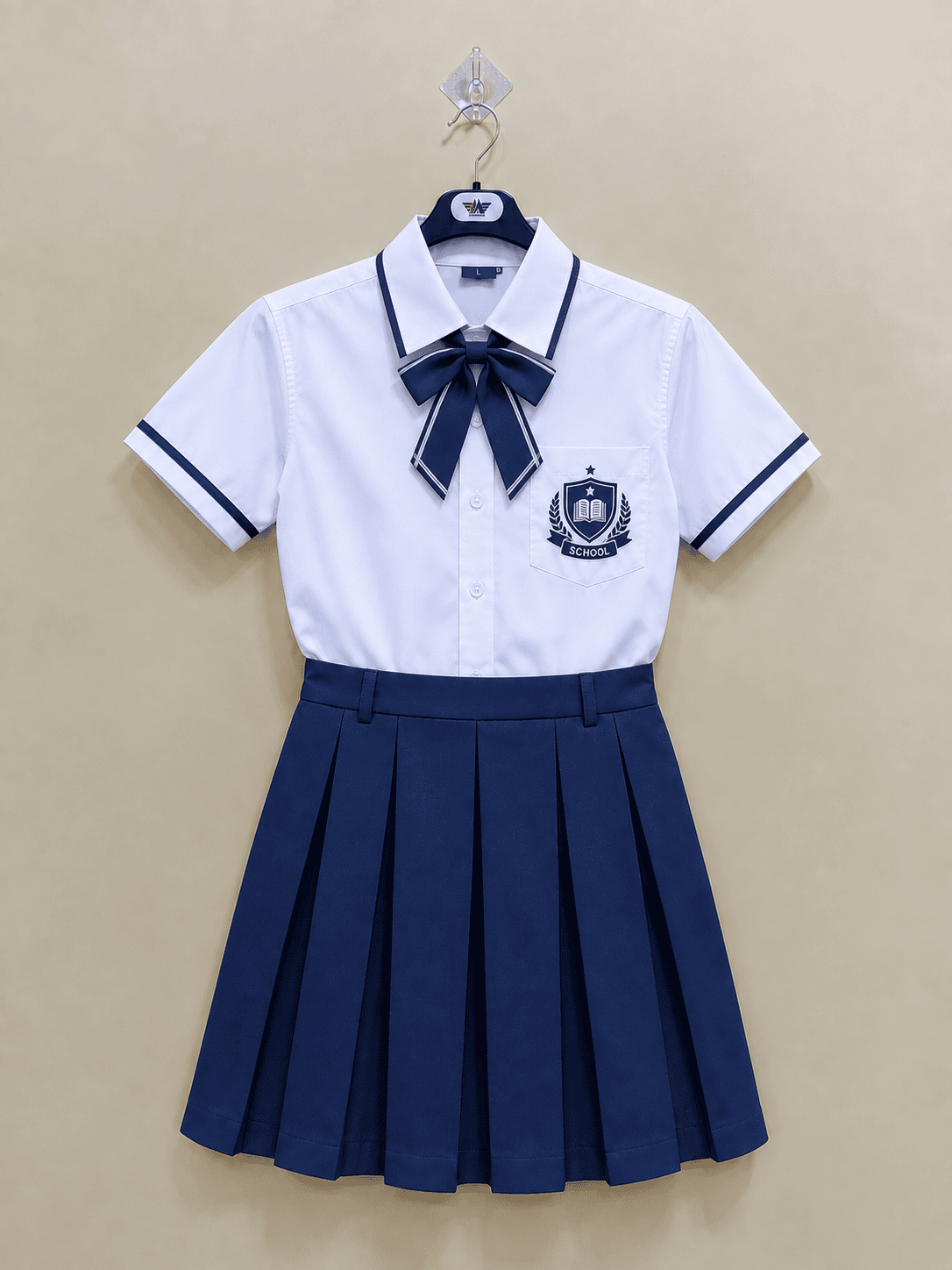
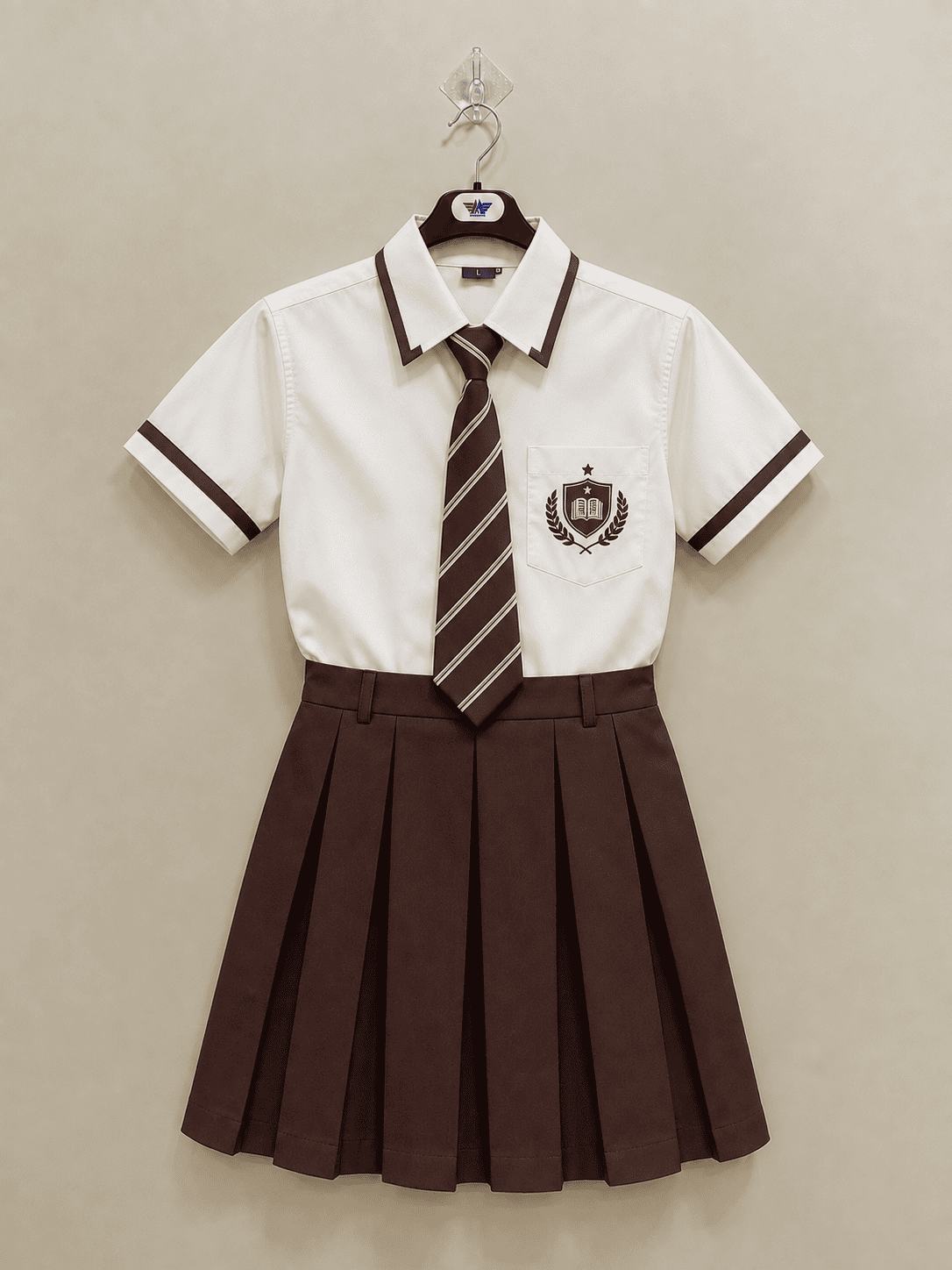
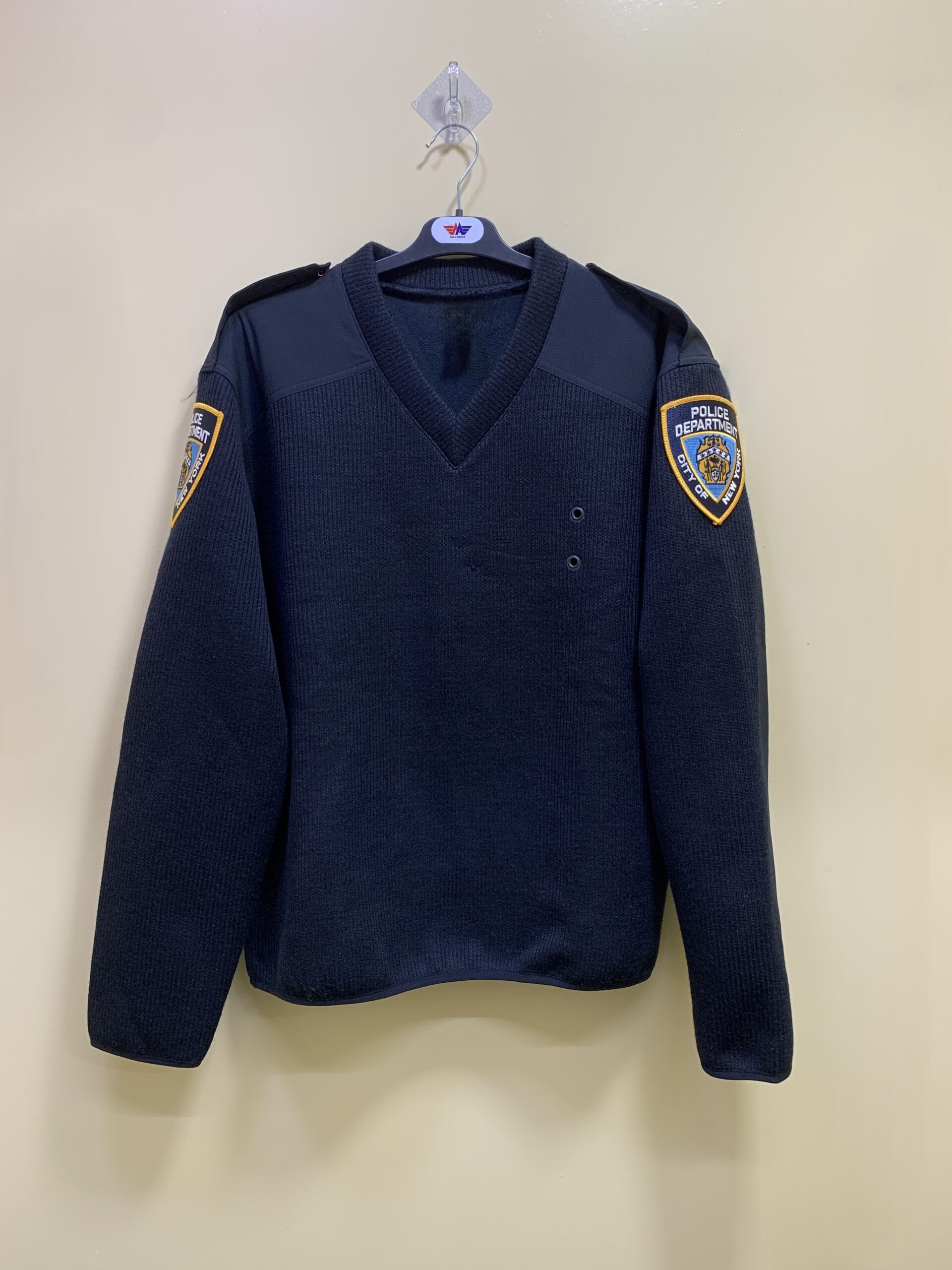
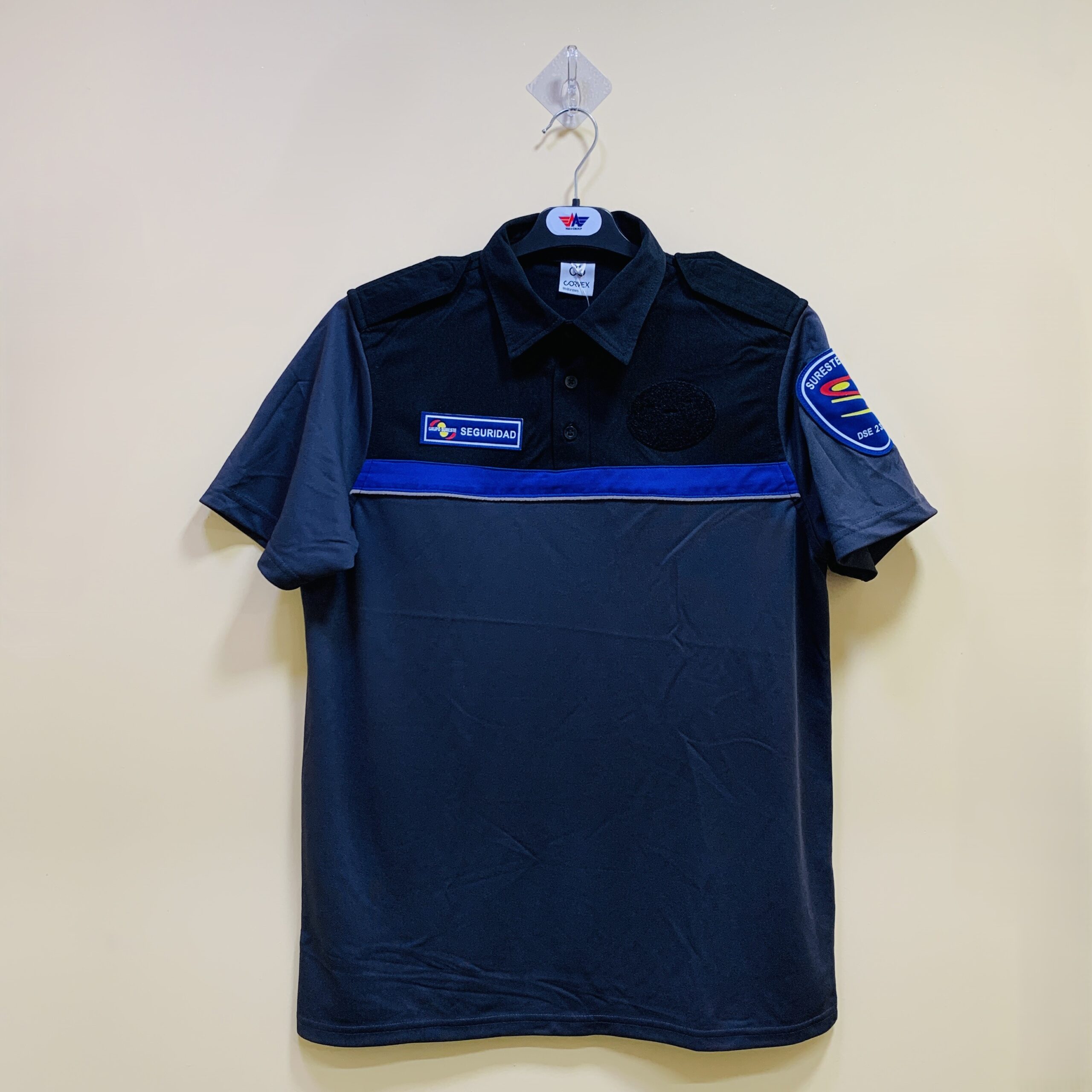
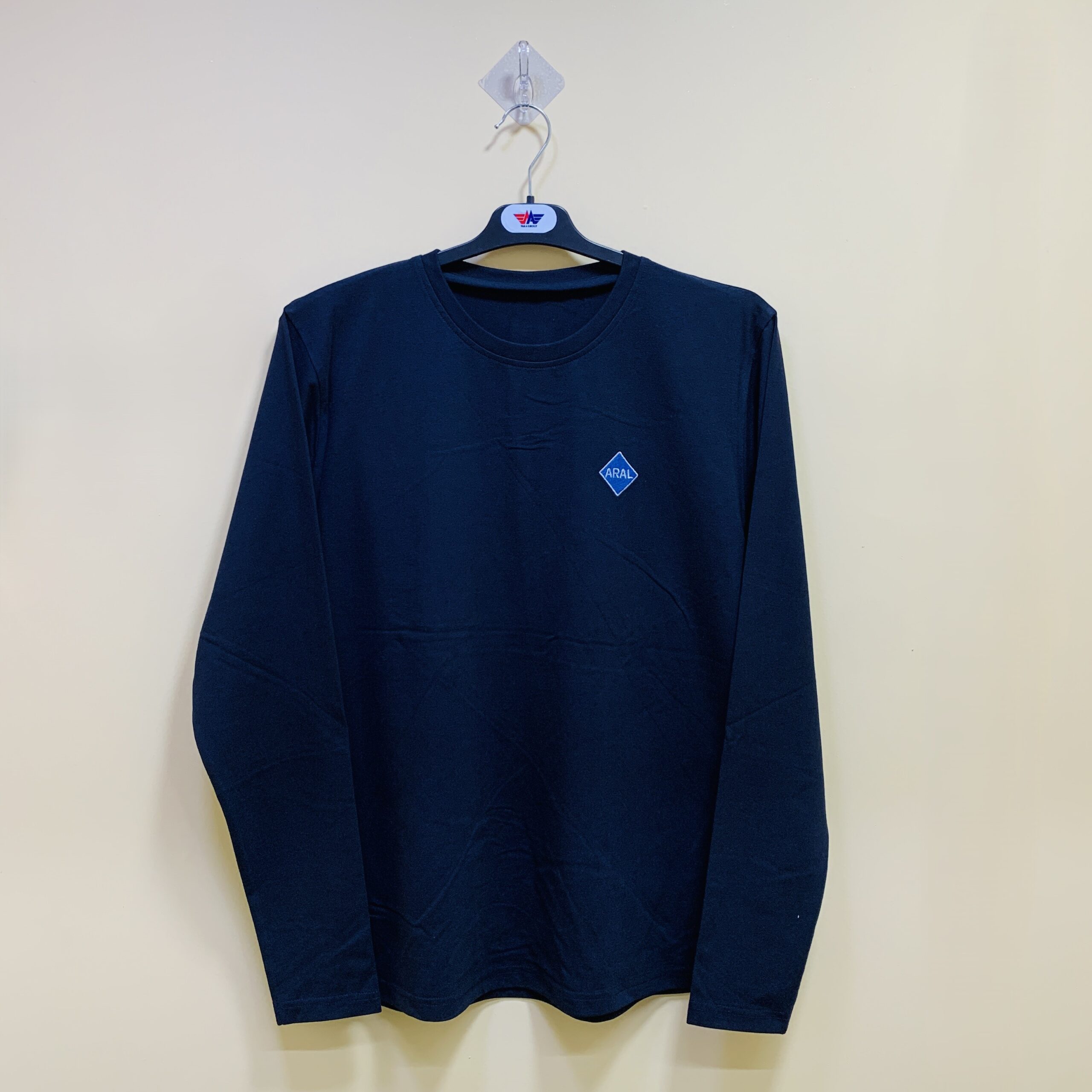
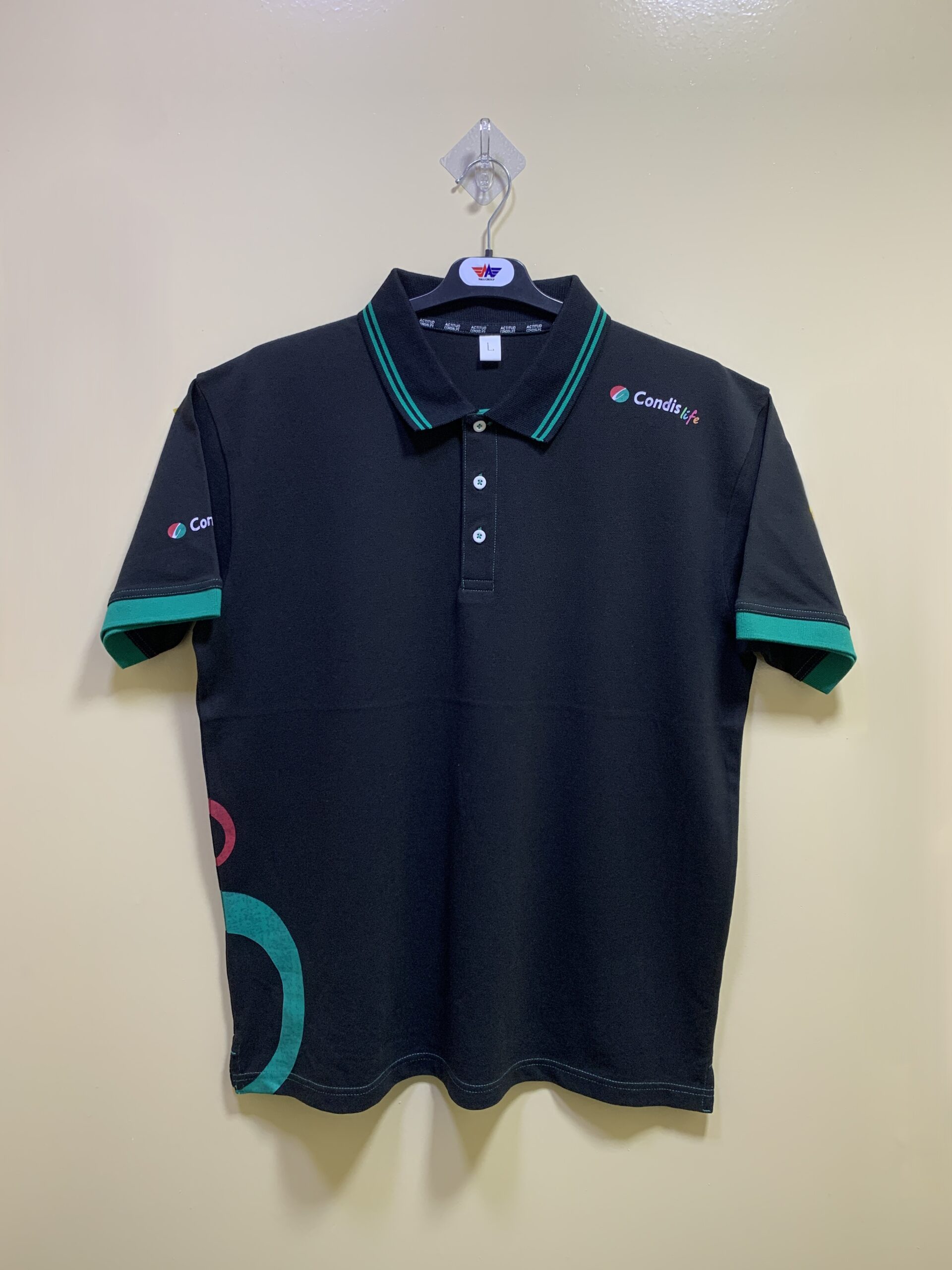
These images come from the existing Tees & Polos catalogue. They introduce design references; confirm the material, availability and proposed modifications for your programme. Displayed branding is part of the reference image and is not presented here as proof of a current customer relationship.
Illustrative polo development milestones
These bars show the sequence of review decisions, not live order progress or guaranteed completion percentages.
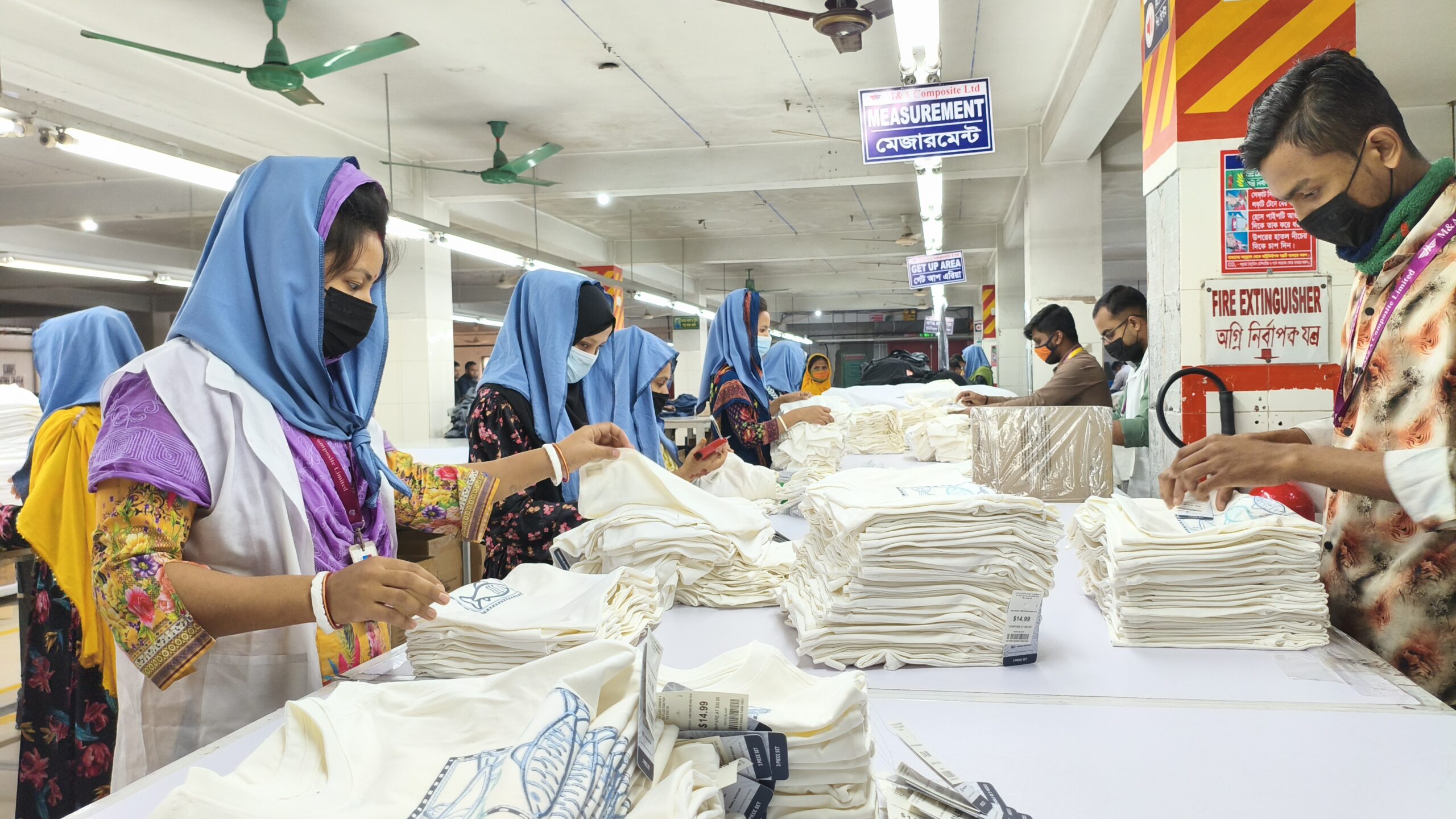
Company staff and garment production environment
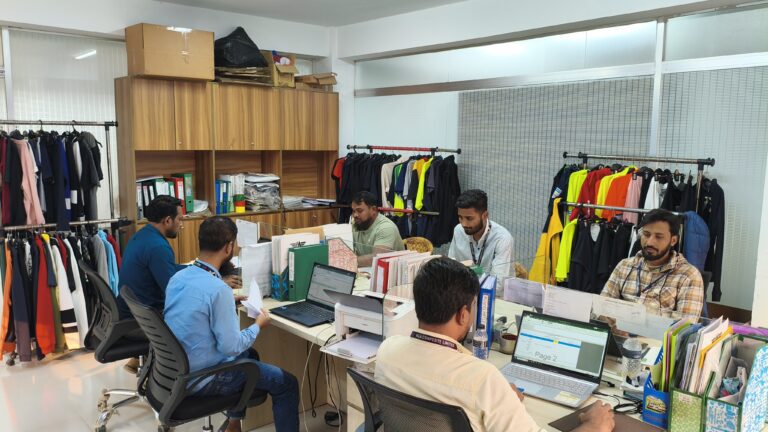
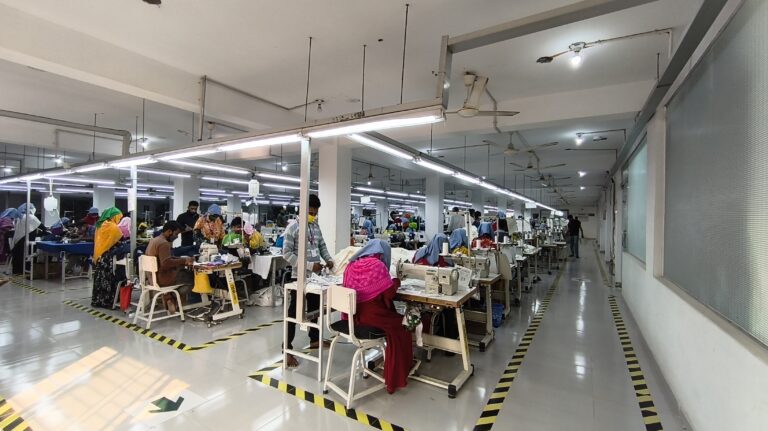
Original company photographs show the working environment. Programme-specific samples and records support approval decisions.
Frequently asked questions
What should a workwear polo shirts brief include?
Define intended use, fabric, collar and placket details, measurements, artwork, care, quantities and packing.
Is piqué a fibre composition?
No. Record the knitted structure separately from the fibre composition so proposed materials can be compared clearly.
Does higher GSM always mean a better polo?
No. Review the material with garment design, wearer needs, decoration and intended care.
Can I approve a logo only from a mock-up?
A mock-up can explain appearance, but relevant material and decoration questions may need an actual decorated sample.
How should collar and cuff colours be approved?
Use accepted physical references and record their relationship with the body fabric.
Are size labels identical across suppliers?
Do not assume they are. Confirm the actual chart, measurement method and label mapping for the proposed style.
Can catalogue images confirm current availability?
No. Use them as starting references and confirm the actual proposal with the team.
How should sample changes be recorded?
Use a dated register with the sample identity, finding, action, owner and buyer decision.
Is there a fixed minimum order or production time?
Request programme-specific terms after materials, quantities, design complexity and development scope are reviewed.
How can I discuss a polo order with M&A Sourcing?
Send garment references, material preferences, measurements, artwork, quantity matrix and destination through the contact page.
Discuss your workwear polo programme
Share the proposed style, material preferences and branding requirements for a development discussion.
Request Polo Development →