School Uniform Size Set Approval: 7 Steps for Better Fit
School uniform size set approval helps international uniform buyers assess measurements, proportions and fit across an agreed sample range. This guide explains how to define the review, record corrections and connect accepted sizes with production specifications and packing.
The worksheets identify information to approve; they intentionally do not invent universal children’s garment measurements. Confirm the chart, sample scope and commercial arrangements for the actual enquiry.
Table of Contents
1. Define what the size set must prove
School uniform size set approval is the review of samples across an agreed size range before a buyer releases the relevant production decisions. It helps reveal proportion and fit issues that may not appear in one development size. The scope must be agreed: a size set can demonstrate measurements and construction without automatically approving final colour, fabric or branding.
List every garment separately. A polo, shirt, trouser, skirt and sweater need different measurement points and fit observations. Record the sizes to be sampled, the proposed material and the purpose of each sample. Identify any substitute component so a limited approval cannot be mistaken for approval of the complete product.
International buyers should explain the intended wearer range and destination. An age label from one supplier should not be treated as a universal fit promise. The School Uniform Manufacturer in Bangladesh page is the main product enquiry destination; this article supports it with a practical approval workflow.
| Decision | Buyer input | Record |
|---|---|---|
| Garments | Separate style codes and designs | Approved range list |
| Sizes | Agreed sizes for the review | Size set request |
| Material | Final or identified substitute | Sample limitations |
| Purpose | Measurements, fit or complete approval | Scope statement |
| Authority | Who approves and who consolidates comments | Named owner |
2. Separate body sizing from garment measurements
School uniform size set approval requires two different concepts to stay clear. A body sizing system describes the intended wearer; a finished-garment chart describes the product. The relationship includes the design and intended wearing ease, so a body circumference should not simply be copied into a garment measurement cell.
As technical background, ISO 8559-3’s public scope concerns the creation of body measurement tables and intervals. It is a reference for sizing methodology, not a ready-made school uniform pattern, universal garment chart or certification of the products shown here.
Define every finished-garment point with a diagram. For example, state where a chest width is measured, how body length starts and whether sleeve length uses a shoulder or centre-back reference. For bottoms, define relaxed and extended waist where relevant, hip position, rise and inseam.
Agree the controlling units and rounding convention. If both centimetres and inches are displayed, preserve one approved master rather than editing two conflicting charts. Our measurement chart planning guide provides related record structure.
| Garment | Point to define | Method and approval entry |
|---|---|---|
| Polo or shirt | Chest width and body length | Diagram, value by size and tolerance |
| Top | Shoulder or sleeve measurement | Starting point and measuring route |
| Trouser or skirt | Waist and hip | Relaxed/extended state and location |
| Trouser | Rise and inseam | Defined seam reference |
| Sweater | Neckline, cuff and hem | Measuring state and dimensions |
3. Review size progression and garment proportions
Do not assume that every measurement must increase by the same amount from one size to the next. Ask the pattern team to document the agreed progression, then review the resulting samples against the intended wearer range. A chart can be internally consistent and still produce proportions the buyer does not want.
Compare related points together. In a top, consider chest, shoulder, armhole, sleeve and length as an interacting design. In bottoms, review waist, hip, rise, thigh and length together. A correction made to one point may require a pattern review elsewhere.
Check the smallest and largest agreed samples carefully as well as the development size. Record which sample exposes the issue and whether the proposed correction affects one size, a group or the whole range. Do not request a global change when the observation applies only to one sample.
For school programmes with different fits or length options, keep those variants identifiable. Avoid hiding them under the same generic size name. The international sourcing guide explains how to place sizing decisions within a wider buyer brief.
4. Conduct a fit trial with a consistent method
School uniform size set approval combines measured review with an appropriate fit trial. Use the intended underlayers and ordinary movements such as sitting, reaching and walking. For a sweater, review the garment over the intended shirt or polo; for bottoms, check waistband comfort and movement while seated.
Record observations about coverage, pressure, pulling, excess bulk and closure access. Make comments specific enough to support a correction. “The hem rises during reaching” is more actionable than “fit is bad,” especially when paired with the sample ID and relevant measurement.
Use an appropriate, consent-based process for any wearer assessment and keep identifying student information out of routine supplier records. Anonymised observations and approved size references are usually sufficient for development discussion. Photographs should be handled according to the buyer’s permission and privacy process.
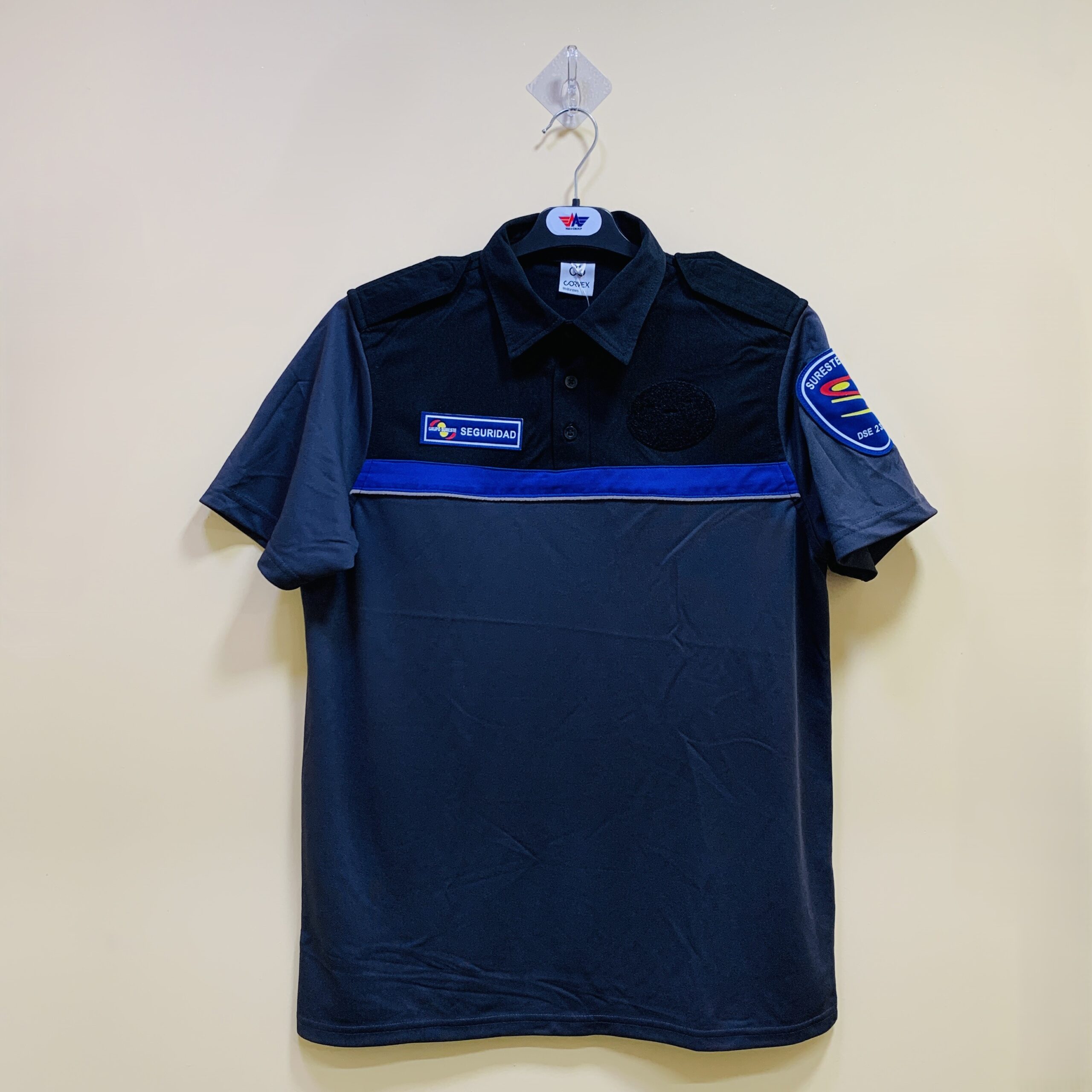
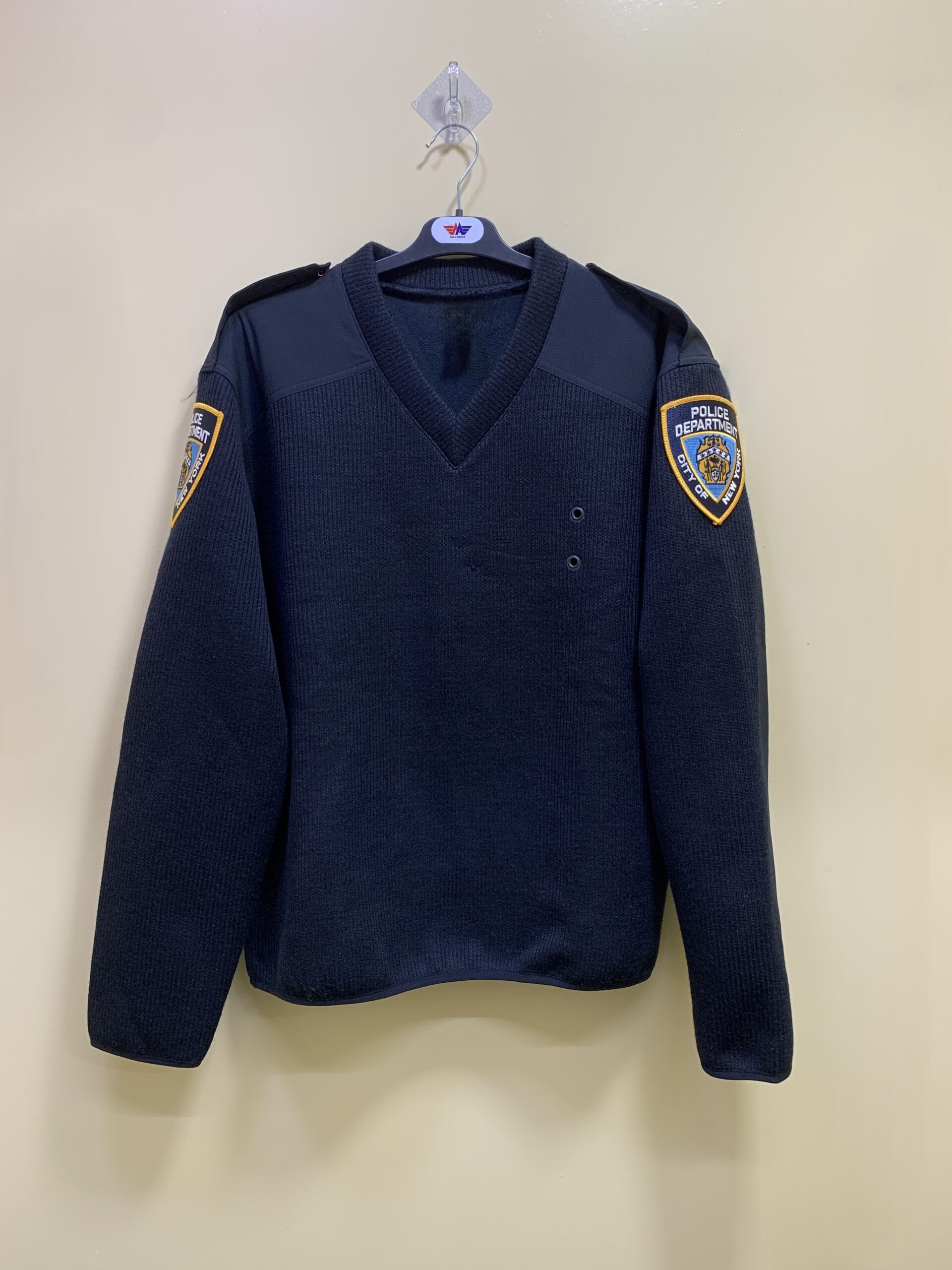
Review the school uniform buying guide alongside product references for tees and polos and sweaters. Catalogue pictures demonstrate style direction; they are not evidence that a particular fit trial has been completed.
| Sample reference | Observation | Correction request | Recheck |
|---|---|---|---|
| Buyer to enter | Specific movement or pressure issue | Measurable change or pattern review | Result and reviewer |
| Buyer to enter | Coverage or proportion issue | Identify affected size scope | Result and reviewer |
| Buyer to enter | Closure or pocket access issue | Define the required outcome | Result and reviewer |
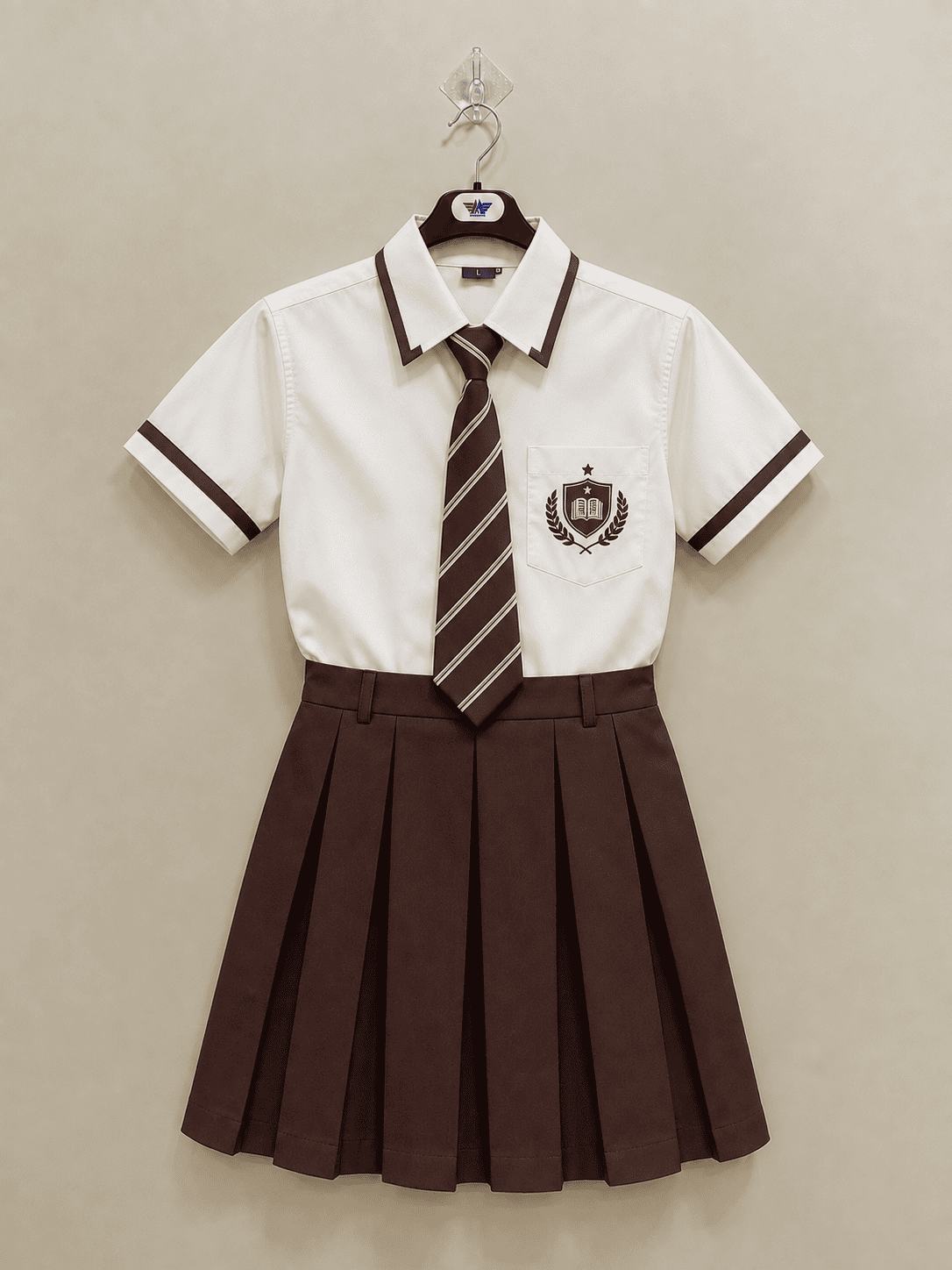
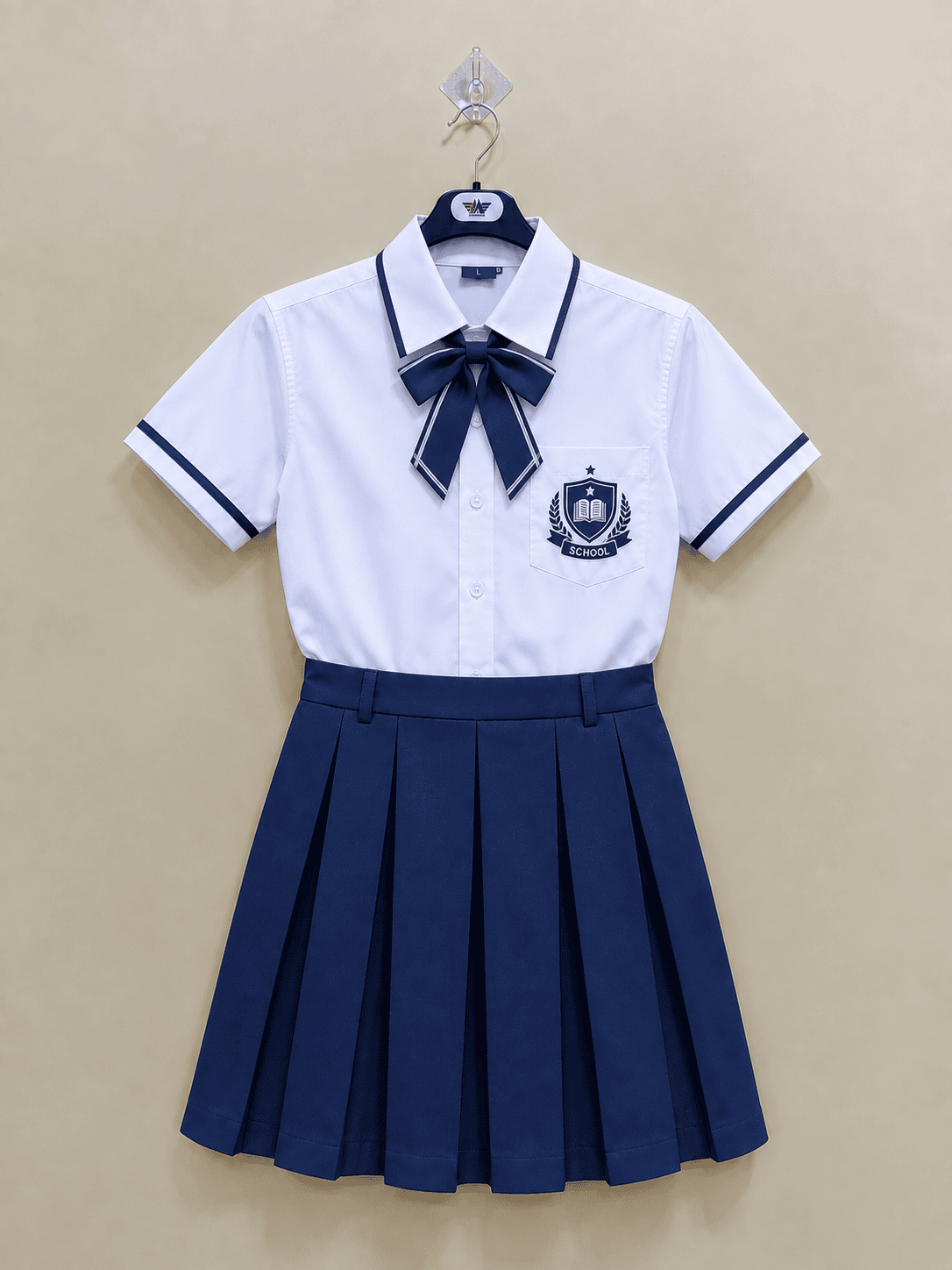
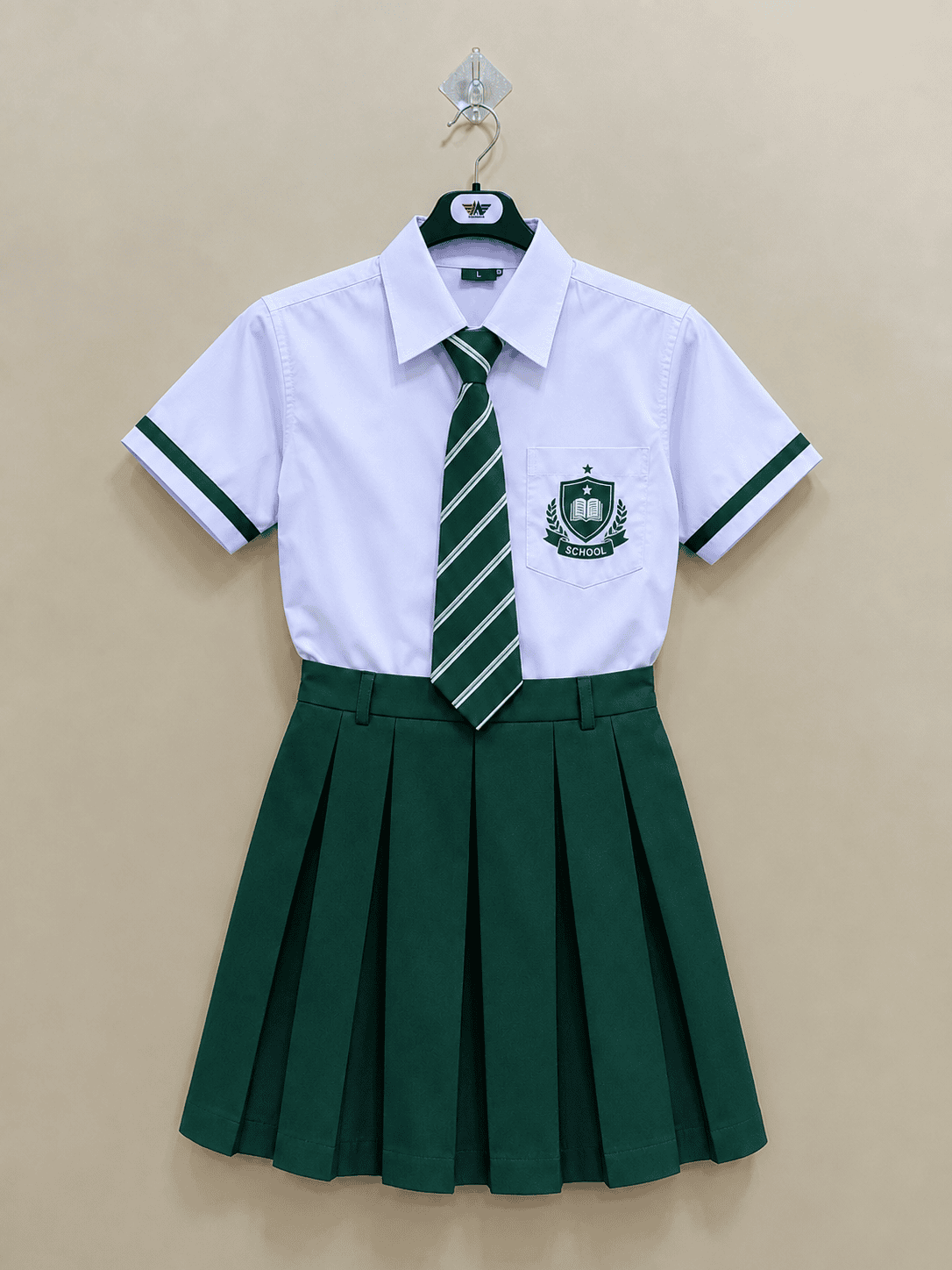
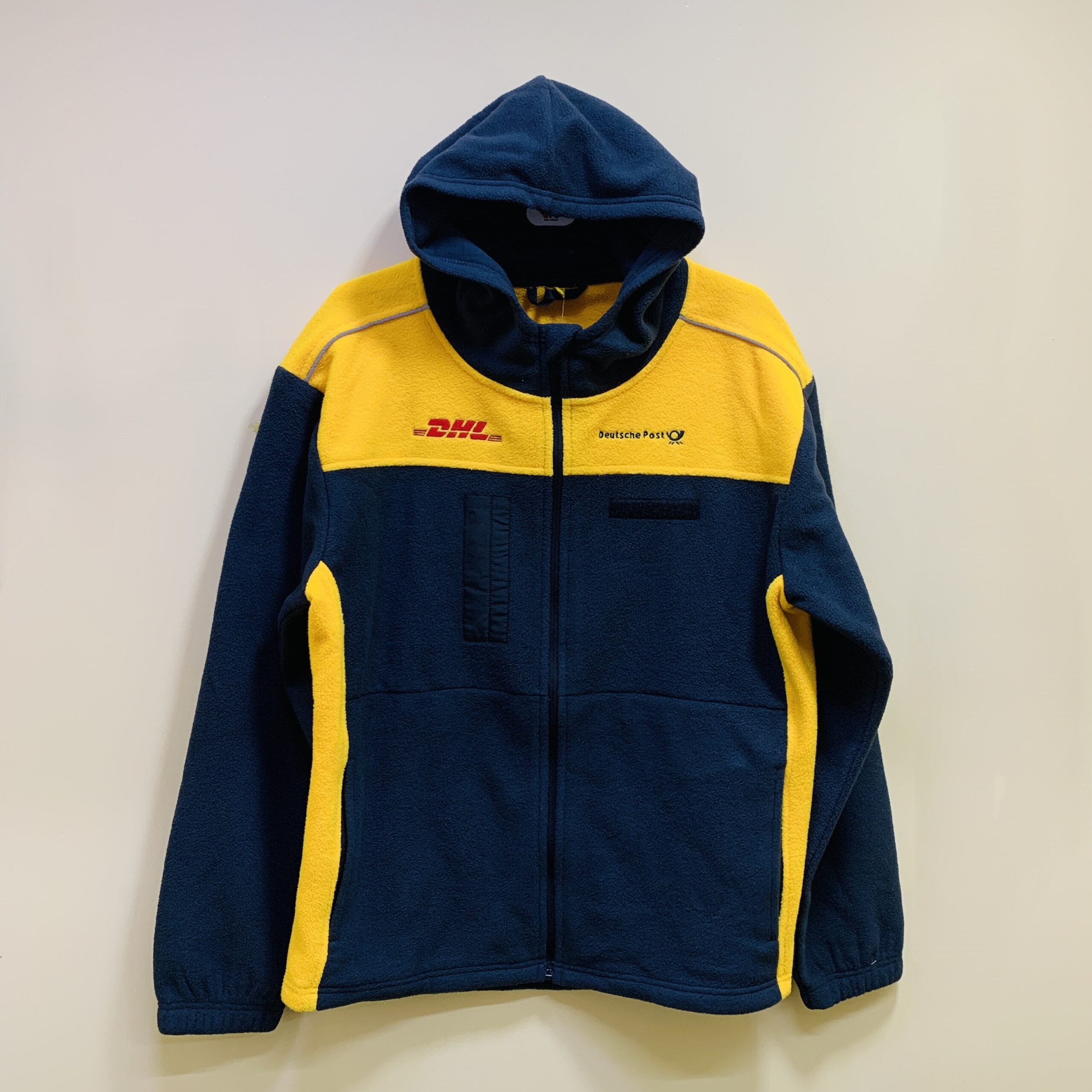
Product images are catalogue references, not proof of a completed size set, current stock or brand relationship.
5. Recheck the relevant sizes after agreed care
A sample that fits before washing may behave differently after the intended care process. Agree which representative samples and assessments are needed, identify them clearly and retain the procedure with the results. Do not compare an unwashed measurement from one revision with a washed sample from another without recording the difference.
Review garment dimensions, shape, seams and trims together. For polos, include collar and placket appearance. For sweaters, review neckline and rib shape under the approved care instructions. For bottoms, look at leg alignment, waist behaviour and closures.
Coordinate the care review with material approval. A size set made in substitute fabric cannot establish final fabric performance. Record whether new material requires further assessment before release. The school polo fabric selection guide covers material and care questions in more detail.
Agree acceptance criteria and required evidence with the buyer. An informal sample assessment may highlight development issues; any required laboratory testing remains a separate obligation. Avoid declaring universal shrinkage limits or performance guarantees from a generic article.
6. Close comments through a controlled approval record
School uniform size set approval should produce one clear decision for each style and revision. Consolidate comments before sending them to the supplier, identify conflicts and name the person authorised to resolve them. Multiple reviewers can contribute, but the pattern team needs one current instruction.
Give each requested change an identifier and track its status. Ask whether a correction affects the chart, pattern, construction or only a sample-making error. Those are different problems and may require different evidence at the next review.
Before release, reconcile the accepted sample with the current chart and specification. Identify any outstanding condition explicitly. An approval that excludes fabric, colour or decoration should remain limited to that scope; it should not silently become full production approval.
| Field | Record to retain |
|---|---|
| Style and revision | Exact garment and sample reference |
| Chart | Approved version and controlling units |
| Corrections | Issue IDs, action and recheck result |
| Limitations | Substitute materials or excluded approvals |
| Decision | Accepted, correction required or held |
| Authority | Reviewer, date and release scope |
The progress bars below illustrate seven approval stages. They are not a live order tracker, a quality rating or evidence that an actual production order has been completed.
Stage 1: Scope agreed
Stage 2: Chart defined
Stage 3: Progression reviewed
Stage 4: Fit assessed
Stage 5: Care reviewed
Stage 6: Corrections closed
Stage 7: Size references released
7. Connect approved sizes to labels, packing and reorders
After school uniform size set approval, confirm that garment labels and order quantities use the approved size names. A correct pattern can still reach the wrong customer if the size sticker, product identifier or carton assortment uses an outdated reference.
For international orders, keep the destination-specific label review separate from the fit decision. Approval of garment dimensions does not establish that all market requirements have been met. Assign the relevant importer or qualified reviewer to the applicable product and label checks.
Decide whether tops and bottoms are sold separately or packed as sets. Record permitted size combinations and reconcile them with the order matrix. Use the packing checklist to keep garment identity connected to carton records.
Retain the approved chart, sample ID, material reference, fit comments and correction log for repeat orders. Reconfirm what has changed before reusing the approval: a new material, altered construction or revised wearer range may require further review.
Use the technical pack checklist and sample approval guide to organise the handover. M&A Sourcing’s Workwear Manufacturer in Bangladesh homepage introduces the wider uniform and workwear range.
Send a school uniform development enquiry with style references, intended wearer range, destination, proposed chart and size quantities. Request a confirmed sampling scope and quotation assumptions through our school uniform manufacturing page.
School uniform size set approval FAQs
What is a school uniform size set?
It is an agreed selection of garment samples across a size range, reviewed against the approved chart and intended fit. Define which sizes and approval purposes are included.
Is approval of one sample size enough?
One development size may not reveal problems across the range. Agree which sizes must be assessed for the particular programme.
Are body measurements the same as garment measurements?
No. Body dimensions describe the wearer, while garment measurements describe the product. The design and intended wearing ease connect the two.
Can age labels establish international fit?
Do not assume that they do. Use an approved measurement system and assess the intended wearer range rather than relying on age labels alone.
Should every measurement increase by the same amount?
Do not assume a uniform increment. Ask the pattern team to document the agreed progression and review the resulting garment proportions.
Can substitute fabric be used for a size set?
If agreed, mark the limitation clearly. Such a sample does not establish final material, colour or care performance.
How should fit comments be recorded?
Identify the sample, revision, observation and affected measurement or detail. State a specific correction and retain the recheck result.
Does size approval confirm all market compliance requirements?
No. Destination-specific product and label reviews must be completed separately by the responsible parties.
Do these tables provide ready-made children’s sizes?
No. They are approval worksheets. Enter values and tolerances approved for the actual garment and intended wearer range.
What should be retained for repeat orders?
Keep the chart version, sample identification, material reference, fit comments, correction log and release scope. Review changes before reusing an approval.