Comparing fleece vs softshell and padded jackets helps buyers build an outerwear range around real wearer needs. A soft layer for a cool reception area, a flexible jacket for a driver and a quilted outer layer for a seasonal collection each raise different questions. Choosing the product category first makes the later discussion about fabric, fit, features and price more useful.
This guide covers the five categories listed on M&A Sourcing’s outerwear page: fleece jackets, padding jackets, vests, hoodies and softshell. Use it to prepare an enquiry for an outerwear manufacturer in Bangladesh and to compare proposed products against a clear brief. Materials, minimum order quantities, prices, performance evidence and delivery dates require project-specific confirmation.
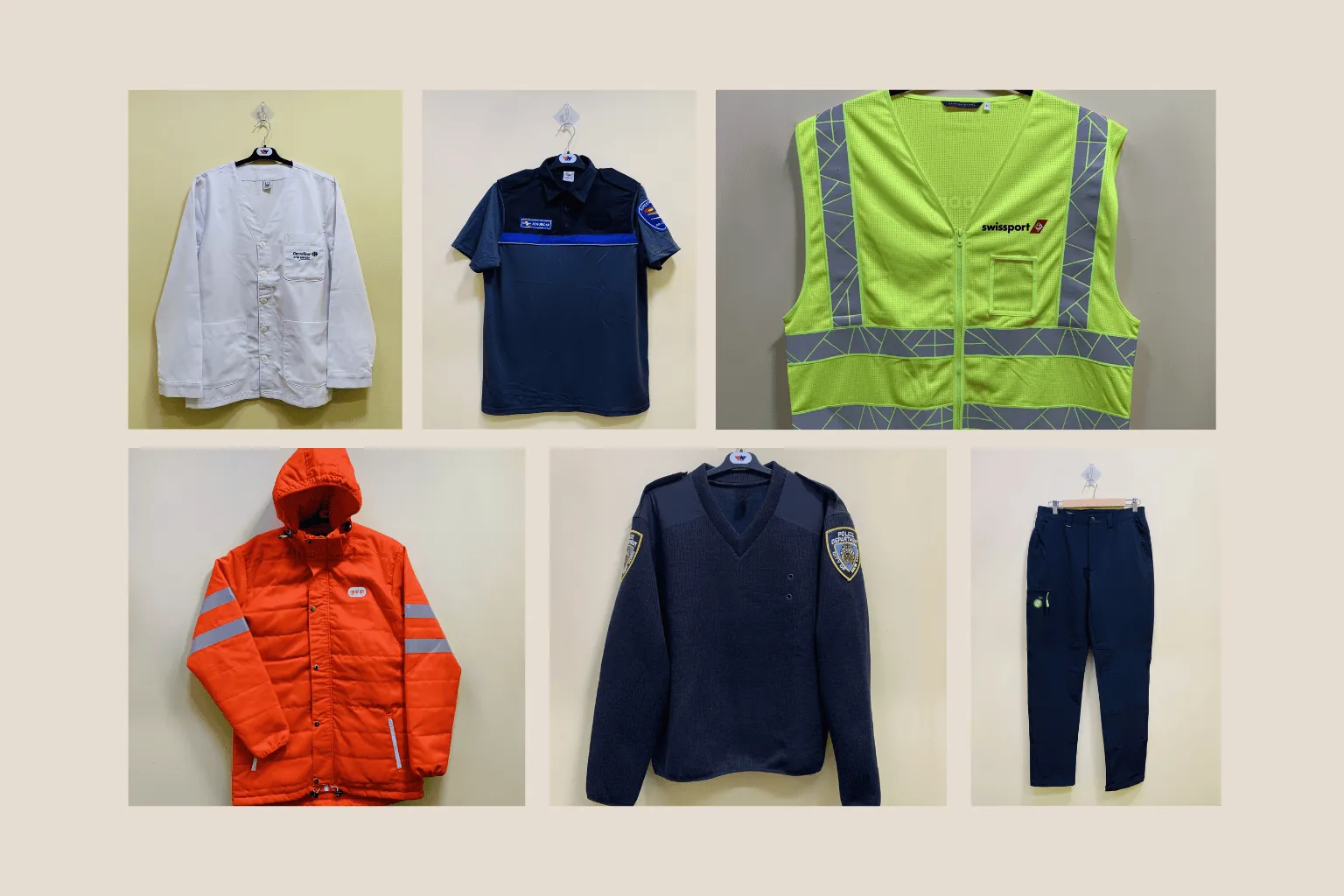
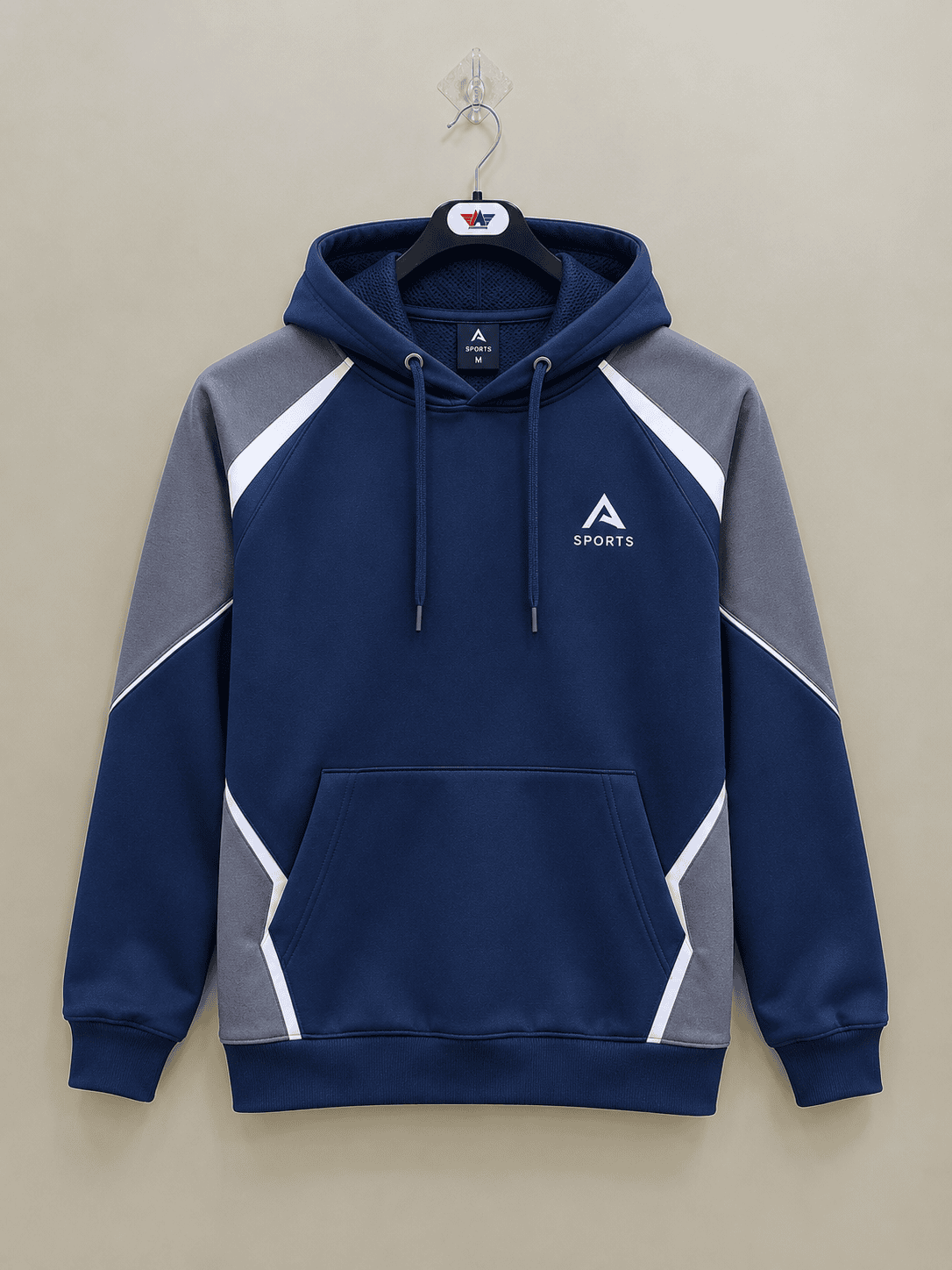
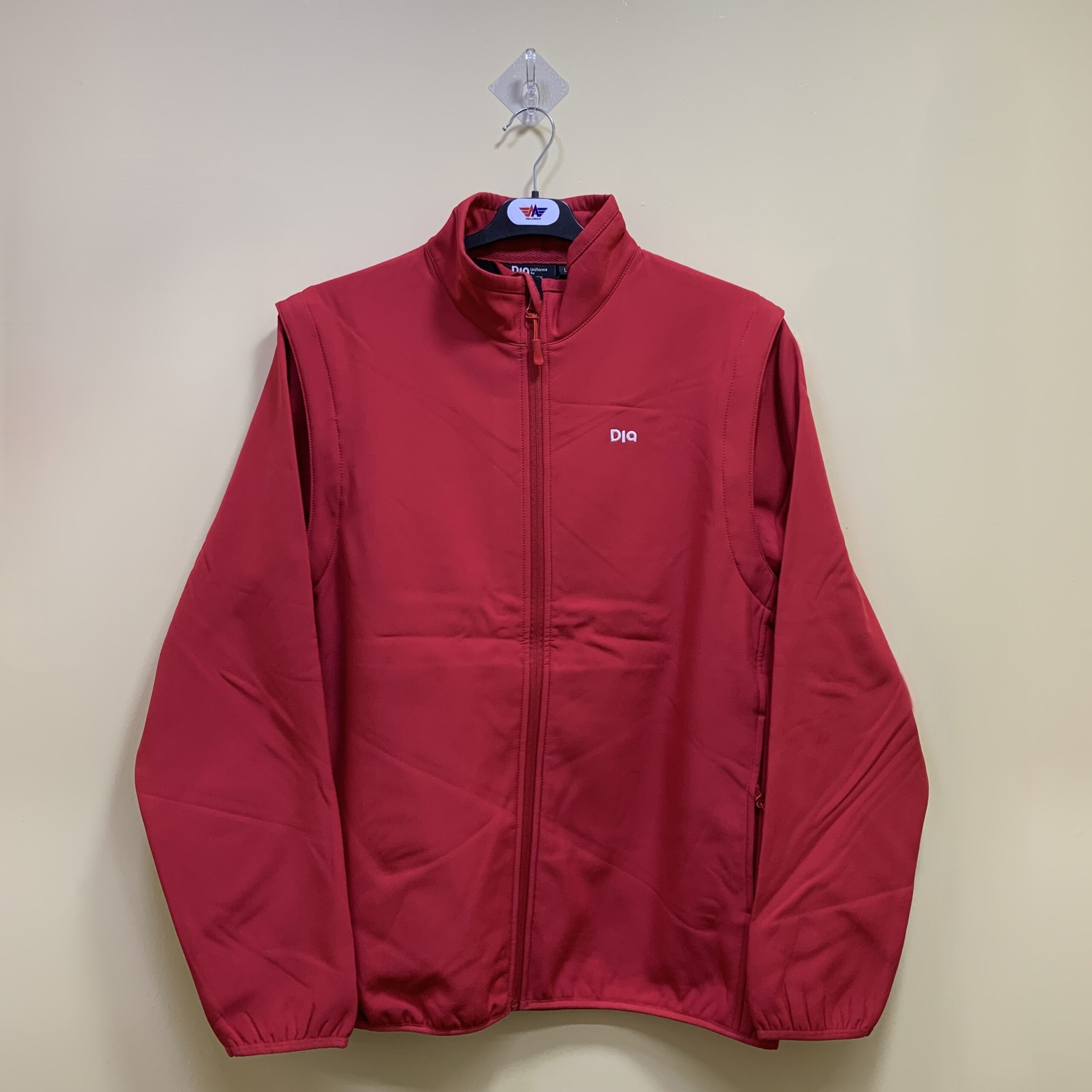
The nine checks below focus on product selection and development decisions. The assortment quantities are explicitly illustrative, and the photographs are catalogue references rather than proof of a particular performance rating. Follow the contents to the category you are considering, then use the shared fit, care and sampling checks before approving an order.
Table of contents
1. Start the fleece vs softshell comparison with the wearer
The most useful starting point is a description of an ordinary day. Record whether the wearer works inside, walks between buildings, spends time in a vehicle or remains outside for longer periods. Include the clothing normally worn underneath and the way the garment will be carried when it is removed. These details turn a broad request for a winter jacket into a product brief that a developer can interpret.
Consider a distribution business with a reception team and a delivery team. Reception staff may need a presentable layer for a cool entrance area. Drivers may need easy movement while seated and accessible pockets. Both teams can share a colour direction without wearing the same construction. Buying one heavy jacket for everyone can create avoidable compromises in comfort, storage and daily use.
A retail collection needs a similarly specific customer picture. A lightweight fleece sold for layering has a different role from a quilted jacket bought as a visible statement piece. Define the expected silhouette, how the item appears on a hanger and how it coordinates with the rest of the range. Ask whether the customer values low bulk, a soft interior, an adjustable hood or a particular surface appearance.
Write down the priorities in order. For example, a buyer could rank movement, easy care and visible branding above extra pockets. Another project could prioritise a compact packed size and a clean front. These are design choices to confirm with samples. They are more helpful than using words such as premium or performance without explaining what the finished garment must do.
Finish this stage with a short decision statement for each wearer group: intended use, preferred layer, essential features and evidence still needed. When reviewing fleece vs softshell or padded options later, return to that statement. It gives everyone a shared basis for accepting a product, requesting a change or removing an unsuitable style from the shortlist.
| Category | Role to explore | Key sample review | Confirm before approval |
|---|---|---|---|
| Fleece jacket | Soft, textured layer | Surface, collar, zipper and layering fit | Actual structure, care result and appearance criteria |
| Softshell | Structured outer layer matched to a defined brief | Material assembly, movement and edge finishing | Construction and evidence for each performance claim |
| Padded jacket | Insulated outerwear design | Shell, filling, lining and quilting balance | Layer specifications, fit and packed appearance |
| Outerwear vest | Sleeveless layering option | Armholes, chest, body length and pockets | Intended garment type and inner-layer combination |
| Hoodie | Casual layer within a coordinated range | Hood, neck opening, rib and front pockets | Fabric, decoration, wearer suitability and care result |
2. Fleece jackets: examine the surface, structure and layering role
A fleece jacket is often considered when the collection needs a soft, textured layer. However, fleece describes a broad family of materials and finishes. Two fabrics with a similar appearance can differ in composition, thickness, surface treatment, stretch and stability. Ask for the actual fabric construction, declared composition and target weight, together with a swatch that can be retained throughout development.
Compare both sides of the fabric. A brushed interior and a smooth-looking face may suit a different design from a fabric with a pronounced pile on both sides. Check how the fabric behaves at the collar, pocket opening and zipped front. These areas help reveal whether the chosen structure produces a neat garment or creates bulk where the wearer needs flexibility.
Surface appearance deserves a planned review. Agree how pilling, snagging, shedding and dimensional change will be assessed for the particular product. A quick touch comparison cannot establish long-term appearance. If the buyer needs laboratory results, identify the method, sample reference, preparation and acceptance criteria with the laboratory before testing. Keep those requirements separate from informal sample comments.
For a uniform range, inspect the zipped opening against the body fabric after the agreed care trial. Watch for front-edge waviness, collar distortion, pocket bag visibility and uneven hems. Check whether the selected zipper operates freely without catching the pile. A contrast panel can improve the design but also adds another fabric whose shrinkage, shade and care behaviour must be considered.
Branding requires its own trial. Embroidery may compress a textured surface, while a patch can alter the feel and flexibility of the chest area. Review the actual logo size, backing and placement on the intended fabric. Photograph the approved result with a measurement reference. Avoid approving decoration only from a digital visual or from a sample made on a different base material.
In the fleece vs softshell decision, keep fleece on the shortlist when its feel, appearance and layering function fit the brief. Confirm any wind or water-related claim separately. A fabric name does not provide a complete weather-performance specification. Compare the finished sample with the planned inner and outer layers before deciding whether it belongs in the final assortment.
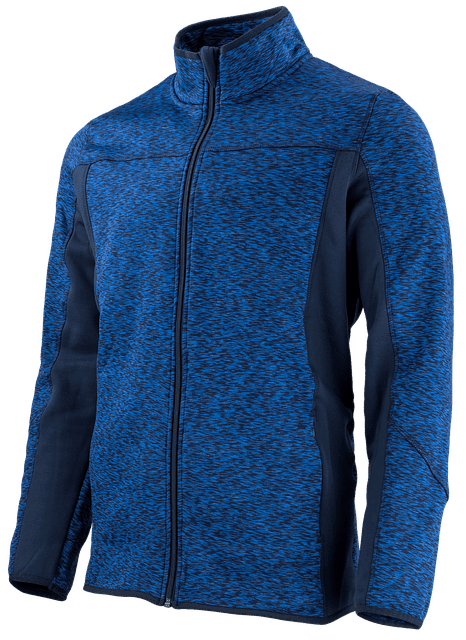
3. Softshell jackets: identify the complete material assembly
Softshell is a useful product category, but the name alone does not describe one fixed construction. A proposal may involve a woven outer face, a bonded backing, a membrane or a combination of layers. Request a clear material breakdown so the quotation, sample and production specification refer to the same assembly. Include the intended stretch direction and any finish that supports a proposed claim.
The softshell product page provides a starting point for discussing the category. For an actual order, specify the face fabric, backing, colour, target weight and construction details independently. Ask the supplier to identify whether a quoted alternative changes any of those elements. A similar-looking replacement should enter a documented review before it is used in a garment.
Assess movement with a finished jacket. Have the wearer reach forward, bend the elbows and sit down while wearing the intended inner layer. Check strain at the back, shoulders, elbow area and lower front. Stretch in a fabric does not automatically correct a restrictive pattern. The lining or backing, seam construction and pocket placement can all influence how the garment feels during movement.
Inspect edges and shaped areas closely. Bonded material can create bulk at folded hems, collar corners and pocket openings. Agree how seam allowances and edge finishing should look on the inside as well as the outside. Check that zipper tapes lie smoothly and that the collar closes comfortably. If there is a hood, review its opening, adjustment and interaction with the collar as a complete assembly.
Any proposed water-repellent or waterproof description needs an agreed evidence plan. Surface beading in a demonstration does not answer every question about a finished jacket. Identify what is being tested, the preparation of the sample and the exact claim the buyer intends to make. Review seams, openings and closures where they are relevant to that claim.
For buyers weighing fleece vs softshell, compare the complete garment alongside the swatches. A textured inner face may look similar to fleece, yet the whole construction can feel different in use. Approve the material reference and the finished fit together. This prevents a purchasing decision based only on a product label or a photograph of the outer surface.
4. Padded jackets: control the shell, filling and quilting together
Padded jackets introduce an additional system of components. The outer shell, insulation, lining and quilting pattern need to work together. Start with an exploded material list that identifies each layer, its supplier reference and its intended location in the garment. The body, sleeves, collar and hood may use different arrangements, so a single filling description may leave important questions unanswered.
Review the padding jacket category with the intended use and silhouette in mind. Confirm whether the design is close fitting, relaxed or intended to cover another jacket. An attractive photograph cannot establish the space available inside a padded garment. Assess a physical sample using the correct underlayers and the size range planned for the order.
Insulation weight is one specification, not a universal temperature rating. Avoid translating a filling weight into an unsupported claim about the conditions a garment will suit. If a warmth-related claim matters commercially, agree suitable evidence and its limits. The construction of the complete garment, its openings and the wearer scenario belong in that discussion alongside the filling itself.
The quilting layout affects appearance and needs a controlled drawing. Record channel or panel dimensions, stitch placement, alignment at key joins and the treatment of curved areas. Compare the left and right fronts, the sleeves and the lower hem. Review how the quilting appears after the agreed care process, including any uneven distribution or change in the shape of the garment.
Check details that can become awkward once several layers are joined. Pocket openings should be usable without pulling the front out of shape. A zipper should operate without trapping loose lining. Hem adjustments, cuff closures and hood attachments need clear construction references. Ask the sample team to show the inside finishing rather than evaluating only a zipped-up front view.
Packing also needs a trial. Establish the approved folding method, bag dimensions and carton arrangement using the actual garment. If compression is proposed, review the unpacked result after the agreed storage and recovery conditions. Do not assume that a smaller carton is automatically an acceptable improvement. The buyer needs to see whether the delivered jacket returns to the appearance used for approval.
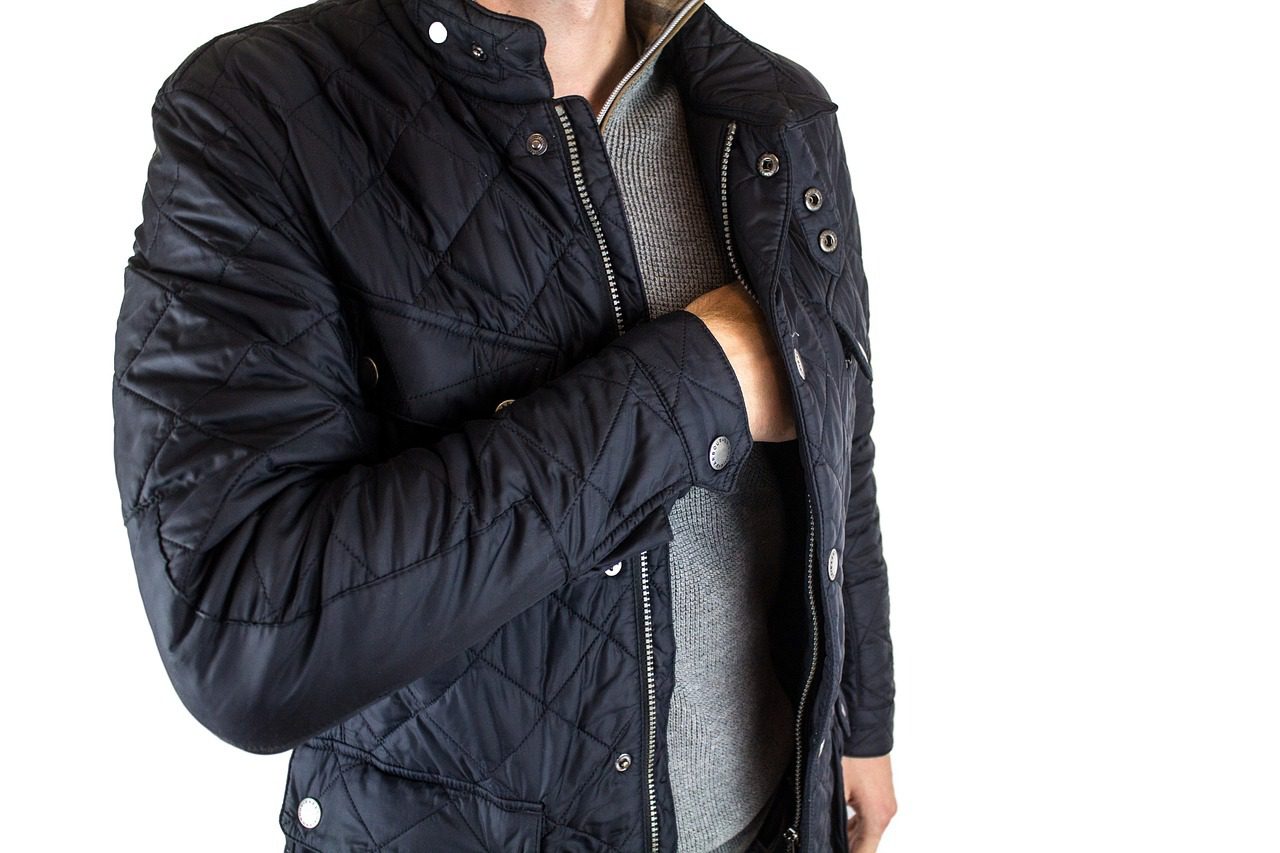
5. Add vests and hoodies only when they fill a clear range gap
A sleeveless outer layer can serve a different purpose from a full jacket. It may suit a brief where the wearer wants less material around the arms while keeping a coordinated outerwear appearance. Specify whether the vest is padded, fleece-based or made from another construction. The word vest can also describe other garment types, so include a drawing and a clear product description in the enquiry.
Armhole shape deserves particular attention. Test the sample over the intended shirt, polo or sweatshirt and check the front and back while the wearer reaches forward. An armhole that is too tight can restrict the garment underneath; an oversized opening can change its appearance and coverage. Confirm the chest, body length and hem relationship as part of the same fit review.
A hoodie offers another way to build a casual range, especially when the collection already includes coordinated knit garments. Compare pullover and zipped versions in terms of dressing, front branding space and pocket use. The hoodie product page can support an initial category discussion, while the actual order still needs its own fabric, measurements and trim specification.
Hood construction changes the balance of the garment. Review its weight, shape and lining, together with the neck opening and shoulder position. Inspect the hood both worn and resting on the back. For zipped styles, check how the hood and collar area sit when the zipper is fully closed and partly open. Any cord or adjustment detail must be suitable for the intended wearer and destination requirements.
For brushed sweatshirt materials, keep the face and interior references visible in the development record. Review the rib at the cuff and hem after the agreed care trial. A body fabric and rib can look coordinated before washing but recover differently afterward. Also check the kangaroo pocket or front pockets for shape, attachment and the effect of any nearby decoration.
Use each additional style to solve a specific need. A fleece jacket, softshell, padded jacket, vest and hoodie do not all have to appear in every range. A smaller selection with clear roles can simplify size allocation, colours, photography and replacement ordering. Confirm the role first, then choose the construction and features needed to deliver it.
6. Compare fit with the same inner layers and movement checks
A useful fleece vs softshell comparison controls the conditions of the fitting. Use the same wearer, the same relevant underlayers and a consistent way of recording comments. Otherwise, a roomier size or thinner inner garment can make one style appear more comfortable for reasons unrelated to its construction. Label each sample clearly before anyone starts comparing the options.
Separate body measurements from finished garment measurements. The garment chart should identify the exact points of measure, the method used and the tolerances agreed for the order. Include the zipper position and how the garment is laid flat where these affect a measurement. A size label alone is insufficient for comparing products from different patterns or suppliers.
Review shoulder position, chest space, sleeve reach and body length together. Ask the wearer to extend both arms, bend, sit and access the pockets. Look for the hem riding upward, the front pulling across the chest or the cuff exposing an unexpected amount of the inner sleeve. Record the observation against a specific part of the pattern rather than simply asking for more comfort.
Layer combinations need their own check. If a fleece is intended to sit beneath a softshell, fit both at once. Inspect the collar area, armholes, sleeve stack and hem lengths. Check that the outer pockets remain accessible and that the wearer can open the front without catching the inner garment. A successful individual fitting does not guarantee a successful combination.
Review the proposed size range before approving production. Depending on the range and the risk, the buyer may need samples beyond the base size to understand how the pattern grades. Confirm which measurements should grow, which should remain controlled and where proportions matter visually. Pocket positions, logo placement and hood size deserve attention when the wearer group spans a broad range of sizes.
Keep fit comments separate from material or decoration approval. A sample can be acceptable in shape while using a temporary zipper or substitute fabric. List those exceptions prominently and state which decisions remain open. This prevents a general approval email from being treated as permission to use every component visible on a development sample.
Close the fitting with an agreed revision and a named reference. The buyer and supplier should retain matching records of the accepted measurements, required adjustments and remaining checks. Where outerwear coordinates with tees and polos or cargo trousers, record those product references too. They help keep the whole outfit consistent when another team reviews the range later.
7. Separate performance claims from appearance and care approval
A jacket can look suitable while still needing evidence for a specific marketing claim. Start by listing the words intended for the product page, hangtag and sales sheet. Identify which describe appearance and which promise measurable behaviour. Terms related to water, warmth, breathability or durability should have a defined basis that matches the actual materials and construction being supplied.
The AATCC test-method directory distinguishes surface water repellency, hydrostatic resistance and rain testing through separate methods. That distinction matters when reading a report. A result for one property should not be silently relabelled as a result for another. Agree the relevant method and edition, specimen preparation and acceptance criteria with a qualified laboratory.
For thermal and water-vapour resistance of textile materials or assemblies, ISO 11092:2026 describes a laboratory measurement approach. Its scope does not establish a universal comfort promise for every wearer situation. If such testing is included in a development plan, identify the assembly tested and how the result will be used in the buyer’s product specification.
A report needs traceability. Check the sample identity, material reference, colour or finish where relevant, date and test conditions. Ask whether the reported sample matches the proposed production construction. A change of backing, finish, filling or laundering preparation may require another review. Keep the decision about accepting an existing report in the same file as the product revision it supports.
Care approval concerns the whole garment. Review the shell, lining, filling, trims and decoration using the intended process. GINETEX care-labelling guidance explains that care symbols address permitted treatment and take sensitive components into account. Do not choose instructions from fibre content alone. Have the responsible parties confirm the instructions for the finished article and its destination market.
After the agreed trial, compare the garment against the retained reference. Record measurements and review the front opening, seams, collar, cuffs, hem, pocket shape and logo. For padded garments, include the distribution of the filling and overall shape. For softshell, include the condition of the bonded assembly where applicable. Photograph observations under consistent conditions so comments can be understood remotely.
Apply the same evidence discipline to sustainability descriptions. A recycled-content statement or other material claim should identify the relevant component and supporting records. Avoid extending one verified component into a claim about the entire garment. Ask what can be documented for the actual order, and make the wording specific enough that a buyer, supplier and end customer can interpret it consistently.
8. Build an assortment and compare the full delivered specification
The commercial comparison should begin after each shortlisted style has a defined role. Ask suppliers to quote against the same drawings, material list, size quantities, decoration, packing and delivery basis. If one offer uses a different lining or omits a logo trial, mark that difference clearly. Comparing headline unit prices while the products differ can hide the real decision.
Break the quantity into style, colour and size before asking about minimums. An order of several hundred garments may still contain small quantities of individual colours or branded variants. Ask how minimums apply to fabric, dyeing, trims and decoration. Identify whether any proposed material balance remains available for future orders and who is responsible for it. Record the answer as a commercial term.
Use a simple assortment plan to see how complexity grows. The example below is a calculation exercise, not a stock offer, recommended order quantity or statement of M&A Sourcing’s minimums. Its purpose is to make variants visible before the buyer decides how many products to launch. Replace every assumption with the actual size curve and wearer needs for the project.
| Assortment | Colours per style | Sizes per colour | Variants | Illustrative units per variant | Total units |
|---|---|---|---|---|---|
| 2 selected styles | 2 | 5 | 2 × 2 × 5 = 20 | 12 | 240 |
| All 5 categories | 2 | 5 | 5 × 2 × 5 = 50 | 12 | 600 |
In this example, reducing the initial selection to two styles does more than reduce the number of photographs required. It also reduces the combinations that need allocation, labelling and receiving records. That can make an initial launch easier to manage. However, do not remove a useful product solely to simplify a spreadsheet; check whether a wearer group would lose an essential function.
Compare sample development charges, agreed testing, packaging and transport alongside the garment price. State the currency, quote validity, payment stages and delivery basis. Separate a target price from an accepted quotation. If optional features are priced separately, keep an approved configuration attached to the purchase order so there is no ambiguity about which option was selected.
Ask for a schedule built from real dependencies. Fabric confirmation, colour approval, trim availability, sampling and buyer decisions can affect when production is ready to proceed. Include the required receipt date and the delivery route in the discussion. A quoted production duration should be understood with its start conditions rather than treated as an unconditional arrival promise.
For a more detailed commercial checklist, read the existing wholesale outerwear buying guide. Use the product comparison here to decide what to buy, then use the quotation record to define precisely what each party is supplying. The two documents should refer to the same current product revision.
9. Approve the samples and hand over a complete outerwear brief
Turn the comparison into a controlled development package. Include the product role, front and back drawings, material list, size chart, colour standard, pocket details, branding, care plan and packing instructions. Identify the requirements still subject to confirmation. A supplier can respond more usefully to a clear open question than to a brief that appears complete but hides unresolved choices.
Use separate approvals where they answer different questions. A colour reference addresses shade; a fit sample addresses shape and movement; a decoration trial addresses the logo on its intended base. A pre-production sample should represent the agreed production specification, with any exceptions stated clearly. Keep dates, revision numbers and approving contacts visible so old comments do not re-enter the order accidentally.
Inspect the complete garment systematically. Work from the collar and shoulders to the front opening, pockets, sleeves and lower hem, then inspect the inside. Open and close the fastenings, check matching left and right details and compare measurements with the approved chart. Review the actual labels and packaging artwork. A product can pass a visual front check while still containing an incorrect size label.
Agree how production findings will be recorded and resolved. The inspection plan should identify the approved references, defect descriptions, sampling approach and acceptance rules for the order. Avoid treating a generic inspection acronym as a complete agreement. If there is a repair or replacement decision, identify the affected quantities and what evidence is required before the issue is closed.
For linked fleece and softshell products, confirm whether the buyer is purchasing independent layers or a designed combination. If any connection system is proposed, its compatibility needs specific checking. Do not infer compatibility from matching colours or similar zipper lengths. Photograph the accepted combination and keep the component codes together in the approved file.
The handover to receiving should be just as clear. Carton labels and packing lists need to identify style, colour, size and quantity. Include any destination allocation and the reference used for acceptance. Ask receiving staff to record discrepancies before garments from different lots are mixed. This creates a practical trail if the next order needs a change in size balance or construction.
When ready to enquire, send the selected designs through M&A Sourcing’s contact page and reference the outerwear product range. State which fleece, softshell, padded jacket, vest or hoodie options you want reviewed. Request confirmation of suitable materials, sampling steps, project-specific minimums, quotation details and the achievable schedule before placing the order.
Frequently asked questions
What is the main difference in fleece vs softshell jackets?
Fleece is generally discussed as a soft, textured layer, while softshell can involve an outer face with backing or other layers. Neither name defines every material or performance property. Compare the actual fabric assembly and finished samples against the wearer’s needs, inner layers and required evidence.
Is a padded jacket always warmer than a fleece or softshell?
There is no universal ranking based only on the category name. Shell, insulation, lining, openings, fit and the clothing combination all influence the comparison. Specify the intended use and agree suitable evidence before making a warmth claim or assigning a temperature description to a product.
Are all softshell jackets waterproof?
No. The term softshell does not by itself establish waterproof performance. Ask about the actual material construction and supporting test evidence. Review the scope of the intended claim, including relevant seams and closures, rather than treating surface beading or a fabric report as proof of every finished-garment property.
Should a buyer choose a fleece jacket, vest or hoodie for a uniform range?
Choose according to the role of the garment. A fleece jacket offers a textured layering option, a sleeveless outer layer changes arm coverage, and a hoodie gives the range a casual design direction. Review the workplace, wearer needs, care routine and actual samples before selecting the styles.
What determines the minimum order quantity for custom outerwear?
The applicable minimum depends on the proposed style, fabric, colour, trims, branding and production arrangement. Break the enquiry into style-colour-size quantities and ask which minimums apply to each component or variant. M&A Sourcing should confirm the minimum and commercial conditions for the specific project.
What should I send with an outerwear quotation request?
Send drawings or references, intended use, material requirements, size quantities, colours, garment measurements, pockets, closures, logos and packing details. Include the destination, required receipt date and any evidence needed for product claims. Mark open decisions clearly so the supplier can state assumptions and exclusions in its quotation.
How can I keep fleece, softshell and padded garments coordinated?
Retain approved colour, material, fit and artwork references for each style. Check colour on the actual materials and review the garments together using the intended inner layers. Keep revision numbers and approval records linked to each order, and reassess any material, trim or construction change before production.