
Custom polo shirts are easier to order when the buyer can describe the intended fit, collar, logo and care process. This guide walks through fabric selection, fitting, sample approval and repeat orders for brands and uniform buyers.
Start with the wearer and the purchase
Custom polo shirts can serve as retail merchandise, a club uniform or branded clothing for a team that meets customers daily. Write down who will wear the shirt and what a normal day in it looks like. A retail buyer may need a distinctive collar shape that reads clearly in product photographs. A hospitality buyer may need the placket to sit flat when an employee bends over a counter. A multi-site buyer may care most about issuing the same shirt several months later. Those decisions should appear in the first request for samples and prices.
Select an existing garment as a reference where useful. Photograph it from the front, side and back, and mark the details you want to retain. The reference can show the desired body length while the specification calls for a different fabric or collar. Distinguish the approved features in writing so the supplier can develop the right sample. If the garment has been worn and washed for a long time, identify it as a used reference and confirm the finished measurements you want production to meet.
Decide whether employees or customers will wear the polo over a layer, under a jacket, tucked in or untucked. A shirt designed to remain tucked needs enough length for the wearer to reach and sit. An untucked style can need different proportions at the hem and hips. Ask a wearer to perform typical movements in the reference garment. Record where it shifts and whether that behavior is acceptable. Apply the same movement when reviewing new samples.
Send the number of proposed styles, colors and sizes together with the intended delivery date. Mark provisional quantities and explain when they will be final. If different sites share a color but use separate artwork, show that structure in the first request so the supplier can assess shared materials and separate decorations. Start with the M&A Sourcing Tees and Polos product category when discussing available options.
Compare piqué and jersey on a finished shirt
A piqué knit commonly has a textured face, while single jersey commonly has a smoother face. Ask for labeled fabric cuttings and confirm the actual knit construction, fiber content, finish and weight. The material name alone leaves the fabric weight, stretch, recovery and drape open. Review samples in the actual color, as the surface and the decoration can look different between light and dark versions of the same design.
Feel the fabric on a complete garment with the intended collar, placket and sleeve finish. A cutting shows the surface clearly but cannot show how the body falls below the placket or how a heavy collar interacts with a lighter body. If a supplier proposes two fabric weights, ask it to make the comparison on equivalent construction where possible. Hold the fit and trim choices steady so you can see which differences come from fabric.
Compare the garments in a consistent lighting condition, then look at them in the place where they will be worn or sold. A customer-facing team may need a color that is easily recognized at a distance. A retailer may want the fabric texture to remain visible in photography. If the logo includes fine lines or small text, review a decorated sample before selecting the base fabric. The stitch or print behavior can change as the surface changes.
For the production brief, identify the fabric reference, the approved color and the stage at which weight is checked. Agree how the supplier will handle an unavailable fabric before production starts. A replacement can match the nominal weight and composition while altering the fit or appearance. Request a new cutting and the affected sample reviews before accepting a substitute. The workwear fabric selection guide covers questions buyers can use to compare fabric proposals.
| Feature | Decision | Sample check |
|---|---|---|
| Fabric | Piqué or jersey | Compare drape, texture and decoration on the complete shirt. |
| Collar | Collar shape and material | Check worn appearance and curl after the care trial. |
| Placket | Button position and opening | Check closure, alignment and tension when the wearer moves. |
| Fit | Base size and grading | Measure and fit samples across the planned size range. |
| Logo | Embroidery or print | Approve appearance on actual fabrics before and after laundering. |
| Cartons | By size or by destination | Confirm style codes, labels, counts and packing lists. |
Specify the collar and placket as a pair
The collar needs to work alongside the way the placket opens, the shirt fits at the neck and the wearer moves. Ask for an agreed reference for collar point length, width and attachment. Compare the shirt with the collar open and with the buttons fastened as intended. Take a front and side photograph. Check whether the collar lies symmetrically and whether a fold or edge interferes when the wearer turns their head.
Inspect the placket for even layers, straight edges and buttons that line up with the openings. Try all closures and watch the material between the buttons as someone reaches forward. If the layers pull or the placket twists, locate the issue before changing the button spacing. Fit tension, fabric handling and construction can produce similar symptoms. Explain what you observed and ask the supplier to propose a corresponding change.
If you are considering contrast details, review the full front of the garment in use. Inner placket tape may be visible with the top button open and hidden when fastened. A contrasting collar edge may look different from the front and the side. Define the intended visibility so the factory can repeat the construction. Document the approved colors for the tape, button and thread separately because each component may come from a different material.
Keep a care reference for the collar and placket. Photograph and measure a sample before washing and when fully dry under the agreed process. Compare changes such as curl, a crease at the fold, waves around the fastening or a difference in the way the shirt sits against the neck. Retain an unwashed reference so the team can compare shape and appearance. Agree who will review the result when a new collar or button is proposed for a reorder.
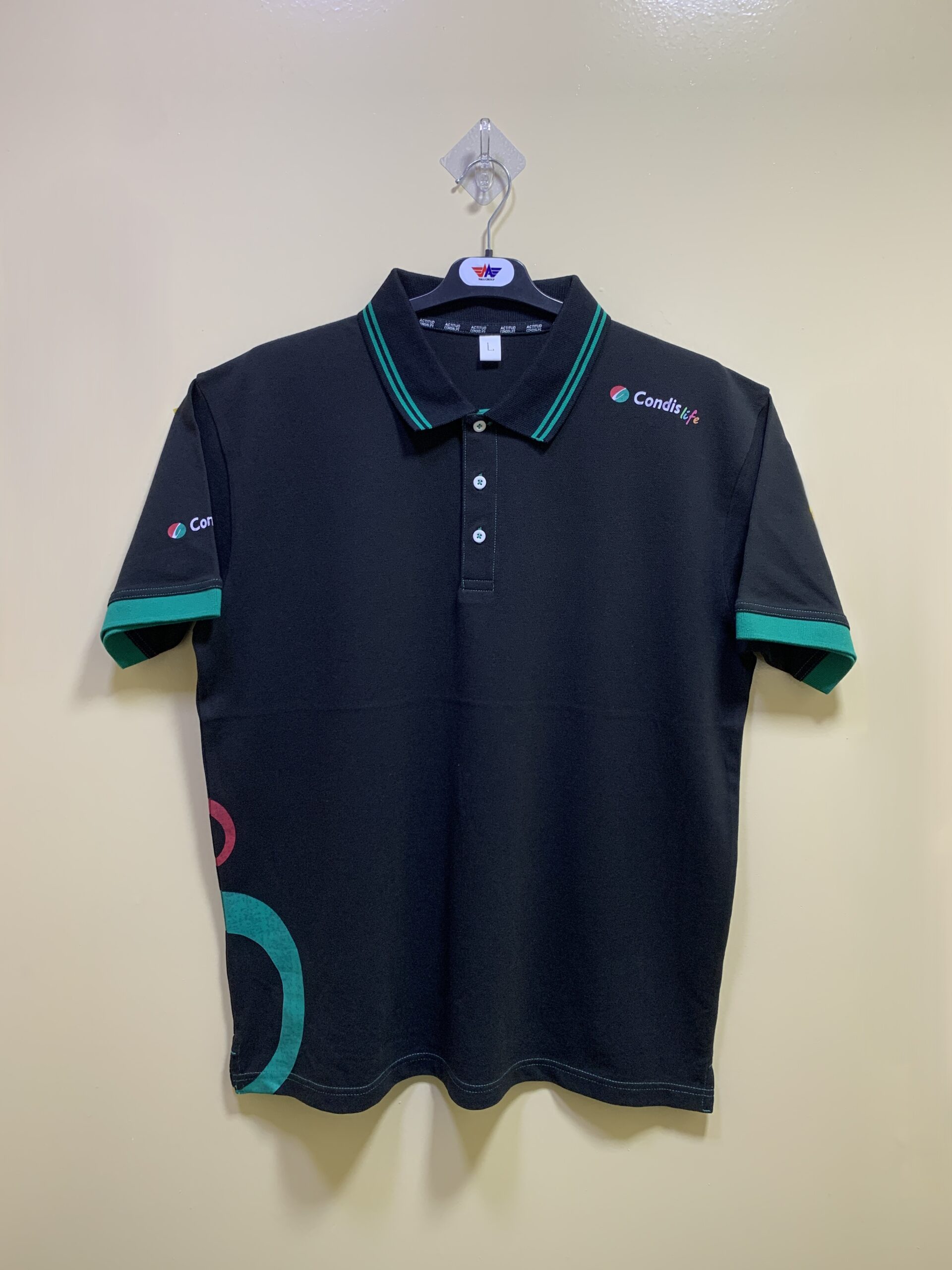
Build a fit specification across the size range
Decide which measurements matter most to the intended fit. Chest width, shoulder span, body length, sleeve length and hem width are practical starting points. Identify where each measurement begins and ends. For example, the chest measurement can depend on the distance below the armhole, while body length can depend on the point at which the neck and shoulder meet. Add an annotated diagram to the specification so the factory and inspection team can reproduce the method.
Fit the base size on a wearer with the intended clothing layer underneath. Ask them to reach forward, lift their arms and sit down. Look at the shoulder and armhole from both sides. Record if the chest pulls near buttons, the hem rises, the sleeve restricts movement or the collar rubs. A wearer can point to the discomfort while the reviewer notes the movement that triggered it. That gives a supplier more information than a request to make the garment wider.
Review sizes near the ends of the range as well as the base size, especially when the polo is intended for a mixed group. Check how chest, body and sleeves grade. A logo position that works on the base size might fall close to the armhole on a smaller garment. A side vent might spread differently on another size. If a style needs separate patterns or placement measurements, create clear codes and separate charts for those options.
Agree which tolerances apply and whether measurements are checked before or after care. A small difference at a placket or logo can matter when a similar variation at the hem would be acceptable. Make allowances explicit so teams can apply the same decision to every lot. Store the measurement chart, diagram, fit photos and size schedule with the workwear tech pack checklist as a reference for what the technical file should contain.
Choose and sample a logo application
Give the supplier the approved artwork in a usable format, together with intended color, finished dimensions and placement. Define whether the placement refers to the center of the mark or one of its edges. Use a finished seam, placket edge or another stable feature as the measurement reference. For a second decoration on the sleeve or back, give a separate drawing so the placement can be checked without interpreting a general mockup.
Review embroidery and print on the actual polo fabric. Inspect fine lettering, outlines and the edges of solid areas. Turn the garment inside out and look at how backing or the decorated area will feel against the body. Check if either application changes the drape around the chest or causes a fold beside the placket. Review the finished sample on a wearer, then view it from the distance at which coworkers or customers will normally see it.
Use color proofs when the same artwork appears on several shades. A mark that reads clearly on a light shirt may lose contrast on a darker body. Some garments may require a different thread color or an adjusted print specification. If the design changes between color variants, list the approved artwork name and code against each variant so the supplier can apply the correct version during production. Keep the reference samples in the same approval file.
Repeat the logo check after the agreed wash process. Look for a change in alignment, puckering, poor edge definition or a difference in feel. Compare with the approved unwashed garment and note the observed condition rather than assuming how it occurred. For more questions to ask the supplier, see the embroidery and printing comparison. Obtain any artwork or decoration setup charges in writing for each version the order uses.

Approve color and trims together
A polo typically combines the body material with components such as a collar, cuff or hem, placket tape, buttons and thread. When the brief calls for those elements to match, review the finished combination. Different materials can respond to color and light differently, even when the supplier works from the same color reference. Label approvals by component and keep a photo showing where each one appears on the garment.
Check samples under the conditions that matter to the buyer. A team that wears the polo indoors and outdoors may see shade variation between components only after stepping outside. A retailer may notice a mismatch when photographing darker colors. Agree on the lighting conditions used for formal approval, and retain physical references where practical. If the supplier proposes a near match, record where the difference was assessed and whether the decision applies to one order or to all future runs.
A trim substitution may alter fit or function as well as appearance. A different rib can change the opening of a cuff, and a new button can change the feel or how the placket closes. Check each proposal against the parts of the sample it affects. Use a new sample when changing the complete construction. Where a proposed substitute only affects appearance and can be judged reliably on a trim sample, record that scope explicitly.
If garments from different lots will be used in the same location, consider how they look together. Lay the approved reference beside the most recent sample and review side by side. Agree how materials from different lots will be identified if you need to distinguish them at receiving. Store the approved combinations in the product file so a later quote can identify changes without searching old email threads.
Run a care trial before approving production
Document the wash and drying process the wearers or customers are expected to use. Record the program, drying method and number of cycles the buyer wants to review. Measure selected points before the first wash and again after the sample is prepared in the same condition. Use the same measurement procedure throughout. Photograph the collar, placket, logo and side seams under comparable lighting and keep one untreated sample for reference.
Measure the features the wearer would notice. Body and sleeve length affect coverage. Chest, hem and sleeve opening affect fit and mobility. Check seam shape and alignment, as well as the appearance of the selected material and decoration. If a change is beyond the agreed requirement, record where it occurred and share the measurements with the supplier. A correction can then address the specific material, construction or pattern issue identified during review.
Have somebody wear the shirt again after the trial. Repeat the original fitting activities and check whether changes alter the experience. A polo can still meet its individual measurement allowances while several small shifts make it feel different in use. Observe the combined result and communicate it alongside the measurement sheet. Include a decorated sample in the trial so changes around the logo are visible.
Plan separate samples when designs differ in ways that can affect the result. A shirt with a different fabric, decoration method or collar construction may need an independent review. If a contract specifies a particular test or acceptance result, include the agreed protocol in the purchase documents and distinguish it from your practical trial. Record exactly which samples were tested and what was approved. Use the sample approval guide to keep those decisions with the corresponding files.
Compare prices, minimums and production schedules
Send the same technical revision and quantity schedule to each supplier. Ask whether the quote includes the materials, trim, decoration, sample charges, packaging and delivery arrangements you described. Give the intended destination and ask for any assumptions and exclusions in writing. If a supplier proposes an alternative, request separate pricing for it so the quote for the original requirement remains comparable.
Ask how minimum order quantities apply to each fabric, shade, style and artwork. A total order can satisfy a garment minimum while a particular color or trim still has its own minimum. A program with several locations might share the body fabric and still need separate artwork setups. If your quantities are provisional, list realistic scenarios and request a price for each. For examples of questions to raise with suppliers, see the bulk order MOQ guide.
Plan the delivery date backward from the date the garment is needed. Include time for fit checks, material approval, decoration, any resampling, production, inspection and transport. Ask the supplier when its quoted production time starts and what prerequisites apply. A supplier may count from the date all materials are ready, which can be later than the date a sample is approved. Record the milestones that both parties will use.
Compare the price with the number of garments the program can use. A large initial buy can reduce the quoted unit price while adding inventory the buyer might not issue. Separate costs for decoration revisions, labeling, sorting and other documented operational work when they affect the buying decision. Keep any quantity assumptions with the quote so you can update the comparison if the program, size allocation or order timing changes.
Prepare receiving before the factory packs the order
Give each variant a product code that identifies the fit, color, size and decoration where relevant. Describe the carton markings and the order in which mixed sizes or sites will be packed. If cartons will be split among branches, identify who will sort them and what labels they need. A quote for simple bulk packaging may leave the buyer with more sorting work than an order packed by destination.
Arrange for the receiving team to see the approved sample and specification before delivery. Decide what it should inspect, how it will identify the products and who will review any exceptions. Use the current drawings and measuring procedures. Inspect label information, counts, color, measurements and selected construction features. Check whether the position of the logo and the behavior of the collar or placket agree with the signed reference.
If the team sees a discrepancy, record the style code, color, size, carton and quantity involved. Take photographs showing the feature and the reference used to judge it. Hold the affected stock apart while the buyer confirms the next step. Avoid mixing cartons or stripping labels during that assessment. Information available at receiving can help the supplier identify which production lot or artwork setup needs a closer review.
Keep the receiving record with the approvals and order schedule. Note which variants were issued immediately and which went into reserve stock. Record exchanges and returns by reason so the next order can address real demand. If one size regularly sells first, compare the initial size ratio with customer feedback before concluding it needs a new fit. Use the workwear packing checklist to plan the link between cartons and receiving documents.
Apply the process to a two-location rollout
Consider a business ordering one polo for two locations. It wants a common shade, a shared logo and a consistent customer-facing appearance, but the locations have different quantities and ask for different size ratios. The buyer prepares the order with a style code, each branch’s size allocation and central reserve quantities. It asks the supplier to quote the combined body fabric and to identify the additional cost of packing by branch.
The initial sample looks tidy when the model is standing, but employees at one site notice the collar presses when they bend at the workstation. The buyer asks for another collar construction on the same body. The team reviews both samples under the same movements and records which one preserves the intended appearance while remaining comfortable. It updates the trim reference and asks the supplier to confirm any change in timing or price.
The artwork sample also reveals that a large chest mark sits close to the armhole on the smallest size. The buyer agrees a revised placement for the smaller sizes after checking it on a wearer. It publishes the change in the placement chart and confirms the production sample uses the final instructions. When the order arrives, receiving can distinguish an approved position change from a placement defect.
After the first issue, one branch reports more exchanges than the other. The buyer compares the issued quantities and return reasons rather than immediately changing the pattern. The branch may have received fewer items in a popular size, or its staff may wear the polo over a thicker layer. The next order can adjust the inventory ratio or pilot a fit revision based on the evidence. Retain the pilot photographs and amended specification with the purchase records.
Send a usable request for quotation
Start the request with the intended wearer, use and delivery destination. Attach a versioned sketch, measurement sheet, fit reference, material and trim list, and artwork file. Show the preferred collar, placket and cuff details. Include the proposed quantities by fit, color and size, and state what is fixed and what is subject to approval. Where a supplier is invited to recommend a fabric or construction, specify what problem the option should solve.
Give the supplier an initial schedule and explain the approval order. Early samples can establish fit and proportions, while production materials and decoration should support the final approval. Set a date for buyer feedback and confirm what evidence each approval requires. This gives buyers and suppliers common milestones and allows a clearly scoped resample if one part of the brief changes.
Ask the supplier for the quotation basis, minimums by variant, proposed material references, sample schedule and dependencies that could affect delivery. List label and packing requirements even when no branding appears on the cartons, since sorting and counts still matter. If the supplier proposes a substitute, ask which records must be revised and which affected features need new approval. Keep the signed production sample and quotation tied to the same revision.
Visit the Tees and Polos product category and use the M&A Sourcing contact page to share the brief. If the order is specifically for uniforms, the workwear polo shirts guide covers role-based requirements. A complete request lets the supplier respond with a relevant sample plan, a quotation with explicit assumptions and a schedule the buyer can compare against its launch date.
Plan replacements and preserve the approved fit
A repeat purchase may begin months after the original order, with a different buyer or factory contact. Prepare a reorder record while the team still remembers the approval decisions. Include the final garment code, the dated fit chart, the material reference, the artwork and the signed sample. Record which trim and fabric lots were accepted and which tolerances were agreed. Keep an approved garment in suitable storage so anyone managing the order can compare a new sample with the reference.
Ask the person managing stock what sizes and colors actually move. A shortage can reflect the original allocation, the preferences of new employees or an unusually high return rate. Look at issues, exchanges and purchases together before increasing the quantity. If a shirt is frequently returned in one size, compare the label and dimensions with the approved fit. A stock issue can be solved by adjusting quantities, while a fit issue may call for a revised pattern and a new sample.
When a material is discontinued, ask the supplier to describe the difference and provide evidence from a proposed replacement. Compare the original and proposed versions on a wearer and after care if the change affects fit, drape, color or decoration. Decide whether the new item can be issued alongside older stock in the same location. Give the substitute a distinct reference if the buyer needs to identify the two garments after they reach the warehouse.
Review the revised request with the people who wear, issue and receive the polos. Have purchasing confirm which requirements apply to every order and which are specific to a branch or delivery. Update the current reference and archive the prior one with the affected order number. If the next buyer needs to understand why the team chose a shorter collar or shifted a logo, the recorded approval should answer that question without a new fitting session.
Frequently asked questions
What fabric should I choose for custom polo shirts?
Compare a textured piqué and a smoother jersey in finished samples. Their suitability depends on the intended fit, collar, care process and decoration. Ask for both fabric references and review how the complete garments look and feel on a wearer.
How should I specify logo placement?
Measure from a repeatable point on the finished garment, such as the edge of the placket. Identify whether the number applies to the center or edge of the mark. Review the placement on smaller and larger sizes before approving the artwork chart.
Can different locations share one custom polo order?
They can be quoted together where the supplier can group common materials, but ask how per-color and per-logo minimums apply. Give each location an allocation schedule and specify whether the cartons should be sorted at the factory or at the receiving warehouse.
Which measurements matter most in a polo fitting?
Start with chest, shoulder, body length, sleeve length, sleeve opening and hem. Add collar and placket measurements when those features affect comfort or appearance. Agree the exact measuring points and use the same method before and after laundering.
What should be checked after laundering a sample?
Repeat the agreed measurements and inspect the collar, placket, side seams and logo. Try the shirt on again over the intended layer. Review photographs beside an unwashed reference and record any result outside the agreed acceptance criteria.
How can I keep a repeat polo order consistent?
Reorder using the approved style code and specification. Retain the signed sample, color and component references, artwork, wash results and size allocation. Ask the supplier to identify substitutions so you can repeat the relevant checks before confirming production.
Can I use the same logo size on every polo?
Check the actual layout at both ends of the size range. A wider logo can sit too close to the armhole on a smaller size. If you need two artwork sizes or placement rules, assign them to defined garment sizes and document each approved version.
What should a bulk polo quotation cover?
Ask suppliers to identify the fabric and trim, quantities by variant, branding setup, sample fees, packing charges and delivery assumptions. Confirm any separate minimums and when the quoted lead time begins. Compare offers using the same specification revision.