
Workwear Packing Checklist: 7 Essential Steps for Accurate Orders
A workwear packing checklist connects the approved order with the garments a buyer actually receives. It helps purchasing and packing teams agree size assortments, unit identification, carton records, document checks and exception handling before shipment handover.
This practical guide includes an illustrative quantity table and approval workflow. Confirm all packing, documentation and logistics requirements for the actual order with the buyer and responsible professionals.
Table of Contents
1. Start with the approved order matrix
A workwear packing checklist starts before the first carton is filled. Use one approved order matrix showing style, colour, size and quantity. Give every variation a stable reference and use that reference consistently in the purchase order, garment identification and packing records. A description such as “navy trousers” is too broad when the order contains several fits or lengths.
Separate garments from sets. If a uniform contains a polo and trousers, decide whether they are supplied as two individual items or one defined set. Record whether the top and bottom can have different sizes. A packing team should not have to guess what “100 uniforms” means.
Freeze the version used for packing and identify who can authorise changes. If quantities change after the matrix is approved, issue a revised record and reconcile affected cartons. Keep the earlier version for traceability, but mark clearly which version controls the shipment.
Use our workwear order checklist to organise the wider enquiry. For product sourcing across the range, visit M&A Sourcing’s Workwear Manufacturer in Bangladesh homepage.
| Field | Example format | Check |
|---|---|---|
| Style reference | Buyer-approved style code | Unique to the actual garment |
| Colour | Approved colour name and reference | Matches garment and carton records |
| Size | Approved label including length if relevant | Uses the agreed size system |
| Quantity | Pieces or defined sets | Unit is explicit |
| Revision | Version and approval date | Current version identified |
2. Agree single-size or mixed-size cartons
The workwear packing checklist should describe the carton assortment explicitly. A single-size carton is straightforward to identify, while a mixed carton may suit a buyer’s distribution plan. Neither approach is automatically better: agree the method with the receiving team before packing begins.
For a mixed assortment, state the exact quantity of each size and whether colour or style mixing is permitted. Avoid instructions such as “standard ratio” without the actual ratio and total. If an incomplete final carton is needed, identify its contents separately instead of describing it as identical to the full cartons.
Consider the destination workflow. A distributor receiving stock by SKU may prefer a different arrangement from an employer issuing complete staff kits. Ask how the receiving team intends to count, store and distribute the order, then build the carton plan around that process.
The following arithmetic is illustrative only and does not describe an actual M&A Sourcing order, standard packing capacity or recommended carton load.
| Carton | S | M | L | XL | Total pieces |
|---|---|---|---|---|---|
| 001 | 4 | 8 | 8 | 4 | 24 |
| 002 | 4 | 8 | 8 | 4 | 24 |
| 003 — balance | 2 | 4 | 4 | 2 | 12 |
| Illustrative total | 10 | 20 | 20 | 10 | 60 |
3. Approve garment labels and individual packaging
Check garment labels, size stickers, hangtags and any barcode against the approved reference. The physical garment size and the external identification must agree. A correct carton label cannot repair an incorrectly labelled garment inside it.
Approve barcode data and scanning performance using the buyer’s receiving system or agreed validation method. Do not generate or reuse product identifiers without the buyer’s authorised data. Specify which label belongs on the garment, individual packaging and outer carton; these may serve different purposes.
Define folding, individual wrapping and any protective material for the actual garment. A bulky jacket, an apron and a decorated polo may need different handling. Ask whether the proposed fold presses against embroidery, distorts a collar or creates an unwanted crease. Review a packed sample rather than relying only on a written material name.
Avoid unsupported packaging claims. If a buyer requires recycled content, recyclability or another environmental attribute, request the precise specification and appropriate evidence. Confirm destination-specific packaging and labelling requirements with the buyer and relevant specialist before final approval.
Related product references include cargo trousers, tees and polos and padded jackets. Confirm the packing method for each approved style.

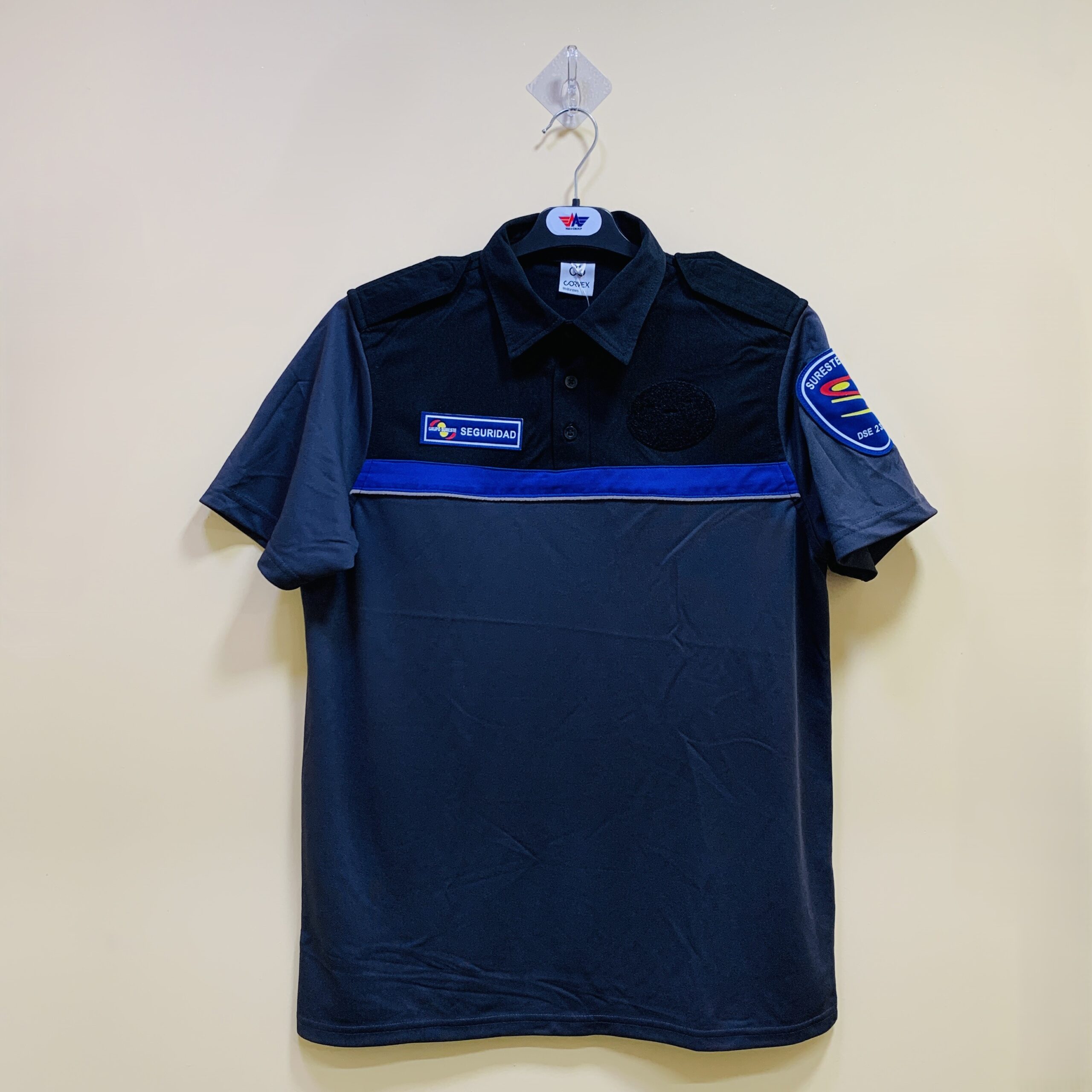
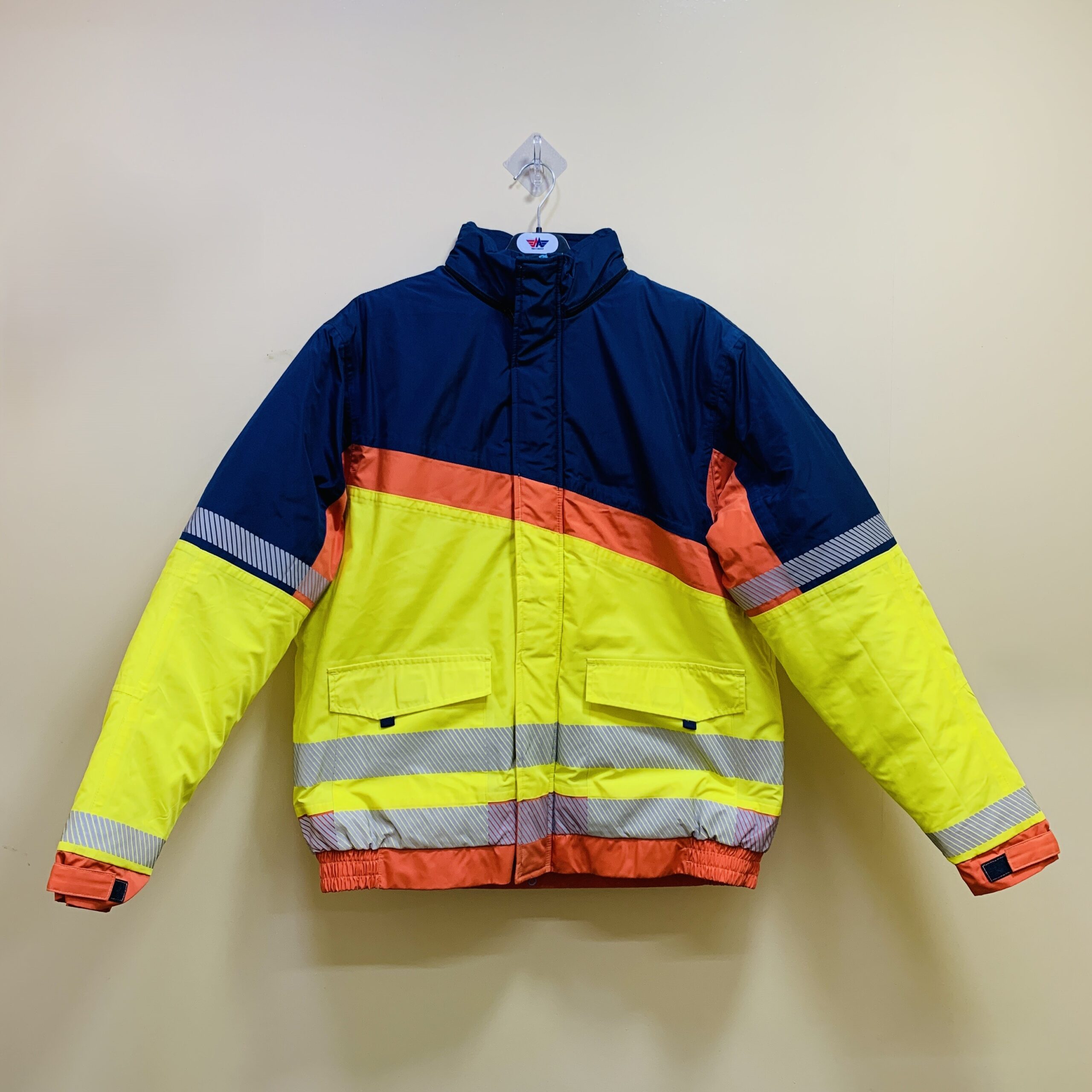
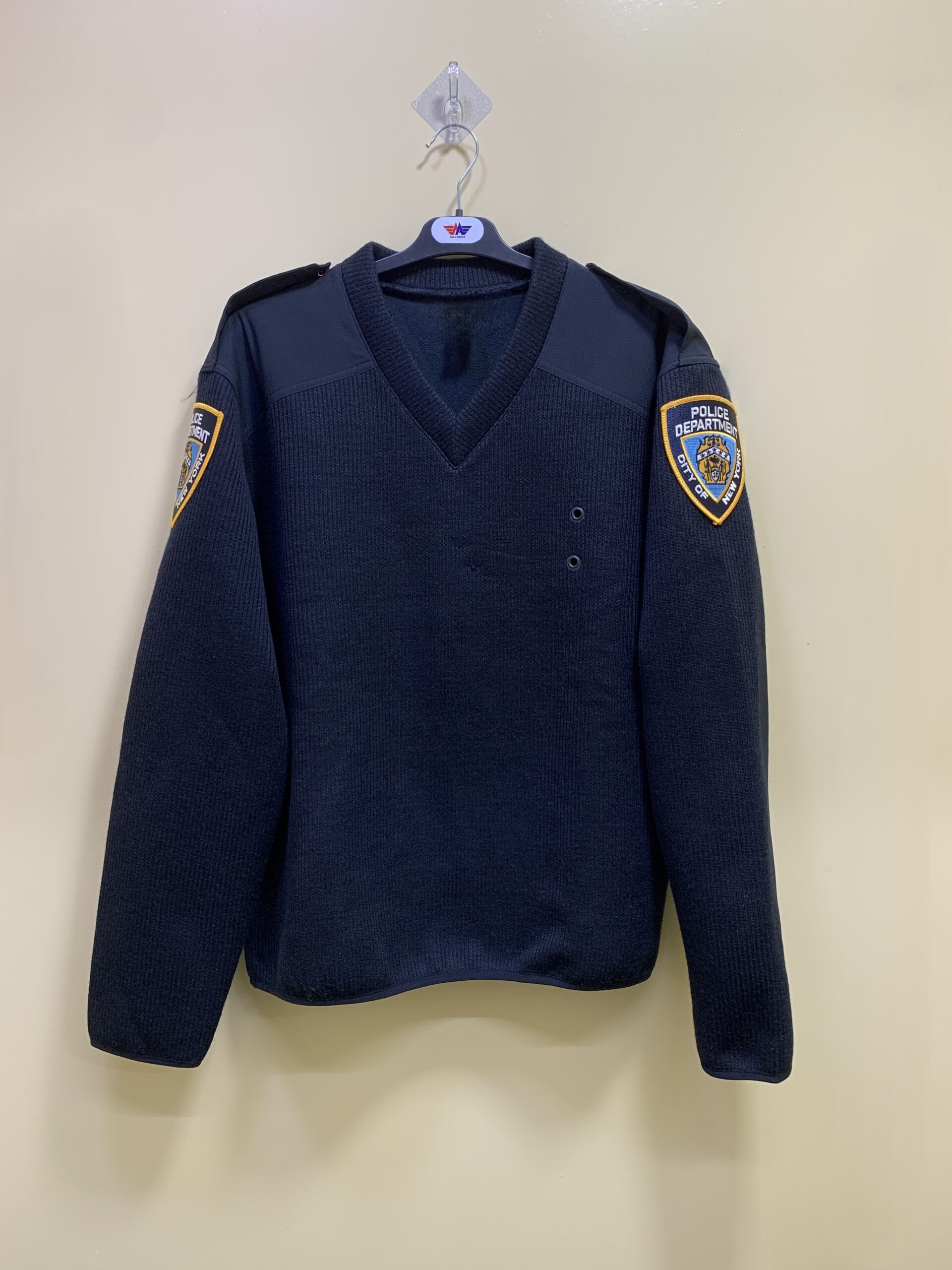
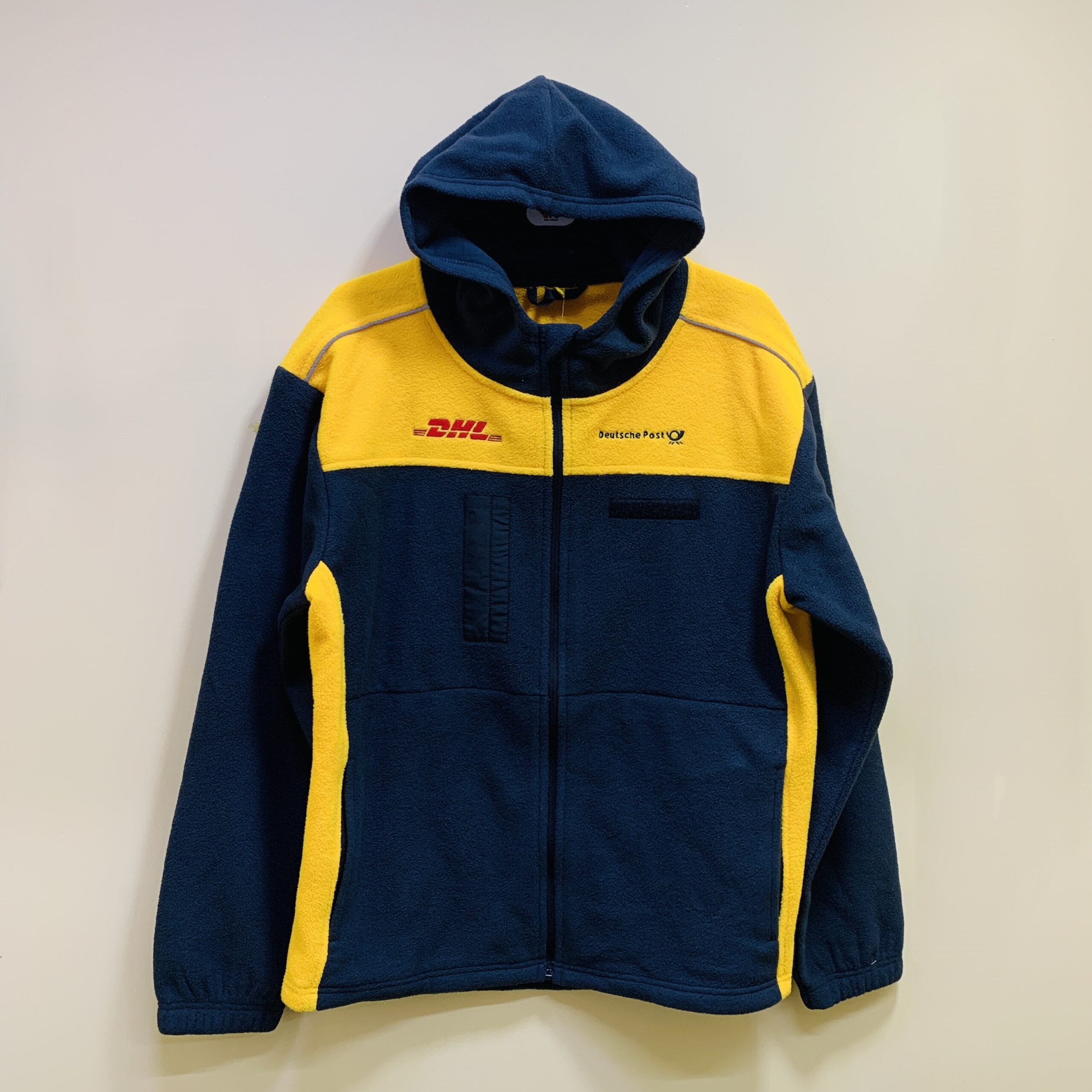
Catalogue photographs are product references, not evidence of a particular packed shipment, current stock or brand relationship.
4. Make carton markings match actual contents
A workwear packing checklist should link each physical carton to a unique record. Agree carton numbering, style and colour references, assortment details and any buyer-required marks. Check that the information remains legible after sealing and handling.
Record actual dimensions and weights using the agreed units and method. Do not copy estimates from an early quotation into final shipment records without verification. If cartons differ, identify the relevant measurements rather than assigning one value to the entire shipment by habit.
Agree carton construction and sealing with the responsible logistics parties for the intended route and handling. A generic guide cannot determine suitable load limits or guarantee protection in transit. Review a packed carton and resolve issues such as bulging, inadequate closure or excessive movement before release.
| Record | What to enter | Cross-check |
|---|---|---|
| Carton number | Unique number or range | Physical mark and packing list |
| Contents | Style, colour, sizes and quantities | Approved order matrix |
| Dimensions | Measured length, width and height with units | Actual packed carton |
| Weight | Measured net and gross values as required | Agreed method and units |
| Exceptions | Balance carton or special assortment | Separate identifiable record |
5. Reconcile the packing list with the shipment
The packing list should describe what is physically packed, using the same references as the order and carton marks. Check carton totals, garment quantities and units, then reconcile the size breakdown with the approved matrix. Review exceptions separately rather than hiding them in a shipment total.
The International Trade Administration’s packing list resource explains the document’s role in identifying package contents and supporting freight handling. Use it as general background; the actual format and required documents must be confirmed for the shipment with the buyer and logistics professionals.
Keep commercial and physical records coordinated. Ask the responsible documentation team to review related shipment documents for consistent references. This article is a packing workflow, not a complete customs or legal checklist, and it does not replace destination-specific documentation advice.
Assign one owner to the final file and use a clear revision date. If a carton is reopened and its contents change, update the relevant records before issuing the final version. An accurate earlier draft is no longer sufficient once the physical shipment has changed.
Our workwear exporter guide provides related sourcing and shipment context. Confirm your specific documentation responsibilities in writing.
6. Verify a packed sample and manage exceptions
A workwear packing checklist works best when the approved sample includes the packaging presentation. Review the folded garment, identification, individual pack and carton arrangement. Photograph the approved result and retain its reference with the specification.
During verification, compare the garment, unit label, carton marking and packing list entry as one chain. Record what was checked and what was found. Agree the inspection scope and acceptance criteria with the buyer; there is no universal inspection sample size established by this article.
If an error is found, identify the affected scope before deciding on corrective action. A wrong sticker may affect a particular batch, while a wrong assortment instruction may affect many cartons. Record the correction and the recheck instead of treating a verbal assurance as closure.
Do not place rejected, unverified or replacement garments into a released carton without reconciliation. Use an exception log for shortages, replacements and balance cartons, and obtain the appropriate approval before shipment release.
| Issue | Record | Required closure |
|---|---|---|
| Wrong size label | Affected item and batch references | Correct identification and recheck |
| Assortment mismatch | Carton number and expected/actual quantities | Repack and reconcile totals |
| Damaged pack | Location and observed condition | Replace or correct and verify |
| Quantity change | Authorised revised matrix | Update contents and documents |
| Reopened carton | Reason and revised contents | Reseal, recheck and update record |
The seven bars below illustrate a sequence of packing approval stages. They are not a live shipment tracker, quality score or claim that an actual order has reached completion.
Stage 1: Matrix approved
Stage 2: Assortment agreed
Stage 3: Unit identification approved
Stage 4: Packed sample reviewed
Stage 5: Cartons reconciled
Stage 6: Documents checked
Stage 7: Handover released

7. Retain a clear shipment handover record
Before handover, confirm that the released carton count and final packing list describe the same shipment. Keep evidence of the agreed handover, responsible parties and unresolved exceptions, if any. Obtain the required approvals through the buyer’s process rather than assuming that a prepared packing list alone authorises dispatch.
Retain the approved packing specification, current order matrix, final packing list, carton marking reference and correction records. These files help the buyer investigate receiving differences and make repeat orders easier to define.
For replenishment, review whether the original assortment still matches the buyer’s needs. Size demand, distribution locations and packaging requirements can change. Reuse approved references where appropriate, but reconfirm the current order rather than silently carrying every previous instruction forward.
Connect packing approval with the tech pack checklist and sample approval guide. For different garment types, see the workwear apron guide, polo buying guide and hoodie buying guide.
Send M&A Sourcing your enquiry with product references, size quantities, artwork, destination and your packing instructions. Request written confirmation of the proposed garment development, packing plan and quotation assumptions.
Workwear packing checklist: FAQs
What is a workwear packing checklist?
It is a record of agreed checks linking the order matrix, garment identification, carton contents, packing list and shipment handover.
Should cartons contain one size or mixed sizes?
Agree the method with the buyer’s receiving team. For mixed cartons, state exact quantities for every size and identify any balance carton separately.
What should happen when order quantities change?
Issue an authorised revised matrix, identify affected cartons and reconcile physical contents and documents before final release.
Does the example table show a real shipment?
No. It is an illustrative arithmetic example and does not establish a standard carton load or describe an actual order.
How should garment barcodes be approved?
Use buyer-authorised data and agree a validation method with the receiving team. Confirm the correct identifier at garment, unit-pack and carton level.
Can product photographs prove the packing method?
No. Review an actual packed sample and retain the approved presentation and material specification.
Should final weights be copied from a quotation?
Verify actual packed shipment values using the agreed method and units. Identify differences between cartons where relevant.
Is a packing list a complete shipment compliance checklist?
No. Confirm the required documents and responsibilities for the specific route and destination with the buyer and appropriate logistics professionals.
What should be done after a carton is reopened?
Record why it was opened, reconcile any contents changes, update affected documents and complete the agreed recheck before release.
Which records help repeat orders?
Retain approved packing instructions, the current matrix, carton marking reference, final packing list and exception closures. Reconfirm requirements for the next order.