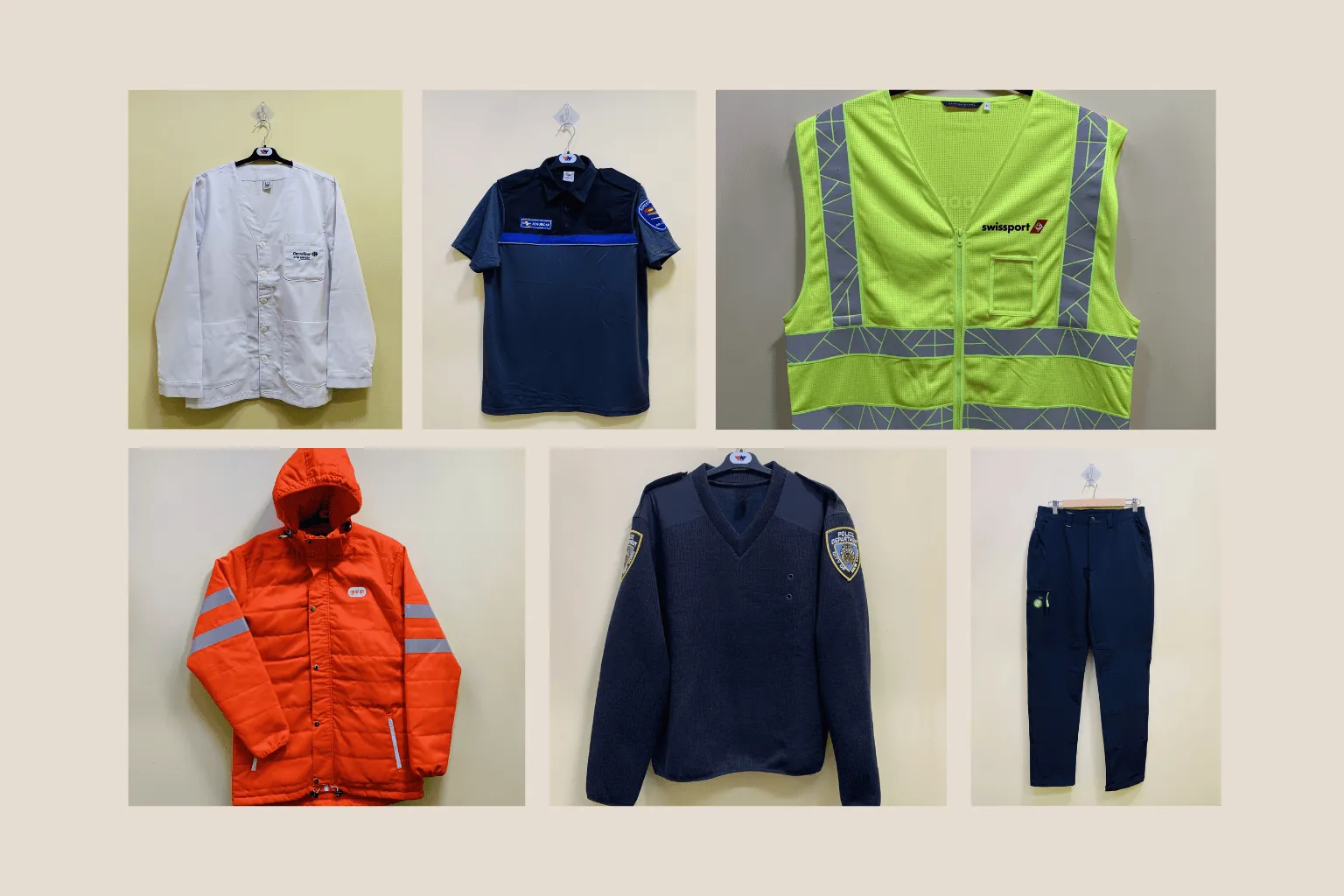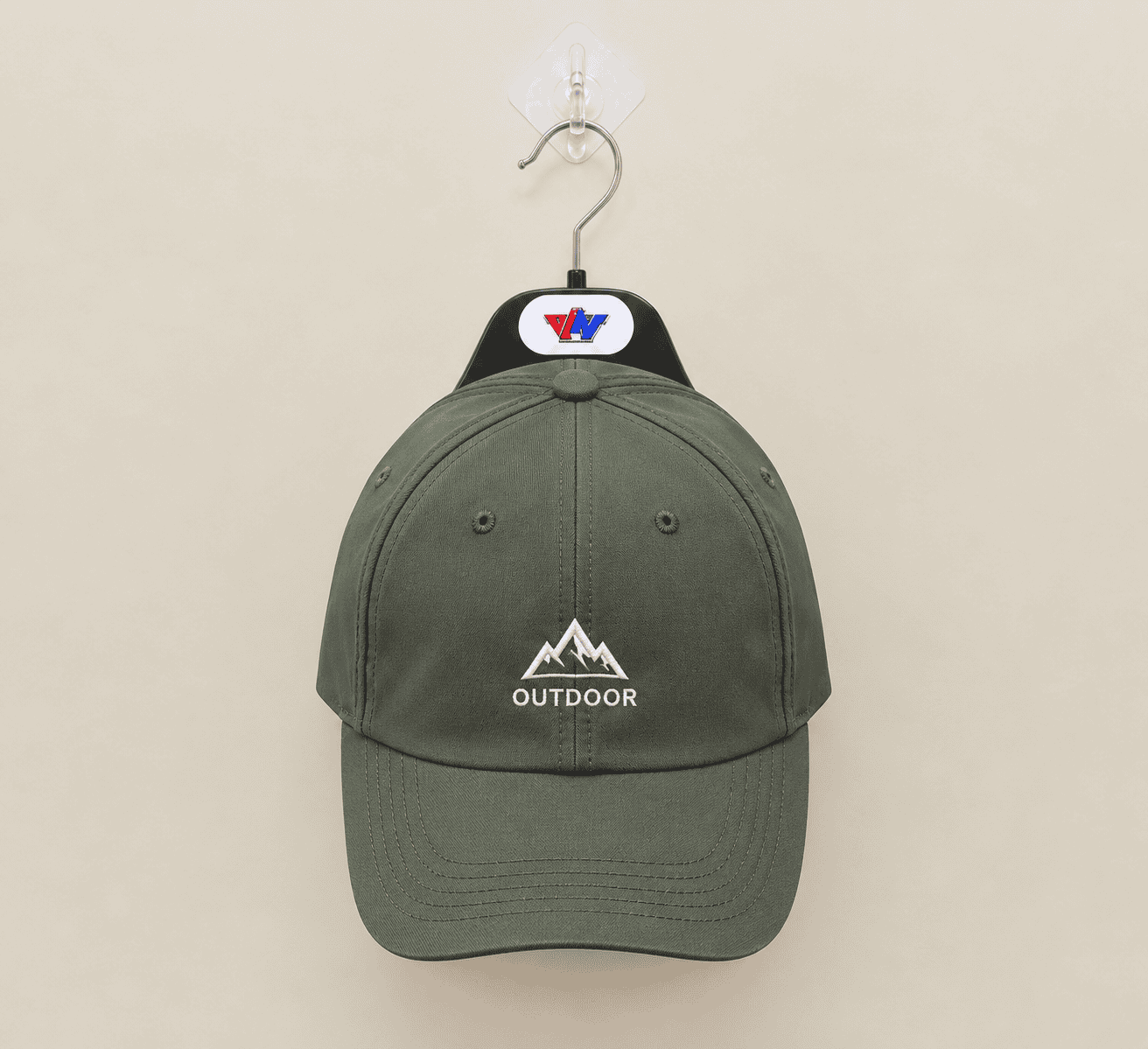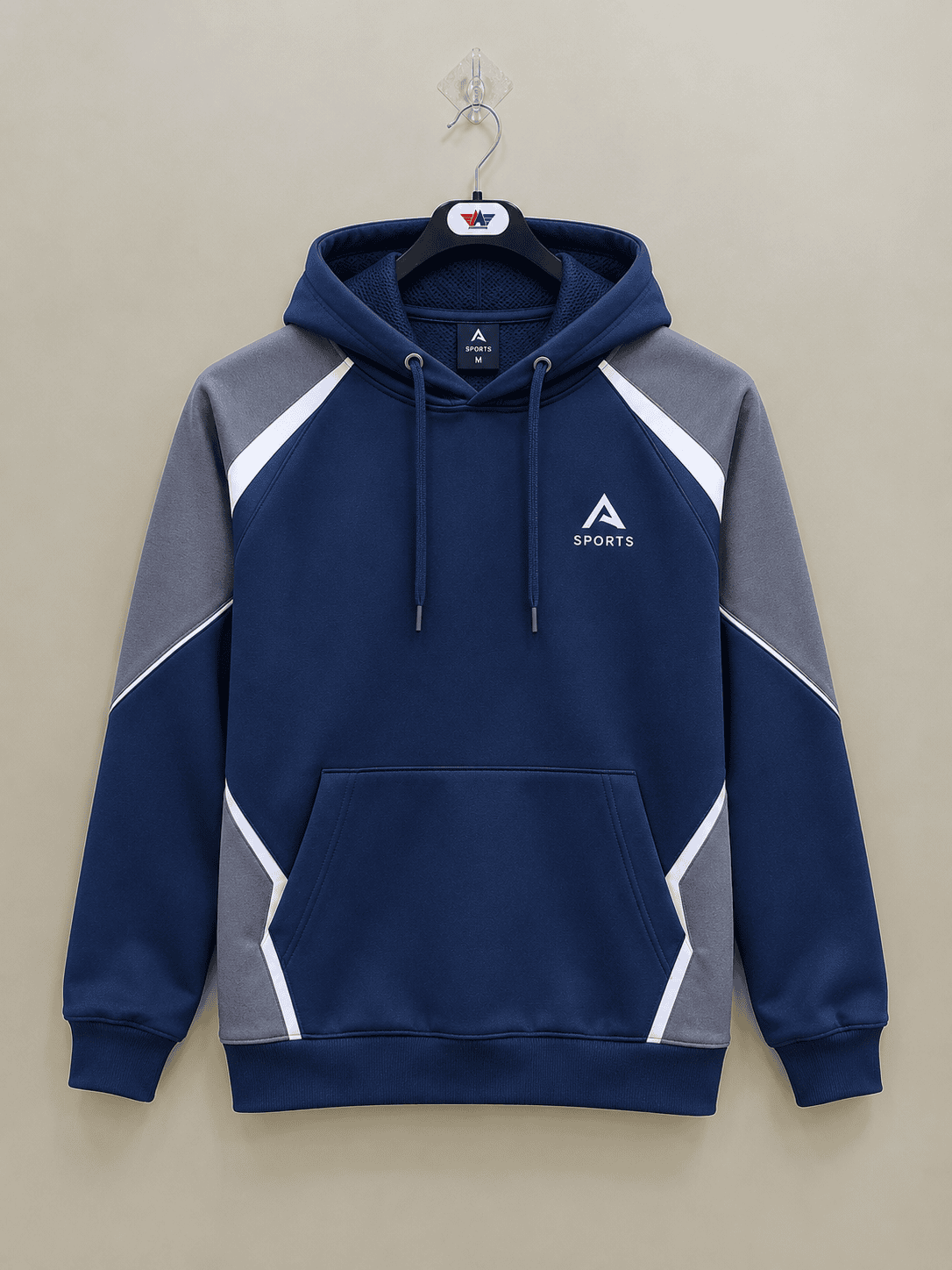
If you are working with a men’s outerwear manufacturer in Bangladesh, define how the garment will be worn before finalising the design. A lightweight commuter shell, a fleece layer and a padded work jacket need different allowances for movement, layering and bulk.
Explore M&A Sourcing’s Outerwear products to compare garment references for softshell jackets, fleeces, padded jackets and vests before sending a tech pack.
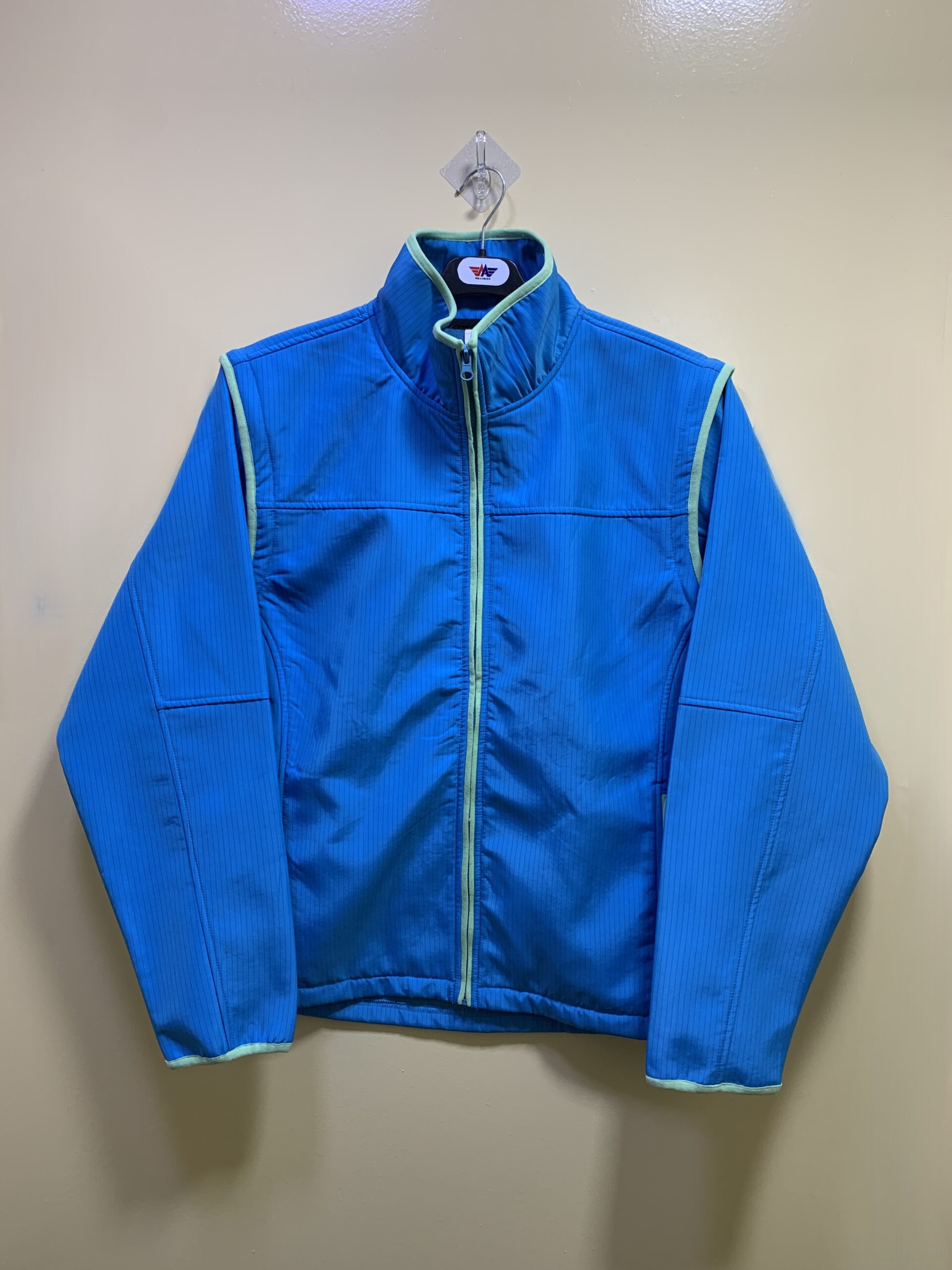
Table of Contents
1. Define the wearer, layers and use case
Tell your men’s outerwear manufacturer in Bangladesh where and when the jacket will be worn. A warehouse vest might be worn over a sweatshirt, while a commuter jacket may need to fit comfortably over office layers. Give the sample team a reference outfit to use during the fit review.
Document the intended length, silhouette and movement. If the wearer will often reach overhead, drive or carry a backpack, include those movements in the review so the team can see whether the hem lifts or the shoulders bind.
2. Select the outerwear construction
Compare unlined shells, softshell, fleece, padded jackets and vests against the intended use. An unlined shell can keep the garment less bulky, while a padded construction calls for decisions about lining, insulation placement and how the jacket closes around the neck and cuffs.
Tell your men’s outerwear manufacturer in Bangladesh where the jacket will be exposed to wind or rain. If a performance claim is part of the brief, agree the test method and acceptance criteria before selecting materials or printing labels.
If the brief specifies fabric surface repellency, review AATCC’s guide to spray testing. Agree separately what evidence you need for the finished jacket, including seams and closures.
3. Specify a measurement chart for layered fit
Give your men’s outerwear manufacturer in Bangladesh points of measure for chest, hem, shoulder, sleeve, bicep and body length. Include a sketch showing where measurements are taken and say whether the garment is zipped, laid flat or relaxed during measurement.
Review the base sample over the nominated layer. Then check sizes near both ends of the size range. Pay attention to sleeve reach, hood opening and whether the lower pockets remain accessible when the garment is fully closed.
4. Review the shell, lining and insulation together
For development with a men’s outerwear manufacturer in Bangladesh, give each material a reference code and state what it is expected to do. For a lined jacket, test whether the sleeve lining lets the wearer slide the garment on over the planned base layer. For a padded style, examine bulk at the collar, underarm and front closure.
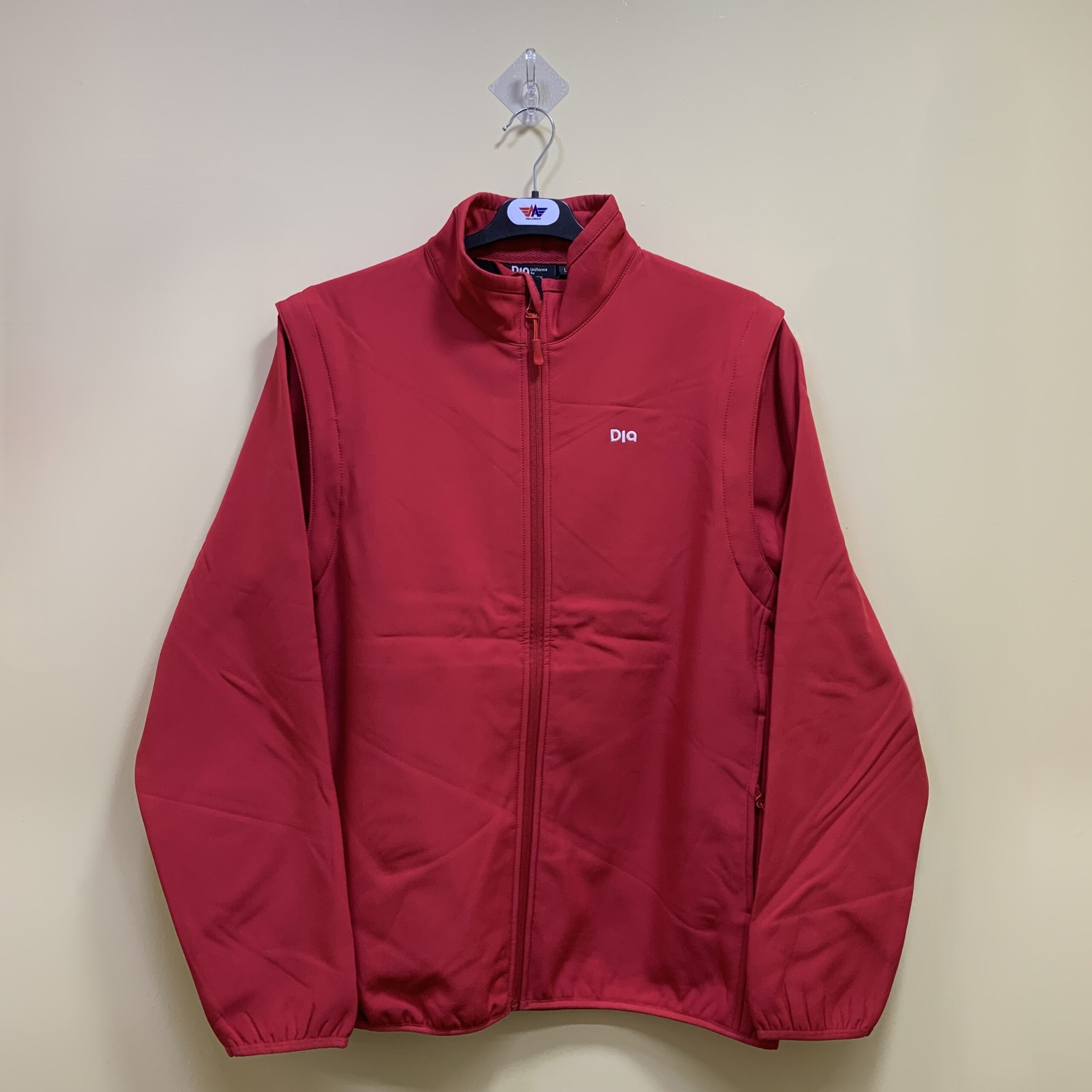
Review shade across shell, zipper tape, pocket welts and cuff fabric under agreed lighting. If one material cannot be matched closely, decide whether to revise it or use an intentional contrast. Record the decision on the approved sample.
5. Test trims and pockets on a wearable sample
Specify zipper length and puller, pocket opening size, cuff adjustments, hood drawcords where applicable, and any reinforcement points. Test frequently used closures with the gloves or equipment expected for the use case.
Place branding on the actual garment and check it at full size. A chest logo might sit well on a flat drawing but conflict with a pocket opening or seam on a physical sample. Approve artwork placement with measurements from fixed seams.
6. Approve movement, care and production samples
At the sample review with your men’s outerwear manufacturer in Bangladesh, check the jacket while standing, seated and moving. Photograph the front, side and back in the same layers across sample rounds so the fit team can see what changed. Check front-zip alignment, hood visibility and whether the cuffs stay in position.
Agree the appropriate care review and record the sample used. If laundering or another care process is specified, compare the garment before and after that process for dimensional change, appearance and closure function. Keep the pre-production sample tied to the signed-off tech pack.
7. Prepare a brief your manufacturer can act on
Give your men’s outerwear manufacturer in Bangladesh a sketch or reference garment, intended layering, finished measurements, materials, branding and planned quantities by size and colour. Separate fixed requirements from items you are willing to review during development.
Ask the manufacturer which decisions need to be made before sampling and which need to be made before bulk release. Keep a single revision list so the supplier can see which fit, material and trim decisions apply to the next sample.
Men’s Outerwear Manufacturer in Bangladesh: Fit Approval
A men’s outerwear manufacturer in Bangladesh can use a simple fitting record to separate measurement changes from wearer feedback. Write the test outfit, sample size and zipper position on the record, then note how the jacket behaves while reaching forward, sitting and wearing the hood.
For example, if a sample fits over a shirt but binds over the intended fleece, note where the restriction occurs. A change to chest width may not solve a sleeve or armhole problem. Ask the pattern team to explain the proposed correction and check the same movements on the next sample.
What belongs in a layered fit review?
- Photographs of the jacket zipped and unzipped over the intended underlayer.
- Measurements for sleeve reach, body length and clearance across the back.
- Checks for pocket access, hood movement and visibility while wearing the garment.
- A record of approved changes and the specific sample in which they were checked.
How should brands compare two insulation options?
Ask for samples built with comparable shell and lining materials. Compare how each fills the same silhouette, whether it compresses at the elbows and whether the collar and zip still close comfortably. If warmth is a formal product claim, agree what testing or evidence the buying team requires before using it on labels or product pages.
How do you keep outerwear details consistent across sizes?
Decide which dimensions should scale with garment size. A pocket bag might need room for a gloved hand across the range, while a chest logo may need different placement to stay clear of a seam. Ask the men’s outerwear manufacturer in Bangladesh to show the intended placement on both a small and a large sample when those details affect use.
Review the size set against the approved base garment and ask the supplier to flag any differences in measurements, fabric or trims. Record whether approval covers the whole range or a subset of sizes. If the fabric changes after approval, decide which fit and care checks need to be repeated before releasing bulk.
What should a wear trial report include?
Record the activity, wear duration, underlayers and actual conditions alongside the feedback. Ask testers to describe specific observations, such as a hem riding up when seated or a pocket zipper being difficult to grip. Connect each observation to the relevant feature in the tech pack so the sample team can act on it.
Use a fit review for the intended working posture
Ask your men’s outerwear manufacturer in Bangladesh for sample photos in the positions that matter to the wearer. For a driving jacket, sit with the zip closed and check how the collar, hem and sleeves behave with the arms forward. For a warehouse layer, check the front closure and pocket access while lifting or reaching.
Use consistent photos and measurements to review the next sample. If the first review included a fleece underneath, repeat the review with the same fleece. That gives the team a clearer basis for deciding whether the pattern change solved the issue.
Make pocket construction part of the prototype review
Give the men’s outerwear manufacturer in Bangladesh the dimensions of the items the wearer needs to carry. Include any phone, radio or gloves that affect the opening and pocket bag. Try those items in the sample before finalising pocket shape or placement.
Check how the pocket behaves when the jacket is moving or loaded. A side pocket can pull on the side seam, and a heavy object in a chest pocket can distort a lightweight shell. Ask the sample team to record any reinforcement or placement changes before approving the prototype.
Confirm what the sample represents before approving it
Ask your men’s outerwear manufacturer in Bangladesh whether the sample uses the planned bulk shell, lining, insulation and trims. Record substitutes by component and explain which decisions can be approved now. For example, an approved sleeve length can be recorded while waiting for a final bulk zipper and its matching tape.
Keep these exceptions attached to the approval record and check them again when the final reference arrives. Request a written list of what changed and tie it to the specific garment ID. This makes it easier to distinguish a fitting sample from the approved production reference.
Before releasing production, give the men’s outerwear manufacturer in Bangladesh a final sign-off that identifies the approved garment, material references and date. Keep the same document for the production and inspection teams, especially where an order has multiple colourways or sizes.
What to send your men’s outerwear manufacturer in bangladesh
Use the Outerwear product catalogue to identify silhouettes and constructions for your brief. Include your intended use, fit reference and key materials when requesting development or a quotation.