Workwear Tech Pack Checklist: 8 Essential Fields for Success
Published by M&A Sourcing Ltd. | 11 October 2026
Use this workwear tech pack checklist to prepare a clear buying brief before quotation and sampling. Follow the tables, approval records and product examples below to identify confirmed details and open questions.
What is a workwear tech pack?
A workwear tech pack checklist helps buyers turn a garment idea into a specification that can be quoted, sampled and reviewed. A tech pack normally combines drawings, materials, measurements, construction, branding and packing instructions. Its value comes from clear references and decisions, rather than the number of pages.
Use this guide when preparing a new style or revising an existing workwear programme. It is a practical buyer checklist, not a promise that every design is production-ready or that all suppliers need identical files. Confirm the required format and open technical questions with the development team.
M&A Sourcing Ltd. supports product development and sourcing enquiries. For company capabilities, visit our Workwear Manufacturer in Bangladesh homepage. For the wider workflow, read the workwear manufacturing process guide.
The workwear tech pack checklist: essential files
| Item | Include | Decision it supports |
|---|---|---|
| Style identity | Style code, product name, date and revision | Identifies the controlling file |
| Drawings | Front, back and detail views | Explains design and construction |
| Materials | Fabric and trim specifications | Supports sourcing and costing |
| Measurements | Points of measure, sizes and tolerances | Supports fit and sample review |
| Construction | Seams, pockets, closures and reinforcement details | Defines how the garment is made |
| Branding | Artwork, dimensions, colours and positions | Controls decoration and labels |
| Quantity matrix | Style, colour and size breakdown | Supports feasibility and allocation |
| Packing | Folding, identifiers, carton allocation and destination | Defines receiving requirements |
In the workwear tech pack checklist, mark each item as confirmed, provisional or pending buyer decision. A missing fabric weight or unclear pocket dimension should stay visible in the issue log rather than being filled with an unnoticed assumption. A preliminary quote can identify assumptions, but the final agreement should refer to the accepted specification.
Drawings, construction and functional details
For the workwear tech pack checklist, provide front and back drawings plus enlarged views where a detail cannot be understood at garment scale. Identify pockets, closures, panels, labels and decoration positions with consistent references. Photos are useful for appearance, but they do not establish measurements or concealed construction.
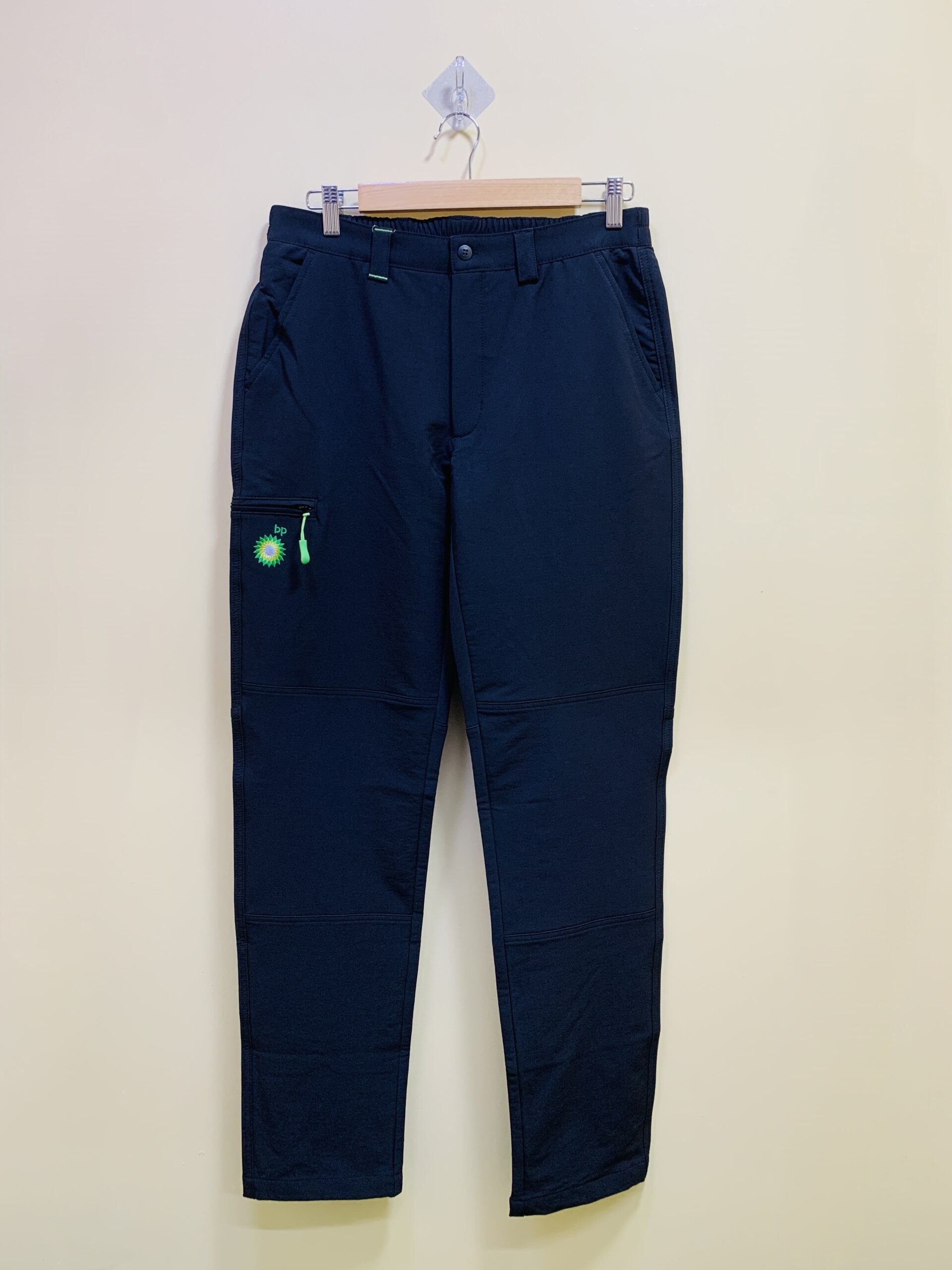
For cargo trousers, record pocket openings, depth, fastening and placement. Identify waistband construction, belt loops and any agreed reinforcement. For a jacket, specify the closure, lining or layer requirements, pocket access and intended fit over other clothing.
Describe functional requirements in terms the supplier can review: what needs access, how the garment should move and which components need an agreed evaluation. Avoid an instruction such as “make more durable” without stating the construction or acceptance requirement. Confirm technical feasibility during development.
If a design has a protective claim, list it separately and identify the technical reviewer. A reflective layout or a logo modification should receive the relevant review before approval. The tech pack itself is not certification.
Fabric specifications and bill of materials
| Component | Specification fields | Reference |
|---|---|---|
| Main fabric | Composition, construction, weight, finish and colour | Accepted swatch or material code |
| Secondary fabric | Location and required characteristics | Approved component reference |
| Closures | Type, dimensions, colour and function | Trim sample or supplier reference |
| Thread and accessories | Agreed identity and construction use | Trim card |
| Labels and decoration | Artwork version and placement | Accepted file and sample |
In your workwear tech pack checklist, identify where each component is used. Within the workwear tech pack checklist, keep approved material references separate from provisional components used in early samples. If a supplier proposes an alternative, ask for the differences and review the impact on fit, appearance, care, price and required evidence before acceptance.
GSM describes weight per square metre; it does not establish complete suitability. Review fabric construction, finish and garment use together. Where a textile claim is requested, check the actual scope: OEKO-TEX STANDARD 100 concerns textiles tested for harmful substances, rather than proof of every protective performance claim.
Measurements, grading and sample tolerances
| Point of measure | Method to define | Record for the programme |
|---|---|---|
| Waist | How the garment is positioned and measured | Target by size and agreed tolerance |
| Inseam | Start and end points | Target by size and agreed tolerance |
| Chest | Position below the armhole and flat measurement method | Target by size and agreed tolerance |
| Sleeve | Reference points and garment position | Target by size and agreed tolerance |
| Pocket placement | Distance from a defined seam or point | Accepted location and tolerance |
This measurement section of the workwear tech pack checklist is a record format, not a universal size chart. Distinguish body measurements from finished garment measurements and identify the units used. Confirm whether measurements are taken before or after the agreed care evaluation.
Use the workwear tech pack checklist when reviewing representative fit samples for the intended wearer group. Check movement, sitting, bending, pocket access and layering where relevant. Keep the sample code and measurement chart revision with the comments. Agree how fit amendments are applied across sizes before production release.
Real product references to support your brief
Use these existing catalogue photographs as starting references for an industrial programme. Click a picture or button to open the dedicated product page and view more examples. Confirm which details can be developed for your own programme.
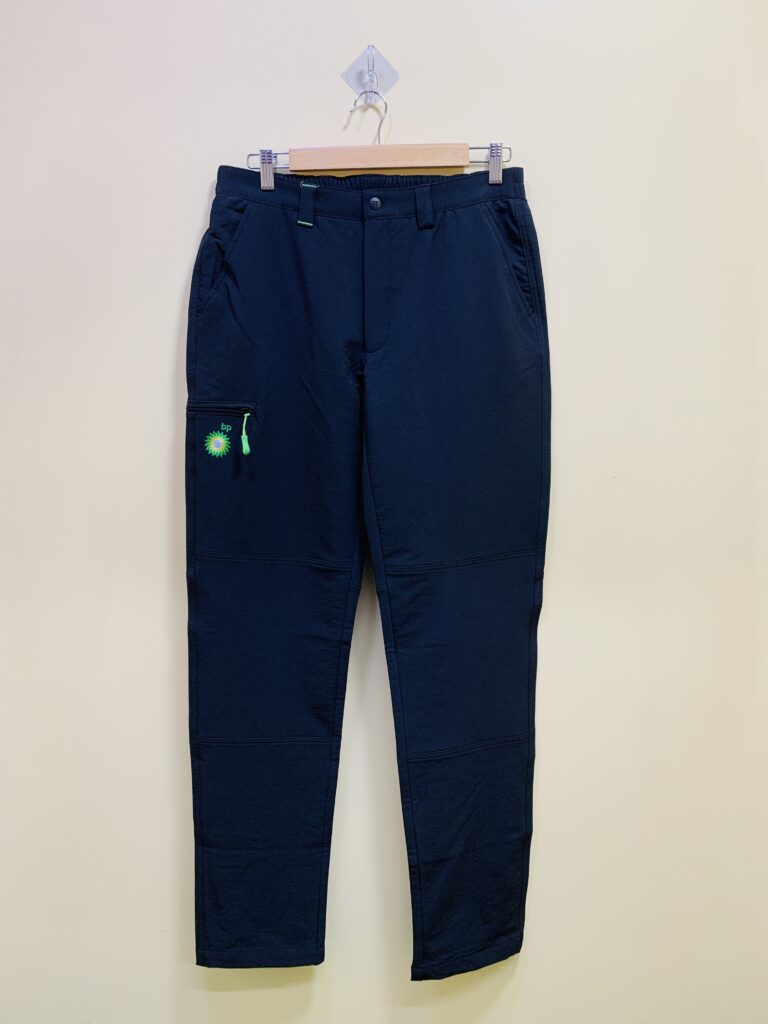
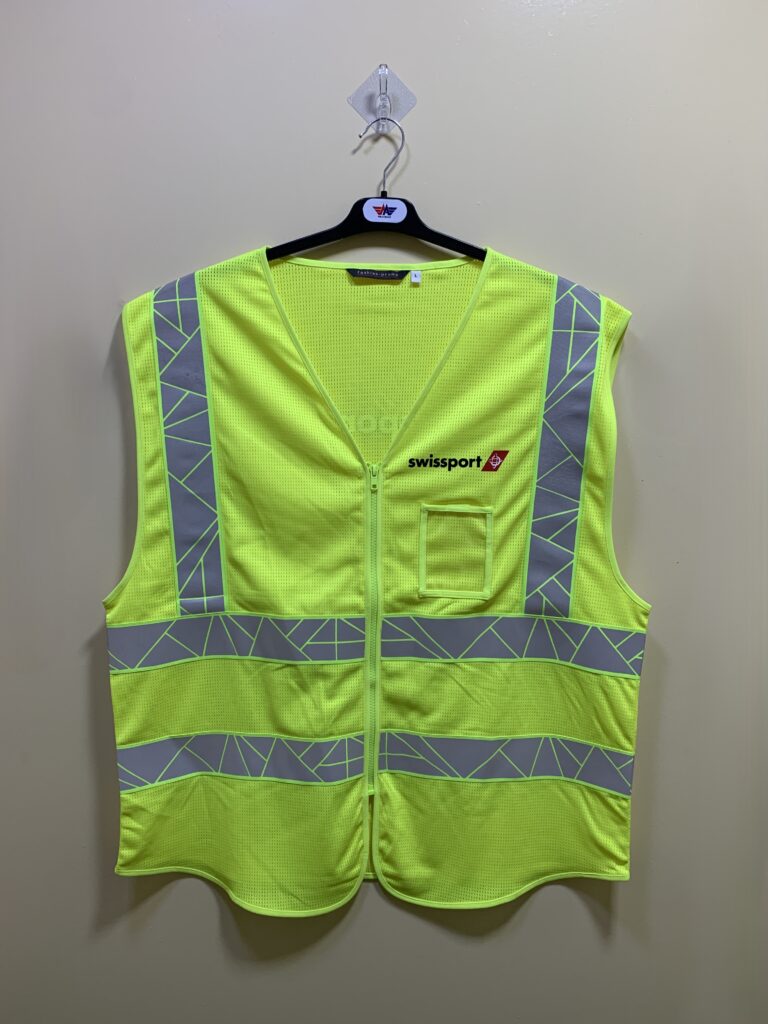
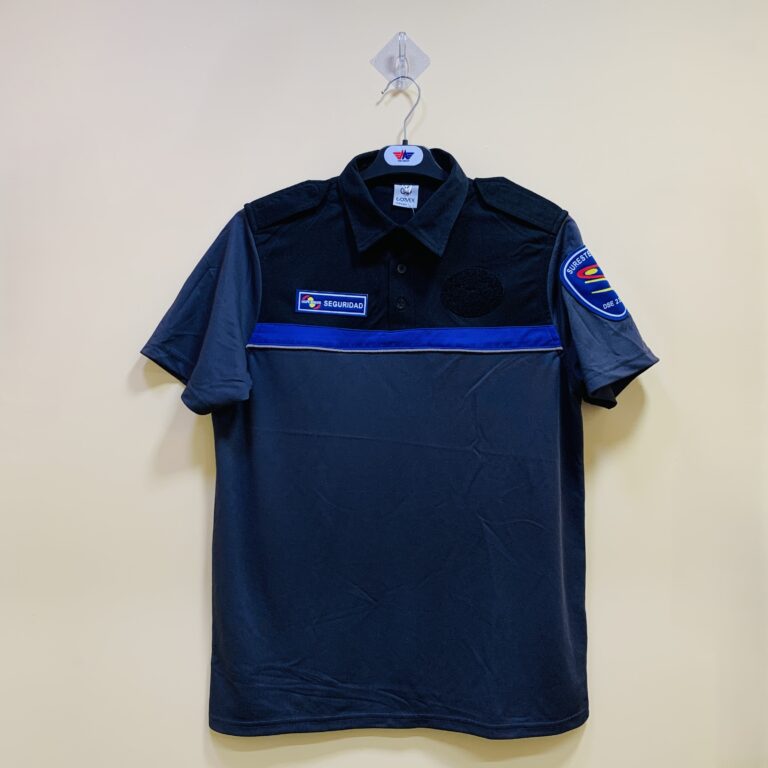
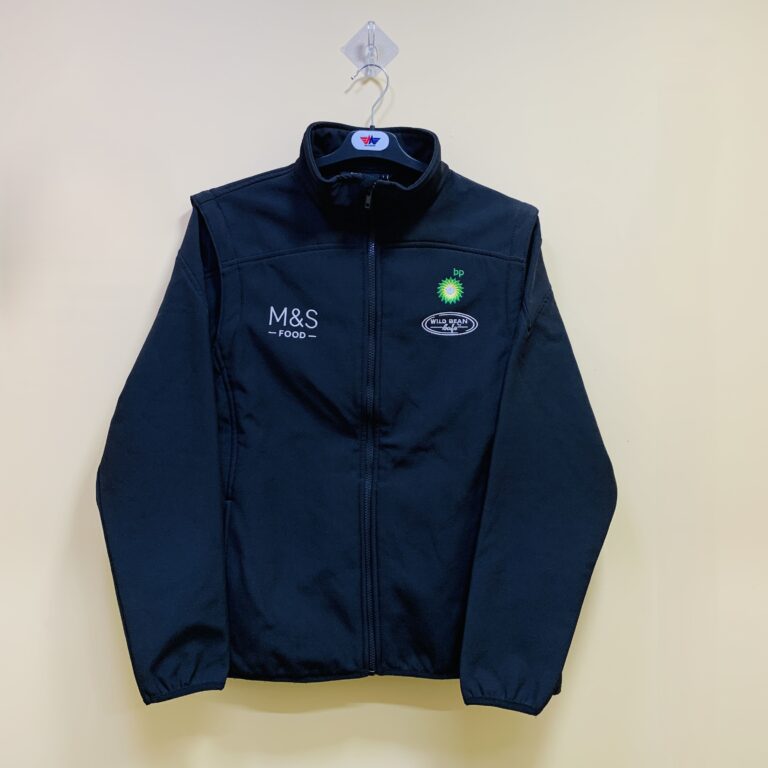
Also explore high-visibility wear, aprons, padded jackets and the complete workwear range. Catalogue images do not establish availability or protective performance for every proposed modification.
Logo, label and packing instructions
Complete the workwear tech pack checklist with current artwork files with dimensions, colours and positions for each style. Measure placement from a defined reference rather than relying only on wording such as “left chest”. Approve relevant decorated samples before release.
In the workwear tech pack checklist, keep brand, size and care labels separate in the artwork register. Identify file names, revision dates and the person who approves each item. A fabric or panel change may require another decoration review even when the logo file remains unchanged.
The packing section of the workwear tech pack checklist should specify garment identifiers, folding, bags, quantity per carton and allocation by receiving location. Record any packing artwork and who supplies it. For detailed branding approvals, see the custom branded uniform guide.
Real company images: staff and sample coordination
These existing company photographs show staff, samples and production-related activity. Discuss who will review your brief and maintain the sample approval log.
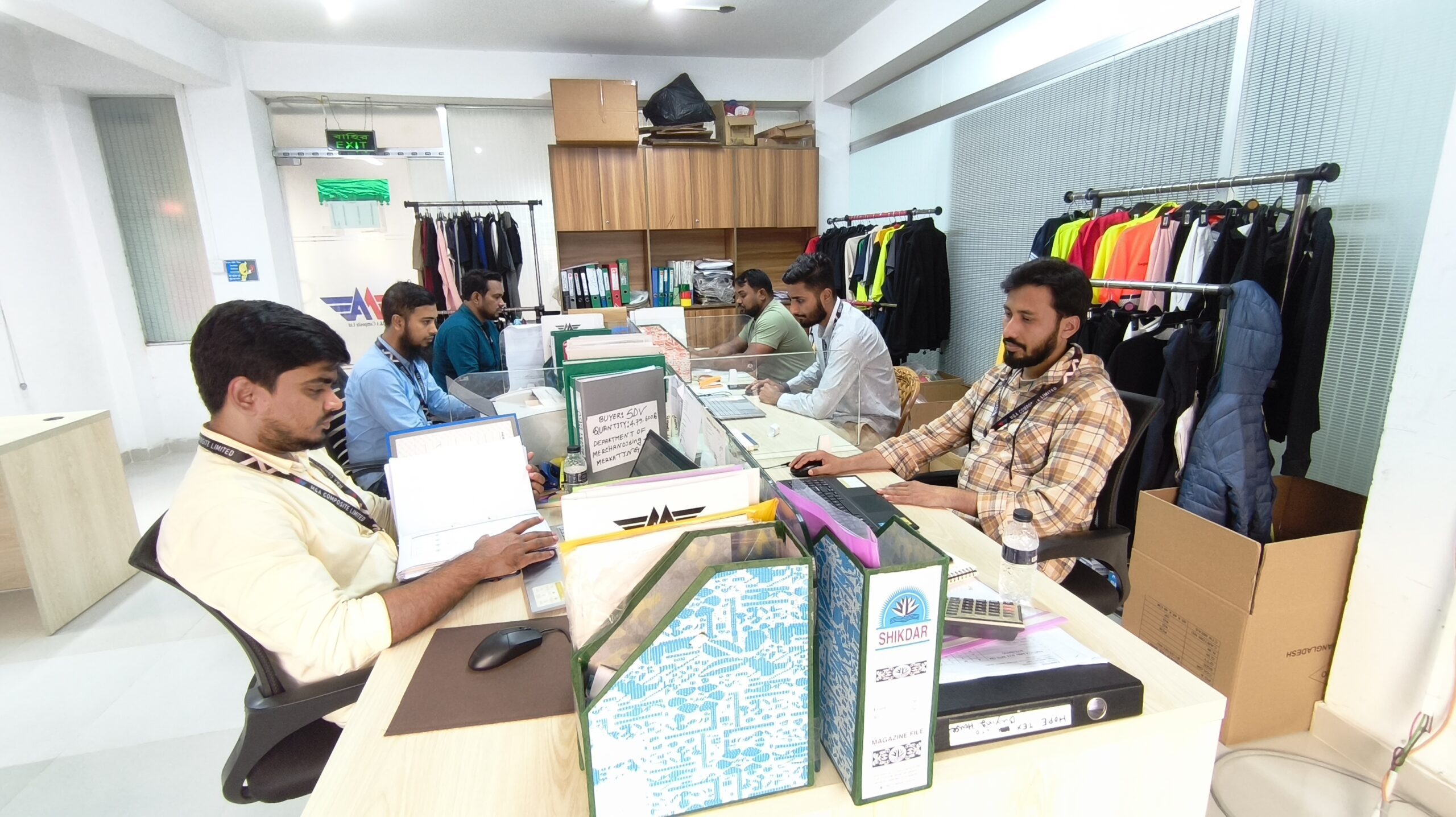
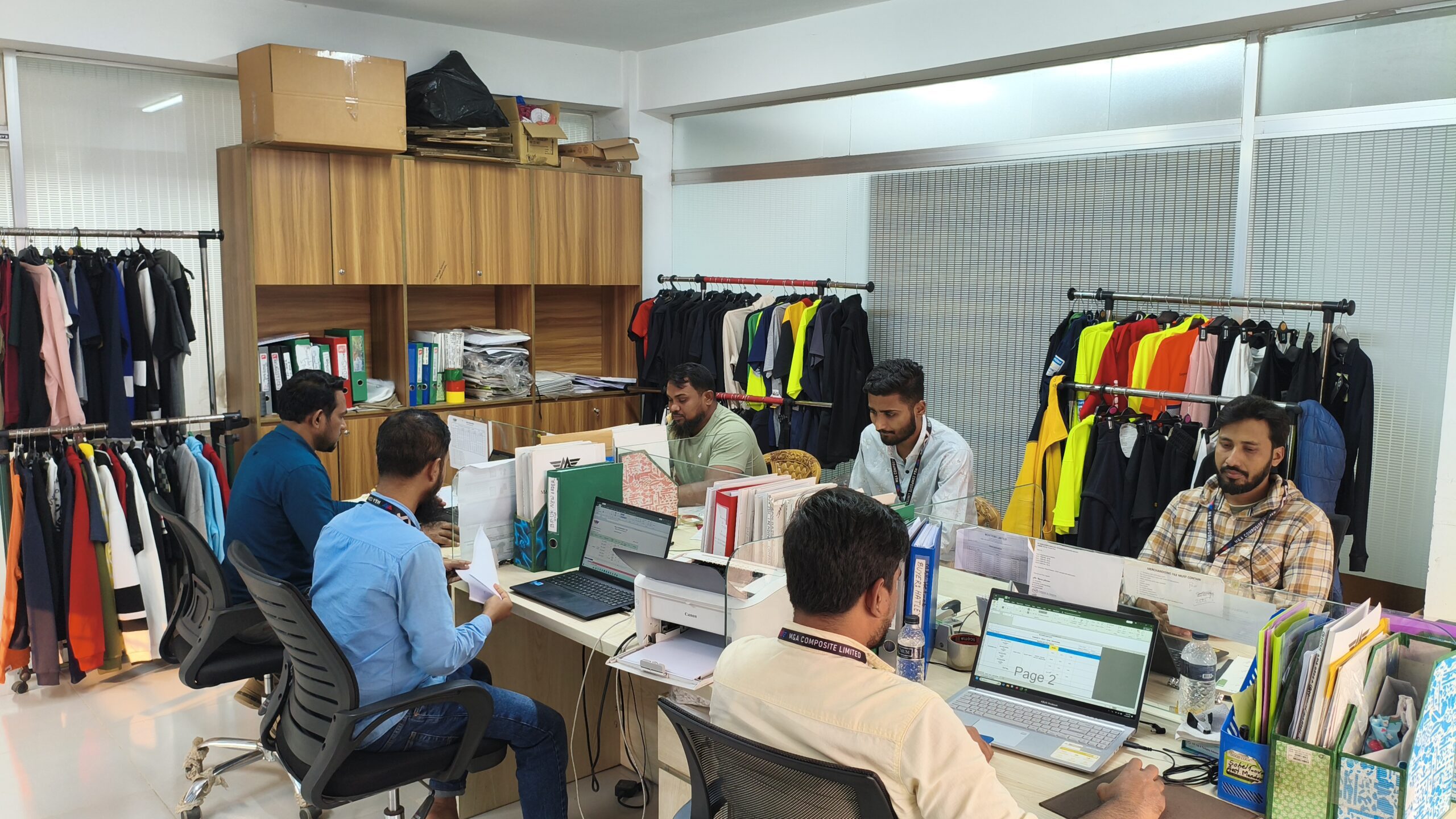
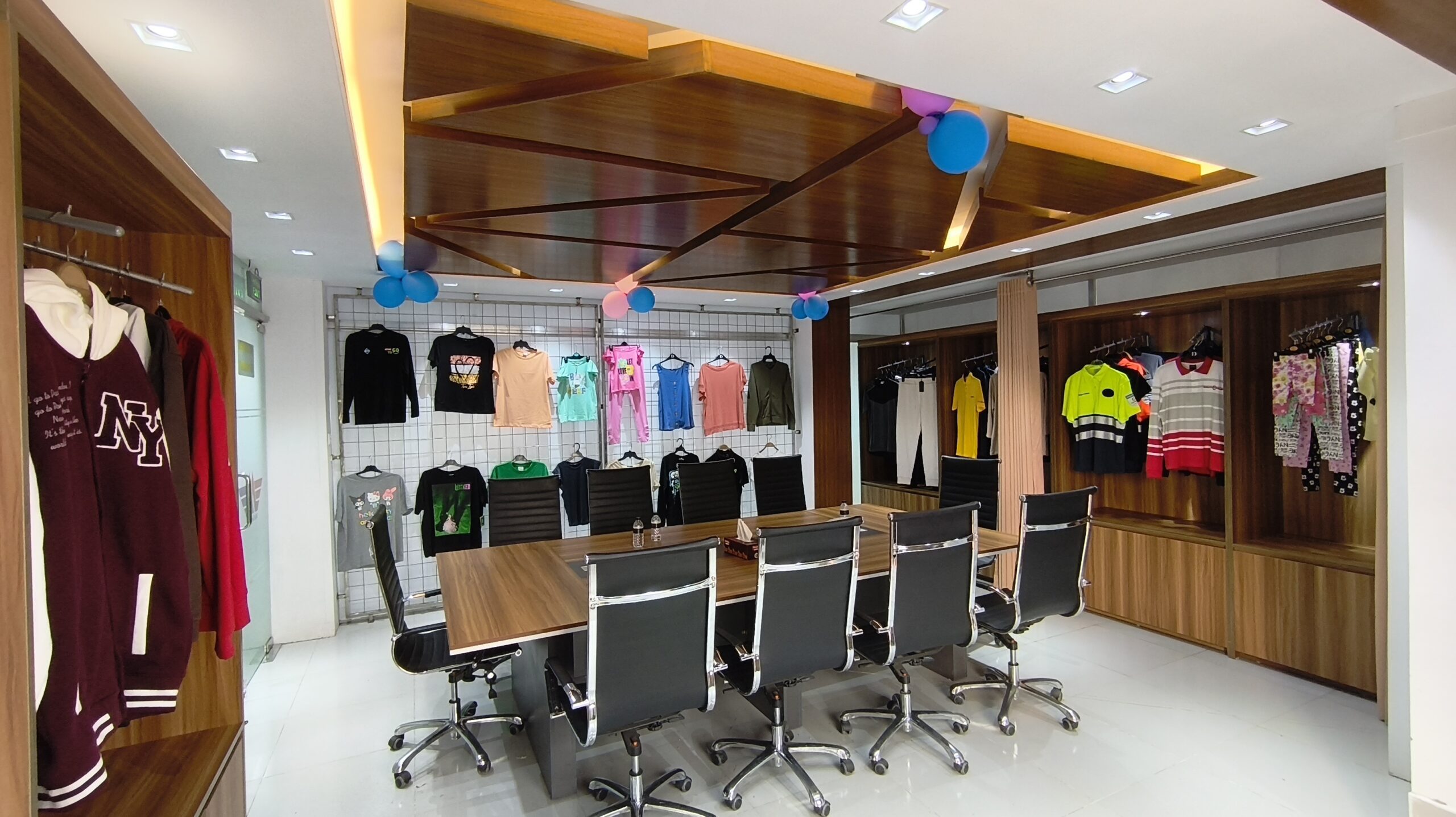
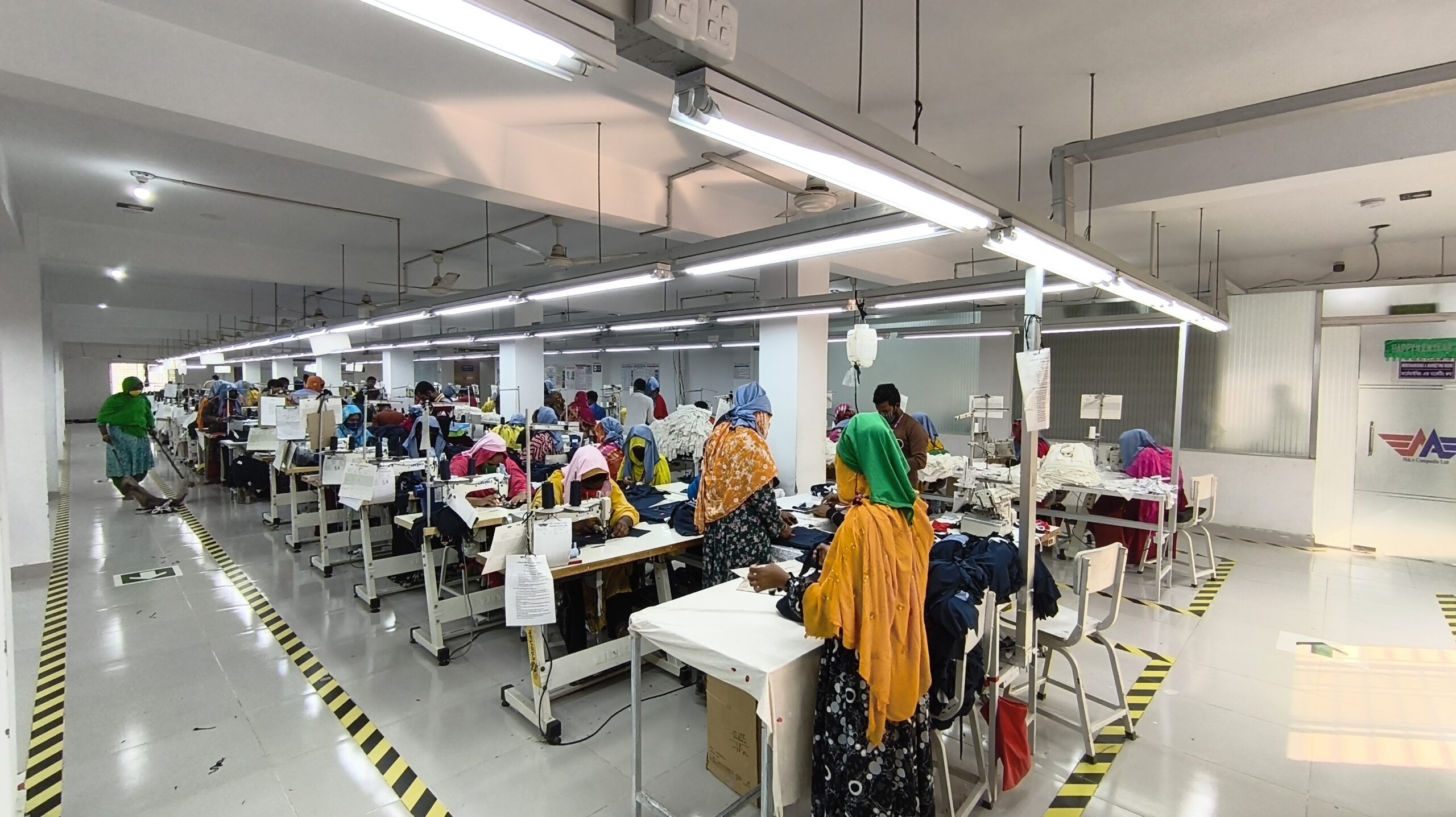
Agree a named contact and escalation route. The photographs introduce the working environment; relevant samples and current records support capability discussions.
Sample comments and revision control
| Field | What to record | Purpose |
|---|---|---|
| Sample identity | Style, sample code and review date | Connects comments to the right garment |
| Specification | Current tech pack and artwork revision | Identifies the controlling instruction |
| Finding | Affected measurement, component or position | Makes the issue specific |
| Action | Required amendment and responsible person | Defines the next step |
| Decision | Approved, revise or pending; approver and date | Controls release |
Keep comments for the workwear tech pack checklist in one dated register. Conflicting instructions from different reviewers should be resolved before the supplier changes the sample. State whether an amendment requires a new sample, a revised file or another evaluation.
Example: if a buyer increases pocket depth, update the drawing and measurement reference, then review its position and construction on the revised sample. Do not leave the old drawing in circulation. This is an illustrative workflow, not a claim about a completed customer order.
Before repeating an order, check component availability and approve substitutions. Retain accepted samples, materials, artwork, labels and packing references so replenishment can be reviewed against a known basis.
Tech pack readiness: 7 approval milestones
These bars illustrate the sequence of decisions. They are not live readiness percentages or a guarantee that a garment meets a protective standard.
Assign style codes, drawings and revision dates.
Identify fabric, trims and provisional components.
Agree points of measure, units and tolerances.
Record artwork, labels and allocation.
Consolidate fit, construction and decoration decisions.
Identify the accepted sample and controlling files.
Retain approvals and review later substitutions.
Real production images: why precise instructions matter
These existing company photographs show sewing activity and garment handling. Discuss the proposed manufacturing site and any operations performed elsewhere.
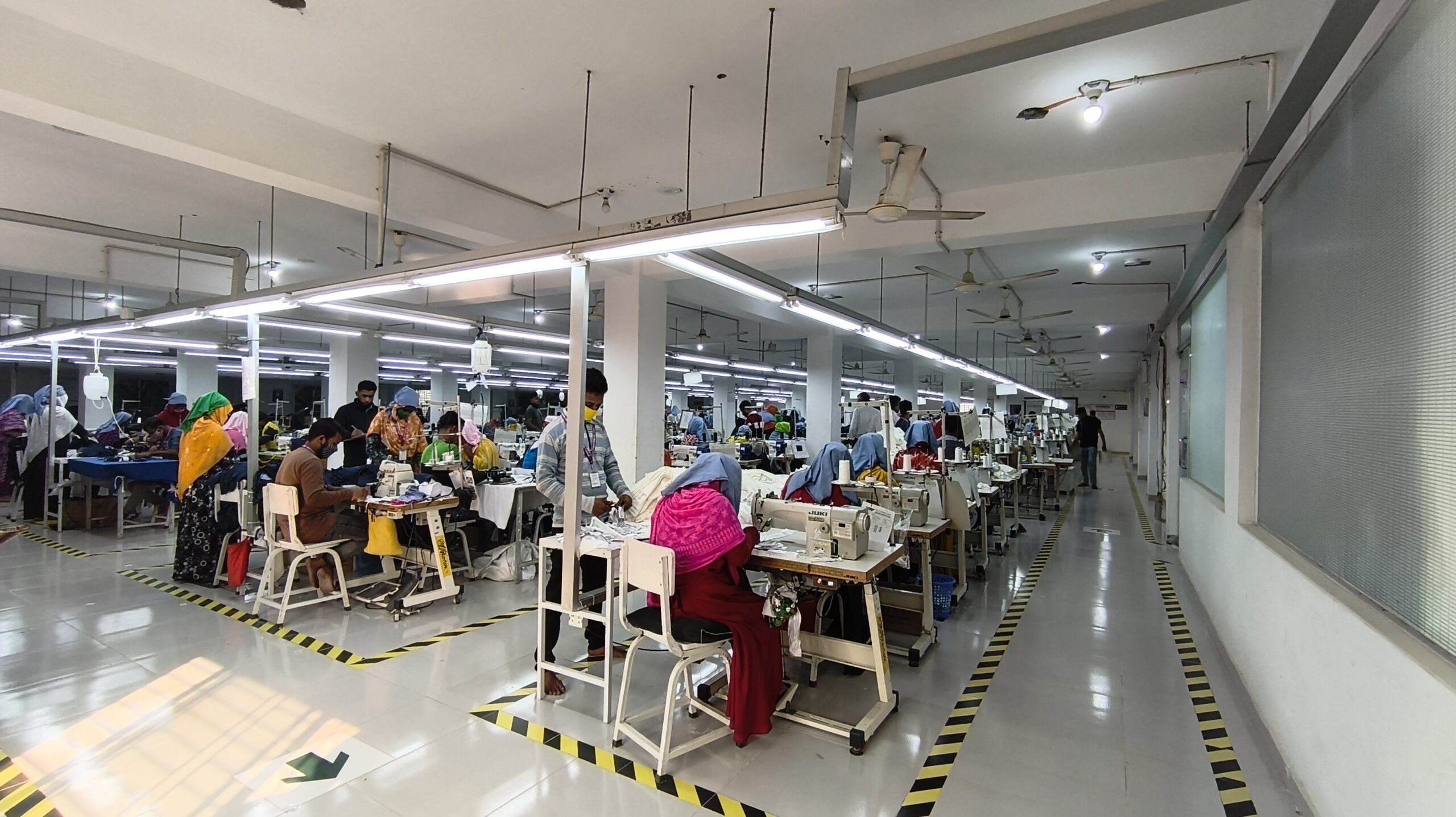
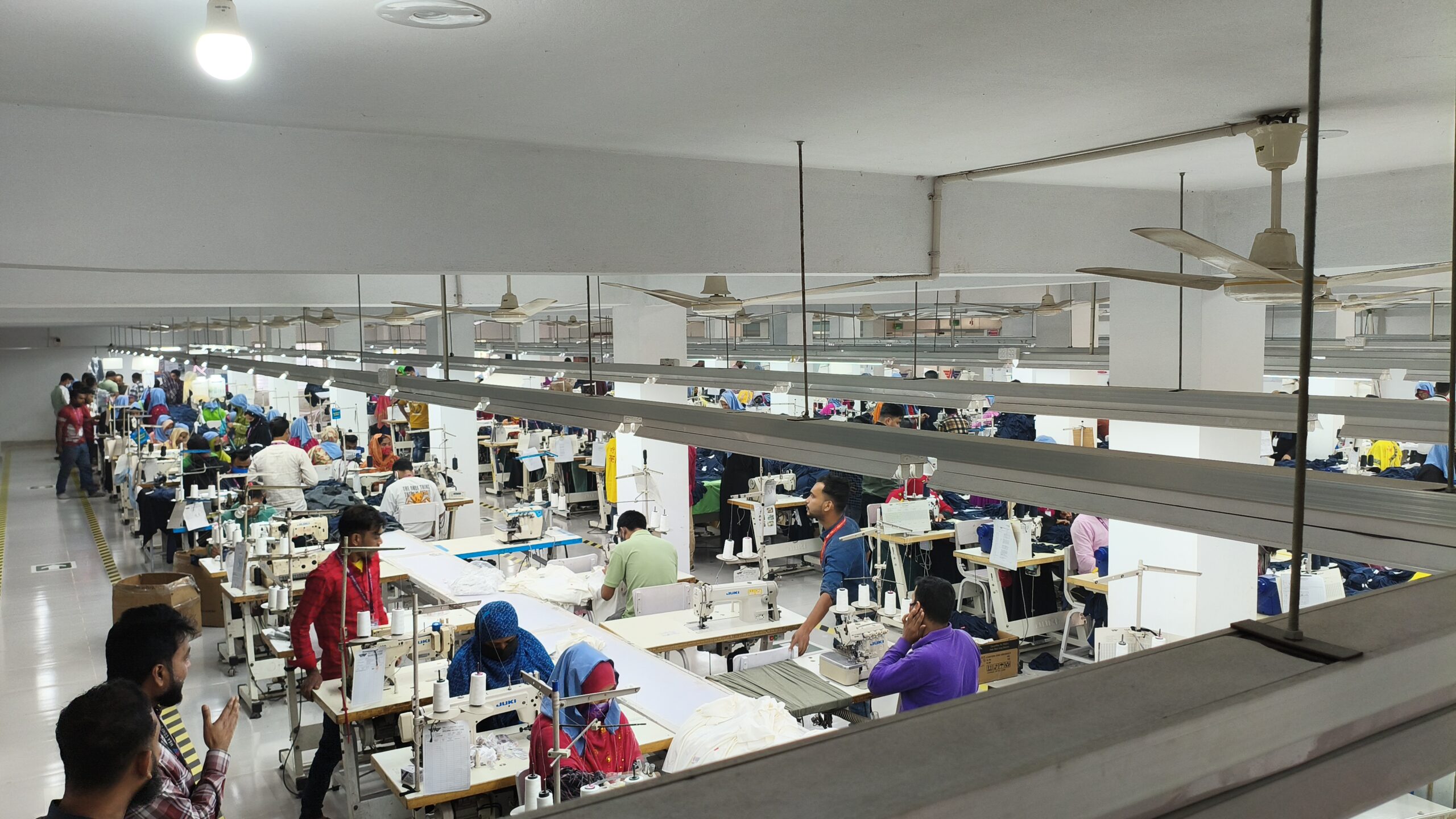
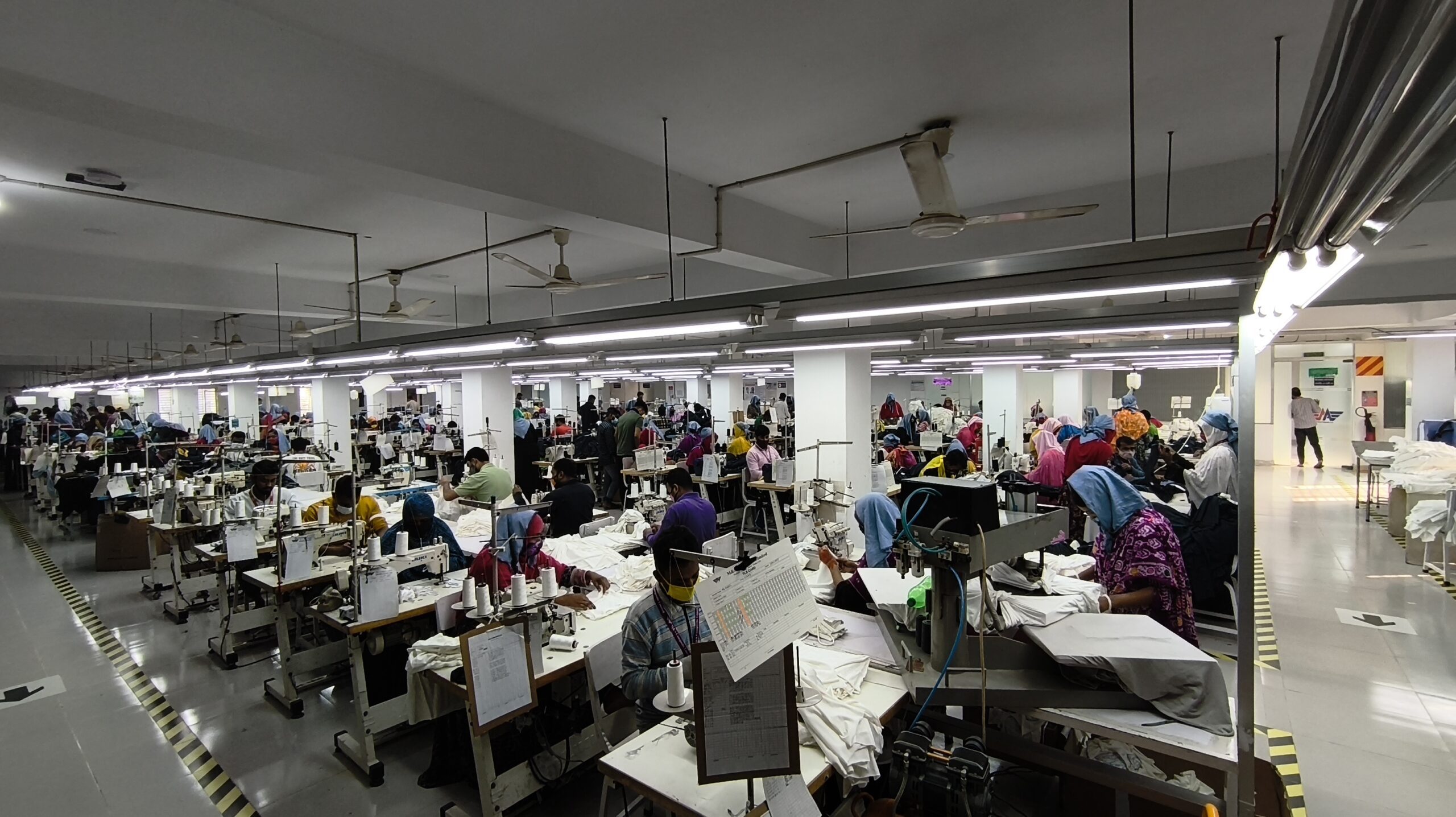
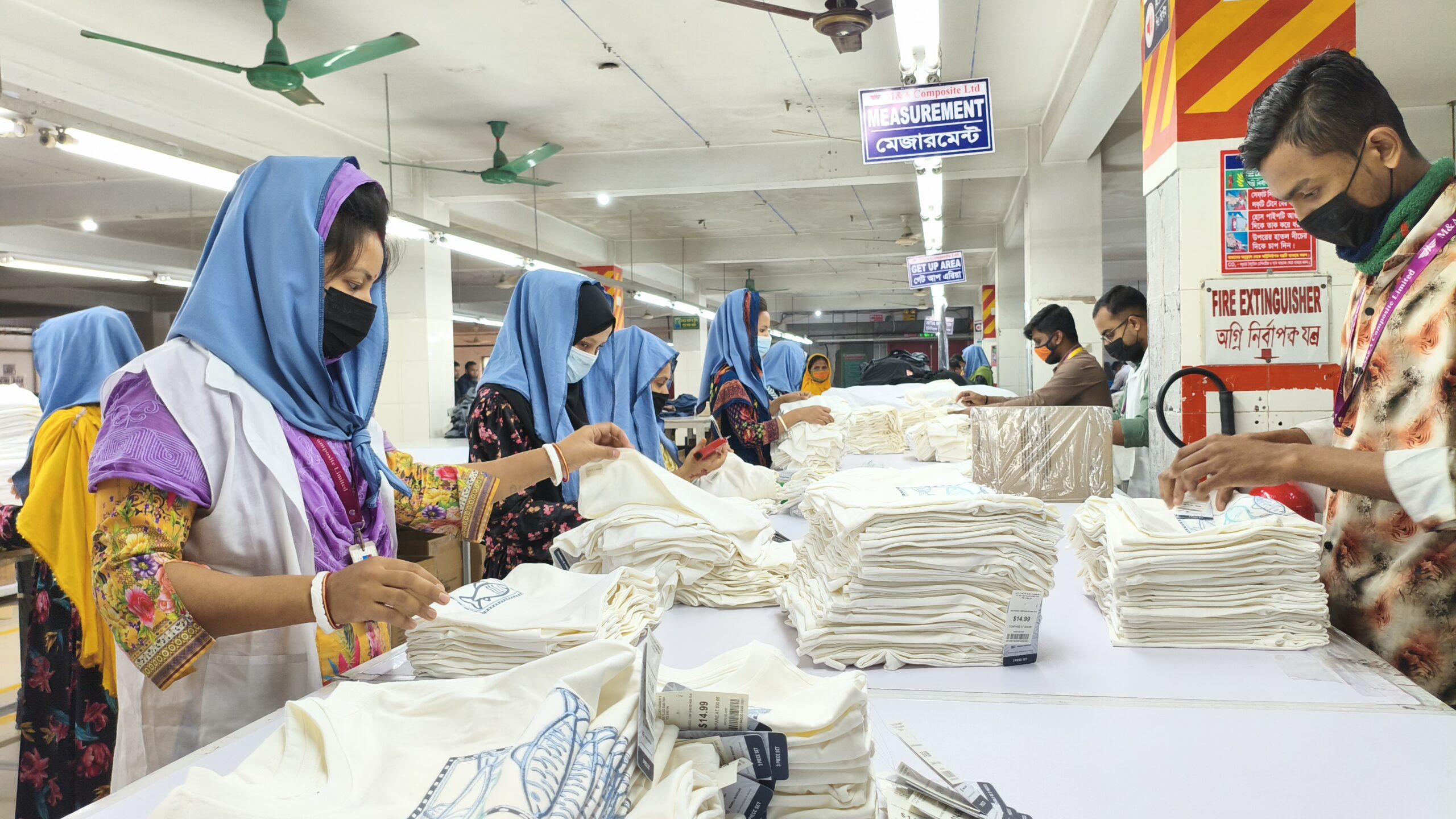
The images are not presented as a particular customer’s custom order, audit result or delivery status. Request current programme-specific records for those decisions.
Common tech pack mistakes before a quotation
When reviewing the workwear tech pack checklist, look for incompatible drawing and measurement revisions, a quantity total without size allocation, decoration approved only on a digital mock-up and substitute sample materials treated as bulk approvals. Each creates uncertainty that should be resolved explicitly.
Compare quotes using the same specification and delivery basis. Identify exclusions for sampling, evaluation, branding, packing and inspection. No universal MOQ, cost or lead time is offered here; ask for an order-specific proposal with its assumptions.
For broader production planning, read the custom workwear guide and wholesale workwear guide. The BGMEA website provides industry information; it does not replace review of an actual supplier, site or order.
1. Identify the controlling style and revision
Begin the workwear tech pack checklist with one style identifier that appears on drawings, measurement charts, sample labels and quotations. A file named only “final” is difficult to track once a later amendment exists. Use a revision date and record which earlier issue it replaces. Confirm that the supplier and buyer are reviewing the same version before requesting a sample change.
Maintain a short change register alongside the workwear tech pack checklist. State what changed, why it changed and which approvals need review. If a colour is revised while measurements remain unchanged, identify both facts. Keep superseded files available for reference but clearly distinguish them from the current instructions. Ask the supplier to acknowledge the revision rather than assuming that an email attachment has reached every operational team.
2. Resolve assumptions before comparing prices
A preliminary proposal may rely on provisional fabric, trim or packing assumptions. Add an assumptions column to your workwear tech pack checklist so those decisions remain visible. Ask each supplier to identify exclusions and alternatives against the same brief. Compare product specifications and service scope before comparing the unit price.
For instance, one proposal may include embroidery development while another includes only bulk decoration. One may use an available fabric shade while another assumes a custom colour approval. Neither difference is obvious from the product photograph. Record what the price covers, which development costs are separate and what would require a revised proposal. Confirm who supplies artwork and packing files.
3. Make the quantity matrix usable for production
In the workwear tech pack checklist, record each style-colour-size combination separately and reconcile its subtotal with the total order quantity. Include garment codes so similar colours or different pocket versions cannot be confused. Where jackets and trousers are ordered together, confirm whether the quantity refers to complete sets or individual pieces.
In the workwear tech pack checklist, keep distribution requirements separate from manufacturing totals. An employer may need stock divided between several locations, while a distributor may require a specific assortment in each carton. Record which allocation is controlling and who checks it. If quantities change after sampling, review material feasibility, packing and commercial implications with the supplier before treating the original proposal as unchanged.
4. Link each measurement to an agreed method
The workwear tech pack checklist should state units and measurement methods, not just target numbers. Define where a measurement begins and ends, how the garment is positioned and whether elastic or adjustable parts are measured relaxed or under an agreed condition. A sketch can help explain a point that words leave ambiguous.
In the workwear tech pack checklist, keep fit comments separate from measurement findings. A sample may match a chart while still needing a design adjustment for the intended use. Record the observation, proposed amendment and buyer decision. When a chart changes, review the related drawing and sample instructions together. Do not mix measurements from an earlier sample with construction instructions from a later revision without explaining the relationship.
5. Connect sample approval with bulk references
Use the workwear tech pack checklist to identify exactly what the buyer approved. List the sample code, fabric reference, trims, artwork and specification revision. If an approval is conditional, keep its conditions visible. A statement such as “approved except the zip” still leaves a component decision open that needs a named owner and accepted reference.
Before production release, resolve the outstanding components or document the agreed handling of any remaining condition. Check that labels and packing have received their own review. Retain the accepted sample where practical and identify how it will be used for comparison. Approval of appearance alone should not silently become approval of materials, measurements or a protective claim that has not been evaluated.
Final handover review
Before sending the workwear tech pack checklist, open every attachment and check that its file name matches the register. Confirm that drawings remain legible when printed, artwork links work and spreadsheet totals reconcile. Include a short list of unresolved questions with the person responsible for each decision. Ask the receiving team to confirm that it can access the files and identify any information needed before costing or sampling. Keep that acknowledgement with the revision record. This simple handover check helps prevent missing attachments or unreadable references from becoming unnoticed assumptions during development.
6. Prepare records for future replenishment
Keep an archived workwear tech pack checklist with the accepted files and order references. Retain material codes, swatches, measurement charts, decorated samples, labels and packing instructions. Record substitutions made during the order so a repeat programme starts from what was actually accepted rather than an outdated development proposal.
Revisit the workwear tech pack checklist before placing a repeat order: confirm component availability and whether staff needs, destination or care expectations have changed. Compare any proposed alternative against the earlier reference and obtain approval before release. Use buyer feedback about fit, pockets or appearance to revise the specification precisely. A repeat order can reuse a controlled starting point while still requiring review of current terms and manufacturing arrangements.
Frequently asked questions
What is a workwear tech pack checklist?
It is a structured list of drawings, materials, measurements, construction, branding, quantities and packing information used to prepare a workwear specification.
Can I request a quotation with photographs only?
Photos can start a discussion, but accurate comparison needs material, construction, measurement and quantity details. Keep preliminary quotation assumptions visible.
Does every garment need the same measurement chart?
No. Define points of measure, units and tolerances for the actual style and size range. The example table here is not a universal chart.
What is a bill of materials?
It identifies the fabrics, trims, labels and other components used in the garment, with specifications and accepted references.
How should logo placement be specified?
Record artwork version, dimensions, colours and position measured from a defined garment reference. Approve a relevant decorated sample.
How should sample changes be recorded?
Identify the sample, controlling revision, specific finding, required action, owner and review decision in a dated log.
Does a tech pack prove protective certification?
No. Define required protective claims separately and review evidence for the actual product with the responsible technical reviewer.
Do the progress bars show live readiness?
No. They illustrate seven approval milestones. An actual programme requires its own dated issue and approval tracker.
Is there a fixed MOQ or sampling time?
No universal minimum or timeline is stated. Request terms after reviewing materials, quantity, complexity and development requirements.
Can M&A Sourcing discuss my workwear brief?
Use the contact page with your drawings or references, materials, measurements, artwork, quantity matrix and destination to discuss an order-specific scope.
Discuss your workwear tech pack
Send your garment references, materials, measurements, quantity matrix and destination. Identify decisions still open and ask for a proposal covering development, samples, production responsibilities and commercial assumptions.