Cargo Work Trousers: 7 Essential Tips for Better Fit
By M&A Sourcing Ltd. | 11 October 2026
Cargo work trousers combine fit, storage and uniform presentation. This practical guide explains seven buying decisions, with real catalogue images, specification tables and an approval workflow to help you prepare a clearer enquiry.
Start with the job and wearer requirements
Cargo work trousers should start with a clear description of the workday. Identify whether wearers spend most of their time standing, walking, driving or moving between indoor and outdoor areas. Record what they need to carry and how they access it. A pocket arrangement that looks useful in a catalogue can be awkward when the wearer sits in a vehicle or reaches across a workstation.
For cargo work trousers, separate appearance requirements from functional requirements. Colour and logo placement may be controlled by a uniform programme, while pocket openings, waistband adjustment and leg shape need review with actual wearers. Ask the buyer to identify priorities before development: movement, presentation, storage access and care requirements can lead to different design decisions.
For a coordinated programme, decide which upper garments the trousers will accompany. Our tees and polos and softshell range provide related catalogue references. Confirm colour matching using accepted physical references rather than assuming photographs show an exact shade.
This guide supports a buying discussion with M&A Sourcing Ltd. It does not prescribe one specification for every workplace. Visit the Cargo & Trouser product page for the current catalogue and use the Workwear Manufacturer in Bangladesh homepage for the wider company offer.
Real cargo and trouser catalogue references
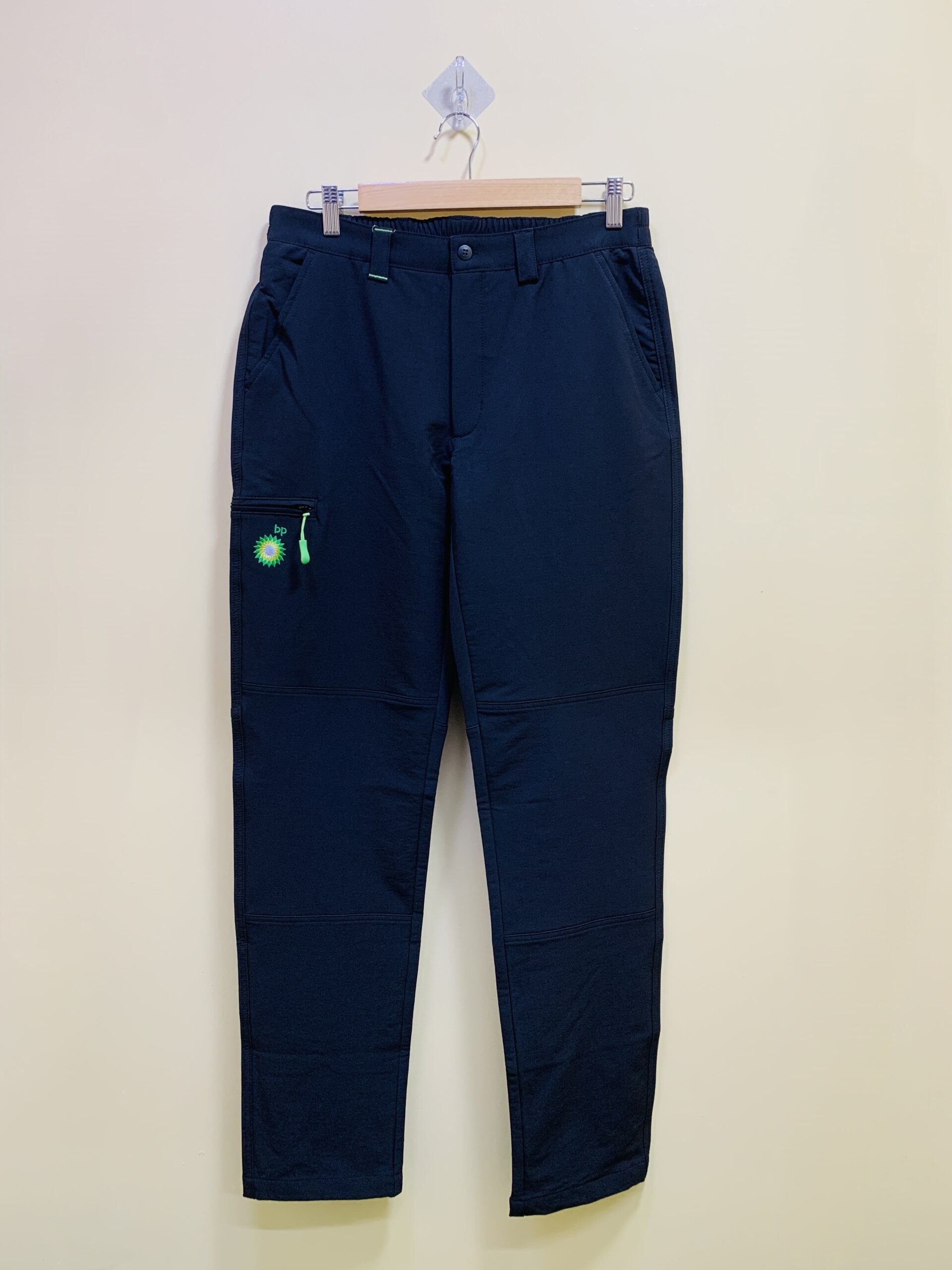
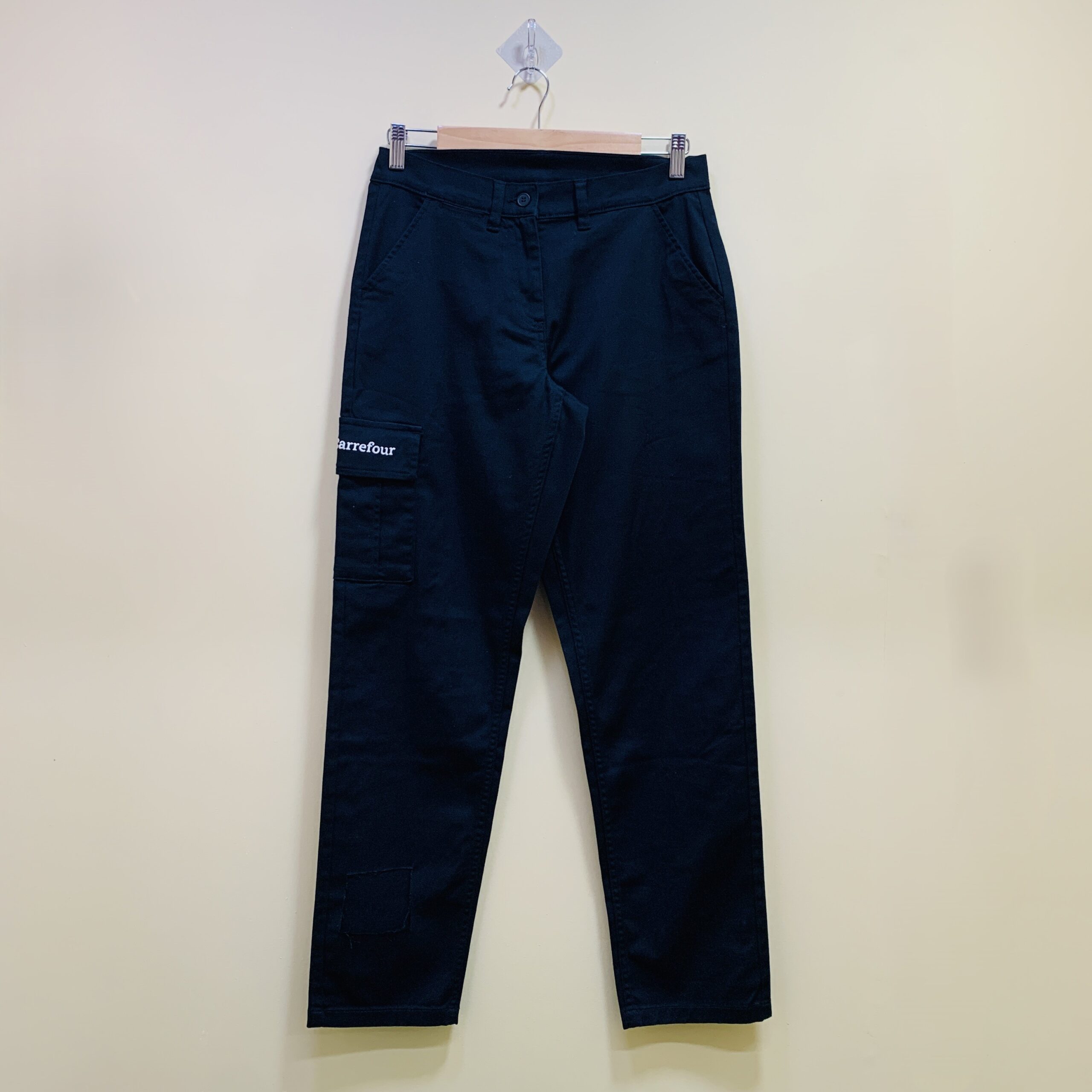
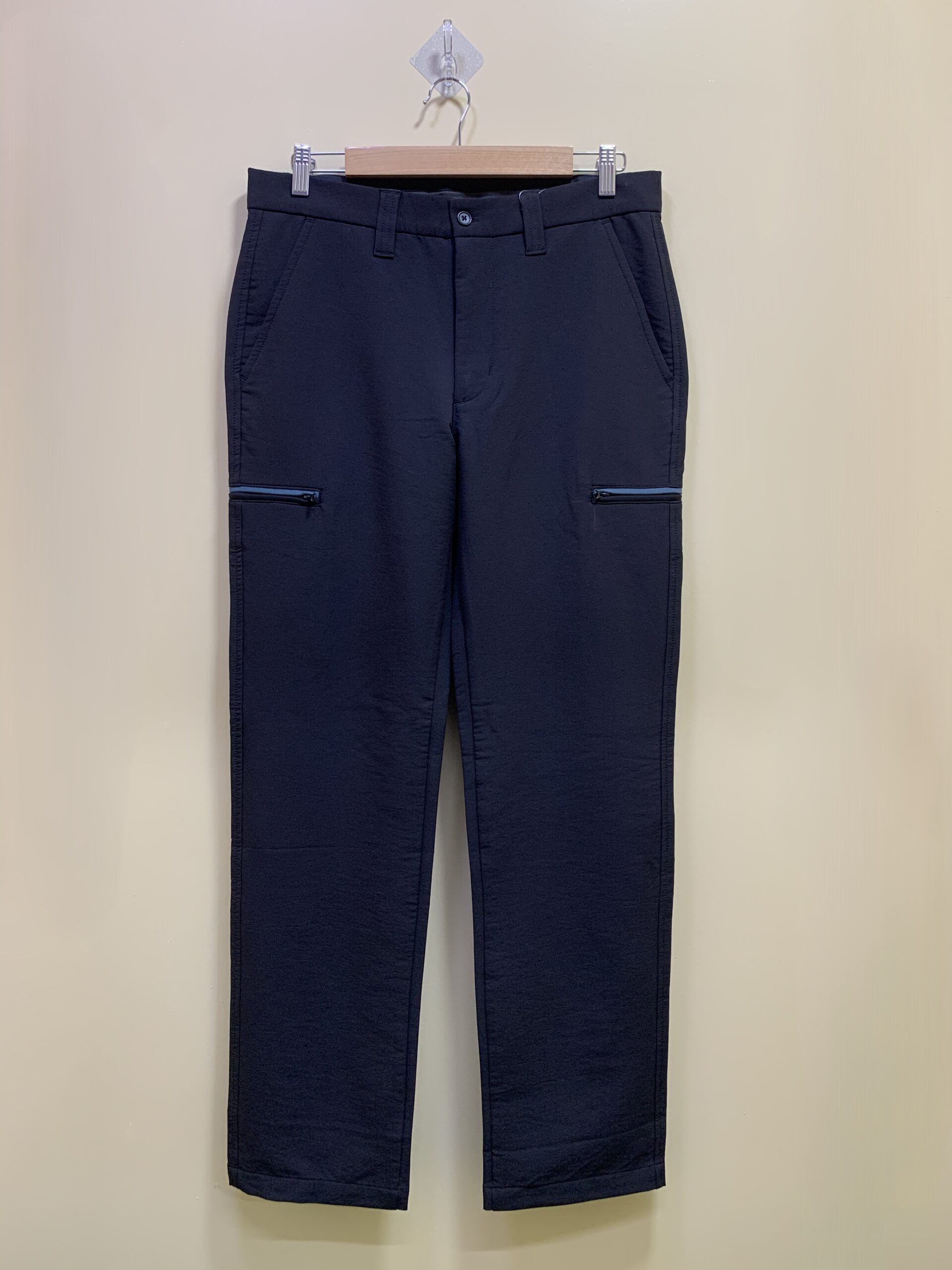
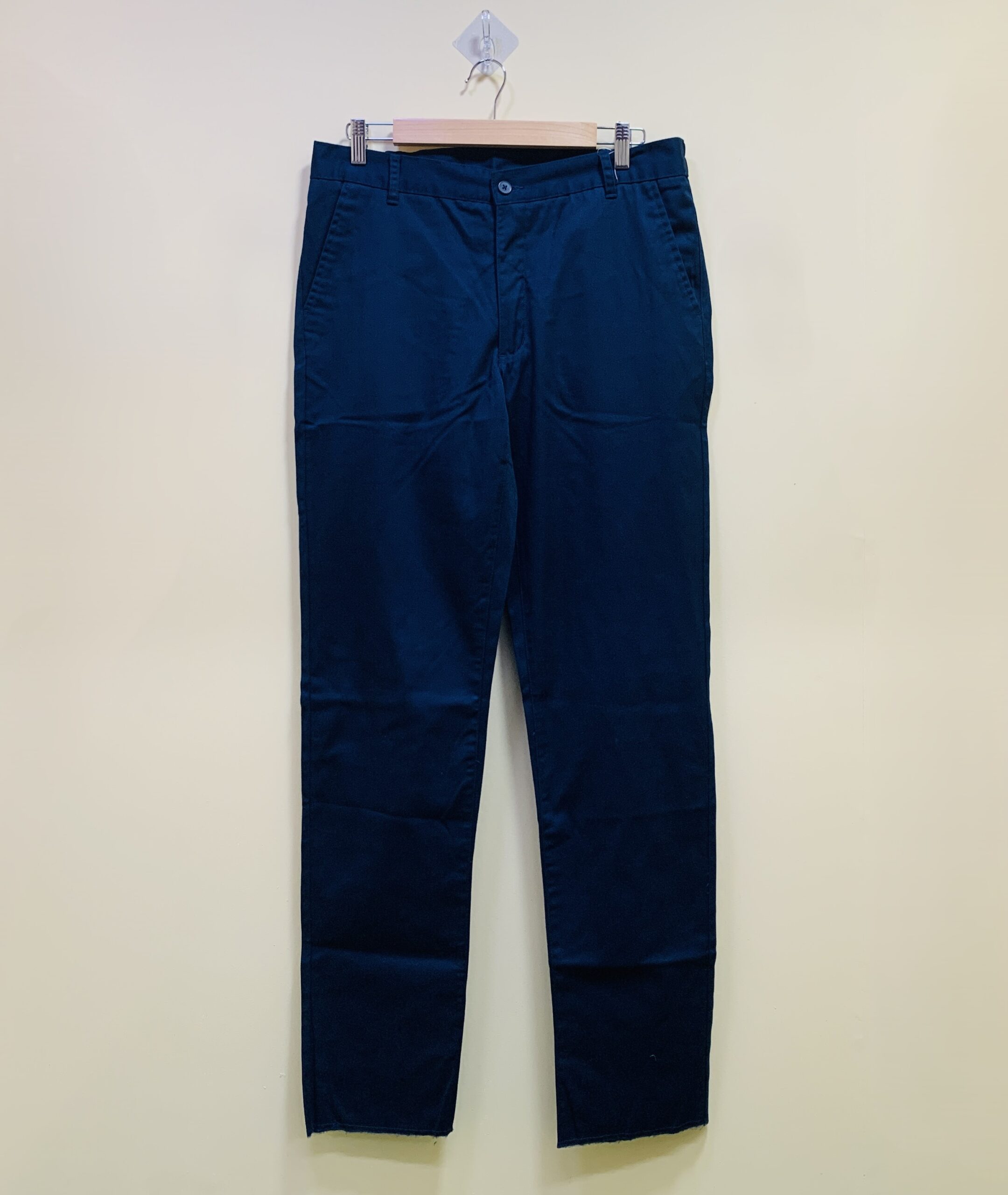
These catalogue photographs illustrate product references. Confirm current availability, proposed materials and any requested modifications with the team.
1. Define the fabric beyond composition
Choosing fabric for cargo work trousers means reviewing composition, construction, weight, finish and the intended care process together. Two fabrics with the same fibre description can differ in handle, thickness and behaviour. Ask for a labelled swatch and agree how the approved reference will be identified in the bill of materials.
Cotton twill, blended twill and ripstop are possible starting points for discussion rather than automatic solutions. A heavier fabric can change drape and pocket bulk; an elastic component may change fit recovery and seam requirements. Review the proposed fabric in the actual garment instead of selecting it only by GSM.
For cargo work trousers, record the colour reference, acceptable shade review method and any requested finish. Where a material substitution is proposed, ask which properties differ and which approvals need repeating. Do not let an early sample made from an available fabric become an unrecorded approval of a different bulk material.
Keep claimed performance separate from appearance. If abrasion, colourfastness or another property is important, define the evaluation method and acceptance requirement with the responsible reviewer. This article does not assign universal pass values or claim that any pictured garment meets a protective standard.
| Field | Specify | Review |
|---|---|---|
| Material | Composition, construction and weight | Labelled swatch and garment sample |
| Colour | Accepted reference and shade review | Relevant sample under agreed conditions |
| Finish | Requested treatment and claim | Evidence and applicability |
| Care | Intended process | Appearance and measurements after evaluation |
2. Review fit through realistic movement
Fit trials for cargo work trousers should include the movements relevant to the programme. Review sitting, stepping, bending and reaching where appropriate. Observe whether the waistband stays comfortable, the rise restricts movement or the leg opening interferes with the intended footwear. Use a representative wearer group and record comments by sample size.
Distinguish body measurements from finished garment measurements. Define waist, hip, rise, thigh, knee, inseam and leg opening with the agreed measuring method and units. State whether adjustable parts are measured relaxed or under a defined condition. A target number is only useful when both parties measure the same way.
Review cargo work trousers across the size range, not only the base size. A pocket that works on one size may become poorly positioned on another if its grading is unclear. Agree which points change by size and check representative samples before release. Keep sample identity and chart revision with each review.
For repeat uniform orders, retain the accepted chart and size allocation records. Ask whether the wearer population or fit preference has changed. Reordering the same style name does not prove that every current requirement remains identical. Our wholesale workwear guide explains broader bulk-order planning.
| Check | Record | Buyer decision |
|---|---|---|
| Waist and rise | Method, target and tolerance | Movement and comfort review |
| Thigh and knee | Fit and grading references | Relevant size trials |
| Inseam and opening | Length and footwear relationship | Accepted sample revision |
| Pocket placement | Distance from defined reference | Seated and standing access |
3. Specify pockets around access and contents
Pockets define much of the usefulness of cargo work trousers. List what each pocket is expected to hold, where it sits and how it closes. Include opening width, depth, position and construction in the drawing. A product photograph can introduce the design but does not establish these measurements.
Check cargo work trousers pocket access with the wearer seated and standing. Review whether a flap obstructs entry, a closure is difficult to use or a bulky pocket sits against a chair. Consider how contents affect comfort and movement. Any proposed load evaluation should use an agreed method rather than an assumed capacity.
For cargo work trousers, decide which pockets need a closure and which need easy access. Zip, button, snap and flap arrangements involve different development decisions. Identify trim references and test their operation on a relevant sample. Keep left and right pocket instructions clear when their layouts differ.
Where a tool pocket or additional panel is proposed, review its attachment and placement with the technical team. Adding a pocket can change garment balance, material use and the manufacturing operation. Update the drawing and approval record instead of handling the change as an informal instruction.
| Pocket detail | Information to include | Why it matters |
|---|---|---|
| Opening and depth | Defined dimensions | Access and usable space |
| Placement | Reference point and size grading | Consistency across sizes |
| Closure | Type and trim reference | Operation and appearance |
| Attachment | Drawing and construction details | Repeatable assembly |
4. Review seams, waistband and closures together
Construction for cargo work trousers should connect the fabric, thread, stitch formation and intended movement. Identify reinforcement locations on the drawing and agree how they are made. More stitching is not automatically a complete answer: the material and assembly need review as a system.
The seat, inseam, waistband, belt loops and pocket attachment deserve specific sample checks. Look for consistent placement, clean assembly, secure components and operation of the fly closure. Review anything that may rub against the wearer or catch during normal movement.
Coats’ workwear and uniform guidance is a useful technical resource when discussing sewing thread and zip selection. Use technical recommendations to inform a garment-specific decision; the link is not a claim that a particular brand of component is fitted to every M&A catalogue item.
Record the approved cargo work trousers closure reference, colour and size. If a component changes, review compatibility with the existing pattern and construction. A replacement zip or button should not be accepted solely because its appearance is similar. Keep the revised component in the material register and identify any further sample review.
5. Approve branding and laundering requirements
Branding on cargo work trousers needs a defined artwork file, dimensions and placement reference. Agree whether the logo sits on a pocket, leg panel or label, and check that it does not interfere with access or garment assembly. Review an actual decorated sample where the proposed method requires it.
Identify brand, size and care labels for cargo work trousers separately. Confirm which artwork version is controlling and who approves each item. If material composition changes, review the associated label information and care instructions with the responsible team. Do not copy another style’s label without checking its applicability.
Discuss the intended laundering arrangement for cargo work trousers before approval. Home laundering and an employer’s service process may require different development checks. Record the agreed conditions and compare relevant samples after evaluation. Look at fit, shade, seam appearance, labels and decoration together rather than focusing only on the main fabric.
For related artwork and approval planning, read our custom branded uniform guide. Ask for programme-specific evidence where a finish or performance claim is requested. No universal wash count or service-life guarantee is offered in this article.
6. Control sample revisions and quality records
A sample programme for cargo work trousers needs one current specification and a dated comment register. Identify the sample code, material references, measurement chart and drawing revision. Record each finding with its location, required amendment, responsible person and review decision.
For cargo work trousers, separate fit approval from material and decoration approval. An appearance review may leave a closure, label or packing item unresolved. Make conditional approvals visible and agree how remaining issues are handled before production release. An email saying “approved” should refer to a specific sample and set of files.
Before bulk production, identify the accepted reference sample and controlling documents. Agree the inspection scope, sampling plan and treatment of findings with the relevant parties. This guide does not assign a universal inspection level or acceptance threshold; those belong in the actual order agreement.
Our workwear tech pack checklist helps organise the files. The workwear manufacturing process guide connects development decisions with later production and shipment checkpoints.
Illustrative approval progress
These bars show a sequence of approval milestones, not live order status or performance percentages.
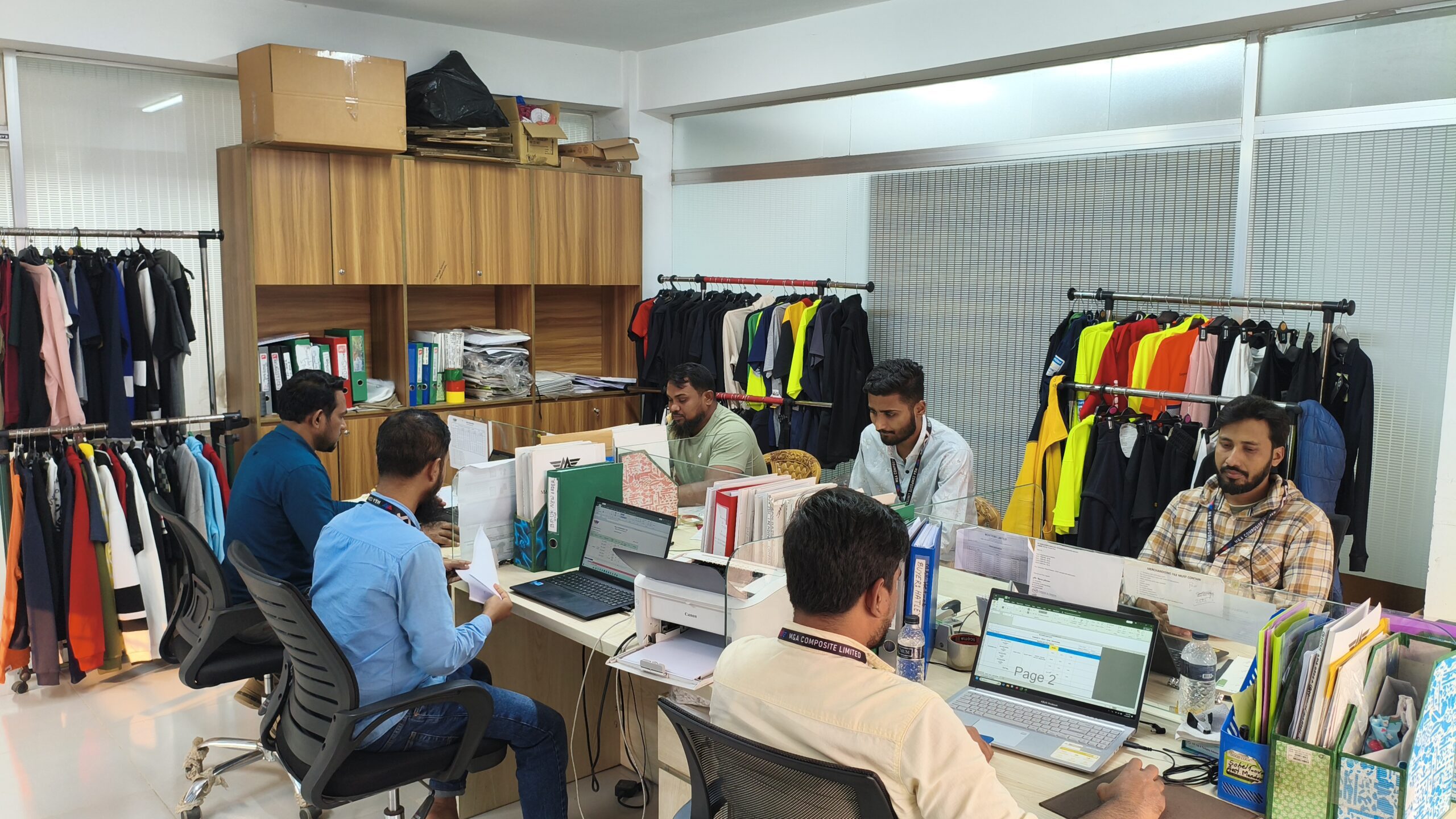
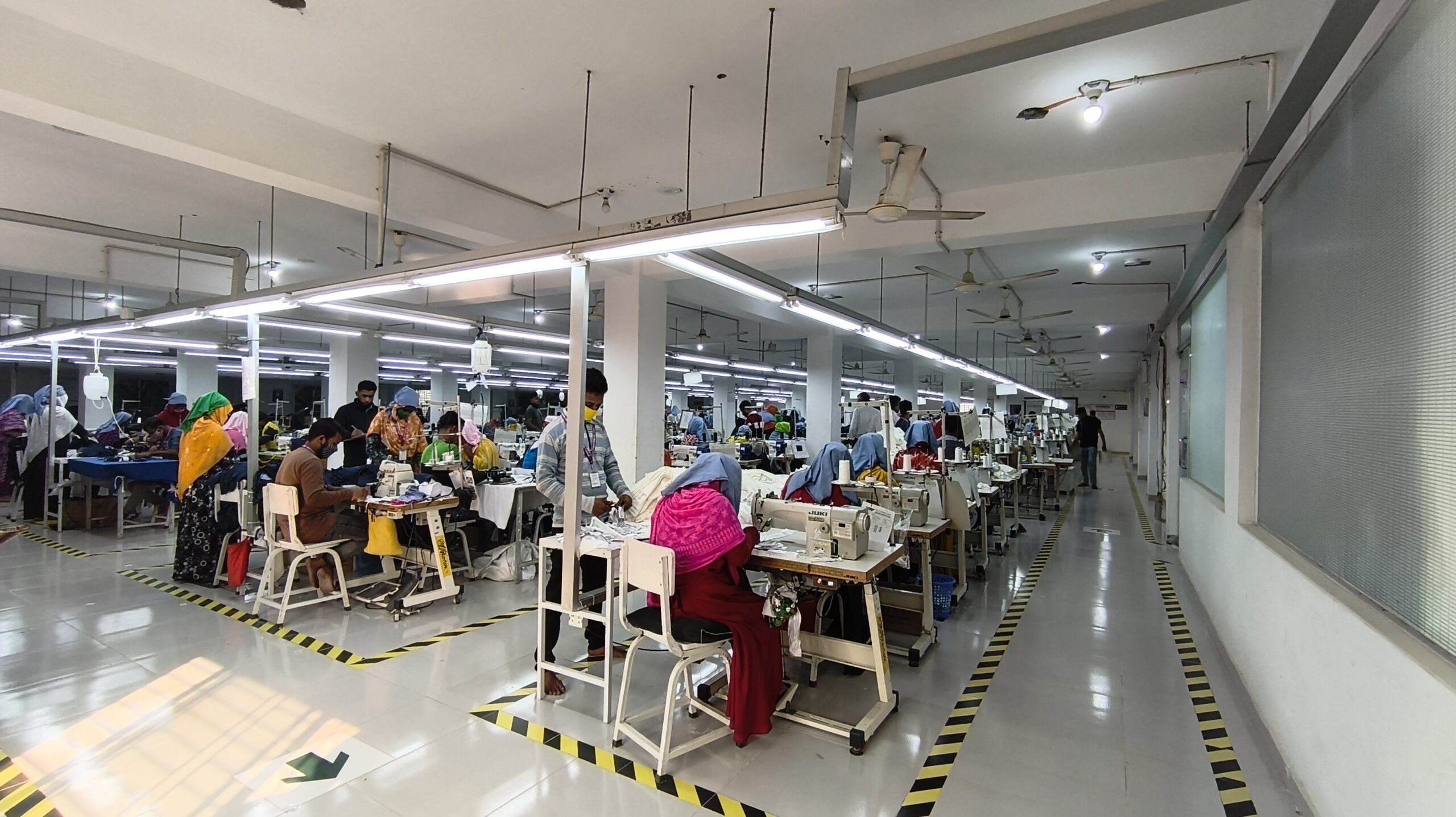
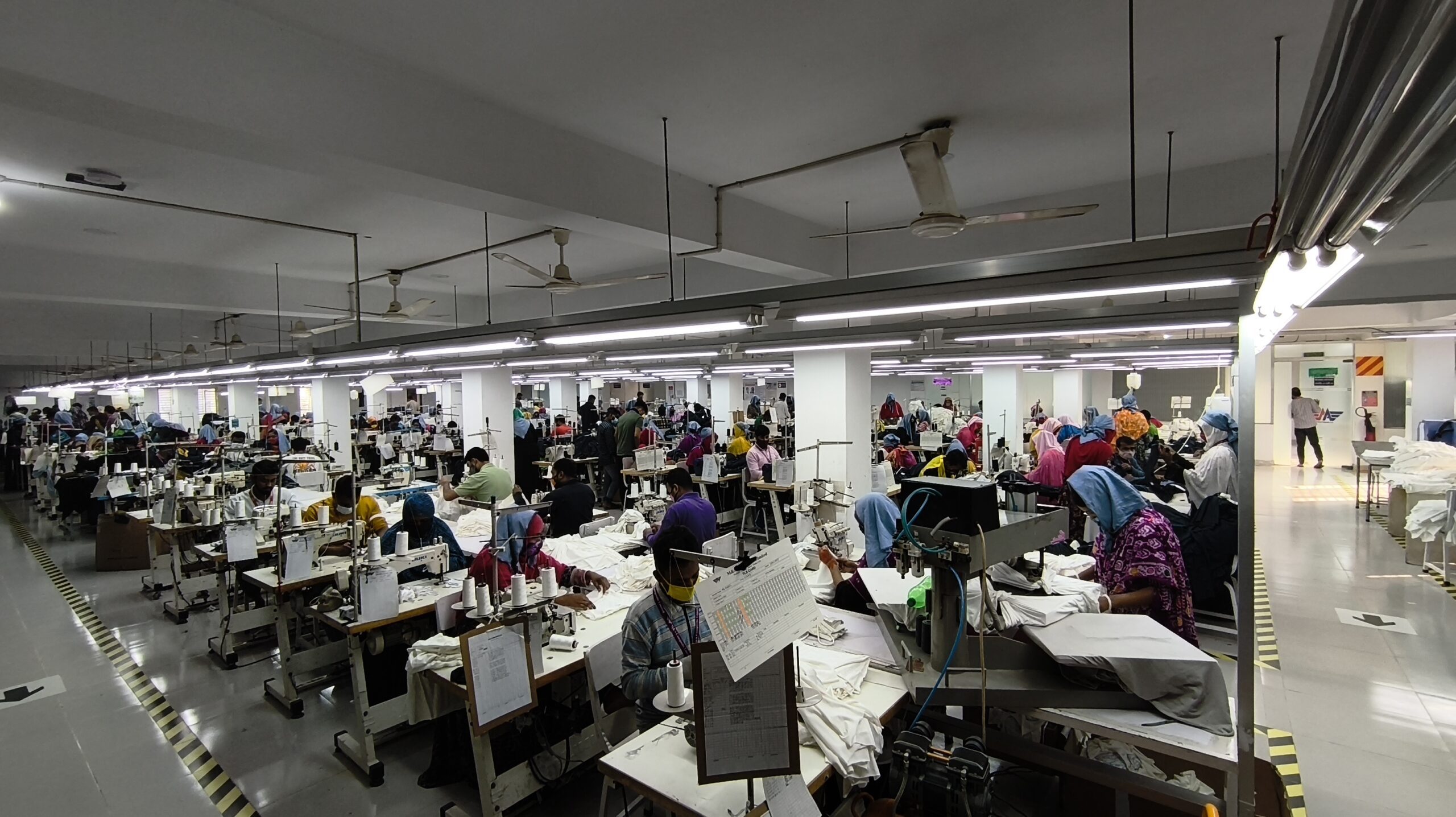
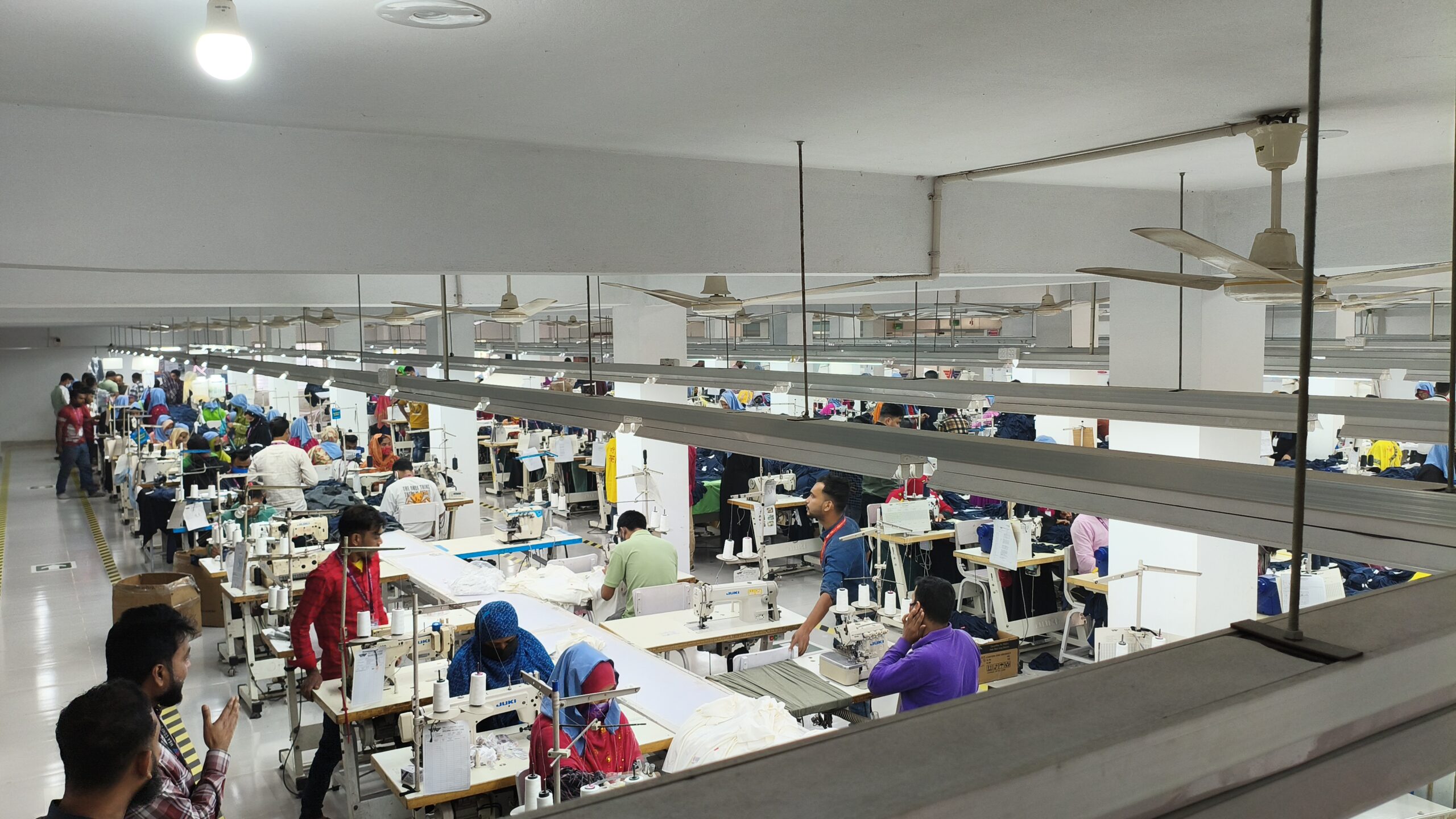
Real production environment
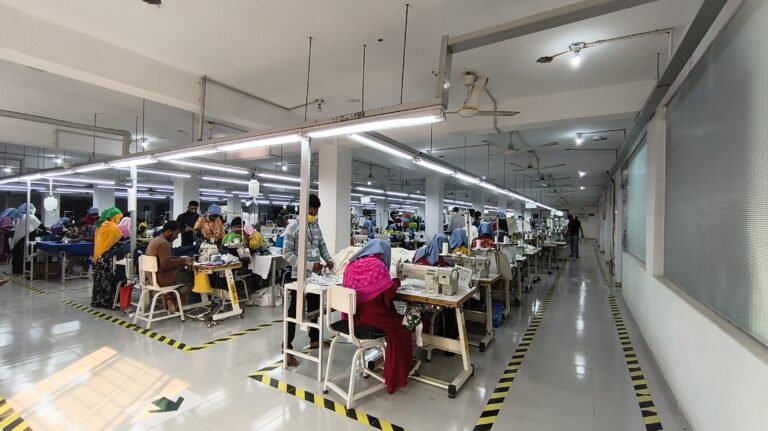
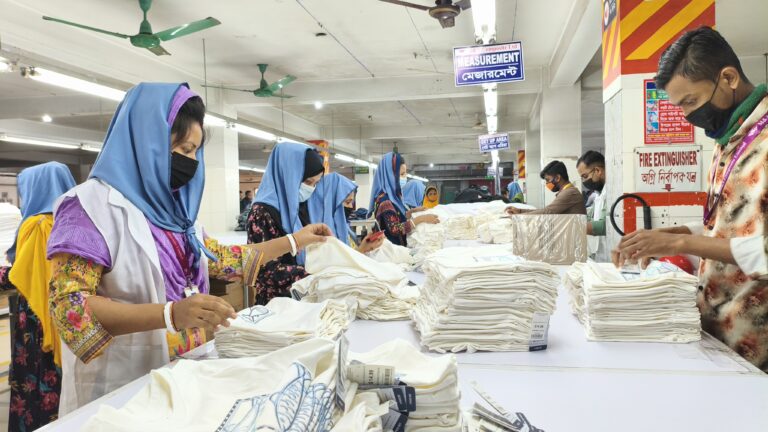
Existing company photographs show the working environment; they are not evidence of a specific trouser order or its inspection result.
7. Compare complete quotations and plan replenishment
When comparing cargo work trousers quotations, use the same material, construction, decoration and packing basis. Ask suppliers to identify assumptions, exclusions and alternatives. A lower unit price is difficult to assess when one proposal includes development work and another excludes it.
Prepare a cargo work trousers style-colour-size quantity matrix and reconcile it with the total order quantity. Keep manufacturing quantities separate from destination allocation. Specify whether cartons need mixed sizes or a defined assortment, and identify garment and carton labels clearly.
Request order-specific MOQ, sampling terms, production schedule and delivery basis after the brief is reviewed. Material availability, quantity and design complexity can influence feasibility. Avoid treating a timeline for one earlier order as a commitment for a new programme.
For cargo work trousers replenishment, retain the accepted sample, swatches, trims, artwork and packing instructions. Record substitutions and review current component availability before reordering. Wearer feedback should become a precise amendment to the specification rather than a general request to “improve the trousers”.
Send your brief through our contact page to discuss scope and commercial assumptions. Useful starting files include drawings, material preferences, measurements, pocket details, logo artwork, size quantities and the intended destination.
| Topic | Question to resolve |
|---|---|
| Development | What sampling and amendments are included? |
| Materials | Which fabric and trims does the price cover? |
| Branding | Are artwork development and decoration included? |
| Inspection | Who performs agreed checks and pays for them? |
| Packing and delivery | What allocation, documents and delivery basis are included? |
Turn wearer feedback into specific sample comments
When evaluating cargo work trousers, give reviewers a consistent form rather than collecting scattered messages. Ask them to identify the sample size, movement involved and location of the concern. A comment such as “the pocket catches when sitting” gives the development team a clearer starting point than “the trousers are uncomfortable”. Record the observation before deciding which design amendment is appropriate.
Review cargo work trousers with the intended upper garment and footwear where practical. A waistband concern may depend on how a shirt is tucked in or how a belt is worn. A leg opening needs consideration alongside the proposed footwear. Record the combination used in the trial so a later reviewer can understand the conditions and avoid attributing every concern to the trouser pattern alone.
Consolidate repeated findings, then distinguish them from individual preferences. Assign a named buyer representative to resolve conflicting requests. If one group asks for a slimmer leg while another needs additional room, review whether the programme requires different fit options rather than making an unexplained compromise. Update the measurement chart and sample request with the agreed decision.
Keep a clear reference set for receiving and repeat orders
The approval set for cargo work trousers should identify the accepted garment, material swatches, trims and documents together. Label each reference with the style and revision. Record any conditional decision, including its owner and required follow-up. This helps receiving staff understand which details to compare when goods arrive and gives the supplier a consistent basis for clarifying questions.
For receiving cargo work trousers, agree who checks style codes, size allocation, carton labels and the condition of the shipment. Keep quantity reconciliation separate from technical inspection: matching the ordered quantity does not establish that every construction detail has been reviewed. Record discrepancies with clear references and follow the agreed process for communicating and resolving findings.
Before replenishing cargo work trousers, review the accepted reference set with current requirements. Check whether the colour, quantity split, artwork or destination has changed. Ask the team to identify unavailable components and proposed alternatives early. Retain the approval of any substitution so the next order begins with an accurate record of what was accepted.
Frequently asked questions
What should buyers specify for cargo work trousers?
Define intended use, fabric, measurements, pocket layout, construction, branding, care, size quantities and packing. Keep unresolved requirements visible.
Is a heavier fabric always better?
No. Review fabric construction, handle, garment movement and intended care together. Weight alone does not establish suitability.
How should pocket placement be approved?
Measure from a defined garment reference and review access on relevant samples, including seated and standing use. Check representative sizes.
Can catalogue images replace a tech pack?
Images can start the discussion, but costing and sample review need defined materials, measurements and construction details.
Do the pictured trousers prove protective performance?
No. Any requested protective claim needs evidence and review for the actual garment and intended use.
Can logos and labels be customised?
Share artwork, dimensions and placement instructions for review. Confirm the proposed method and relevant sample approval before release.
Is there a fixed MOQ or lead time?
Request terms after the specification, materials, quantity and development scope are reviewed. No universal minimum or timeline is stated here.
How can I start an enquiry with M&A Sourcing Ltd.?
Send drawings or references, material preferences, measurements, pocket details, artwork, size quantities and destination through the contact page.
Discuss your cargo trouser programme
Prepare your fabric, fit, pocket and branding requirements, then request an order-specific development discussion.
Request Cargo Trouser Development → | Browse Cargo & Trouser Products →