Workwear Fabric Selection: 7 Essential Tips for Better Orders
By M&A Sourcing Ltd. | 11 October 2026
Workwear fabric selection helps buyers turn workplace needs into material specifications, samples and clear approvals. Follow these seven steps when planning a programme with a workwear manufacturer in Bangladesh.
1. Match workwear fabric selection to the job
Workwear fabric selection begins with the wearer and the working day. Describe the movements, clothing layers, indoor or outdoor use and intended laundering arrangement. Separate ordinary uniform requirements from any specific protective claim. A procurement brief should make the purpose of each requested property clear before the supplier proposes materials.
When discussing a Workwear Manufacturer in Bangladesh, buyers can use this guide to organise fabric questions before costing and sampling. M&A Sourcing Ltd. can discuss product development and sourcing requirements against an actual brief. Confirm the proposed materials, production responsibilities and commercial scope for your programme.
Ask wearers where current garments cause problems. Record whether the issue concerns restriction, bulk, appearance after care or a component such as a pocket. Translate that feedback into a question to evaluate on a sample. Avoid specifying a heavier fabric as the solution before understanding what actually needs to change.
For a coordinated uniform, identify which garments are worn together. A trouser fabric needs review alongside the shirt or polo and any outer layer. Keep colour matching, fit and care expectations consistent across the programme, while allowing individual garments to have different material specifications.
2. Write a complete material specification
A useful workwear fabric selection record includes composition, construction, weight, finish, colour and an accepted reference. Add the fabric code and revision date to the bill of materials. Keep swatches labelled so the buyer, sample team and commercial team discuss the same proposed material.
GSM measures fabric mass per square metre. It does not establish durability, comfort or protective suitability on its own. Consider how the material behaves in the proposed garment, including seams, folds, pockets and decoration. A weight selected for a structured trouser may not suit a polo or layered jacket.
Describe any requested stretch or finish precisely. Ask the supplier what is being proposed and how the relevant property will be reviewed. The names “stretch”, “easy care” or “water repellent” should lead to a defined specification and evaluation, rather than standing alone as evidence.
If information is provisional, mark it as provisional. Early costing may use an available material while the buyer’s final colour or finish remains open. Identify which assumptions affect the quote and which approvals need repeating when the controlling specification changes.
| Field | Record |
|---|---|
| Composition | Fibre percentages and identity |
| Construction | Woven or knitted structure |
| Weight | Agreed reference and tolerance |
| Finish | Specified treatment and evaluation |
| Colour | Accepted reference and review method |
3. Compare material options through samples
Workwear fabric selection is more useful when options are compared under the same review conditions. Prepare labelled swatches and relevant garment samples. Ask reviewers to record what they observe instead of assuming that a fibre name predicts the finished result.
Cotton, polyester blends, twill, ripstop and knitted structures represent different categories of information. Fibre composition and construction should be recorded separately. A fabric can be both a blend and a twill; presenting them as mutually exclusive alternatives creates an unclear buying brief.
Use the comparison table below as a discussion worksheet. It does not rank one material as universally best. Confirm available constructions and the garment-specific evaluation with the development team. Where a supplier offers an alternative, compare it against the accepted reference and record the decision.
For trouser-specific fit and storage checks, read the cargo work trousers buying guide. For the wider catalogue, browse workwear products. Photographs help identify design references; physical samples support material decisions.
| Option | Identify | Review in the garment |
|---|---|---|
| Cotton-based material | Composition and construction | Handle, movement and agreed care |
| Polyester blend | Blend ratio and construction | Appearance, fit and care |
| Twill construction | Composition, weight and finish | Drape, pocket bulk and assembly |
| Ripstop construction | Material and grid structure | Design suitability and agreed evaluation |
| Knitted polo fabric | Structure, composition and finish | Shape, seams and decoration |
4. Review fit and appearance after agreed care
Workwear fabric selection should include the intended care conditions before final approval. Identify whether the programme uses home care or a specified service process. Agree the evaluation method and acceptance requirements with the buyer’s responsible reviewer.
Record garment measurements and appearance before and after the agreed evaluation. Review the relevant changes in shape, shade, seam appearance and decoration. Do not treat an initial fit approval as evidence that a different fabric or care condition will give the same result.
Inspect the full garment as well as the main fabric. Thread, pocket bags, labels, closures and decoration can affect the outcome. Keep component identities with the material record so the sample evaluation refers to a reproducible combination.
Resolve discrepancies before release. Identify the finding, material or construction involved and the proposed amendment. If a new sample is required, connect it to the revised specification. Avoid closing an issue merely because a later photograph looks acceptable.
| Stage | Record | Decision |
|---|---|---|
| Before care | Sample identity and initial measures | Confirm the evaluation reference |
| After agreed care | Relevant measurements and observations | Review against accepted requirements |
| Amendment | Specific finding and proposed change | Identify revised sample or file |
| Approval | Scope, approver and date | Resolve remaining conditions |
5. Separate certification scope from product claims
During workwear fabric selection, ask what any certificate or report actually covers. Check the product or material identity, scope and current validity with the appropriate reviewer. A general supplier document may not establish the requested property for your proposed garment.
OEKO-TEX STANDARD 100 concerns textiles tested for harmful substances. Review that scope on the official website and confirm applicability to the actual material. It should not be presented as proof of every protective performance requirement.
Where a garment has a requested protective claim, identify the relevant requirements separately and obtain product-specific evidence. Decoration, panel layout and component substitutions need technical review where they could affect the requirement. A catalogue photograph is not a certification record.
Keep the evidence request proportional to the actual programme. Name the person who evaluates it and records the decision. This article does not claim that all M&A products have a particular certification or that any one fabric automatically meets a workplace protection requirement.
6. Control swatches, colours and substitutions
Workwear fabric selection needs a traceable approval chain. Identify the proposed material, accepted colour reference and sample revision. State who approves each decision and retain the record with the controlling tech pack. A reference without a code or date is difficult to distinguish from later alternatives.
Review colour using the agreed method and physical references. Images viewed on different screens can vary. If garments use contrasting panels or several materials, review the complete combination and identify which reference controls each component.
When a substitution is proposed, ask why it is needed and which properties differ. Review its effect on fit, construction, care, branding and commercial terms. Record the accepted alternative and any evaluations required before treating it as a bulk instruction.
Our workwear tech pack checklist explains the associated file register. The manufacturing process guide connects material approvals with sampling and later production decisions.
7. Compare quotes on the same fabric basis
Workwear fabric selection directly affects what a quotation describes. Request material codes and specifications against each proposed price. Identify alternatives and exclusions clearly so the buyer can compare the same garment and service scope.
Confirm the style-colour-size quantity matrix and the intended destination. Ask for order-specific feasibility, sampling terms and commercial assumptions. No universal minimum, lead time or price is stated here: the actual proposal depends on the brief and agreed responsibilities.
Keep fabric development, evaluation and branding costs visible where relevant. A quotation for an available colour and one for a newly developed shade may include different work. Ask what is included and what would trigger a revised proposal.
Before replenishment, review component availability and the accepted reference set. Record any changes in wearer requirements, care expectations or destination. The same style name should lead to a controlled review, with substitutions explicitly accepted rather than assumed.
To discuss workwear fabric selection with M&A Sourcing Ltd., send garment references, materials, measurements, artwork, quantities and destination through the contact page. Identify open decisions so the team can respond with a clearer scope.
| Topic | Ask |
|---|---|
| Fabric basis | Which code, finish and colour does the price cover? |
| Development | What sample and material development is included? |
| Evaluation | Which checks and costs are included? |
| Substitution | What needs approval before changing materials? |
| Repeat order | Which accepted references will be retained? |
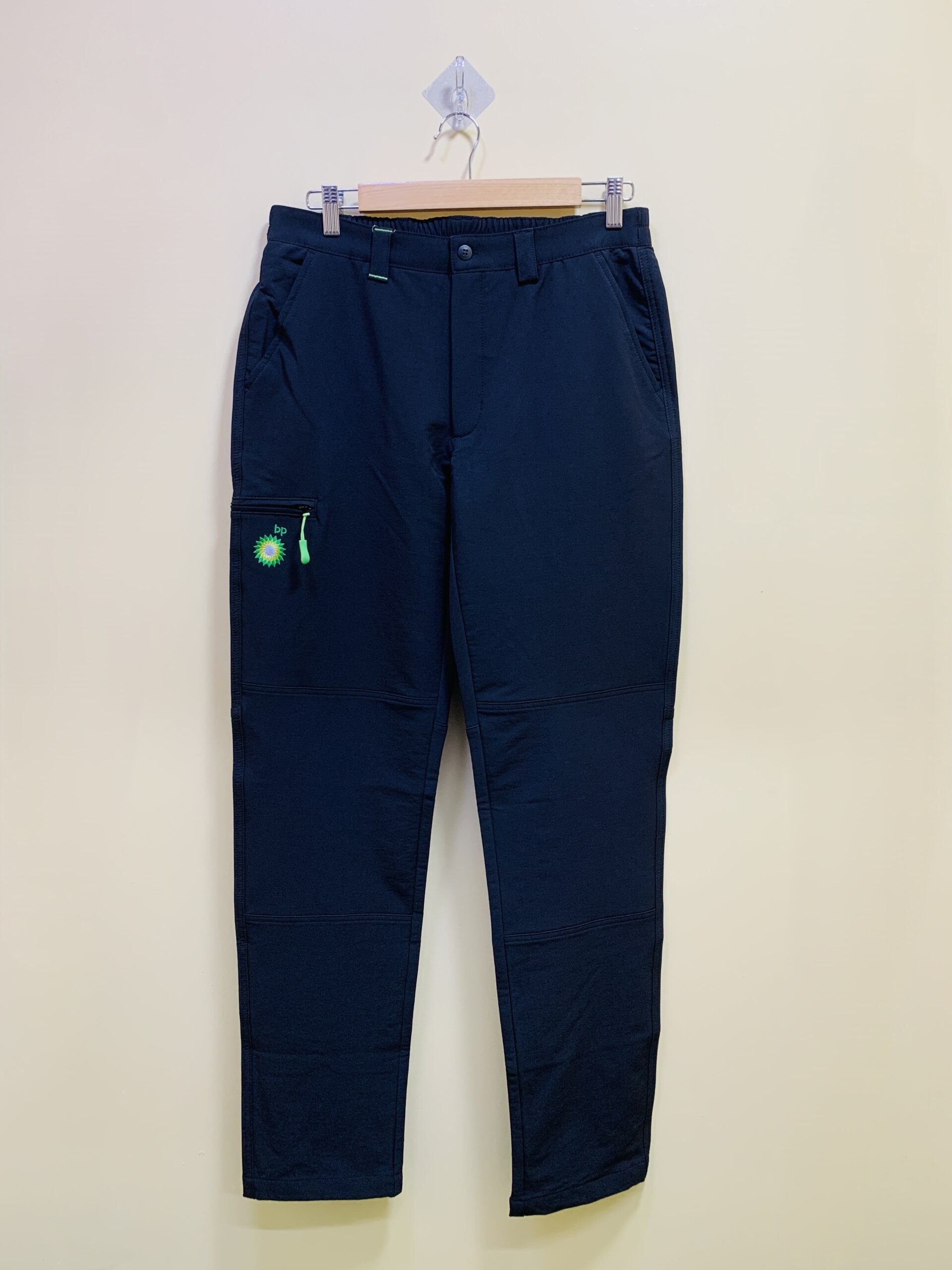
Real product references for your fabric discussion
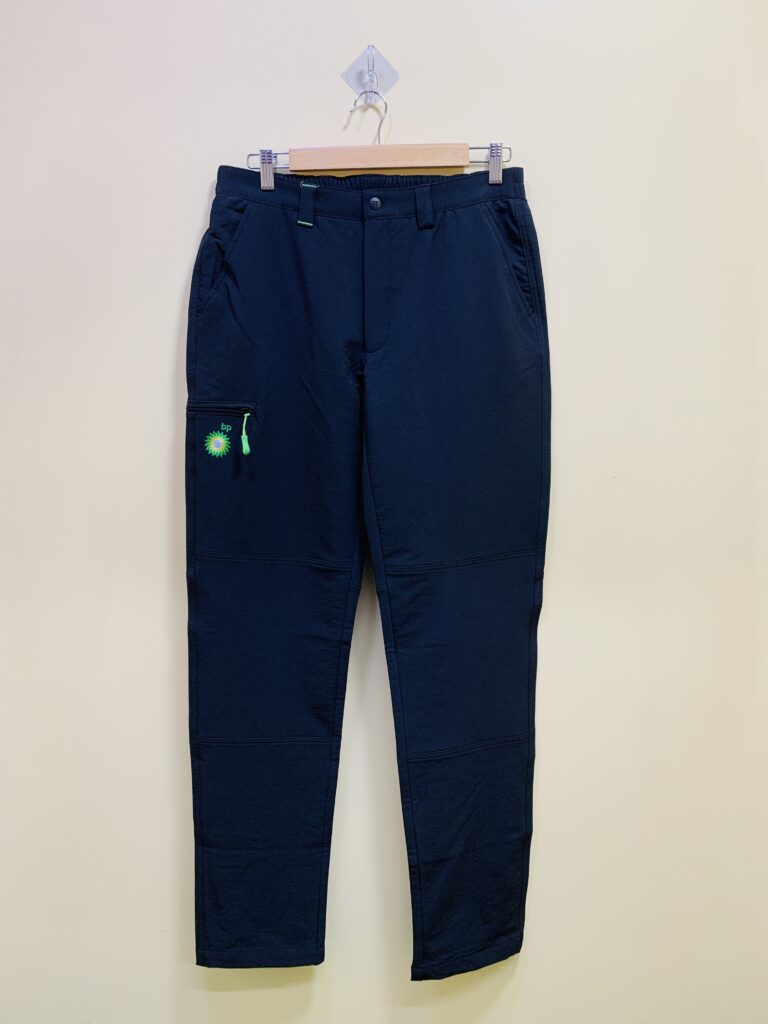
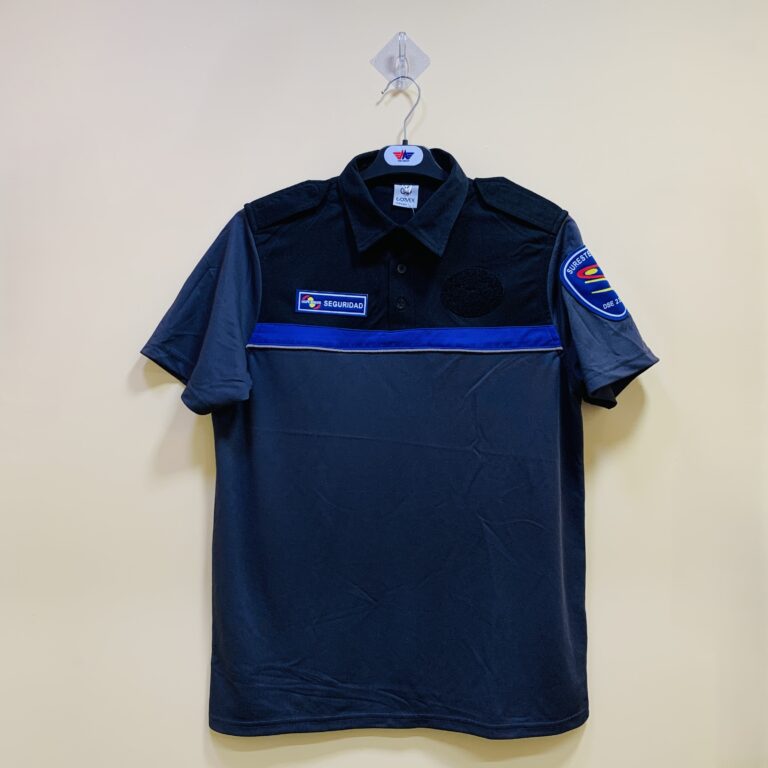
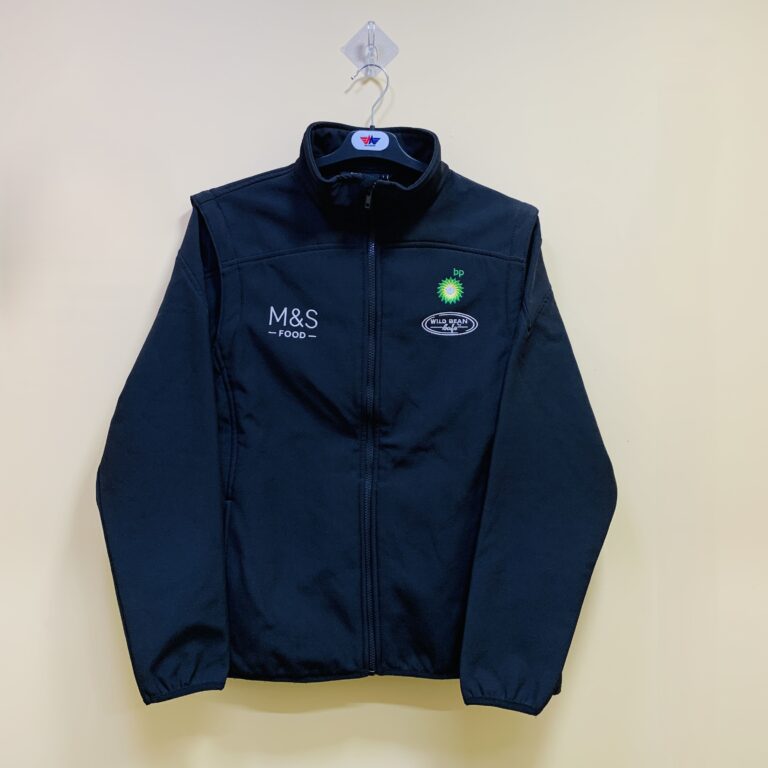
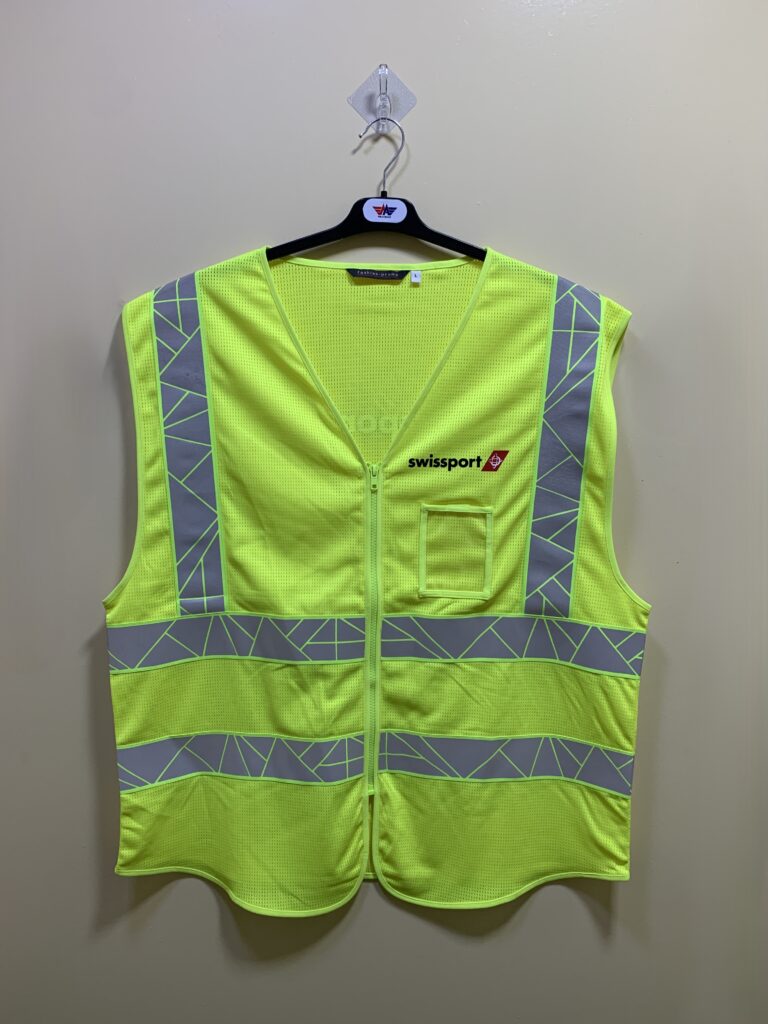
Existing catalogue images introduce garment options. Confirm the proposed material and any protective claim for the actual programme.
Illustrative fabric approval milestones
The bars show a sequence of decisions, not live progress or product performance.
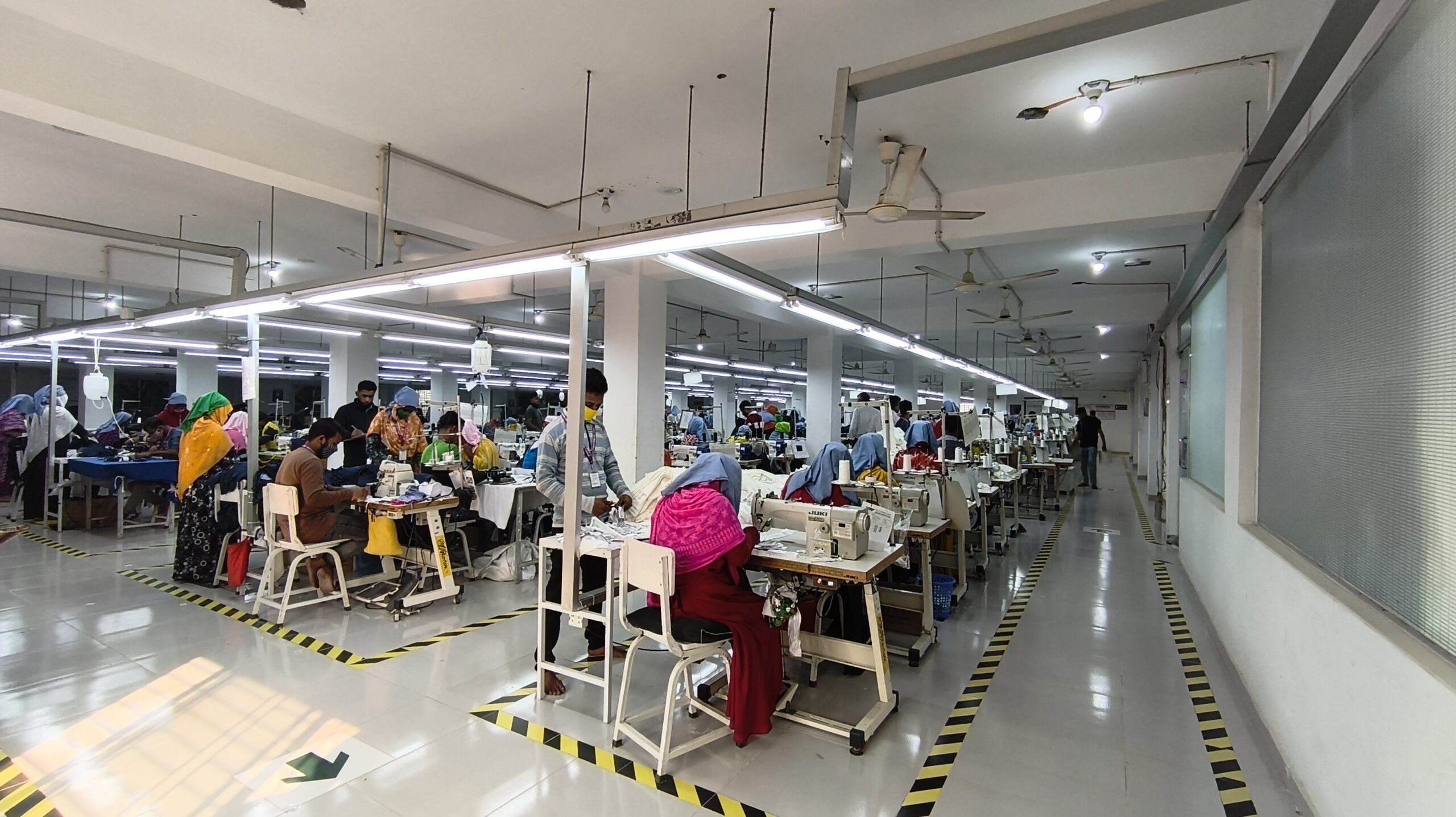
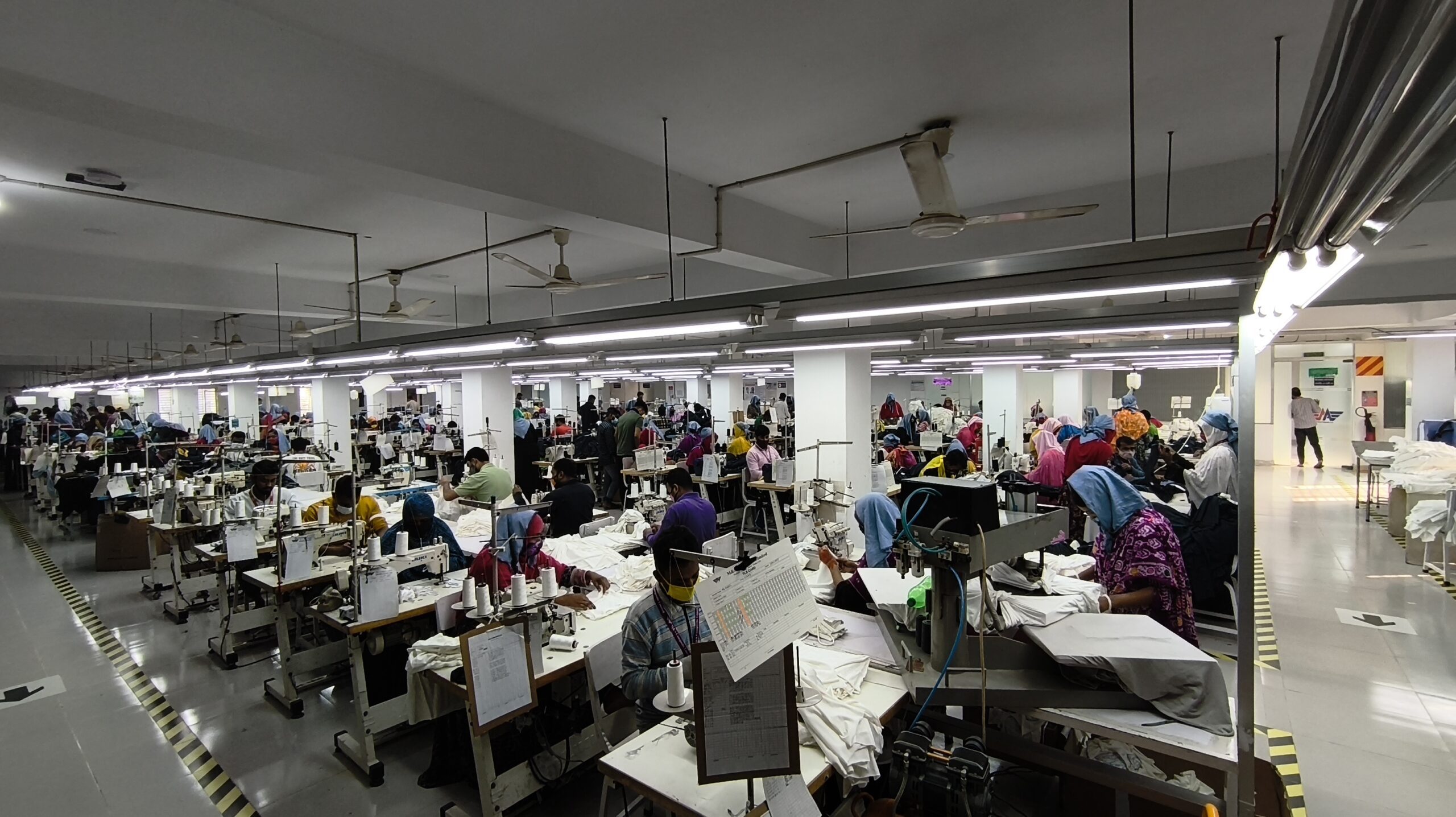
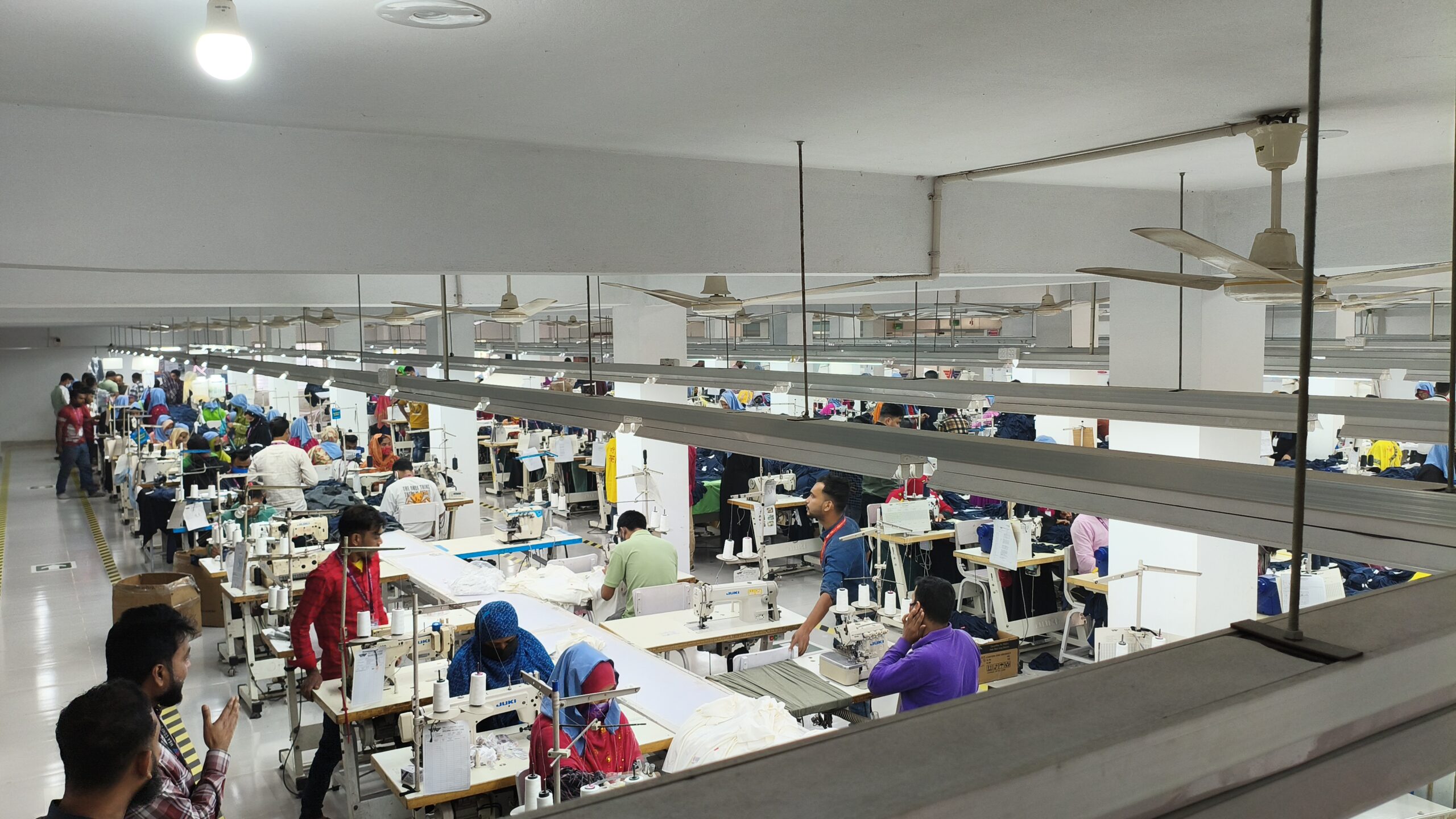
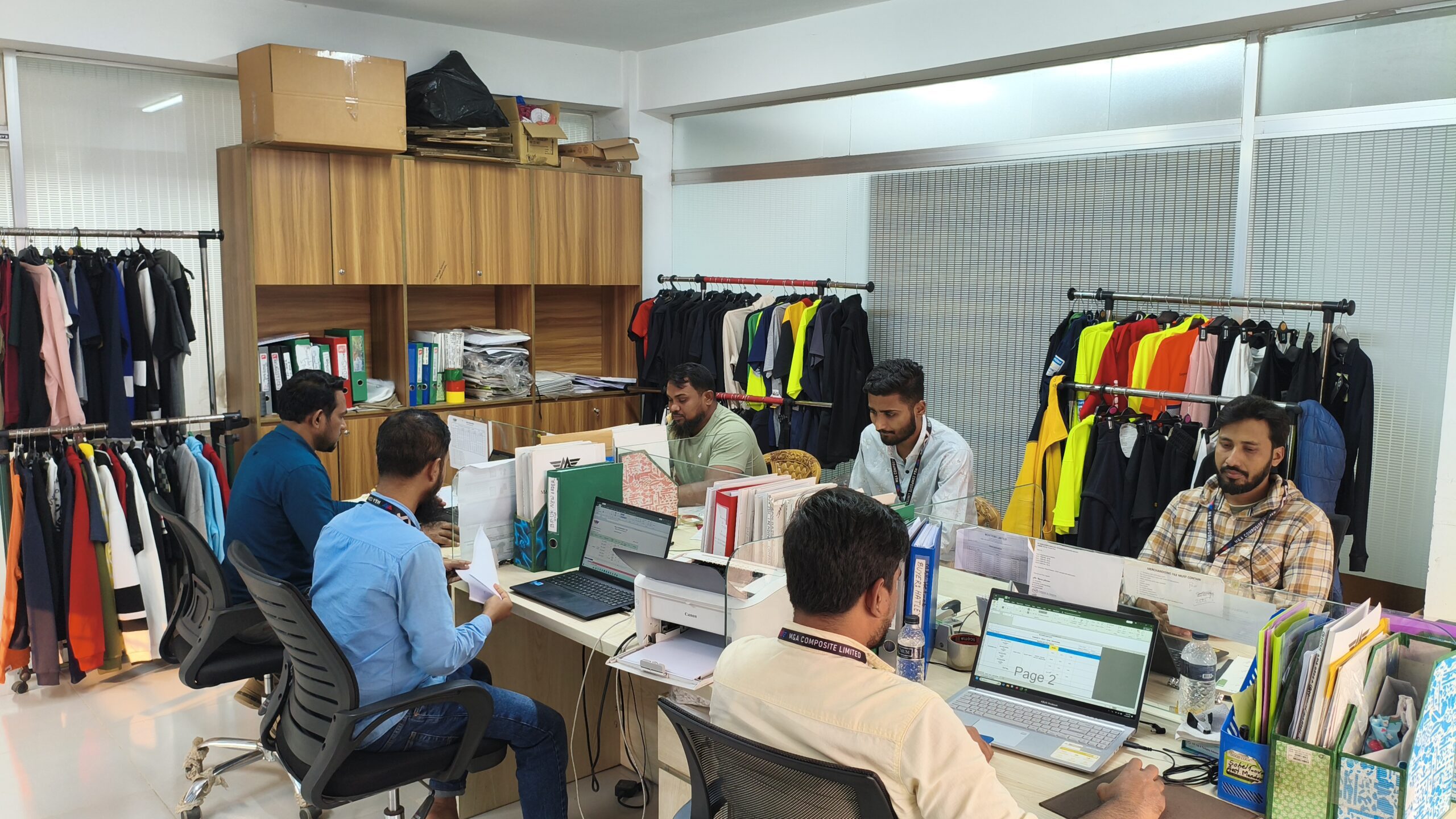
Company staff and sample coordination
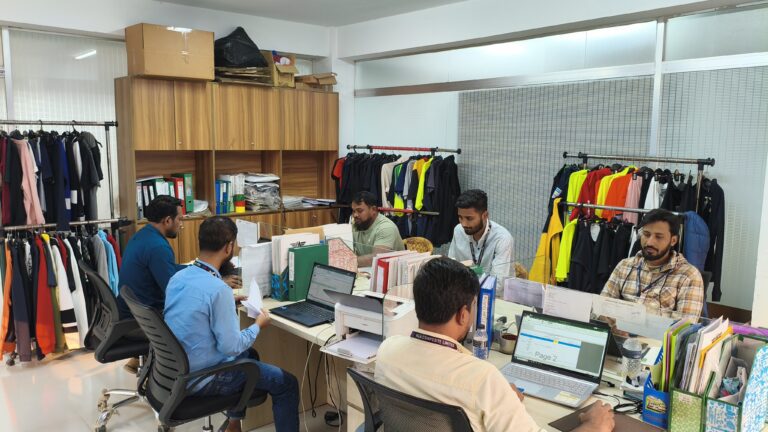
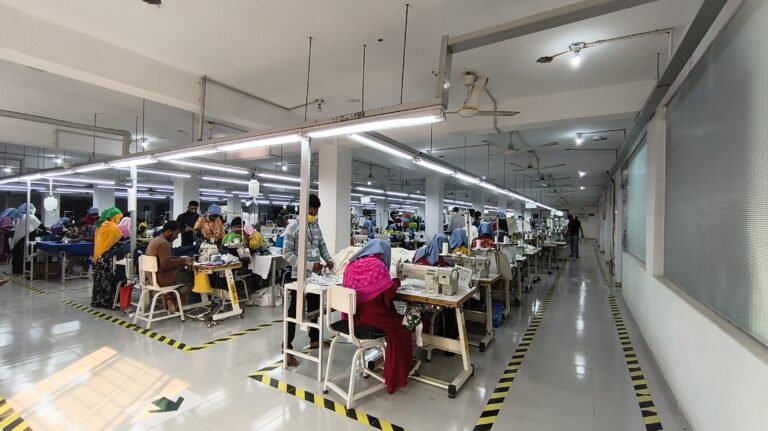
Original company photographs show the working environment. Programme-specific samples and records support material approval decisions.
Build a decision matrix before requesting swatches
Begin workwear fabric selection with a short decision matrix for each garment. Identify the wearer group, movement needs, expected layers, visual requirements and care arrangement. Rank the requirements that matter most to the buyer, then note which still need confirmation. This helps the supplier prepare relevant proposals rather than sending several unrelated materials without a clear comparison basis.
Keep workwear fabric selection decisions separate by style. A trouser, polo and outer layer can share brand colours while needing different constructions. Record how the garments will be worn together and which references control their appearance. Ask the buyer representative to resolve conflicting requirements before material development proceeds. Retain the agreed matrix with the technical brief so later alternatives are evaluated against the same priorities.
Organise swatches so reviewers compare the same references
For workwear fabric selection, label every swatch with its material code, supplier reference, date and proposed use. Include composition, construction, weight and finish information where available. Distinguish an initial option from an accepted bulk reference. If the supplier sends a replacement swatch, identify which earlier reference it replaces and why the change was proposed.
A workwear fabric selection register should state who holds each physical reference and who makes the decision. Keep photographs for identification, with the written specifications beside them. Reviewers should be able to trace a comment to the actual swatch rather than a generic description such as “the blue fabric”. Preserve superseded references for comparison while marking the current controlling option clearly.
Translate wearer observations into sample questions
Workwear fabric selection benefits from specific feedback about the proposed garment. Ask reviewers to identify the movement or situation involved when they describe a concern. Record the sample size, clothing combination and relevant conditions. A note about bulk when sitting gives the technical team more useful information than an unexplained request for a lighter fabric.
Use the workwear fabric selection record to distinguish material observations from pattern or construction observations. Restricted movement might require a fit amendment, a different component or further evaluation of the proposed material. Avoid choosing a solution before the team reviews the finding. Record the agreed action and identify whether it requires another swatch, garment sample or measurement revision.
Define the care review before sending samples
For workwear fabric selection, identify the intended care process and ask the responsible reviewer to agree the evaluation conditions. State which observations and measurements will be recorded before and after the process. Include the sample identity, date and material references so the findings belong to a reproducible garment rather than an unnamed prototype.
Keep workwear fabric selection findings together with the care review record. Describe changes precisely and identify the affected areas. If decoration, labels or a contrasting panel behave differently from the main fabric, record them separately. Agree who decides whether an amendment is needed and which reference will control the next sample. Do not substitute an informal appearance comment for an unresolved technical decision.
Review material changes across the complete garment
When workwear fabric selection changes, check the effects beyond the swatch. Review pattern allowances, seam assembly, pocket bulk, closures and decoration compatibility with the technical team. A material that resembles the earlier option may still require a different sample review. Ask the supplier to identify affected operations and components before accepting the change.
Update the workwear fabric selection register and bill of materials together. Record the accepted substitute, the reason for the change, the approver and any conditions that remain open. Ensure that the development and commercial teams have the same revision. Where price or timing assumptions change, request a revised proposal that identifies the accepted material basis clearly.
Ask for evidence with an identifiable scope
Use workwear fabric selection to organise evidence requests around the actual proposed material and garment. Name the property being reviewed, the relevant product identity and the person responsible for acceptance. Ask how the submitted report or certificate relates to the supplied reference. Record questions that need clarification rather than treating every document as a general approval.
Keep the workwear fabric selection evidence register separate from the physical sample register, while linking their reference codes. A photograph shows appearance; a swatch provides a material reference; a report describes a particular evaluation scope. Review them for the decisions they support. Where a claim requires specialist assessment, retain the responsible reviewer’s decision with the controlling specification.
Prepare a controlled starting point for repeat programmes
Archive the accepted workwear fabric selection records with the order references, material codes, swatches and sample approvals. Record substitutions that were accepted during development or production. A repeat programme should begin with what was actually approved, rather than an earlier proposal that no longer describes the delivered garment.
Before a repeat order, revisit workwear fabric selection with current wearer and care requirements. Confirm material availability and identify proposed alternatives before release. Keep changes to colour, artwork, size allocation and destination visible in the new brief. Ask the supplier to state the current commercial assumptions and link the new order to the accepted reference set.
Frequently asked questions
What is workwear fabric selection?
It is the process of matching a garment’s intended use with a defined material specification, physical references, sample evaluation and approval records.
Is GSM enough to choose workwear fabric?
No. Review composition, construction, finish, garment design and intended care together. Weight alone does not establish suitability.
Are twill and polyester separate alternatives?
They describe different properties. Twill is a construction; polyester is a fibre. Record both composition and construction.
Can photographs prove a fabric colour?
Use images as references, then agree colour against physical samples and an accepted review method.
Does OEKO-TEX STANDARD 100 prove every protective claim?
No. Its scope concerns textiles tested for harmful substances. Review other requested performance requirements separately.
What should a buyer do when a fabric changes?
Identify differences, review affected fit, care, branding and evidence, and record approval of the substitute before release.
Is there a fixed minimum order or lead time?
Request order-specific terms after the material, quantity and development scope have been reviewed.
How can M&A Sourcing discuss my materials?
Send product references, material preferences, measurements, artwork, quantities and destination through the contact page.
Discuss your workwear material brief
Share the intended garment, material references and open development questions.
Request a Workwear Sourcing Discussion →