Workwear Sample Approval: 7 Essential Steps for Success
By M&A Sourcing Ltd. | 12 October 2026
Workwear sample approval connects a buyer’s garment requirements with a defined sample, clear comments and accepted production references. This guide explains seven practical steps with review tables, real catalogue images and an illustrative approval workflow.
1. Define what the sample is meant to prove
Workwear sample approval works best when the buyer defines the purpose of each review before the garment is made. An early prototype may help explain a design, while a fit sample supports measurement and movement decisions. A decorated sample may answer artwork questions. Agree the purpose and scope rather than treating every sample as a complete production reference.
When choosing a Workwear Manufacturer in Bangladesh, ask how development samples, buyer comments and accepted references are connected. M&A Sourcing Ltd. supports workwear and uniform sourcing discussions against buyer specifications. Confirm the proposed development scope and responsibilities for your actual programme.
Identify who reviews fit, materials, artwork and technical claims. One representative should consolidate the final buyer decision so the supplier receives a consistent instruction. A group of informal approvals from different reviewers can leave conflicting requirements unresolved.
Keep sample approval separate from bulk inspection and commercial agreement. An accepted development garment does not confirm every later unit or establish shipment readiness. Record what was approved, what remains open and which later checks the buyer and supplier have agreed.
| Reference | Primary question | Keep visible |
|---|---|---|
| Prototype | Does the design translate into a garment? | Provisional materials and unresolved details |
| Fit sample | How do measurements and movement compare? | Size, chart revision and wearer comments |
| Decorated sample | Does the proposed branding work? | Artwork, material and placement references |
| Pre-production reference | What controls production release? | Accepted files and remaining conditions |
2. Connect the sample to a controlling specification
Before workwear sample approval, check that the garment label, drawing, measurement chart and material register refer to the same style and revision. Record the sample code, size, colour, review date and development stage. Include the current artwork reference where decoration forms part of the review.
A file called “final” is difficult to track once another amendment exists. Use a dated revision and state which earlier issue it replaces. Keep superseded files for reference while marking the current instructions clearly. Ask the receiving team to acknowledge a change that affects the next sample.
Identify any substitute materials used during development. An early garment made in an available fabric can answer a construction question while leaving the final material decision open. State these limitations in the sample submission instead of allowing the buyer to infer that every component represents bulk production.
The workwear tech pack checklist explains the wider document set. Use its drawings, measurements, material codes and packing fields to prepare a traceable brief before sending detailed sample comments.
3. Review measurements and movement separately
For workwear sample approval, record finished garment measurements using the agreed units and method. Define the start and end points and how adjustable or elastic areas are positioned. Compare the recorded measurements against the controlling chart and agreed tolerances.
Then review fit on relevant wearers. A sample may match its chart while still needing a design amendment for the intended use. Record the wearer’s sample size, clothing combination and movement involved. Keep measurement findings separate from observations about comfort or function.
Review the movements that matter to the programme, such as sitting, stepping, reaching and bending. Check pocket access and the relationship with intended footwear or outer layers. A fit comment should describe the situation and affected area rather than simply asking for a garment to be “more comfortable”.
Check representative sizes where the programme requires a range. A base-size approval alone may leave grading or pocket-position questions unresolved. Agree which additional samples and measurements need review, and retain their identities with the final decision.
For trouser-specific considerations, use the cargo work trousers buying guide. It connects fit trials with waist, rise, leg shape and pocket access decisions.
| Area | Record | Decision |
|---|---|---|
| Measurements | Method, units, targets and findings | Review against the controlling chart |
| Movement | Situation, sample size and observation | Agree any design amendment |
| Pocket access | Location and relevant position | Review amended sample if needed |
| Size range | Representative sizes and chart revision | Resolve grading questions |
4. Review fabric, seams, trims and care
Workwear sample approval should identify the fabric, thread, closures, pocket bags and other components being reviewed. Match the proposed materials to their accepted references. If any component remains provisional, show it in the issue register and name the person who resolves it.
Inspect the construction details on the actual garment. Review seam appearance, pocket attachment, closures, belt loops or other features relevant to the style. A visual check can identify assembly questions; any requested strength or performance evaluation needs an agreed method and acceptance requirement.
Coats’ workwear and uniform resources provide a technical starting point for discussing thread and zip selection. Consult relevant guidance for the proposed construction. This link does not mean every M&A catalogue garment contains a particular brand of component.
Agree the intended care conditions before evaluating a sample after laundering. Record measurements and observations before and after the agreed process. Review the full garment, including labels, decoration and contrasting materials, and describe any findings precisely.
Read our workwear fabric selection guide when preparing composition, construction, weight, finish and colour references. A fabric name or GSM value alone does not define the complete sample evaluation.
5. Approve artwork, labels and product-specific requirements
Branding decisions within workwear sample approval should refer to an identifiable artwork file. Record the logo dimensions, colours, placement and proposed decoration method. Measure placement from a defined garment reference so the instruction can be repeated across sizes and production.
Review a relevant decorated sample where the development method requires it. Check its relationship with seams, pockets, closures and garment movement. A digital mock-up helps explain appearance but may not resolve how the decoration behaves on the proposed material.
Keep brand, size and care labels separate in the artwork register. Identify the controlling version, placement and approver for each. Where the material or care instructions change, review the corresponding label information rather than copying it from another style.
If the programme includes a protective claim, identify it separately and obtain evidence for the actual product through the responsible technical reviewer. Reflective layout, decoration or material changes may need additional review. A photograph or general company certificate does not establish every garment-specific requirement.
Our custom branded uniform guide provides related artwork and export-planning questions. The sample decision should state its approved scope and any conditions that still require attention.
6. Make sample comments actionable and traceable
Use a dated workwear sample approval register to consolidate findings. Each comment should identify the garment and affected point, describe the observation, state the required action and assign an owner. Add photographs or annotated drawings where they clarify the issue.
Resolve conflicting buyer comments before requesting an amendment. If one reviewer asks for a closer fit while another needs more room for movement, the buyer must agree the requirement. The supplier should receive one controlling decision rather than separate messages that compete with each other.
Example: a buyer finds that a cargo pocket is difficult to access while seated. Record the sample size and pocket involved, then agree the proposed design change with the development team. Update the drawing and measurement reference if placement or dimensions change. Review the revised sample before closing the issue.
This is an illustrative example, not a report of a particular customer order. Its purpose is to show how an observation becomes a traceable decision. The final change depends on the garment, wearer and agreed technical requirements.
After a revision, identify which earlier findings have been resolved and which need further work. Keep a short change log so the buyer can follow the sample’s development without re-reading several email threads.
| Field | What to enter |
|---|---|
| Sample identity | Style, size, colour, code and date |
| Finding | Specific observation and location |
| Action | Required amendment or question |
| Owner | Person responsible for resolving it |
| Decision | Approved, revise or pending with date |
7. Define the approved reference before production release
Final workwear sample approval should name the accepted sample and specification revision. List the approved material and component references, artwork and measurement chart. Make any remaining conditions visible and agree their handling before production instructions are released.
An instruction such as “approved except the zip” leaves a component unresolved. Identify who accepts the replacement zip, how it is reviewed and whether another garment sample is needed. Conditional decisions should not disappear when a summary email simply states that the style is approved.
Keep packing and size allocation decisions in the relevant order records. Approval of the garment’s appearance does not automatically approve carton assortments, identifiers or receiving-location allocation. Agree who reviews these files and which references control them.
Ask for programme-specific development terms and timelines. No universal MOQ, sample cost or production lead time is stated here. Confirm assumptions after materials, quantities, complexity and responsibilities have been reviewed.
The workwear manufacturing process guide connects approved references with later quality and shipment checkpoints. Retain the sample set so receiving and repeat-order teams can understand what was accepted.
| Reference | Question |
|---|---|
| Sample | Which identified garment was accepted? |
| Materials | Are all components confirmed? |
| Artwork | Which versions and placements control? |
| Measurements | Which chart and grading decision apply? |
| Conditions | Who resolves remaining items and how? |
A practical handover between buyer and supplier
A workwear sample approval handover should include a short document index. Identify the current drawing, chart, bill of materials, artwork and comment register. Check that each attachment opens and that file names match the index. Missing or unreadable references should become visible questions before development continues.
Ask the supplier to acknowledge receipt and identify any technical points requiring clarification. This does not mean every proposed design is immediately feasible. It gives both parties a clear route for resolving open questions and documenting any alternative before it becomes a sample instruction.
Keep commercial assumptions alongside the technical record without confusing the two. An approved pocket revision can change material use or operations, and the supplier may need to review the proposal. Ask which changes affect cost or timing and record the accepted commercial basis separately.
For workwear sample approval meetings, use the issue register as the agenda. Review the unresolved findings first, then confirm owners and next steps. After the meeting, distribute one dated decision record. Avoid relying on an unlabelled photograph or verbal comment as the controlling instruction.
Retain references for receiving and replenishment
Archive the workwear sample approval record with the actual accepted references. Keep the sample identity, material codes, swatches, trims, artwork and relevant evaluation decisions together. Record substitutions that were accepted during the programme so the next order starts from an accurate basis.
Before replenishment, check whether the wearer group, size allocation, care arrangement or destination has changed. Ask about current component availability and review proposed alternatives. Reusing a style name does not remove the need to confirm the current specification and commercial terms.
For receiving, agree which documents identify the expected product and quantities. Keep allocation reconciliation separate from the agreed technical inspection. Record findings against a specific style, size or reference and follow the agreed process for resolving discrepancies.
Use wearer feedback to create precise revision requests. An observation about pocket access, shade or fit should identify the circumstances and affected detail. The next workwear sample approval cycle can then review the proposed change against a controlled starting point.
Real product references for the sample discussion
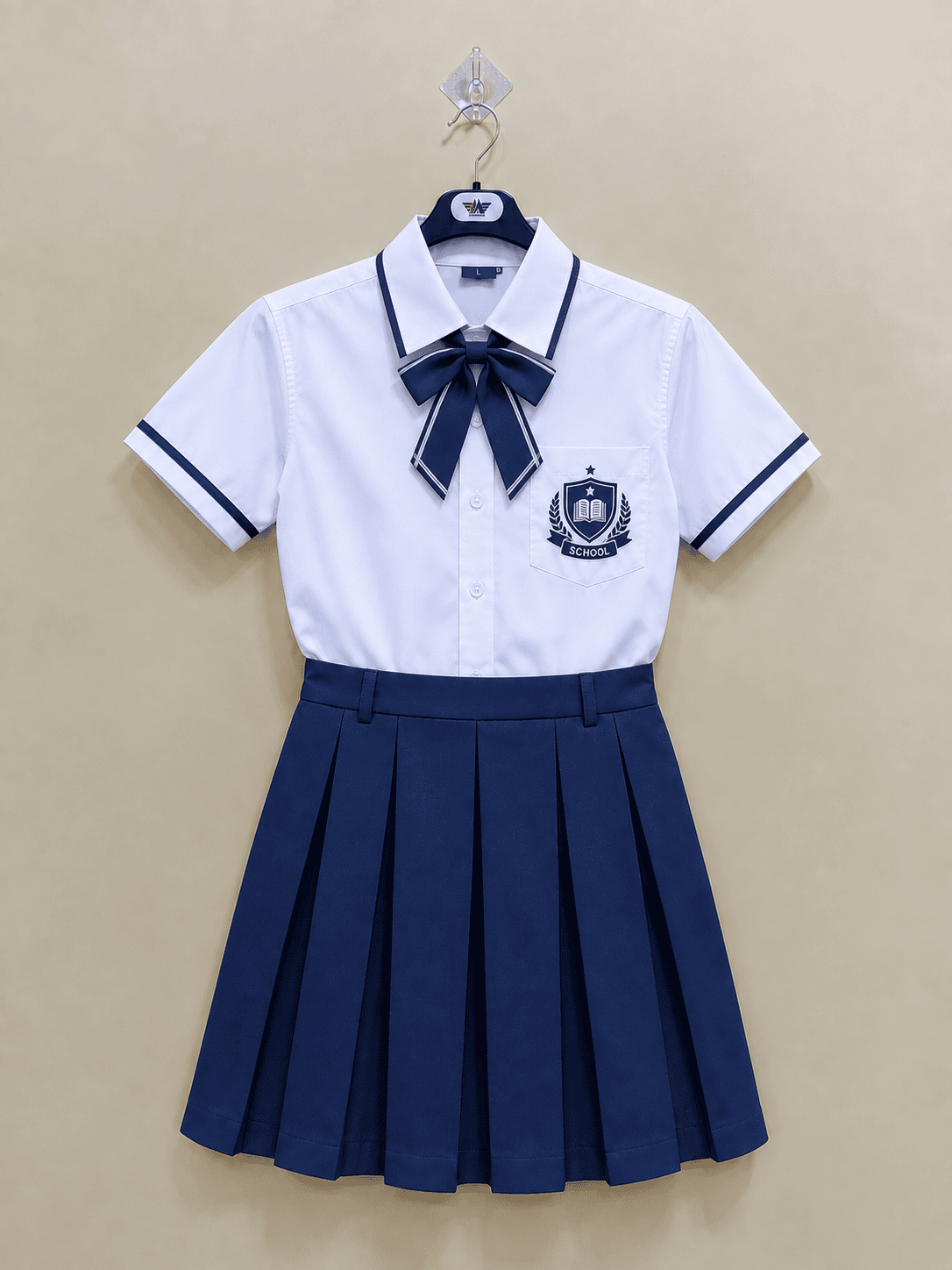
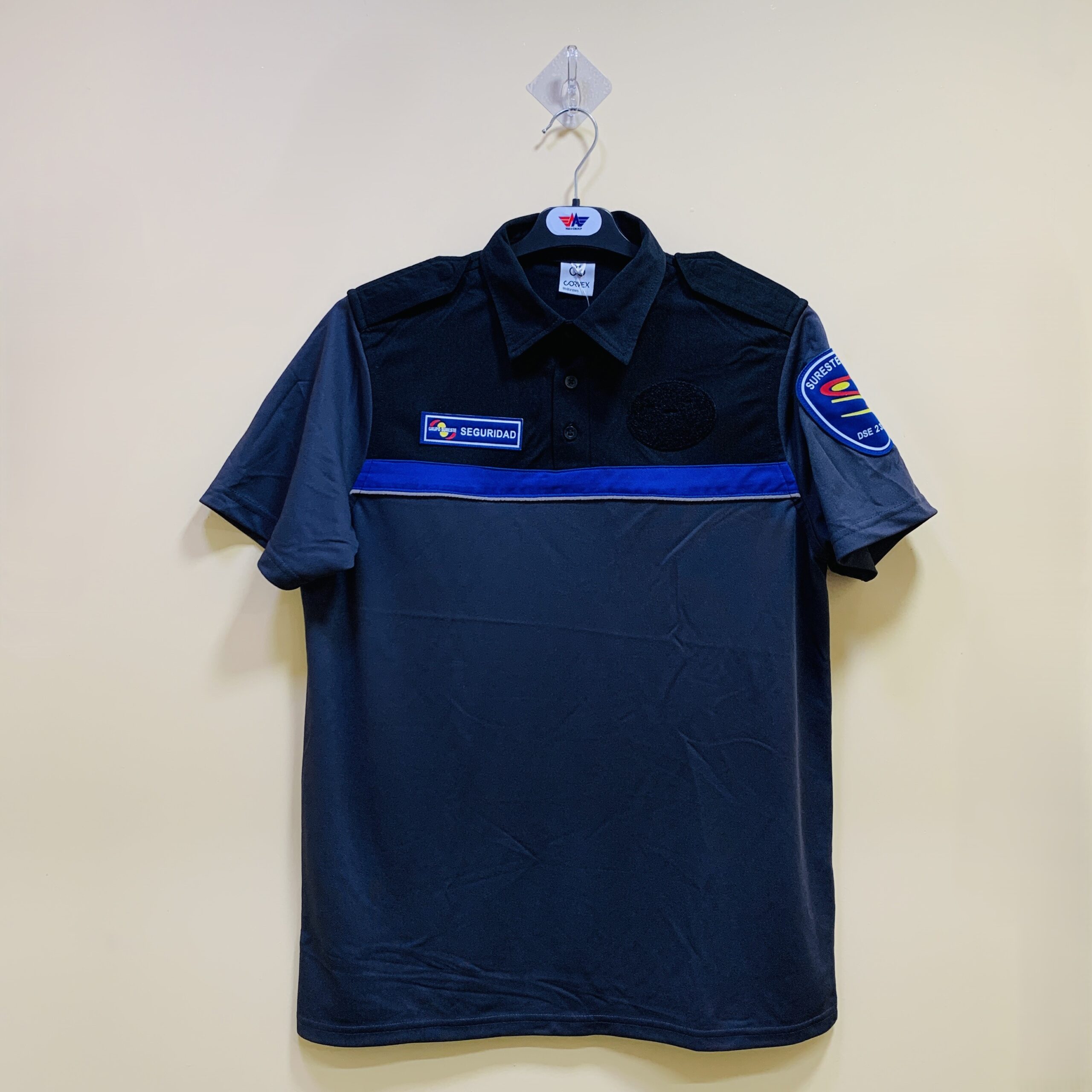
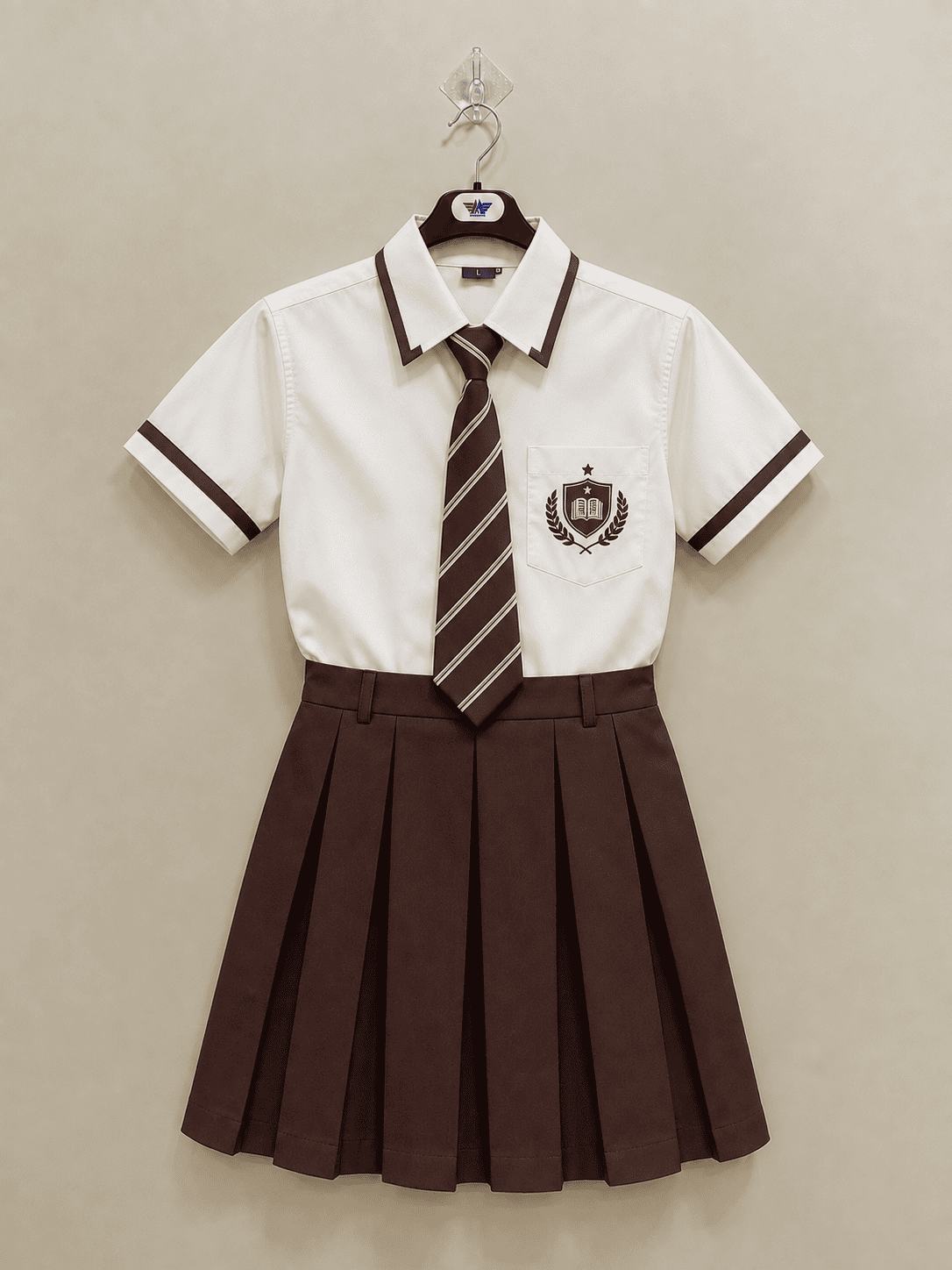
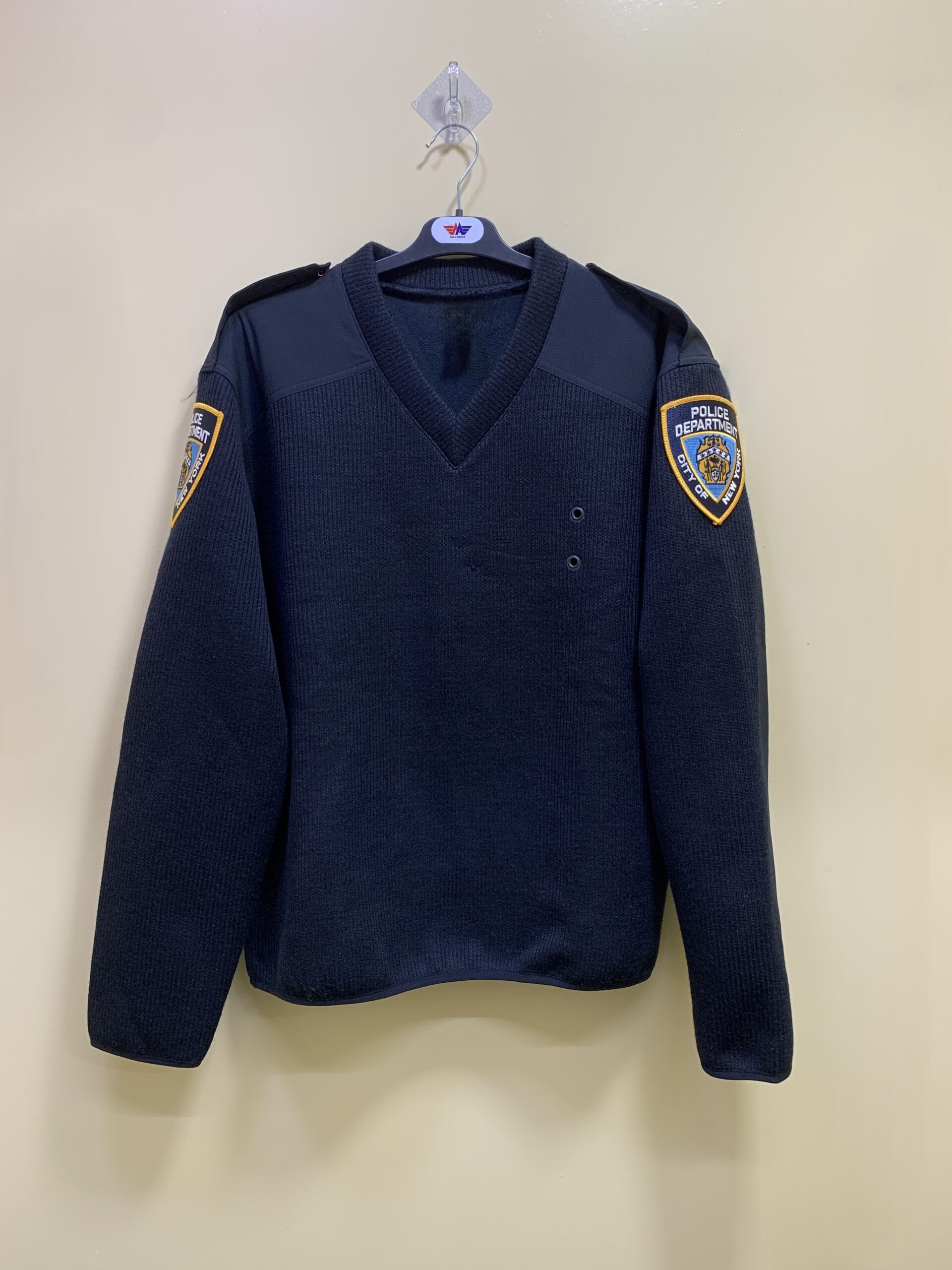
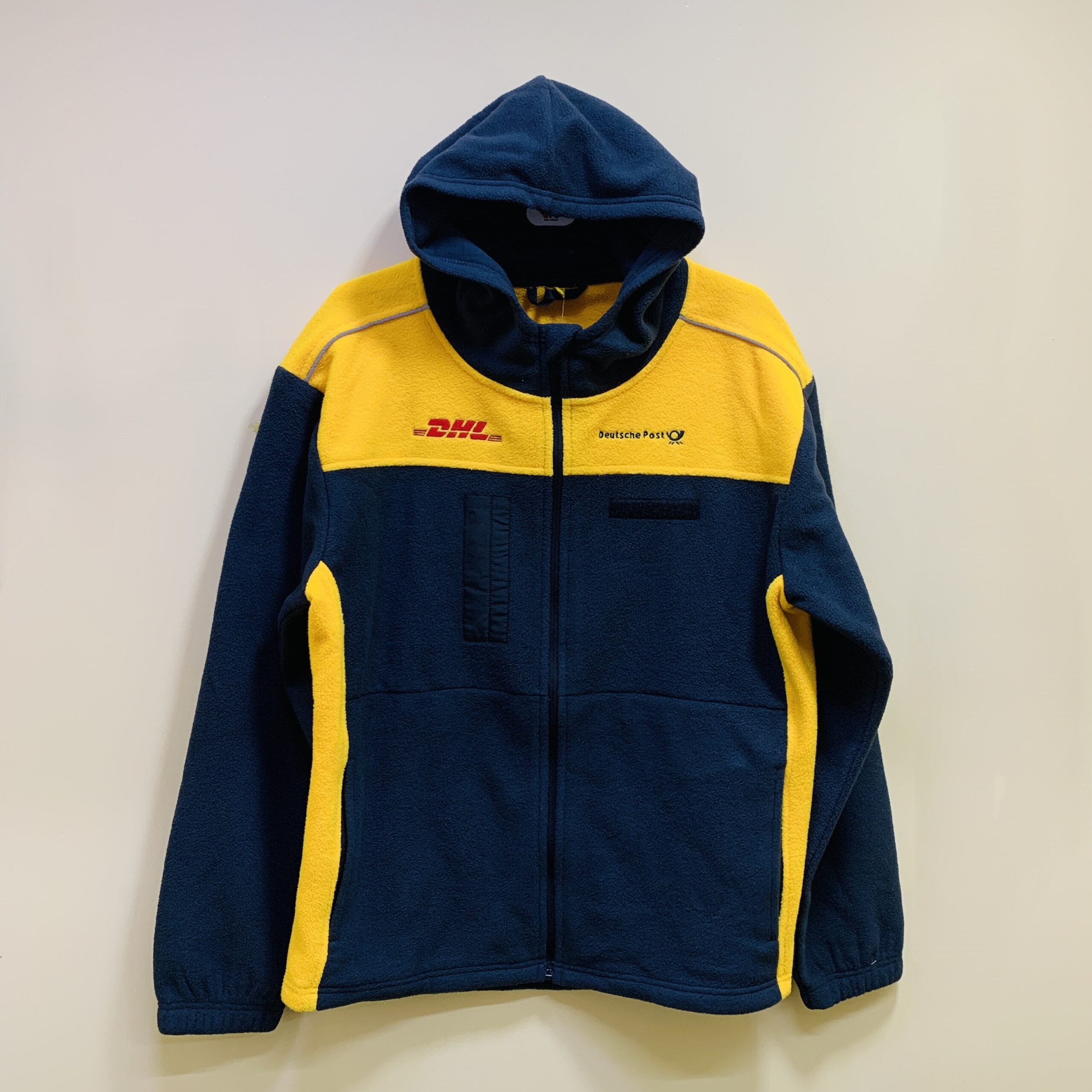
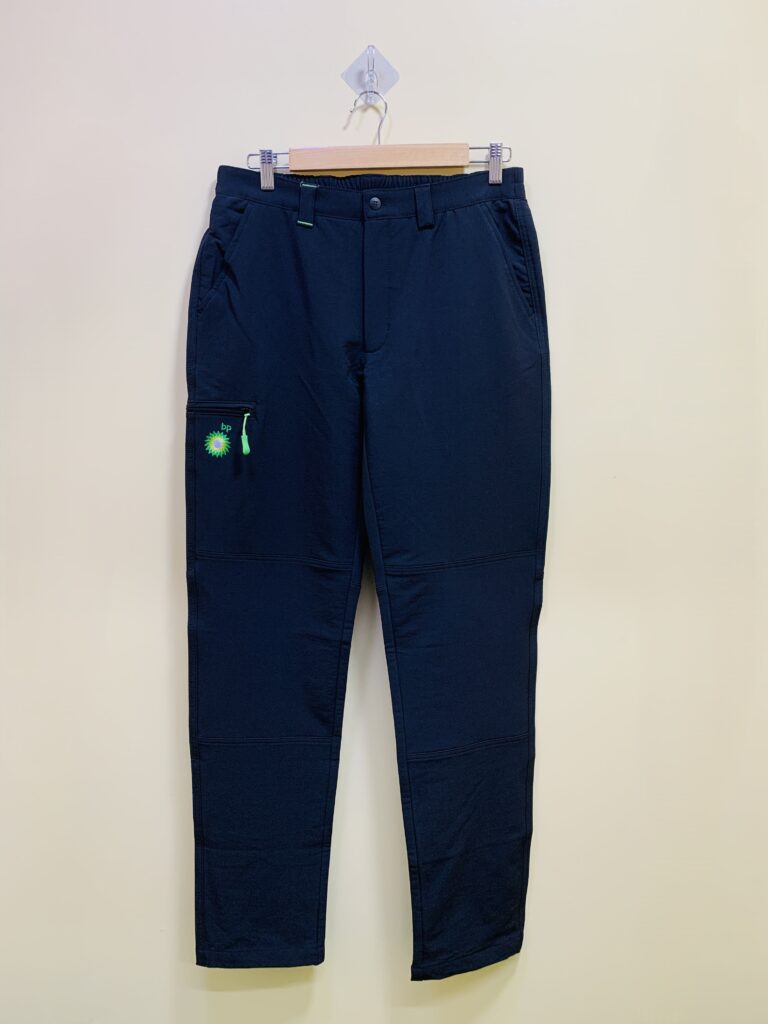
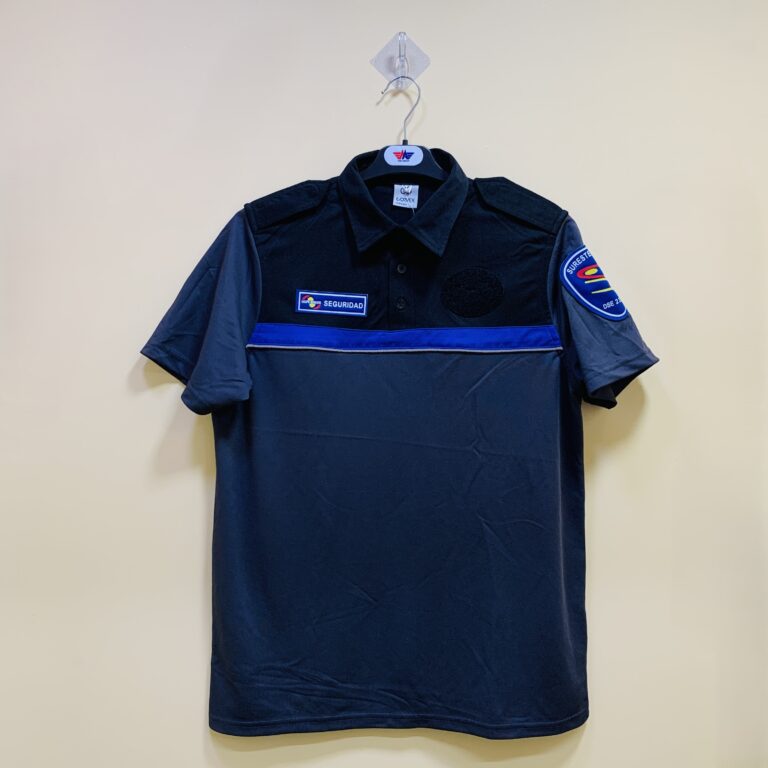
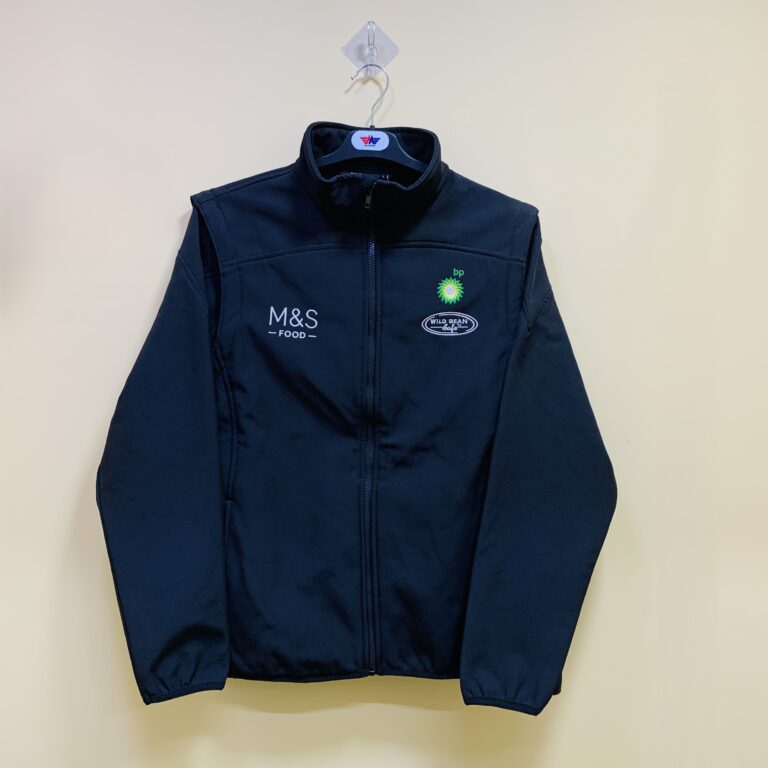
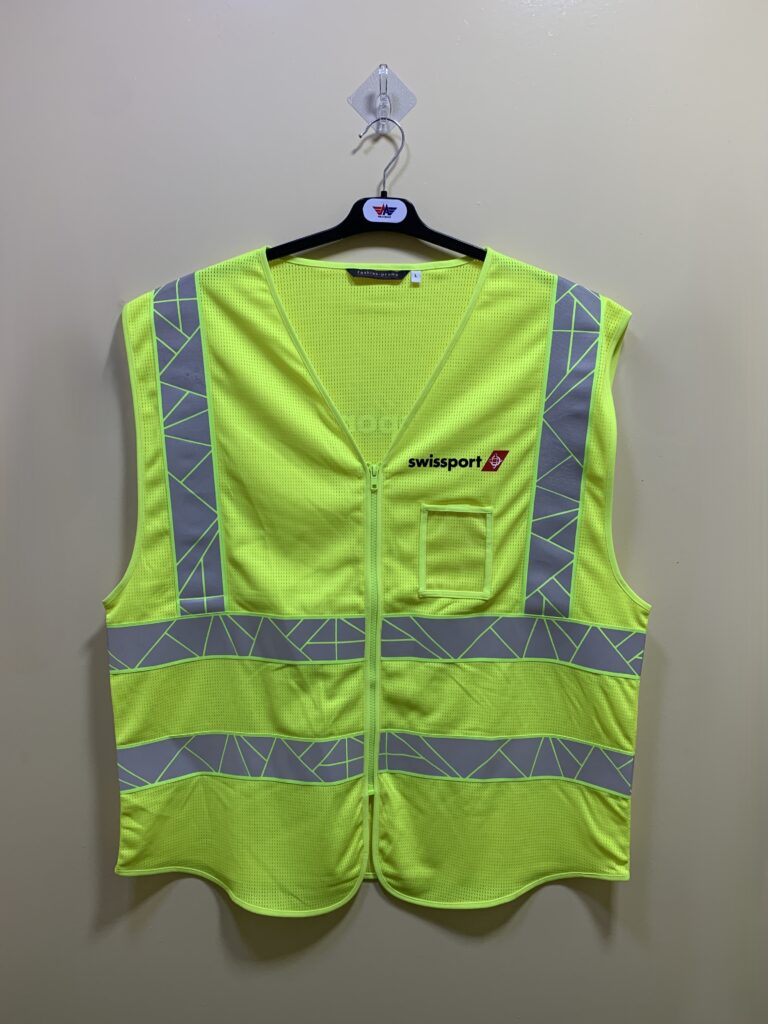
Use these existing company catalogue photographs to identify the garment family. They are starting references, not evidence that a specific sample or protective claim has been approved.
Illustrative approval milestones
These bars illustrate a sequence of decisions. They are not live completion percentages, sample pass rates or delivery guarantees.
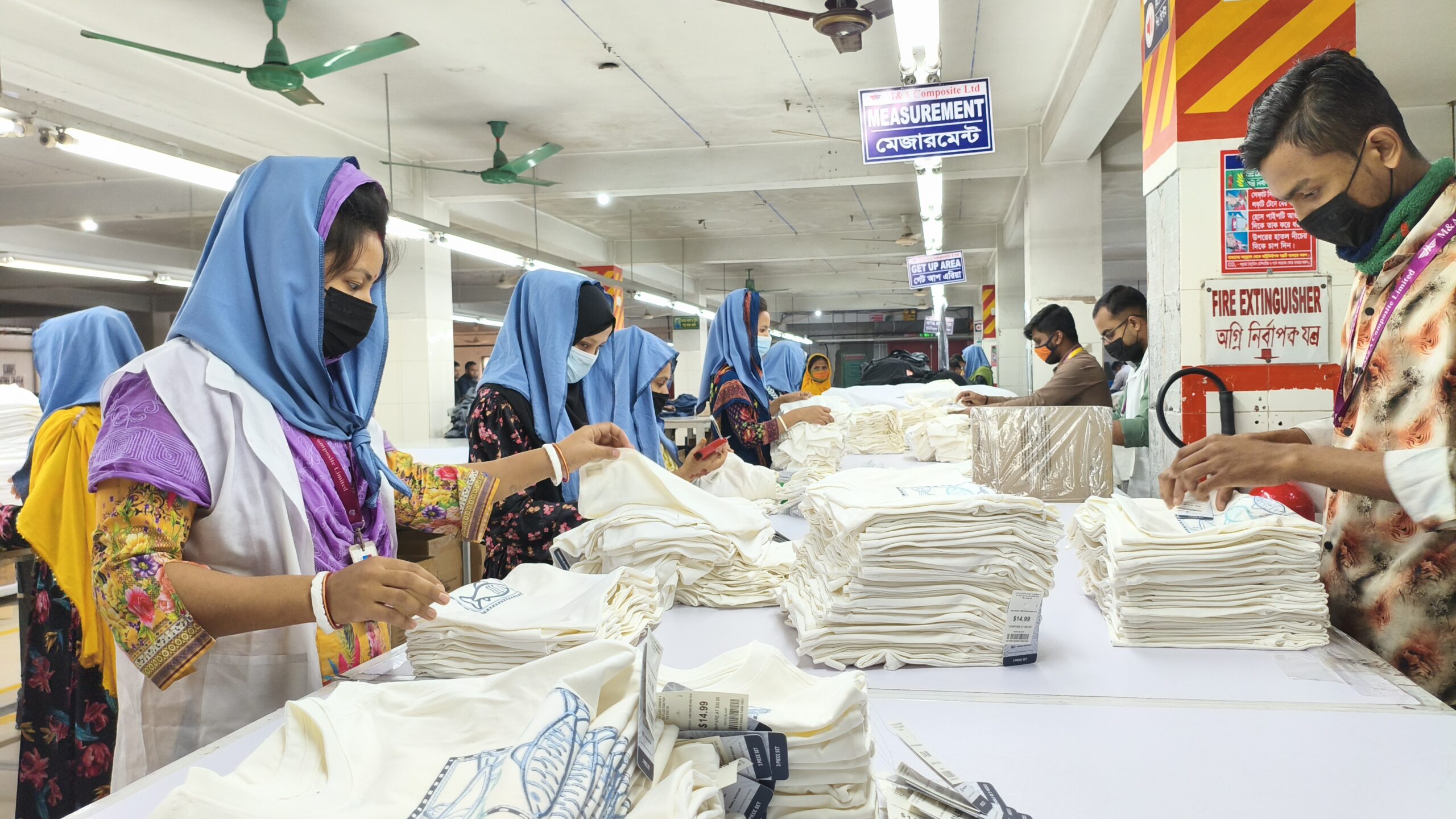
Company staff and garment coordination
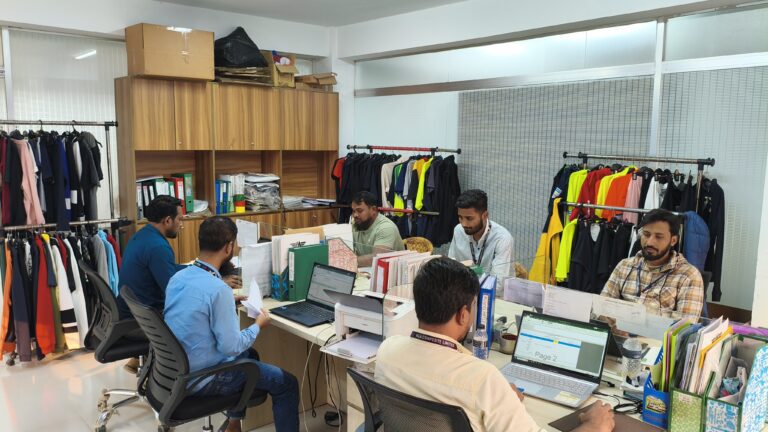
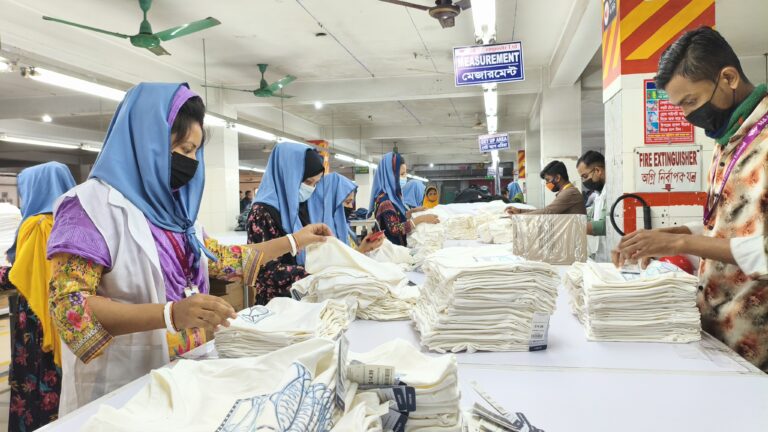
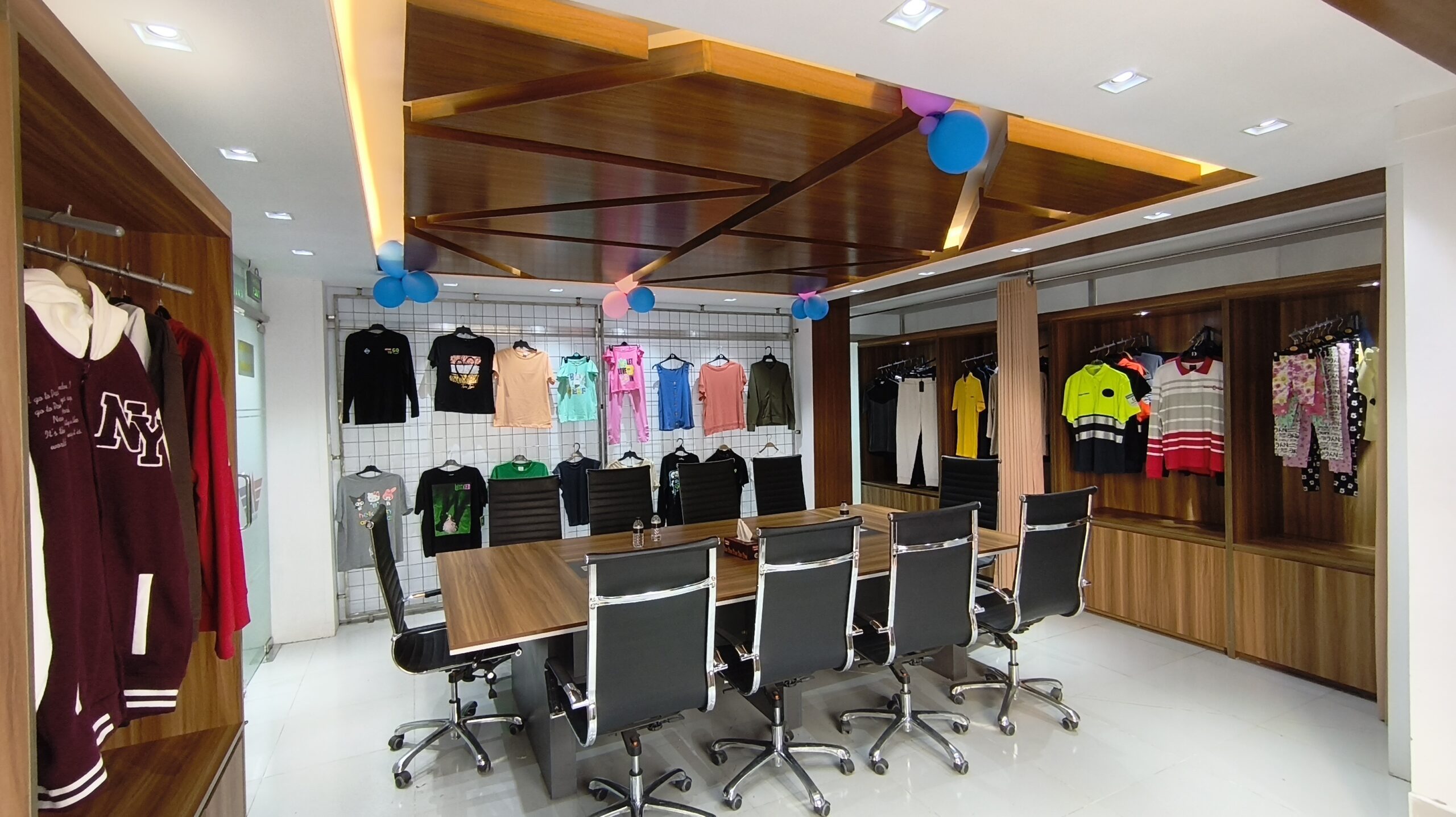
Original company photographs introduce the working environment. Ask for actual programme samples and records when discussing approval decisions.
Frequently asked questions
What is workwear sample approval?
It is a recorded buyer decision about an identified garment and specification, with its accepted scope, conditions and references.
Does one approved sample confirm the entire bulk order?
No. Keep development approval, agreed production checks and shipment release decisions separate.
Can a sample use substitute fabric?
An early sample may use a provisional material, but identify that limitation and review the final material before accepting it as a production reference.
Should measurement and fit findings be separate?
Yes. Record chart comparisons separately from wearer observations about movement, comfort and function.
How should buyer comments be sent?
Use one dated register with sample identity, specific findings, actions, owners and decisions. Resolve conflicting comments first.
Can a digital logo mock-up replace a decorated sample?
It can explain appearance, but relevant material, placement and decoration questions may need an actual sample review.
What does conditional approval mean?
It records an accepted scope with unresolved items. Name the owner and required review before treating those items as complete.
Do sample photographs prove protective certification?
No. Requested protective claims need evidence and responsible technical review for the actual garment.
Is there a fixed sample cost or lead time?
Request order-specific development terms after materials, complexity, quantities and responsibilities are reviewed.
How do I discuss my workwear samples with M&A Sourcing?
Send drawings or references, materials, measurements, artwork, quantities and destination through the contact page, identifying open decisions.
Discuss your workwear sample programme
Share the proposed garment, controlling files and open sample questions to discuss an order-specific development scope.
Request a Workwear Sample Discussion →