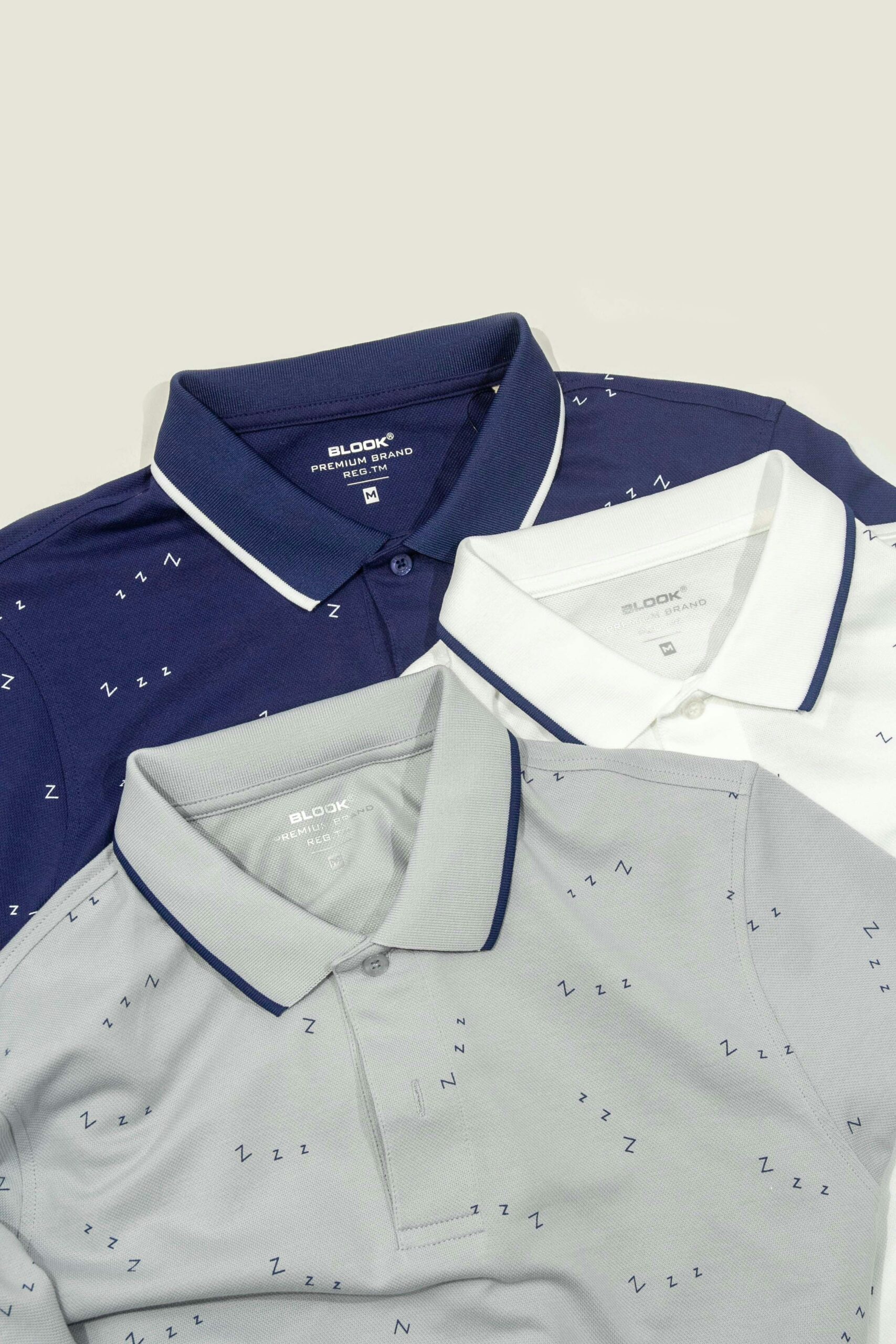
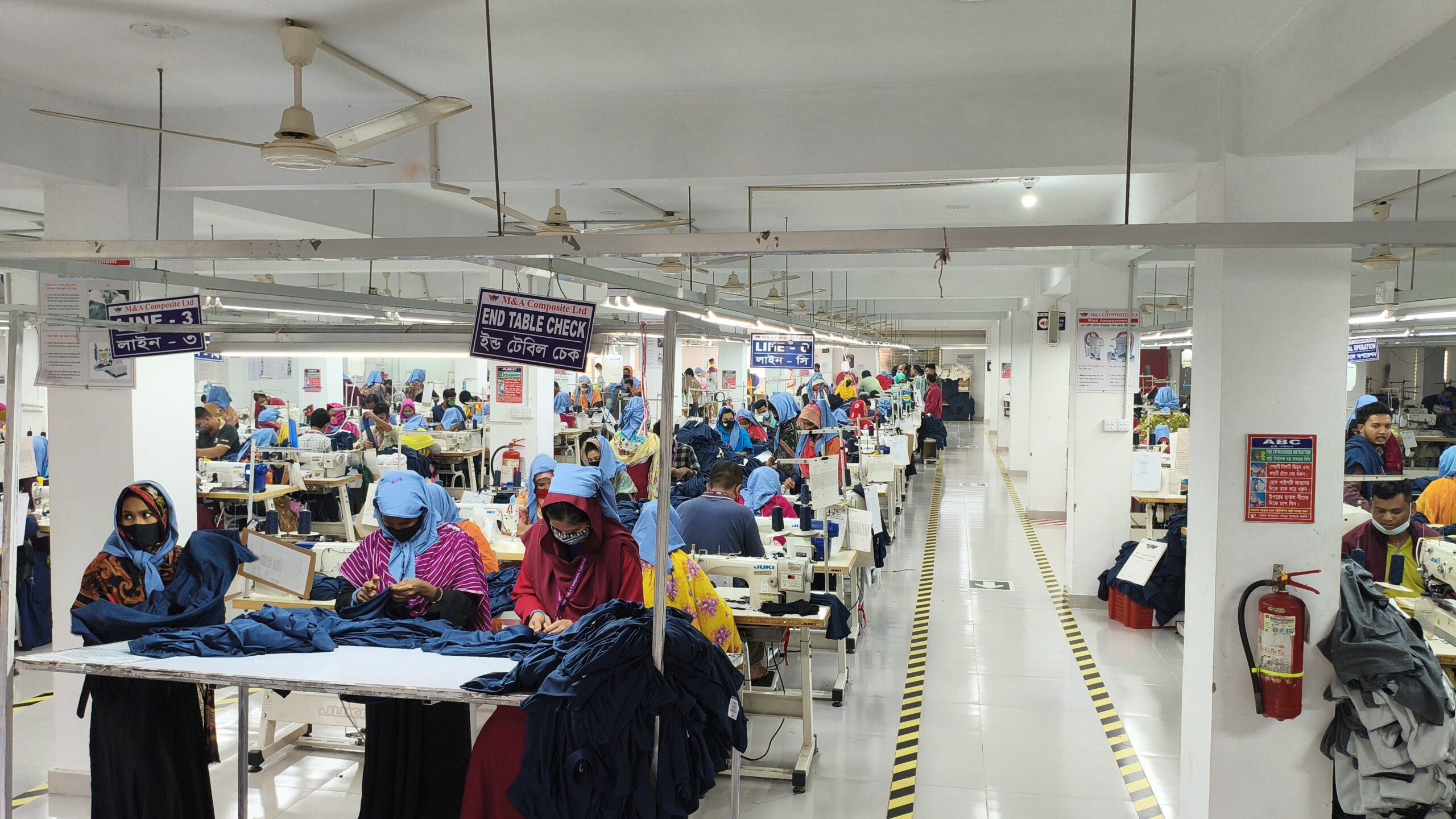
The best workwear factory in Bangladesh for your business is the one that can demonstrate a fit with your product specification, production needs and sourcing requirements. The decision should connect a clear brief with relevant samples, an identified manufacturing route and evidence that the supplier can manage the proposed order. A general claim of being the best is not enough to make that comparison.
This guide explains how to turn a shortlist into a controlled first order. It focuses on the handover from supplier discussion to pilot review and production release. Use the eleven checks alongside the workwear factory and product range to prepare specific questions about polos, trousers, jackets and other uniform categories.
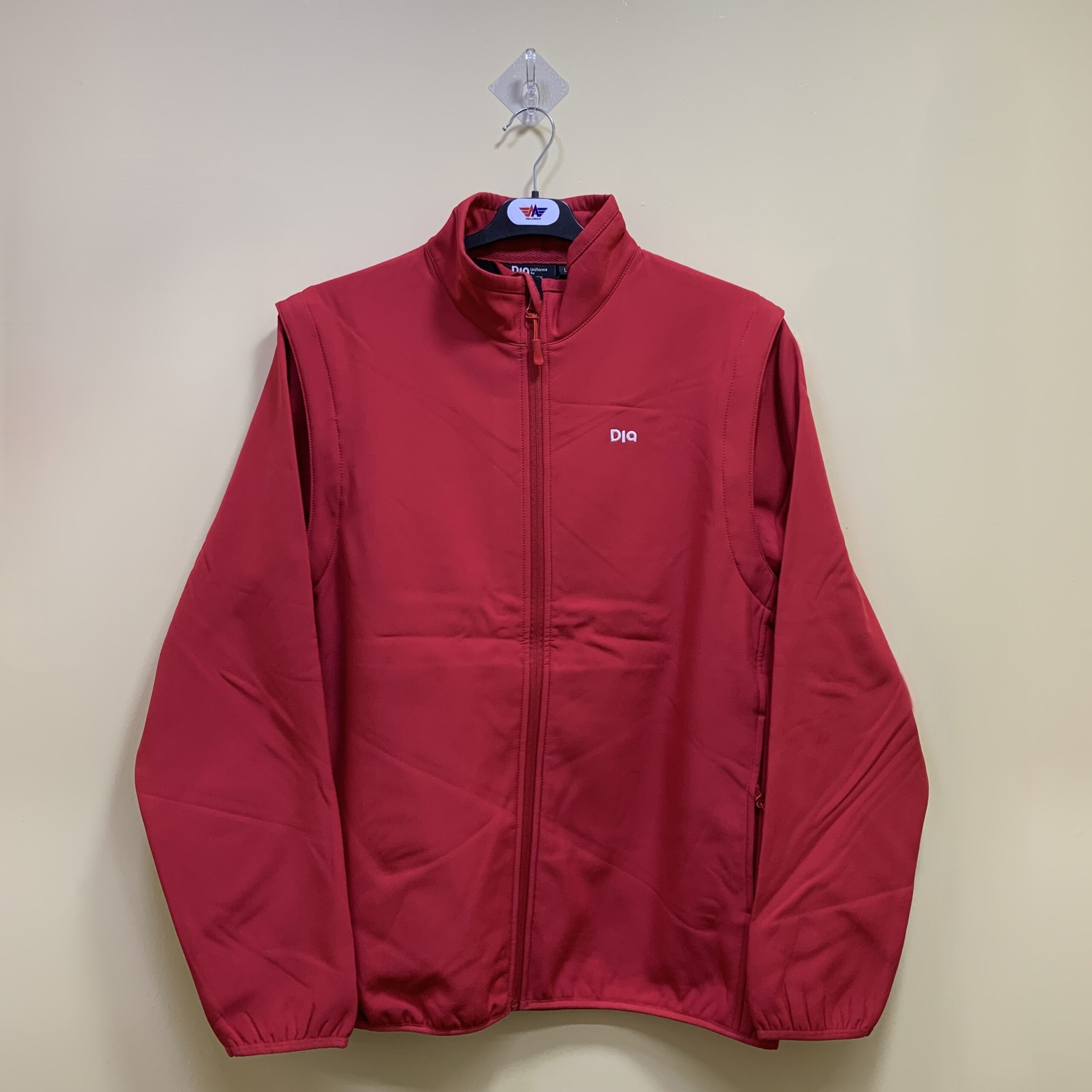
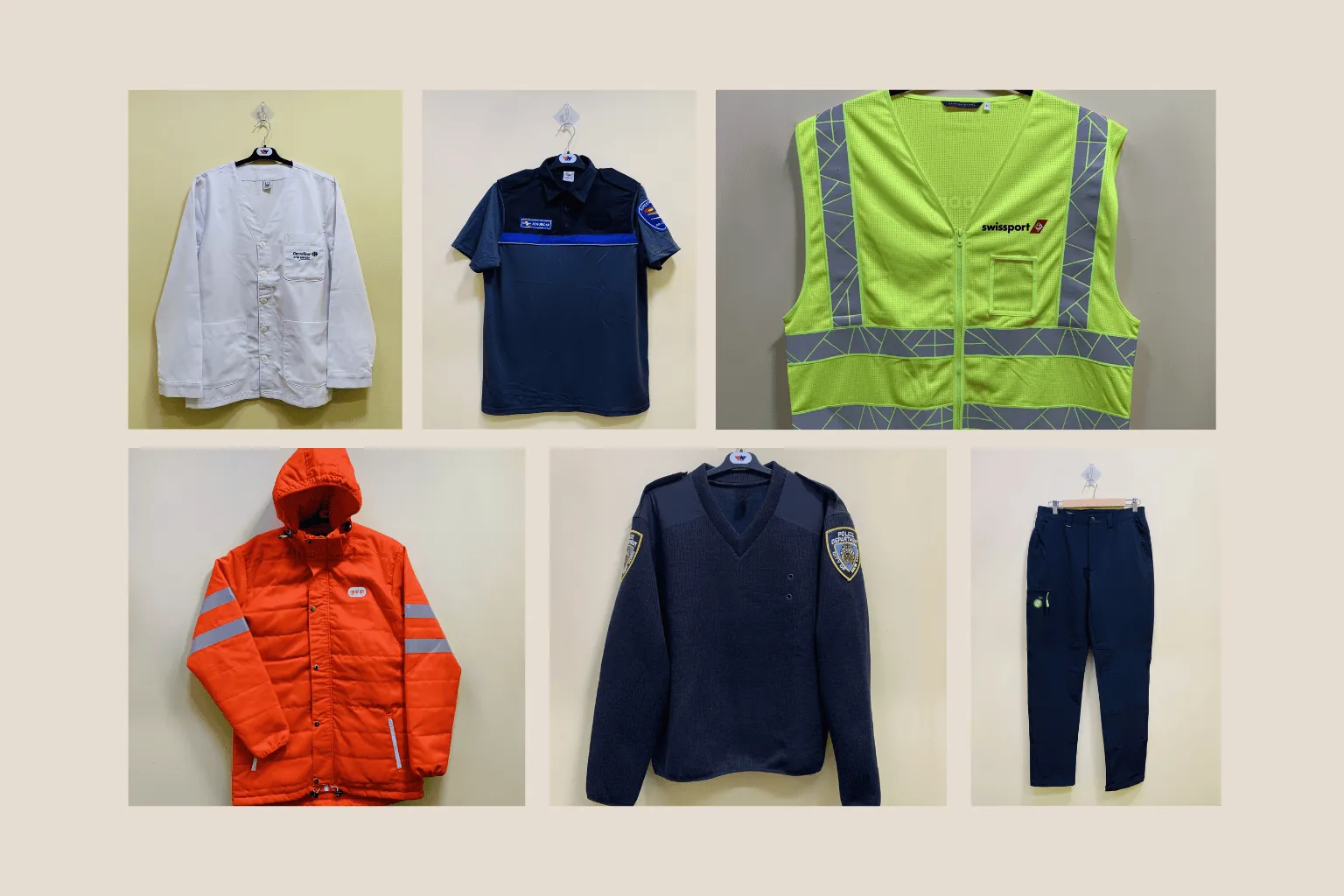
The tables include an illustrative pilot review and a hypothetical buyer scorecard. Their quantities and ratings do not describe any named supplier. Company photographs provide context, while any facility status, product claim, minimum order quantity, price or delivery plan needs confirmation for the actual project.
Table of contents
1. Define the best workwear factory in Bangladesh for your order
The best workwear factory in Bangladesh for one buyer may not be the right production partner for another. Begin with the order you actually need: garment types, wearer groups, intended care routine, quantity by variant and required receipt date. A supplier can then explain how its proposed production route meets that brief. Without this starting point, attractive samples and broad claims are difficult to compare.
Separate essential requirements from preferences. An approved chest measurement, a traceable fabric reference and a clear production location may be essential. An additional pocket or a particular packaging presentation may be negotiable. Give each item a named decision owner. This helps the buyer resolve questions promptly rather than asking a factory to guess which detail matters most.
Prepare a short range map. A corporate polo, cargo trouser and padded jacket belong to one uniform programme, but they need different materials, construction and fit checks. Record the intended role of every style and the clothing normally worn with it. The workwear product range offers a useful starting point for choosing the categories to include in the enquiry.
Choose your acceptance evidence before comparing suppliers. For example, require an identified sample, an agreed measurement chart and a documented care review for a polo. A trouser may need particular attention to pocket use and movement. If a product carries a protective or other performance claim, identify the product-specific evidence and responsible reviewer rather than inferring suitability from its appearance.
This definition makes the search for the best workwear factory in Bangladesh practical. You are selecting a partner against an order brief, not trying to award a universal title. Keep the brief short enough to use in a meeting, with detailed drawings, material references and approval records attached. It should remain the common reference through quotation, sampling and the first delivery.
2. Identify the contracting company and the actual production facility
A buyer should understand who will quote, who will receive the order and where each manufacturing stage will take place. The commercial contact, sourcing coordinator, sewing facility and decoration provider can be different parties. Ask for an understandable responsibility map. It should connect the company named on the quotation with the locations and people responsible for producing the actual garments.
When shortlisting the best workwear factory in Bangladesh, request the proposed facility’s legal name, physical location and relevant production scope. Discuss whether cutting, sewing, printing, embroidery, washing and packing are performed there or elsewhere. The aim is visibility. If a stage moves to another location, the buyer should know which approvals and evidence need another review.
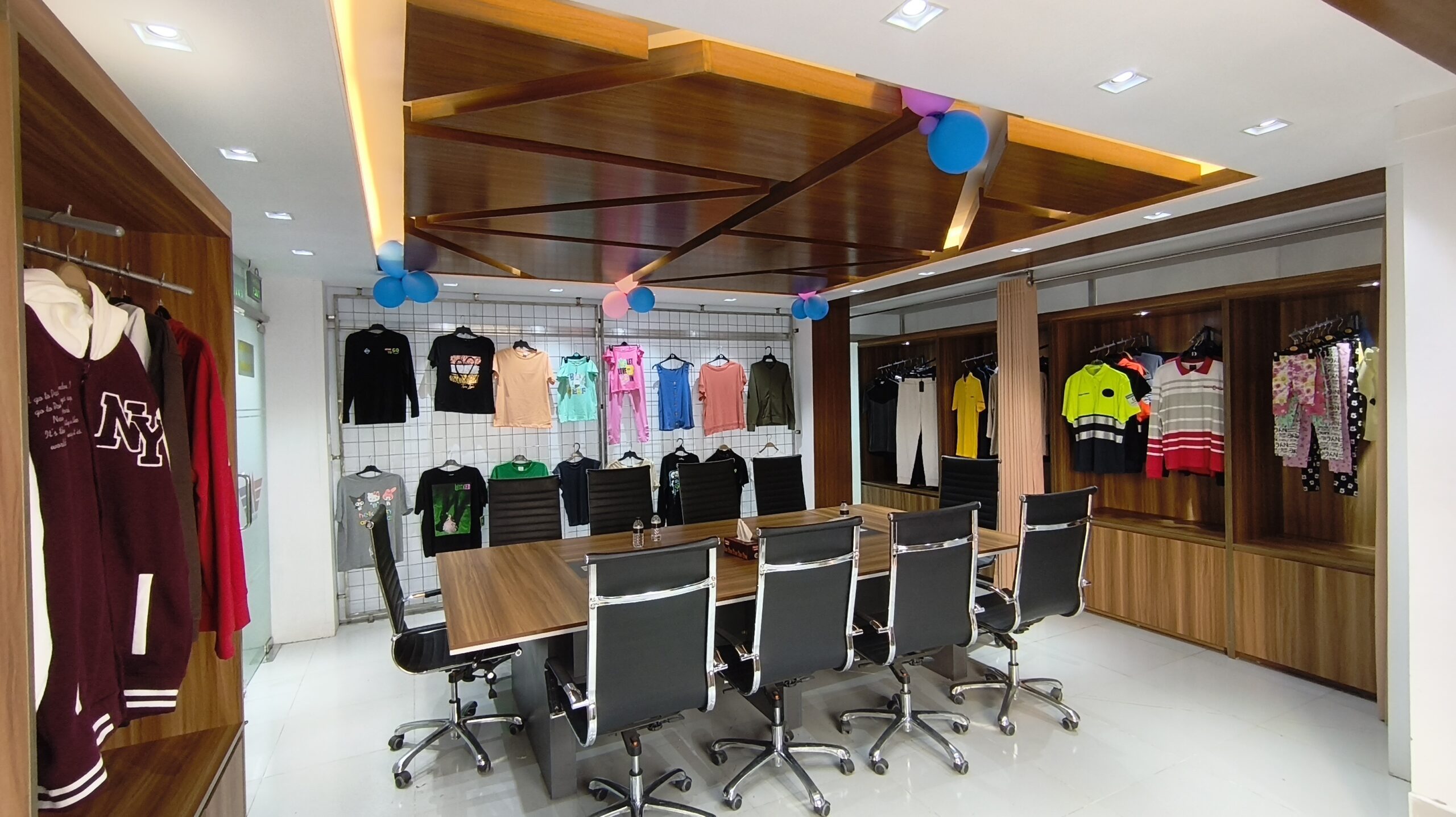
A showroom visit or production photograph can introduce the business, but it does not replace an order-specific facility confirmation. Match any audit report, certificate or inspection record to the entity, address, scope and dates it covers. Ask the issuer or responsible programme about verification where appropriate. A document referring to a different facility cannot silently establish the status of the proposed production site.
Record who handles a problem that crosses organisational boundaries. If a zipper is sourced by one party and fitted by another, someone still needs to own the correction when the approved result is not achieved. Agree the contact and escalation route before production. Avoid a process where the buyer must negotiate separately with several suppliers to resolve one garment issue.
A transparent structure supports a more informed choice of the best workwear factory in Bangladesh. Retain the facility map with the current quotation and sample references. If the route changes later, request the reason, affected operations and revised review plan. The purchasing team should be able to explain where the order is being made without reconstructing old messages.
3. Check product capability through relevant operations and samples
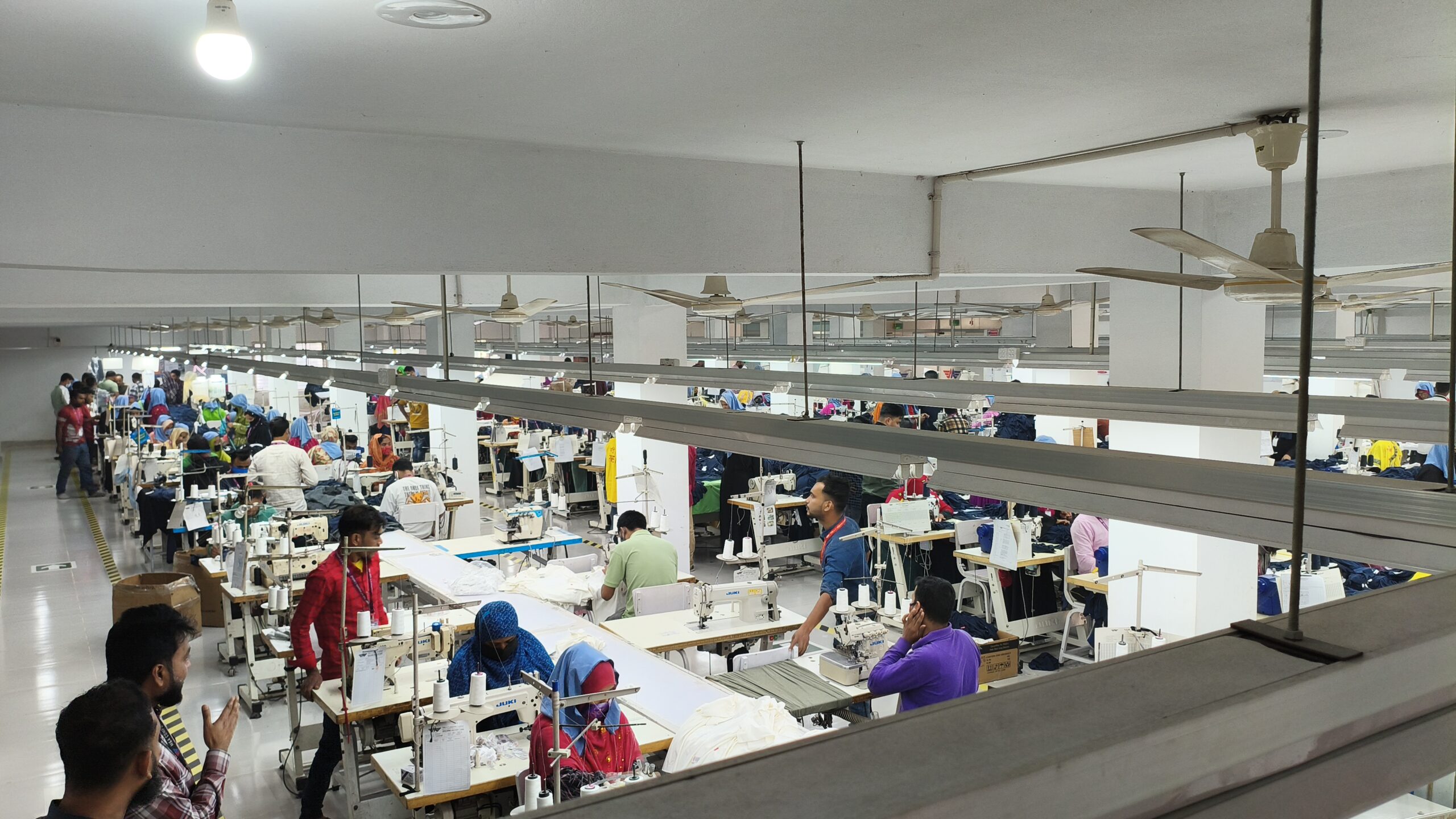
Factory capability is most useful when it is demonstrated for the product being ordered. A strong fashion sample does not answer every question about a uniform trouser, and a large sewing floor does not establish experience with every construction. Ask the supplier to discuss the critical operations in your design and show relevant, identifiable sample work where it is authorised to do so.
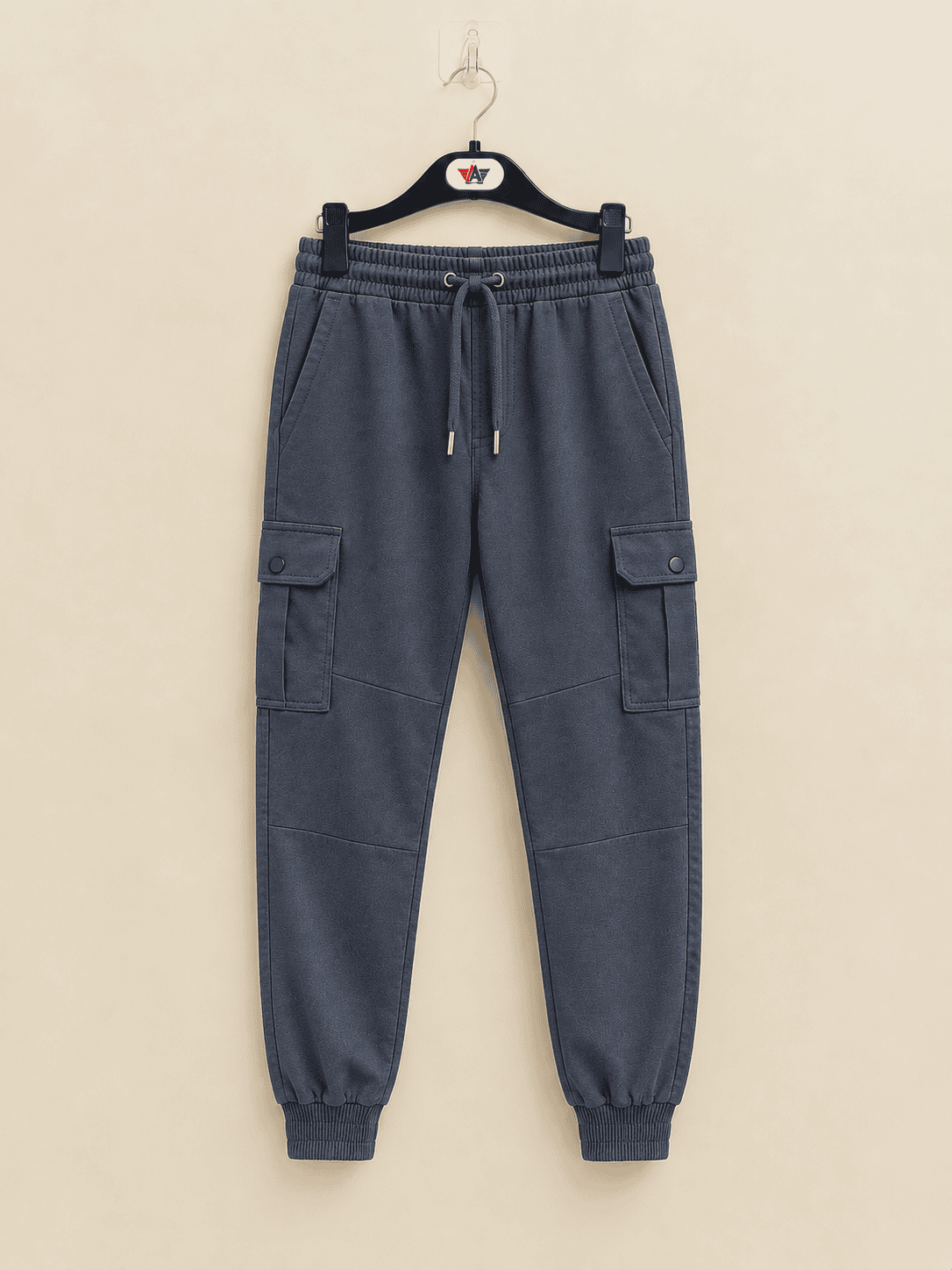
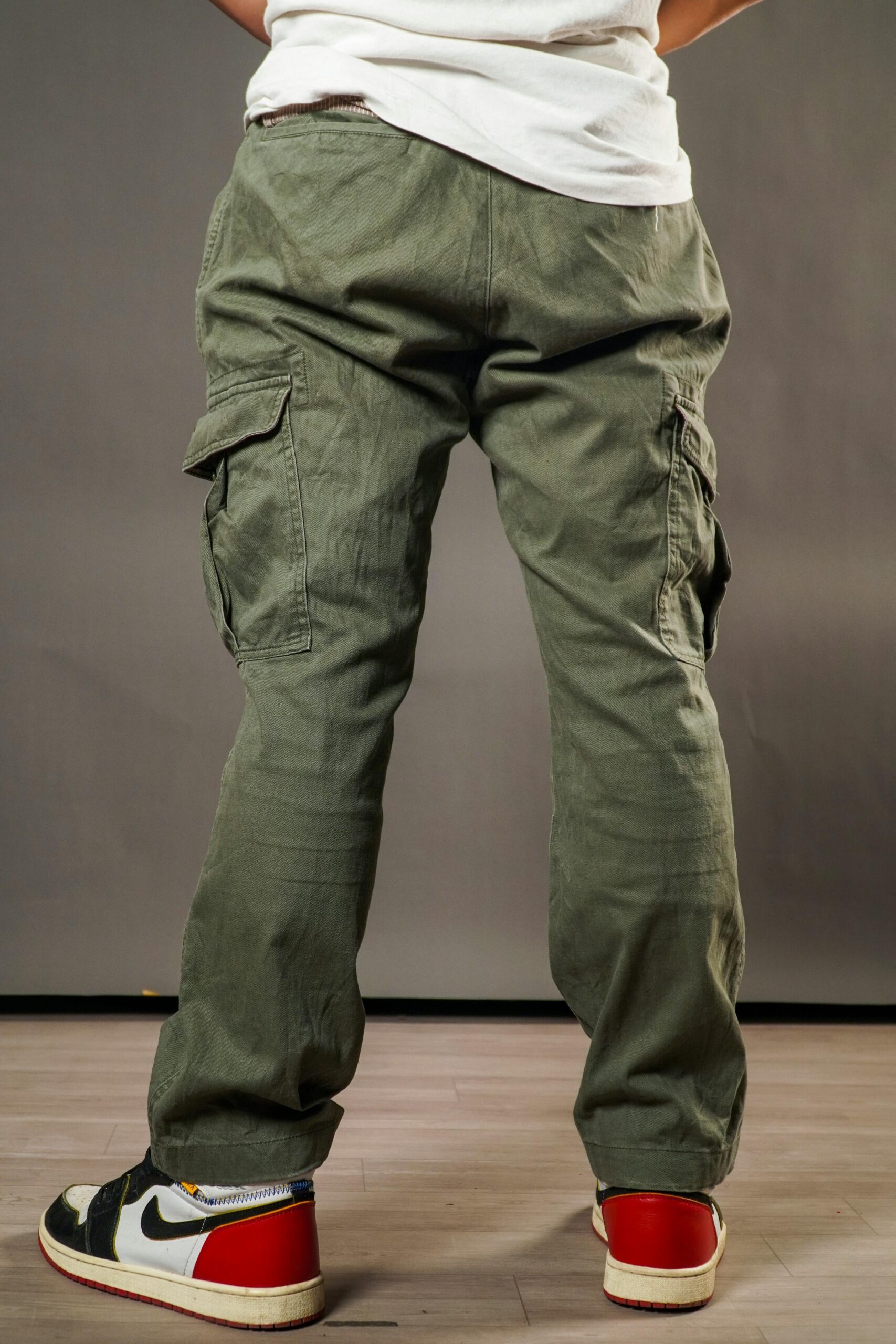
For tees and polos, examine neckline or collar assembly, placket balance, seam appearance and dimensional consistency. For cargo trousers, review waistband construction, pocket access, reinforcement details and movement. For outerwear, consider the compatibility of shell, lining, insulation, closures and layering allowance.
Choosing the best workwear factory in Bangladesh therefore involves asking how those operations will be controlled. Which sample establishes the expected result? Who checks the first output? What happens when a repeated sewing operation drifts from the reference? A useful answer identifies a practical control and a responsible person rather than relying on the word quality alone.
Discuss machinery in relation to the garment. Special equipment can be relevant, but a machine list is not an acceptance result. Ask how the proposed operation, material handling and operator instruction produce the approved construction. Where a detail is unfamiliar or changed, include it in the pilot review. A short demonstration on the actual material can reveal questions that a catalogue photograph cannot.
Use a capability meeting to create an action list. Record the detail discussed, evidence shown, remaining uncertainty and next sample required. Keep customer names and designs confidential unless sharing is authorised. The final shortlist should reflect the supplier’s ability to explain and reproduce your specified product, with unanswered questions visible before the commercial team commits to the bulk order.
4. Trace fabrics and trims from the reference to the pilot
A garment specification needs more than a fabric colour and a target weight. Record composition, construction, finishing, supplier reference and the appearance expected after the agreed care process. Include lining, rib, reinforcement and other secondary materials. Small components can change the final result, so the bill of materials should identify what belongs in each part of the garment.
The best workwear factory in Bangladesh for a controlled programme should be able to discuss how approved references reach the cutting and sewing stages. Ask how fabric lots are identified, how shade differences are handled and how material substitutions are proposed. Retain a reference swatch and connect it to the current product revision rather than treating an unlabelled cutting as a permanent standard.
Trims deserve the same discipline. Identify zipper type, buttons, snaps, elastic, cords, labels and any application required by the design. Inspect compatibility with the intended fabric and care routine. A replacement that looks similar may still alter operation, dimensions or appearance. Require the supplier to state the proposed change and obtain the relevant approval before it enters the order.
Agree how incoming findings affect production release. If the material does not match the reference, who records the discrepancy and who can decide its disposition? A buyer should distinguish a request for information from an accepted exception. Keep any limited acceptance specific to the material, quantity and order it covers. It should not automatically become the standard for a future delivery.
Make the pilot traceable to its actual components. If the development sample used substitute material, state that clearly and identify the checks to repeat with production material. This is a useful test when comparing the best workwear factory in Bangladesh: can the team show what the sample proves, what it does not yet prove and what evidence will close the remaining gap?
5. Review wearer fit, decoration and care as one finished garment
Workwear is worn in combination with other clothing and used through repeated dressing, movement and cleaning. Start the fitting with the intended inner layers and a clearly identified sample size. Review the garment while the wearer sits, reaches and accesses the pockets. Record the actual observation against a measurement or construction detail so the pattern team has something specific to correct.
The best workwear factory in Bangladesh for your uniform programme should work from a finished garment chart with defined measurement methods and tolerances. Body dimensions and garment dimensions serve different purposes. Confirm which sizes need review and how grading affects the range. A successful base-size fitting should not be treated as proof that every size or wearer group has been resolved.
Review branding on the intended base material. An embroidered chest logo, heat transfer or printed panel can change the feel and appearance of a garment. Approve the artwork revision, dimensions, position and sample result together. Check whether the decoration interferes with a pocket or seam. The existing workwear embroidery and printing guide provides a separate comparison for that decision.
Care instructions need to reflect the finished article. GINETEX care-labelling guidance explains the role of permitted treatment and sensitive garment components. Agree the appropriate care review with the responsible parties, including the materials, trims and decoration. Do not select an instruction only because the main fabric has a familiar fibre composition.
After the agreed trial, compare dimensions and appearance against the retained reference. Record findings for seams, collar, cuffs, pockets, closures and logos, as relevant. A buyer looking for the best workwear factory in Bangladesh should expect a clear response to those findings: what changed, what correction is proposed and which check will establish whether the revised sample is acceptable.
6. Verify responsible sourcing evidence for the proposed facility
Responsible sourcing needs a separate review alongside product capability. Ask what labour, workplace safety and environmental information applies to the proposed manufacturing locations. Identify the buyer’s own requirements and the people qualified to assess the evidence. A strong garment sample does not resolve a facility concern, and a facility document does not by itself prove that a particular garment meets its specification.
The OECD guidance for garment and footwear supply chains describes due diligence for identifying and addressing adverse impacts. Use that resource to inform a continuing review process. Keep the checks, responsible contacts and follow-up actions connected to the actual business relationship rather than treating one document collection as a permanent conclusion.
When evaluating the best workwear factory in Bangladesh, check the scope of each claim. Which legal entity and location does the evidence cover? What operations and dates are included? Are findings still open, and who is responsible for follow-up? If a supplier proposes a different facility, revisit the relevant evidence instead of transferring the previous facility’s status to the new address.
For facilities within its programme, the International Accord’s Bangladesh disclosure page provides factory disclosure information. Use the appropriate programme records and verification route for the facility under review. Being listed is not a universal product certification, and absence from a particular programme is not, on its own, a complete assessment of a factory’s circumstances.
Keep any issue requiring an informed decision outside a simple purchasing score total. An unresolved concern should have an owner, a requested action and a review date. Do not allow an attractive price to cancel an unresolved requirement. The best workwear factory in Bangladesh for a responsible buyer must fit the buyer’s evidence-based sourcing process as well as the product brief.
7. Use a controlled pilot to test the production handover
A development sample and a pilot serve different questions. The development sample helps establish the design and specification. A controlled pilot gives the buyer and supplier an opportunity to see how the agreed materials, instructions and checks work together before a wider release. Agree the purpose, quantity, variants and acceptance evidence with the supplier rather than assuming every project needs the same pilot size.
The best workwear factory in Bangladesh for your first order should be willing to discuss what the pilot is intended to demonstrate. Include the details most likely to cause problems: a difficult pocket opening, a branded panel, an unusual size or a closure with several layers. Avoid testing only the easiest garment configuration while leaving the important uncertainty unresolved.
Choose representative variants deliberately. A small pilot may not cover every size and colour, so record what was included and why. If a style uses different fabrics or decoration methods, decide whether one sample can represent the others. Keep that decision explicit. The pilot record should make its limits understandable to someone who was not present during the development discussion.
| Pilot element | Question to resolve | Evidence to retain | Release decision |
|---|---|---|---|
| Material identity | Were the specified fabric and trims used? | Component references and labelled swatches | Confirm or identify a documented exception |
| Fit and construction | Does the sample match the chart and intended movement? | Measurements, fitting notes and photographs | Accept, revise or request another sample |
| Decoration and care | Does the complete garment meet the agreed review? | Approved artwork and relevant trial findings | Close the findings before wider release |
| Packing identity | Can receiving staff identify each variant? | Label, bag, carton and packing-list examples | Confirm the approved packing configuration |
Review the pilot in the same order the bulk team will use: materials, measurements, construction, decoration, labels and packing. Record findings against the approved references and identify who can close each issue. A general comment such as approved with changes needs an attached list showing which changes are mandatory, which quantities are affected and what evidence is still required.
A controlled pilot supports the search for the best workwear factory in Bangladesh by making the handover observable. It is not a guarantee that every later unit will be identical. Its value is the agreed production reference, the unresolved questions it exposes and the correction process it demonstrates. Retain the accepted garment and corresponding files for the first bulk review.
8. Judge quality control by the correction and the recheck
An inspection process is useful when findings lead to an understandable decision. Ask how material discrepancies, sewing defects, measurement issues and packing errors are recorded. The report should identify the product reference, affected sample or quantity, observed issue and proposed action. It should also show who reviewed the action and what established whether the issue was resolved.
When comparing the best workwear factory in Bangladesh, ask to discuss an appropriately anonymised correction example where sharing is authorised. Look for the connection between the finding, the likely cause, the action and the recheck. A photograph of a repaired garment alone may not show whether the same issue was addressed across the affected production quantity.
Agree defect descriptions before they become a commercial dispute. Specify how the inspection sample will be selected, which reference controls appearance and dimensions, and who can decide a limited exception. If a sampling plan is used, the parties need the actual agreed plan and acceptance rules. A short acronym without those details does not define the inspection arrangement.
Distinguish a temporary repair from a process correction. Replacing one loose button may resolve that garment’s immediate defect. The production team may also need to review the attachment operation if the issue repeats. Ask which units need checking and how the next output will be monitored. Keep the response proportionate to the observed problem rather than assuming every defect has the same significance.
The best workwear factory in Bangladesh for a buyer seeking repeatability should make these decisions traceable. Use a closure record that links the original finding to the accepted correction and the relevant order. Where a change affects the specification, update the controlled files too. Otherwise, the team may solve a problem once and accidentally reproduce the older version on the next order.
9. Compare a realistic quotation and a schedule with dependencies
A comparable quotation begins with comparable products. Give each supplier the same drawings, material requirements, size quantities, decoration and packing instructions. Ask for assumptions and exclusions to be stated. If one proposal uses a substitute fabric or a different logo method, keep that option separate until the buyer has reviewed its effect on the finished garment.
The best workwear factory in Bangladesh is not established by the lowest headline price. Compare the complete delivered specification and the work needed to approve it. Identify sample charges, agreed testing, packing and transport responsibilities. State the currency, validity and payment stages. A buyer can then discuss the commercial proposal without confusing a target budget with an accepted quotation.
Break down minimums by the relevant component and variant. A combined order may contain small quantities of particular fabrics, colours or logos. Ask how those quantities affect material sourcing and production. If excess material is proposed, agree its identification, storage and future use. The existing workwear MOQ guide explores those questions without assuming one universal minimum for every design.
Review the schedule as a sequence of dependencies. When must materials be confirmed? Which buyer approvals release the next step? Who monitors trim availability, sampling and the planned production start? Include the destination and required receipt date. A production duration quoted without its start conditions cannot, by itself, establish when a buyer will receive usable stock.
Ask what happens if an approval or component is delayed. A useful response identifies the affected milestone, available options and the person responsible for the revised plan. Keep updates tied to the order and current revision. This practical communication test helps distinguish a promising sales conversation from an operating arrangement that the buyer can manage throughout production.
10. Compare evidence with an illustrative buyer scorecard
A scorecard can make a shortlist discussion more consistent, provided everyone understands its limits. Agree the criteria and weights before assessing suppliers. Keep source records beside each assessment and distinguish verified evidence from unanswered questions. The table below is an invented arithmetic example for teaching the method. It does not rate M&A Sourcing or any other named company.
Use a simple five-point assessment scale for each category. In this illustration, one means substantial evidence is missing, three means the main requirements have been demonstrated with identified follow-up, and five means the agreed evidence is complete for that category. Buyers should define their own scale and intermediate levels. Do not present this illustration as an industry certification or an externally validated scoring system.
| Assessment category | Illustrative weight | Example rating out of 5 | Weighted points |
|---|---|---|---|
| Product and material evidence | 25 | 4 | 20 |
| Fit and care evidence | 20 | 3 | 12 |
| Pilot and quality controls | 20 | 4 | 16 |
| Planning and communication | 15 | 3 | 9 |
| Commercial and packing clarity | 10 | 4 | 8 |
| Reorder and change control | 10 | 2 | 4 |
| Total | 100 | Not applicable | 69 / 100 |
The calculation is the weight multiplied by the rating and divided by five. For the first row, 25 × 4 ÷ 5 equals 20 points. Adding the six example results gives 69 out of 100. Those numbers are hypothetical. There is no suggested universal pass mark: a buyer must decide what the evidence means for its own order and responsibilities.
The best workwear factory in Bangladesh for a particular project should be selected through both evidence review and judgement. Keep essential requirements outside the weighted total where appropriate. An unresolved production identity or a required performance claim cannot be cancelled simply because another category earned more points. Mark such issues as pending decisions with named owners and requested evidence.
Compare two suppliers only after applying the same definitions. If the available evidence differs, show that difference rather than inventing a rating. Revisit the assessment when the production facility, fabric or order scope changes. A scorecard helps organise a decision; it should not hide uncertainty behind a precise-looking number or replace the relevant specialist review.
11. Select the best workwear factory in Bangladesh through a clear release
The final selection should produce a usable order package. Include the contracting party, approved production route, garment codes, current drawings, materials, measurements, artwork, care instructions, quantities and packing requirements. Attach the accepted sample references and list any limited exceptions. The person receiving this package should know which files control production without searching a long conversation for the latest change.
Before release, ask the supplier to confirm that it understands the same specification. Summarise the remaining actions, responsible contacts and milestone dates. If a question remains unresolved, decide whether it prevents release or can be handled within a specifically agreed scope. Keep that decision in writing. An open issue should not disappear because the purchase order has been issued.
Choosing the best workwear factory in Bangladesh also means preparing the receiving team. Provide the packing list structure, style-colour-size identification and approved references needed for the initial check. Explain how a discrepancy should be recorded before stock is mixed. The workwear packing checklist and repeat uniform order guide provide further detail for those stages.
M&A Sourcing Limited describes its service as workwear manufacturing and sourcing coordination, including development, material sourcing, sampling, production follow-up, quality checks and shipment support. Buyers can explore the workwear range and request an order-specific proposal. Confirm the actual facility, materials, minimums, approvals and schedule for the project under discussion.
To start that conversation, send the current brief through the contact page. Include the product references, quantity by variant, destination and required receipt date, together with any evidence needed for product claims. Ask the team to identify assumptions and the next sampling step. This creates a concrete basis for comparing the proposal with the buyer’s acceptance requirements.
A successful search for the best workwear factory in Bangladesh ends with a documented fit between the product, the production route and the buyer’s expectations. Use the first order to learn as well as to receive stock. Record what should remain consistent, which decisions need improvement and what must be checked again before expanding or repeating the programme.
Frequently asked questions
How do I identify the best workwear factory in Bangladesh?
Define the actual order requirements, then compare relevant product samples, material references, manufacturing locations, quality controls and commercial plans. Use a controlled pilot to resolve important uncertainties. Select against the evidence for your project rather than treating a broad marketing claim as an independent ranking.
Does the best factory always offer the lowest price?
No single price establishes the best workwear factory in Bangladesh for every buyer. Compare the same complete specification, including materials, decoration, approvals, packing and delivery responsibilities. Review assumptions and exclusions so a lower quotation is not mistaken for an equivalent offer when the proposed products differ.
Can a sourcing company coordinate workwear production?
A sourcing partner can coordinate development, materials, sampling, production follow-up and other agreed services. Ask which company is contracting, which facilities will carry out the work and who is responsible for each stage. Keep that responsibility map connected to the quotation, approved samples and actual purchase order.
Do showroom or factory photographs prove production capability?
Photographs provide context but do not establish every capability, certification or current facility status. Confirm the proposed manufacturing location and review relevant samples, operation details and supporting records. Match any evidence to its entity, address, scope and dates instead of assuming that an image answers an order-specific question.
What should a pilot workwear order demonstrate?
An agreed pilot should test the important product and handover questions for the project. These may include material identity, fit, construction, decoration, care findings and packing information. Record which variants were reviewed, which questions remain open and what evidence is needed before a wider production release.
Can one certificate cover every factory or garment?
Read the actual scope and conditions of the document. Check the named entity, location, operations, products where relevant and validity information with the issuer or appropriate programme. Do not transfer evidence from one facility or product to another without establishing that the scope applies to the proposed order.
What should I send M&A Sourcing with a workwear enquiry?
Send drawings or product references, wearer needs, materials, size quantities, colours, measurements, logos, packing instructions, destination and required receipt date. Include any evidence needed for product claims. Ask the team to confirm the proposed production route, open assumptions, project-specific minimums, sampling steps and commercial terms.