Custom joggers work best when the fabric, fit and finishing details are developed together. A comfortable waistband cannot compensate for a restrictive thigh, and an attractive sample cannot settle questions about wash performance or bulk size allocation. For clothing brands, retailers and uniform buyers, the useful starting point is a clear product brief that a supplier can quote and sample consistently.
This guide explains twelve practical checks for developing private label joggers, from choosing French terry or fleece to approving pockets, artwork, measurements and packing. It also includes a fabric comparison, a measurement checklist and a worked quantity example. The example figures are planning illustrations, not supplier minimums, laboratory results or a quotation from M&A Sourcing.
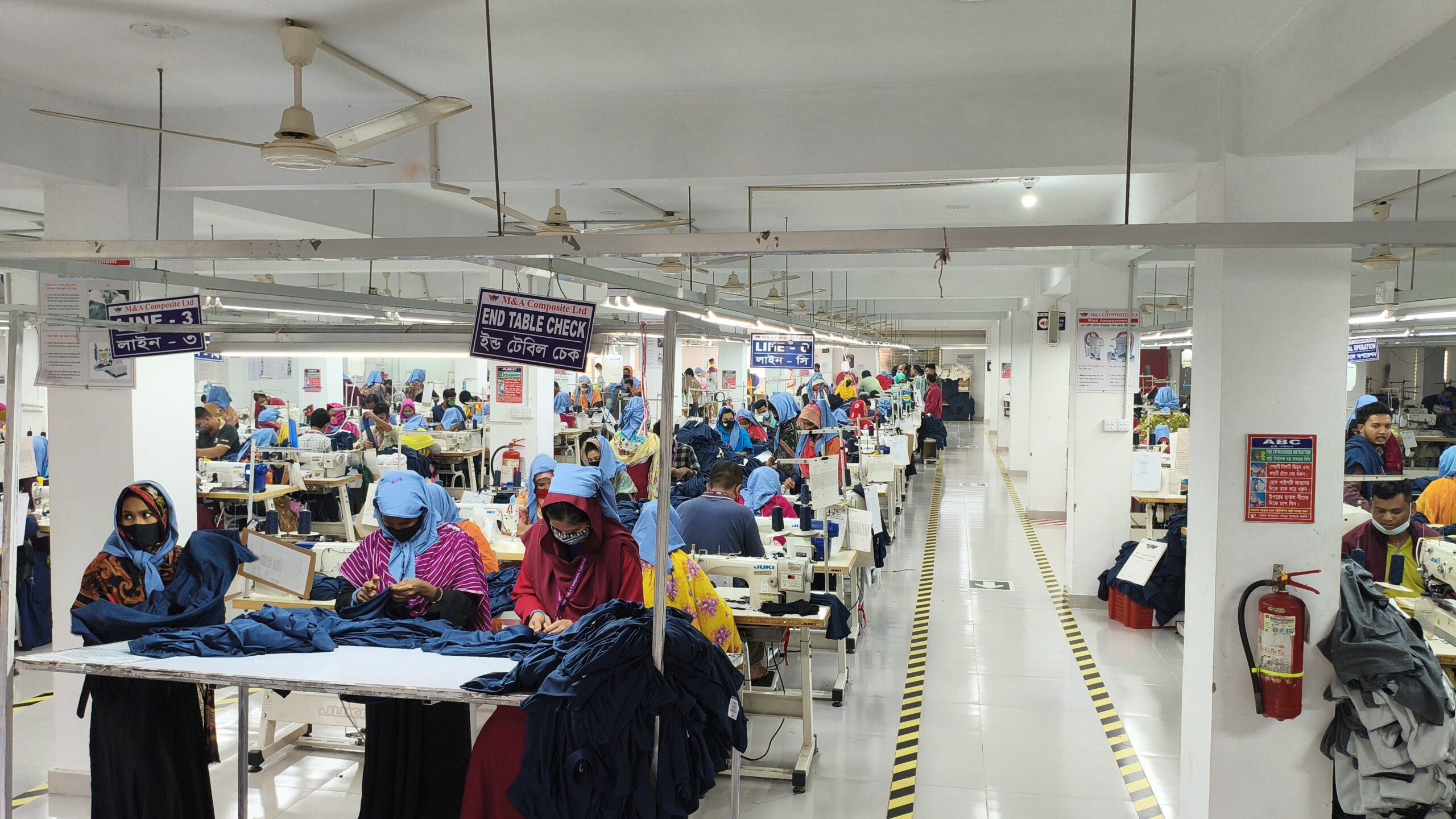
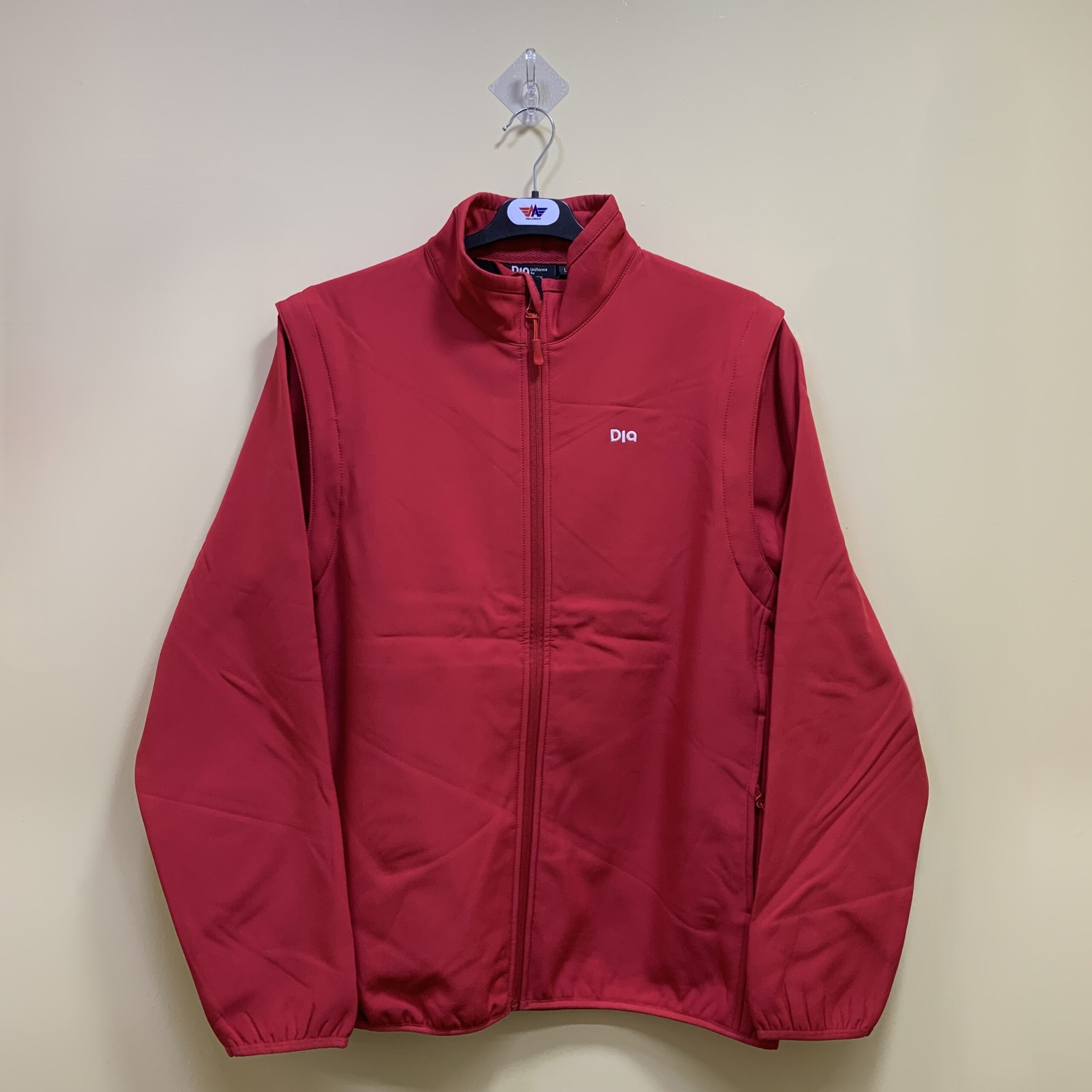
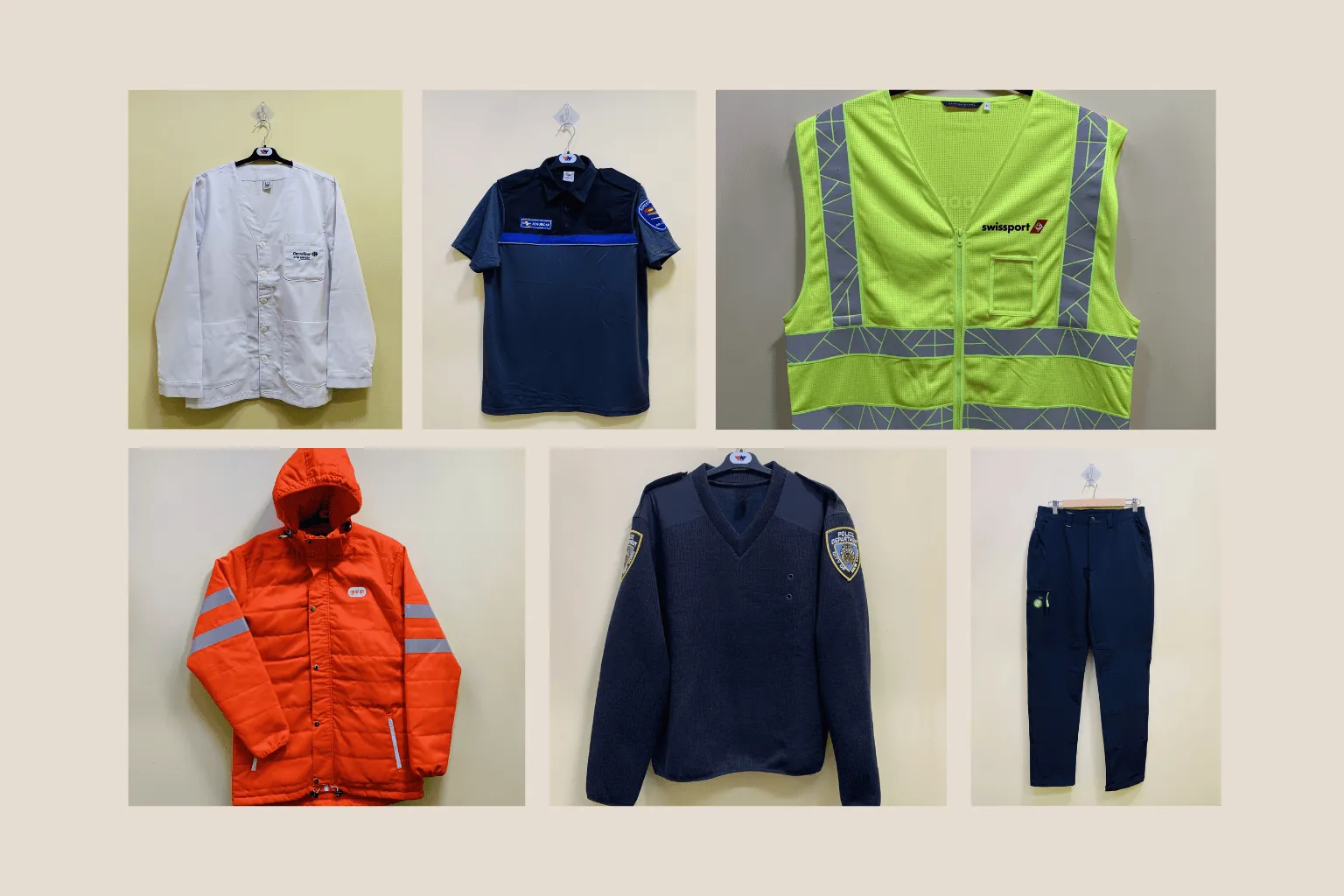
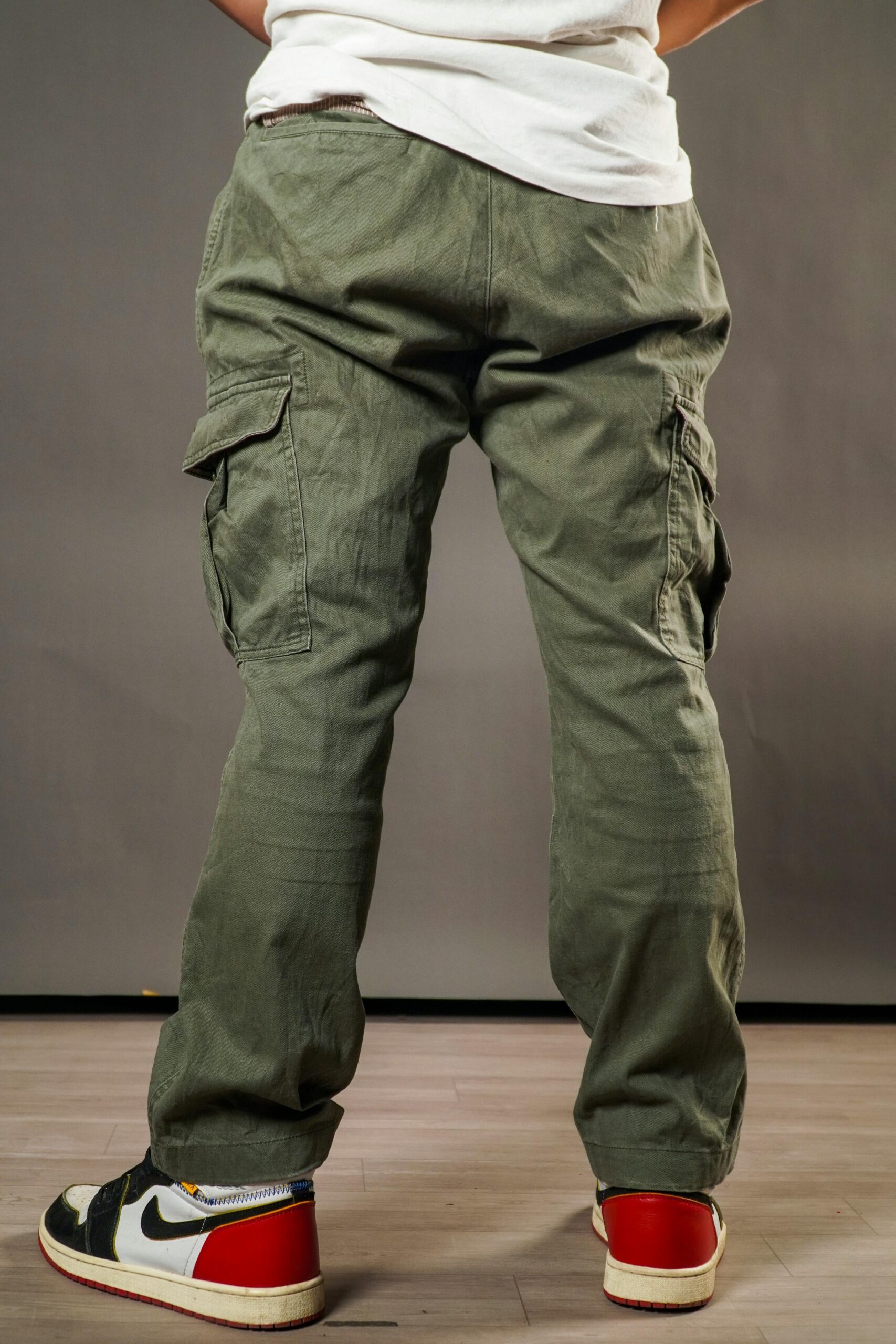
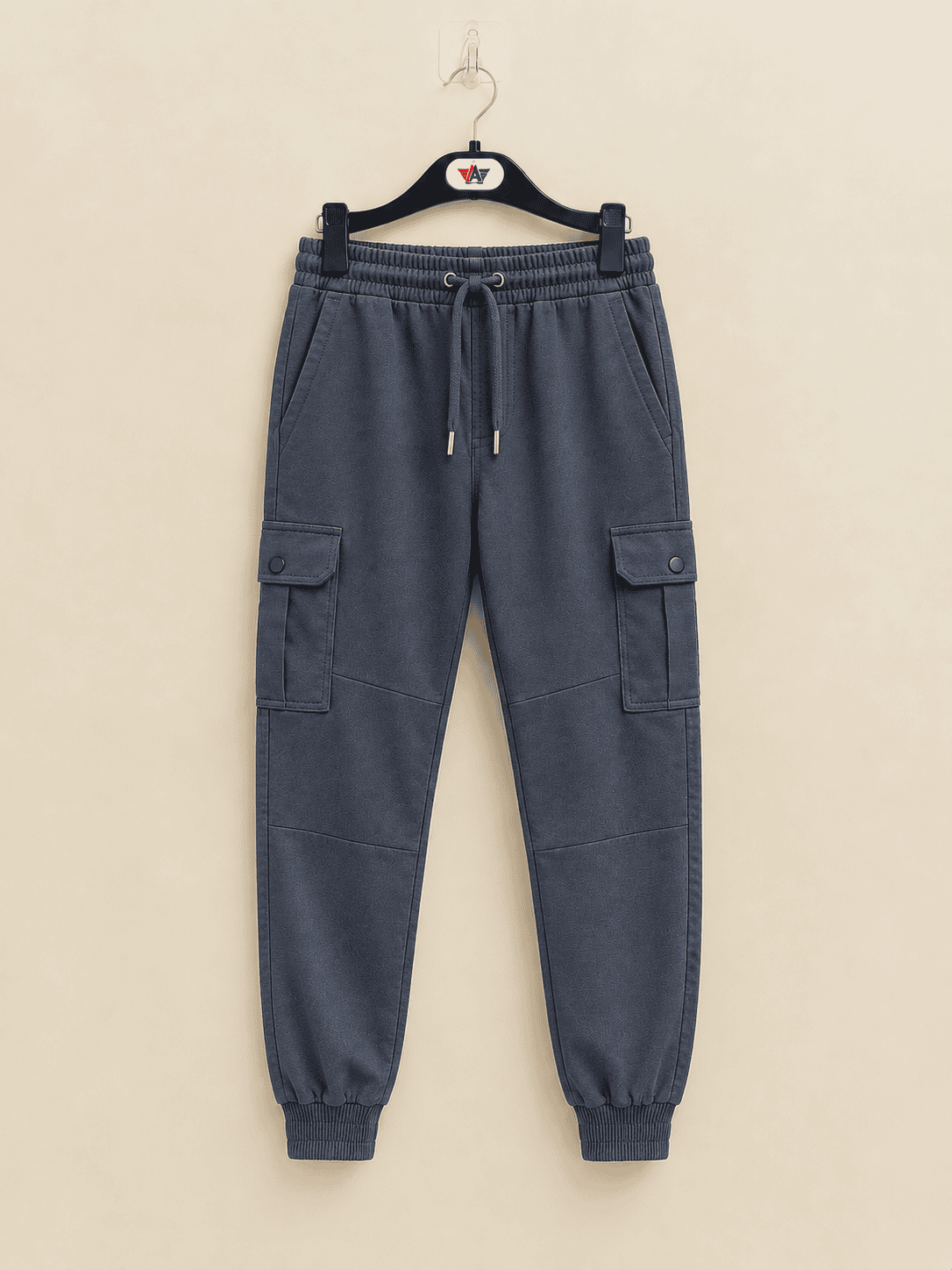
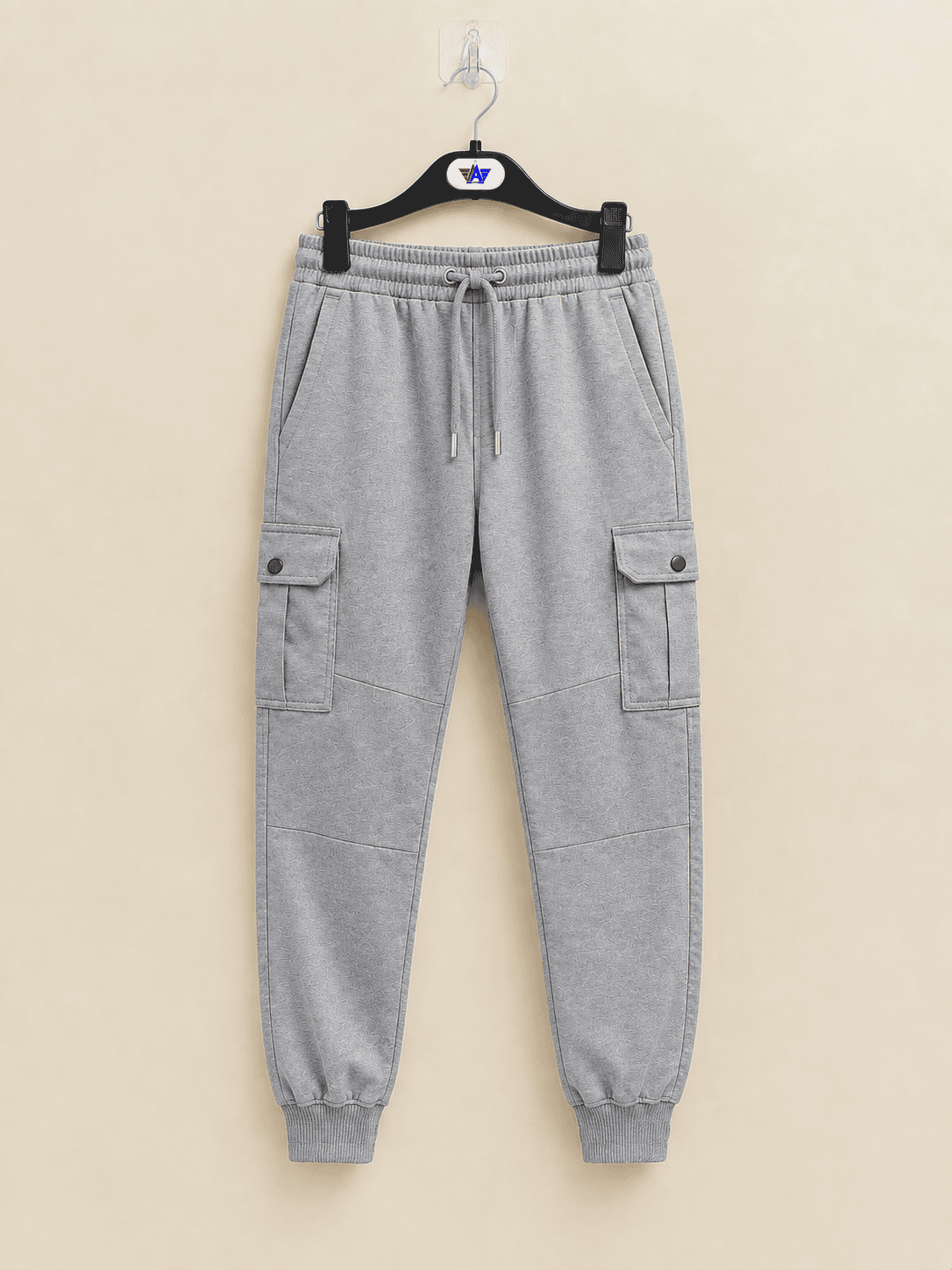
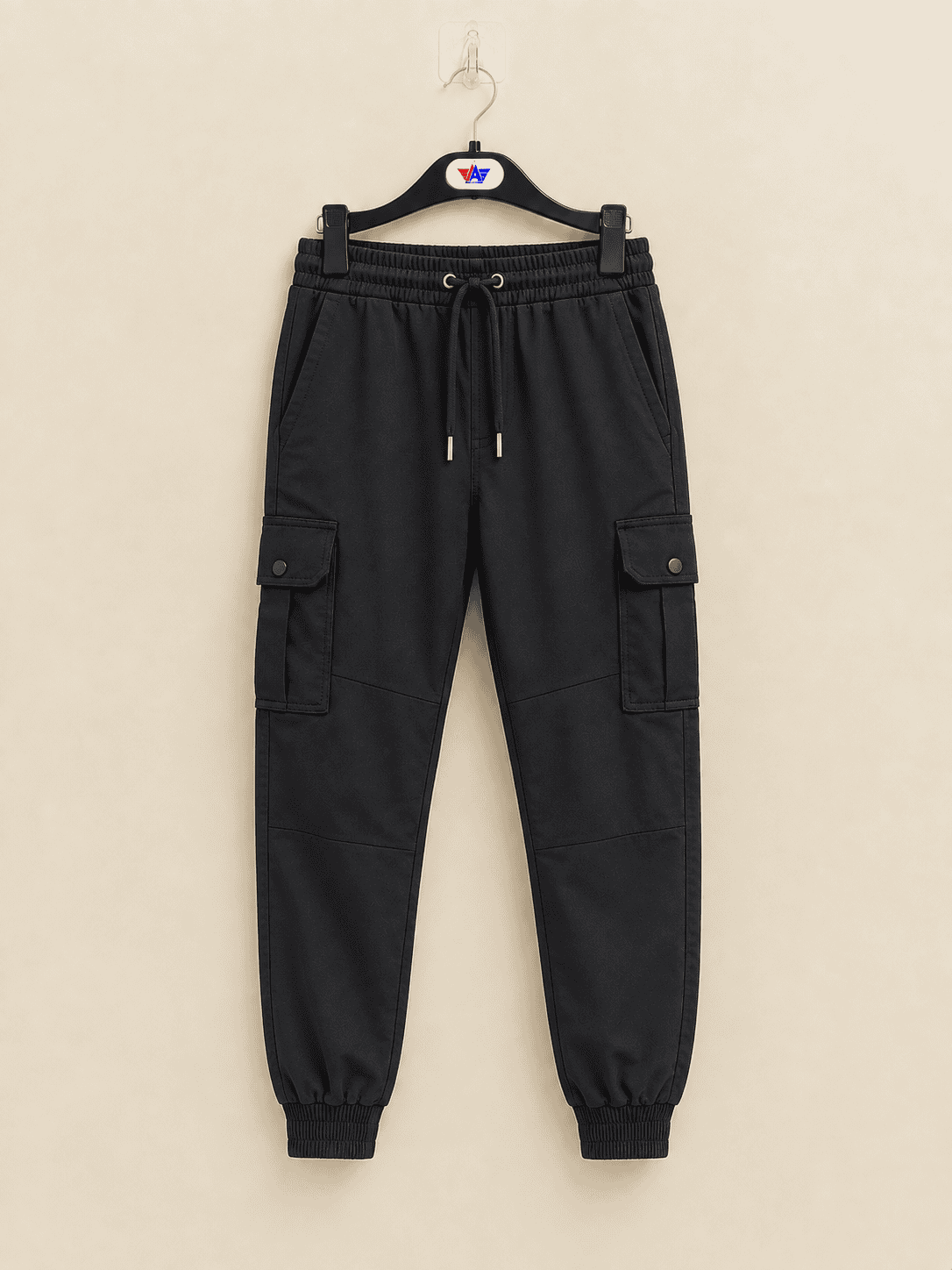
Explore the joggers manufacturer in Bangladesh product page alongside this guide. The catalogue images show design references already on the website; the material composition, availability and production details for a new order should be confirmed through its own brief and approved samples.
Table of contents
1. Define who will wear your custom joggers
Begin with the wearer and the intended activity. A relaxed lounge product, a tapered streetwear style and a team travel uniform may share an elastic waistband, yet they need different decisions about silhouette, pocket security, fabric hand and branding. Describe the main use in one sentence before adding a long list of construction details. This gives the development team a useful reference when competing preferences appear.
Specify the intended adult size range, fit direction, season and selling market. Include front and back drawings or a reference garment, and explain which features matter in each reference. A photograph may show the desired leg shape while a physical sample demonstrates the preferred waistband. Label those roles clearly so the supplier does not copy an unwanted detail simply because it appears in the same image.
Separate required features from options. For example, a secure zipped pocket may be essential for a team product, while a second cargo pocket could remain a costed alternative. Ask the supplier to identify any construction question before sampling. Resolving an ambiguous drawing early is usually easier than comparing two samples built from different interpretations of the design.
Keep the collection context visible. If the trousers belong with a hoodie, decide whether the set requires matching material, coordinated colours or only a related appearance. A top and bottom can look similar in separate photographs while differing when placed together. The custom hoodies buying guide can support the matching top brief, but the complete set still needs its own review.
End the brief with a decision list: what is ready to quote, what needs a proposed solution and who will approve each issue. Include a style code and revision date. This simple discipline helps keep development discussions attached to the correct product, particularly when several colours and silhouettes are being considered at once.
2. Compare French terry, fleece and other fabric options
French terry and brushed sweatshirt fleece are useful starting points for casual knit joggers. French terry typically retains visible loops on its reverse, while brushed fleece has a raised inner surface. Buyers should handle both sides of a representative swatch rather than rely on the fabric name alone. Composition, construction and finishing can vary within either category, so the name is only the beginning of a specification.
For fabric development references, CottonWorks’ Digital Cotton Basics collection includes fleece, French terry and rib knit examples. Use such resources to discuss material direction. Then ask the proposed supplier to identify the actual fabric being offered, with its composition, weight, finish, usable width and sample reference. An educational swatch collection does not establish the contents or performance of a particular supplier’s garment.
Consider the relationship between the main fabric and the trims. A soft body fabric may need a different rib structure at the ankle, and a pocket bag may create bulk if it is chosen without reference to the garment. Ask to see the complete material combination together. A buyer should be able to distinguish an approved body fabric from a temporary material used only to demonstrate the first pattern.
For a woven jogger, start a separate fabric discussion. A woven style with an elasticated hem can have a similar outline to a knit product but different movement, seam and fit requirements. Avoid carrying a knit specification directly into a woven sample. The cargo pants buying guide offers related pocket and trouser development questions if the design includes a more structured utility direction.
The comparison below is a selection aid, not a ranking. Ask what each proposed fabric must demonstrate for your wearer, price position and care instructions. If a supplier suggests a substitute, record it as an alternative until the relevant fit and care checks have been completed. Similar colour and initial softness do not make two materials interchangeable.
| Material direction | What to review | What to confirm |
|---|---|---|
| French terry | Loop-back surface, drape and intended hand | Actual composition, weight, finish and care findings |
| Brushed sweatshirt fleece | Raised inner surface and finished appearance | Brushing reference, surface behaviour and care findings |
| Stretch knit alternative | Movement and recovery in the intended fit | Construction, composition and a suitable assessment plan |
| Woven jogger fabric | Structure, movement and seam requirements | A separate pattern, material and finished garment review |
3. Specify weight, colour and the hand of the finished fabric
GSM means grams per square metre: it describes fabric mass per unit area. It does not, by itself, prove softness, durability, warmth or a premium finish. Two fabrics with the same nominal weight can have different structures and surface treatments. When choosing custom joggers, compare physical references and the intended use instead of assuming that a heavier fabric is automatically the better option.
Write a target weight and an agreed tolerance into the material specification after reviewing samples. Also state the stage at which the weight is being assessed. Ask the supplier how the sample fabric relates to the proposed bulk finish. If a garment wash or other finishing process is part of the product, assess the resulting appearance and dimensions rather than approving only an unfinished swatch.
Define colour using a controlled physical reference or an agreed colour system. Screen images are useful for discussion, but they should not be the only basis for approving a shade. For a matching set, place the proposed top and bottom materials side by side under the agreed viewing conditions. Include rib, drawcord, pocket fabric and decoration in that review because small components can still affect the overall appearance.
Choose a practical method for preserving the approved hand. Keep a dated swatch and record the finish description, material code and approval status. Words such as soft, heavyweight or washed need a common reference. If the buyer approves a finish on a garment, retain that garment as well as the swatch so the team can review the effect of assembly and finishing together.
Be specific about any performance claim. Stretch recovery, low pilling or moisture management should be connected to an agreed assessment and suitable evidence for the proposed material or garment. Request that evidence before approving marketing wording. A pleasing hand sample can guide design selection, but it cannot answer every question about how the finished product will behave during wear and care.
4. Build the fit around rise, thigh, taper and inseam
The fit of custom joggers comes from the relationship between measurements, not from the size label alone. A size marked medium can have a different rise, hip and leg shape across brands. Begin with the intended silhouette and a defined measurement chart. Distinguish body measurements used to describe the customer from the finished garment measurements used to assess production.
Review the rise and seat while the wearer stands and sits. Then check the thigh, knee and hem as a connected leg shape. A narrow opening may look correct on a hanger while making dressing difficult, especially if the cuff does not stretch sufficiently. Similarly, adding width at the waist will not necessarily solve restricted movement through the hip or thigh.
Agree each point of measurement with a drawing or clear instruction. State whether the waist is measured relaxed or stretched and explain the method for both. If a measurement is taken flat across a garment, identify it as a half measurement rather than presenting it as a circumference. Keep the unit of measurement visible on every chart so centimetres and inches are not mixed during revisions.
Use a fit sample to resolve the base pattern, then review the agreed size set to assess grading. Pay particular attention to the ends of the size range: increasing every measurement by the same amount may not preserve the intended silhouette. Record the actual changes requested rather than writing only make bigger or improve fit. Photograph relevant observations with the garment code and size visible.
Also distinguish overall length from inseam. Changes to the rise, waistband or cuff can alter the way the trouser sits without producing the same change in every length measurement. Review the worn position and the chart together. A numerical correction should address the observed fit problem rather than simply move a measurement closer to a previous garment.
The checklist below identifies useful review points without prescribing universal measurements. Set the targets and tolerances for your own product. Repeat the important measurements after the agreed care assessment, because the approved fit should remain relevant to how the customer will use the garment.
| Point of measurement | Define the method | Review on the garment |
|---|---|---|
| Waist relaxed | Flat width, garment preparation and units | Relationship to the intended wearer and elastic reference |
| Waist extended | Extension method and stated conditions | Usable fit and recovery alongside the wearing review |
| Hip and thigh | Location from the agreed reference seam | Seat and movement in the intended silhouette |
| Front and back rise | Starting and finishing points | Standing and seated position |
| Knee and leg opening | Location and relaxed or stretched state | Taper, dressing and ankle finish |
| Inseam and overall length | Separate measurement paths | Worn length before and after agreed care |
5. Approve the waistband, drawcord and ankle finish together
An elastic waistband affects comfort, appearance and the usable fit range. Specify its finished depth, the elastic reference and how it is secured inside the garment. Review whether it stays flat during normal movement and after care. The sample should demonstrate the actual construction rather than an approximate elastic inserted only to complete the prototype quickly.
Discuss the relaxed and extended waist with the supplier using an agreed measurement method. A waistband can meet a relaxed measurement yet feel too restrictive, or stretch easily and recover poorly. Ask for a practical wearing assessment alongside the dimensional checks. If the elastic changes, treat that change as relevant to fit and care review instead of assuming that the nominal width makes it an equivalent replacement.
Choose an internal or external drawcord according to the design and wearer. Define the cord material, visible length, routing, ends and eyelet construction. Check that the cord moves as intended and that the eyelet area remains neat. If metal tips or other hardware are used, review their attachment and interaction with the fabric during the agreed care assessment.
At the ankle, distinguish a rib cuff, an elasticated casing and an open hem. Each gives a different visual finish and dressing experience. Set the opening, cuff depth and attachment details, then check them on the actual wearer and shoe combination where relevant. Avoid relying on an isolated cuff sample when the finished leg shape is still changing.
For an adult casualwear brief, these decisions can be developed together as one assembly. If the programme changes to childrenswear, create a separate specification and have the applicable drawcord and product requirements reviewed for that market before adopting the adult design. A scaled-down adult pattern is not a complete childrenswear development process.
6. Make pocket placement useful in motion
Pocket design is one of the clearest ways to distinguish a basic sweatpant from a utility or travel style. Begin with what the wearer is expected to carry and where access is needed. A phone pocket, a casual hand pocket and a decorative cargo pocket should not be treated as the same feature. Give each pocket a purpose before deciding its shape and trim.
Assess pocket opening, bag depth and position on a worn sample. Sit, walk and bend during the review, using representative everyday items where appropriate. A pocket can look proportionate when empty yet pull the side seam forward when loaded. Record the observations so the supplier can distinguish a placement problem from an opening or bag construction problem.
For cargo joggers, define the pocket dimensions, gusset if present, flap shape, closure and reinforcement. Check the position against the knee and side seam. Adding a cargo pocket can affect the garment’s appearance and local bulk, especially in a softer knit. Ask the sample maker to demonstrate the intended construction rather than use a temporary pocket shape for visual effect only.
If a zipped pocket is required, review zipper length, slider operation, end finishing and the surrounding fabric. Confirm that the pocket is accessible and comfortable in its intended position. Include the closure in the wash and appearance review; a garment that looks smooth before care may require a construction adjustment if the pocket area changes afterwards.
Keep left and right details clear in the technical drawing. State whether a back pocket is functional or decorative and whether the design is symmetrical. This matters when logo placement, a side panel or a cargo pocket occupies the same area. Reviewing all those elements on one complete sample helps prevent separate approvals from competing for the same space.
7. Check seams and assembly on a complete garment
A neat outside appearance is only one part of construction review. Turn the sample inside out and inspect the waistband joining, crotch junction, pocket attachment and cuff seams. Ask the supplier to explain the proposed seam and stitch types where these details affect the product. Keep the terminology tied to drawings or physical references so both parties understand the same operation.
Check whether seams remain comfortable during ordinary movement and whether any area feels bulky. In a knit style, review seam behaviour as the garment moves within its intended fit. If a seam shows an issue, record the location and the conditions under which it appears. A useful correction request explains the problem without guessing that one particular thread or machine adjustment will always solve it.
Look for consistency in visible stitch lines, pocket corners and reinforcement positions. Agree the appearance reference and identify any functional areas needing closer assessment. For example, a pocket opening and the crotch junction may deserve different checks from a decorative topstitch line. Keep product appearance decisions and any laboratory testing requirements clear in the inspection brief.
Use the proposed production material for the relevant approval sample. A seam trial in a substitute fabric may help investigate a construction option, but it does not settle the final garment. Where a supplier recommends a different material or assembly method, record the change and review the affected features. Do not leave an important construction decision hidden in a verbal sample-room conversation.
Finally, retain an accepted garment and its revision details as the comparison reference for bulk. If a correction changes the pattern or assembly instructions, update those documents too. A sample with handwritten comments is useful evidence, but the production team still needs a clear statement of what has been accepted and what must be changed.
8. Develop logos, private labels and care information
Branding can be subtle or central to the design. Decide whether the product needs embroidery, a print, a woven label, a patch or a combination of these. Provide usable artwork with dimensions, colour references and placement instructions. If placement is measured from a seam, identify that seam clearly and explain whether the position stays fixed or changes across sizes.
Review decoration on the intended fabric and finish. A small embroidery can affect a lightweight area differently from a larger patch, and a print should be assessed with the material and intended care in mind. Ask for a physical strike-off or decorated sample where appropriate. The printing methods guide provides related artwork and sample questions, while the actual jogger application needs its own approval.
Check logo placement with pockets, side panels and folds visible. A mark placed correctly on a flat panel may be partly hidden when the garment is worn or packed. If the joggers belong to a matching set, review the branding relationship with the top. Keep logo dimensions, thread or ink references and accepted sample identity in the same approval record.
Private labels need their own production details. Specify the main brand label, size identification, composition information and care label artwork as applicable to the intended market. Review label location, attachment and comfort. The GINETEX care-labelling guidance explains the role of care symbols in communicating permitted textile treatments. Select care instructions using evidence for the finished product rather than copying them from an unrelated garment.
Approve the complete label artwork before ordering bulk labels. A late size-code change can affect the garment label, bag sticker, barcode and packing list together. Keep a single approved reference for each variant so a visually correct garment is not paired with the wrong retail identification. Ask the receiving team which identifiers it needs before the packing plan is finalised.
9. Use a sample sequence and a documented wash review
Sampling is most useful when each stage has a stated purpose. A prototype can resolve construction questions; a fit sample can address the pattern; a size set can show grading; and an agreed pre-production sample can establish the intended bulk reference. The names used by suppliers may differ, so define the required evidence and release decision rather than relying on a label alone.
For custom joggers, connect the main fabric, rib, elastic, drawcord, pocketing and decoration to the sample being assessed. Record which components are final and which remain temporary. A garment may be acceptable for a narrow fit review while still unsuitable as the final production reference. State that distinction in the approval so the next team does not infer a wider release.
Plan the care assessment before using its results. Specify the relevant washing and drying conditions, the number of cycles, the measurement points and the acceptance criteria with the supplier or laboratory. AATCC TM135 concerns dimensional changes of fabrics after home laundering, while AATCC TM150 addresses garments. The TM150 scope notes that it may not suit certain stretch fabrics. Ask a competent laboratory which method and conditions fit the proposed product.
Use consistent measurement methods before and after the agreed care process. As a simple arithmetic illustration, an inseam measuring 76 cm before washing and 74.5 cm afterwards has changed by approximately minus 1.97 percent: (74.5 − 76) ÷ 76 × 100. This invented example demonstrates calculation only. It is neither a test result for M&A Sourcing nor a universal acceptance limit.
Review appearance as well as dimensions. Observe the leg alignment, surface, seams, cuff shape, waistband and decoration. If an issue appears, identify the affected sample, the care conditions and the proposed correction. Then recheck the correction using an agreed procedure. A revised photograph alone may not answer a question that first appeared during laundering or wear.
Keep an approval log that distinguishes accepted, revise and resubmit, and approved for a limited purpose. Name the person releasing the next step. The log should link the sample identity to the current technical documents and any supporting reports. This makes it easier to explain why production was released and which matters still required follow-up.
| Review area | Record to retain | Decision needed |
|---|---|---|
| Material identity | Body, rib, elastic, pocketing and trim references | Which components are final |
| Fit and grading | Chart revision, sample sizes and comments | Corrections and accepted size set |
| Care assessment | Method, conditions, cycles and sample identification | Results against the agreed criteria |
| Decoration and labels | Artwork revision and physical approval | Final dimensions, placement and content |
| Production release | Accepted sample identity and open issues | Who releases each next stage |
10. Compare minimums, size allocation and the full quotation
There is no single minimum order quantity that can be assumed for every style of custom joggers. Discuss the garment style, fabric, colour, trims and branding separately. A supplier may be able to assemble a proposed garment quantity while a particular fabric or custom component has a different minimum. Ask for those dependencies to be visible in the quotation rather than discovering them after sample approval.
Prepare a style-colour-size matrix before treating the overall order total as sufficient. The illustrative table below contains 600 garments split across two colours and five sizes. It is not a suggested sales ratio, a production minimum or a statement of available stock. Its purpose is to show why a total quantity must be translated into the actual variants the buyer expects to receive.
In this example, black totals 360 units and navy totals 240 units. Medium and large each total 180 units across the two colours. A buyer can use the matrix to ask whether any material, label or packing constraint affects the planned split. Change the allocation using customer demand, fitting information and stock planning rather than copying the example proportions without evidence.
For a comparable quotation, send the same controlled specification to each supplier. Ask for currency, price basis, validity, payment stages, sample charges, testing scope, decoration and packing assumptions. If the offer contains options, show how each option changes the product and price. An alternative without a cargo pocket should not be compared as though it were the same garment as the fully specified version.
Discuss delivery responsibilities and the destination alongside unit cost. Identify which transport, documentation and other agreed services are included, and which remain the buyer’s responsibility. Do not assume that a production duration equals a receipt date. The commercial proposal should identify the conditions that start production, particularly material availability and buyer approvals.
If excess material is proposed to satisfy a component minimum, agree ownership, identification, storage and future use. Keep that decision separate from an assumption that the next order will use the same fabric. A practical MOQ discussion should make the trade-offs visible so the buyer can decide whether to simplify colours, change a component or revise the quantity.
| Size | Black units | Navy units | Total units |
|---|---|---|---|
| S | 36 | 24 | 60 |
| M | 108 | 72 | 180 |
| L | 108 | 72 | 180 |
| XL | 72 | 48 | 120 |
| XXL | 36 | 24 | 60 |
| Total | 360 | 240 | 600 |
11. Plan bulk checks, packing and receipt by variant
Before bulk cutting begins, confirm that the approved reference, measurement chart, material list and artwork refer to the same revision. Identify any authorised exceptions and the person responsible for them. Ask the supplier to flag a material or construction change before it is used. An approved sample is useful only when production knows which details it is expected to reproduce.
Agree the quality checkpoints and the evidence needed at each stage. Early checks can examine the first assembled output, while later checks can address the finished assortment and packing. If sampling inspection is used, document the applicable plan, lot definition, defect classifications and acceptance rules. An inspection acronym alone does not explain how a particular order will be assessed.
Keep observations specific to style, colour, size and batch where relevant. A repeated pocket problem needs a response that identifies the affected output and verifies the correction. Do not limit the record to a close-up photograph without product identification. If a correction changes the accepted specification, update the reference files so the solution remains available for future production.
Packing should make the approved assortment easy to identify. Agree garment folding, individual protection where required, bag or unit labels, carton identification and the packing-list structure. Consider whether drawcord ends, hardware or decoration need a particular packing arrangement. Review a packed sample if presentation is part of the buyer’s retail or distribution requirement.
At receipt, check the shipment against the approved style-colour-size matrix before stock is mixed. Record shortages, overages or identification discrepancies using the packing references. The existing workwear packing checklist offers related carton and assortment questions that can be adapted to a jogger programme. Keep any adaptation attached to the actual order rather than assuming a previous packing instruction covers the new product.
12. Prepare a clear enquiry for a Bangladesh joggers supplier
A useful first enquiry combines the design brief with the commercial questions the buyer needs answered. Include drawings or reference images, the intended wearer, fit direction, material preferences, colours and quantities by size. Add the logo artwork, label needs, packing expectations, destination and required receipt date. Mark any undecided item so the supplier can propose an option without treating it as an approved requirement.
Ask the supplier to identify the contracting company and the proposed production arrangement. Confirm who will coordinate fabric sourcing, sample corrections, production follow-up and quality reporting. If an operation will take place at another facility, ask how that stage will be managed. Company or product photographs can support discussion, but the operating details for your order need direct confirmation.
The M&A Sourcing joggers page describes a Bangladesh-based programme covering private label styles, trims and coordinated production. Use it to begin a product conversation, then request an order-specific response. Explore the joggers range and the broader fashionwear sourcing categories if the project includes a coordinated collection. Confirm current capability, material choices, minimums and scheduling for the proposed brief.
For repeat orders, retain the accepted pattern revision, measurement chart, material codes, shade references and sample identities. Ask which details will be checked again when a fabric lot, trim or production arrangement changes. A previous purchase order is a useful reference, but it does not make a changed input automatically equivalent to the approved version.
Send the completed brief through the M&A Sourcing contact page and ask for a proposal that lists assumptions, open questions and the next sample step. This turns a broad request for custom joggers into a specification that both parties can assess. The goal is a garment whose fit, finish and order details remain understandable from development through receipt and replenishment.
Frequently asked questions
What information do I need to order custom joggers in bulk?
Prepare product drawings or references, the intended wearer, fit direction, fabric preferences, colour references and quantities by size. Include logo artwork, labels, packing requirements, destination and the required receipt date. Identify undecided details so the supplier can separate proposed options from the specification already approved.
Is French terry or fleece better for joggers?
The choice depends on the intended hand, appearance, season and wearer. Compare representative samples of the actual proposed materials, including their reverse surfaces, composition and finishing. Approve the complete garment through fit and care review rather than choosing from the fabric name alone.
What GSM should I choose for custom joggers?
There is no universal GSM that establishes the best jogger fabric. GSM describes fabric mass per unit area. Select a target and tolerance after handling samples and reviewing the intended fit, finish and use. Confirm how the proposed bulk material relates to the approved reference.
Can I add cargo pockets, embroidery and private labels?
Include those features in the initial design brief and request confirmation for the proposed order. Define pocket dimensions and closures, decoration artwork and placement, and label requirements. Review them together on the relevant sample because they can affect appearance, local bulk, care and packing.
What is the minimum order quantity for joggers?
Request a project-specific minimum. Style, fabric, colour, custom components, decoration and the size allocation can each affect the proposal. Ask the supplier to identify component minimums and any excess material before agreeing the total garment quantity. The 600-unit worksheet in this guide is illustrative, not an offered MOQ.
How should I check fit before approving production?
Use a defined finished-garment measurement chart and an agreed fit sample. Review rise, seat, thigh, taper, inseam, waist and ankle opening in movement. Assess the agreed size set and repeat important checks after the relevant care assessment. Keep the approval linked to the current pattern and materials.
How do I compare shrinkage results?
Compare results obtained using the agreed method and conditions, with identified samples and consistent measurement points. Record washing, drying, cycle count and the applicable criteria. Ask the laboratory about method suitability for the proposed fabric or garment; a percentage without those details provides an incomplete comparison.
Can a jogger order be coordinated with matching hoodies?
A matching set can be included in the development brief. Decide whether the pieces require identical materials, a common shade or a coordinated appearance. Review top and bottom samples together, including rib and decoration, and confirm the minimums and approval steps for the complete programme.
Technical references
- CottonWorks: Digital Cotton Basics — fabric development references.
- AATCC TM135 — fabric dimensional change after home laundering.
- AATCC TM150 — garment dimensional change after home laundering; check method suitability.
- GINETEX: Care labelling — textile care communication.