Workwear Hoodies: 7 Essential Tips for Better Orders
Workwear hoodies can help create a coordinated staff clothing range when the garment matches the role, layering plan and care requirements. This buyer guide explains how to turn a catalogue idea into a defined specification, covering fabric, sizing, construction, logos, sample review and order preparation.
Practical scope: guidance for ordinary uniform buying. Confirm suitability with the employer and verify any performance claim for the exact product. Availability, minimum quantities, pricing and timing require an individual quotation.
Table of Contents
1. Decide how workwear hoodies will be worn
Workwear hoodies need a clear wearing brief before fabric or logo decisions begin. Specify whether the garment is intended as a light outer layer, an indoor uniform or a layer beneath another jacket. Record the normal underlayer and the expected movement, because a sample that fits over a T-shirt may feel restrictive over a heavier polo.
Start with the employer’s clothing requirements. Ask whether a hood, loose adjusters or a front pocket are acceptable for the particular task. Where workplace hazards affect clothing selection, the employer’s risk assessment should determine suitability. An ordinary hoodie must not be described as protective clothing simply because it is sold within a workwear range.
Separate pullover and full-zip options in the buying brief. Consider how the wearer changes layers, accesses pockets and displays identification. The right design depends on the actual role and dress policy; a catalogue photograph cannot resolve those decisions on its own.
Review our hoodie product category for style references. This article provides practical buying questions alongside the wider sourcing support described on our Workwear Manufacturer in Bangladesh homepage. Materials, quantities, feasibility and delivery timing require confirmation for the individual enquiry.
| Field | Buyer input | Approval question |
|---|---|---|
| Wearing role | Indoor, outer layer or midlayer | What will be worn above and below it? |
| Design | Pullover or zip front | Does it meet the dress policy? |
| Functional details | Hood, pockets and adjusters | Are these acceptable for the task? |
| Branding | Artwork and placement | Will the logo remain visible? |
| Commercial plan | Sizes, quantities and destination | Are quotation assumptions complete? |
2. Specify the fabric beyond its weight
Workwear hoodies are often compared by GSM, but finished weight is only one part of a fabric specification. Ask for composition, knit structure, surface treatment and the proposed internal finish. Two fabrics of similar weight can feel different, drape differently and behave differently after care.
Compare brushed and unbrushed options using identified swatches and finished samples. Review the inside surface against the intended underlayer, inspect the outer face and check the way seams lie. Ask the supplier to identify the material used in each sample so a favourable review is attached to a reproducible specification.
Record the rib construction for cuffs and hem as well as the main fabric. Stretch and recovery should be assessed on the complete garment. A cuff that feels comfortable when first handled may behave differently after repeated wear or washing, so include it in the sample review.
For a coordinated range, compare the proposed hoodie fabric with adjacent items rather than expecting different constructions to match perfectly. Our fabric selection guide helps organise material questions, while the tees and polos category provides related uniform options.
| Detail | What to record | How to assess |
|---|---|---|
| Main fabric | Composition, construction and finished weight | Identified swatch and finished sample |
| Inner surface | Brushed or other specified finish | Handling and underlayer trial |
| Rib trims | Composition, structure and dimensions | Stretch, recovery and care review |
| Colour | Agreed physical reference | Buyer-approved comparison method |
| Care | Intended washing and drying procedure | Recorded before-and-after assessment |
3. Fit the sample over the intended layers
Workwear hoodies should be measured and fitted as layered garments when that is their purpose. Approve chest width, body length, sleeve length, shoulder or raglan measurements, cuff opening and hem dimensions. Add hood dimensions and zip length where applicable. Define the measurement method and tolerances for each important point.
Distinguish body measurements from finished garment measurements. State whether widths are measured flat, and use diagrams to identify the starting and ending points. Do not borrow a generic chart without checking the actual pattern. A size label alone does not demonstrate consistent fit across suppliers.
During the trial, ask wearers to sit, reach forward and raise their arms through ordinary movements. Check the hem position, tension across the back and sleeve coverage. When a jacket will be worn over the hoodie, try both garments together and review bulk around the shoulders, hood and zip area.
Record specific changes: identify the relevant measurement, the observed issue and the requested correction. Use our size chart planning guide to organise those records. For a layering discussion, also review softshell options and padded jacket references without assuming that every combination is appropriate.
| Area | Trial | Record |
|---|---|---|
| Chest and back | Reach forward over the intended base layer | Pulling, restriction or excess bulk |
| Body length | Sit and raise arms | Coverage and hem movement |
| Sleeves | Reach and bend elbows | Cuff position and restriction |
| Hood | Review with normal permitted clothing | Bulk, comfort and visibility |
| Outer jacket | Try the complete layer combination | Pressure points and closure access |
4. Approve the hood, zip and pocket construction
Workwear hoodies require a detail review inside and outside. Inspect seams, label edges, pocket openings and attachment points. Ask whether reinforcement is needed for the agreed use and have the proposed construction documented. A neat front view is useful, but it does not reveal every handling or comfort issue.
For a zip style, operate the complete closure on the sample and inspect the appearance when open and closed. Review the top and bottom ends, the position of the puller and whether the front sits evenly. Agree the zip specification instead of approving an unspecified substitute through a photograph.
For a pullover, check the head opening, hood attachment and front pocket placement during the fit trial. Decide whether pockets serve the intended task and whether adjusters are permitted by the employer. Any requested change should appear in the final specification and the production reference.
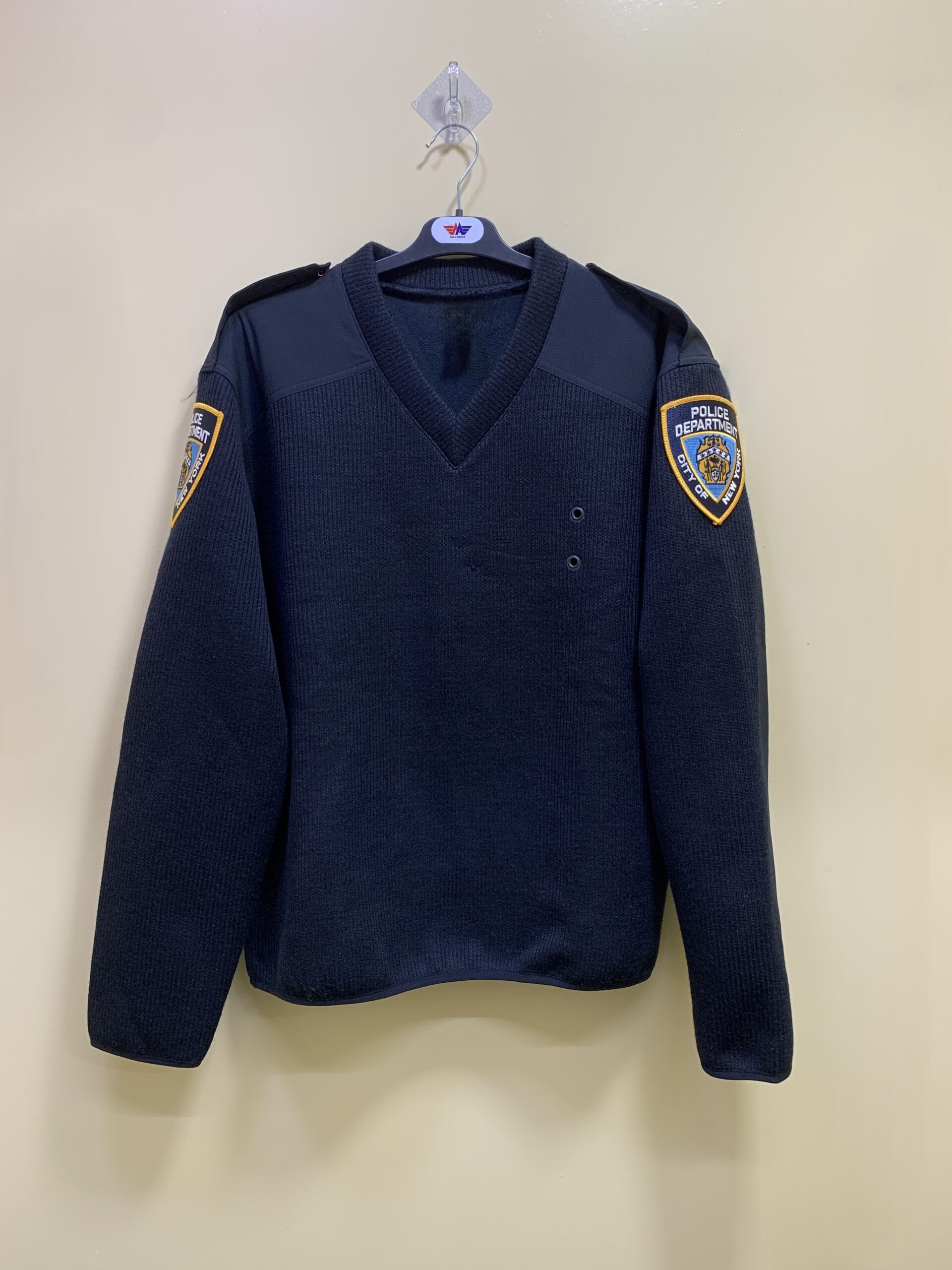
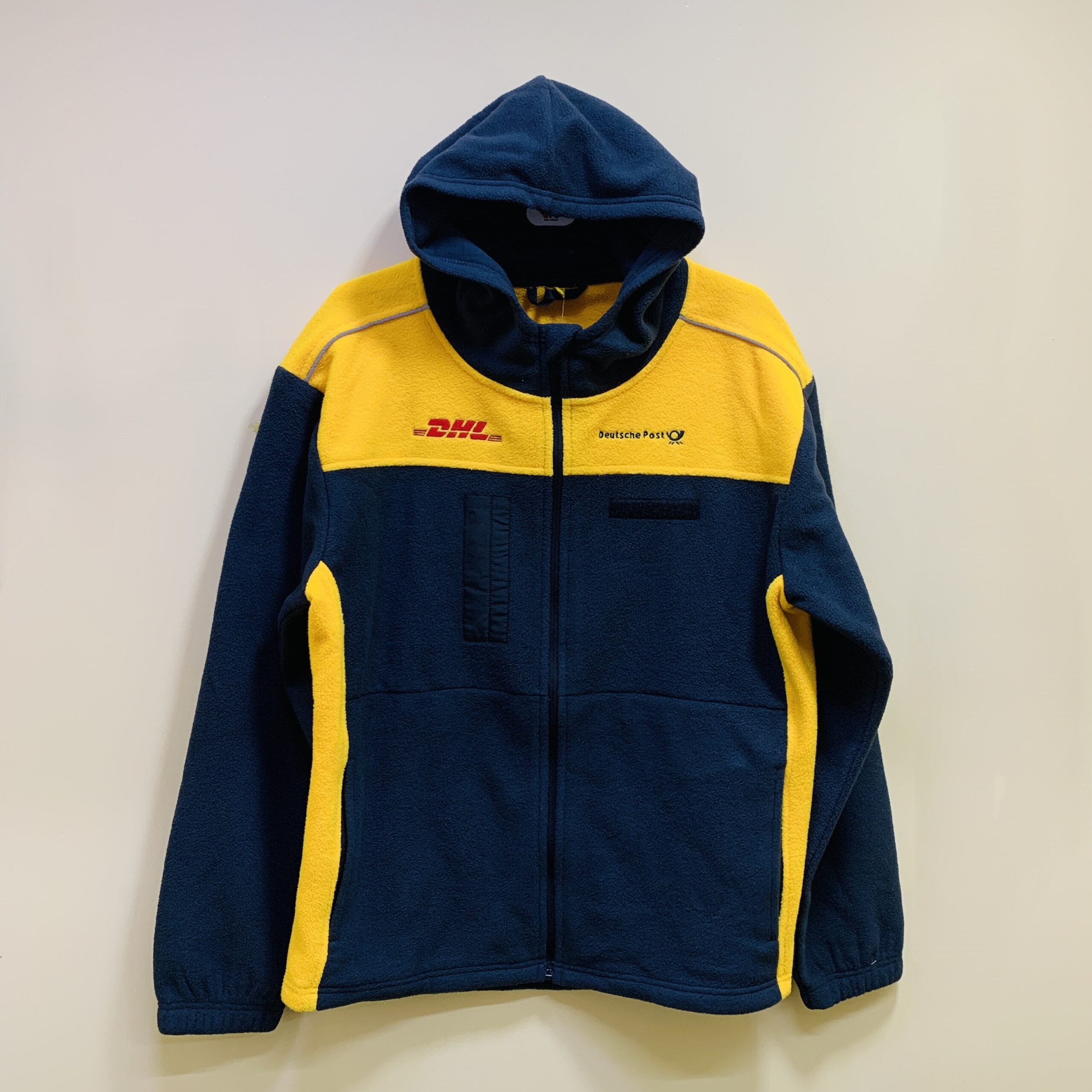
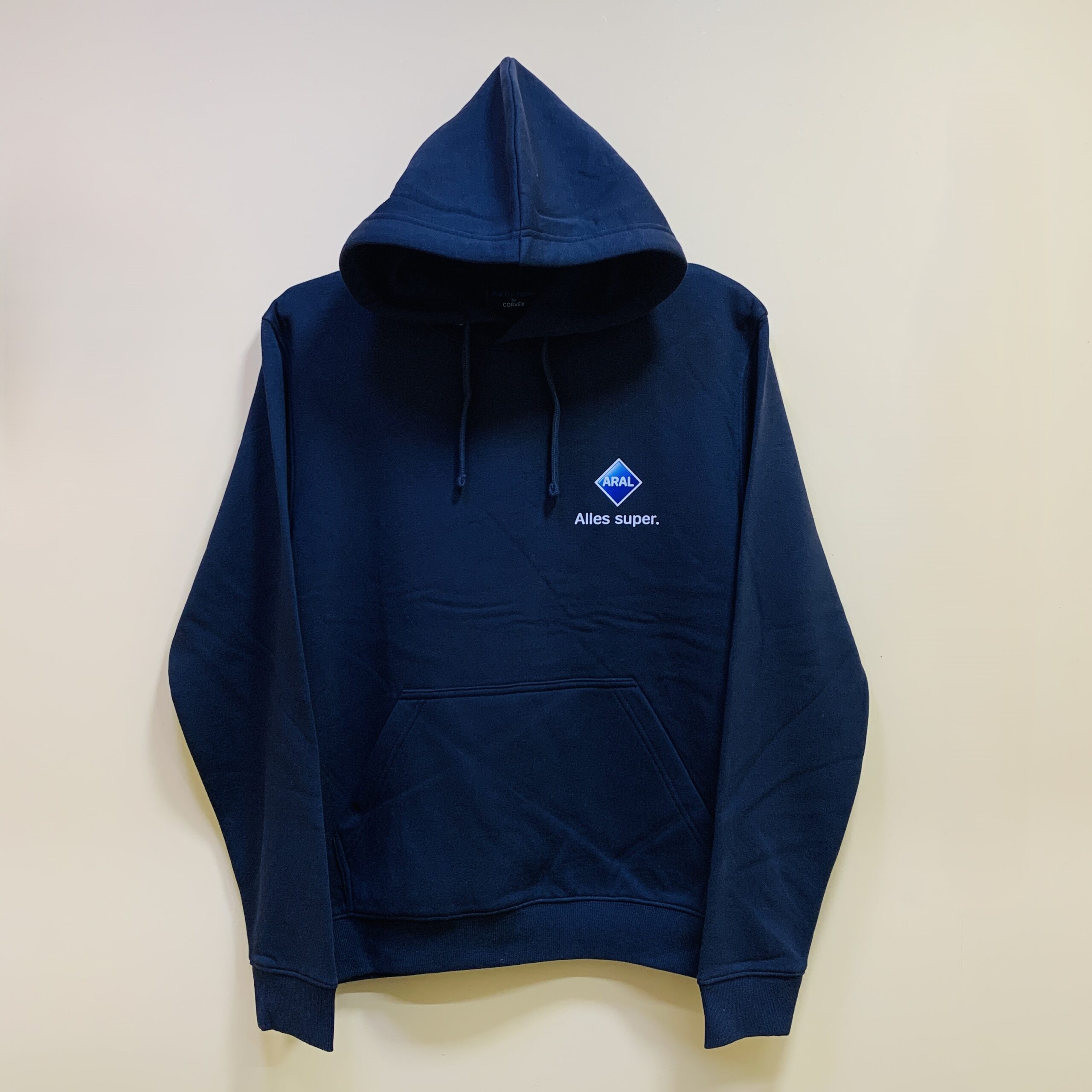
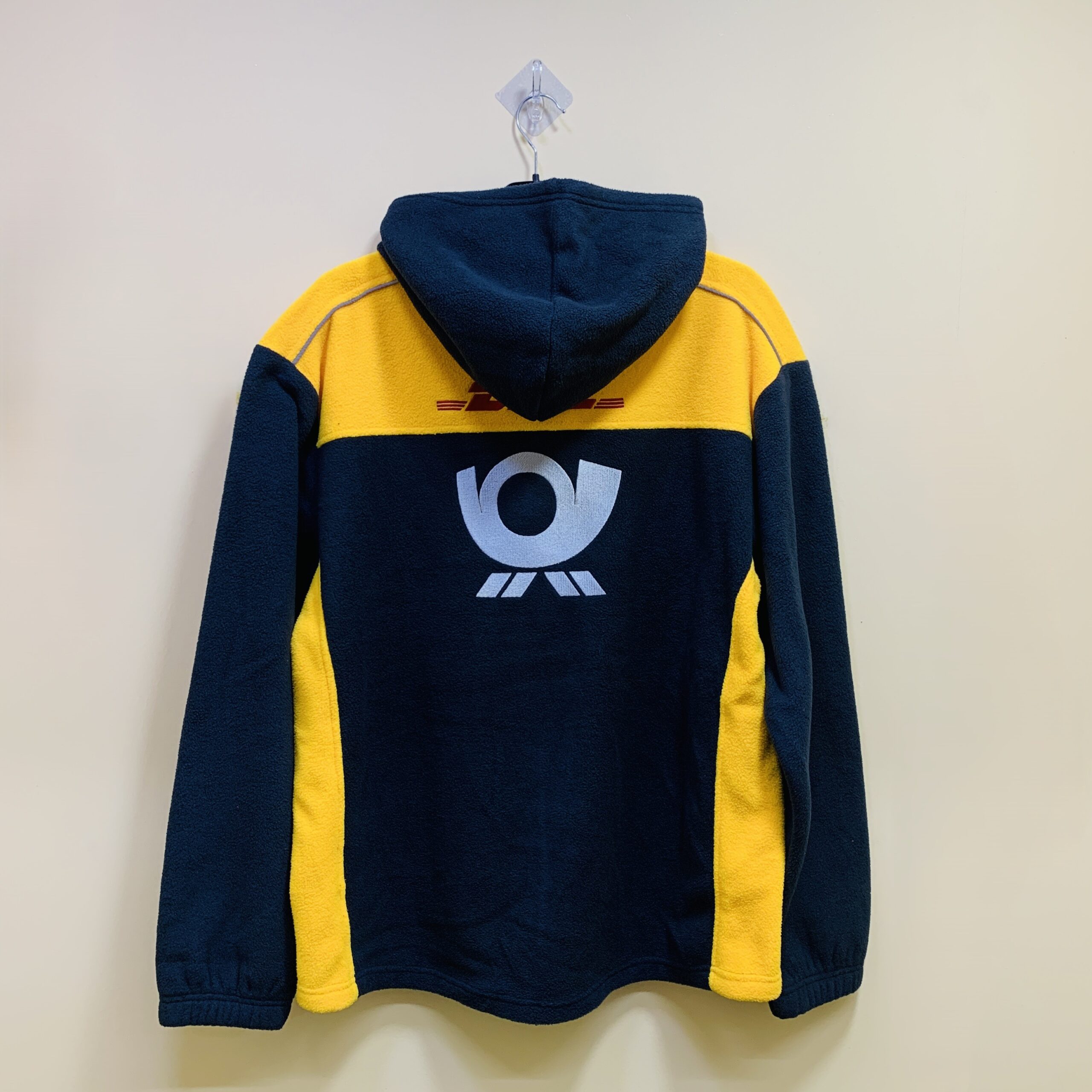
The images below are catalogue photographs from the website’s hoodie category, linked to related product examples. They are style references rather than confirmation of stock, current brand relationships or protective ratings. Confirm the precise garment details with the supplier before ordering.
5. Test the logo on the proposed material
Workwear hoodies can carry chest, sleeve or back branding, but the artwork must fit the actual construction. Check clearance from pockets, zips, seams and the hood. A large back design may be partly covered when the hood rests down, so review the garment in the way it will normally be worn.
Approve artwork version, finished dimensions, colour references and placement measured from fixed landmarks. Compare decoration methods on the intended fabric rather than choosing only from a digital mockup. Inspect the surrounding material and, where relevant, the reverse side for comfort.
Consider each size range during placement approval. A decoration that sits well on a middle size may crowd the seam or pocket on a smaller garment. Ask for the agreed placement rule and identify any size-specific adjustment. Keep the decorated sample reference with the artwork record.
Use our custom branded uniform guide for related planning, and include all logo details in the tech pack checklist. A written approval should identify what was accepted and any remaining corrections.
6. Review washing results and release the final sample
Workwear hoodies should be assessed after the intended care process as well as before it. Record sample identification, washing and drying conditions, measurements and visual observations. Review body shape, side seams, rib recovery, zip appearance and decoration rather than limiting the assessment to overall length.
CottonWorks’ shrinkage and skewing resource explains that construction, processing, finishing and care affect dimensional stability. For buyers, this supports agreeing a realistic specification and reviewing the actual garment rather than assuming a fabric name guarantees its behaviour.
Agree the relevant acceptance criteria and methods with the buyer and supplier. Obtain laboratory evidence where required for the specified market or claim. Do not describe an untested sample as “zero shrinkage,” “anti-pilling” or suitable for an unspecified industrial wash process.
Keep one current revision record. A development sample in substitute material should not automatically become a bulk approval. Confirm the final fabric, fit, colour, trims, branding and packing before release. Our sample approval guide explains how to retain a clear decision trail.
| Gate | Evidence | Release decision |
|---|---|---|
| Fabric and colour | Identified swatch and approval | Exact material agreed |
| Fit | Measurement sheet and wearer comments | Corrections accepted |
| Construction | Seam, hood, pocket and closure details | Details match the specification |
| Branding | Artwork and decorated reference | Execution and placement approved |
| Care review | Conditions and documented results | Buyer criteria satisfied |
| Final reference | Sample ID and revision date | Open issues resolved |
The seven bars below are an illustrative approval sequence, not a live production tracker, performance score or delivery promise. Actual order progress must be confirmed through supplier records.
Stage 1: Brief confirmed
Stage 2: Fabric selected
Stage 3: Fit approved
Stage 4: Construction agreed
Stage 5: Branding approved
Stage 6: Care reviewed
Stage 7: Final sample released
7. Confirm packing, quotation terms and replenishment
Workwear hoodies are easier to receive and distribute when the packing plan mirrors the size allocation. Agree garment identification, size labels, any individual packaging and carton assortments. Check whether each carton contains a single size or a specified mixed ratio and make sure the packing list uses the same style and colour references.
Compare quotations against one common specification. Include fabric, construction, branding, quantities by size, packaging, destination and delivery expectations. Ask suppliers to state exclusions, sample costs where applicable and the effect of changes. A lower headline price is only meaningful when the underlying requirements are comparable.
Minimum quantities and lead times need style-specific confirmation. A stock material and a specially developed colour can involve different arrangements. Reconfirm the commercial offer after the final specification is agreed rather than relying on assumptions from an early enquiry.
For repeat orders, retain the approved chart, colour reference, artwork, material specification and sample identification. Review proposed substitutions before production and identify whether fit, care or decoration approvals need to be repeated. A familiar style code alone does not prove identical components.
Prepare an enquiry with our workwear order checklist. For coordinated staff clothing, review cargo trouser options and the workwear polo buying guide. Contact M&A Sourcing with product references, size quantities, destination, artwork and delivery requirements to request a confirmed quotation and sampling plan.
Workwear hoodies: frequently asked questions
What should a workwear hoodie enquiry include?
Provide garment references, wearing purpose, fabric requirements, colours, size quantities, artwork, packing, destination and the required delivery window.
Is a heavier hoodie always better for workwear?
No. Weight is only one specification. Assess construction, composition, comfort, layering and care performance for the actual role.
Should I choose a pullover or a zip hoodie?
Compare both against the employer’s dress policy, layering needs, closure access and branding plan. Approve the final design on a sample.
Are ordinary hoodies protective workwear?
Do not assume protective performance. Suitability depends on the task and employer assessment; any protective claim requires applicable evidence for the exact garment.
How should hoodie sizes be approved?
Use an agreed finished-garment chart with measurement diagrams and tolerances. Fit the sample over the intended underlayer and, where relevant, beneath the intended jacket.
How can a hood affect logo placement?
A resting hood may partly cover back branding. Review placement on the worn garment and define dimensions and position from fixed landmarks.
Should the decorated sample be washed?
Assess representative garments under the agreed care procedure, including the decoration, seams and trims. Retain results and obtain required laboratory evidence separately.
Do the catalogue photographs confirm current stock?
No. They show style references from the media library. Confirm availability, material details, commercial terms and the precise development option.
What is the minimum order for custom hoodies?
Request a style-specific confirmation. Fabric sourcing, colours, branding and the size breakdown can affect the supplier’s terms.
How should repeat orders be controlled?
Keep the approved material specification, size chart, colour reference, artwork and sample ID. Review proposed substitutions and repeat affected approvals when needed.