Private School Uniform Manufacturer in Bangladesh: 7 Essential Tips for Better Orders
A private school uniform manufacturer in Bangladesh should be evaluated against the school’s actual garment brief, crest, approved sizing and supply requirements. This guide helps school procurement teams, uniform retailers and importers prepare a comparable enquiry and control the decisions from development to replenishment.
Published by M&A Sourcing Ltd. The worksheets below are buyer planning tools. Catalogue images illustrate style references; they do not establish current stock, school-client relationships, tested performance or factory ownership.
Table of Contents
1. Define a private-school uniform programme
Choosing a private school uniform manufacturer in Bangladesh begins with a clear school brief. Buyers should define the garments, school identity, wearer groups, destination and required delivery window before requesting an offer. A uniform programme usually involves several connected decisions; approving a shirt does not automatically approve the rest of the range.
Separate everyday classroom clothing, formal assembly garments, sportswear and seasonal layers. Identify which items are compulsory and which are optional. Record colour combinations and the way each garment will be worn. A sweater intended over a shirt needs a different fit discussion from a standalone top.
Clarify the buyer’s role too. A school purchasing directly, a uniform retailer and an importer managing several schools may need different packing and replenishment arrangements. Identify the contracting party, sample approver and person responsible for confirming quantities. Written responsibilities help prevent an informal discussion from becoming an unintended production instruction.
Create a style register with one code for each garment and an approved revision for each specification. Use the register when requesting quotations, reviewing samples and preparing packing instructions. If the school changes a colour or crest, identify the affected styles instead of assuming the change applies to every item.
This guide is published by M&A Sourcing Ltd. for procurement planning. The company’s school uniform catalogue provides product references for discussion. Confirm the proposed production route, availability and commercial terms for the actual order; the article does not establish fixed capacity, certifications or current school-client relationships.
2. Build the range around garments and school identity
A private school uniform manufacturer in Bangladesh should receive a garment-by-garment brief rather than a general instruction to produce a premium uniform. Translate the school’s visual identity into measurable details: body colour, collar treatment, contrast panels, crest dimensions and label content.
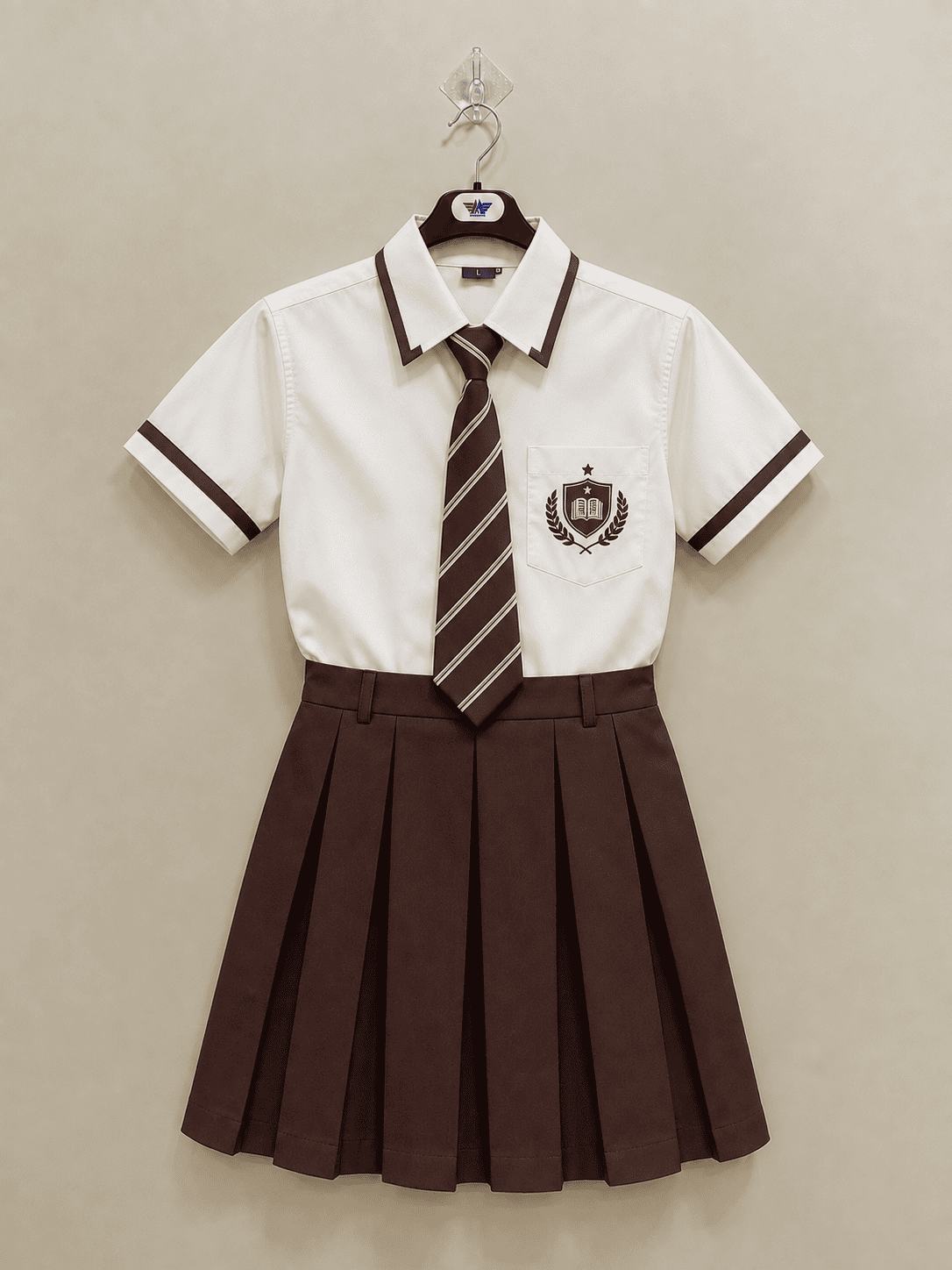
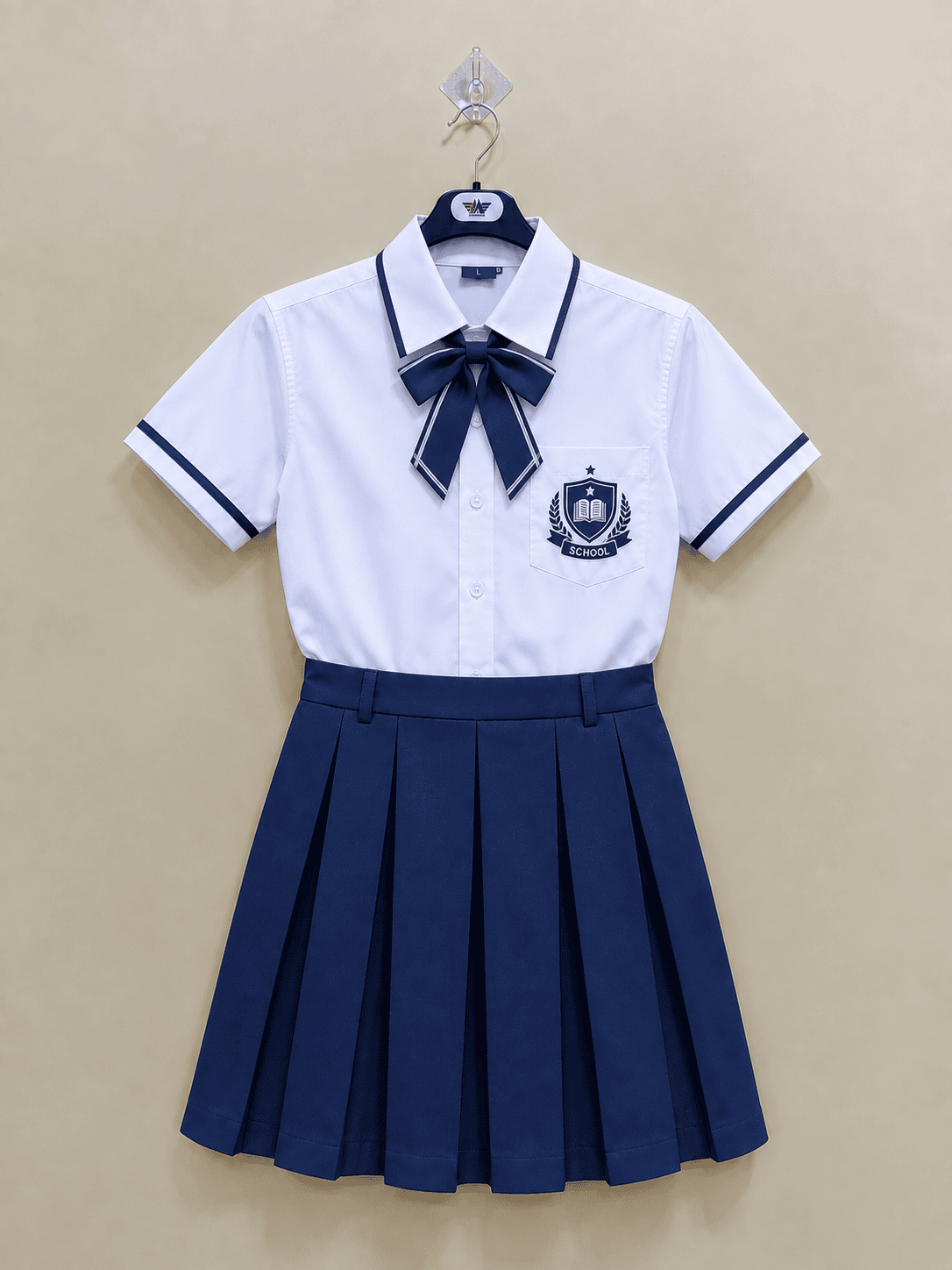
For shirts, define sleeve options, collar appearance, pocket requirements and the intended fit. For polos, identify body fabric, placket, collar and cuff proposals separately. For trousers, shorts or skirts, record waistband construction, closure, pockets and measurement requirements. These decisions belong in the specification, not only in a reference photograph.
For seasonal layers, consider how the garment will sit over the approved base uniform. A sweater or hoodie may need a review of neck opening, sleeve movement and layering room. Ask for a coordinated sample set when colour relationships or proportions across garments matter to the school.
Keep artwork ownership and permissions clear. Provide approved crest files and identify the person who can authorise reproduction or simplification. A school name in a catalogue image is not evidence of a current customer relationship, and another organisation’s artwork should not be reused as a shortcut.
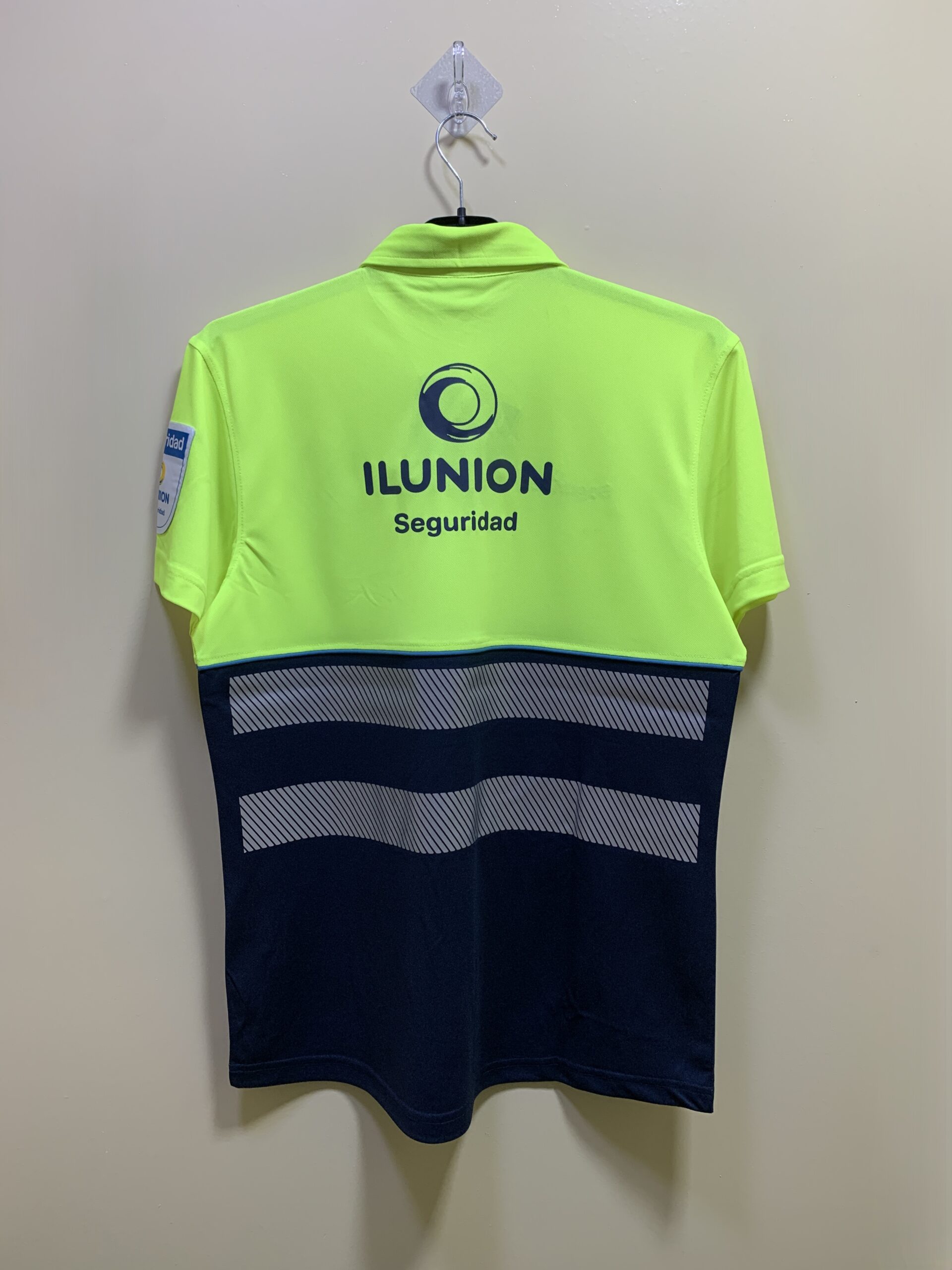
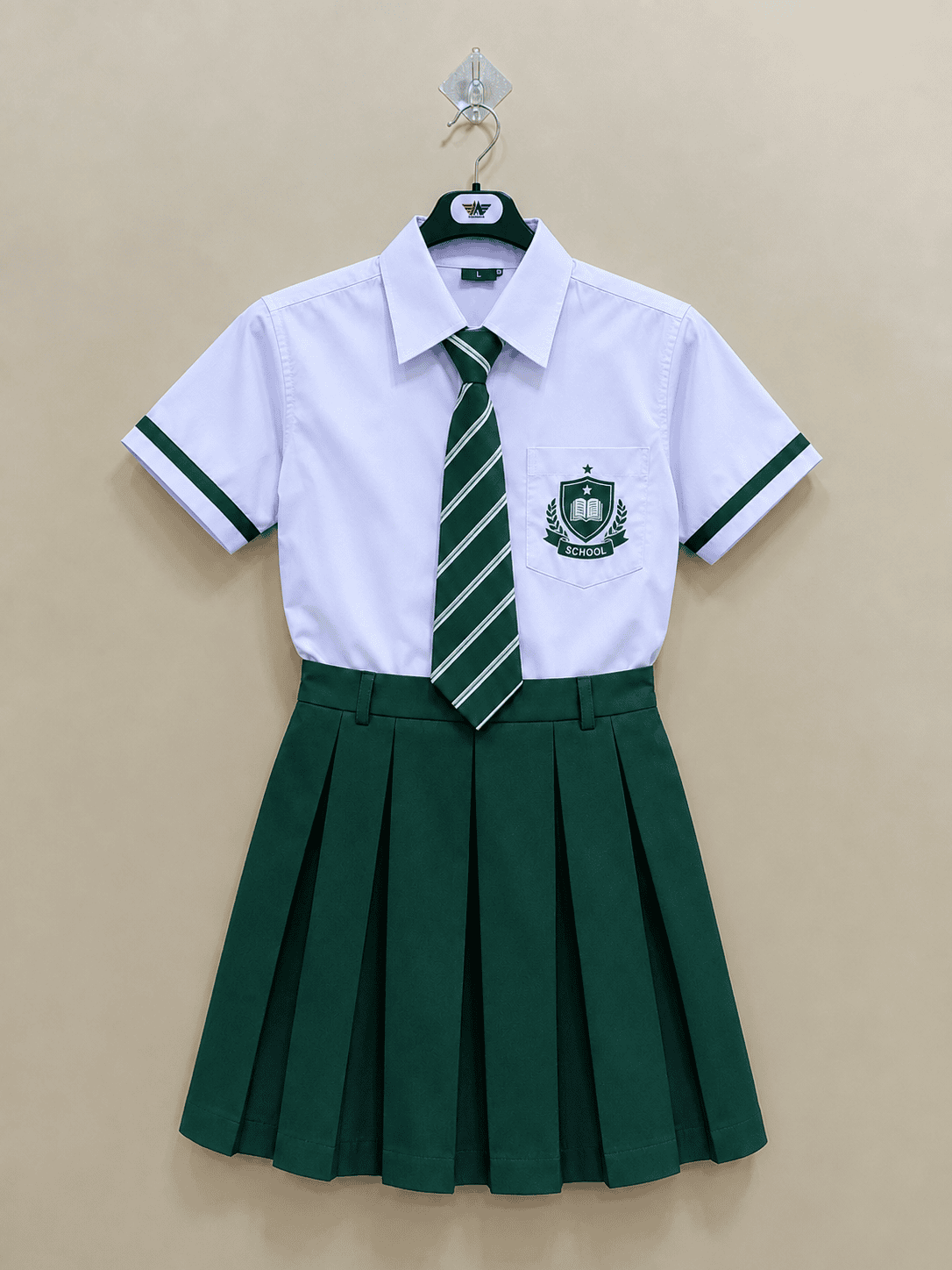
Use the real catalogue references below to begin a discussion about style. They are not proof that the pictured garment uses a particular material, meets a test requirement or is immediately available. Request an identified proposal and sample for your school’s programme.
| Category | Decisions to specify | Reference to approve |
|---|---|---|
| Shirts and blouses | Collar, sleeves, pockets and proportions | Identified garment sample and measurement chart |
| Polos | Body fabric, collar, placket and crest | Material proposal and decorated sample |
| Trousers, shorts and skirts | Waistband, closure, pockets and fit | Construction details and size set |
| Sweaters and seasonal layers | Layering, neckline, sleeves and colours | Coordinated outfit sample |
| Sportswear | Activities, fit and school identity | Garment-specific development brief |
3. Specify fabric, colour and care together
When evaluating a private school uniform manufacturer in Bangladesh, ask what exactly is being proposed for each garment. Composition alone does not describe a fabric. Record the construction, weight where relevant, colour reference, finish and intended care process alongside the material identity.
Compare proposed materials against how the uniform will be worn and cared for. A fabric selected for an appearance sample may not be the final production proposal. Label substitutions clearly and keep the approval limited to what the sample actually demonstrates. Do not release final material decisions based on a close-looking photograph.
Use one approved colour reference for each part of the range. Body fabric, rib collars, buttons, thread and crest colours may come from different sources, so review their relationship together. Agree how shade questions will be raised before bulk production rather than relying on colour names alone.
Evaluate fabric claims individually. CottonWorks’ material technology guidance illustrates that abrasion resistance, strength and colourfastness are distinct performance topics. It does not establish that M&A Sourcing uses that technology or that a proposed school garment has those properties. Ask for relevant evidence connected to the actual material.
Agree a care-review process with the parties responsible for the product. Record initial measurements and appearance, identify the care procedure and retain the observations afterwards. Review the whole garment, including the crest, labels, closures and trims. A generic promise that a uniform is washable is less useful than a documented review against agreed expectations.
For a more detailed material brief, see our school polo fabric selection guide. Final requirements should reflect the destination and the buyer’s product programme; no single composition or fabric weight is best for every school.
| Field | What to record | Avoid assuming |
|---|---|---|
| Material identity | Composition, construction and current proposal | A photo proves composition |
| Colour | Accepted reference and review status | A colour name fixes the shade |
| Care process | Agreed review method and observations | One care promise fits every garment |
| Trims and decoration | Actual closures, crest and labels | Body fabric approval covers every component |
| Evidence | Report identity, scope and relevant material | A different product report proves this order |
4. Approve sizes through measurements and fit trials
A private school uniform manufacturer in Bangladesh needs an approved measurement system, not just an age list. Age names and size labels do not reliably explain garment dimensions. Separate the body-sizing assumptions from finished garment measurements and identify the points of measure.
Prepare diagrams that show where measurements begin and end. State how the garment is laid out and whether the relevant feature is relaxed, adjusted or extended. Retain the agreed method with the size chart so different reviewers can compare the same feature consistently.
Review a size set where appropriate to the programme. Do not assume that approval of one middle size proves the proportions of the smallest and largest sizes. Ask the development team to identify the proposed grading and any construction detail that changes through the range.
Organise a fit trial using the school’s approved process and appropriate consent arrangements. Gather specific observations about sitting, movement, layering and dressing. Keep children’s identifying information out of general supplier documents when a garment code and anonymised fit observation are sufficient.
Turn observations into controlled sample comments. Identify the garment, size, measurement or construction issue, requested action and decision owner. Resolve conflicting comments before forwarding the instruction to the supplier. A consolidated revision is easier to execute than several message threads containing different advice.
Connect the approved size chart with a quantity matrix. The school, retailer or importer should confirm the actual allocation before ordering. Avoid presenting an illustrative size ratio as a forecast of student demand. See the size set approval guide for a related review framework.
| Item | Buyer input | Approval record |
|---|---|---|
| Measurement chart | Points of measure, method and agreed tolerances | Current chart revision |
| Size range | Required sizes for each garment | Reviewed size-set references |
| Fit observations | Anonymised notes on movement and layering | Consolidated correction sheet |
| Quantity allocation | Confirmed units by style, colour and size | Authorised order matrix |
| Revisions | Changes and affected styles | Named approver and date |
5. Control crests, labels and decorated samples
The conversation with a private school uniform manufacturer in Bangladesh should include a separate decoration brief. Record the artwork file, revision, finished dimensions, colours and placement diagram. A request for a standard chest logo leaves too many decisions unresolved.
Identify the proposed decoration method. Embroidery and different printing routes should not be treated as interchangeable quotations. Ask for a decorated sample on the proposed garment or clearly identified material, and record which decisions remain provisional when substitute materials are used.
Review artwork at its actual finished size. Fine text and small details may need a technical interpretation, but the school should approve any change to its identity before production. Retain the approved visual file alongside the decorated sample so a future reorder does not depend on someone remembering an old discussion.
Placement should use defined reference points rather than a vague instruction to copy a picture. Consider whether a pocket, seam, zip or different garment size affects the position. Review the full garment and the reverse of the decorated area where relevant to comfort and construction.
Approve labels and packaging text as controlled information. Confirm school naming, garment identification, size presentation and the information required for the destination with the responsible buyer. Do not invent care or material information before the final product has been agreed.
Our embroidery vs printing guide explains decoration comparison in more detail. Keep artwork approval distinct from fit and fabric approval, even when all are reviewed during the same sample meeting.
6. Link sampling, quality records and release decisions
Ask a private school uniform manufacturer in Bangladesh to explain what each sample is intended to demonstrate. A development sample, fit sample and final production reference may have different purposes. Name the controlling reference and record the scope of each approval.
Use a comment sheet with sample identity, date, observation, requested action and status. Photographs can help show a location or appearance question, but they should support a written instruction. Keep accepted changes linked to a revised drawing or specification rather than relying on the latest image sent in a chat.
Agree the inspection scope for the actual order. Review measurements, visible construction, closures, labels, decoration and packing against approved references. Material or performance questions may need other forms of evidence; a visual check alone cannot establish every product attribute.
If an issue is found, identify its affected scope and the action agreed by the relevant decision maker. Retain a recheck record showing what was reviewed and the result. A general statement that everything has been corrected does not explain whether the original observation has been resolved.
Clarify who authorises production and shipment release. The school’s artwork approver may not be the person responsible for commercial changes or final quality decisions. Keep these roles visible in the order file so a decision is not inferred from an unrelated approval.
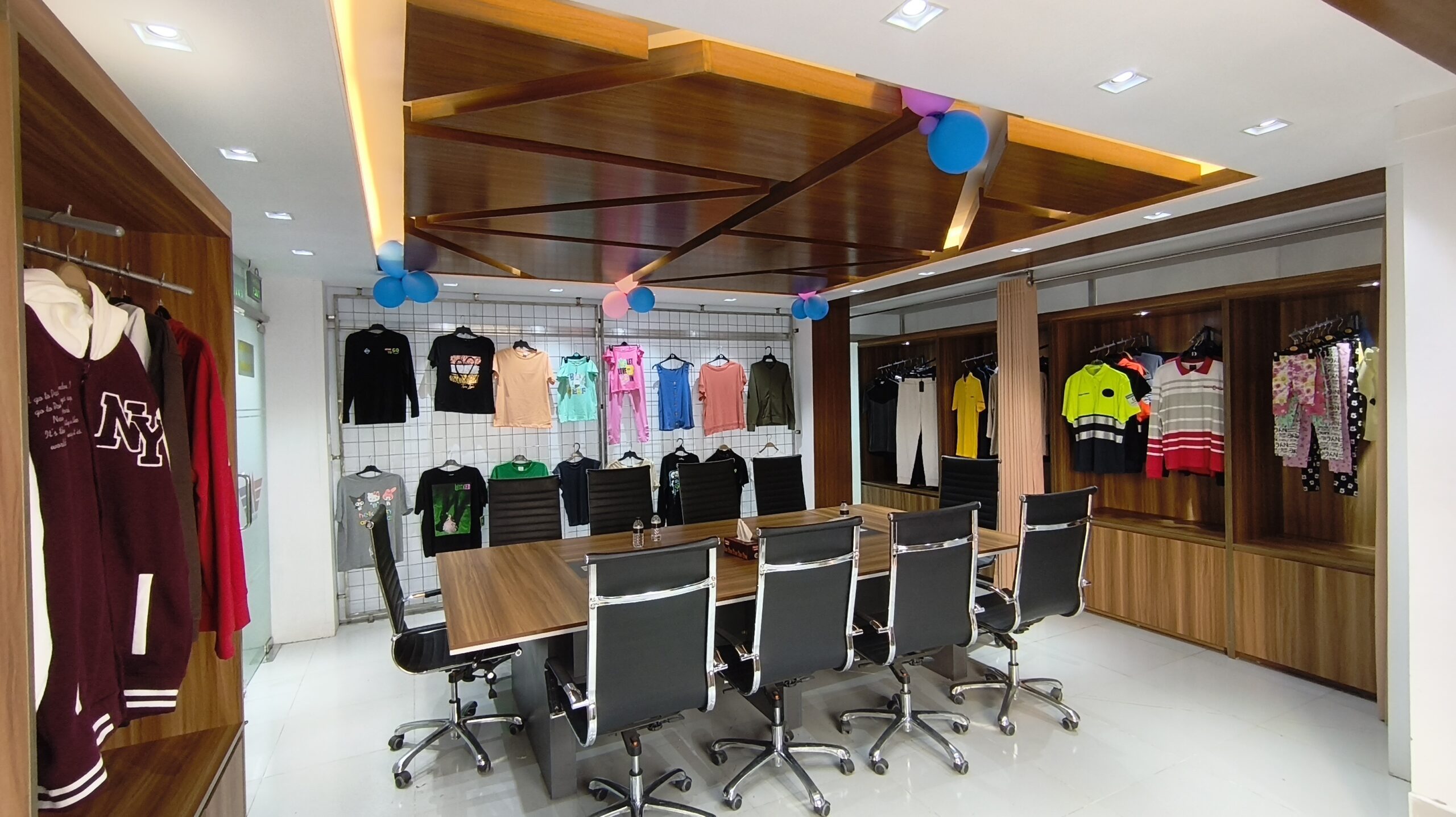
Review responsible-sourcing and certification claims against their actual scope, issuing body, validity and relevant facility or product. A company photograph cannot establish audit status. Our school uniform quality control checklist offers a practical record framework without prescribing one universal acceptance rule.
7. Plan quotations, school-term delivery and replenishment
Before appointing a private school uniform manufacturer in Bangladesh, compare quotations using the same garment specification, artwork, quantity matrix and packing basis. Ask each candidate to identify assumptions and exclusions. An offer based on another material or decoration method is not automatically a lower price for the same requirement.
Request product-specific confirmation of minimums, sample costs and timing. Materials, colours, artwork preparation, size allocation and production scheduling can affect the proposal. Do not treat a generic online number as a commitment for the actual school programme.
Work backwards from the required receiving window while keeping development, approvals, production and logistics distinct. Identify the decisions the buyer must complete before the next milestone can be confirmed. A planned production-release date is different from a guaranteed arrival date.
For packing, decide whether goods are grouped by style, size, department, campus or another agreed allocation. Reconcile the physical assortment with the final matrix and identify balance cartons. Use the packing checklist as a related planning reference.
Keep personalisation lists separate from general commercial documents where possible. If individual names are necessary, confirm who checks spelling and how access is limited. The receiving record should identify what was packed without unnecessarily circulating student information.
For repeat orders, retain the final chart, material and colour references, crest artwork, decorated sample identity and accepted commercial revision. Reconfirm availability and record proposed substitutions before production. Repeat consistency depends on reference control rather than an unchanged catalogue picture.
Collect receiving and wearer feedback in specific terms. Identify the style and size affected, distinguish a preference from an issue against the specification and decide whether the next brief needs a revision. This gives the school a usable improvement record without changing the programme informally between orders.
| Question | Request in writing | Decision to retain |
|---|---|---|
| What is being quoted? | Garment and material revision | Same specification across candidates |
| What does branding include? | Method, crest size, positions and sample scope | Approved decoration reference |
| Which costs are separate? | Development, testing, packing and delivery assumptions | Accepted commercial revision |
| When can milestones be confirmed? | Dependencies and buyer approvals | Agreed production and receiving plan |
| What changes on a repeat? | Availability, substitutions and revised terms | Controlled repeat-order approval |
Private-school uniform approval progress
The bars illustrate seven decisions in a buying programme. They do not show a live order, a quality rating or a delivery guarantee.
1. School brief recorded
2. Range confirmed
3. Materials reviewed
4. Size set approved
5. Crest and labels reviewed
6. Quality issues closed
7. Packing and release recorded
Related products and procurement guides
Explore tees and polos, sweaters and hoodies when discussing a coordinated range. Confirm feasibility for the specific student age group and destination; a general product page is not a schoolwear suitability assessment.
For the wider process, read our international school uniform sourcing guide, school uniform buying guide and tech pack checklist. The homepage introduces M&A Sourcing’s Workwear Manufacturer in Bangladesh services and product scope.
Send your private-school uniform enquiry
Shortlisting a private school uniform manufacturer in Bangladesh? Contact M&A Sourcing with garment references, material requirements, crest artwork, approved chart, size quantities, destination and delivery expectations. Request a written feasibility review, quotation assumptions and sample plan before confirming the order.
Private School Uniform Manufacturer in Bangladesh: FAQs
How do I choose a private school uniform manufacturer in Bangladesh?
Compare the proposed product route, specification control, samples, crest approvals, sizing, quality records and repeat-order arrangements against your school’s actual brief.
Can the school use its own crest and colours?
Provide approved artwork and colour references, confirm reproduction permission and review the decorated sample. Current feasibility and terms should be confirmed for the actual proposal.
What should an enquiry include?
Send garment references, materials, artwork, measurement charts, style/colour/size quantities, packing requirements, destination and receiving expectations.
Are age labels enough to approve school uniform sizes?
No. Agree finished measurements, points of measure and a fit-review method. Connect the approved chart with the actual quantity allocation.
Which fabric is best for a private-school uniform?
There is no universal choice. Evaluate the garment, wearing conditions, care process, appearance and relevant evidence for the actual material proposal.
Do catalogue photographs prove school customers?
No. They are visual product references. A crest or school name in an image does not establish an active supply relationship or permission to reuse the artwork.
What minimum order quantity applies?
Request a product-specific quotation. Materials, colours, branding and the size matrix can affect the proposed minimum and commercial terms.
Can one approved sample cover every size?
It should not be assumed. Agree the size-set scope and review relevant proportions and construction changes across the proposed range.
How should school-term delivery be planned?
Distinguish development, approvals, production, logistics and receiving. Confirm the actual schedule and dependencies with the supplier and logistics parties.
What helps repeat orders remain consistent?
Retain the accepted material, colour, chart, crest, decorated sample and packing references. Reconfirm availability and approve substitutions before repeating production.