Private Label T-Shirt Manufacturing in Bangladesh: A Buyer’s Guide
Private label T-shirt manufacturing gives a brand control over the garment specification, labels and presentation. A successful programme starts by defining what is being customised, what evidence is needed and who approves each decision. This guide helps international buyers prepare a clear brief for a Bangladesh sourcing enquiry without assuming a standard minimum, price or production schedule.
Prepared by M&A Sourcing Ltd. for clothing brands, importers and sourcing teams. For the wider supplier-selection discussion, read our T-shirt manufacturer in Bangladesh guide. This article focuses on private label t-shirt manufacturing so you can prepare a more specific enquiry.
Table of Contents
Define your private-label production model
Private label can describe an existing garment carrying your branding, a modified base style or an original design developed from a technical pack. These are different projects. A logo-and-label programme may keep the original pattern, while a new silhouette requires pattern development, fit reviews and additional approvals. Ask which route the supplier is proposing before comparing quotations.
List the details your customer will recognise: silhouette, fabric feel, neckline, sleeve shape, print, labels and packaging. Mark which features are essential and which can use an available option. This lets the supplier explain practical alternatives without silently changing your intended product. It also separates a genuine development requirement from a preference that may unnecessarily complicate the first order.
Confirm responsibilities for drawings, patterns, artwork, sampling, material sourcing, inspections and packing. Record what deliverables you receive and what records are retained for a repeat. A manufacturing relationship works more clearly when these decisions appear in the written scope rather than being inferred from the phrase full service.
Build a commercial and technical brief
State the intended wearer, product use, sales channel, destination market and launch window. Attach front and back drawings and close-ups of important construction details. A reference photo can communicate an idea, but it cannot reliably specify every measurement, material or seam. Explain exactly which elements of a reference you want to develop.
Use a style code and revision date across the drawings, measurement chart, artwork and quotation spreadsheet. Include quantity estimates by colour and size, and identify unresolved decisions. If your quantities are only a forecast, say so. A supplier should not mistake an exploratory enquiry for a confirmed order allocation.
Separate the required arrival date from production completion. Ask the supplier and logistics provider to explain the assumptions between those milestones. Keep sample approval dates in the plan, since late feedback can change readiness. A launch date alone is not enough information to promise a delivery schedule.
Develop fabric, fit and construction together
Specify fibre composition, knit structure, target weight, finish and intended care. Assess representative swatches and then review the garment in the proposed material. An appealing fabric can behave differently once it is cut, sewn, decorated and washed. Record the reference code for the material used in each sample.
Create a garment measurement chart with diagrams, measurement methods and tolerances. Distinguish garment dimensions from the customer-facing body size chart. Review the base size on a suitable wearer or form, then check the relevant size progression. Oversized, regular and slim are descriptions that still need measurable definitions.
Construction details should cover neck rib, shoulder reinforcement, seams, hems and labels. Evaluate the neckline and garment balance after the agreed care assessment as well as before it. If a substitute material is used in development, identify which fit or appearance decisions remain provisional until the proposed production material is available.
Approve brand identity on physical samples
Provide artwork files, dimensions, colours and placement measured from stable garment reference points. Review the actual application on the intended fabric when possible. A screen mock-up can communicate the concept, while a physical sample helps reveal edge quality, backing, stretch interaction and the feel of the finished decoration.
Create an artwork register for neck labels, size tabs, care labels, hangtags and packaging. Each item needs an approved version and intended location. Inspect small text for readability and check that a size label matches the garment allocation. A correct T-shirt can still create receiving problems if it carries the wrong label or barcode.
Before using third-party logos or customer branding, confirm the necessary permission. Do not present catalogue brands as your own clients. Product references in this guide illustrate garment ideas; they are not evidence of a customer relationship or permission to reproduce another company’s design.
Compare quotations, MOQ and development costs
Ask each supplier to quote the same fabric, construction, artwork and quantity allocation. Record inclusions, exclusions and assumptions. Identify separate sample, decoration, label, packaging or other agreed charges where applicable. A lower unit price is difficult to interpret if the quotation uses a different material or simplified print.
Minimums may apply to the style, colour, fabric or a custom component rather than only the complete order. Request a written explanation of each relevant minimum. Discuss any unused custom materials, including ownership and handling, before agreeing to a component order that exceeds the garment quantity.
Keep quotation validity, currency and the named delivery basis in the comparison. Ask the relevant service providers about costs outside that basis. This guide does not publish a company-wide MOQ, fixed price or guaranteed lead time; M&A Sourcing must confirm the terms for the specific private-label brief.
Set approval gates and quality records
Agree what each sample must demonstrate. Development may resolve construction; fit review checks measurement and proportion; decoration review checks the application; and a pre-production reference brings the proposed bulk details together. A sample stage should end with a clear decision, not merely a photograph sent in a message.
Use an approval sheet with the sample ID, revision, material reference, findings, corrections and authorised decision. Record exceptions explicitly. If an item is approved for fit only, do not allow that to be interpreted as approval of substitute fabric, a temporary label or an unfinished print.
Define inspection points and corrective-action responsibilities before bulk release. Measurement, seam appearance, shade, branding and packing need product-specific checks. Retain the approved reference and follow up on any correction. A written defect note is incomplete until the responsible parties confirm how it has been addressed.
Prepare destination labels and a repeat-order archive
For US-bound clothing, use the FTC’s textile and care-labelling resources when planning the label review with the responsible importer. Requirements must be checked for the actual product and current destination rules. Do not assume that one label layout automatically serves the USA, UK and every EU market.
Agree the unit presentation, carton assortment, barcode references and packing list. Link the carton plan to the final style-colour-size allocation. This gives the receiving team a clearer way to reconcile delivery and helps prevent a well-made product from becoming difficult to identify in the warehouse.
For repeats, archive the final tech pack, approved samples, material codes, artwork, labels and packing instructions. Confirm availability and review every proposed substitution before a new order. Past approval does not automatically cover a changed fabric, different decoration process or revised measurement chart.
Buyer decision worksheet
Use this worksheet in your next supplier discussion. Add the reference, owner and decision date to each item, and keep outstanding questions visible until they are resolved.
| Decision | Record to prepare | Question for the supplier |
|---|---|---|
| Production model | Existing style, modified base or original development | Which activities and revisions are included? |
| Materials | Composition, structure, weight and colour reference | Which exact material is proposed? |
| Branding | Artwork register and placement sheet | How will physical applications be approved? |
| Quantity | Style-colour-size matrix | Which minimum applies to each item? |
| Quality | Product checks and correction process | Who authorises release after a correction? |
| Repeat | Approved reference archive | How will changes be reported? |
A launch-readiness review for a private-label brand
Imagine a fictional brand developing one regular-fit T-shirt with two colours and a chest application. The buyer has approved the artwork, but the sample uses a temporary rib and an unapproved neck label. The correct next step is to identify those exceptions. An artwork approval can remain valid while material, label and complete garment approval stay open. It should not be communicated as blanket permission to begin bulk production.
The buyer then creates a register with one line for each open item, the reference required and the person who will decide it. The supplier proposes the actual rib, supplies the label proof and explains whether another complete sample is needed. Once those details are reviewed, the final approval identifies the complete reference set. The example is a decision workflow, not a claim about an actual M&A Sourcing order.
For a useful commercial handover, the same buyer checks the accepted quantity matrix, quoted materials, artwork versions, packaging and delivery assumptions. Any mismatch is resolved before the documents are treated as final. This helps prevent the supplier from producing the approved appearance under a different quantity or packing assumption from the buyer’s plan.
Illustrative preparation progress
The bars show sequence only. They do not measure production completion, elapsed time or your order’s current status.
1. Prepare the product reference
2. Identify open technical questions
3. Review supplier proposals
4. Record samples and evidence
5. Approve corrections and final references
Related T-shirt products and buying guides
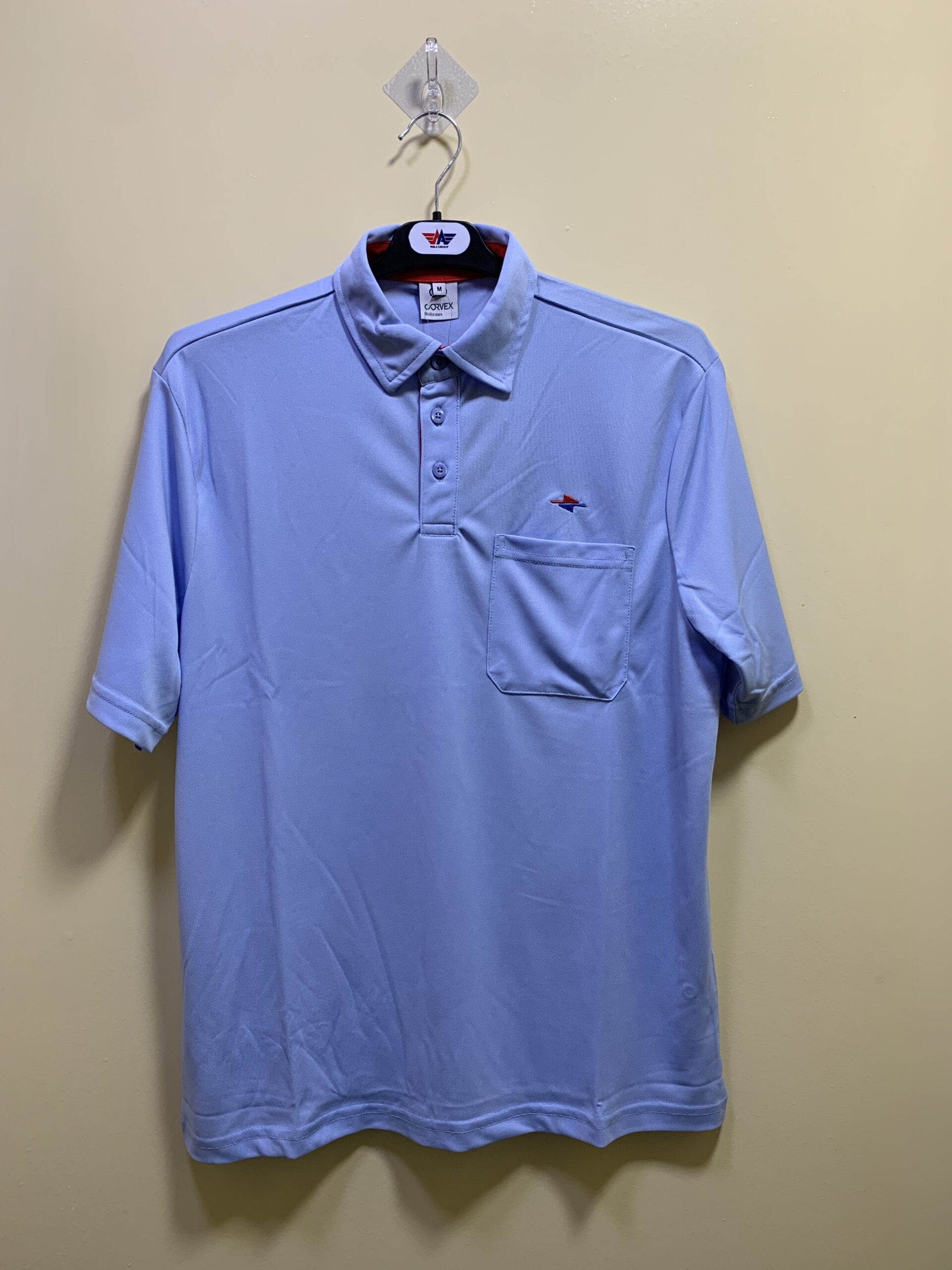
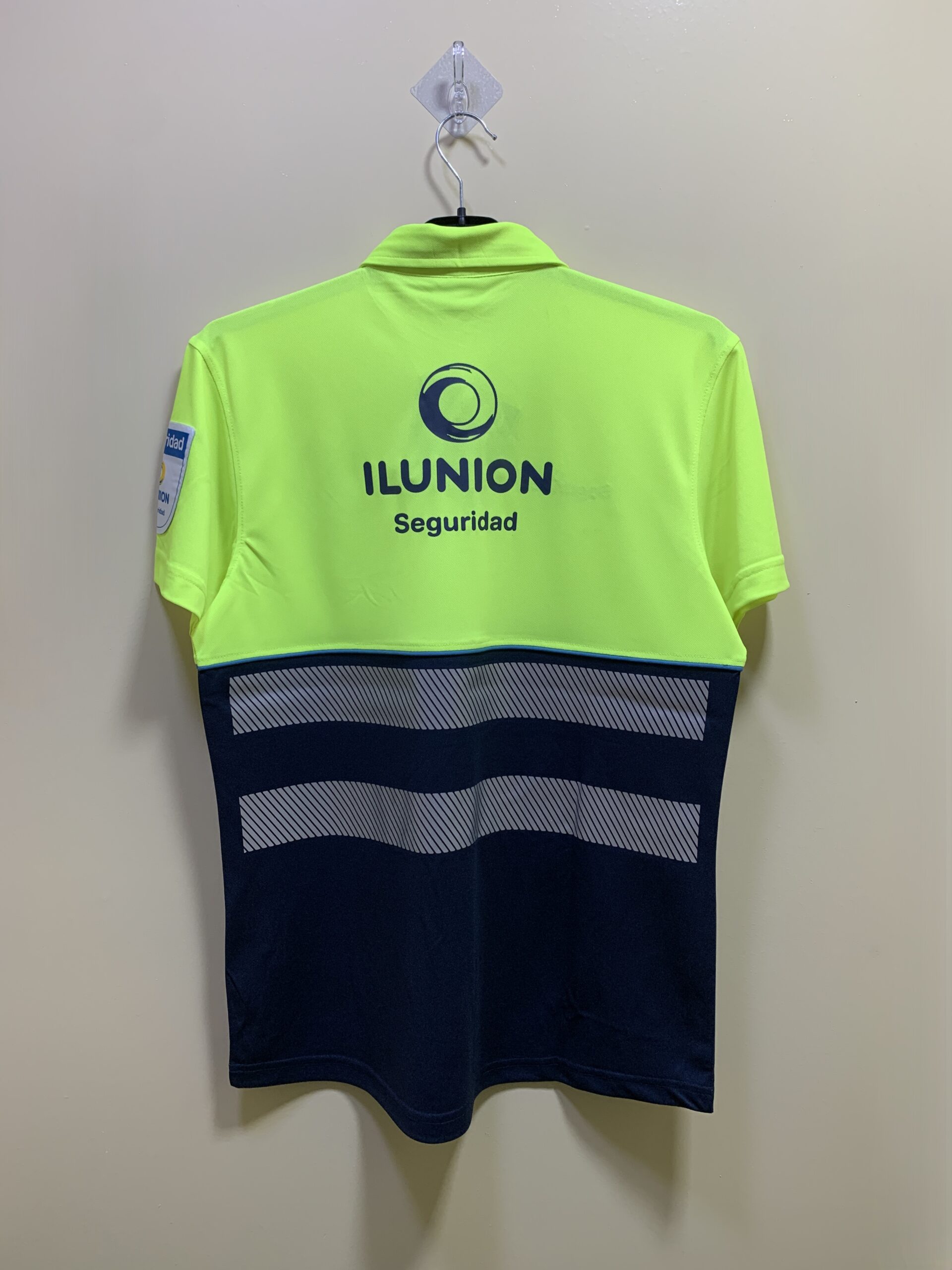
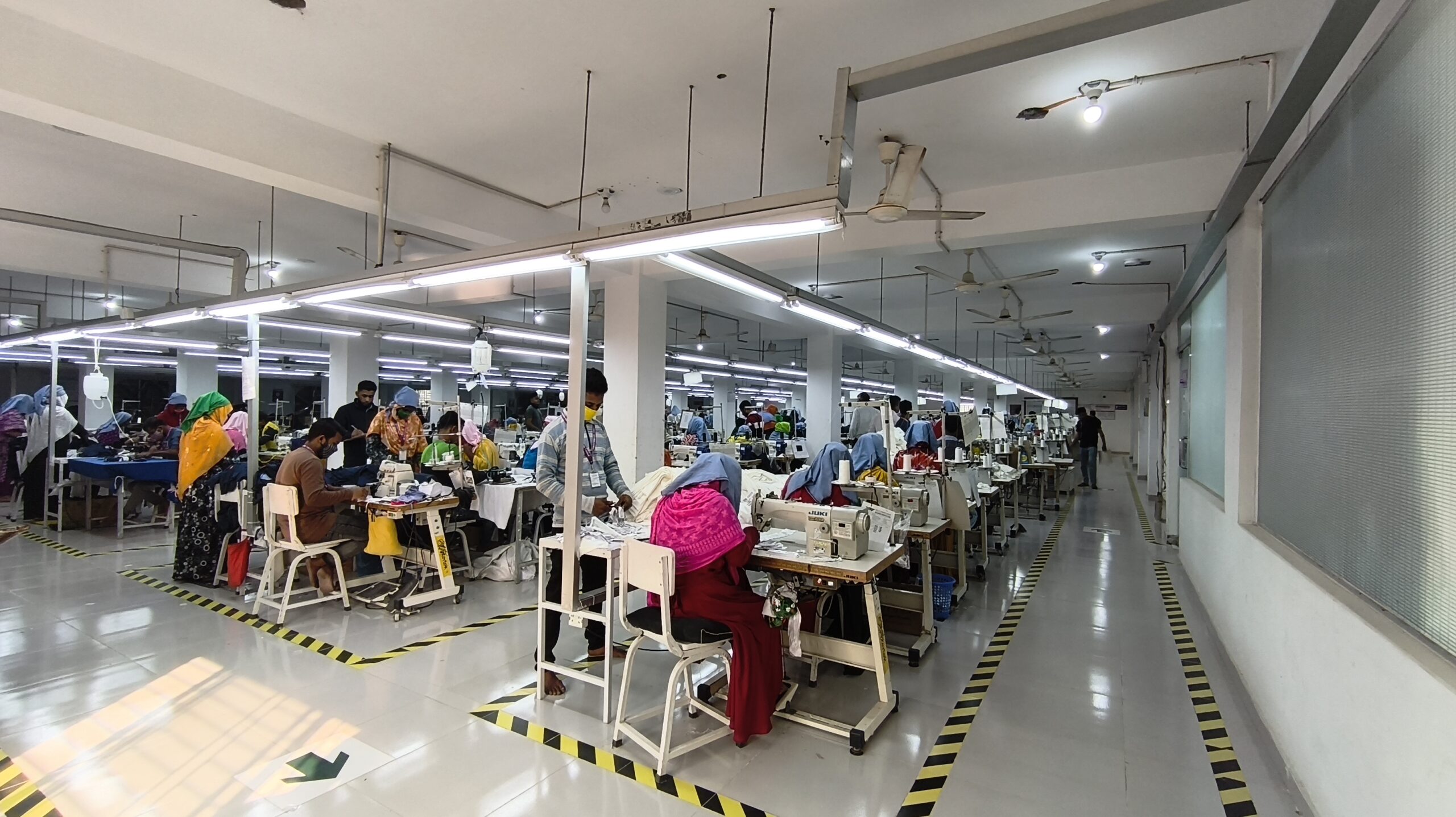
These existing media-gallery photographs are garment and company references. They do not verify a customer relationship, certification or a specification for a new order. Confirm the actual proposed product through your brief and approvals.
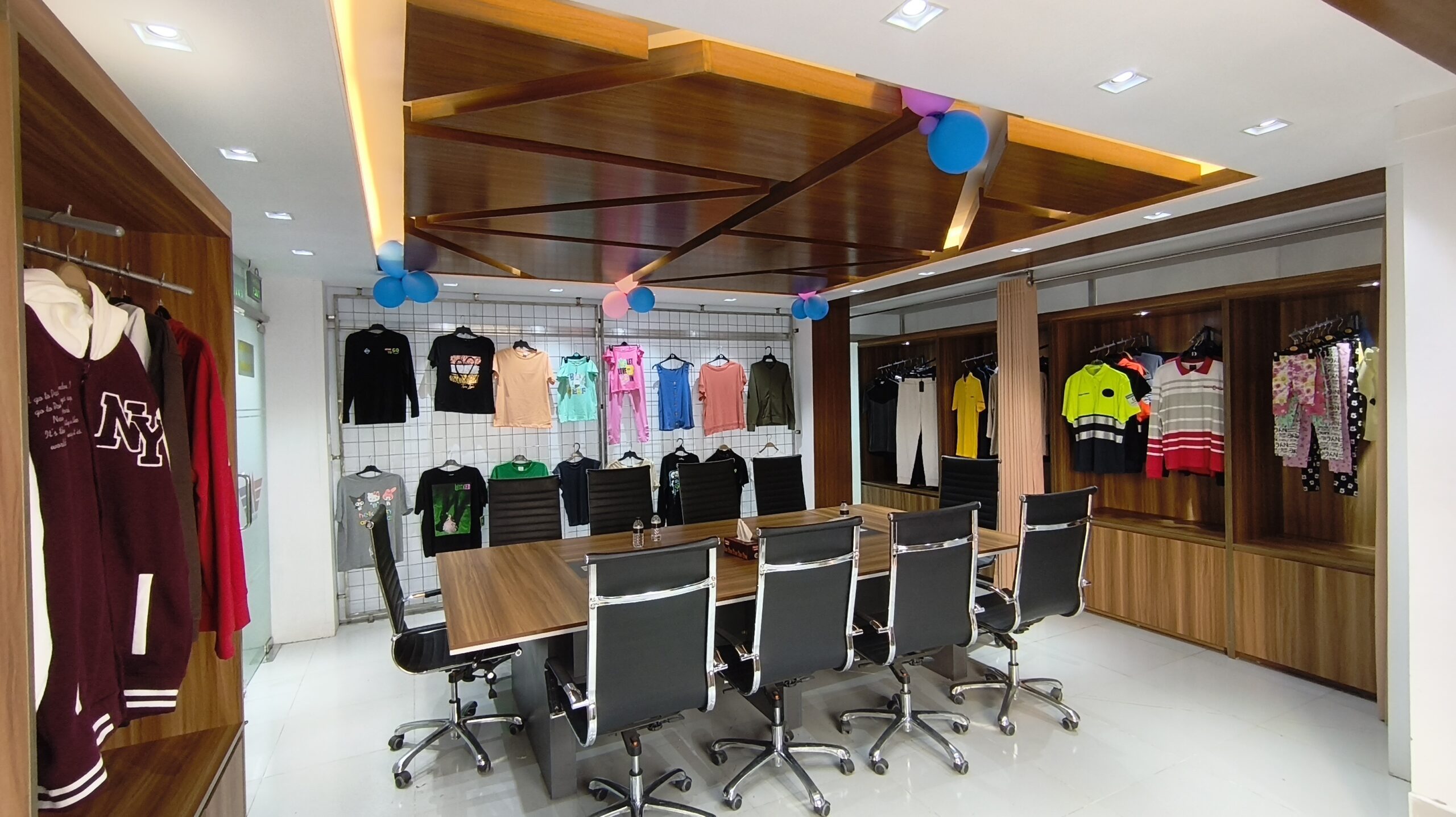
Continue with the related guides:
- T-Shirt Tech Pack: 8 Essential Fields for Bulk Production
- T-Shirt Fabric Selection: GSM, Shrinkage and Colourfastness
- Custom T-Shirt MOQ: A Practical Guide for Clothing Brands
- T-Shirt Sample Approval Checklist for International Buyers
For US-market label planning, consult the FTC clothing and textiles resources and care-labelling guidance with the responsible importer. Confirm the current requirements for the actual garment and destination rather than reusing a label without review.
Private Label T-Shirt Manufacturing: FAQs
What is private label T-shirt manufacturing?
It is a programme in which a garment is supplied with a buyer’s brand identity and agreed specification. The scope can range from branding an existing style to original development, so the quotation and approval route should state exactly what is included.
Can I start with my own T-shirt design?
Share your drawings, measurements, artwork and intended material. Ask the supplier to confirm development feasibility, pattern responsibilities and sample requirements. A visual reference alone is not a complete production specification.
What is the minimum quantity?
Request a project-specific confirmation. Minimums may depend on style, colour, fabric and custom components, so a combined garment total does not necessarily satisfy every requirement.
Can I use custom labels and packaging?
Include each label and packaging item in the enquiry. Confirm artwork, size, placement, quantities and sample approval. Actual availability and commercial terms need confirmation for the project.
How do I keep a repeat order consistent?
Retain the final tech pack, material references, artwork, approved samples and packing instructions. Before repeating, confirm availability and approve any proposed change.
Does a private-label sample approve bulk production automatically?
No. The approval record should identify the specific sample, purpose and any exceptions. Give an explicit bulk-release decision after the relevant fit, material, decoration and construction issues are resolved.
Send your enquiry with garment references, estimated quantities by colour and size, target market, branding requirements and required delivery window. Attach the current technical pack if available and identify which decisions need development support.
Review our T-shirt manufacturing and supplier-selection guide for the wider buying process.