Custom T-Shirt MOQ: A Practical Guide for Clothing Brands
Custom T-shirt MOQ is the minimum quantity associated with a proposed order or one of its underlying materials and components. The useful question is not only how many T-shirts you want, but how those units are divided across styles, colours, fabric and branding. This guide shows how to make those constraints visible before committing to a clothing launch.
Prepared by M&A Sourcing Ltd. for clothing brands, importers and sourcing teams. For the wider supplier-selection discussion, read our T-shirt manufacturer in Bangladesh guide. This article focuses on custom t-shirt moq so you can prepare a more specific enquiry.
Table of Contents
Identify which minimum the supplier means
An order-level minimum may describe the total garments, while a style minimum applies to one design and a colour minimum to one shade. Materials and custom components can introduce additional requirements. Ask the supplier to identify the level of every minimum instead of treating a single number in a message as the complete answer.
A combined order of several garments does not necessarily satisfy the minimum for each material or print design. Equally, an available material may create different options from specially developed fabric. Discuss the actual specification and availability. No figure in this article is a published M&A Sourcing minimum or a promise of production feasibility.
Build a style-colour-size quantity matrix
Start with a row for each style and colour, then allocate units by size. Include totals and check that they reconcile with your planned order. Use consistent style and colour codes in the enquiry, quotation and technical pack. This reveals fragmentation that can remain hidden when the buyer states only a total budget or garment quantity.
Mark forecasts separately from confirmed quantities. If demand is uncertain, share a realistic planning scenario and ask which parts of the allocation affect feasibility or pricing. Avoid presenting every possible colour as a confirmed order, since the supplier may price a production setup that differs from the launch you eventually choose.
Discuss fabric and colour requirements
Fabric requirements depend on the material being proposed. Ask whether the enquiry uses an available option, an alternative awaiting approval or a specially developed material. A colour change can involve more than garment assembly, so clarify how the supplier’s quantity constraints relate to material sourcing and preparation.
If you are willing to consider available colours, state which visual and technical requirements must still be met. Lower development complexity is only useful if the finished garment suits the brand. Do not approve a different composition, weight or finish solely because it appears to make the first allocation easier.
Include decoration, labels and packaging
Custom neck labels, hangtags, printed packaging and special components can each have their own ordering conditions. Ask for the quantity basis and any setup charges where applicable. A small label may have a different purchasing minimum from the garment, so it should appear as a separate line in the discussion.
When components exceed the garment quantity, agree who owns the balance, how it is identified, storage arrangements if any and what happens if the next order changes. Do not assume that unused stock will be available indefinitely or that it can be reused with a revised design without review.
Decoration complexity should also be priced against the actual artwork, dimensions, locations and colour allocation. Changing to a simpler application may be an option, but ask about the effect on appearance and care before treating it as a straightforward cost saving.
Work through an illustrative allocation
Suppose a fictional brand plans 600 T-shirts across three colourways: 300 black, 180 white and 120 blue. A hypothetical supplier says this particular specification requires 200 units per colour. Although the total is 600, the white and blue allocations are below that hypothetical requirement. The total alone does not resolve the constraint.
The buyer could ask about changing the allocation to 200 of each colour, reducing the number of colours or considering another approved material route. Each option changes a business decision. Increasing units creates inventory exposure; reducing colours changes the range; changing material requires technical review. The example demonstrates allocation arithmetic, not an available supplier offer.
Within an approved colour quantity, sizes still need confirmation. If 200 units are divided into XS 20, S 40, M 60, L 50 and XL 30, the total is 200. This fictional matrix is a reconciliation example only, not a recommended sales ratio or evidence that every size split is feasible.
Compare options beyond simply increasing quantity
Ask the supplier to explain the cost and feasibility implications of fewer colours, compatible shared materials or a modified component. Keep must-have product requirements visible. A simpler first launch can be sensible for some brands, but it is not automatically the right decision when the change removes the feature customers expect.
Consider the complete commercial position: sample development, setup, garments, components, packing, transport assumptions and potential leftover stock. A lower unit price at a larger quantity can still require more cash and create more unsold inventory. Use your actual demand and budget information rather than a generic rule that bigger is always better.
Request a written MOQ and quotation summary
Send the allocation matrix with the technical brief and ask the supplier to mark every applicable minimum and any unresolved issue. Record the currency, quantity basis, validity, proposed materials, decoration and named delivery basis. If the allocation changes, request confirmation of the revised quotation.
Before proceeding, reconcile the accepted quantity matrix with the purchase documents, labels and packing plan. Identify who may authorise a quantity change and how overages or shortages, if any, will be handled under the agreed terms. Do not leave those commercial decisions to an assumption made after production.
For a repeat, recheck material availability, component balances and current terms. The previous order provides a useful reference but does not guarantee that the same minimum, price or timing will apply. Keep the last approved specification and clearly identify what has changed.
Buyer decision worksheet
Use this worksheet in your next supplier discussion. Add the reference, owner and decision date to each item, and keep outstanding questions visible until they are resolved.
| Minimum type | What to clarify | Buyer record |
|---|---|---|
| Total order | Which garments may be combined? | Overall order summary |
| Style | Does each design have a separate requirement? | Style codes and quantities |
| Colour | Does the minimum apply to each shade? | Colour allocation |
| Fabric | What material sourcing conditions apply? | Material reference and approval |
| Decoration | What setup or artwork basis is quoted? | Artwork and location register |
| Component | What happens to any unused balance? | Ownership and handling agreement |
Build an MOQ enquiry that can receive a clear answer
A useful enquiry states the garment specification and then lists quantities by style, colour and size. Add the required branding locations, custom labels, packaging and the target arrival window. Tell the supplier which details are fixed and where you are willing to review alternatives. This is more actionable than asking for the lowest possible MOQ without describing the product.
Request a response that distinguishes confirmed terms from assumptions and items needing further development. For every relevant minimum, ask what it applies to and whether the proposed allocation meets it. Ask for the quantity basis of the quotation and the effect of any requested alternative. Keep sample charges and other agreed setup costs visible instead of hiding them within an unexplained total.
Revisit the matrix before placing the order. A later marketing decision to add another colour can affect the allocation, materials and quoted basis even when the overall unit count stays unchanged. Send the revised plan for confirmation and retain the accepted version. These are commercial planning steps, not a promise that any particular allocation will be feasible.
Illustrative preparation progress
The bars show sequence only. They do not measure production completion, elapsed time or your order’s current status.
1. Prepare the product reference
2. Identify open technical questions
3. Review supplier proposals
4. Record samples and evidence
5. Approve corrections and final references
Related T-shirt products and buying guides
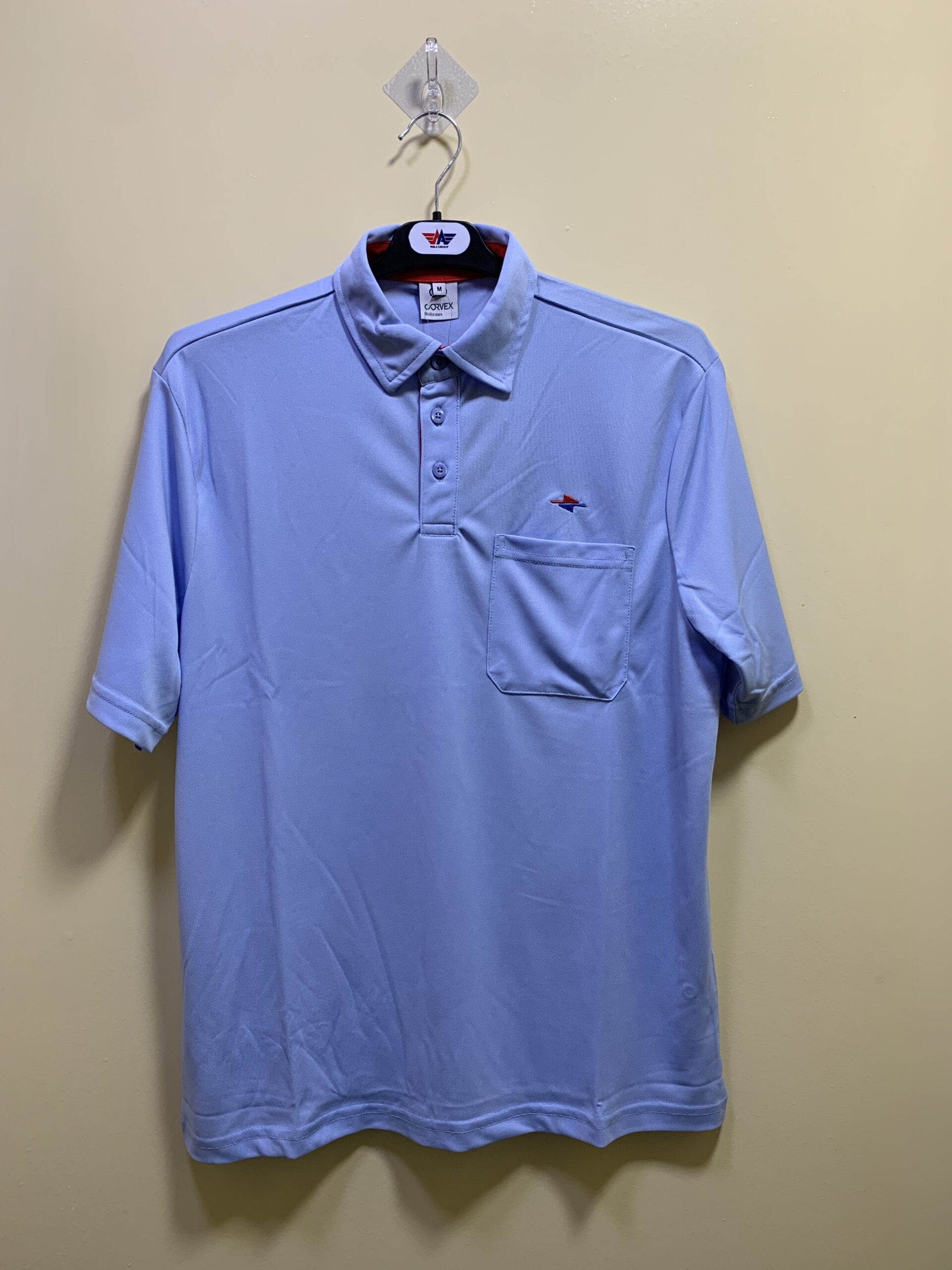
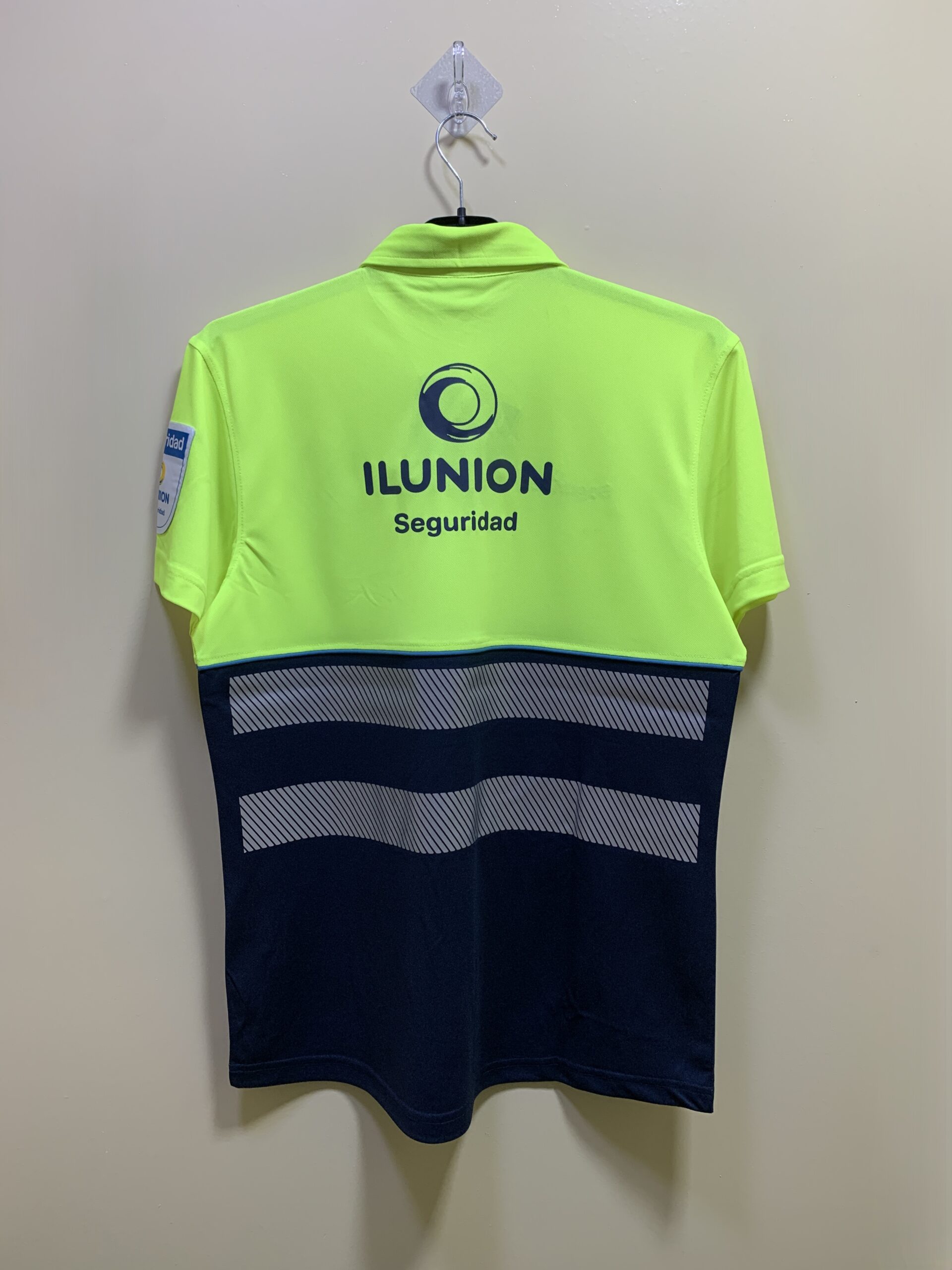
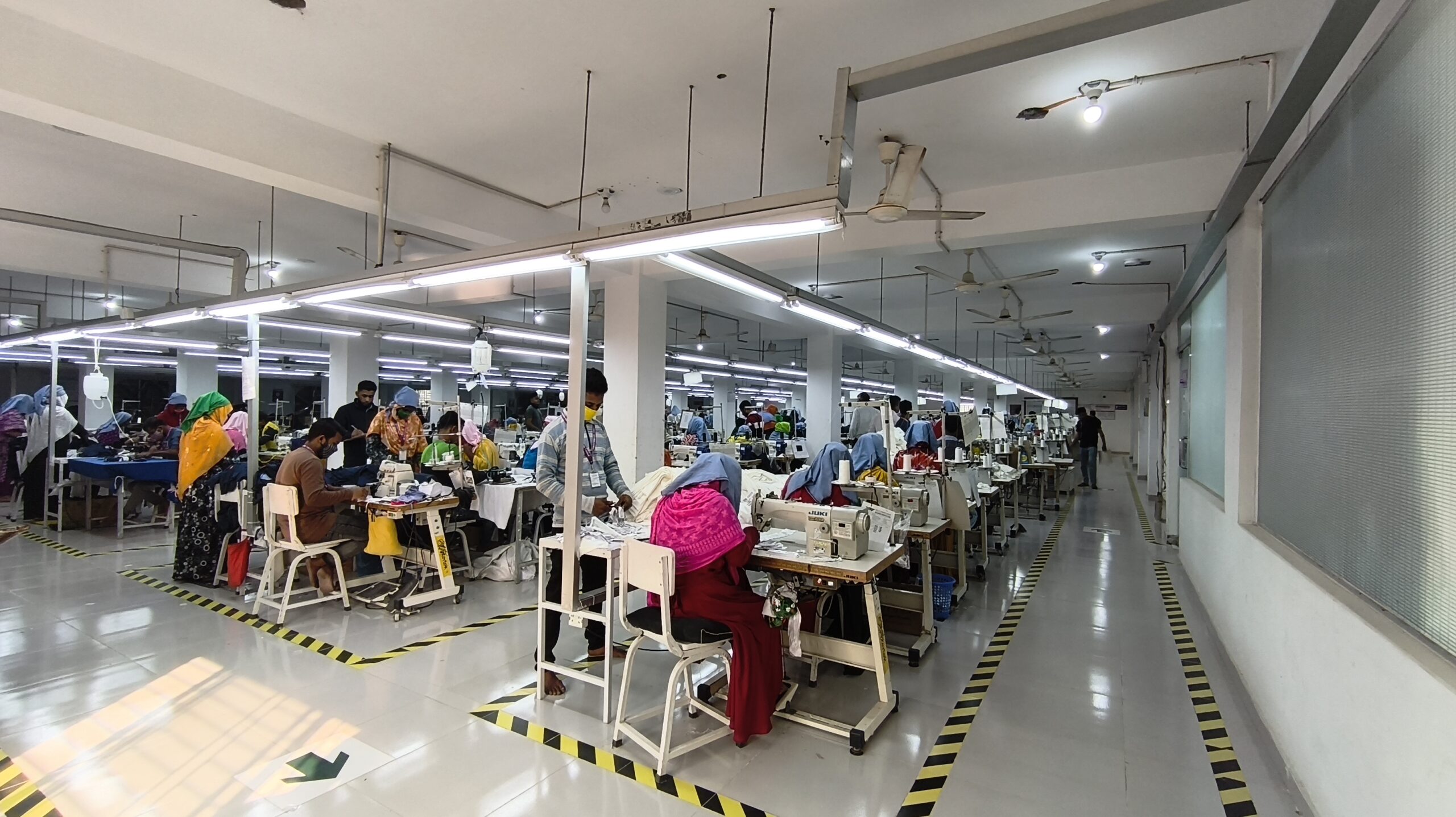
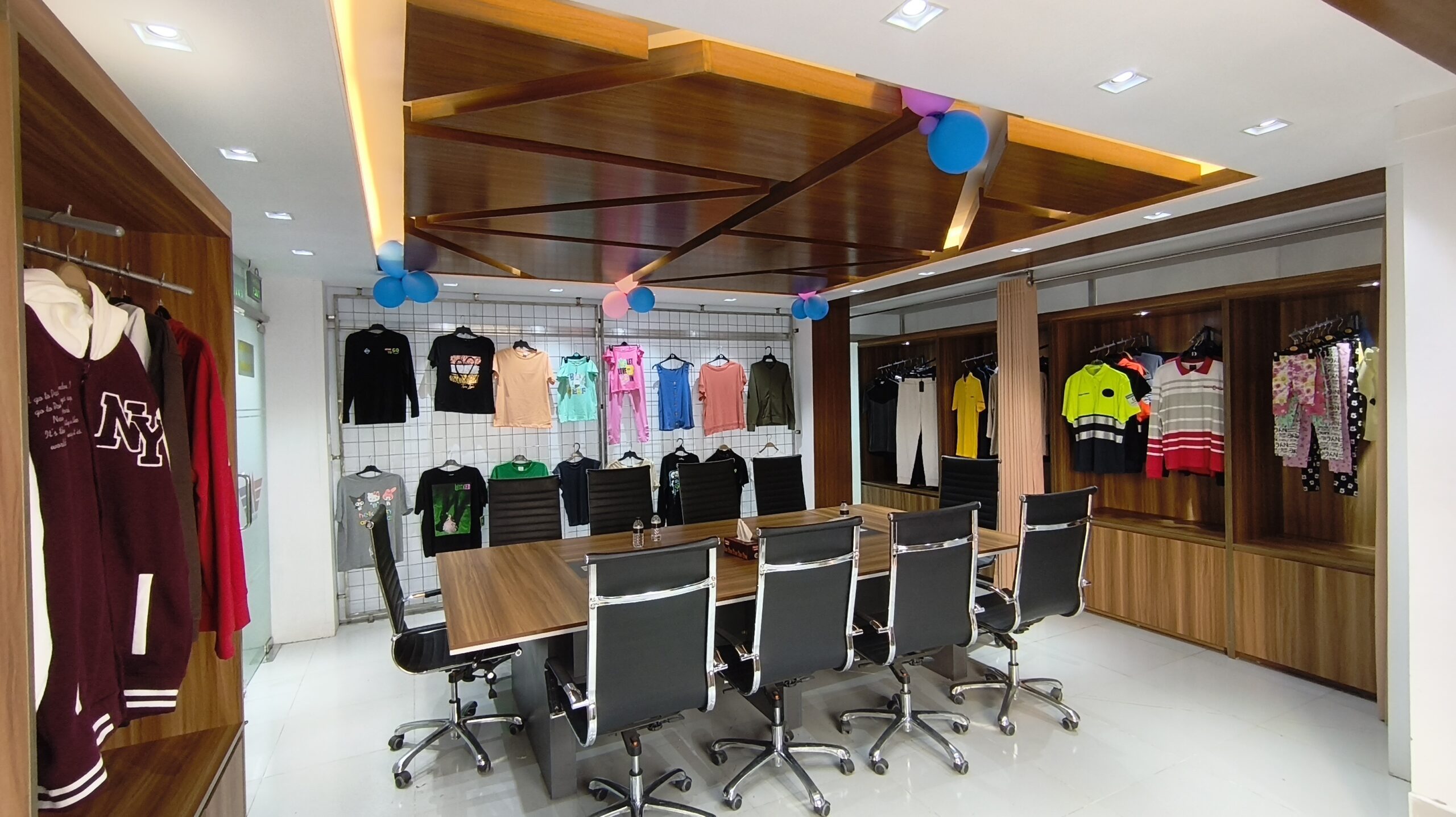
These existing media-gallery photographs are garment and company references. They do not verify a customer relationship, certification or a specification for a new order. Confirm the actual proposed product through your brief and approvals.
Continue with the related guides:
- Private Label T-Shirt Manufacturing in Bangladesh: A Buyer’s Guide
- T-Shirt Tech Pack: 8 Essential Fields for Bulk Production
- T-Shirt Fabric Selection: GSM, Shrinkage and Colourfastness
- T-Shirt Sample Approval Checklist for International Buyers
For US-market label planning, consult the FTC clothing and textiles resources and care-labelling guidance with the responsible importer. Confirm the current requirements for the actual garment and destination rather than reusing a label without review.
Custom T-Shirt MOQ: FAQs
What does custom T-shirt MOQ mean?
It refers to a minimum quantity connected to the proposed garment order or a relevant underlying requirement. Ask whether it applies to the whole order, a style, colour, material or component.
Does a large total order cover every colour minimum?
Not necessarily. A supplier may apply separate conditions to each colour or material. Send the allocation matrix and ask for explicit confirmation.
Can I reduce MOQ by using available fabric?
It is an option to discuss, not a guarantee. Confirm availability, specification, colour, quantities and commercial terms for the proposed material.
Are the example quantities M&A Sourcing’s minimums?
No. All numerical examples in this guide are fictional and only explain allocation calculations. Request an actual quotation for your project.
Should I order more to reduce the unit price?
Compare the total cash requirement, demand uncertainty, development charges and possible leftover stock. A lower unit price alone does not establish the best buying decision.
Will the same MOQ apply to my repeat order?
Confirm it again. Material availability, components, allocation and commercial terms may differ from the original order.
Send your enquiry with garment references, estimated quantities by colour and size, target market, branding requirements and required delivery window. Attach the current technical pack if available and identify which decisions need development support.
Review our T-shirt manufacturing and supplier-selection guide for the wider buying process.