T-Shirt Quality Control Checklist: 10 Essential Bulk Order Checks
A T-shirt quality control checklist helps clothing brands, importers and sourcing teams connect an approved design with the garments actually produced. This guide covers material review, early production, measurements, decoration, final inspection, packing and correction records for bulk orders.
For the wider buying process, see our T-shirt manufacturer in Bangladesh guide. This article concentrates on bulk-order controls, building on the technical, fabric and sample-approval resources in our T-shirt buyer library.
Table of Contents
1. Define what the T-shirt quality control checklist covers
A T-shirt quality control checklist connects an approved product specification with the checks used during bulk production and shipment preparation. It should state what is being inspected, which reference applies and who decides what happens when a discrepancy is found. An instruction to supply high-quality garments is too broad to support a repeatable inspection.
Keep sample approval and bulk inspection separate. A sample establishes an agreed product reference; production checks examine whether the actual goods follow it. A strong sample does not prove that every fabric batch, print application or packed carton matches the order. Use our T-shirt sample approval checklist to establish the reference before applying the bulk controls described here.
Identify the style, quantity allocation, production location and parties responsible for the order. Clarify the role of the supplier’s quality team, any buyer-appointed inspector and the person authorised to release shipment. Do not assume that a supplier inspection report automatically replaces a separately agreed buyer inspection.
2. Lock the approved reference set before production
Prepare the final technical pack, measurement chart, material references, artwork, labels and packing instructions. Each document needs a current revision identifier. The approved sample should have a traceable code rather than being described only as the one sent last month. Differences between the sample and written specification must be resolved or explicitly recorded.
Use one change register for material alternatives, pattern revisions, artwork adjustments and quantity changes. A verbal agreement can become difficult to interpret once several people are involved. Record what changed, who approved it and which later checks must use the revised reference.
Our T-shirt tech pack guide explains how to organise the product instructions. For bulk inspection, the important handover is a consistent reference set: a size chart from one revision and a print diagram from another can create a dispute even when each document looks complete on its own.
3. Review incoming fabric, shade and components
Check that the received materials correspond to the agreed composition, construction, colour and reference. Identify batches or lots where the supplier’s system allows traceability. Keep approved shade and material references accessible, and record the scope of the checks actually performed. A photographic resemblance alone is not sufficient evidence of an exact material match.
Review body fabric and neck rib together with thread, labels and other relevant components. Compare trims and contrast details against the approved garment. If a mismatch is found, identify the affected material and pause the relevant use while the responsible parties decide the disposition. Avoid mixing unreviewed batches simply to maintain a production schedule.
Testing and visual assessment answer different questions. Where properties need laboratory evidence, agree the procedure, sample identity and acceptance criteria. The T-shirt fabric selection guide covers GSM, dimensional change and colourfastness planning. Do not describe a general material certificate as proof that every finished garment meets the buyer’s specification.
4. Examine cutting and early production before defects multiply
Use the approved pattern and production instructions to review the first relevant output. Check garment parts, orientation, identification and any construction-sensitive details under the agreed production plan. The objective is to find a recurring problem while correction can still be applied to subsequent units.
Inspect early completed garments for overall balance, neck opening, shoulder position, sleeve shape, body proportion and the main measurement points. Record actual findings rather than relying on the fact that the production line has started. An early review should generate a clear decision: continue, correct the process or hold the affected work for investigation.
If a defect appears repeatedly, ask the production and quality contacts to identify the affected operation and the range of goods needing review. Correcting one displayed garment is different from demonstrating that the process and affected units have been addressed. Keep evidence of that follow-up.
5. Check measurements and construction against agreed criteria
Measure garments using the methods in the approved chart. State whether they are laid flat, relaxed or in another agreed condition. Record actual values next to the target and tolerance. A reviewer cannot interpret a body-length result reliably unless the starting point and measuring route are known.
Review neckline attachment, shoulder seams, side seams, sleeve hems and bottom hems. Identify skipped stitching, open seams, puckering or another observed discrepancy with a precise location and reference to the expected result. Do not replace product-specific criteria with a generic acceptable-quality statement.
Separate a measurement outside tolerance from a design concern. If a garment matches the approved chart but the buyer now wants a different silhouette, that is a proposed specification change. The team should assess its effect on patterns, materials, work in progress, costs and timing before treating it as a straightforward correction.
6. Inspect prints, embroidery and labels on actual garments
Compare the artwork version, dimensions, colours and position with the approved application reference. Measure placement from the stated garment landmarks. Check the physical result on the actual material; digital artwork alone cannot reveal every issue with coverage, edges, backing, feel or the way decoration interacts with stretch.
Review neck labels, size tabs, care information, hangtags and barcode references where applicable. A label must agree with the garment and quantity allocation. A carton of correctly sewn garments can still cause a receiving problem if sizes are misidentified or retail data is incorrect.
For private-label programmes, use the approved artwork register described in our private label T-shirt manufacturing guide. Confirm permission for the intended branding. Catalogue photographs illustrate products and do not establish a customer relationship or authorisation to reproduce third-party designs.
7. Link care assessments to identifiable bulk materials and garments
Plan any required care or performance assessment before production release rather than inventing a test after a disagreement. Identify the relevant sample, procedure, washing and drying conditions, number of cycles and acceptance criteria. Keep material assessment and finished-garment assessment distinguishable in the record.
AATCC’s TM150 resource concerns dimensional changes of garments after home laundering. A method reference helps define an assessment discussion; it does not establish a universal pass limit or replace the full procedure. Ask the relevant laboratory which assessment is appropriate for the actual product and buyer requirement.
Review the evidence against the agreed conditions. Before-and-after measurements may need to be considered alongside neckline appearance, seam behaviour and decoration. If the proposed production material or application differs from the tested reference, determine whether further assessment is needed rather than silently extending the earlier result.
8. Agree the final inspection and lot decision rules
Define what constitutes the inspection lot, its readiness, the inspection scope and the reference documents. If acceptance sampling is used, agree the applicable plan and decision rules with the responsible quality professionals. The sample size and acceptance decision should come from that agreed approach, not from an arbitrary percentage copied from another order.
NIST describes lot acceptance sampling as using information from a randomly selected sample to decide the disposition of a lot. This is a decision process with limitations: inspecting a sample does not demonstrate that every unit is defect-free. A final inspection should also sit within the wider material and production control process.
Clarify how findings are classified and escalated, and who authorises acceptance, rework, reinspection or another agreed disposition. Do not equate an AQL value with permission to knowingly ship that percentage of defective goods. Keep the full inspection record and the actual release decision connected.
9. Reconcile packing, quantities and receiving information
Confirm that the style, colour and size allocation matches the accepted order and packing instructions. Review unit presentation, garment identification, carton assortment and carton markings. Where barcodes are required, check the approved data and readability using the agreed verification approach.
Compare physical carton information with the packing list. Record any short quantity, mixed assortment or marking discrepancy so that it is resolved or explicitly agreed before handover. Avoid letting the receiving team discover an uncommunicated change after the shipment arrives.
The garment packing checklist provides additional examples that can be adapted to T-shirt programmes. Actual documentation and destination requirements must be confirmed for the goods and shipment; one generic checklist is not a complete instruction for every country.
10. Close corrections and preserve the shipment decision
A useful corrective-action record states the problem, affected goods, containment action, proposed correction, responsible person and verification result. Distinguish the immediate fix from any process change intended to reduce recurrence. A defect photograph without a follow-up decision leaves the status uncertain.
After rework, verify the relevant correction under the agreed plan and review whether the activity introduced another issue. Keep the original finding in the history rather than deleting it. The final record should show why the responsible person considered the affected goods ready for the next stage.
Archive the inspection report, correction evidence, approved references, final allocation and release communication. For repeats, review recurring findings and decide whether the technical pack or control plan needs improvement. This turns the quality record into useful product knowledge instead of a document used only when there is a dispute.
Bulk T-shirt inspection worksheet
Add your style code, lot reference, review date, inspector, current specification and decision owner to this worksheet. Keep each finding traceable to the goods inspected and the criteria applied. A checklist tick should correspond to an actual check, not simply the presence of a document.
| Check area | Approved reference | Record or action |
|---|---|---|
| Fabric and trims | Material codes and shade reference | Batch identity and discrepancies |
| Measurements | POM chart and tolerances | Actual values and review decision |
| Construction | Technical pack and sample | Located findings and correction |
| Decoration | Artwork and application sample | Version, size, position and appearance |
| Labels | Approved artwork and allocation | Style, size and other required information |
| Care evidence | Agreed procedure and criteria | Sample identity and referenced results |
| Packing | Allocation and carton instructions | Assortment and marking reconciliation |
| Release | Inspection and exception records | Authorised disposition and date |
Turn findings into closing decisions
Assign an owner and a response date to unresolved items. These examples show the type of question to ask; the appropriate disposition depends on the actual goods, buyer requirements and agreed commercial arrangements.
| Finding | Immediate question | Evidence needed to close |
|---|---|---|
| Measurement outside tolerance | Which sizes or goods may be affected? | Agreed correction and verified measurements |
| Wrong artwork revision | Where has that version been applied? | Approved disposition and application check |
| Shade mismatch | Which materials or batches are involved? | Reviewed material reference and decision |
| Incorrect size label | Which garments and cartons are affected? | Reconciled labels and allocation |
| Carton quantity discrepancy | Does the physical count match documents? | Corrected list or written agreed exception |
A fictional bulk-order correction example
A fictional buyer approves a regular-fit T-shirt in three sizes with one chest application. During an early production review, the team finds that the logo on several inspected garments is placed differently from the approved diagram. The sample’s fit remains useful as a reference, but it does not excuse the placement discrepancy in the produced goods.
The quality contact records the artwork version, garment sizes, relevant production references and actual placement findings. The team identifies which goods may be affected and holds the relevant work while an authorised decision is made. The purpose is to define the affected scope rather than assuming either that every garment has the problem or that only the displayed examples do.
The supplier presents a correction proposal or another disposition for review. The buyer considers the physical garment result and any consequences for appearance or usability before authorising a route. An additional approved reference may be required. A corrected photo alone does not establish that all affected goods have received the same action.
Follow-up verification is recorded against the original findings. The decision sheet identifies what was checked, the outcome and any remaining exception. The packing and shipment records then use the final accepted references and quantities. This example describes a control process; it is not an actual M&A Sourcing case study, a promised inspection service or a standard settlement for every defect.
Illustrative quality-review sequence
These bars show the sequence of preparation and review only. They are not live production status or measurements of completion for your order.
1. Confirm the approved references
2. Review materials and early output
3. Record production findings
4. Verify corrections and packing
5. Document the authorised release
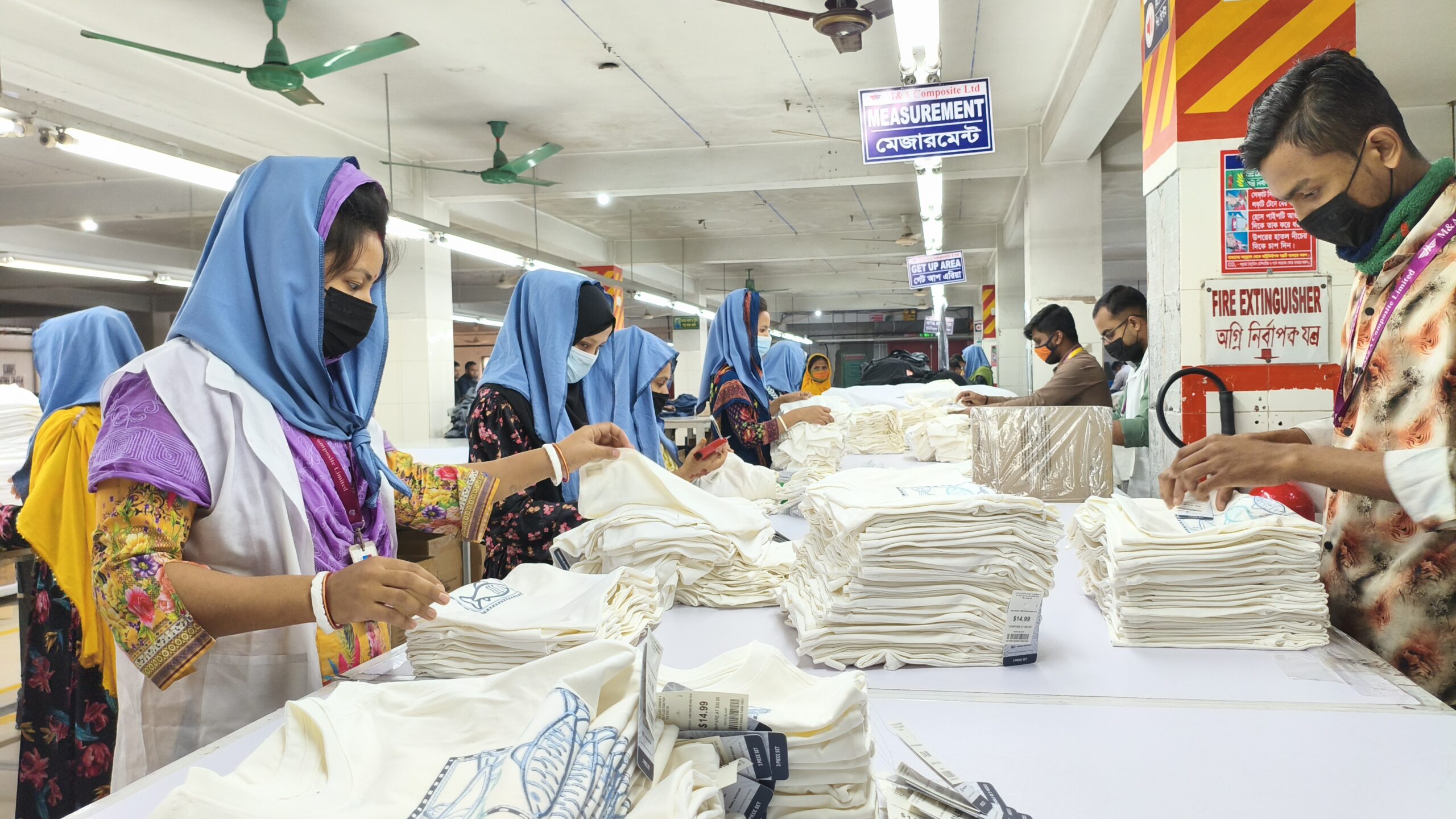
Related garment and company photographs
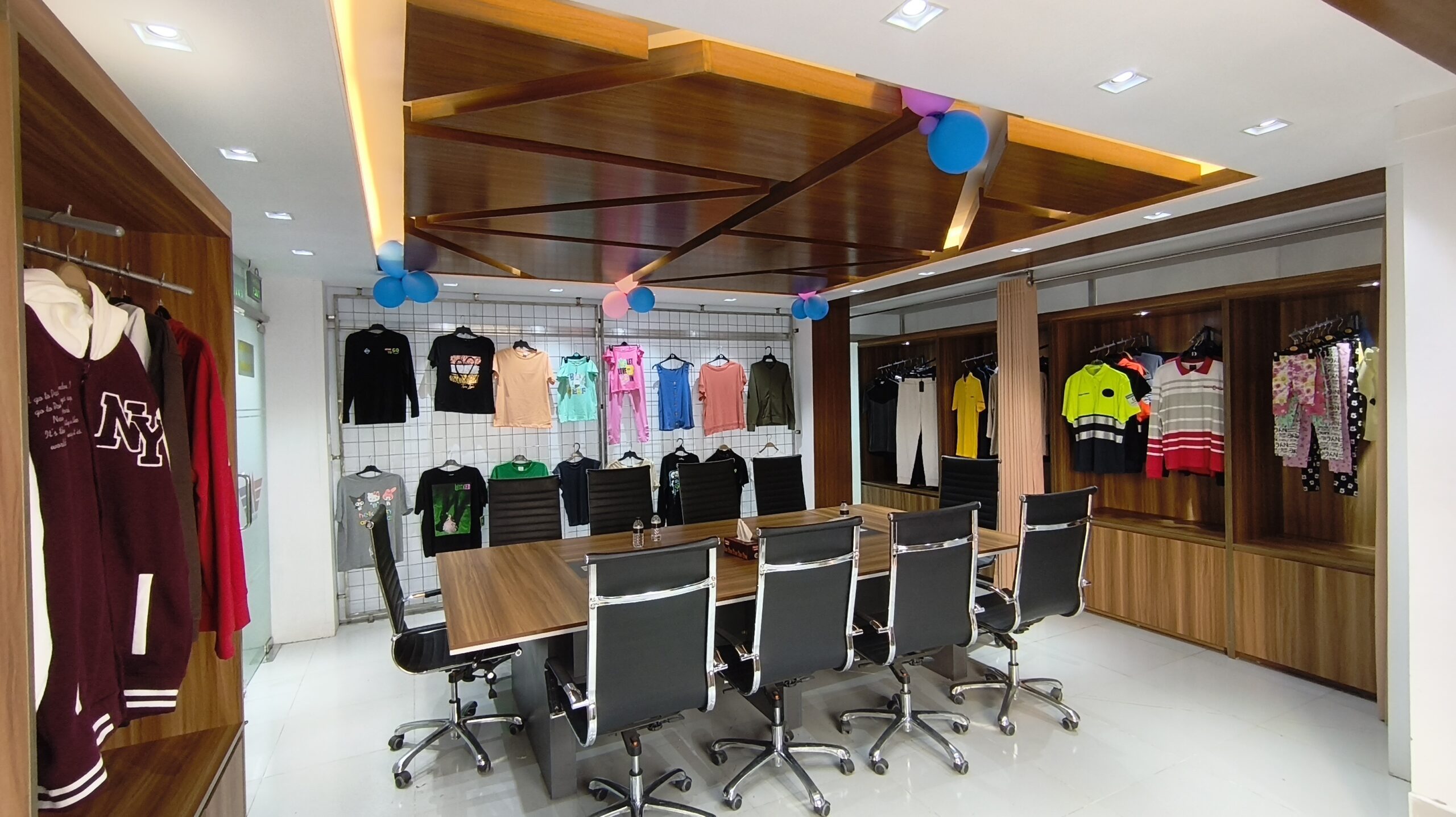
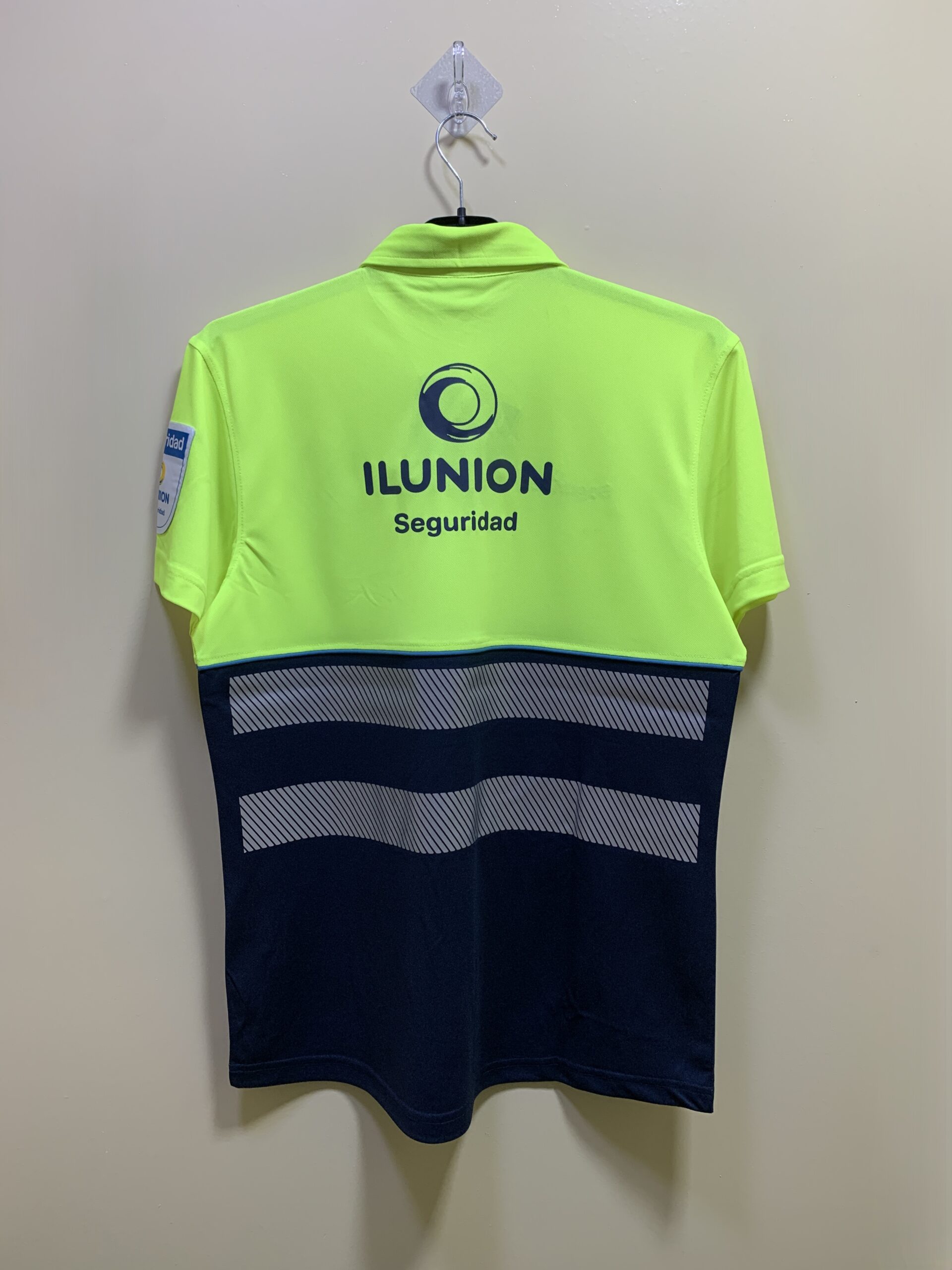
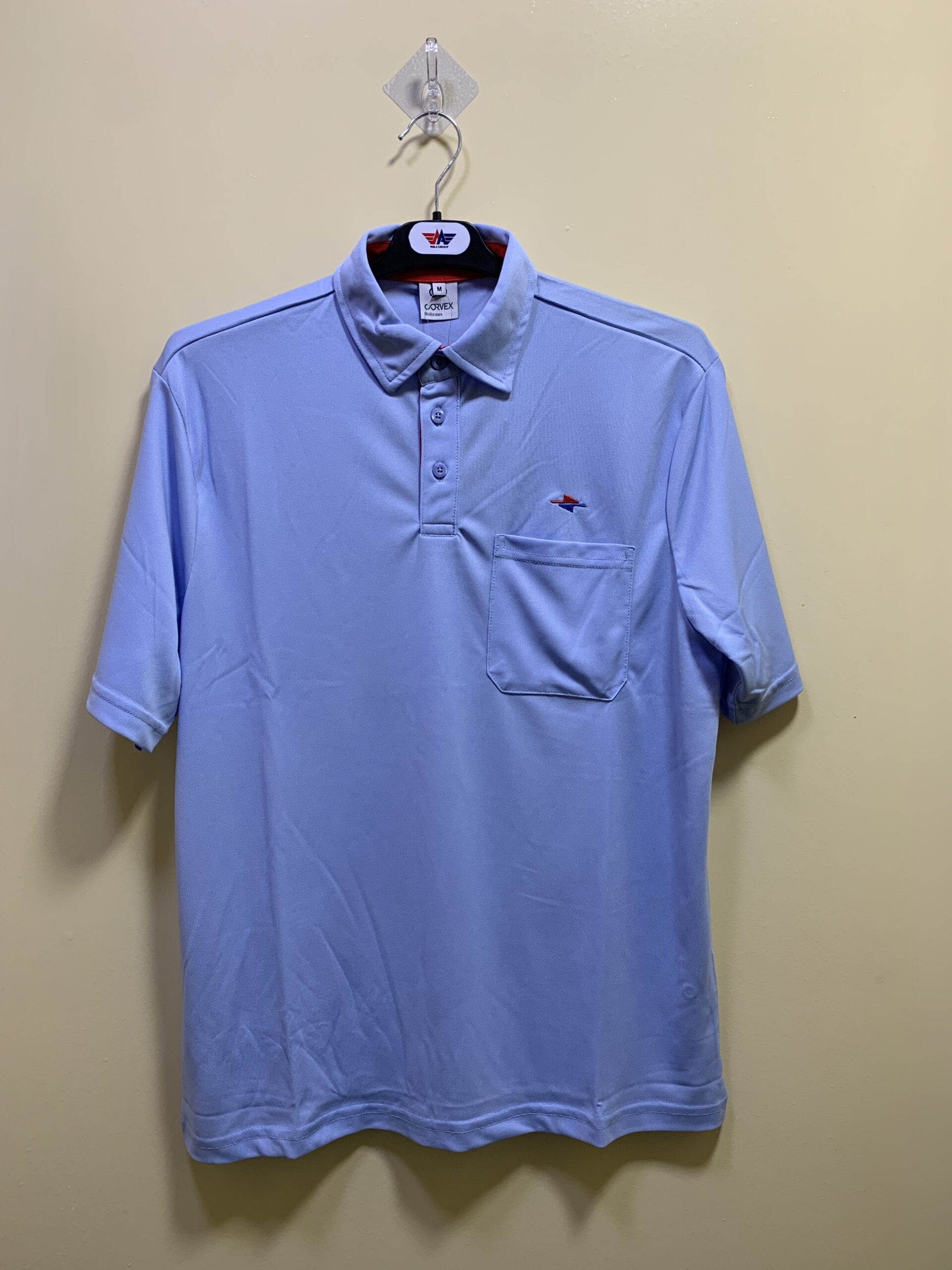
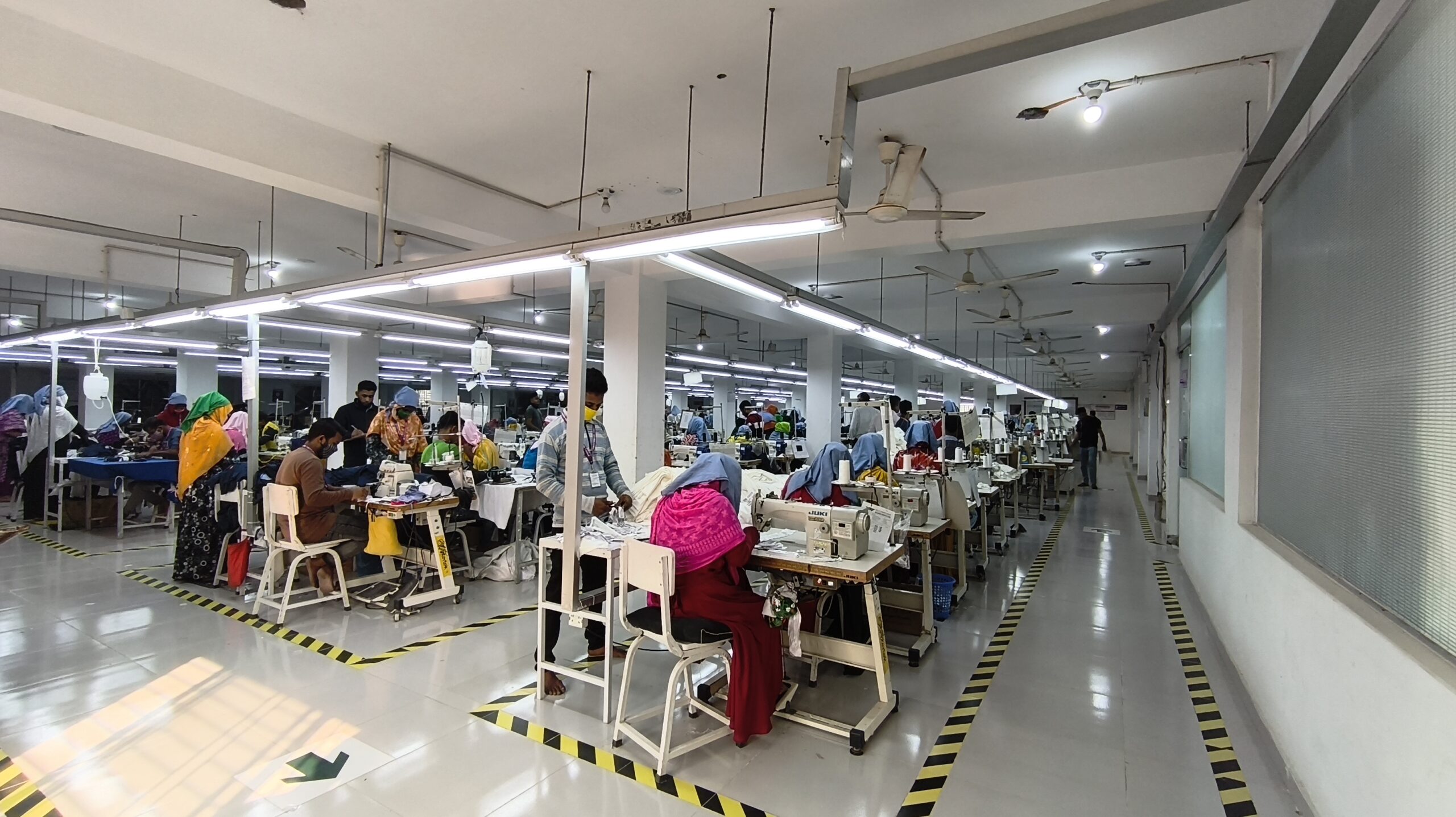
These real images come from the company media gallery. Product photographs are enquiry references; they do not establish customer relationships, inspection results, available capacity or performance of a proposed new garment.

Continue your T-shirt buying preparation
- T-shirt tech pack: define the production instructions
- Fabric selection: materials and assessment questions
- Sample approval: establish the garment reference
- Custom T-shirt MOQ: prepare the allocation
Technical reference resources
NIST: introduction to lot acceptance sampling explains the basis of a sample-supported lot decision. ASQ’s sampling standards overview provides further context for discussing an appropriate plan. These resources do not select a plan or acceptance criteria for your specific order.
For garment dimensional-change assessment, consult AATCC TM150 and the relevant laboratory. This guide does not reproduce a test procedure or prescribe universal acceptance limits.
T-Shirt Quality Control Checklist: FAQs
What should a T-shirt quality control checklist include?
Include the current product references, materials, measurements, construction, decoration, labels, relevant care evidence, packing and the authorised shipment decision. Record the inspection scope and how findings will be corrected and verified.
How is bulk quality control different from sample approval?
Sample approval establishes an agreed garment reference and any exceptions. Bulk controls examine production goods against that reference and the order requirements. A good sample does not establish that every produced unit matches it.
Does inspecting a sample prove the whole order is defect-free?
No. Acceptance sampling supports a lot decision under an agreed plan and has limitations. Define the lot, selection approach, criteria and release authority with the responsible quality professionals.
Should I use a fixed AQL for every T-shirt order?
Do not choose a plan merely because it appears in another order. The buyer and relevant quality professionals should agree the inspection approach, classification, decision rules and any specific requirements for the actual product.
Which measurements should be inspected?
Use the approved measurement chart and agreed review scope. Define each point, measuring condition and tolerance, then record actual results. Do not substitute an informal fit impression for the specified measurements.
What happens if a print is incorrectly positioned?
Identify the affected garments and compare the application with the approved placement reference. Record the correction or other agreed disposition, then verify the outcome before release by the authorised person.
Does a wash-test method specify a universal acceptable shrinkage?
A method reference and a buyer’s acceptance criteria are different parts of the assessment. Agree the applicable procedure, conditions, sample identity and acceptance requirements before interpreting the results.
Can M&A Sourcing quote a T-shirt order from this checklist?
Send the checklist with your design references, technical pack, estimated style-colour-size quantities, target market and delivery window. Ask M&A Sourcing to confirm actual feasibility, quality responsibilities and project-specific commercial terms.
Contact M&A Sourcing Ltd. with your technical pack, expected quantities, branding, target market and required delivery window. Ask for written confirmation of actual capabilities, quality responsibilities and the proposed commercial terms.
Read the main T-shirt manufacturer in Bangladesh guide to connect this checklist with the wider sourcing process.