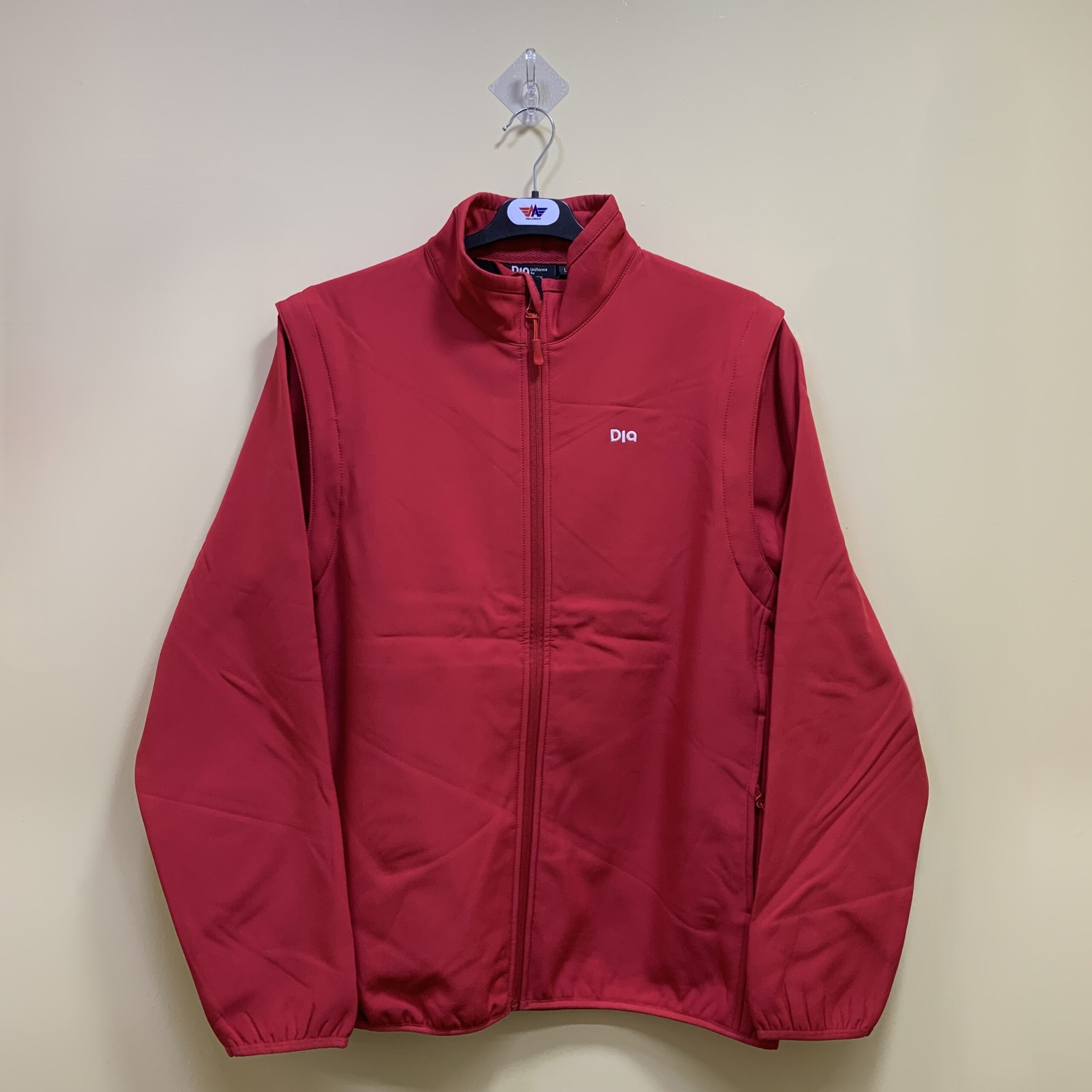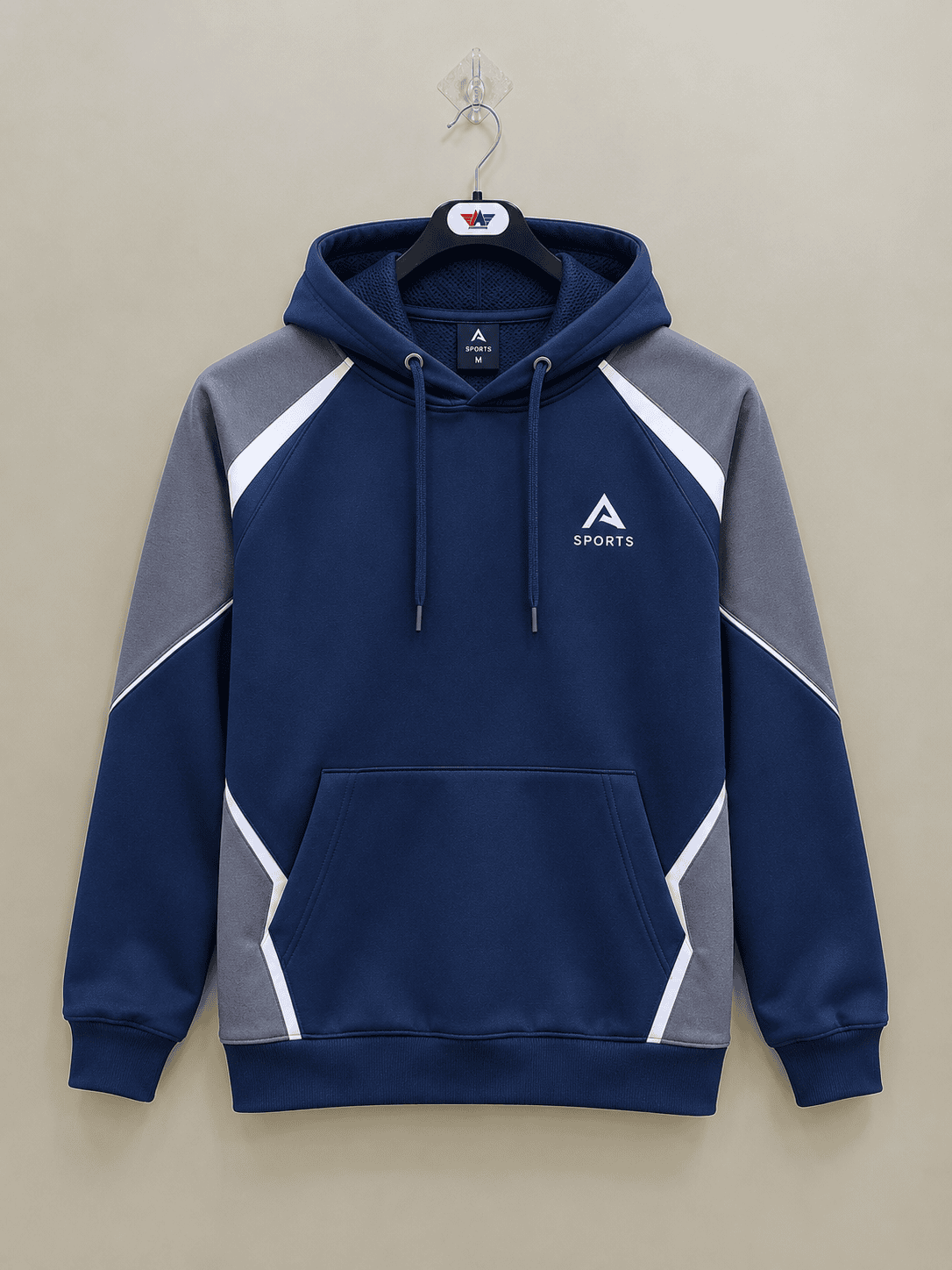
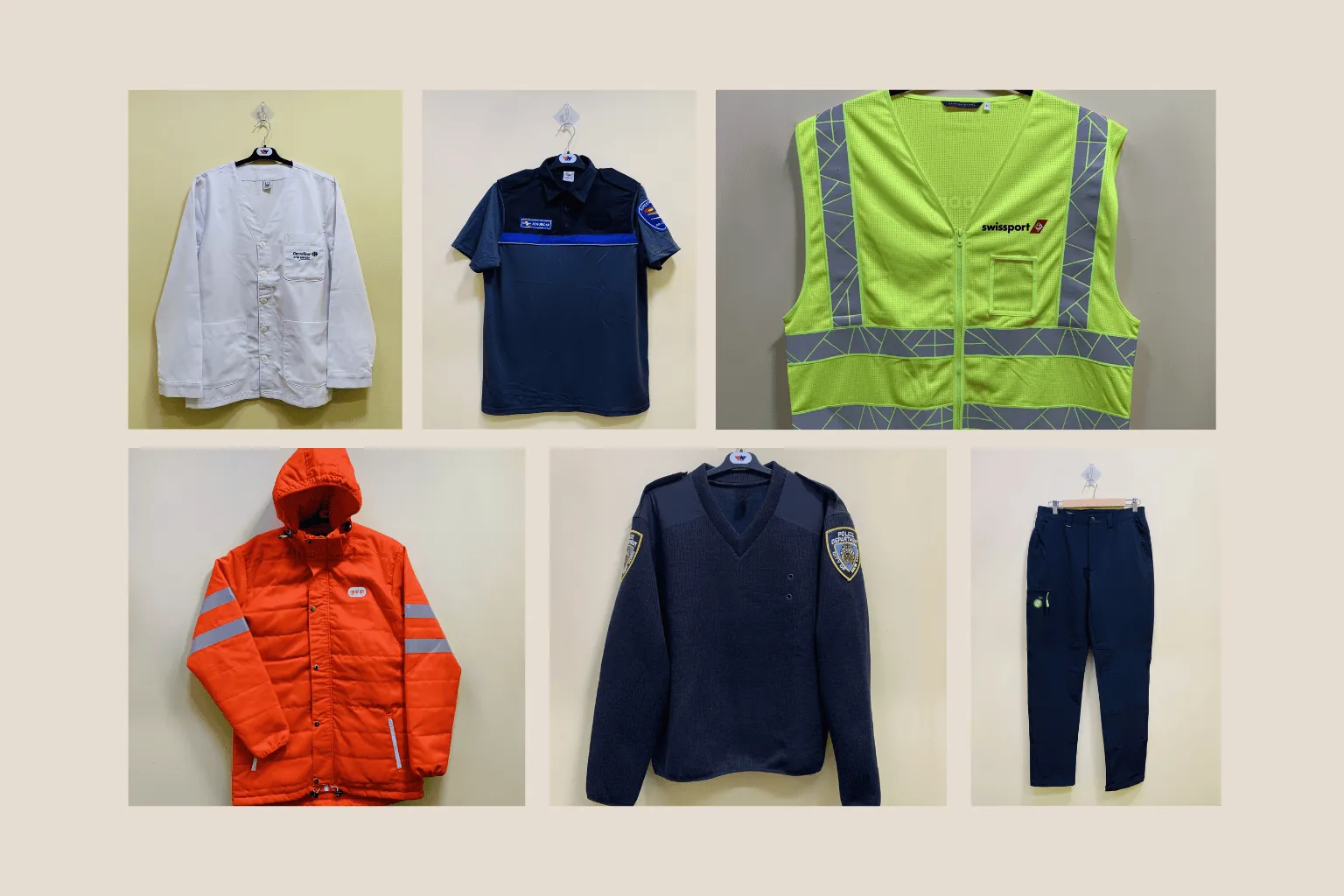
Choosing a workwear manufacturer in Bangladesh for repeat orders means planning how approved garments reach the right people at the right time. This guide helps buyers manage uniform replenishment across locations, from stock counts and reorder triggers to material continuity and receiving. It includes an illustrative stock calculation and a change review table. The planning figures are examples for explanation, and the buyer should replace them with its own demand, lead time and acceptance requirements.
Table of contents
1. Choose a workwear manufacturer in Bangladesh for repeat supply
A repeat uniform order needs a different brief from a first collection. The buyer already has garments in circulation, employees have learned their preferred sizes and some locations may hold older stock. The new shipment must fit into that system. Begin by identifying which styles will be repeated, which ones need a change and which ones are being retired. Give the supplier the current revision for each live style and explain where the new stock will be issued.
Separate the initial issue from replacement demand. A newly opened site may need a full allocation for every employee, while an established location may need a few specific sizes to replace worn garments or cover recruitment. Adding both needs into one total can hide a shortage in a particular variant. Build a schedule by location, role, style, size and color before asking for a price. Put confirmed launch quantities beside the expected replacement quantities so the assumptions are visible.
When discussing repeat supply with a Workwear Manufacturer in Bangladesh, ask how it will identify the previous order and reproduce the approved specification. Request confirmation of the fabric reference, artwork, manufacturing location and sample held against that order. If any component is unavailable, ask what comparison sample and approval will be needed. A photograph of the previous garment can support the conversation, but the buying file should identify its measurable requirements and approved materials.
Assign an owner for keeping that buying file current. Purchasing needs a usable quotation, the technical team needs a controlled specification and each site needs a garment code it can request. Give them one current product reference with a dated revision. If a buyer approves a change during sampling, distribute it to the people who place orders and inspect deliveries. A reliable repeat program depends on those teams identifying the same garment when they use the same code.
2. Build demand from issues, returns and usable stock
Begin with a stock count that distinguishes usable garments from pieces awaiting inspection, repair or return. A box of the correct size can appear available while its contents are already allocated to new starters. Count by garment variant and location, and record the date of the count. Use an issue log to show which items left the stockroom and why. A replacement for wear, an employee size exchange and a new starter issue answer different planning questions.
Review exchanges before treating them as new consumption. If an employee swaps one unused medium polo for a large, the returned medium may become available again after the stockroom checks its condition. Recording both items as consumed inflates demand. Keep the original issue, returned item and replacement connected in the record. Mark whether the returned piece can be reissued and whether it carries a permanent name or location mark that limits where it can go.
For a new site, use the planned headcount, approved issue allowance and measured size requirements to calculate the opening allocation. Identify which information remains provisional and when it will be confirmed. For an established site, look at actual weekly issues and the causes of unusual peaks. A uniform replacement campaign or one-off recruitment round can produce a spike that should be reviewed separately when estimating routine replenishment.
Share a clear summary with the supplier. It should show confirmed quantities, forecast quantities and the date by which each becomes an order. Ask what flexibility exists before materials are committed and which changes affect price or delivery. This gives purchasing a reasoned quantity schedule instead of a broad request for the same number of garments as last year. The workwear order checklist helps connect that schedule with the rest of the purchase file.
3. Keep garment codes and revisions understandable
Give every orderable variant an identity that a site, factory and warehouse can read. At minimum, the record should distinguish style, fit, size and color. Include inseam length, artwork or location where those affect what can be issued. A code such as TR01-NV-34-R can represent a particular trouser, navy shade, waist size and regular length, provided the legend explains it. Use the same definition on the purchase order, packing list and stock record.
Keep technical revisions separate from ordinary size variants. A trouser with a moved cargo pocket may need a new revision even if the waist and color stay the same. Decide whether old and new revisions can be issued together. If employees need to distinguish them, make the revision visible on an internal label or the stockroom record. If they are interchangeable for the program, record that decision so receiving staff can apply it consistently.
Use a change log to explain each revision. Write what changed, which sizes or colors it affects, why it was approved and the first order that should use it. Attach the revised drawing, measurement sheet or artwork file. A log entry such as pocket opening widened after a device case change provides a reason the next buyer can verify. It also helps the supplier identify which part of an old sample still applies.
Keep a physical reference where practical and identify its condition. A heavily used shirt may demonstrate a fit preference, while a retained production sample can show the accepted original color and construction. Label each reference with the order and revision it represents. The workwear tech pack checklist can help organize drawings, material references and labels so a new contact can continue the program without reconstructing the approval history.
4. Agree when a replenishment order should start
A basic stock trigger combines expected demand during the replenishment lead time with an agreed reserve. The useful lead time runs from the buyer’s release of an order through receipt of usable stock. Ask whether the supplier’s quoted weeks include material procurement, decoration, inspection and transport. Add any internal approval or receiving delay that affects when a garment can actually be issued. Record the assumptions before using the figure in a stock rule.
For a simple planning example, assume one trouser variant is issued at eight pairs each week and usable replenishment takes six weeks. Expected consumption during that period is forty-eight pairs. If the buyer selects a reserve of sixteen pairs, the illustrative trigger is sixty-four pairs. These numbers describe an example, and the buyer should replace them with the program’s actual issues, delivery experience and chosen reserve. Variable demand or an uncertain lead time requires an additional planning review.
Compare the trigger with the inventory position rather than the shelf count alone. For this example, define inventory position as usable stock plus confirmed inbound stock, less allocations already committed but not issued. If the warehouse holds fifty pairs, has twenty confirmed inbound and owes twelve to new starters, the position is fifty-eight. That is below the example trigger of sixty-four and should prompt a buying review. Confirm when the inbound units are due before deciding whether they cover an immediate shortage.
Order quantity is a separate decision. Review the supplier’s minimums, available sizes, expected future issues and delivery schedule. Avoid adding slow-moving sizes just to repeat an old assortment without checking the need. Record who can authorize an order and who receives a warning when a particular variant approaches the trigger. A table with these inputs makes the decision easier to maintain when staffing, uniform policy or delivery conditions change.
| Planning input | Example value | Calculation or meaning |
|---|---|---|
| Average routine issues | 8 pairs per week | Replace with the program’s issue data. |
| Replenishment lead time | 6 weeks | Order release to usable receipt, using the stated assumptions. |
| Expected lead-time consumption | 48 pairs | 8 pairs × 6 weeks. |
| Buyer-selected reserve | 16 pairs | An example reserve that needs review for the actual program. |
| Illustrative trigger | 64 pairs | 48 pairs + 16 pairs. |
| Usable stock / inbound / allocations | 50 / 20 / 12 pairs | Use confirmed records for the relevant garment variant. |
| Inventory position | 58 pairs | 50 + 20 − 12. Below the example trigger, prompting a purchase review. |
5. Confirm fabric, color and trim continuity
Before each reorder, ask whether the quoted fabric and trims match the approved references. Record the fabric source or supplier code, composition, construction, finish and accepted color reference. For a polo, include the collar and cuff materials. For trousers, include pocketing, reinforcement and fastenings. Two fabrics carrying a similar description can behave differently in the finished garment, so compare the actual components intended for production.
Ask how the supplier identifies dye or finishing lots. If employees at one location will wear garments from different shipments together, review representative samples side by side. Compare the body, trim and decorated areas under the agreed approval conditions. Where variation is accepted, retain a labeled range or another clear reference the inspector can use. A photo supports communication, while a controlled physical sample helps people judge the same material rather than differences between screens.
Treat a substitution as a documented change. Ask which features could be affected and what evidence is available. A new rib material can change a polo opening, a different zipper can change operation and a finish change can affect trouser dimensions. Decide whether a swatch, trim sample or complete garment is needed to review the proposal. Record the accepted replacement and the order from which it applies before the supplier commits to it.
A workwear manufacturer in Bangladesh should receive clear continuity requirements in the reorder brief. Ask it to identify planned changes while the buyer can still sample and choose. Give a response deadline and a contact who can make the decision. Keep the fabric selection record with the purchase history so the next order can be compared with the specification the buyer actually approved.
| Proposed change | Affected review | Evidence to retain |
|---|---|---|
| New shell fabric or finish | Fit, shade, care and decorated appearance | Labeled material reference and the relevant garment trial. |
| Different collar, rib or zipper | Opening dimensions, operation and comfort | Trim reference plus a finished sample where needed. |
| Larger device or new pocket position | Loaded access, seated comfort and garment balance | Device dimensions, pocket drawing and wear observations. |
| New artwork or identification | Legibility, placement and use across sizes | Approved artwork and decorated sample. |
| New laundry route | Measurements, surface and component behavior | Care settings and before-and-after sample records. |
| Different production arrangement | Responsibilities and the buyer’s sourcing review | Facility details, relevant documents and agreed follow-up. |
6. Recheck fit when the workforce or the garment changes
A successful first fitting does not settle every future fit question. The workforce may change, a location may introduce a thicker underlayer or the buyer may add sizes beyond the original range. Record what prompted the new review. When feedback is limited to a certain role or size, include representative wearers from that group and compare the current garment with the proposed sample under the same activities.
Distinguish wearer measurements from garment measurements. A body size tells the buyer about the person, while the finished garment chart defines the item the supplier makes. Keep the measurement method and intended fit allowance clear in the product file. ISO’s ISO 8559-1 overview describes body measurements used in clothing size designation. The buyer still needs a garment chart, measuring points and tolerances that correspond to the selected pattern.
Use a short movement trial linked to the role. A wearer might sit, reach, bend or use a loaded pocket while the reviewer notes where tension or excess fabric appears. Record the garment size, layer and task alongside the observation. If a trouser pocket is difficult to reach, check the placement and garment balance before assuming the entire trouser needs to be larger. Have the supplier explain the proposed correction and verify it in the next sample.
Review the ends of the size range when the pattern or grade changes. Check pocket and logo locations as well as body dimensions. If the buyer approves an alternative fit, assign an orderable code and prepare size guidance for the issue team. Link the change to the workwear size chart and identify which older stock can still be used. That record prevents a fit improvement from creating confusion at the stockroom.
7. Align the care label with the actual laundry route
Ask who cleans garments at each location and record the process used for approval. A home-laundered polo, a trouser washed on site and a garment handled by a laundry service may follow different routines. When the care route changes, review the garment against that route before ordering a large replacement batch. Confirm the care label with the responsible technical team using the complete garment, including decoration and trims.
GINETEX explains textile care through washing, bleaching, drying, ironing and professional care symbols in its care labelling guidance. Use the agreed instructions consistently on product records and labels. For a uniform program, also give the laundry or issue team the information it needs to handle the garments. If a label is revised, identify which stock carries the earlier instructions and review how those units will be managed.
Document a representative wash trial with the agreed settings, drying method and number of cycles. Measure selected garment points before and after using the same procedure and sample condition. Inspect the collar, seams, pockets, fastenings and decorated areas. Retain an unwashed reference. Repeat the relevant wearer movements after care because a combination of dimensional changes can affect comfort even when individual differences look small.
Give each sample a code and keep the care record with the fit approval. If a result falls outside the agreed requirement, send measurements and photographs to the supplier and request a proposed correction. Record the retest and the decision. The sample approval guide helps connect those observations to the garment released for production. Carry the confirmed care information into the reorder file so a new buyer can identify what was evaluated.
8. Control artwork and employee identification
A repeat garment can be made correctly and still be unsuitable for issue if it carries the wrong logo. Keep the approved artwork file, finished dimensions, thread or print colors and placement drawing with the garment revision. Identify the reference point used to measure each position. For several locations, list which logo belongs to each order line rather than relying on similar file names or a message in an old email.
Decide how permanent names or location identifiers will affect reissue. An unused returned garment with a person’s name may have limited use elsewhere in the program. Record which items can return to general stock and which need a separate allocation. For pooled uniforms, consider the approved method of identifying the wearer or department before requesting a large quantity. Ask issue staff how they will read and record the identifier during exchanges.
Review any artwork change on the intended material. Check the smaller text, contrast, placement and feel of the reverse surface. Try the garment with the normal layers and pocket contents. A logo near a trouser pocket should leave the opening usable, and a shirt logo should sit as approved across the sizes affected. Include decoration in the relevant care review and retain the accepted reference beside the artwork chart.
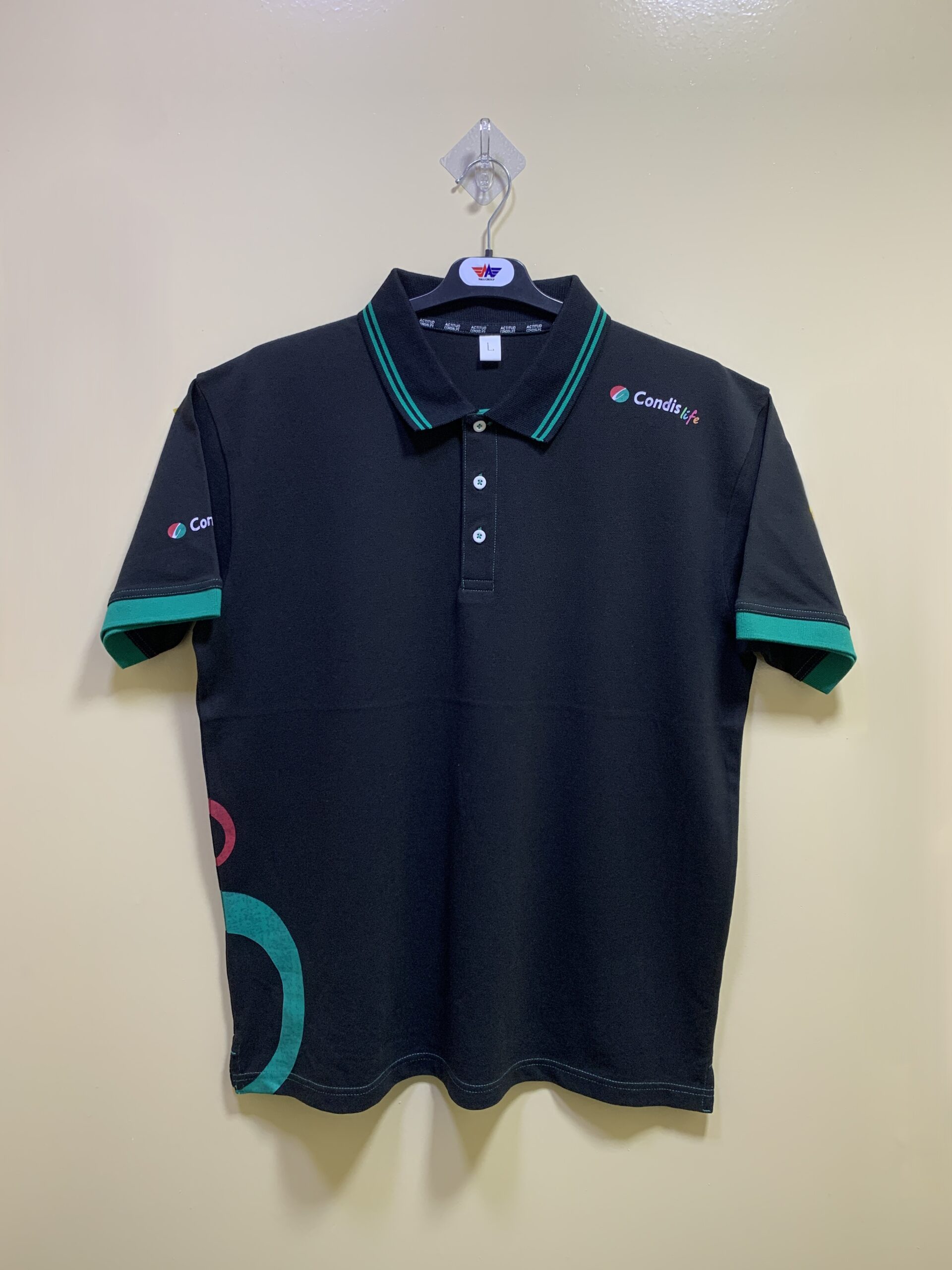
For a workwear manufacturer in Bangladesh handling several similar programs, clear variant instructions help production and packing identify the correct combination. Ask for confirmation of the artwork version before branding starts. If a supplier proposes another decoration method, compare a finished sample and revise the quotation where needed. The embroidery and printing guide offers questions for that review. Keep the final application and location map available to receiving staff.
9. Review supplier responsibility alongside the repeat order
Confirm who will coordinate the repeat purchase and which facilities are proposed for the work. Ask where cutting, sewing, decoration and any finishing will take place, especially when those activities are managed separately. Keep the contacts and responsibilities current. A new person handling the account needs access to the same approved materials, samples and buyer requirements as the previous contact.
Ask the supplier to identify changes in the proposed production arrangement. A repeat style may use a different facility, finishing provider or component source. Decide what review those changes require in your program and record the outcome before production release. Request evidence tied to the actual operation or product where your purchasing requirements call for it. Have the buyer’s responsible team check the scope, issuing organization and relevance of any documents used in the decision.
The OECD’s garment and footwear due diligence guidance provides a reference for reviewing impacts in apparel supply chains. Use it alongside the buyer’s sourcing process when deciding what information to obtain and how to follow up. Keep a record of questions, findings and agreed actions, with owners and review dates. A single attachment in the order folder should not become the whole review.
For garments with defined protective requirements, have the buyer’s responsible specialist review the exact product and evidence required for its intended role and destination. Identify that approval separately in the style record. Include the approved configuration in any change review, so a material or decoration substitution reaches the correct decision maker. This gives purchasing a clear route for questions that exceed ordinary fit, appearance and stock allocation decisions.
10. Compare reorder prices against a defined delivery plan
Request a quote against the current style revision and quantity schedule. Ask the supplier to show which costs cover garments, decoration setup, samples, labels, destination packing and transport where applicable. Reconfirm the delivery basis and destination. When comparing a repeat price with an earlier purchase, identify any change in the quantity mix, material, artwork or packing scope before treating the difference as a like-for-like price movement.
Confirm minimum quantities at the level where they apply. Sewing, dyed colors, particular trims or artwork variants may have separate constraints. Ask whether repeat demand from several locations can share common material buying while using separate size and carton schedules. Compare a smaller delivery with a larger run using the quantities the business can issue and store. The workwear MOQ guide provides related questions to put into the request.
Build the delivery schedule around approvals and usable receipt. Record material confirmation, any resampling, final release, production review, packing and dispatch. State what information must be provided before each milestone. If sizes remain provisional, agree a date for finalizing them and document the effect of a late change. Give each site a delivery expectation based on confirmed milestones, and revise it when an approved change affects the timeline.
When choosing a workwear manufacturer in Bangladesh for ongoing supply, ask how partial deliveries, shortages and replacement units will be communicated. A total dispatch count can conceal a shortage in a size one site needs immediately. Request a variance list by order line before accepting the packing schedule. Identify the buyer who can approve a revised allocation and retain that decision with the order. This keeps a supply adjustment visible to both the warehouse and the sites waiting for garments.
11. Receive by variant, lot and approved reference
Prepare the receiving team before the order arrives. Give it the packing list, purchase order, current specification and the sample or photographs needed for comparison. Define what it should check and which differences require escalation under the buyer’s inspection plan. Include legitimate variations, such as separate logo placements for certain sizes or two approved inseam lengths. The team should be able to reconcile an item without reconstructing the sample history.
Start with carton identity and counts by style, size, color and destination. Check that labels describe what is inside. Inspect selected garments against the agreed measurements, construction, shade and artwork. Where a feature supports a role, test it using the approved reference item or method. A device pocket can be checked against its specified opening and the relevant case, while a fastening can be operated on the finished garment.
Record any discrepancy before mixing stock from several lots. Retain the carton reference, garment code, quantity involved, photographs and the measurement method used. Ask the supplier to identify affected production where appropriate and agree how follow-up evidence will be reviewed. Record the outcome beside the finding. If the buyer accepts a limited exception, define the relevant order lines and whether it affects the reference for later purchases.
Release accepted stock into the same inventory record used for planning. Update usable quantities and outstanding allocations, then issue to the correct site or reserve. Close the original inbound line so the system does not count delivered units twice. The packing checklist can help align carton descriptions with this receiving process. Retain stock that needs further review under a separate status until the responsible person makes an acceptance decision.
12. Run a reorder review with your workwear manufacturer in Bangladesh
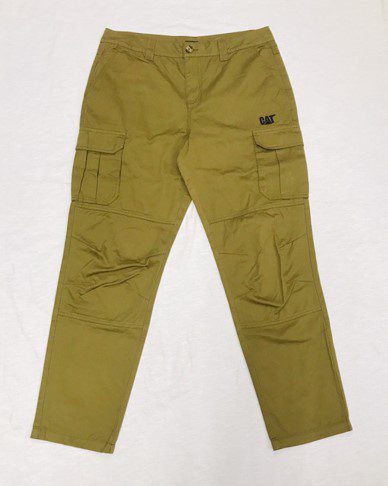
Consider an illustrative program with two sites using the same navy cargo trouser. Both sites share the approved fabric and construction, but they issue different size mixes and have different staff recruitment plans. The buyer starts with a count of usable stock, unfilled employee allocations and confirmed inbound units. It applies the planning example in this guide to each important variant, then reviews the expected issue date for any shortage.
One site introduces a larger protective case for its handheld device. The existing pocket meets the old opening requirement but needs review with the new case. The buyer sends the dimensions, photographs and desired access to the supplier. It requests a sample with a revised pocket while retaining the approved fit references. Wearers try the sample standing and seated, then repeat the review after the agreed care trial. The technical file records the accepted opening and placement.
The buyer assigns a new revision and decides how it can be issued with older garments. Purchasing sends the approved sample reference, site allocation and required delivery dates to the supplier for a revised quote. Receiving gets the same revision and the first order to which it applies. After issue, the buyer records pocket feedback and exchanges by location, checking whether the change solved the specific problem that prompted it.
Use that sequence when preparing your own repeat purchase. Send a current garment specification, quantities by variant, available stock and the questions the new sample must answer. Review the workwear product category and Cargo & Trouser category for the relevant product discussion. Contact M&A Sourcing with the reference files and schedule. A workwear manufacturer in Bangladesh can respond more precisely when the brief connects the approved garment, the change required and the date the stock must be usable.
Frequently asked questions
What should I send a workwear manufacturer in Bangladesh for a reorder?
Send the current style and revision, approved sample reference, material and artwork files, quantities by size and color, site allocations and required receipt date. Identify requested changes and ask the supplier to confirm material availability before quoting.
How can I calculate a simple uniform reorder trigger?
In a simplified stable-demand example, multiply weekly issues by the number of weeks needed to receive usable replacement stock, then add the buyer’s chosen reserve. Compare the trigger with usable stock plus confirmed inbound units, less committed allocations. Review the assumptions when demand or delivery time changes.
Should employee size exchanges count as new demand?
Record both sides of the exchange. If a returned unused garment is accepted back into usable stock, update that quantity rather than treating both pieces as consumed. Keep permanent names or location restrictions visible when deciding where the garment can be reissued.
When should a repeat uniform need another sample?
Review a new sample when the proposed change affects fit, materials, construction, pocket use, decoration or the approved care result. Identify which checks must be repeated and keep the accepted sample linked to the revised specification and affected order.
How can two sites share one workwear purchase?
Group genuinely common materials where the supplier allows it, then retain separate quantities by garment variant and destination. Confirm minimums for colors and logos. Give the warehouse a carton and allocation list that matches each site’s approved size requirements.
How do I manage a fabric or trim substitution?
Ask the supplier to identify the proposed replacement and its effect on the garment. Compare the relevant swatch, trim or complete sample with the approved reference. Complete the affected checks, record approval and identify the first order to use the new component.
What evidence should receiving staff use for a repeat order?
Provide the purchase order, packing list, current measurement chart, approved sample and color or artwork references. Include any limited exceptions. Record findings by garment variant and carton before stock is mixed with other deliveries.