Workwear Embroidery vs Printing: 7 Essential Tips for Better Logos
Workwear embroidery vs printing: which method suits your uniform logo? Compare the actual garment, artwork, decoration process and care requirements before approving bulk production. This buyer guide explains seven practical decisions for international workwear and uniform orders.
Published by M&A Sourcing Ltd. This is a procurement and sample-review guide, not a laboratory report. Catalogue photographs illustrate product references; no image here establishes tested decoration performance or a customer relationship.
Table of Contents
1. Workwear embroidery vs printing starts with the garment
Workwear embroidery vs printing is a specification decision before it is a price decision. A small company crest on a polo, a large back graphic on a hoodie and an identification mark on a jacket can have different requirements. Define the wearer, garment, artwork, location and care expectations before asking which method is best.
Embroidery creates a design with stitches. Printing covers several different processes, so a quote that says only “printed logo” is incomplete. Screen printing and heat-applied transfers should be identified separately. Even within one category, the chosen materials, application and garment construction affect the proposal.
Start with the actual garment reference rather than an isolated logo image. Record the material composition and construction, garment colour, intended decoration dimensions and exact placement. Identify seams, pockets, zips and linings near the proposed location. Ask the supplier what information remains necessary before confirming feasibility.
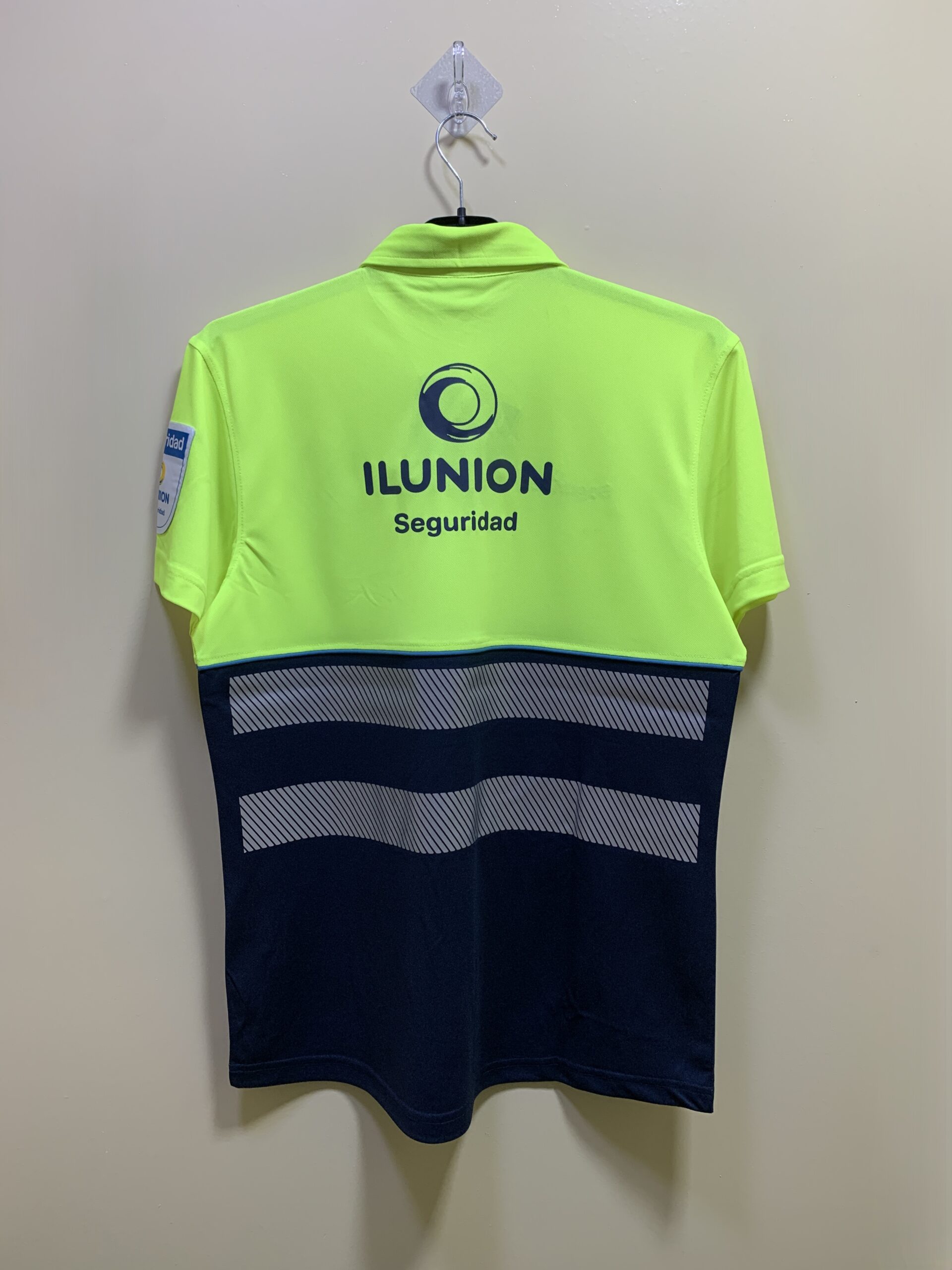
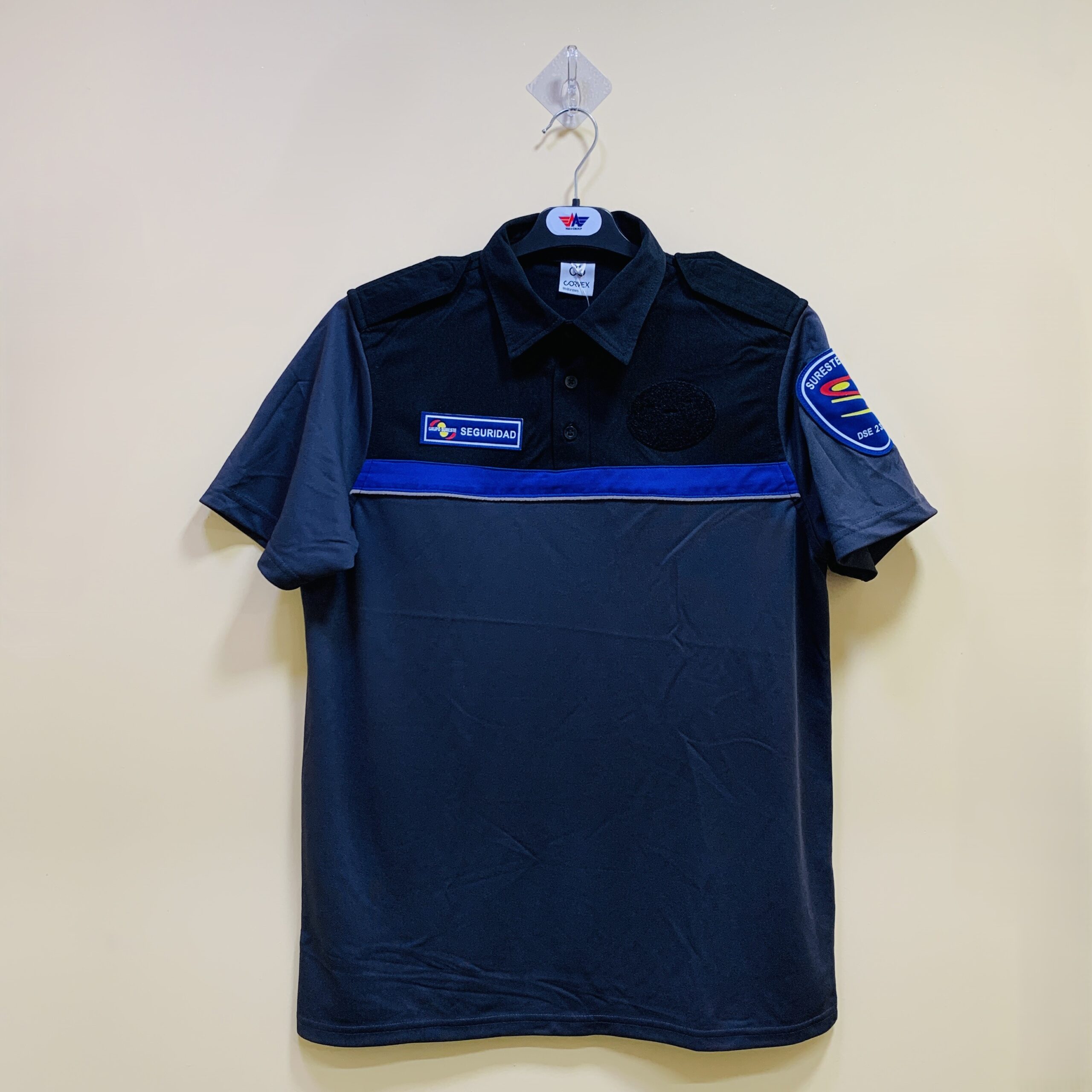
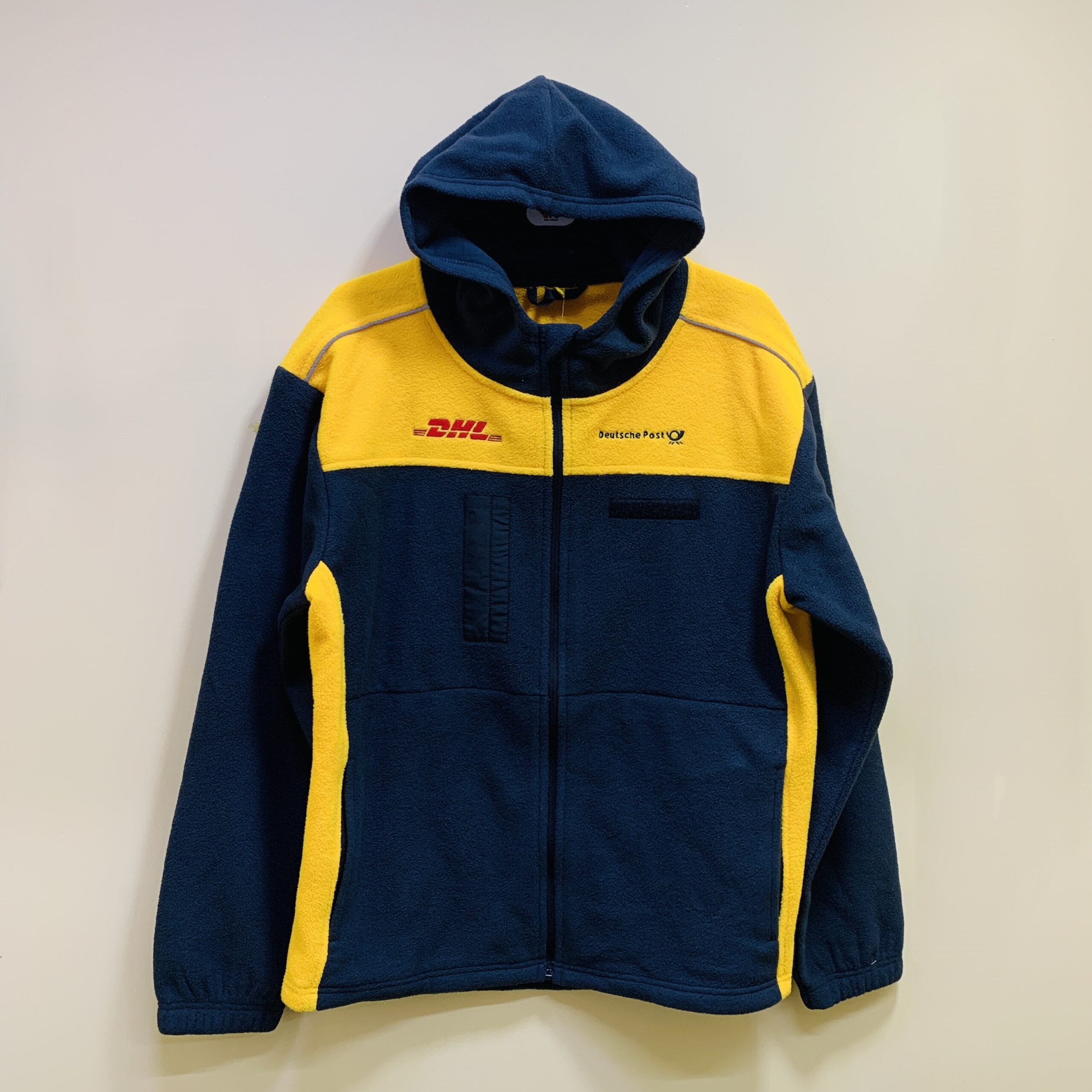
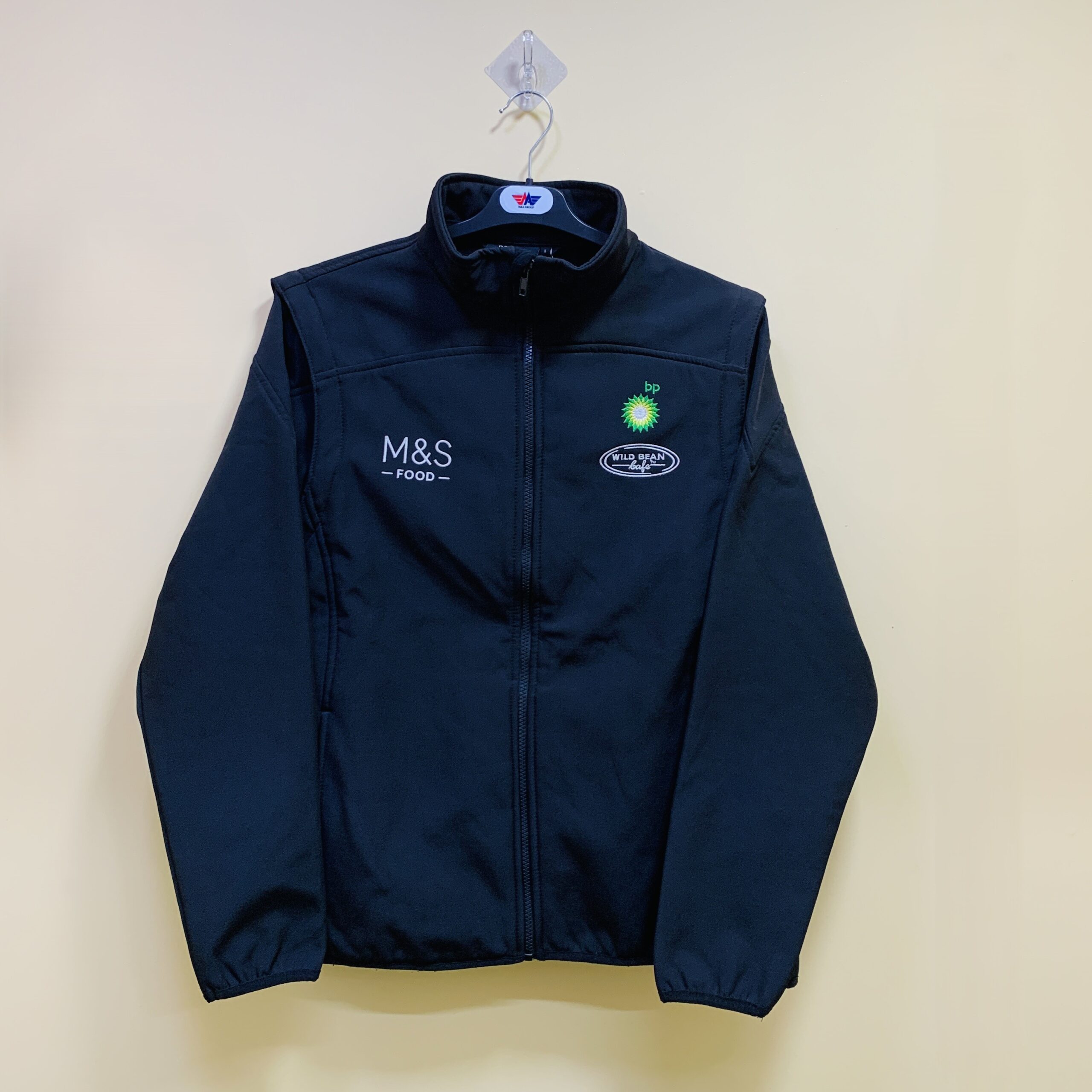
A catalogue photograph helps explain appearance but does not prove that a decoration method has been tested on that style. The product images below are real website catalogue references, not demonstrations of embroidery or printing performance. Ask for a decorated sample of the proposed material and construction.
For a wider supplier discussion, see M&A Sourcing’s homepage for Workwear Manufacturer in Bangladesh. This guide supports a branding decision; it does not establish a universal price, production period or performance guarantee.
2. Compare embroidery, screen printing and heat transfers
In workwear embroidery vs printing comparisons, separate the visual result from the manufacturing route. Thread has a stitched texture; a printed or transferred design can create a different surface appearance. Neither observation establishes how the finished garment will perform during use and care.
Embroidery proposals should identify the thread, backing, artwork interpretation and sample approach. Fine lettering and complex areas need an actual stitch-out at the proposed size. Enlarging a proof on a screen can hide the fact that a small word is difficult to read on the garment.
A screen-printing proposal should identify the intended process, colour treatment, artwork separations and sample basis. Ask what is included in preparation and whether a change of artwork, position or garment colour changes the quotation. A colourful digital proof is an appearance proposal, not approval of a production sample.
For a heat-transfer proposal, ask which transfer system is intended and whether it is compatible with the garment. STAHLS’ application FAQ advises testing because garments and fabrics differ. Use the selected system’s instructions instead of a universal time, temperature or pressure copied from an unrelated product.
Compare the methods on the same artwork size, placement, garment quantity and sample scope. One offer may include setup and a decorated garment while another includes only application. Keep these differences visible beside the unit price.
| Method | Ask the supplier | Review on the sample |
|---|---|---|
| Embroidery | Thread, backing, artwork interpretation and setup | Readability, reverse, placement and distortion |
| Screen printing | Process, colours, preparation and material compatibility | Appearance, agreed care observations and placement |
| Heat-applied transfer | Selected system and garment compatibility | Application result, surface appearance and agreed care review |
| Mixed methods | Method assigned to each garment and position | A separate approved reference for each combination |
3. Make artwork and placement measurable
An effective workwear embroidery vs printing brief includes a controlled artwork file. Provide the approved logo, identify its revision and confirm permission to reproduce it. Ask which file format the proposed decorator needs; changing a low-quality image into another file extension does not create missing detail.
Record the finished width and height rather than describing a logo as small or standard. If the artwork has a required proportion, retain it when preparing the sample. Ask the supplier to identify any simplification needed before approval, especially for fine text, narrow gaps or closely spaced design elements.
Define placement from an agreed garment reference point and explain how it will be measured. A placement diagram should show the garment orientation, measurement direction and relevant seam or edge. Include the intended approach for different sizes rather than assuming one fixed location works throughout the range.
Keep the original artwork separate from the production interpretation. An embroidery file, colour separation or transfer layout may require technical preparation. Retain the approved visual reference and the resulting sample together so later reviewers can understand what changed and why.
For names, departments or individual identification, use an approved data list and agree the spelling, case and sequence. Restrict access to the people who need that list and use a sign-off process before production. Variable information needs a different checking plan from a single repeated company logo.
| Field | Record | Open question |
|---|---|---|
| Artwork | File name and revision | Has reproduction permission been confirmed? |
| Dimensions | Finished width and height | Does the logo remain legible at this size? |
| Colour | Agreed reference and sample | How will thread or printed colour be reviewed? |
| Placement | Diagram and measuring points | Does the location change by size? |
| Variable data | Approved names or department list | Who checks spelling and assortment? |
4. Review fabric, comfort and care together
The workwear embroidery vs printing decision should be checked on the actual proposed fabric. A sample on an unrelated scrap can help explore appearance, but it should be labelled as provisional. Garment construction, colour and the decoration location also need consideration before the sample is treated as representative.
For embroidery, ask the decorator to review stabilisation and distortion. Madeira’s puckering guidance identifies factors including tension, needle selection, stitch density, backing and hooping. The practical buyer action is to request a suitable sample and assess its appearance rather than prescribing one machine setting for every material.
Inspect the reverse of a decorated sample as well as the front. Consider how the backing, stitching or applied decoration feels in the garment’s intended use. Review movement and layering where relevant. A logo that looks satisfactory on a flat table may need another look when the garment is worn.
Agree the intended care process before evaluating the result. Identify the relevant washing, drying and any specialist laundry requirements with the responsible parties. Retain the initial sample reference and record observations after the agreed care review. Do not claim a fixed wash life without suitable evidence for the actual combination.
For protective or regulated garments, refer proposed decoration changes to the person responsible for product requirements and supporting evidence. A branding guide cannot establish continued conformity after a change. Confirm the scope of any existing report instead of assuming it automatically covers a new logo position or application.
5. Approve a decorated sample before bulk release
Workwear embroidery vs printing should be resolved through a sample decision tied to the specification. Identify the garment, material, colour, artwork revision, method and proposed location on the sample record. Note substitute components so a limited development review is not mistaken for complete production approval.
Begin with an appearance review: readability, shape, colour relationship and placement. Check whether the design matches the accepted proof at the finished size. Review the full garment, not only a close-up photograph of the logo. Ask for additional views if a seam, pocket or closure affects the location.
Then review construction and comfort. Record visible distortion, loose ends, uneven areas or other observations against the agreed reference. Use precise comments that explain the location and requested action. Do not describe every issue as a defect before the parties have agreed the relevant criteria.
Separate artwork approval, placement approval and care-review closure in the comment sheet. They may be approved together, but one does not automatically establish the others. If a sample uses a substitute material, state which decisions remain open and what further sample is needed.
Use one consolidated instruction for each revision. Retain the earlier sample identity, corrected proposal and final approval date. Our workwear sample approval guide explains the broader process, while the tech pack checklist helps connect artwork and construction decisions.
| Decision | Evidence | Status to record |
|---|---|---|
| Artwork | Approved proof and identified sample | Approved / revise / pending |
| Placement | Measured location and reference diagram | Approved / revise / pending |
| Appearance and comfort | Full garment and reverse review | Approved / revise / pending |
| Care review | Agreed process and recorded observations | Closed / further review needed |
| Production release | Named approver and current specification | Released / held |
6. Compare complete quotations and repeat-order terms
A workwear embroidery vs printing cost comparison needs a defined basis. Give each candidate the same garment, artwork dimensions, positions, colour requirements and quantity breakdown. Ask the supplier to identify assumptions rather than silently choosing a cheaper interpretation.
Request a separation between one-time preparation, sample development and production charges where relevant. Ask how revisions, additional positions, variable names or a changed garment affect the offer. Do not assume a quoted decoration unit price includes the garment, packing or delivery.
Minimums and lead times should be confirmed for the actual proposal. The artwork, material availability, sample work and production schedule can affect feasibility. A general article should not present one fixed minimum quantity or turnaround as a promise for every order.
Compare correction and repeat-order arrangements too. Identify how the approved production files and colour references will be retained, whether preparation charges recur and what must be reconfirmed before replenishment. Avoid treating a supplier’s early estimate as a final commitment while major decisions remain open.
Keep the accepted commercial revision with the final sample approval. When the buyer changes artwork or material, ask for the effect on price and schedule before issuing a production instruction. A short change log can prevent an old quotation and a new specification being used as if they were the same agreement.
| Item | Offer A | Offer B |
|---|---|---|
| Garment and material | Record identified proposal | Record identified proposal |
| Artwork and positions | Record revision, size and positions | Record revision, size and positions |
| Preparation and sample charges | Ask what is included | Ask what is included |
| Quantity allocation | Same style/colour/size matrix | Same style/colour/size matrix |
| Changes and reorders | Record assumptions and exclusions | Record assumptions and exclusions |
7. Keep branding approval connected to packing and reorders
The final workwear embroidery vs printing decision should be visible to production and receiving teams. Record the chosen method, approved sample identity, artwork revision and placement reference in the order file. Confirm who can approve a substitution and how the current instruction reaches the relevant team.
For mixed programmes, create a matrix linking each garment to its decoration. A polo may use one approved route and a jacket another. Department colours, individual names and size allocations can introduce further variations. Check the matrix against the order before using it for packing or receiving.
Agree the inspection scope and reporting method for bulk goods. Identify the reference used and record observations with enough detail for review. A sample photograph does not prove an entire shipment, and an inspection record should state what was actually checked.
If packing separates departments or individual wearers, connect each identification list with the physical assortment. Reconcile changes before final handover. The workwear packing checklist provides related guidance on garment identification, carton contents and exception records.
Before repeating a programme, reconfirm the garment, artwork, materials and decoration system. Record substitutions before approval. Keep specific feedback from wearers and receiving staff so the next enquiry can address an identified issue instead of changing several requirements without a documented reason.
Illustrative branding approval progress
These bars explain seven decision stages. They are not live order tracking, a factory performance score or a delivery promise.
1. Brief recorded
2. Method proposed
3. Artwork reviewed
4. Placement reviewed
5. Decorated sample assessed
6. Open comments closed
7. Release recorded
Discuss your uniform logo brief
Before releasing a workwear embroidery vs printing decision, agree who checks the first production pieces against the decorated sample. Identify the artwork revision, garment colour and approved position in that record. If production reveals an unexpected issue, hold the affected decision for review and document the accepted correction before proceeding. This first-piece check supports consistent instructions without replacing the agreed inspection scope.
Send M&A Sourcing your garment reference, artwork, finished logo dimensions, location diagram, quantity matrix and care expectations. Ask for a written proposal and decorated sample plan before choosing workwear embroidery vs printing for the order. Explore our custom branded uniform guide, workwear polo guide and workwear hoodie guide, or send a branding enquiry.
Workwear Embroidery vs Printing: FAQs
Which is better: workwear embroidery vs printing?
Choose against the garment, artwork, placement and care requirements. Compare identified methods and approve an actual decorated sample rather than assuming one method suits every order.
Is every printed logo made with the same process?
No. Identify whether the proposal uses screen printing, a heat-applied transfer or another defined process, and confirm the actual system and garment compatibility.
What should I send for a logo quotation?
Provide artwork, finished dimensions, placement diagrams, garment and fabric references, quantity allocation, care expectations and any variable names or departments.
Does a digital proof approve the finished garment?
No. A proof can establish artwork direction. A decorated sample is needed to review the proposed garment, placement, appearance and other agreed requirements.
Can I use the same decoration on polos and jackets?
Treat each combination as a separate proposal. Confirm compatibility and review an appropriate sample for each material and construction.
Why should buyers look at the reverse of embroidery?
The reverse helps reviewers assess backing, stitching and how the decorated area feels during intended use. Record observations against the sample requirements.
Is a fixed wash-life promise enough?
Request suitable evidence for the actual garment and decoration combination. Agree the care process and retain observations rather than relying on an unsupported number.
What if a logo location changes after approval?
Record the change, obtain a revised placement reference and review any effects on the sample, quotation and relevant product evidence before release.
How should personalised names be controlled?
Use an approved spelling and allocation list, identify the responsible checker and reconcile variable information with the packing plan.
What should be retained for repeat orders?
Keep the approved artwork, production interpretation, garment and material references, decorated sample identity, placement diagram, care observations and commercial revision.