Clothing Manufacturer in Bangladesh: 14 Essential Tips for Better Orders
Choosing a clothing manufacturer in Bangladesh is easier when the buyer can compare the same garment, specification and service scope across candidates. This detailed guide explains fourteen practical steps from the first enquiry to sampling, production, packing and repeat orders.
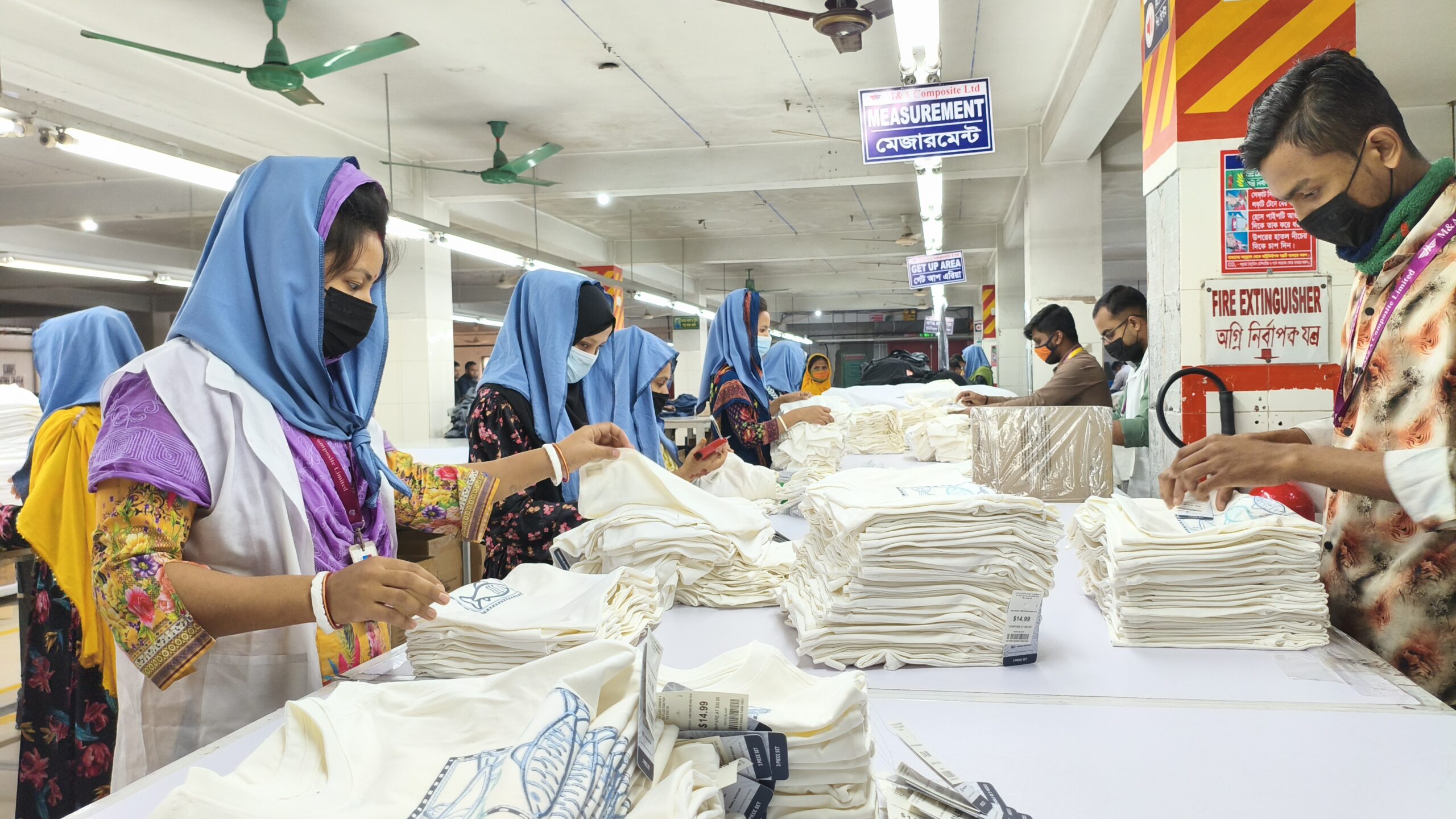
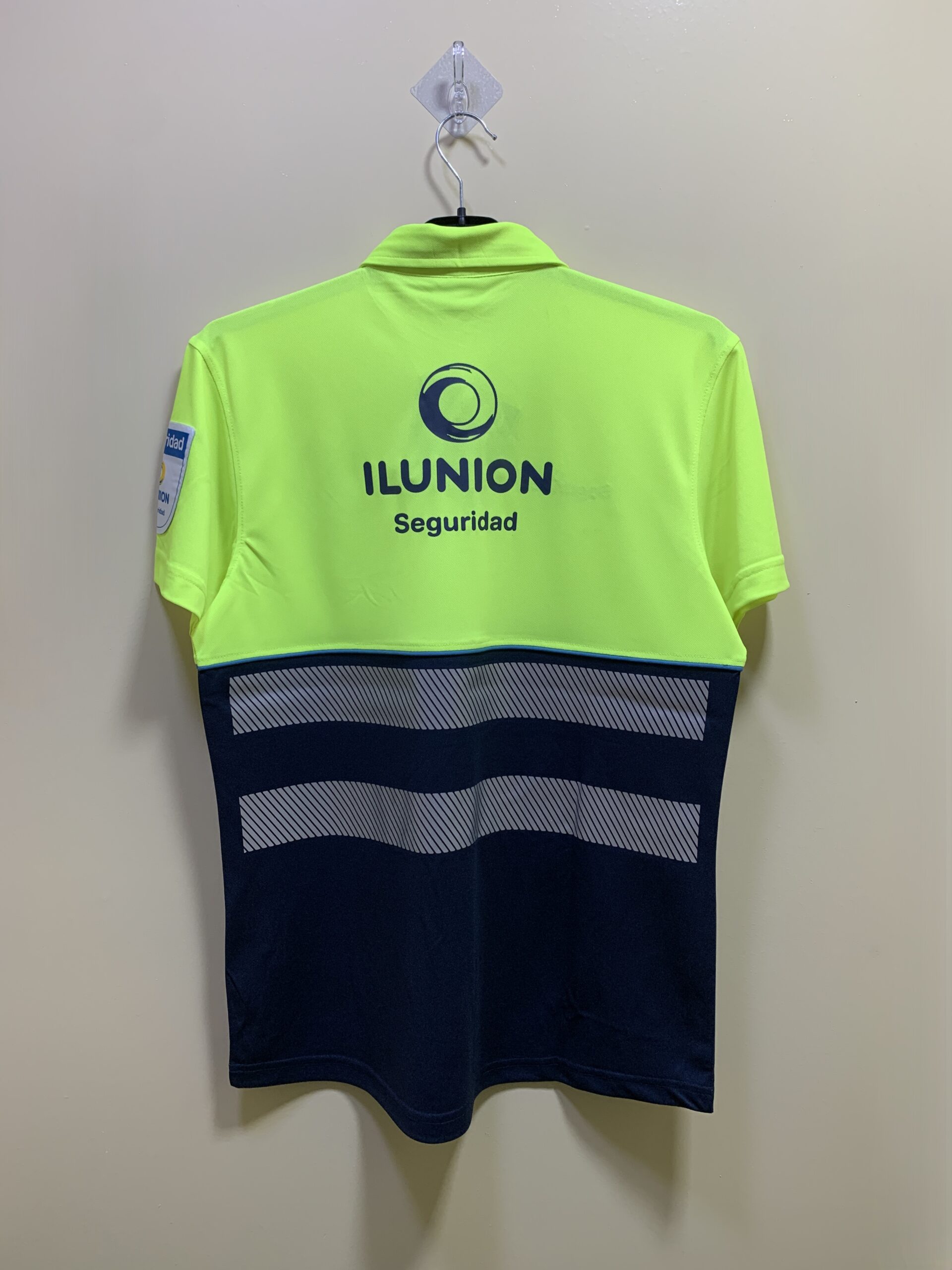
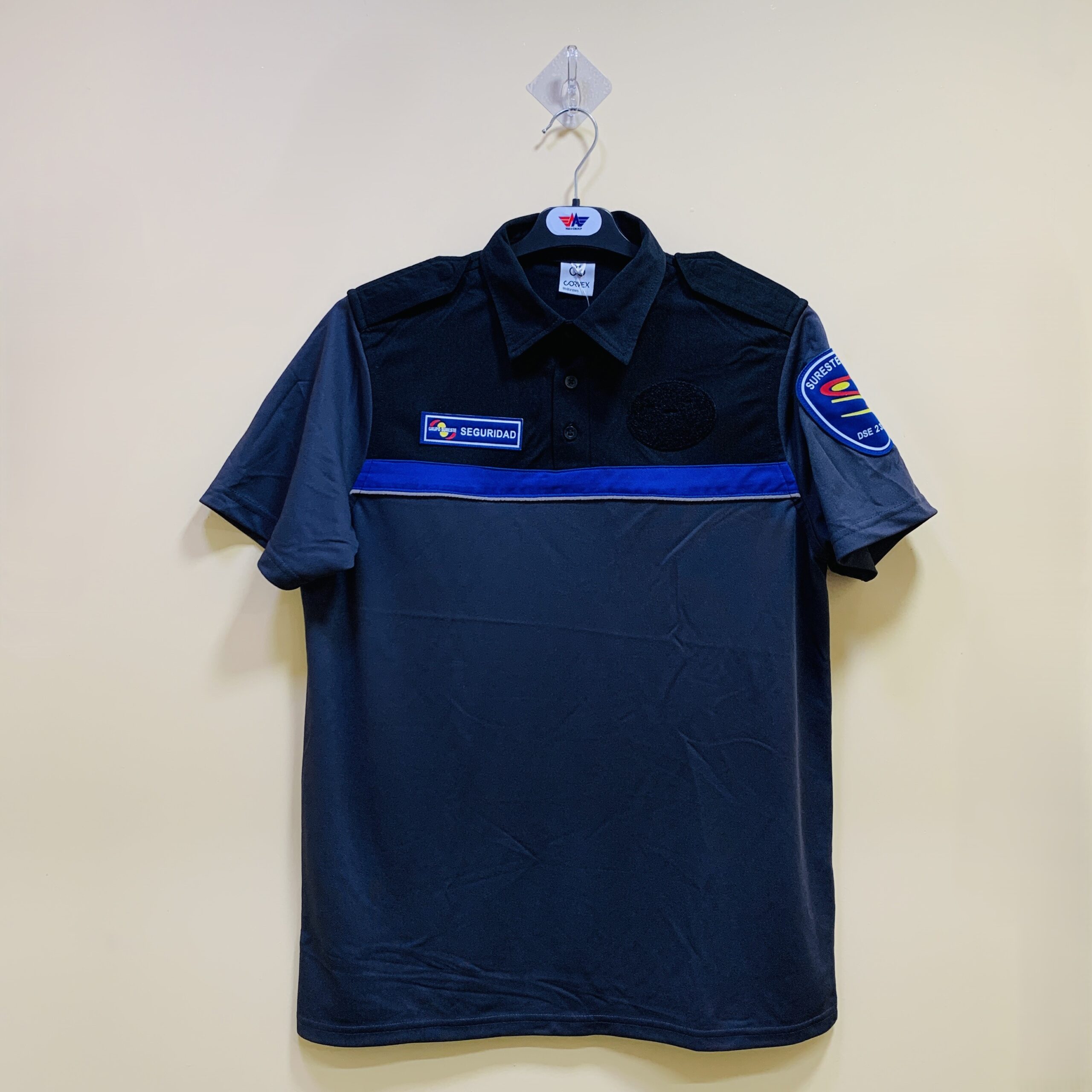
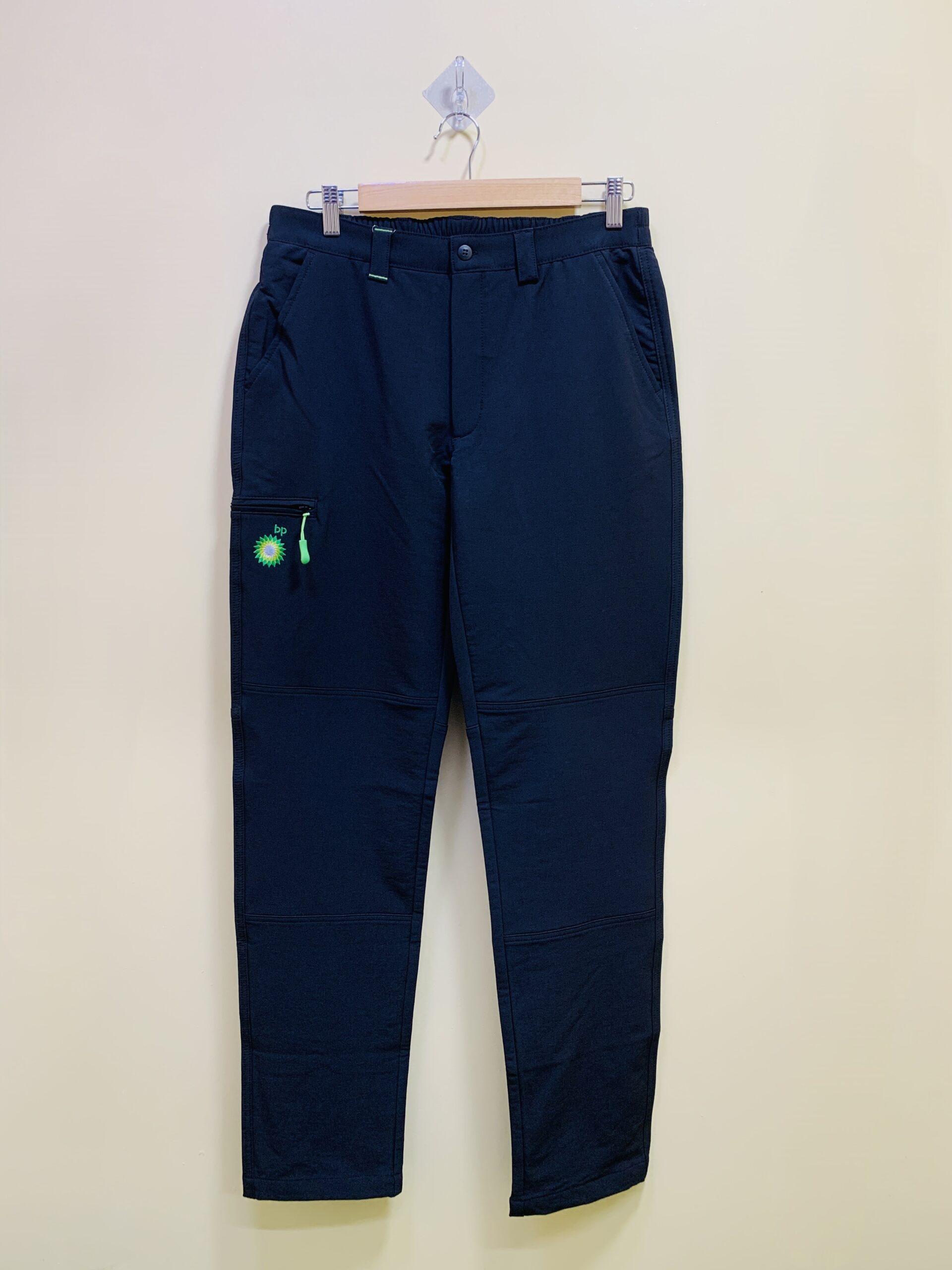
Published by M&A Sourcing Ltd. for international apparel buyers, private-label brands, uniform distributors and purchasing teams. The comparison worksheets are planning tools, not independent supplier rankings or laboratory reports. Product photographs are real catalogue references and do not establish tested performance or customer relationships.
Reading guide: allow approximately 25–30 minutes. Use the contents below to jump to a decision. A thin reading-progress line at the top of this article advances as you scroll in browsers that support scroll-driven animation.
Table of Contents
1. Choose a clothing manufacturer in Bangladesh by product fit
Choosing a clothing manufacturer in Bangladesh starts with the garment you need, not the most impressive company description. A buyer should define the product category, intended wearer, target market, material expectations and commercial scope before asking for a final price. This makes the first conversation more useful and reduces the number of assumptions hidden inside a quotation.
A polo programme, woven trouser order and lined jacket collection can require different development decisions. Separate them in the brief even when they share a brand identity. Ask the proposed partner to explain its relevant experience and production route for each category, including which tasks are performed directly and which are coordinated with other parties.
Review a candidate against your actual requirements rather than an unsupported ranking. A large catalogue does not establish current capacity for a particular style. Likewise, a good sample from a different product category does not prove that the proposed garment has already been developed successfully. Relevant evidence is more useful than a broad claim of being the best.
Begin with a short project summary that names the styles, estimated quantities, destination and decisions still open. Mark estimates as estimates. If the material has not been selected, ask for an identified proposal with clear assumptions instead of requesting an apparently precise final price for an undefined product.
This guide is published by M&A Sourcing Ltd. as a practical buying framework. The website offers workwear, uniform and apparel product references for discussion. Confirm company-specific claims, the proposed production facility, service scope and current feasibility before making a purchasing decision. No universal capacity, certification, price or delivery guarantee is asserted here.
2. Understand the supplier relationship and Bangladesh sourcing context
A clothing manufacturer in Bangladesh may be approached directly or through a coordinating company. Establish who develops the product, who makes it, who sells it and who communicates with the buyer. These roles can sit with different parties. Clear responsibilities are especially useful when development, inspection and shipment coordination involve several teams.
Ask for a written scope rather than assuming the phrase full service covers every activity. Material sourcing, sample development, production follow-up, inspection support and document coordination are separate tasks. Identify which are included, who performs them and where the buyer retains approval responsibility. Record exclusions beside the accepted proposal.
For background, BGMEA’s overview of the garment industry describes the sector’s development. Industry history helps explain the sourcing environment, but it does not verify an individual supplier’s membership, factory ownership, available capacity or execution on your order. Check those matters using evidence connected to the candidate.
Keep the contracting party consistent across the quotation, purchase order and agreed commercial documents. If a different party is introduced during the discussion, request clarification before accepting the change. A clear explanation of the relationship helps the buyer understand who is responsible for the goods and services being proposed.
Arrange communication around named responsibilities. Identify the person who consolidates technical questions, the person who confirms commercial changes and the person authorised to release an approval. Several people may contribute to a programme, but the production team should receive one current instruction. This approach supports accountability without relying on a particular messaging platform.
| Route | Clarify | Request |
|---|---|---|
| Direct manufacturing | Who develops, produces and communicates? | Facility identity and written scope |
| Sourcing coordination | Which activities are coordinated? | Responsibility matrix and exclusions |
| Trading arrangement | Who sells and invoices the goods? | Identified contracting party |
| Inspection support | Who reviews findings and releases the order? | Agreed scope and decision owner |
3. Map the clothing range before comparing factories
The right clothing manufacturer in Bangladesh should be assessed against the complete range rather than one isolated image. Create a style register and group garments by construction and development needs. Identify shared materials, colours and artwork, but keep each garment’s specification distinct. This allows a supplier to evaluate common opportunities without treating all styles as identical.
For knit tops, define body fabric, neckline or collar, sleeves, seams and decoration. A T-shirt brief can be simpler than a polo brief, but it still needs a measurement chart and clear construction reference. A named fabric weight alone does not explain the neckline, finishing or finished fit expected by the buyer.
For woven bottoms, identify waistband construction, closures, pockets, reinforcement details and garment proportions. Cargo pockets, for example, should be described by their dimensions and location rather than just by a product name. Decide which features are functional requirements and which are appearance preferences so proposed changes can be reviewed sensibly.
For outerwear, separate shell, lining, filling and trim decisions. Identify intended layering and the functional details that need sample review. Do not assume that a photograph establishes weather performance or a protective rating. Any such requirement needs product-specific consideration and appropriate evidence beyond appearance.
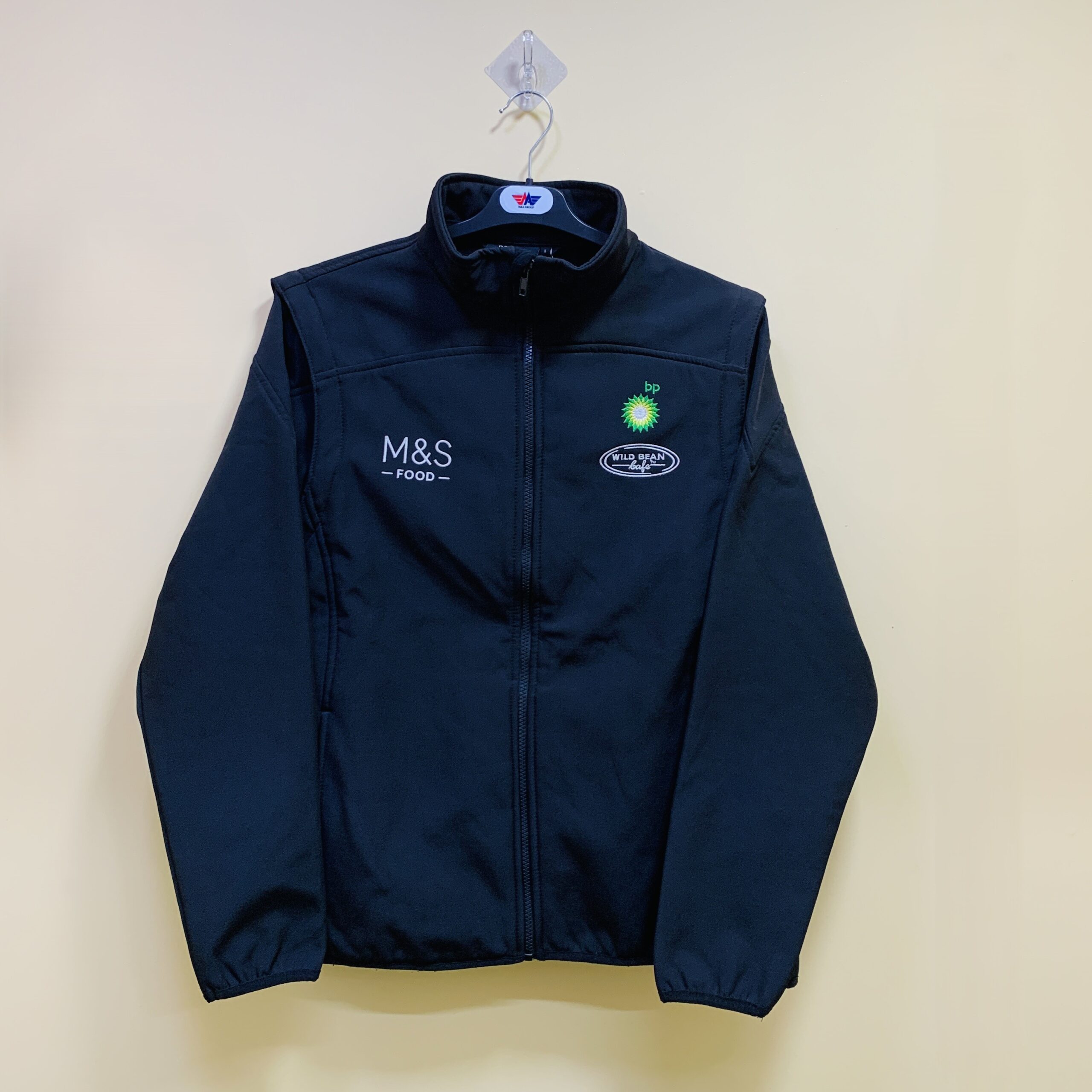
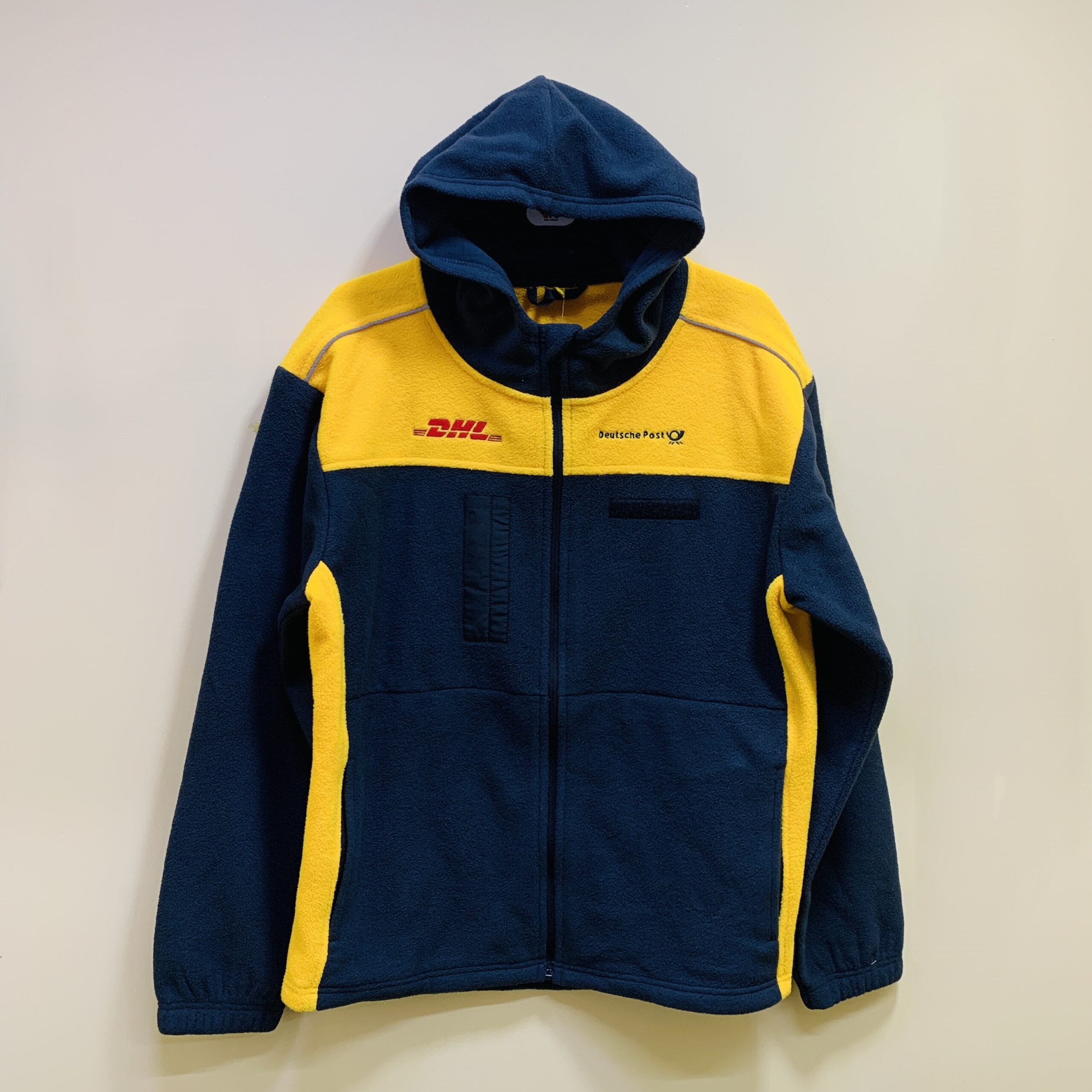
Use M&A Sourcing’s catalogue pages to start the conversation: tees and polos, cargo trousers, softshell jackets and hoodies. Ask which references are suitable for your actual enquiry and what changes would need development.
| Category | Important brief fields | Sample review |
|---|---|---|
| Tees and polos | Body fabric, collar, seams and artwork | Fit, appearance and decoration |
| Cargo trousers | Waistband, pockets, closures and proportions | Movement and construction |
| Hoodies | Body fabric, hood, closures and layering | Fit over intended clothing |
| Softshell jackets | Shell proposal, lining, details and branding | Actual material and construction |
| Uniform sets | Coordinated colours and garment allocation | Each garment and the complete outfit |
4. Clothing manufacturer in Bangladesh: prepare the technical brief
A clothing manufacturer in Bangladesh can compare feasibility more effectively when the buyer sends one organised technical brief. Include drawings, a bill of materials, measurement chart, artwork, colour references, quantity allocation and packaging expectations. Give the file a style code and revision so questions can be linked to the correct proposal.
Drawings should show relevant front, back and detail views. Annotate features that would be easy to misinterpret from a photograph. Identify pocket construction, seam details, closure direction and label locations where these matter. The aim is not to create unnecessary paperwork; it is to make the desired garment understandable to another team.
Treat the bill of materials as a list of identified components rather than a general description of fabric and accessories. Record body material, secondary fabrics, threads, fasteners, labels and packaging components as appropriate. Mark any unresolved selection clearly and ask the supplier to state its assumption when quoting that item.
Separate confirmed requirements from options. If the buyer wants to compare two fabric proposals, label them as distinct versions instead of blending them into one ambiguous brief. Ask for the effect of each option on price, development and availability. Keep a record of the version accepted before moving to the next stage.
Our tech pack checklist gives a related framework for organising these fields. Use the level of detail needed for the actual garment. A short but controlled specification is more useful than a long document containing contradictory measurements, outdated drawings and unmarked changes.
| Field | Buyer input | Supplier response |
|---|---|---|
| Style | Drawings and reference revision | Feasibility and open questions |
| Materials | Composition, construction and colour | Identified proposal and assumptions |
| Measurements | Chart and points of measure | Development and size-set approach |
| Artwork | Files, dimensions and placement | Proposed decoration and sample scope |
| Quantity | Style/colour/size allocation | Minimums and quotation basis |
| Packing | Assortment and identification | Feasibility and exclusions |
| Destination | Receiving location and expectations | Proposed responsibilities and dependencies |
5. Clothing manufacturer in Bangladesh: material and care approvals
When discussing materials with a clothing manufacturer in Bangladesh, identify more than fibre composition. Fabric construction, weight, finish, colour and the intended care process all belong in the review. Two proposals with a similar composition can still differ in appearance and handling. Ask the supplier to identify the actual material being offered.
Keep material references traceable. Record the supplier’s sample identity, proposed composition and other agreed specifications, and retain an approved swatch when appropriate. If a sample uses a substitute material, label the limitation before reviewing it. Approval of the sample’s proportions should not be mistaken for approval of the final production fabric.
Review colour relationships across the garment. Body material, collars, linings, buttons, thread and decoration can come from different sources. Agree the reference and review conditions for each relevant decision. A colour name or a phone photograph may communicate direction, but it should not silently become the only production reference.
Discuss care expectations before closing the material decision. Identify the proposed washing and drying approach and the observations needed after the agreed review. Keep the initial appearance and measurement record available for comparison. Review decoration and trims alongside the main fabric so a satisfactory body-material result does not hide another unresolved component.
Avoid assuming that a familiar material name proves performance. If the brief includes a measurable attribute, agree how it will be assessed and which evidence is relevant. The fabric selection guide explains related specification questions without assigning one universal material to every clothing programme.
6. Turn size labels into an approved fit system
Fit approval with a clothing manufacturer in Bangladesh needs a consistent measurement language. Separate body-sizing assumptions from finished garment dimensions. A label such as medium or age twelve does not establish how the garment measures. The buyer and development team should agree the chart, points of measure and relevant tolerances.
Provide diagrams where a measurement could be interpreted in more than one way. State how the garment is laid out and whether a feature is measured relaxed, adjusted or extended. Keep the measuring method connected to the chart revision. This makes comments from different reviewers easier to compare and reduces avoidable disagreement.
Review movement as well as flat measurements. Depending on intended use, consider sitting, reaching, bending or layering over another garment. Record the wearer or trial context in a way appropriate to the programme while avoiding unnecessary personal information in general supplier documents. Describe the observation rather than relying on an unexplained statement that the fit feels wrong.
Use an agreed size-set scope to examine the range. A middle-size sample does not automatically demonstrate the proportions of every size. Ask how grading will be reviewed and whether any construction feature changes across the range. Keep comments linked to the specific garment and size rather than issuing a general correction with unclear reach.
Connect fit approval with the order matrix only after the relevant decisions are closed. The buyer should confirm the actual quantity allocation; an illustrative ratio is not a demand forecast. Our size chart guide and school uniform size-set guide provide additional examples.
7. Control private-label artwork and decoration
A clothing manufacturer in Bangladesh needs a separate branding brief when the order includes logos, labels or personalised details. Identify the artwork file, approved revision, finished dimensions, colours and location diagram. Confirm the buyer’s right to reproduce the artwork before it is developed into production files or samples.
Distinguish an appearance proof from a decorated garment sample. A digital proof can help approve layout, but it cannot show every interaction between the proposed fabric and decoration. Request an identified sample at the intended finished size and record which decisions remain open if substitute materials are used during development.
Compare decoration methods on a defined basis. Embroidery, screen printing and heat-applied transfers should not be treated as interchangeable offers described only as a logo charge. Ask the supplier to identify the proposed route and what is included in preparation, sampling and application. Review the actual combination rather than a generic durability promise.
For embroidery troubleshooting, Madeira’s puckering guidance is a useful technical reference. The buyer’s role is to request a suitable sample and clear review criteria, not to prescribe one machine setting for every material. A specialist should assess the actual design and construction.
Review labels, packaging text and variable information with the same revision discipline as the logo. Names, department lists and size labels need a defined checking process. Our embroidery vs printing guide covers decoration decisions in detail; retain its related questions alongside the garment’s approved specification.
8. Clothing manufacturer in Bangladesh: clear sample approval gates
The sample process is one of the most useful ways to evaluate a clothing manufacturer in Bangladesh. Ask what each sample is intended to demonstrate, which materials it uses and which decisions remain provisional. Do not infer full production approval from an informal positive comment on one part of a development sample.
Identify each sample by style, revision, size, date and material reference. Note substitute components and retain the sample’s relationship to the controlling technical brief. A team member who joins the project later should be able to understand the sample’s status without searching through an entire message history.
Consolidate comments into one current record. For each observation, identify the location, explain the issue, state the requested action and name the decision owner. Photographs can clarify a detail, but they should support the instruction rather than replace it. Resolve conflicting buyer comments before forwarding the revision to the supplier.
Separate fit, colour, material and decoration decisions where needed. They may be reviewed during the same meeting, but approval of one does not automatically establish the others. If the final production material is not yet available, state what further evidence or sample is required before that part of the specification can be released.
Close comments through an identified recheck. Retain the earlier finding, the corrective proposal and the accepted result so the reason for the change remains visible. The sample approval guide explains this record structure. Clear sample gates make subsequent production instructions easier to verify.
| Decision | Evidence | Record |
|---|---|---|
| Fit | Identified garment and current chart | Approved, revise or pending |
| Material | Actual proposal and retained reference | Accepted scope and limitations |
| Colour | Agreed reference and component review | Decision and open questions |
| Decoration | Artwork and decorated sample | Revision and placement |
| Correction | Original observation and recheck | Action, result and reviewer |
| Release | Current specification and closed comments | Named approver and date |
9. Compare quotations without hiding assumptions
A quotation from a clothing manufacturer in Bangladesh should be evaluated against the specification it actually covers. Send each shortlisted candidate the same current brief and quantity matrix. If one candidate proposes a different material, construction or decoration route, list that difference openly before comparing the amounts.
Ask what the price includes and excludes. Relevant questions may cover development samples, preparation, decoration positions, packaging, testing, inspection support and delivery assumptions. Not every charge needs a separate line in every transaction, but the accepted scope should be understandable enough for the buyer to compare equivalent proposals.
Keep estimated and confirmed figures distinct. An early indicative offer can be useful for planning when its assumptions are visible. It becomes misleading if it is treated as a final commitment after the design, quantity or material has changed. Request a revised offer when a decision affects the original basis.
Do not use one universal MOQ or lead time from an article as the basis for an order. Material sourcing, colours, size allocation, artwork, approvals and scheduling can affect feasibility. Ask the supplier to explain the proposed minimums and the dependencies behind each milestone for the actual programme.
Agree how changes and repeat orders will be handled before relying on a quoted unit price for future purchases. Identify whether preparation charges recur and what availability or commercial terms must be reconfirmed. Keep the accepted quotation revision with the purchase order and technical specification rather than allowing three different versions to circulate.
| Compare | Offer A | Offer B |
|---|---|---|
| Specification | Record garment and material revision | Record garment and material revision |
| Decoration | Record sizes and positions | Record sizes and positions |
| Sample scope | Identify included development | Identify included development |
| Packing and delivery | Record assumptions and exclusions | Record assumptions and exclusions |
| Changes | Request revision treatment | Request revision treatment |
| Repeat supply | Confirm availability and charges | Confirm availability and charges |
10. Clothing manufacturer in Bangladesh: quality and correction records
Quality planning with a clothing manufacturer in Bangladesh should begin before the final inspection. Define the approved references, review scope, reporting method and people responsible for decisions. A general instruction to provide good quality is less useful than a record explaining what the parties will assess and how findings will be handled.
Review visible construction, measurements, closures, decoration and labels against the current specification. Material or performance requirements may require additional evidence. A photograph or visual inspection cannot establish every property of a garment, and an inspection report should describe what was actually checked rather than implying unlimited coverage.
Agree how observations are classified and escalated for the actual order. This article does not prescribe a universal acceptance plan or defect allowance. The parties should define the relevant criteria and sample scope with appropriate expertise. Keep the approved approach connected to the product and purchase agreement.
When an issue is reported, identify the affected garment, location and scope. Retain the proposed action and the result of the agreed recheck. A statement that everything has been fixed does not demonstrate how the original concern was addressed. Specific evidence helps the buyer make a more informed release decision.
Connect first-piece, in-process and final reviews where those are part of the agreed plan. Earlier checks can help identify misunderstandings before they spread, but no checkpoint replaces every later requirement. The school uniform quality-control checklist provides a practical example of record-based review that can inform a product-specific discussion.
11. Verify responsible-sourcing and capability claims
Before selecting a clothing manufacturer in Bangladesh, distinguish a marketing claim from a document that supports a specific decision. Ask which facility, product, service or activity the evidence covers. Identify its issuing organisation, date, scope and relevance to the proposed order before treating it as proof.
A factory audit, a management-system certificate and a product test answer different questions. Avoid describing one as if it establishes all the others. Likewise, a certificate associated with one facility should not automatically be presented as covering every coordinating company, subcontractor or garment in a wider supply arrangement.
Ask about the proposed production location and any subcontracting relevant to the order. Clarify which parties perform important activities and how changes in the route will be communicated. A company photograph can show a setting, but it cannot establish factory ownership, working conditions, an active customer relationship or the scope of an audit.
If the programme includes a material or environmental claim, define the exact wording and evidence required. A broad phrase such as sustainable clothing does not identify the attribute being claimed. The buyer should review whether the documentation supports the specific statement intended for the product and destination.
Keep unresolved questions visible in the supplier evaluation. Use decision states such as accepted, clarification required and unsuitable rather than inventing numerical ratings unsupported by evidence. Record the reason for the decision and who reviewed it. This creates a more useful sourcing history than a presentation containing impressive but unverified badges.
| Claim | Check | Do not assume |
|---|---|---|
| Product expertise | Relevant proposal and sample discussion | A broad catalogue proves every capability |
| Certification | Issuer, date, scope and relevant entity | One document covers every product |
| Material performance | Applicable evidence for the actual proposal | A photograph establishes performance |
| Production route | Identified facility and responsibilities | A meeting photo proves ownership |
| Correction closure | Issue record and verified recheck | A verbal assurance closes every finding |
12. Plan production milestones and manage changes
Production planning with a clothing manufacturer in Bangladesh should connect each milestone to its prerequisites. Identify what must be approved before material commitment, sample closure or production release can be confirmed. A calendar date without the associated dependency can give the buyer a false impression that the plan is unconditional.
Use a shared milestone record that states the planned event, decision owner, current status and open question. Distinguish a supplier’s proposal from a confirmed commitment. When circumstances change, record the effect on the next decision instead of silently moving dates or assuming the original plan remains valid.
Maintain one controlled specification for production. A change to fabric, pocket construction, artwork or size allocation should be identifiable by revision. Explain which earlier instruction it replaces and which styles are affected. Do not rely on an isolated message saying use the latest version when several files could fit that description.
Review the commercial and scheduling effect of a change before authorising it. The buyer may accept a correction technically while still needing to consider its cost or timing. Keep those decisions connected so an approval in one area is not misread as acceptance of every consequence.
Define escalation before an urgent issue occurs. Ask how the team will report unavailable materials, unresolved sample comments or a milestone at risk. A useful update explains the issue, affected scope, available options and decision required. The illustrative progress bars in this article show approval stages; they do not represent a live order or a guaranteed production rate.
13. Connect packing, documents and receiving
A clothing manufacturer in Bangladesh should receive the final packing instructions in time to review their feasibility. Identify the style, colour and size allocation and decide how the goods will be grouped. A correct garment can still create a receiving problem if it is labelled or packed against an outdated matrix.
Keep individual packaging, carton marking and packing-list requirements connected to the accepted order. If a carton is reopened or its contents change, update the relevant record before handover. Identify partial or balance cartons within the agreed system so receiving staff can reconcile the goods without guessing.
Ask who prepares and checks the shipment information and what responsibilities sit with the seller, buyer and logistics provider. Required documents depend on the actual transaction and destination. This procurement guide does not replace shipment-specific advice or establish a universal document list.
Distinguish planned factory release, transport movement and the buyer’s required receiving window. These are related but different events. Confirm the delivery basis, named place and responsibility allocation with the appropriate commercial and logistics parties rather than inferring the entire arrangement from a garment unit price.
Prepare the receiving team with the current assortment and agreed references. Record exceptions in a way that identifies the affected scope and decision. Our packing checklist and sourcing and export guide offer related questions to use when organising the order handover.
14. Build repeat orders from retained references
A clothing manufacturer in Bangladesh should be evaluated for the repeat programme as well as the first sample. Ask how the approved materials, charts, colours, artwork and construction references are retained. A reorder depends on these records and current availability, not simply on a catalogue photograph remaining online.
Reconfirm the specification before a repeat order is released. Ask the supplier to identify any proposed substitution or changed production assumption. Treat a new material, trim or decoration route as a reviewable decision rather than silently calling the repeat identical. Keep the accepted change connected to the previous order history.
Collect specific feedback from wearers and receiving teams. Identify the garment and size concerned, describe the observation and distinguish a preference from an issue against the agreed specification. Use that information to improve the next brief instead of changing several requirements informally during a replenishment enquiry.
Keep a short lessons record after each programme. Useful topics include unanswered enquiry questions, sample revisions that took longer than expected, packing misunderstandings and records that helped receiving. The purpose is to make the next order easier to define and review, not to assign unsupported performance scores.
When starting a new relationship, discuss a development or trial scope that allows both parties to assess communication and execution. A small initial order is not automatically feasible for every material route, so request a realistic proposal. Expand the programme through documented decisions once product fit and the working process have been evaluated.
Illustrative manufacturing approval progress
These bars show seven planning stages. They are not live tracking, capacity figures, a company quality score or a delivery promise.
1. Enquiry scope recorded
2. Technical brief confirmed
3. Materials reviewed
4. Samples approved
5. Production instructions released
6. Quality and packing reviewed
7. Handover recorded
Practical scenarios: turn an enquiry into a reviewable order
A private-label polo enquiry might begin with a logo image and a request for a quantity of tops. Before comparing suppliers, turn that request into an identified garment proposal. Decide whether a sample or drawing controls the style, identify the body fabric and collar requirements and record the intended measurement chart. Confirm the artwork size and positions instead of assuming the decorator will infer them from a photograph.
The buyer can then ask each candidate to state its remaining questions and quotation assumptions. One candidate may propose a substitute material for the development sample, while another may quote a different collar construction. Record these differences rather than treating the offers as equivalent. The useful next decision is which proposal to develop and what the sample must demonstrate, not which unqualified number looks lowest.
A cargo-trouser programme creates another type of brief. Describe the pocket layout, closures, waistband and proportions alongside the size chart. If a wearer trial finds a problem during sitting or movement, identify the garment and size and explain the observation. A request to make the fit better gives the development team less direction than a specific comment linked to the approved measurement method.
Before releasing the correction, ask whether it affects other sizes or construction details. A pocket location or waistband change may need review across the range. Retain the corrected sample identity and the accepted chart revision so the buyer can distinguish a development proposal from a production instruction. The same record will help a later replenishment enquiry.
Coordinated ranges: manage schoolwear and outerwear separately
A school-uniform range may combine polos, trousers, sweaters and seasonal layers under one visual identity. Keep the school’s approved colours and crest files shared, but retain separate garment specifications. The polo collar and sweater neckline can need different reviews, while the trouser chart raises another set of fit questions. A coordinated appearance does not remove these individual development decisions.
Build an allocation matrix that identifies the required units by garment, colour and size. If the range serves several campuses or departments, decide how those allocations will be identified in packing. Use anonymised garment and size data where possible instead of circulating unnecessary student details. Our private school uniform guide explores this programme-specific brief.
An outerwear enquiry should identify the intended layers and the role of the garment before discussing appearance alone. Separate shell, lining, filling and closure references. Ask for the actual material proposal and a sample that allows the buyer to review movement over the intended clothing. A similar-looking catalogue jacket cannot establish those decisions for a new order.
If the buyer requests a functional or protective claim, identify the specific requirement and refer the proposal to the responsible specialist. Keep evidence review distinct from visual sample approval. This article does not establish a performance classification for any pictured jacket. The practical step is to record what remains unverified and close that question through the appropriate product-specific process.
Supplier evaluation: use a decision log instead of invented ratings
Prepare a shortlist worksheet that gives each candidate the same criteria. Product fit, specification clarity, sample process, commercial scope, quality reporting and communication responsibilities can be assessed through the records available. Do not attach an arbitrary percentage to a candidate because its presentation looks professional. Identify the evidence supporting a decision and mark unanswered questions clearly.
For example, a candidate might have a relevant sample but an unclear explanation of who will make the bulk goods. That is a production-route question, not proof that the sample is unsuitable. Another candidate might explain the route well but quote against an older artwork revision. That is a specification-control problem. Record each issue accurately so the next enquiry seeks the missing information.
Use simple decision states such as accepted for development, clarification required or unsuitable for this programme. Name the reviewer and record the date. A supplier that is unsuitable for one product is not automatically unsuitable for every category, and an accepted development route is not a guarantee of every future order. Keep the decision tied to the actual project.
Review the shortlist when important assumptions change. A revised quantity, different material or additional garment category can affect the original evaluation. Ask whether the earlier evidence still supports the proposal and identify any further sample or commercial review required. This maintains a coherent decision history without relying on memory or a numerical ranking that no one can explain.
Real company images and related buying resources
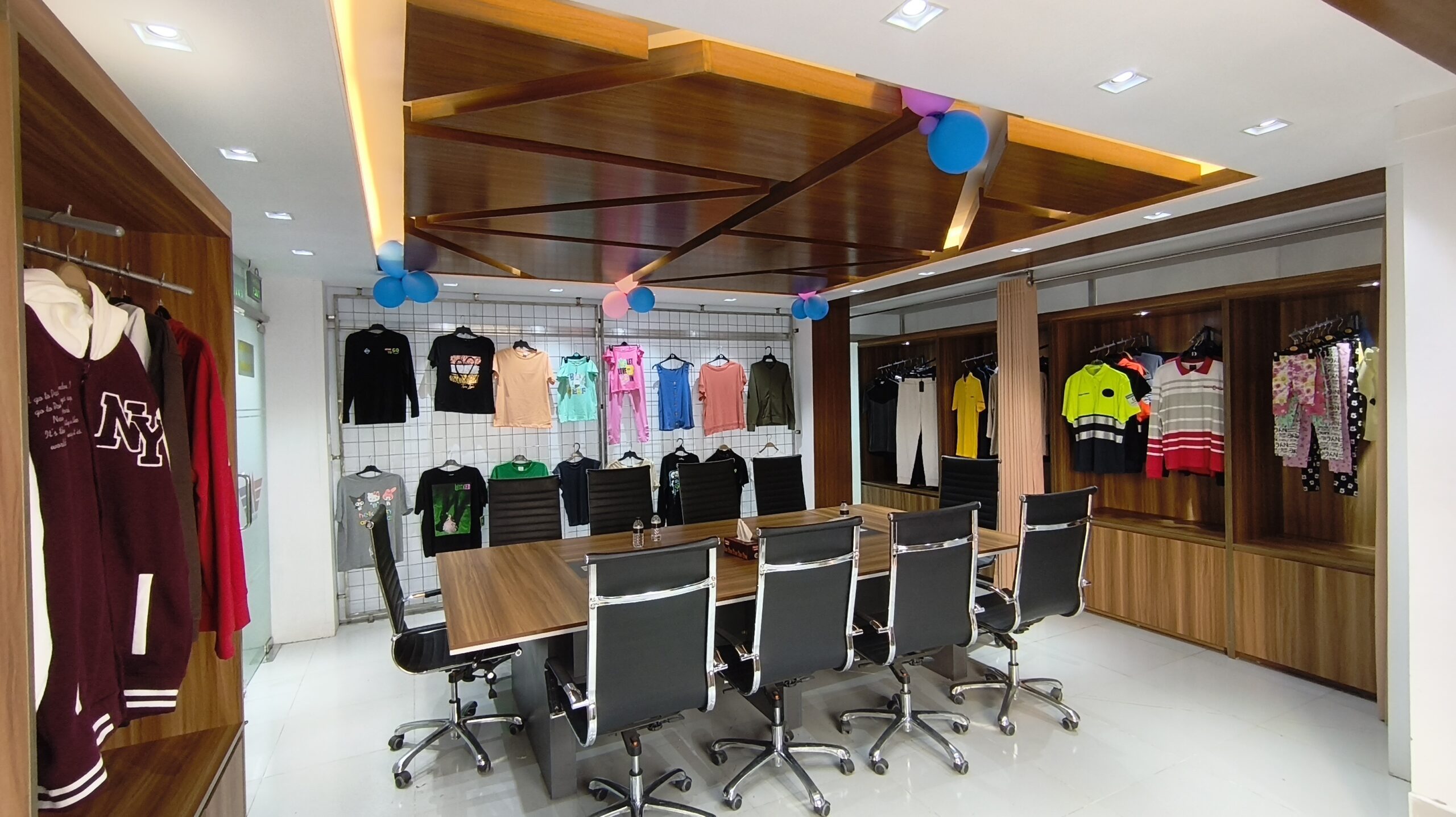
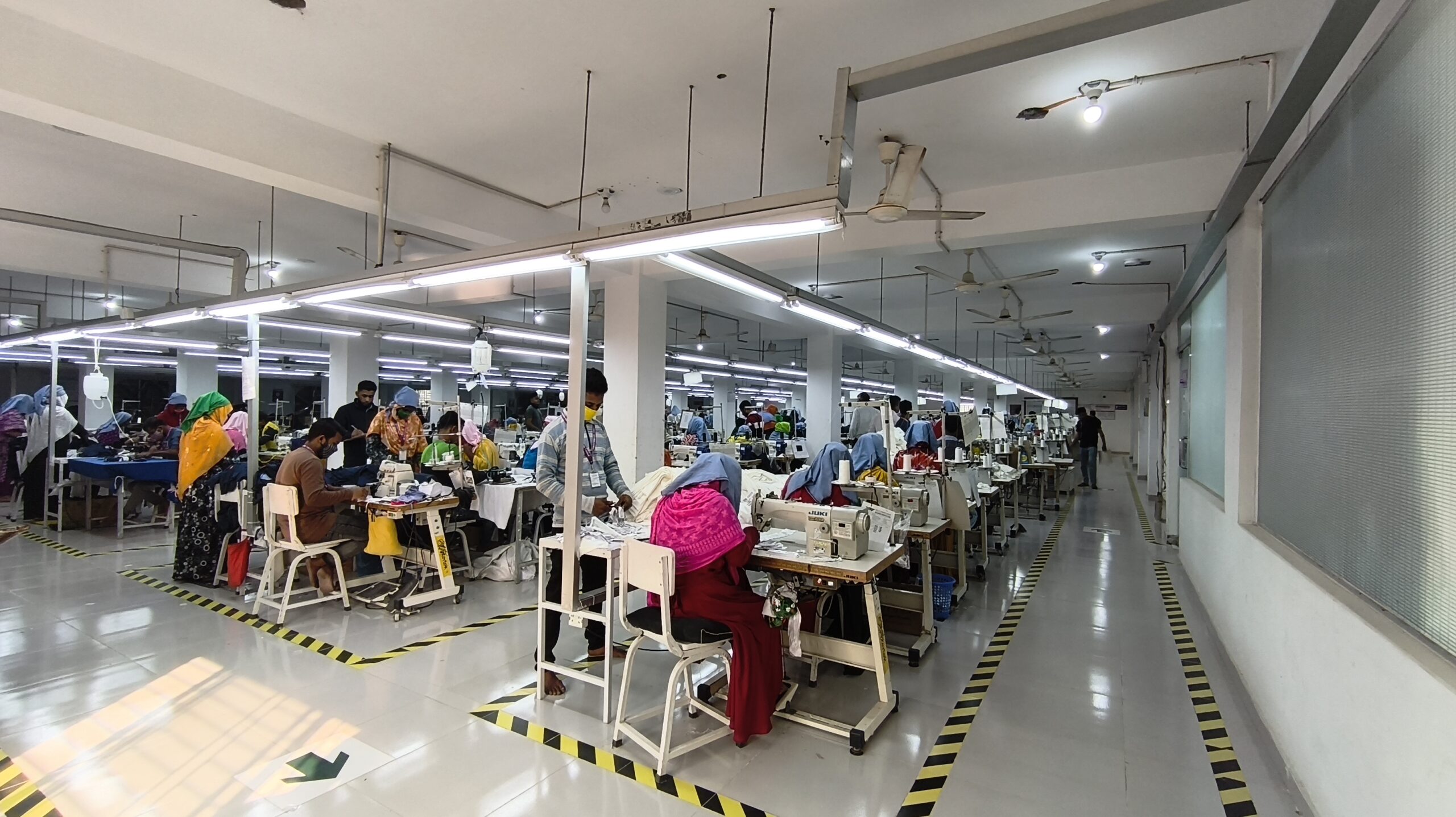
Explore the fashionwear catalogue, workwear product range and apparel sourcing partner evaluation guide for related discussions. The homepage remains the main introduction to Workwear Manufacturer in Bangladesh. This article addresses the broader clothing procurement process.
Discuss your clothing manufacturing enquiry
Ready to evaluate a clothing manufacturer in Bangladesh for your programme? Send M&A Sourcing your brief with product references, materials, size quantities, artwork, packing, destination and receiving expectations. Ask for a written feasibility review and sample plan before treating a proposal as an accepted production commitment.
Clothing Manufacturer in Bangladesh: FAQs
How do I choose a clothing manufacturer in Bangladesh?
Start with the actual garment, material, wearer, quantity and destination. Compare relevant product experience, proposed production route, technical questions, sample control and written responsibilities. Ask for evidence linked to the order rather than relying on a broad claim of being the best or largest.
Is a sourcing company the same as a factory?
Not necessarily. Identify the coordinating company, proposed production facility, seller and contracting party separately. Ask who performs development, production, inspection support and shipment coordination. Record the agreed scope and exclusions so the buyer understands which decisions remain its responsibility.
What information is needed for an accurate clothing quotation?
Provide drawings or an identified reference, materials, colours, measurement chart, artwork, quantity allocation, packing requirements and destination. Mark unresolved decisions and request visible assumptions. Reconfirm the quotation when the accepted garment differs from the original brief instead of treating an early estimate as a final commitment.
What is the minimum order quantity for clothing production?
Request product-specific confirmation. Materials, colours, construction, branding and the size matrix can affect the proposed terms. This guide does not state a universal minimum. A trial order can be discussed, but its feasibility should be evaluated for the actual material and production route.
How long does clothing manufacturing take?
Timing should be confirmed for the actual project. Separate development, material decisions, sample approvals, production, packing and logistics. Identify which buyer decisions must be complete before a milestone can be confirmed. A proposed factory release date is not automatically a guarantee of arrival at the buyer’s receiving location.
Can I supply my own brand logo and labels?
Provide the approved artwork, confirm reproduction permission and define finished dimensions, colours and placement. Review the proposed decoration and label content before release. Keep the artwork revision and decorated sample connected to the order so later reorders use an identifiable approved reference.
Does a catalogue photograph prove fabric composition or performance?
No. It is a visual reference. Ask for an identified material proposal and appropriate evidence for any relevant claim. A photograph also does not establish current stock, factory ownership or an active relationship with a customer whose logo appears on the pictured garment.
Is a fit sample the same as final production approval?
It should not be assumed. Record what the sample demonstrates and any substitute materials. Fit, fabric, colour, decoration and other decisions can have different approval status. State which further references or evidence are required before the final specification can be released.
How should size consistency be managed?
Use an approved measurement chart, clear points of measure and an agreed measuring method. Review the relevant size-set scope and keep corrections connected to specific garments and sizes. Retain the accepted chart revision for production and reconfirm the buyer’s actual quantity matrix before ordering.
How do I compare embroidery and printing proposals?
Identify the proposed method and compare the same artwork size, positions, garment and quantity. Ask what preparation, sample development and application are included. Approve a decorated sample on a relevant material and record the agreed care review instead of accepting an unsupported universal durability promise.
How should certification and responsible-sourcing claims be checked?
Review the issuing organisation, date, scope and relevant facility, product or activity. Distinguish audits, management-system certificates and product tests. Do not assume that a document for one entity or material covers every coordinating company or garment in the proposed programme.
What helps repeat clothing orders remain consistent?
Retain the approved chart, material and colour references, artwork, decorated sample identity, packing instructions and accepted commercial revision. Reconfirm current availability and review substitutions before release. Use specific receiving and wearer feedback to improve the next brief through controlled revisions rather than informal changes.