Best Custom Clothing Manufacturer in Bangladesh: 15 Expert Tips
Looking for the best custom clothing manufacturer in Bangladesh for your brand, private-label range or uniform programme? Start with a clear development plan: define the garment, approve the materials and fit, verify the relevant evidence, and document the decisions that control bulk production.
This M&A Sourcing Ltd. buyer guide explains custom clothing from the initial design brief through samples, branding, quotations, quality checks and repeat orders. It includes real company and product photographs, practical comparison tables, an enquiry checklist and answers to common sourcing questions.
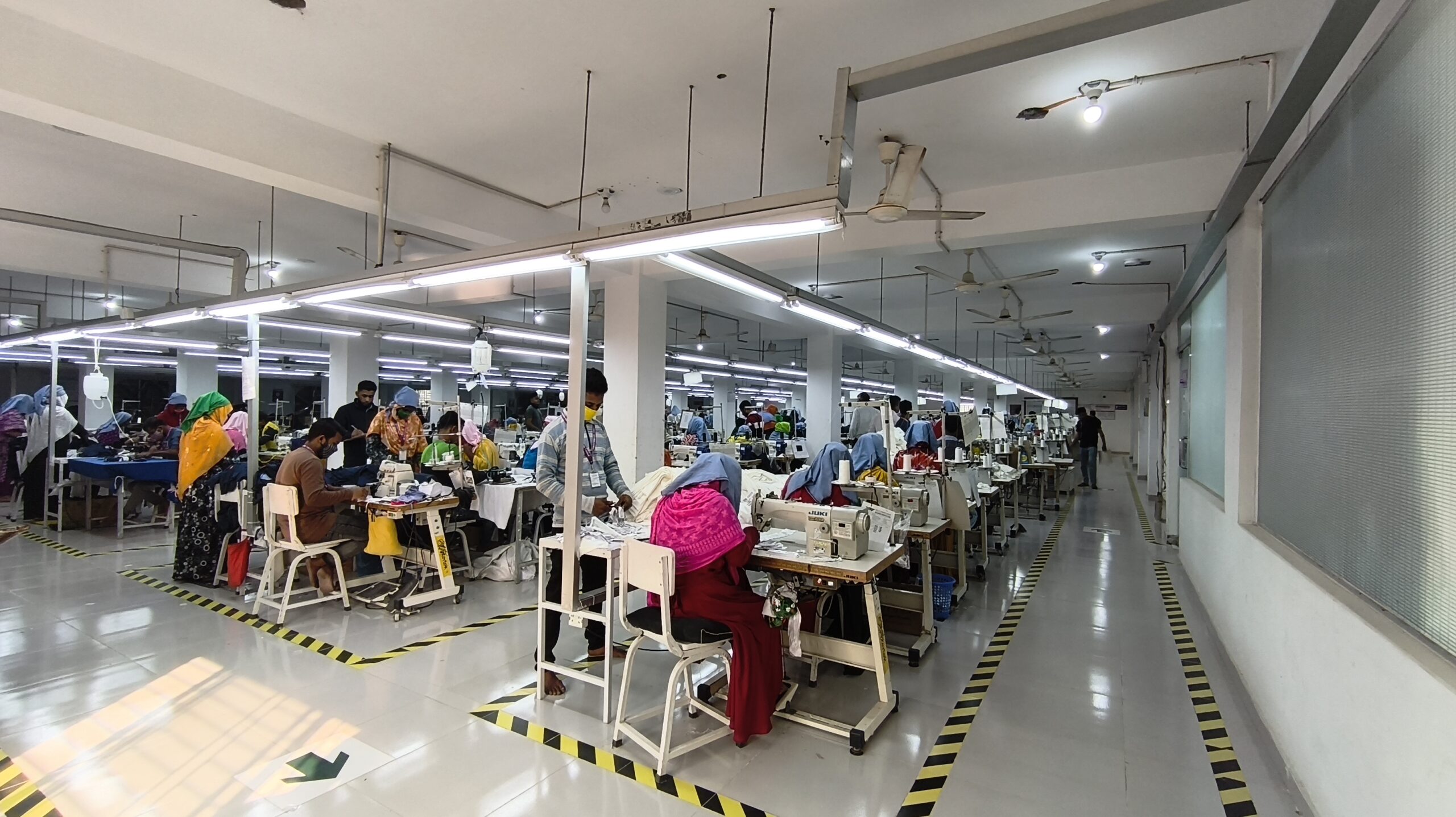
Table of Contents
What makes the best custom clothing manufacturer in Bangladesh?
Choosing the best custom clothing manufacturer in Bangladesh starts with your product, rather than a universal supplier ranking. A label developing oversized cotton T-shirts needs different materials, patterns and finishing controls from a distributor buying embroidered polos or layered jackets. The right partner can explain how your specification will be developed, what remains uncertain and which approvals are needed before bulk production.
This guide uses “best” as a buyer’s selection question, not an independently verified award for M&A Sourcing Ltd. Compare suppliers against the same documented brief, review the relevant samples and establish who is responsible for development, manufacturing coordination, inspections and shipment records. A polished website or attractive garment photograph is only the beginning of that assessment.
For a wider view, read our clothing manufacturer in Bangladesh guide. This article concentrates on custom development: turning a design into an approved garment with controlled materials, fit, artwork and repeat-order records. Buyers specifically planning industrial garments can also explore our workwear manufacturer in Bangladesh homepage and dedicated workwear resources.
1. Choose the right custom clothing production model
Custom clothing can mean adding your logo to an established garment, adjusting an existing pattern or developing a completely new style. Those routes require different inputs. Logo application needs artwork, placement and decoration approval. Pattern changes require measurements and fit review. A new garment also needs construction details, a bill of materials and a development sequence that accounts for unresolved decisions.
Ask the supplier to identify the proposed route in writing. If the starting point is an existing style, record which details remain fixed and which may change. If it is original development, identify who prepares the pattern, who controls revisions and what files or references are retained for later orders. Do not assume that an illustration contains enough information to manufacture a consistent product.
For a small launch, separating essential design features from optional customisation can make quotations easier to compare. A distinctive fit and carefully approved chest print may matter more than introducing a unique zip pull, several special labels and an additional fabric colour simultaneously. Keep the intended product experience clear while discussing the practical development implications of each choice.
| Production route | Buyer inputs | Approval focus |
|---|---|---|
| Brand an existing style | Garment reference, artwork, quantity and placement | Decoration on the proposed garment |
| Modify a base garment | Base reference plus specified fit or construction changes | Revised measurements, materials and construction |
| Develop an original style | Drawings, measurements, bill of materials and use requirements | Pattern, fit, components and complete pre-production sample |
| Repeat an approved design | Approved reference, current allocation and change register | Material availability and all proposed differences |
2. Prepare a brief before requesting a quotation
A useful enquiry names the garment category, intended wearer, destination market, estimated quantities, size range and required delivery window. Attach front and back views, close-ups of important details and an explanation of how the garment will be used. Distinguish references that illustrate mood from features that must be reproduced exactly. Otherwise, a supplier may price a simpler construction than you expect.
Build a specification with numbered pages and a revision date. Include fabric composition, target weight, finish, colours, measurements, seam details, pockets, closures, branding and packing. Where something is undecided, mark it as a question. A clear unresolved field is more useful than an invented number that later becomes an accidental production instruction.
Our tech pack checklist provides a practical structure that can be adapted to other clothing categories. Keep the commercial enquiry and technical pack aligned: the quantity spreadsheet, colour codes and style names should match. When a design changes, communicate the revision to everyone quoting or reviewing it, and retire superseded versions.
3. Specify fabric by use, structure and care
Fabric selection needs more detail than “premium cotton” or “comfortable polyester.” Describe composition, knit or weave, target weight, stretch requirements, surface appearance and intended care. A cotton jersey, pique polo fabric and brushed fleece behave differently during cutting, sewing, decoration and wear. Start with the garment’s function, then assess proposed materials against that function.
Request representative swatches and identify whether each is a development option, a colour reference or the actual proposed production material. Record the reference code on sample comments. If a supplier suggests an alternative, compare the effect on hand feel, drape, opacity, fit, decoration and care before approving the substitution. A similar photograph does not establish equivalent fabric performance.
For deeper material planning, see our fabric selection guide. Agree which properties need testing, the method to be used and the acceptance criteria before interpreting results. Do not treat a fabric weight alone as proof of durability or comfort; construction, finishing, garment fit and the wearer’s environment also influence the result.
| Garment category | Specification questions | Sample review |
|---|---|---|
| T-shirts | Jersey structure, composition, weight, opacity and neckline | Drape, recovery, fit and print appearance |
| Polos | Pique or jersey, collar, placket and rib details | Collar behaviour, button spacing and logo placement |
| Hoodies | Fleece structure, hood, rib, zip and pocket construction | Layered fit, bulk at seams and decoration |
| Cargo trousers | Woven construction, stretch, closures and pockets | Movement, pocket access and measurement consistency |
| Softshell jackets | Material structure, lining, closures and required performance evidence | Layering, mobility, seam details and finish |
4. Develop measurements and fit for your customer
A size label is not a complete fit specification. Define points of measurement, how the garment is laid out, whether dimensions are measured relaxed or stretched and the allowed tolerance at each point. Add a diagram where a measurement could be interpreted in more than one way. Keep garment measurements separate from a customer-facing body size chart.
Review the base-size sample on an appropriate wearer or form, with the intended layers underneath. For a hoodie, examine movement at the shoulder and sleeve as well as body length. For trousers, review rise, seat, thigh and pocket access. Record the actual sample measurements before deciding whether a problem comes from the pattern, sewing variation or the selected fabric.
Once the base size is approved, check the proposed grading and relevant sizes at the ends of the range. Do not simply assume that increasing every dimension by the same amount will preserve proportion. Our size chart planning article explains how to organise measurement records and comments. Keep fit approval tied to a named sample version.
5. Approve colour across fabric and trims
A colour name such as navy can describe noticeably different shades. Establish a physical reference or clearly identified colour standard, then agree the approval route for the actual material. On-screen images help communication but are affected by lighting, camera settings and displays. They should not be the only basis for an important bulk colour decision.
Review related components together. The body fabric, rib, sewing thread, zip tape, buttons, printed logo and woven label may originate from different processes. A close match can require deliberate coordination. State whether components must match closely or create an intentional contrast, and record any accepted difference on the sample approval.
For repeat orders, retain labelled references and discuss how new batches will be compared. If one garment combines several materials, ask how shade consistency will be controlled across those parts. A previous approval should identify the exact material and colour combination; it should not become an open-ended permission to use anything described by the same general colour name.
6. Match embroidery, printing and labels to the garment
Decoration changes the garment’s appearance and can affect comfort, stretch and handling. Supply usable artwork, the intended finished dimensions and placement measurements from stable reference points. Include separate instructions for each location. A logo that looks balanced in a digital mock-up may need adjustment when placed near a placket, seam, pocket or curved panel.
Ask for an application sample on the intended fabric when the result is important. Review detail reproduction, backing, edges, colour, position and the garment’s feel. For printing, examine the chosen process and the agreed care assessment. For embroidery, consider how stitch density and backing interact with the fabric. Approval should cover the physical result, not only the artwork file.
Our embroidery versus printing guide helps buyers organise this decision. Include neck labels, size tabs, care labels and packaging graphics in the same artwork register. Specify which revision is approved for each component and who may authorise a change. This reduces the risk of a correct garment being finished with outdated branding.
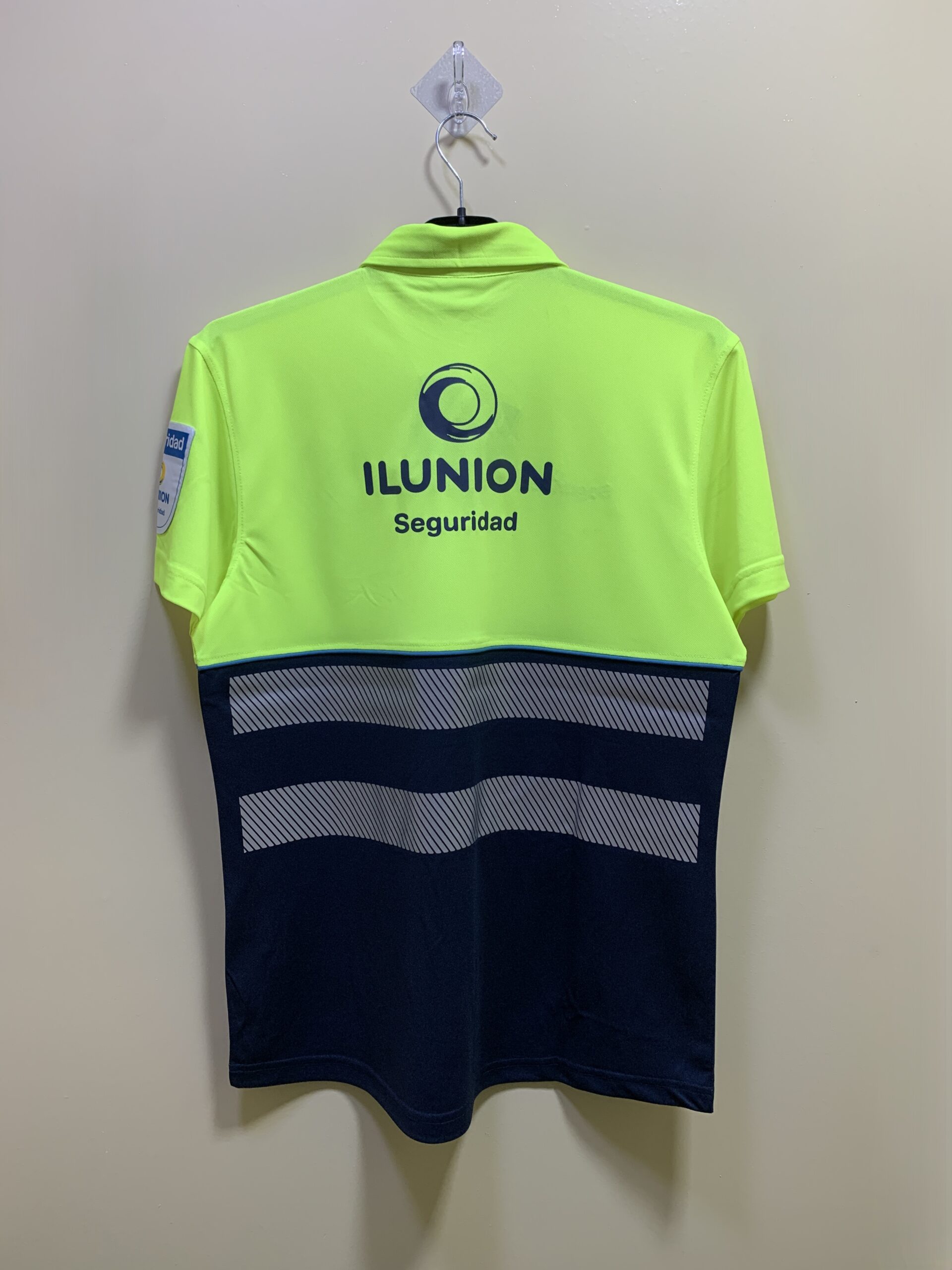
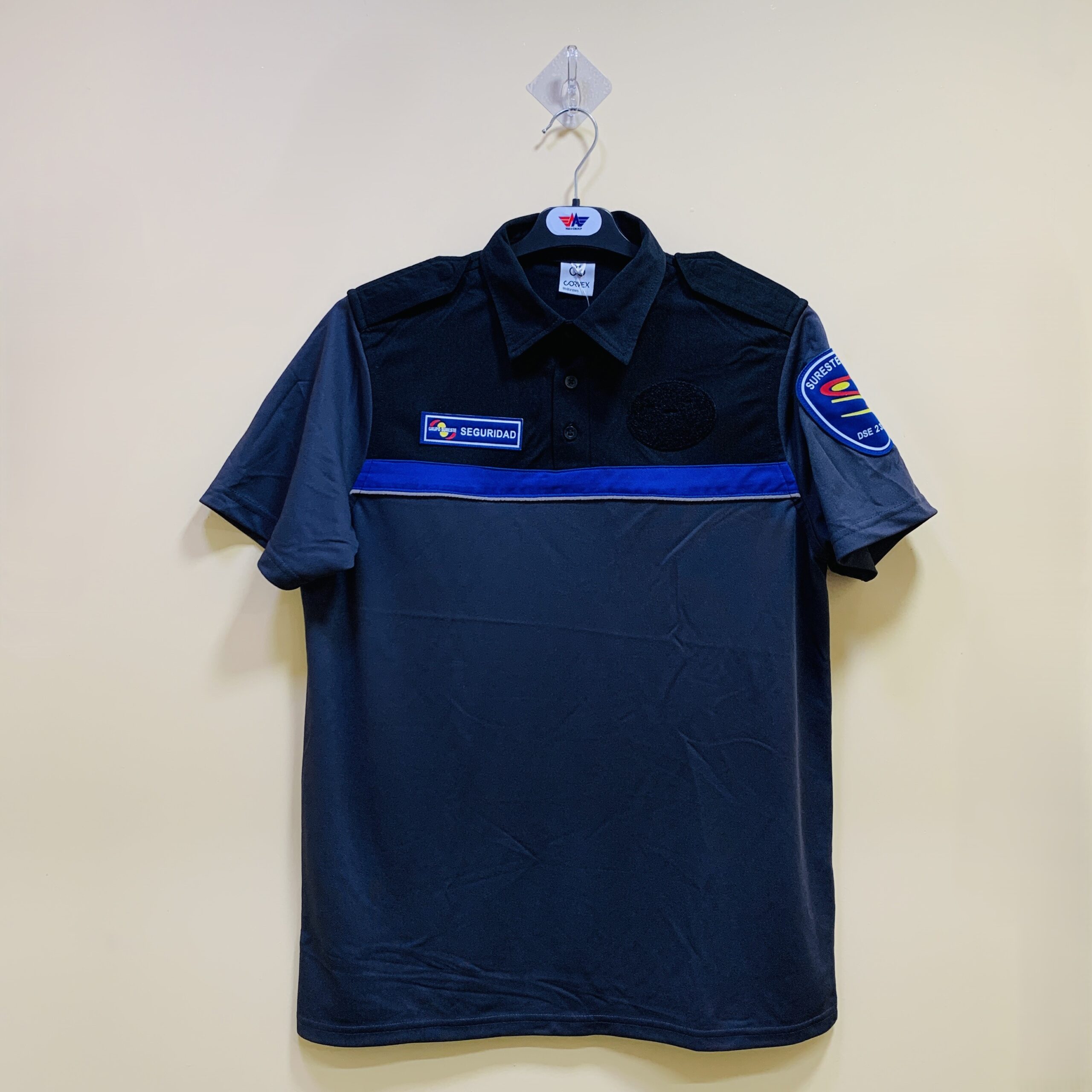
Related custom clothing product references
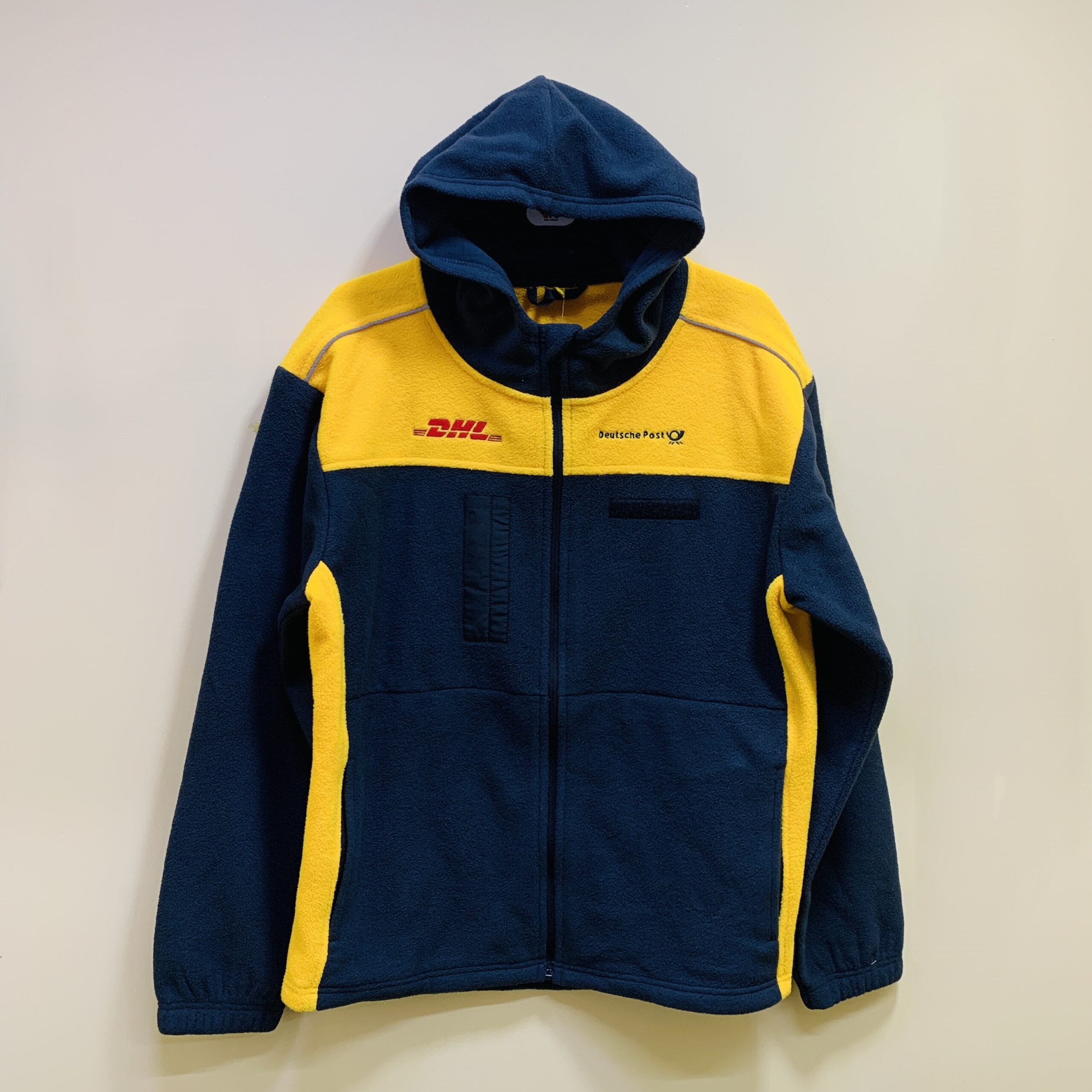
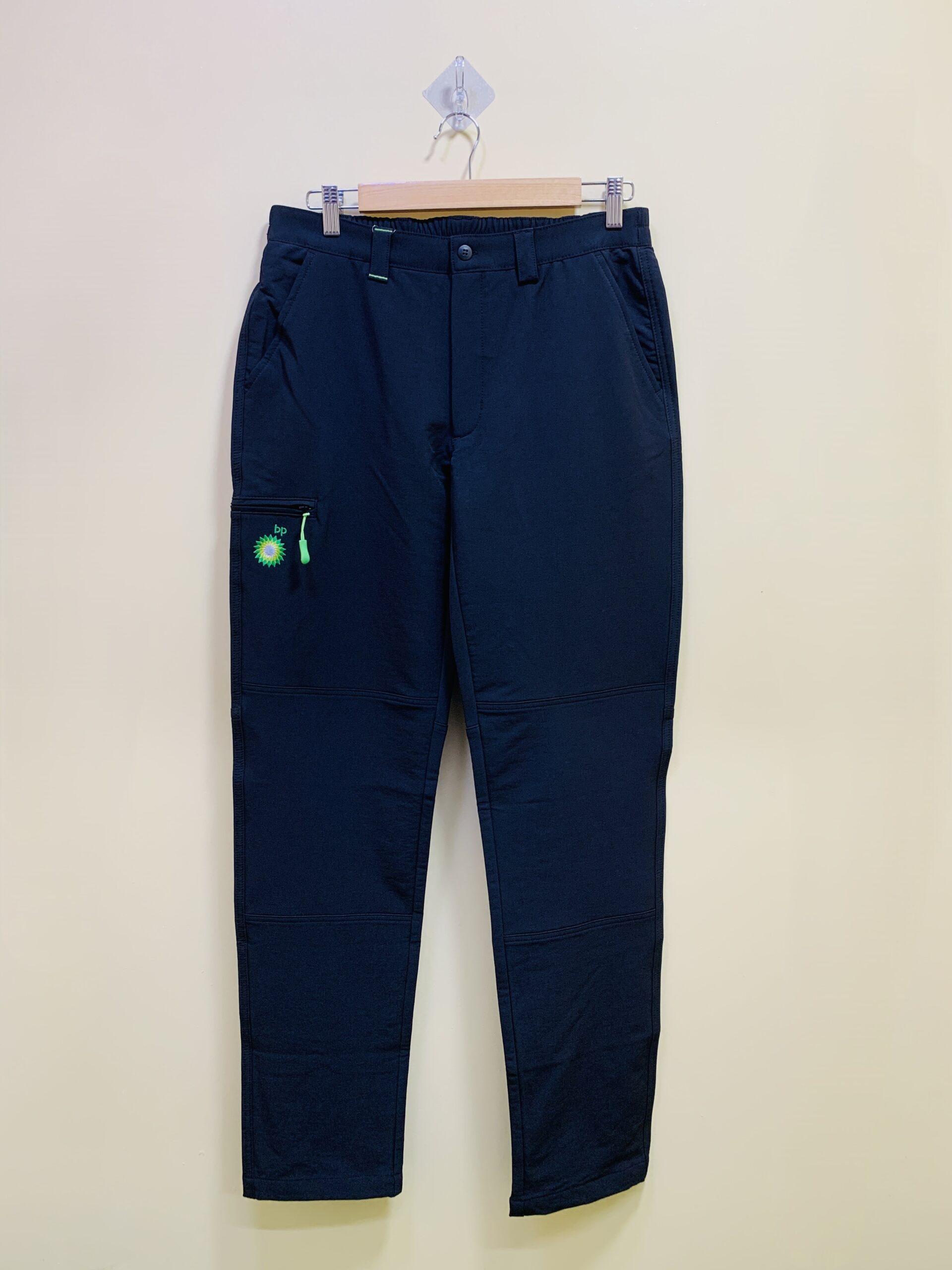
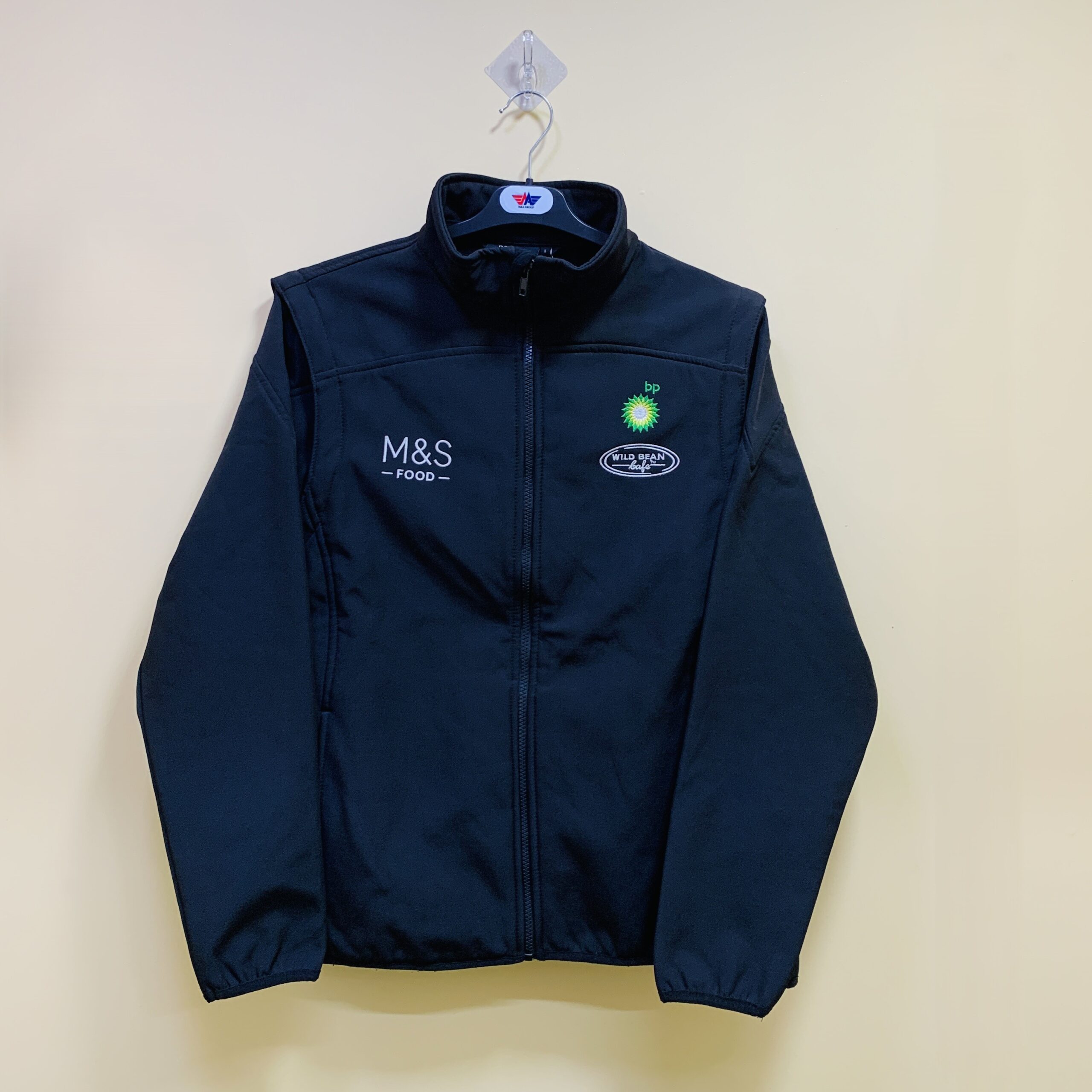
These real catalogue photographs are references for discussing a new brief. Confirm the proposed fabric, measurements, decoration and availability for your order.
7. Understand minimum quantities and custom components
Minimum order quantities can apply at different levels: the whole order, an individual style, each colour, a fabric batch or a special component. A combined order quantity does not automatically satisfy every underlying requirement. Ask the supplier to show which minimum applies to which item and how your proposed allocation interacts with it.
Create a matrix listing style, colour, size quantities and custom materials. Then identify potential constraints such as a specially dyed fabric, unique zipper or woven label. If a component minimum exceeds the garment order, discuss the commercial handling of any balance before proceeding. Avoid assuming that leftover materials will be stored, owned or reused without a written agreement.
See our detailed MOQ planning guide for allocation worksheets. M&A Sourcing’s actual minimums, prices and production feasibility must be confirmed for your specific enquiry. Combining compatible designs or reducing colour fragmentation may be worth discussing, but no single strategy guarantees a lower minimum or a particular price.
8. Compare quotations on an equivalent basis
The cheapest quoted garment can become difficult to compare if the fabric, decoration, packing or delivery basis differs. Send the same brief to each supplier and request a clear list of inclusions, exclusions, assumptions and unresolved points. A revised specification should trigger an updated quotation rather than an informal expectation that the original price still applies.
Separate sample development, bulk garments, decoration, labels, packaging and other agreed charges where relevant. Ask whether a quoted amount assumes a particular quantity, colour allocation or material source. Record the currency, quotation validity and the named delivery basis. Discuss transport, inspection and destination costs with the appropriate service providers before building a total budget.
Use the comparison table below to identify gaps rather than immediately assigning a winner. When one quotation is materially lower, ask what specification or assumption explains the difference. A useful supplier discussion connects cost to decisions you can assess: construction complexity, approved material options, number of colours and the extent of custom development.
| Comparison field | Ask each supplier | Decision record |
|---|---|---|
| Materials | Which exact fabric and trims are included? | Approved references and alternatives |
| Quantity basis | Does pricing depend on style or colour allocation? | Style-colour-size matrix |
| Development | Which sample stages and revisions are included? | Agreed scope and separate charges |
| Decoration | Which method, dimensions and locations are priced? | Artwork revision and application sample |
| Packing | What unit and carton configuration is included? | Approved packing instruction |
| Delivery | What named delivery basis and timing assumptions apply? | Written terms and dependencies |
9. Set sample approval gates before bulk production
Sampling works best when each stage answers a defined question. A development sample may establish construction and silhouette; a fit sample checks measurements and movement; a decoration sample confirms branding; a pre-production sample brings the agreed production details together. Not every order uses identical stages, so document the route appropriate to your product.
Keep an approval sheet with the sample reference, revision, measured results, photographs, requested corrections and the person authorised to release the next stage. Separate observations from decisions. “The sleeve feels short” should lead to a measurable instruction or a request for another fit review, rather than an ambiguous comment that different people interpret differently.
Before approving bulk production, review any remaining differences between the sample and the proposed order. A sample in substitute fabric can support some decisions while leaving others unresolved. Our sample approval guide explains how to record those limits. Never assume silence in a message thread constitutes approval of a changed material or measurement.
| Approval gate | Evidence to review | Release condition |
|---|---|---|
| Technical brief | Latest drawings, measurements and materials | Open questions assigned |
| Development sample | Construction and design interpretation | Corrections recorded |
| Fit review | Measured sample and wearer feedback | Fit decisions authorised |
| Branding review | Application and label samples | Artwork and placement approved |
| Pre-production review | Complete proposed garment and remaining differences | Written bulk release |
| Packing review | Unit packaging, labels and carton references | Packing instruction confirmed |
10. Translate quality expectations into inspection points
“High quality” becomes useful when connected to observable checks. Define appearance, measurement tolerances, seam and finishing requirements, branding position, label correctness and packing accuracy. Identify which issues require immediate escalation and who decides the corrective action. Use a shared defect description so that a photograph or inspection note refers to the same problem for both parties.
Discuss checks at stages where a problem can still be addressed effectively: incoming materials, early production, ongoing production and finished goods. The agreed plan should reflect the garment and order. If sampling inspection is used, document the sampling plan and acceptance rules with the relevant parties rather than treating an isolated checked item as proof about every carton.
Quality records should include the inspected reference, date, findings and disposition. A corrective action needs a follow-up check; recording a defect without verifying the correction leaves uncertainty. Our uniform quality checklist offers additional examples of garment checks, while each custom product still needs its own approved specification.
11. Verify the evidence behind supplier claims
Ask the best custom clothing manufacturer in Bangladesh for evidence relevant to your actual order. Confirm the business contact, the parties involved in production and the proposed manufacturing location. If your buying programme requires a particular audit, material claim or certification, identify the applicable scope and supporting documents before placing reliance on a general marketing statement.
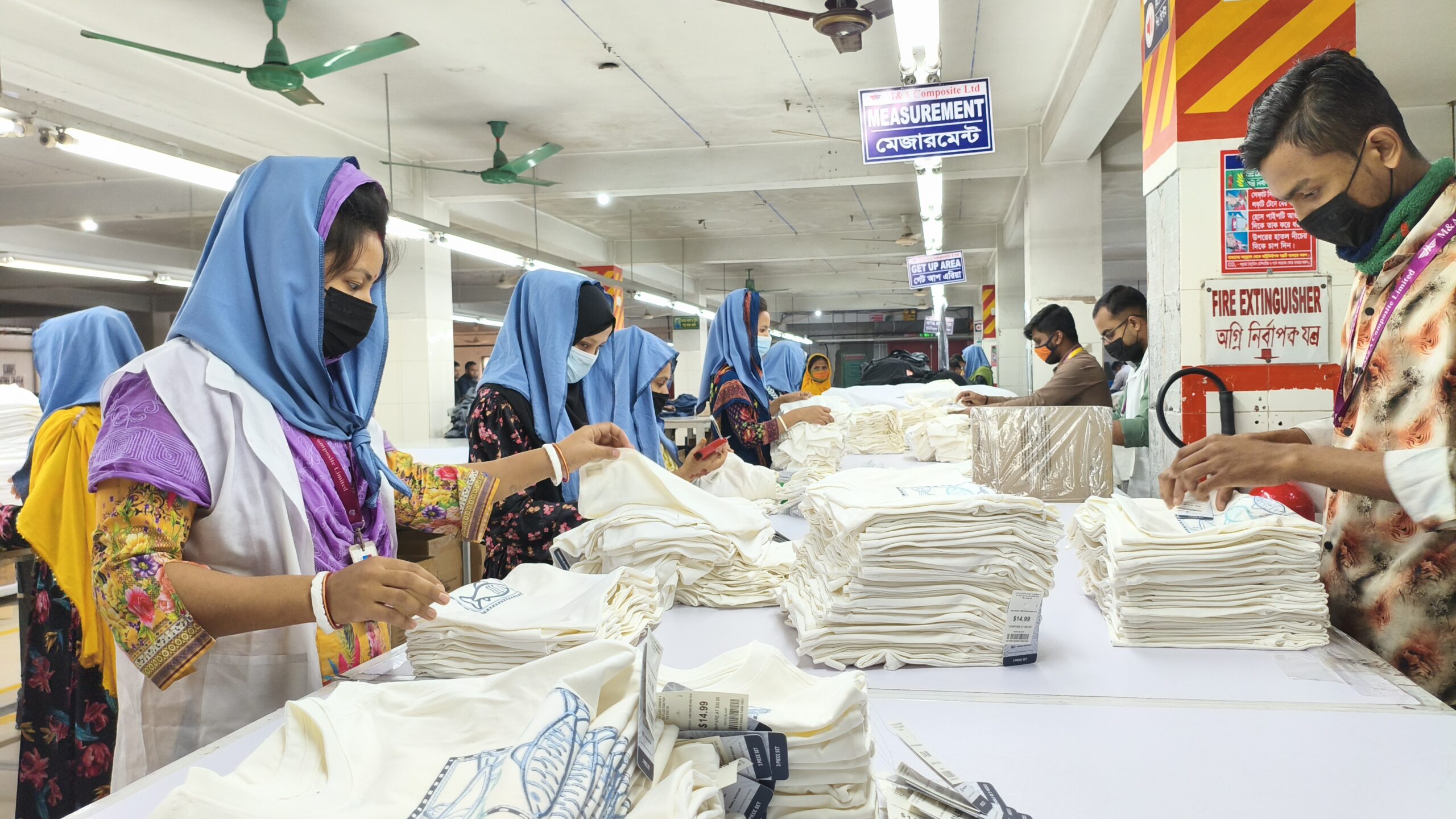
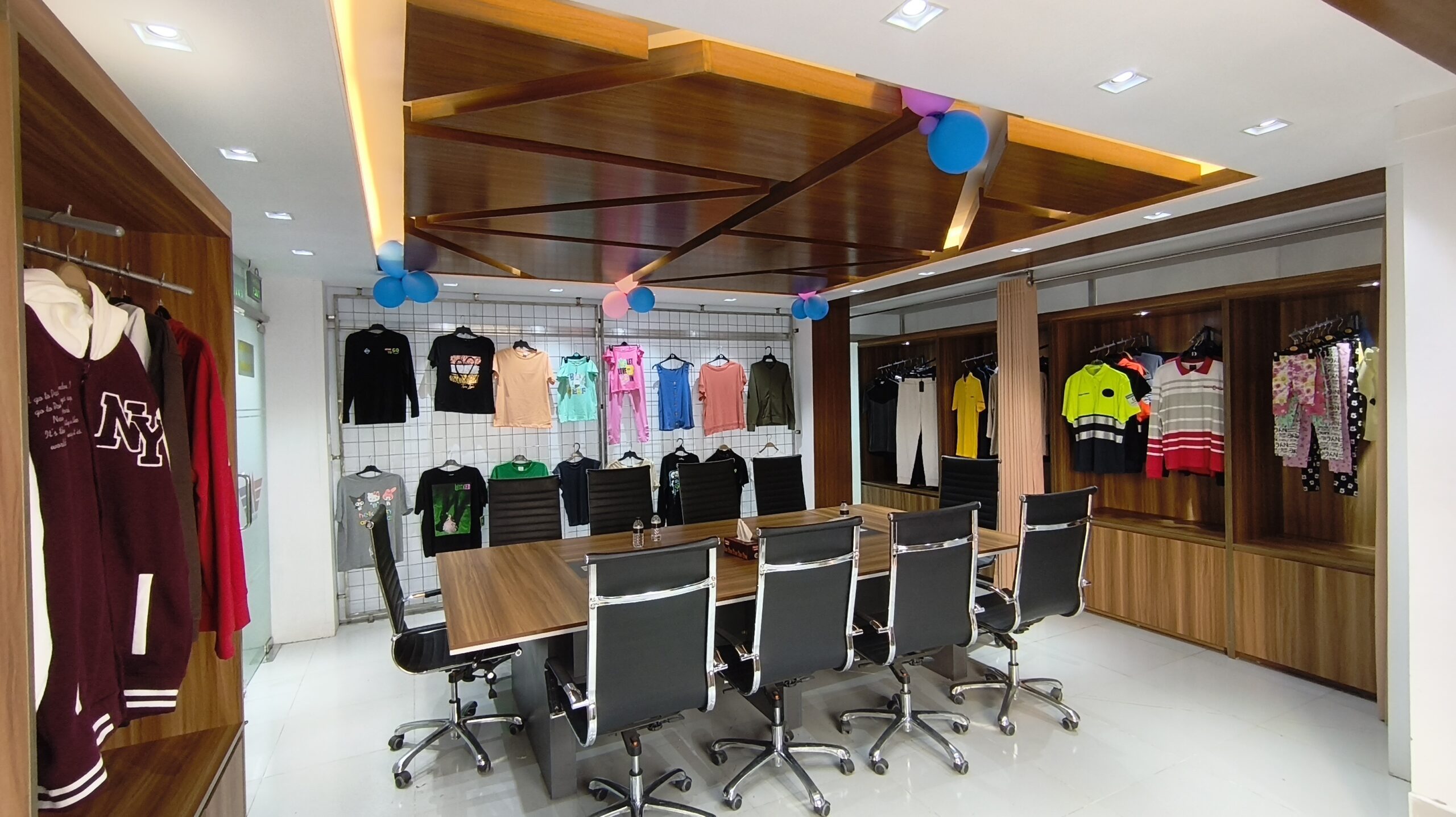
Industry information provides context rather than proof about one company. BGMEA describes its role in Bangladesh’s garment industry; that does not establish a particular supplier’s membership, approval or product capability. Similarly, a factory photograph illustrates activity but does not verify capacity, social compliance or a specific performance claim.
For Textile Exchange claims, consult the organisation’s certificate authentication resources and review the documents applicable to the proposed goods. Do not assume that a certificate for one site or material automatically covers every garment. This article does not assert that M&A Sourcing holds any particular certification.
| Buyer question | Useful evidence | Important limit |
|---|---|---|
| Who is responsible for the order? | Named business contacts and written scope | A website title alone is insufficient |
| Where will it be made? | Confirmed proposed production arrangements | Photos do not verify order allocation |
| Does a certification apply? | Current document, site, scope and product relevance | Do not generalise to unrelated goods |
| Can this garment meet the specification? | Relevant samples, agreed tests and approvals | A similar style is not the same specification |
| What happens when a problem is found? | Escalation owner and correction record | A promise needs a defined process |
12. Plan development and delivery around dependencies
A delivery plan should show the decisions that must happen before the next activity can begin. Fabric availability, colour approval, pattern corrections, decoration approval and final quantity allocation can each influence readiness. Ask for a schedule based on the actual specification and material situation rather than relying on a generic production promise.
Work backwards from the required arrival date, allowing the relevant service providers to confirm transport and destination handling assumptions. Distinguish production completion, shipment departure and arrival. A garment being ready at the factory is a different milestone from stock being available for sale or distribution in your market.
Give each approval an owner and a response date. If feedback arrives late, review the plan rather than silently compressing every later stage. The progress bars in this article illustrate the order of enquiry preparation; they are not a live production tracker or a statement that your order has reached a particular percentage of completion.
Custom clothing enquiry preparation stages
Illustrative sequence only: percentages show position in this seven-stage checklist, not live order status, elapsed time or completed factory work.
1. Define product and wearer
2. Prepare technical specification
3. Review material options
4. Confirm quantities and quotation basis
5. Approve fit and branding
6. Authorise pre-production reference
7. Confirm packing and handover
13. Control labels, packing and shipment handover
Packing instructions should explain how units are identified and grouped. Record the style, colour and size codes; folding or presentation requirements; unit packaging; carton assortment; and carton markings. If your warehouse needs a particular barcode or label layout, approve a readable reference before bulk packing starts.
Reconcile the order allocation with the packing list and the physical carton plan. Mixed-size cartons can be appropriate for some programmes, while others need single-size cartons for distribution. The decision affects receiving work at the destination. Our packing checklist helps connect garment quantities with carton-level records.
Discuss shipment documents, named delivery terms and handover responsibilities with the supplier and logistics provider. Destination labelling and import requirements depend on the market and product, so have the appropriate specialists confirm what applies. Avoid treating a generic export checklist as a complete instruction for every country or garment category.
14. Preserve an approval archive for repeat orders
A repeat order needs more than the previous invoice. Retain the approved technical pack, artwork, measurements, material references, sample comments, packing instructions and key commercial assumptions. Give the final approved version a clear reference so that a new team member can identify it without reconstructing months of messages.
Before reordering, confirm whether materials, components, availability or production arrangements have changed. Revisit any proposed substitution and decide which checks must be repeated. A previous successful delivery is useful experience, but it does not automatically approve a new fabric batch, different print process or revised size allocation.
Review feedback from wearers and receiving teams, then translate it into controlled changes. If customers request a longer body or a different pocket, update the pattern specification and confirm the consequence for measurements, samples and pricing. Keep the original and revised versions distinct so that stock, future orders and customer communication remain consistent.
15. Send a clear custom clothing enquiry to M&A Sourcing
To discuss your project, send M&A Sourcing Ltd. your garment category, design references, target market, estimated quantities by style and colour, size range, branding requirements and required delivery window. Include the latest technical pack if available. Explain which details are confirmed and which need development advice.
The next useful step is a written discussion of feasibility, proposed materials, sampling requirements, quantities and quotation assumptions. Request confirmation of actual capabilities and commercial terms for your specific design. Catalogue images are starting points for a product conversation; they do not promise immediate stock, identical materials or suitability for every use.
Use our contact page to share your custom clothing brief. For related ranges, explore T-shirts and polos, hoodies, cargo trousers and softshell jackets. A clear brief gives both sides a stronger basis for deciding whether the project is a good match.
| Enquiry item | What to provide |
|---|---|
| Product | Style name, category, front/back views and intended use |
| Materials | Composition, structure, weight, colour and acceptable options |
| Fit | Size range, points of measurement and target fit |
| Branding | Artwork, dimensions, positions and label requirements |
| Quantity | Units by style, colour and size; expected repeat pattern |
| Timing | Required arrival window and approval availability |
| Packing | Unit presentation, barcode and carton requirements |
| Open questions | Items needing supplier development or feasibility advice |
Three custom clothing buying scenarios
The following fictional examples show how to organise decisions. They do not describe actual M&A Sourcing customers, completed orders, prices or promised production terms.
A clothing brand developing its first oversized T-shirt
The founder has a front print and a visual reference, but no measurements. Before requesting a firm bulk quotation, the brand prepares a base-size measurement sheet and identifies the intended silhouette. It separates body width, body length, shoulder drop and sleeve proportion rather than describing everything as oversized. Fabric options are reviewed for opacity, drape and the intended printed appearance.
The first sample shows that the neckline and sleeve shape need adjustment. Those comments become revised measurements and construction notes, with a new reference number. The print is reviewed at actual size on the proposed material. The brand then checks whether the approved appearance can be maintained across its selected sizes. This sequence provides clearer production instructions than accepting a digital mock-up as a finished specification.
For the quotation, the brand sends a quantity allocation by colour and size and asks about each relevant minimum. It discusses the effect of a custom neck label separately from the garment itself. The final approval archive includes the fabric reference, measurement sheet, artwork version, print dimensions, sample comments and packing instructions. If the launch later repeats, the brand can identify exactly which product should be reproduced.
A distributor building a coordinated polo and hoodie range
The distributor wants the garments to look related without assuming they can use identical materials. The polo needs an appropriate collar and placket, while the hoodie needs a comfortable layered fit and suitable rib. The buyer prepares separate specifications and links them with a shared colour and branding brief. Each garment receives its own material and fit review.
An embroidered logo is proposed for the polo, while the hoodie design includes a larger application. The buyer reviews physical decoration samples on both fabrics. It records the approved placement from garment reference points, so the instructions remain useful across sizes. The decoration decision considers appearance and feel rather than assuming a single method must be used everywhere in the range.
The distributor compares quotations against the same style and colour allocation, then plans the receiving process. Carton markings distinguish the two categories and identify sizes clearly. A shared range name is used for merchandising, but the production records retain separate style codes, material references and approvals. This allows a future repeat of one item without accidentally changing the other.
A buyer revising an existing cargo trouser programme
The current garment has useful features, but wearers request easier pocket access and more room when bending. The buyer documents those issues with photographs and measured observations. The new brief identifies what should remain consistent, including visual identity, while marking the pocket and fit changes for development. A previous garment is supplied as a reference rather than an instruction to copy every detail.
The revised sample is assessed in movement, with attention to rise, seat, thigh and the changed pocket opening. The buyer checks that the adjustment does not create a new interference with a closure or seam. Comments are tied to measurable changes and reviewed on the next sample. If a new material is proposed, its effect on fit and construction is assessed before approval.
Before release, the buyer confirms updated style identification, quantity allocation and packing records. The revised garment is given a distinct approval reference so it is not confused with remaining stock from the earlier version. Repeat-order planning includes the accepted pattern, component codes and any unresolved material availability questions. The result is a controlled revision process rather than a collection of informal requests.
A simple supplier evaluation worksheet
Before shortlisting, make a shared worksheet with one row per supplier and one column per decision area: relevant garment experience, specification response, sample interpretation, material traceability, communication, quotation clarity and the proposed quality process. Attach the evidence behind each assessment. A short explanation is more useful than a high score with no supporting reference.
Set the importance of each area before reading the quotations. For an original fashion silhouette, pattern development and fit communication may carry particular weight. For a coordinated uniform programme, consistency of colour, labels and repeat-order records may be central. For a performance garment, the required technical evidence may be a prerequisite rather than an optional advantage. This prevents an attractive price from overriding a requirement your buying programme cannot compromise.
Use a status such as confirmed, needs clarification or not demonstrated. Do not confuse “not demonstrated” with a proven inability: it means you still need an answer before making the decision. Keep commercial assumptions beside the technical review, because a supplier quoting an alternative material or simplified decoration is responding to a different cost basis.
Finally, organise a focused clarification discussion. Ask the supplier to resolve the most important gaps, then update the written brief and quotation where necessary. Record who approved the shortlist and which outstanding items must be closed before a purchase decision. This creates a reviewable selection process without presenting a subjective comparison as an independent industry ranking.
Best custom clothing manufacturer in Bangladesh: FAQs
How do I choose the best custom clothing manufacturer in Bangladesh?
Compare suppliers against the same product brief. Review relevant samples, material proposals, fit controls, manufacturing arrangements, written quotation assumptions and approval responsibilities. The best match depends on your garment and buying programme; there is no universal ranking established by this article.
Can I use my own clothing designs and brand labels?
Discuss your drawings, measurements, artwork, label requirements and ownership expectations with the supplier. Confirm the scope of original development and what files or samples will be retained. Written approval should identify the exact design and branding revision intended for production.
What is the minimum order for custom clothing?
The applicable minimum must be confirmed for the actual project. It may depend on the style, colour, fabric, decoration or custom component. Provide a style-colour-size allocation and ask which minimums apply rather than assuming one total quantity covers every requirement.
Can I order custom T-shirts, polos and hoodies together?
You can include several categories in an enquiry, but feasibility, minimums and pricing need confirmation for each. Different materials and production requirements may apply. A combined garment count does not necessarily satisfy the fabric or component minimum for every style.
What should a custom clothing tech pack include?
Include garment drawings, a bill of materials, fabric and colour references, measurements, tolerances, construction details, branding positions, labels and packing. Give the document a revision date and clearly identify unresolved fields so they can be discussed before production release.
Should I approve a sample before bulk production?
Agree an appropriate sample route and review the details that affect the order. Fit, materials, decoration and construction may require separate checks. Record any difference between the reviewed sample and bulk specification, then give written approval tied to the final reference.
Is embroidery always better than printing?
The choice depends on fabric, artwork, appearance, placement, comfort and intended care. Review an application sample using the proposed garment material. Neither method is automatically suitable for every design, and the final decoration should be assessed against agreed requirements.
How long does custom clothing production take?
Request a project-specific schedule after discussing design complexity, materials, quantities, approvals and delivery arrangements. Separate development time, production readiness, shipment departure and arrival. This guide does not promise a standard lead time for M&A Sourcing orders.
How can international buyers compare clothing quotations?
Use an equivalent specification and allocation. Compare material references, sample scope, decoration, labels, packaging, exclusions, currency and named delivery basis. Ask suppliers to explain differences before treating the lowest garment unit price as the lowest overall buying cost.
Are catalogue images proof of certification or manufacturing capacity?
No. Images help identify products and illustrate company activity, but they do not establish certification, available capacity or suitability for a specific order. Request relevant documentation and confirmation for the actual manufacturing arrangement and product being discussed.
How do I keep repeat clothing orders consistent?
Retain the final tech pack, approved sample references, artwork, material codes, measurements and packing instructions. Before repeating, confirm availability and review every proposed change. Update the approval archive whenever a new material, fit revision or component is accepted.
How do I request a custom clothing quotation from M&A Sourcing?
Share your garment references, technical pack if available, estimated style-colour-size quantities, target market, branding requirements and required delivery window through the contact page. Ask for confirmation of feasibility, development stages and commercial terms for that specific brief.