Medical Scrubs Buying Guide: 7 Essential Steps for Better Fit
This medical scrubs buying guide helps uniform buyers evaluate fabrics, fit, pockets, care requirements and sample records before placing an order. A good-looking catalogue image is a starting point; a usable specification and approved garment are what make the enquiry reviewable.
Buyer guidance: this article covers ordinary staff uniform sourcing. Product availability, performance evidence, pricing and production arrangements must be confirmed for the specific enquiry.
Table of Contents
1. Define the role and the scrub set
Medical scrubs buying starts with the job and the wearer. A clinic may need coordinated tops and trousers, while another buyer needs individual replacement garments in separate size quantities. Record each item as its own style so the top and bottom do not accidentally inherit the same measurements, fabric assumptions or packing instructions.
Write down the destination, intended department, wearing environment, size breakdown and branding rules. Ask the purchasing team to confirm any employer dress requirements before selecting details. A neckline, sleeve shape or pocket arrangement should be reviewed against the intended use, rather than chosen only because a catalogue photograph looks attractive.
This guide concerns ordinary staff uniforms. It does not establish suitability as surgical clothing, isolation garments or personal protective equipment. Any protective, antimicrobial or other regulated claim requires applicable evidence and a separate assessment of the exact product. Do not infer a protective rating from a garment colour, fabric name or photograph.
Start with our medical wear product category and the broader medical uniform sourcing overview. This article focuses on the practical buying brief, helping buyers prepare questions before requesting a quotation.
| Decision | Buyer input | Approval owner |
|---|---|---|
| Garment set | Top and trouser style references | Purchasing team |
| Wearer group | Role, size range and movement needs | Uniform coordinator |
| Colour | Approved physical shade reference | Brand or department lead |
| Care | Actual intended laundry process | Laundry or facilities contact |
| Commercial brief | Size quantities, destination and delivery window | Purchasing team |
2. Compare fabric with the actual laundry plan
Medical scrubs fabric needs more detail than “comfortable” or “easy care.” Request fibre composition, construction, finished weight and any proposed finish. Compare swatches under consistent lighting and review a complete sample. Material weight alone does not describe breathability, opacity, drape or the way the finished garment moves.
If stretch is proposed, ask how it is achieved and how the fabric recovers after movement and care. Evaluate the garment while sitting and reaching, then check whether knees, elbows or the seat retain an unwanted shape. A stretch percentage on a specification sheet cannot replace a fit trial of the finished construction.
Confirm whether garments are intended for a domestic or an institutional laundry process. Ask the buyer to provide the actual conditions that the supplier must accommodate. Do not promise compatibility with a temperature, chemical process or drying method until the material, trims and decoration have been assessed for that procedure.
The fabric selection guide can help organise material questions. For general quality context, CottonWorks’ garment quality control resource identifies fit, seam integrity and measured performance among important quality considerations. Apply that principle by requesting evidence for the actual sample.
| Review point | Question to ask | Evidence to retain |
|---|---|---|
| Composition and structure | What exactly is being supplied? | Specification and identified swatch |
| Opacity | Does the colour cover adequately during movement? | Finished sample assessment |
| Stretch and recovery | Does the garment return to shape? | Recorded fit and care observations |
| Care compatibility | Which process has been assessed? | Procedure and relevant results |
| Surface appearance | How does the surface look after care? | Before-and-after photographs |
3. Approve tops and trousers separately
Medical scrubs buying should allow top and trouser sizes to be selected independently where the programme requires it. A wearer who fits one top size may need a different trouser size. Collect the size breakdown in a way that reflects the ordering model instead of assuming that every set will contain matching labels.
For tops, define chest width, body length, shoulder or sleeve measurements and the neckline dimensions relevant to the design. For trousers, define relaxed and extended waist where applicable, hip, rise, inseam and leg opening. State whether measurements refer to the body or the finished garment, and whether widths are flat measurements.
Use an approved diagram and record tolerances for every important measurement. Avoid lifting an unverified chart from another product. A unisex fit also requires a real trial across the intended wearer range; the label alone does not demonstrate that the cut will work for everyone.
During a fitting, check ordinary movements such as sitting, bending and reaching. Review coverage at the neckline and hem, pressure at the waistband and clearance around the thigh. Test the garment with any permitted underlayer. Record a specific correction rather than broad comments such as “too small.” See our size chart planning guide for organising the measuring method.
| Garment | Measurement or check | Approval record |
|---|---|---|
| Top | Chest, length and neckline | Approved values, tolerance and diagram |
| Top | Reach and bend assessment | Wearer feedback and correction |
| Trouser | Waist, hip, rise and inseam | Approved values, tolerance and diagram |
| Trouser | Sit, walk and pocket access | Wearer feedback and correction |
| Set | Top-to-bottom size pairing | Ordering and packing rule |
4. Make pockets, closures and logos measurable
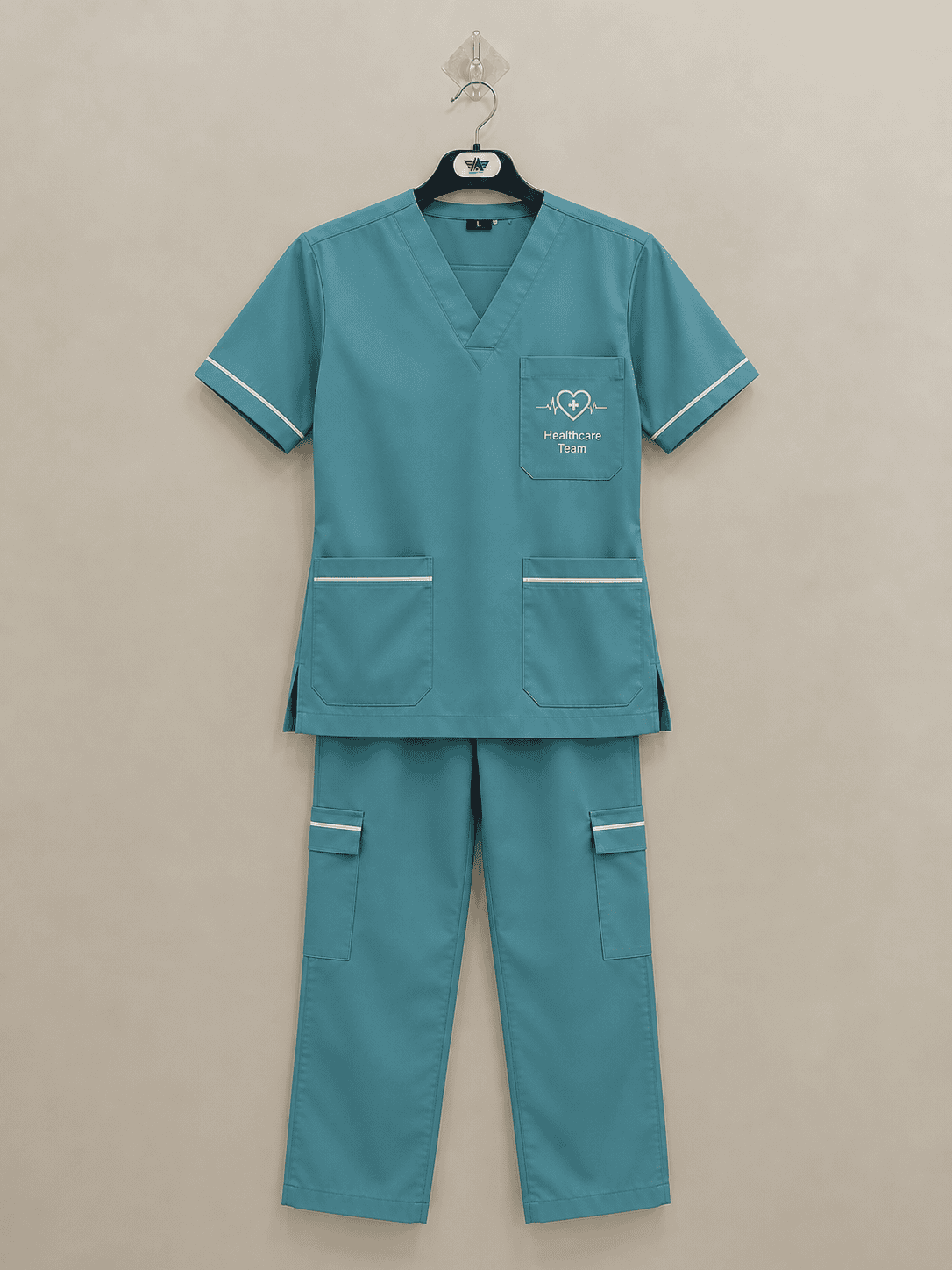
Medical scrubs pockets should be specified by their position, opening, depth and construction. Ask the wearer group what must be carried and review safe, practical access with the sample. Avoid adding pockets without a purpose: their placement can affect the silhouette, movement and how a loaded garment hangs.
Inspect the waistband construction and any adjuster as part of the whole garment. Confirm the design with the buyer’s workplace requirements. Check seam finishing, label edges and reinforcement at areas that receive repeated handling. The inside of the sample deserves the same attention as the front photograph.
Approve embroidered or printed branding on the intended material. Record artwork version, finished dimensions, colours and placement from fixed landmarks. Check the reverse side for comfort. A digital logo approval confirms the artwork; it does not by itself confirm how the decoration behaves on the garment.
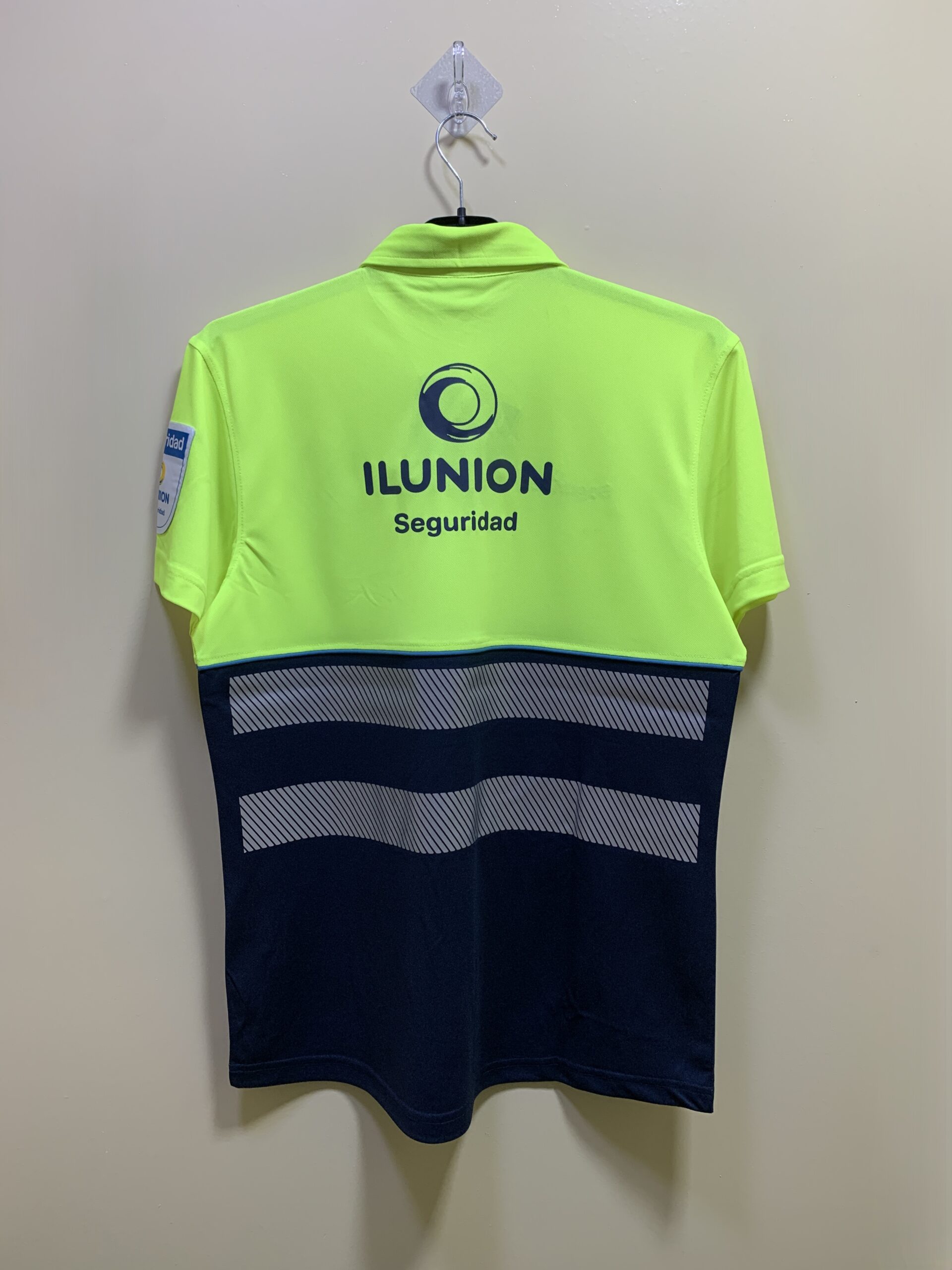
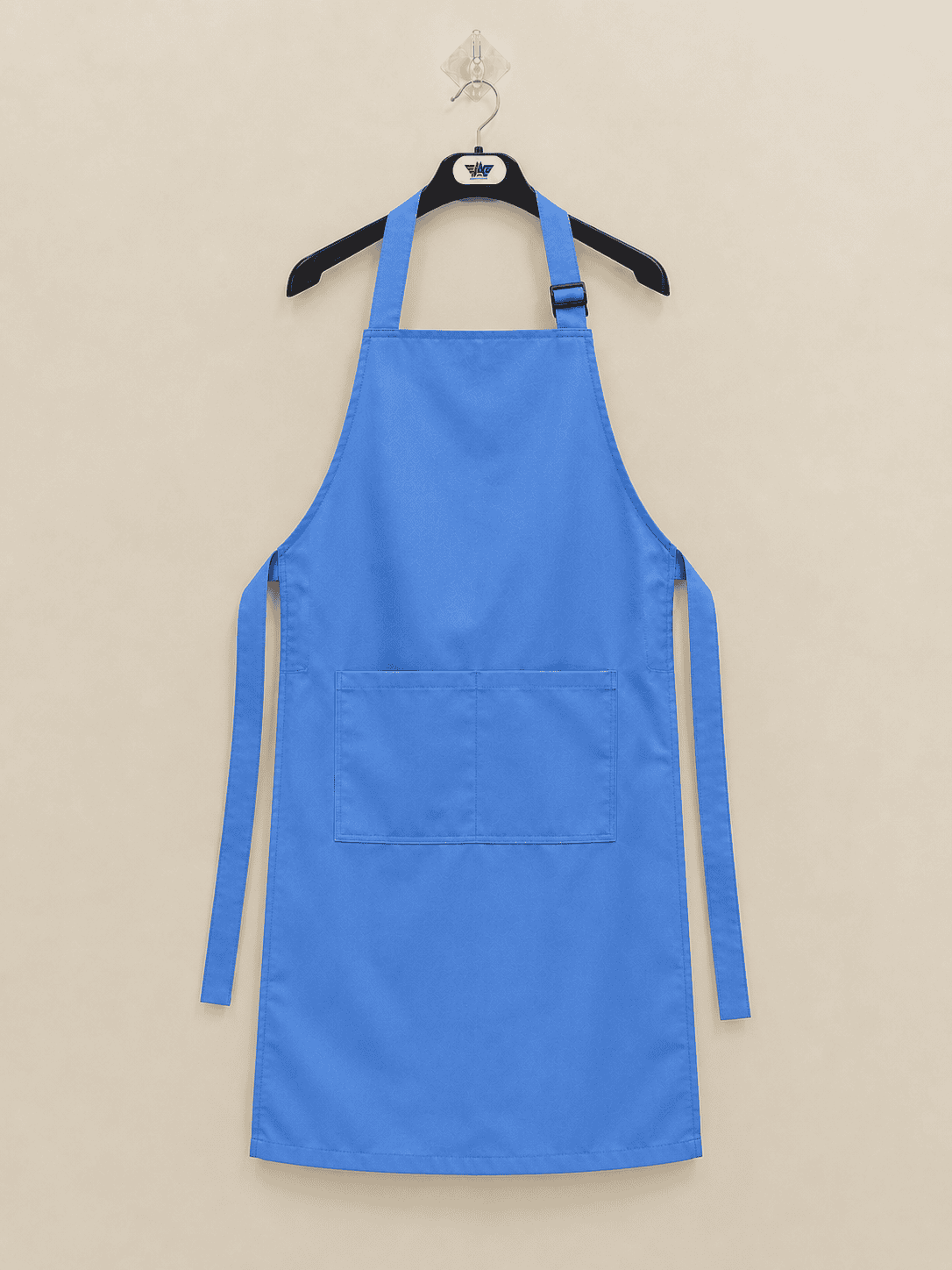
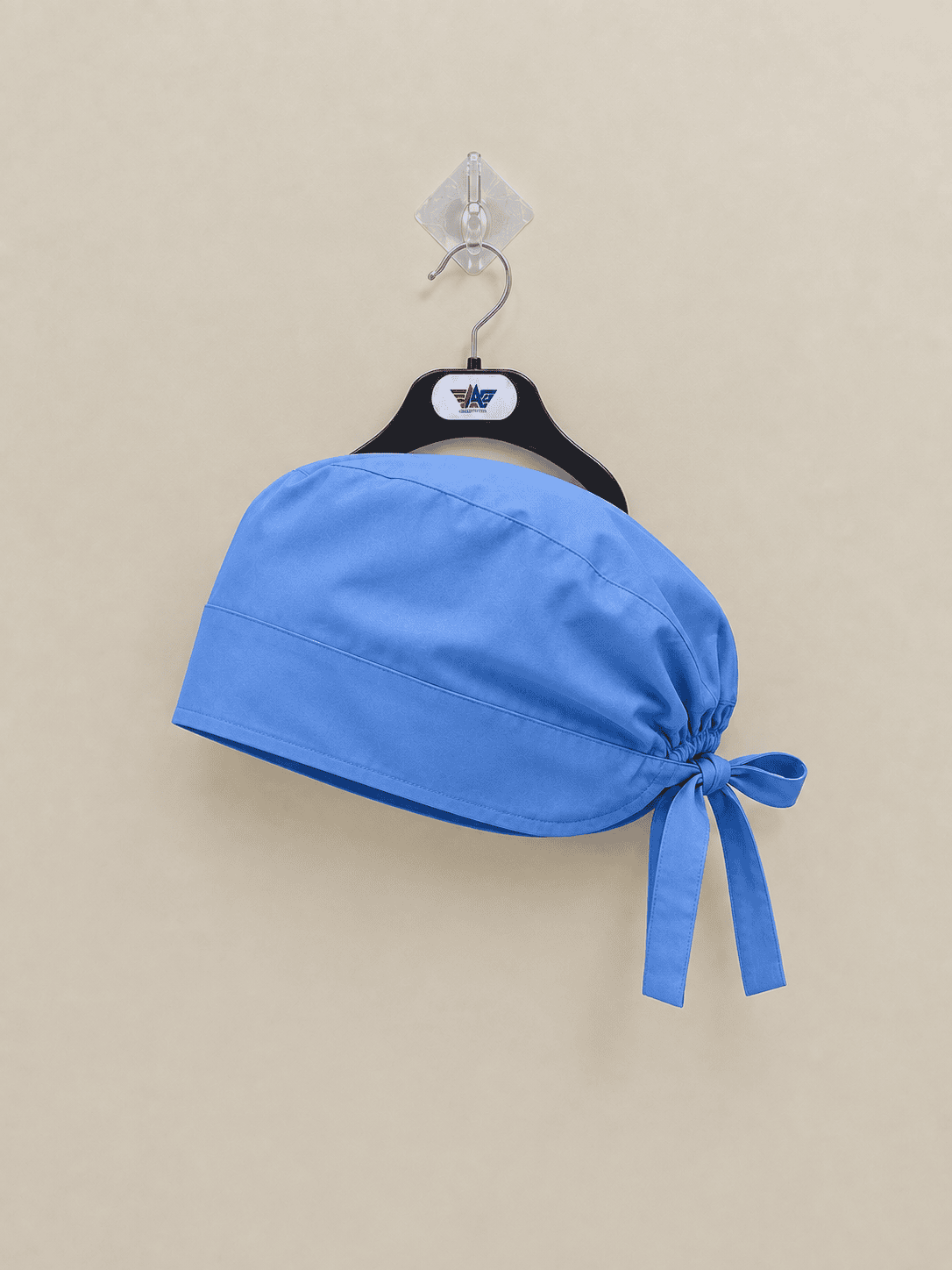
The catalogue references below link to the medical wear category for further discussion. They are examples from the website media library, not proof of current stock, protective performance or an active relationship with any brand that may appear in a picture. Confirm the exact style and specification before ordering.
5. Use one traceable sample approval record
Medical scrubs buying can become confusing when fabric comments, size corrections and logo feedback live in different message threads. Assign each sample a clear reference and revision number. Keep one current specification and identify who can approve fit, colour, construction and decoration.
Distinguish sample purposes. A development sample may demonstrate shape in a substitute material, while a decoration sample may demonstrate only logo execution. Record those limitations so an approval for one detail is not mistaken for approval of the complete product. Before bulk release, verify the agreed reference against the final written specification.
Our sample approval guide and tech pack checklist help organise this paperwork. Retain comments with photographs and objective instructions: identify the pocket, seam or measurement being corrected and state the required result.
| Gate | Record | What must be clear |
|---|---|---|
| Material | Swatch and specification | Fabric and colour approval |
| Fit | Measured sample and fit comments | Accepted chart and corrections |
| Construction | Photographs and detail sheet | Seams, pockets and closures |
| Decoration | Decorated sample and artwork | Placement, size and execution |
| Final release | Approved reference ID and date | All remaining issues resolved |
6. Assess the cared-for garment and packing plan
Measure representative samples before and after the agreed care procedure. Record the procedure, sample reference and conditions so the result can be interpreted correctly. Review changes in fit, surface appearance, seams and decoration alongside the measurements. An informal wash can reveal development issues but does not replace any required laboratory evidence.
Agree the acceptance criteria in writing. Avoid describing all garments as “zero shrinkage” or “colourfast” without defining what was assessed and how. If the buyer requests a particular performance claim, ask what evidence and applicable method are required for the intended market and use.
Plan packing while the specification is still open. Decide whether tops and trousers will be packed as fixed sets, individual items or a buyer-defined assortment. Make the size labelling, unit identification and carton markings consistent with the purchase order. A mixed-size shipment should be easy to reconcile without opening every garment bag.
The seven bars below illustrate a buying workflow. They are not a live order tracker, quality score or delivery commitment. Each stage represents a decision supported by records; actual progress must be confirmed with the supplier.
Stage 1: Brief confirmed
Stage 2: Fabric reviewed
Stage 3: Fit chart approved
Stage 4: Details agreed
Stage 5: Care assessed
Stage 6: Sample released
Stage 7: Packing confirmed
7. Compare quotations and protect repeat-order consistency
Medical scrubs buying is easier to compare when every supplier prices the same brief. Include style references, fabric requirements, size quantities, colours, branding, packaging, destination and delivery expectations. Ask suppliers to identify exclusions and assumptions rather than treating the lowest headline price as an equivalent offer.
Confirm minimum quantities, development charges where applicable, delivery terms and the proposed sampling schedule for the actual order. These cannot be reliably inferred from a generic guide. If a fabric or trim is still being selected, request a revised quotation after the final specification is agreed.
For repeat orders, retain the approved sample reference, fabric specification, colour record, artwork and measurement chart. Reconfirm material availability and review proposed substitutions before production. A familiar style name does not guarantee that every future batch will use identical components.
For a wider staff uniform programme, explore tees and polos and corporate uniform sourcing where appropriate to the brief. These links identify related product discussions rather than prescribing clothing for a clinical role.
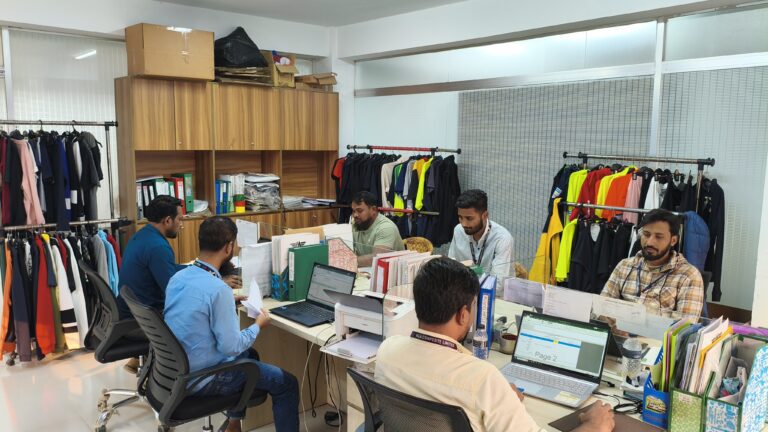
M&A Sourcing supports enquiries across its uniform and workwear categories. Visit the homepage for Workwear Manufacturer in Bangladesh and use the order checklist to prepare your requirements. Send a medical uniform enquiry with references, size quantities, artwork, destination and the intended care process to request a confirmed development and quotation plan.
Medical scrubs buying guide: FAQs
What should a medical scrubs enquiry include?
Include top and trouser references, fabric requirements, size quantities, colours, artwork, packing rules, destination, delivery requirements and the intended laundry process.
Are ordinary medical scrubs protective garments?
Do not assume protective performance. Any protective or regulated claim requires suitable evidence and an assessment of the exact product for its intended use.
Which fabric is best for scrubs?
Select fabric against the wearer’s needs and care process. Compare construction, weight, opacity, movement and the assessed performance of a finished sample.
Can tops and trousers have different sizes?
Yes, if the ordering programme allows it. Confirm separate size quantities, garment charts and the packing rule before placing the order.
How should pockets be specified?
Record pocket location, opening, depth and construction. Review access and garment balance on a sample with the intended wearer group.
How is a school or company logo different from a scrub logo approval?
For any uniform, approve artwork and execution on the intended material. For scrubs, also confirm placement and decoration against the employer’s clothing requirements.
Should samples be reviewed after washing?
Assess representative samples under the agreed care procedure and record before-and-after measurements and appearance. Obtain required laboratory evidence separately.
Do the product images confirm current stock?
No. They are catalogue references. Confirm availability, technical details and commercial terms for the particular enquiry.
What is the minimum order quantity for scrubs?
Ask for a style-specific quotation. Fabric, colours, branding, quantities and size distribution can affect the confirmed terms.
How can repeat orders stay consistent?
Retain approved specifications, colour references, measurements, artwork and sample IDs. Reconfirm materials and approve any proposed substitution before production.