Softshell Work Jackets: 7 Essential Tips for Better Fit
By M&A Sourcing Ltd. | 14 October 2026
Softshell work jackets need a defined material, layering brief and sample review. Follow these seven buying steps to organise fit, pocket, branding and commercial decisions with real product references and practical worksheets.
1. Start with the wearer and layering brief
Softshell work jackets need a clear purpose within the uniform programme. Identify where the garment will be worn, the movements involved and the clothing expected underneath it. A jacket selected from appearance alone may leave questions about pocket access, sleeve room or compatibility with other layers.
For buyers discussing a Workwear Manufacturer in Bangladesh, an organised brief helps connect product development with practical wearer needs. M&A Sourcing Ltd. supports workwear sourcing and development discussions against buyer specifications. Confirm your actual materials, production responsibilities and commercial scope.
Record whether the proposed jacket is part of an indoor-outdoor uniform or another defined clothing system. Separate presentation preferences from required technical properties. Where the workplace requires protective performance, the responsible reviewer must identify and assess those requirements for the actual garment.
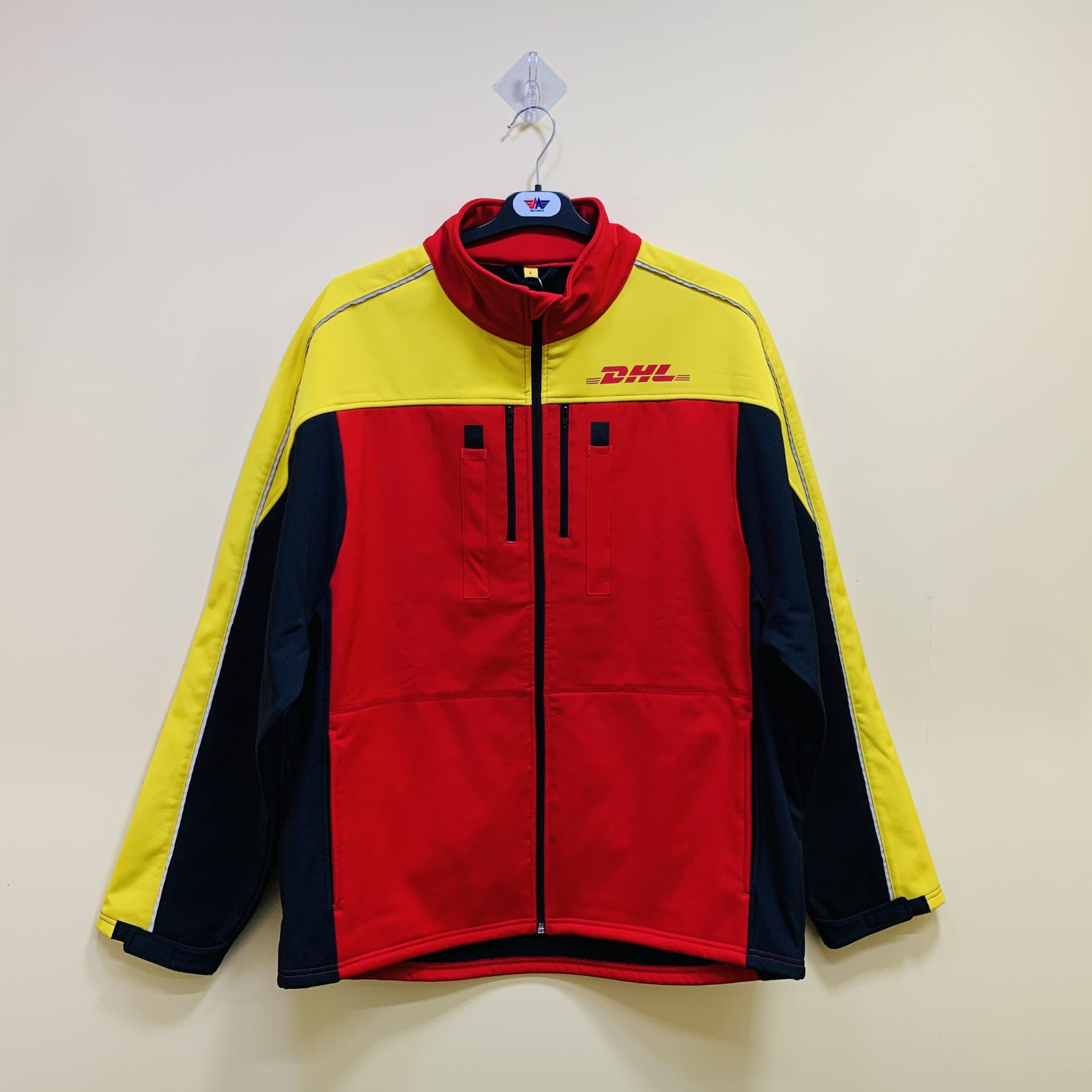
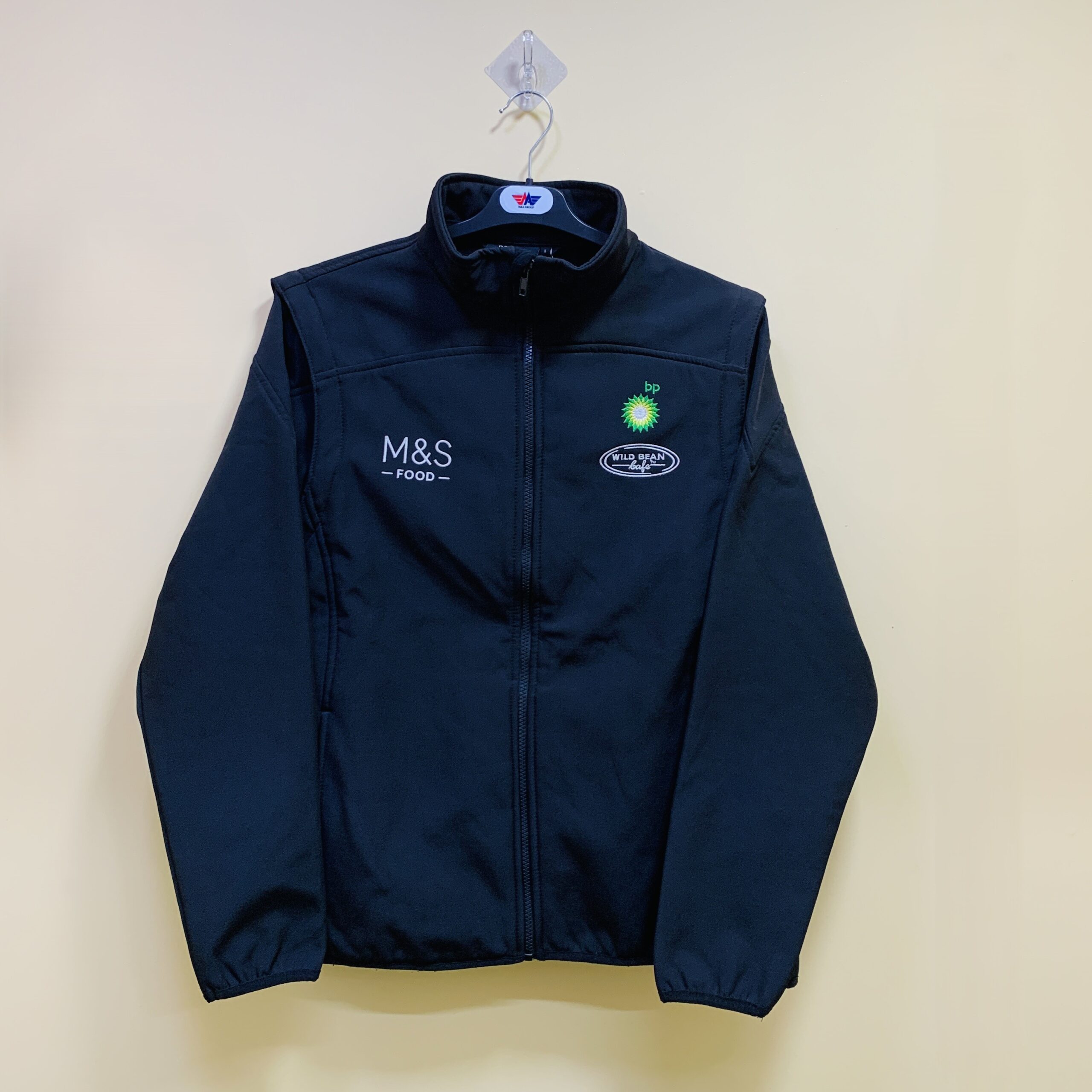
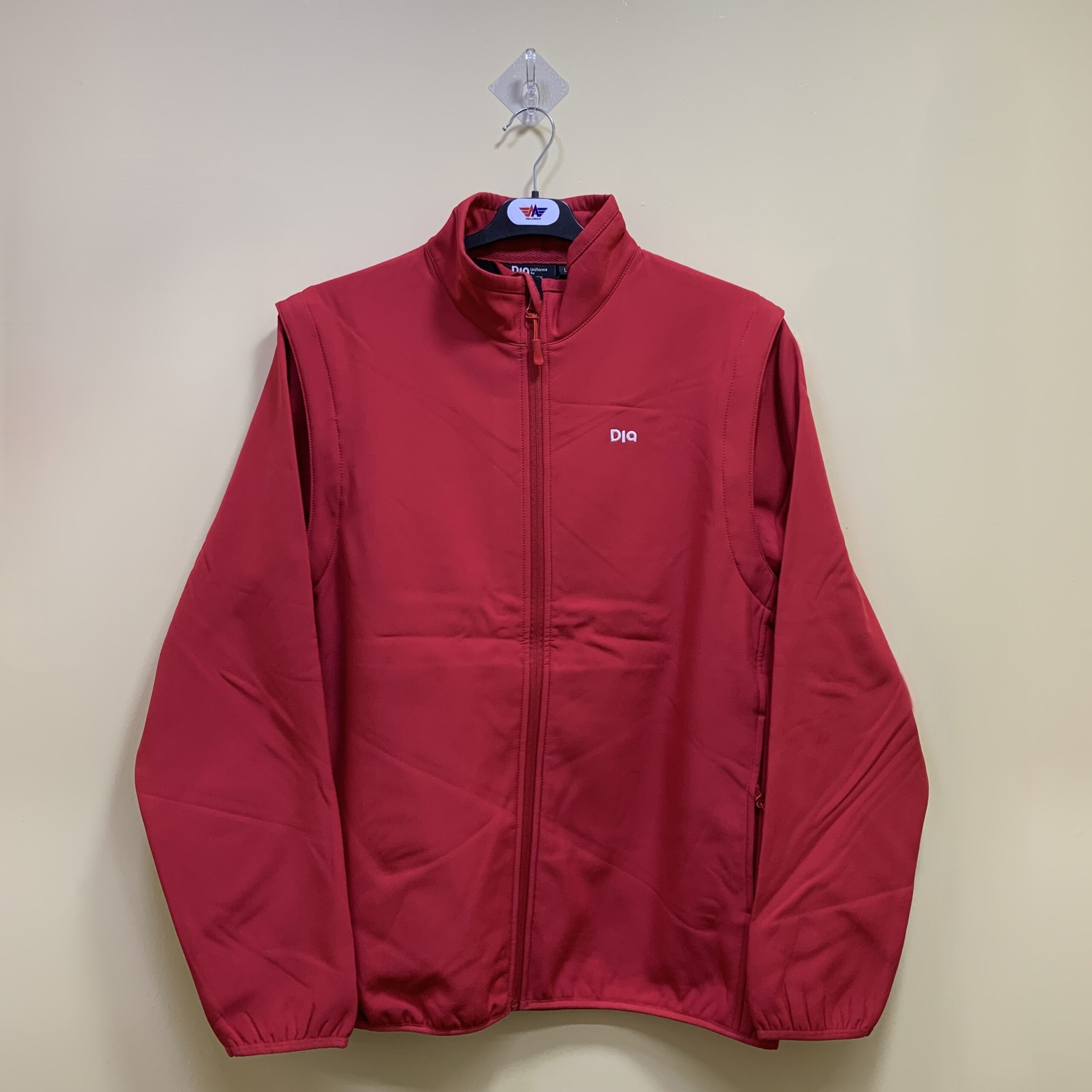
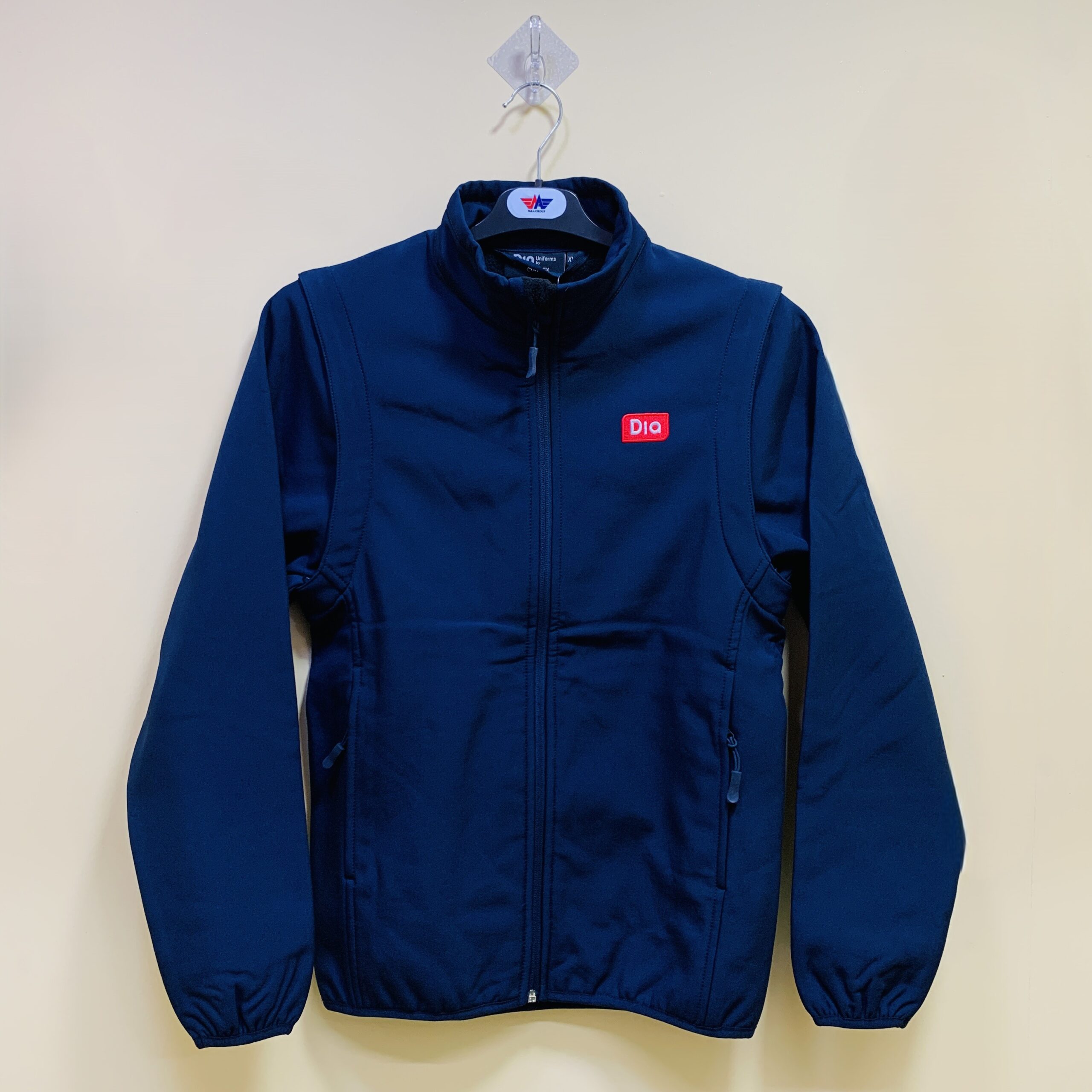
Browse our Softshell product range for existing design references. Catalogue photographs can introduce a style, but they do not establish its current availability, material specification or suitability for every proposed use.
2. Define the material and requested performance
Material selection for softshell work jackets should record composition, construction, weight, backing and any proposed finish or membrane. Ask for an identifiable reference and relevant technical information. Do not assume the word “softshell” defines one universal material specification.
Keep requested properties separate. Terms such as water repellent, water resistant, breathable or wind resistant need a defined scope and relevant evaluation. Do not present them as interchangeable or infer a finished garment’s performance solely from a material photograph.
If the buyer requests a particular performance claim, agree the evaluation method, acceptance requirement and responsible reviewer. Ask how the evidence relates to the proposed material and assembled product. Component and design changes may require further review.
Consider the material with the complete jacket: seams, zips, pockets, panels and decoration. A change to one element can raise new development questions. Our workwear fabric selection guide explains how to keep swatches and substitutions traceable.
| Field | Identify | Review |
|---|---|---|
| Material | Composition, construction, backing and weight | Accepted swatch and specification |
| Finish or membrane | Exact proposed identity | Requested property and evidence |
| Assembled garment | Seams, zips, panels and decoration | Relevant product-specific review |
| Substitution | Differences from the approved reference | Affected approvals and buyer decision |
3. Review movement over the intended layers
Fit trials for softshell work jackets should use the intended clothing combination. Record the sample size, chart revision and layers worn during the review. Check shoulder movement, sleeve relationship, chest room and hem position in situations relevant to the programme.
Review sitting, reaching and bending where appropriate. Observe whether closures remain easy to operate, the collar is suitable when closed and the garment allows the intended movement. Record the specific area and situation instead of simply asking for a looser jacket.
Distinguish body dimensions from finished garment measurements. Define the measurement method, units and agreed tolerances with the technical team. A flat chest width and a body circumference require different explanations in the chart.
Review representative sizes where the range requires them. The base-size sample does not automatically resolve sleeve proportions or pocket placement across the whole programme. Use the workwear size chart guide to organise the controlling sizing record.
For coordinated layers, explore workwear polo shirts and the Tees & Polos catalogue. Confirm the actual combinations during development.
| Check | Record |
|---|---|
| Layers | Exact clothing combination used |
| Sample | Style, code, size and chart revision |
| Movement | Situation and affected garment area |
| Finding | Measurement or wearer observation |
| Decision | Amendment, owner and approval date |
4. Specify pockets, cuffs, hems and closures
Pockets on softshell work jackets should be designed around their intended contents and access. Define opening dimensions, position, closure type and internal construction. Review access while the jacket is worn over the agreed layers.
Identify the main zip and other closure references in the bill of materials. Check operation, alignment and the finish near the wearer. A replacement component should be reviewed against the existing construction rather than accepted only because it looks similar.
Define cuff and hem adjustments where the design includes them. Review how the parts operate and record the accepted reference. If a hood is proposed, identify its construction and review requirements separately instead of assuming it can be added without affecting fit or the brief.
The Coats jacket application guide provides a technical reference for seam construction discussions. Use garment-specific advice with the development team; this link does not claim that every catalogue garment uses a particular thread brand.
| Component | Information |
|---|---|
| Main closure | Type, size, colour and reference |
| Pockets | Dimensions, location, opening and closure |
| Cuffs and hem | Construction and adjustment details |
| Collar or hood | Design, fit and intended use |
| Panels | Material identity and assembly references |
5. Review branding against the actual garment
Branding for softshell work jackets needs a current artwork file, dimensions, colours and placement references. Identify whether the proposed position crosses a panel, sits near a zip or affects a functional detail. Review the complete garment rather than only a flat mock-up.
Discuss the proposed decoration method against the actual material and construction. Ask which sample review is needed before approval. If a requested performance property may be affected, refer the change to the responsible technical reviewer.
Record placement from a defined garment reference and identify how it applies across sizes. Keep artwork versions consistent between the buyer’s approval and the supplier’s instructions. An updated logo should replace the earlier file explicitly.
Keep brand, size and care label approvals separate. Our custom branded uniform guide covers related artwork planning. Final label information should match the accepted product and programme requirements.
6. Control care reviews and sample revisions
For softshell work jackets, identify the intended care arrangement before agreeing the evaluation. Keep the sample code and material references with the review record. Describe the relevant observations and measurements before and after the agreed process.
Review the assembled product, including backing, closures, seams, labels and decoration. Record any finding with its location, proposed action and responsible owner. Do not infer the result for a substitute material from an earlier sample made in a different construction.
Consolidate buyer comments into one dated register. Resolve conflicting reviewer requests before another sample is made. Identify which findings require a garment revision, a component review or a document update.
Final approval should name the accepted sample and controlling specification. Conditional decisions need a named owner and a clear route to resolution. Use the sample approval guide and tech pack checklist to organise the references.
7. Compare quotations and plan repeat programmes
Compare softshell work jackets proposals using the same material, backing, construction, closures, branding and packing basis. Ask suppliers to identify assumptions and alternatives. A unit price without an identifiable specification is difficult to compare meaningfully.
Prepare a style-colour-size quantity matrix and reconcile the subtotals. Keep manufacturing quantities separate from distribution allocation. Confirm which receiving locations, carton assortments and identifiers the buyer requires.
Request order-specific minimum quantities, sample terms and schedules after the brief is reviewed. No universal MOQ, production time or sample price is stated here. Material availability and development scope should be considered in the actual proposal.
For repeat orders, retain the accepted sample, material codes, closures, artwork, chart and packing references. Ask about current availability and approve substitutions before release. A familiar style name does not replace a review of the current specification.
Send your softshell work jackets references, material preferences, measurements, artwork, quantities and destination through the contact page to discuss an order-specific development scope.
| Topic | Ask |
|---|---|
| Materials | Which construction and component references apply? |
| Branding | What artwork and decoration work is included? |
| Development | Which sample stages and revisions are covered? |
| Evaluation | Which agreed reviews and costs are included? |
| Packing | What size allocation and identifiers apply? |
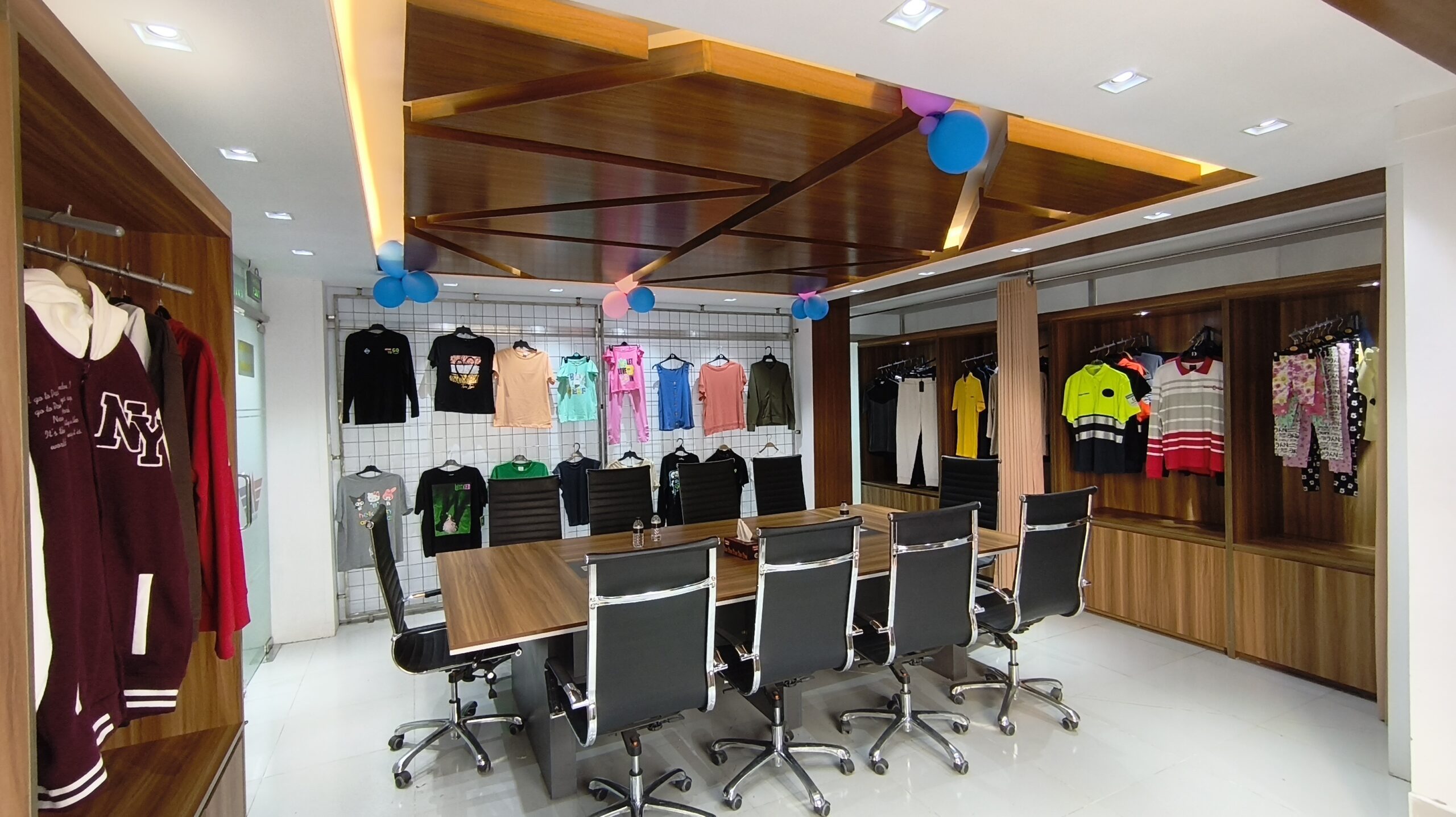
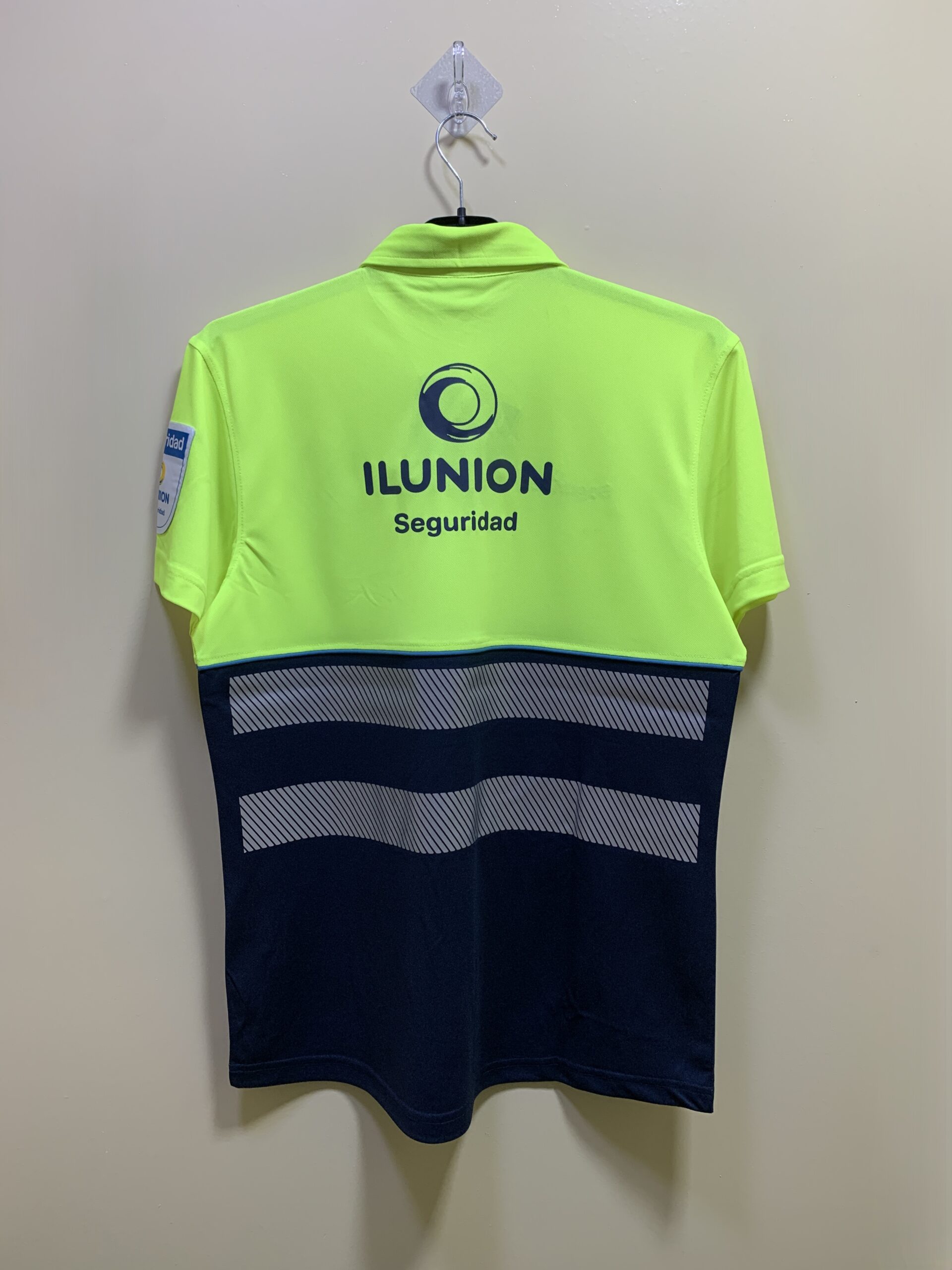
Softshell Work Jackets: Catalogue References
These existing company photographs introduce product designs. Confirm proposed materials, current availability and any required performance evidence for the actual garment. Displayed branding is not presented as proof of a current customer relationship.
Illustrative development milestones
The bars illustrate a sequence of decisions, not live completion percentages or product performance.
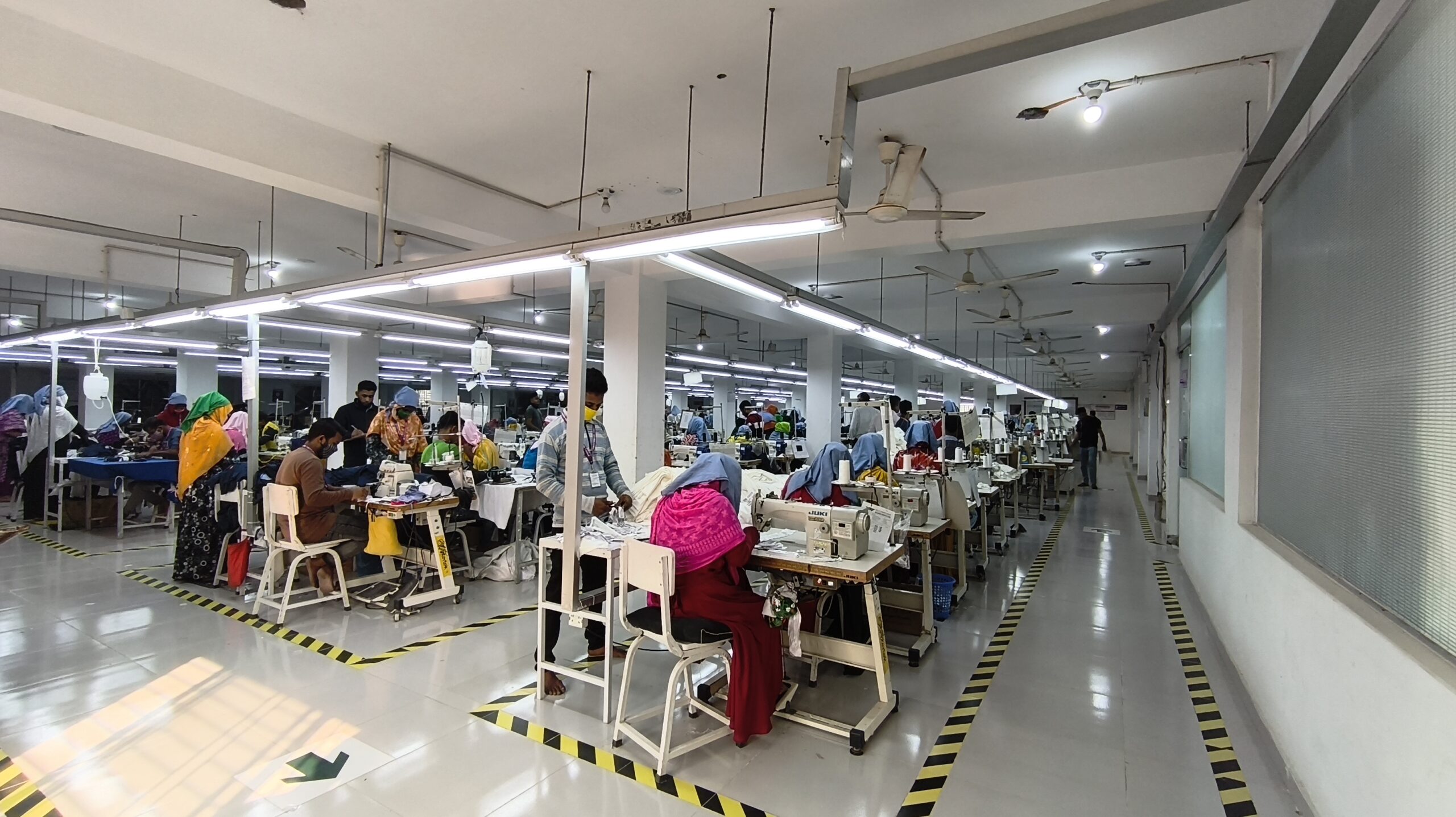
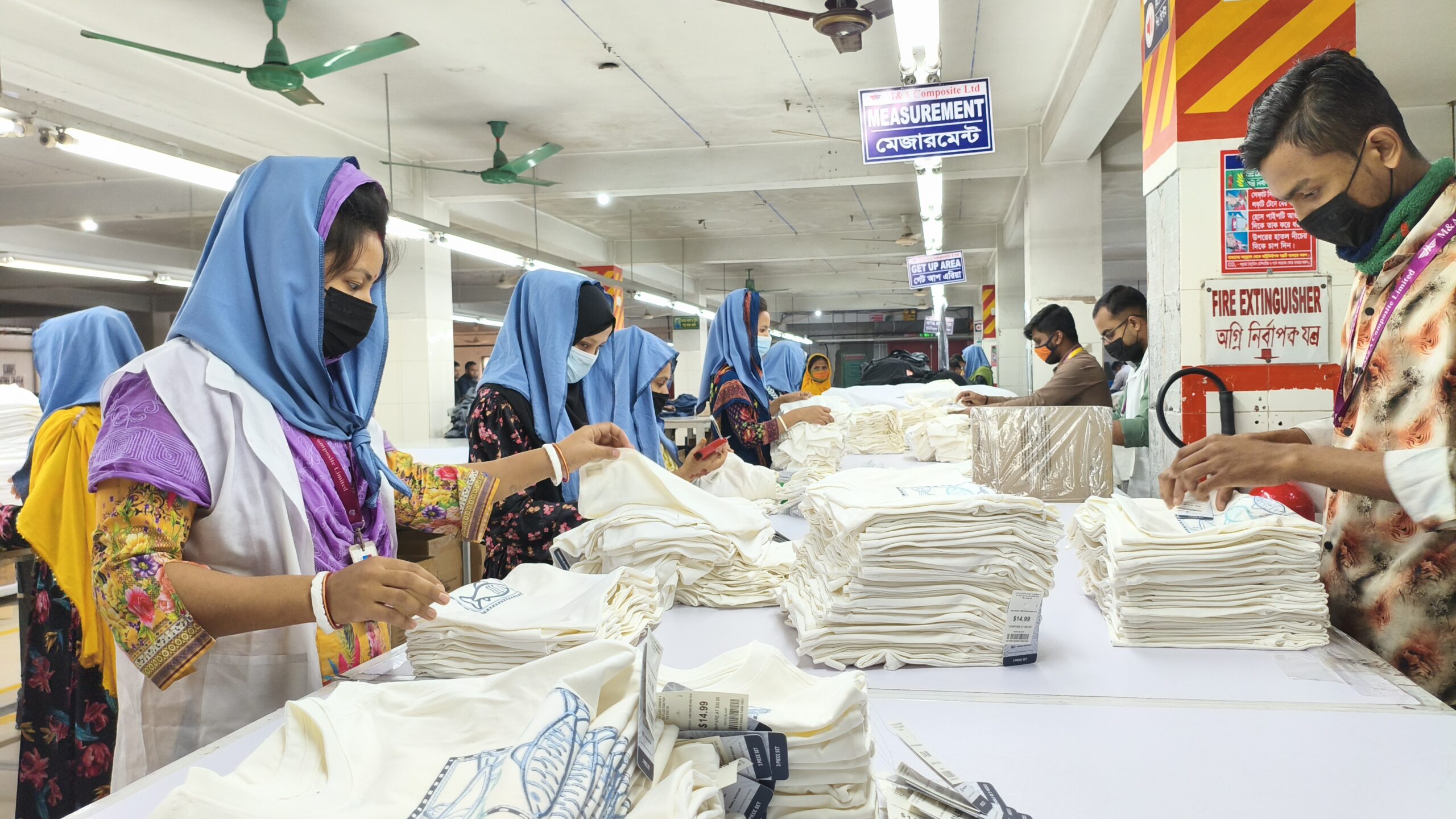
Company staff and garment coordination
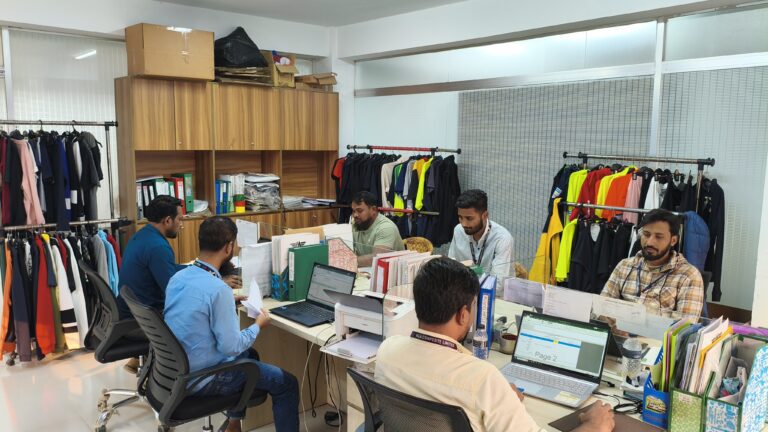
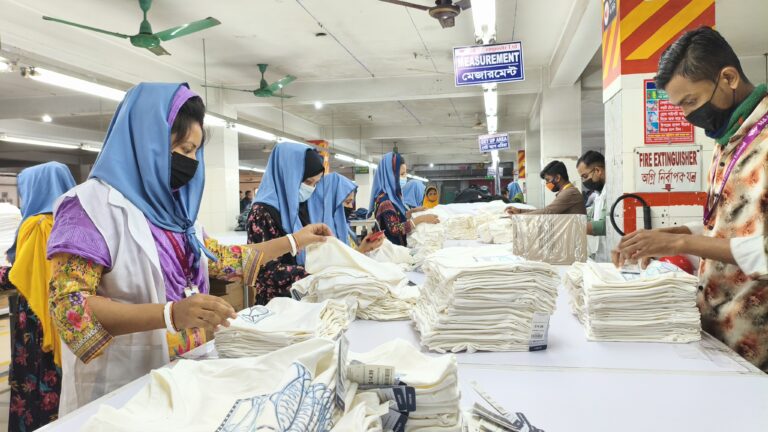
Original company photographs show the working environment; programme-specific samples and records support approval decisions.
Frequently asked questions
What should a softshell work jackets brief include?
Define intended use, layers, material construction, fit, pockets, closures, branding, care, quantities and packing.
Does softshell automatically mean waterproof?
No. Define any requested performance claim and review relevant evidence for the actual material and assembled garment.
Should fit trials include other clothing layers?
Yes. Use the intended combination and record the sample size, movement and findings.
Can catalogue pictures prove current availability?
No. Use them as references and confirm the proposed product with the team.
How should pocket access be reviewed?
Define dimensions and placement, then check access while wearing the agreed clothing combination.
Can a logo change require further review?
Yes. Review its method and placement against the material, construction and any requested technical properties.
What should happen when a fabric or zip changes?
Identify differences, review affected approvals and document the accepted substitute before release.
Does sample approval confirm bulk inspection?
No. Keep development approval and agreed production and shipment checks distinct.
Are MOQ and lead time fixed?
Request order-specific terms after materials, quantities, complexity and development scope are reviewed.
How can M&A Sourcing discuss my jacket programme?
Send product references, materials, measurements, artwork, quantities and destination through the contact page.
Discuss your softshell work jackets brief
Share the intended use, layers and development requirements for a programme-specific discussion.
Request Softshell Development →