Corporate Workwear Supplier Bangladesh: 10 Essential Buyer Checks
Published by M&A Sourcing Ltd. | Updated: 7 October 2026
Looking for a corporate workwear supplier Bangladesh programme? Compare products, staff sizing, materials, branding, samples and quality records before committing to a uniform order. This guide supports practical buying discussions with M&A Sourcing Ltd.
Explore real product images with direct category links, company photographs, comparison tables and a seven-stage uniform roadmap.
Discuss Your Corporate Uniform Programme →
Corporate workwear supplier Bangladesh: plan a consistent uniform programme
Choosing a corporate workwear supplier Bangladesh programme involves more than selecting a shirt and adding a logo. Define the wearer groups, brand appearance, fit, care routine, quantities and distribution plan before asking for a final quotation.
M&A Sourcing Ltd. offers workwear and uniform sourcing services for international buyer enquiries. Discuss the products, production arrangement, sample stages and quality requirements proposed for your programme. Confirm the commercial scope and responsibilities in writing.
This guide focuses on brand consistency and uniform rollout: matching product categories, approving decoration, managing staff sizes and retaining references for replenishment. It does not claim that a uniform automatically increases employee productivity or that every factory has the same certification.
For broader supplier checks, see the workwear manufacturer buyer guide. Consult the Bangladesh Garment Manufacturers and Exporters Association for published industry information.
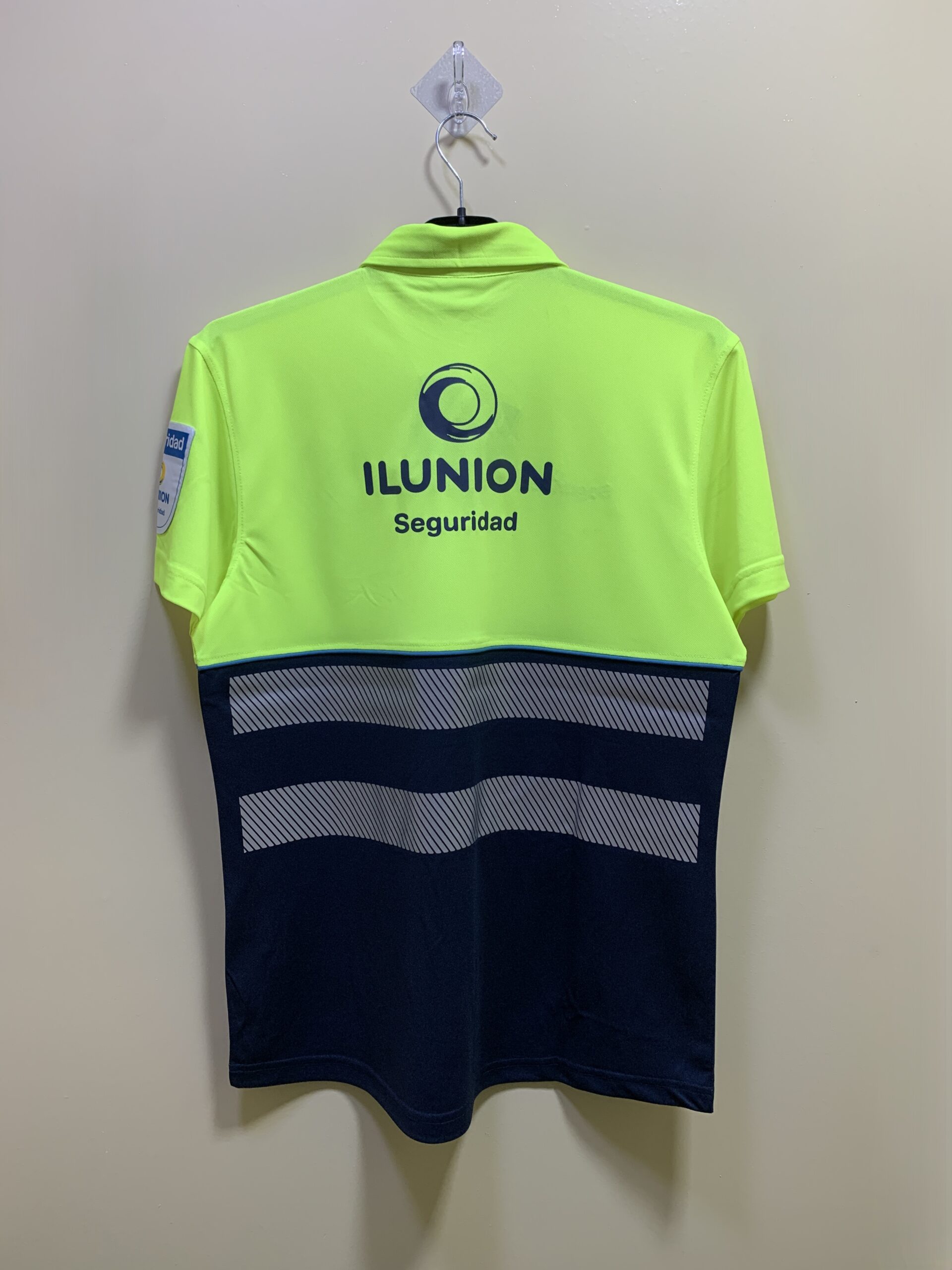
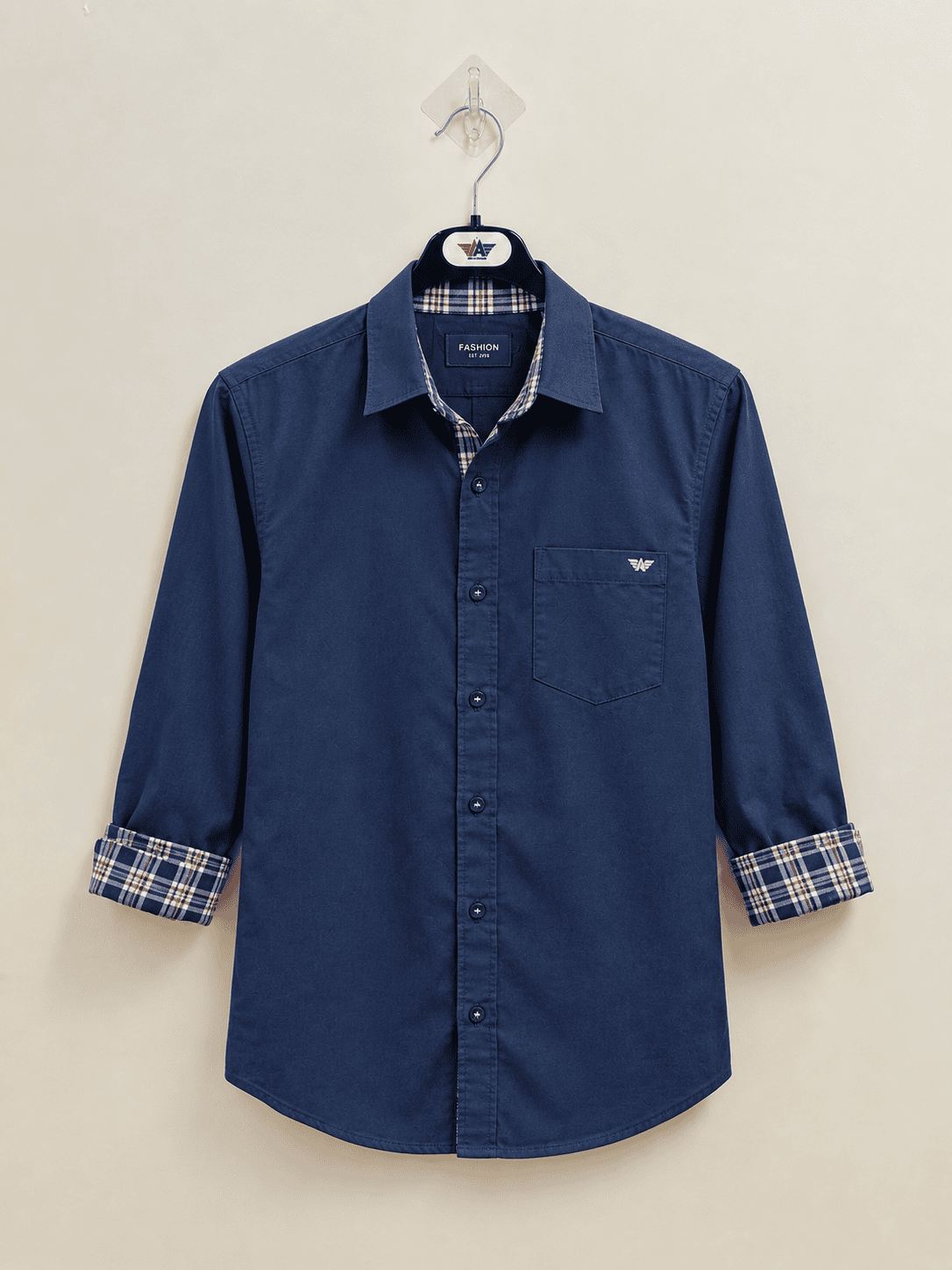
Explore real corporate workwear products
These are existing product photographs from M&A Sourcing’s published catalogue. Click a picture, product name or button to open its dedicated category page and view more examples.
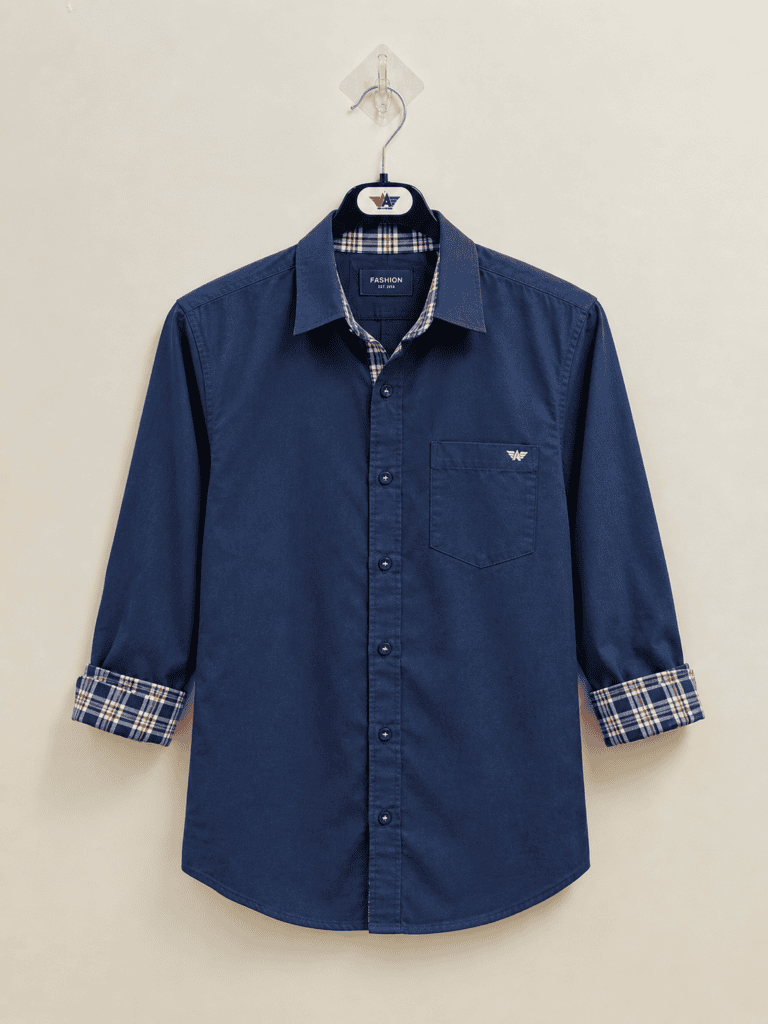
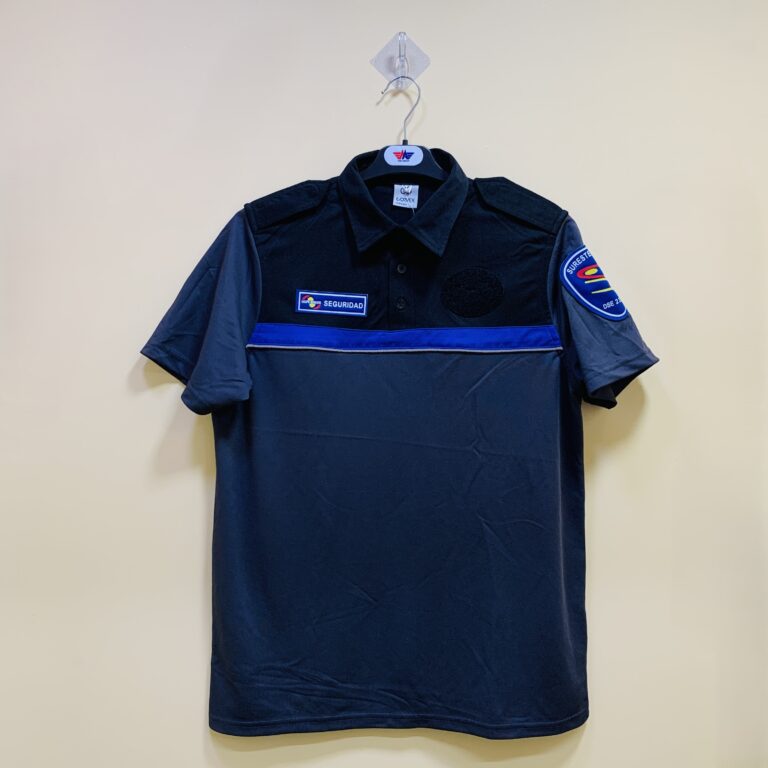
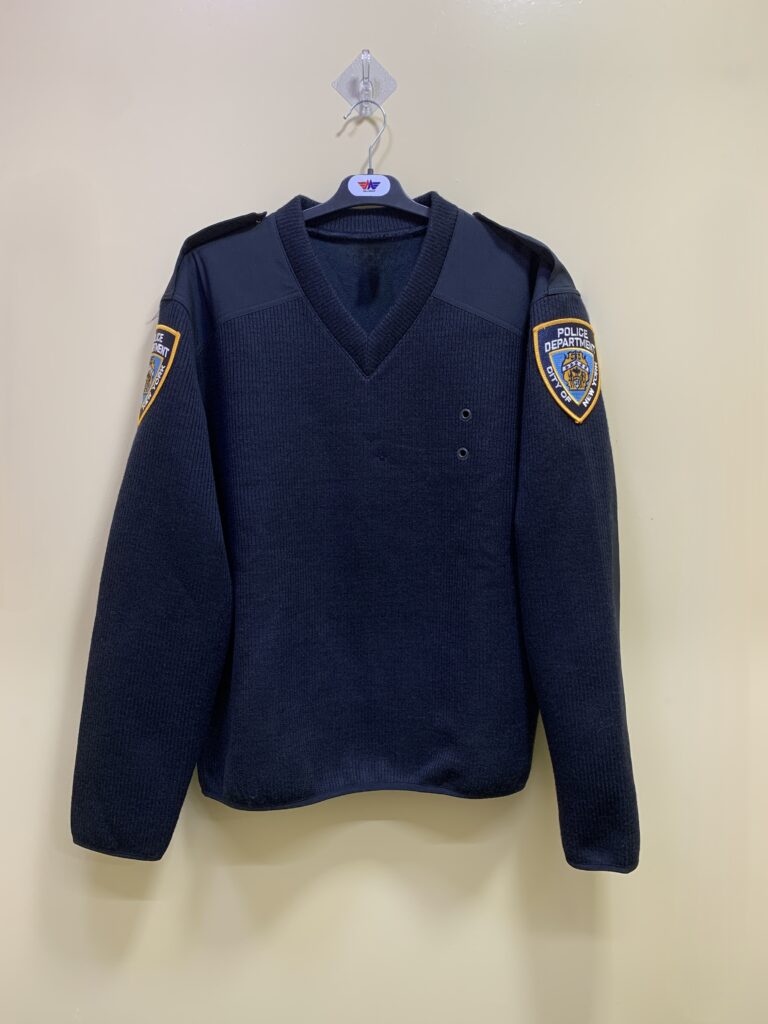
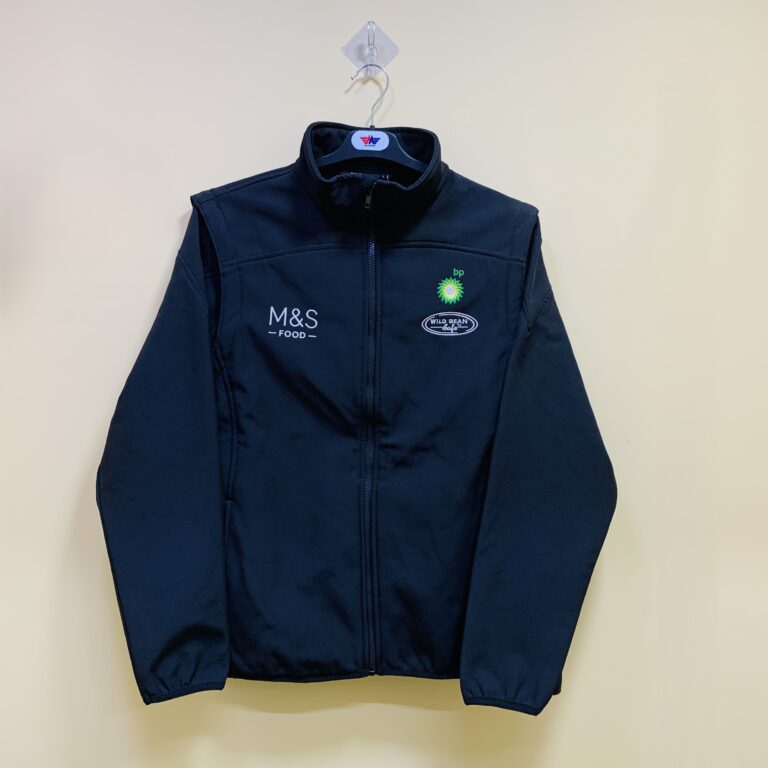
Also explore the complete workwear range, cargo and trousers, outerwear and hoodies. Use the catalogue as a starting reference and confirm the specification and availability for your own enquiry.
10 essential corporate uniform buyer checks
- Wearer groups: identify office, customer-facing, event or field-team requirements.
- Product selection: choose categories relevant to the role and intended appearance.
- Brand references: define colours, artwork, labels and decoration placement.
- Material brief: record composition, construction, weight, finish and care expectations.
- Fit: agree measurements, tolerances and sample sizes for review.
- Quantity allocation: provide the style-colour-size matrix and staff distribution needs.
- Production arrangement: identify the manufacturer, sourcing scope and operations.
- Approvals: retain accepted samples, materials, decoration and packing references.
- Quality plan: define checks, evidence and corrective-action responsibilities.
- Commercial and repeat terms: confirm minimums, price inclusions, schedule and substitutions.
Compare suppliers using one dated specification. If an offer changes fabric or packaging to meet a target price, identify the difference before accepting it. A similar-looking uniform can represent a different product and service scope.
Match uniform categories with team requirements
| Team or programme | Possible category to discuss | Buyer decisions |
|---|---|---|
| Office and administrative teams | Shirts and coordinated layers | Fit, colours, decoration and care |
| Customer-facing staff | Branded shirts or polos | Consistent appearance and size coverage |
| Events and promotional teams | Tees or polos | Artwork, allocation and distribution timing |
| Field or travelling staff | Softshell or other outerwear | Layering, closures and garment references |
| Cooler-season uniform range | Sweaters or selected jackets | Coordination with the core range and seasonal quantities |
These are planning examples rather than guaranteed product recommendations for every role. Decide which garments match your actual dress requirements and review samples before commitment.
A coordinated programme may use the same brand colours across different fabrics. Confirm how colour references will be reviewed for each material instead of assuming that identical colour names produce the same appearance.
Fabric, colour and care: make the brief measurable
Choose materials according to the intended use and care process. Composition, construction, weight and finish should all be recorded. GSM describes weight per square metre; it does not establish quality on its own.
| Requirement | Define | Reference |
|---|---|---|
| Fabric | Composition, construction, target weight and finish | Accepted swatch |
| Colour | Brand reference and comparison method | Approved colour sample or lab dip where relevant |
| Trims | Closures, buttons, thread and accessories | Accepted trim card or components |
| Care | Laundering and appearance expectations | Agreed evaluation method and results |
| Dimensions | Measurement chart and tolerances | Reviewed fit sample and current size chart |
Where wrinkle resistance, stretch or other appearance characteristics matter, define how they will be evaluated. A general material description should not replace agreed acceptance criteria.
If development samples use substitute materials, record the differences and which approvals remain open for bulk materials. Keep these references connected to the current specification revision.
Staff sizing, fit and quantity allocation
Create a quantity matrix showing style, colour and size. If the programme serves several teams or locations, identify their allocations separately. Confirm how replacements and new starters will be considered in future orders.
Use an agreed measurement chart and review the sample sizes needed for the wearer group. Record fit comments precisely and identify which patterns or sizes are affected by a change. Do not treat a general statement that a sample looks good as a complete fit approval.
For example, a programme with shirts and jackets may need separate fit reviews and a check that the intended layers work together. If the base fit changes, update the associated chart and confirm what needs reassessment.
Keep sizing records limited to the information needed for allocation. Agree whether distribution uses individual garment identification, department groups or bulk cartons before packing costs are confirmed.
Logo, labels and brand consistency
Supply current artwork, dimensions, colour references, positions and the proposed decoration method. Approve a decorated sample or suitable reference on the selected garment. A logo file alone does not establish placement or final appearance.
Review logo positions separately where different product categories need different references. A shirt pocket, polo placket or jacket seam may affect the available area. If the garment layout changes, review the decoration instruction again.
Specify brand labels, size identification, care information, tags and packaging separately. Identify who supplies the artwork and who approves the final files.
For more detailed decoration decisions, read the custom workwear development guide. For polos and tees, see our T-shirt sampling guide.
Real company images: sourcing staff and sample review
These company-supplied photographs from the existing media library show office staff, samples and production-related activity. Discuss who will review your brief and maintain the approval records.
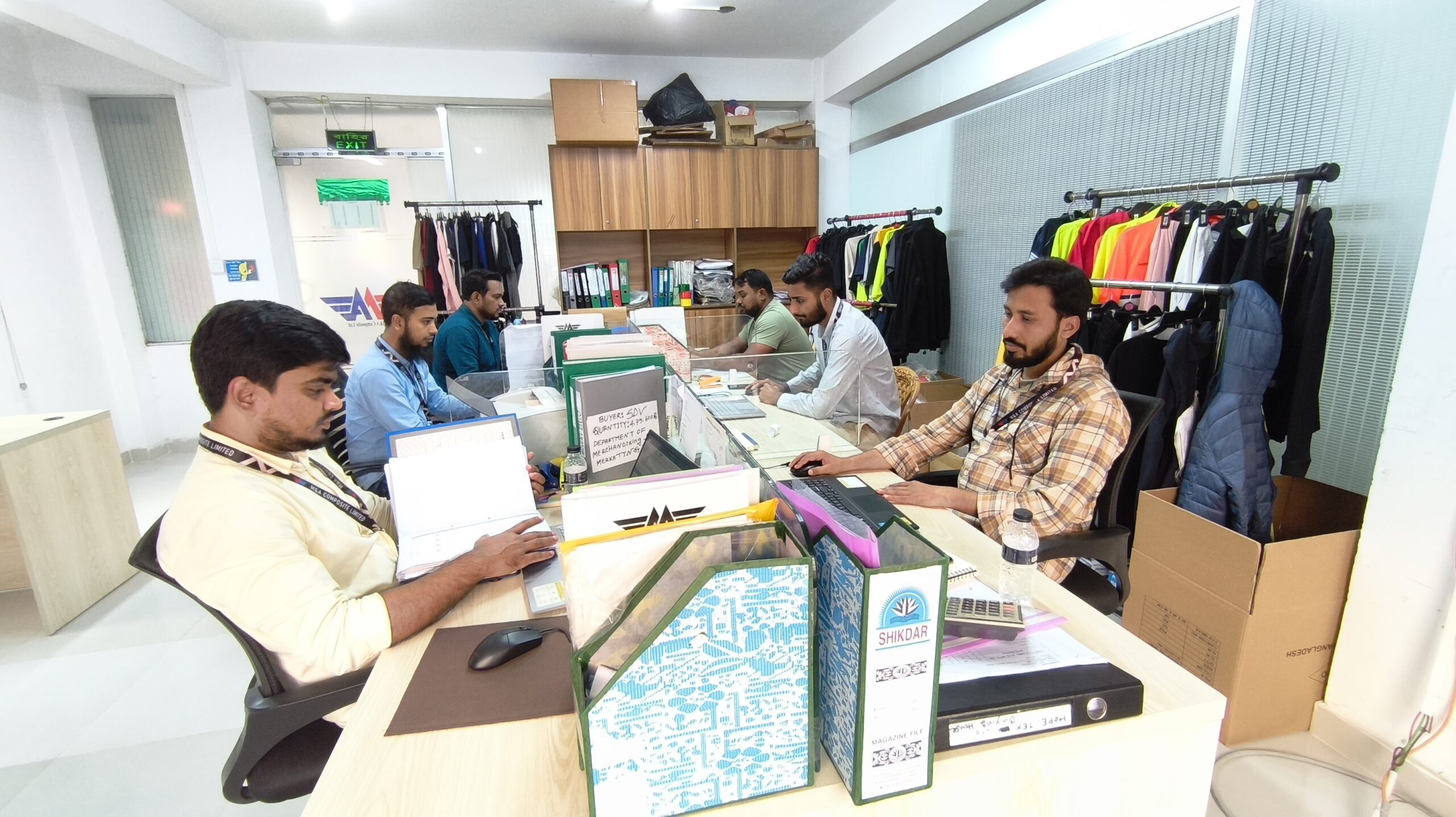
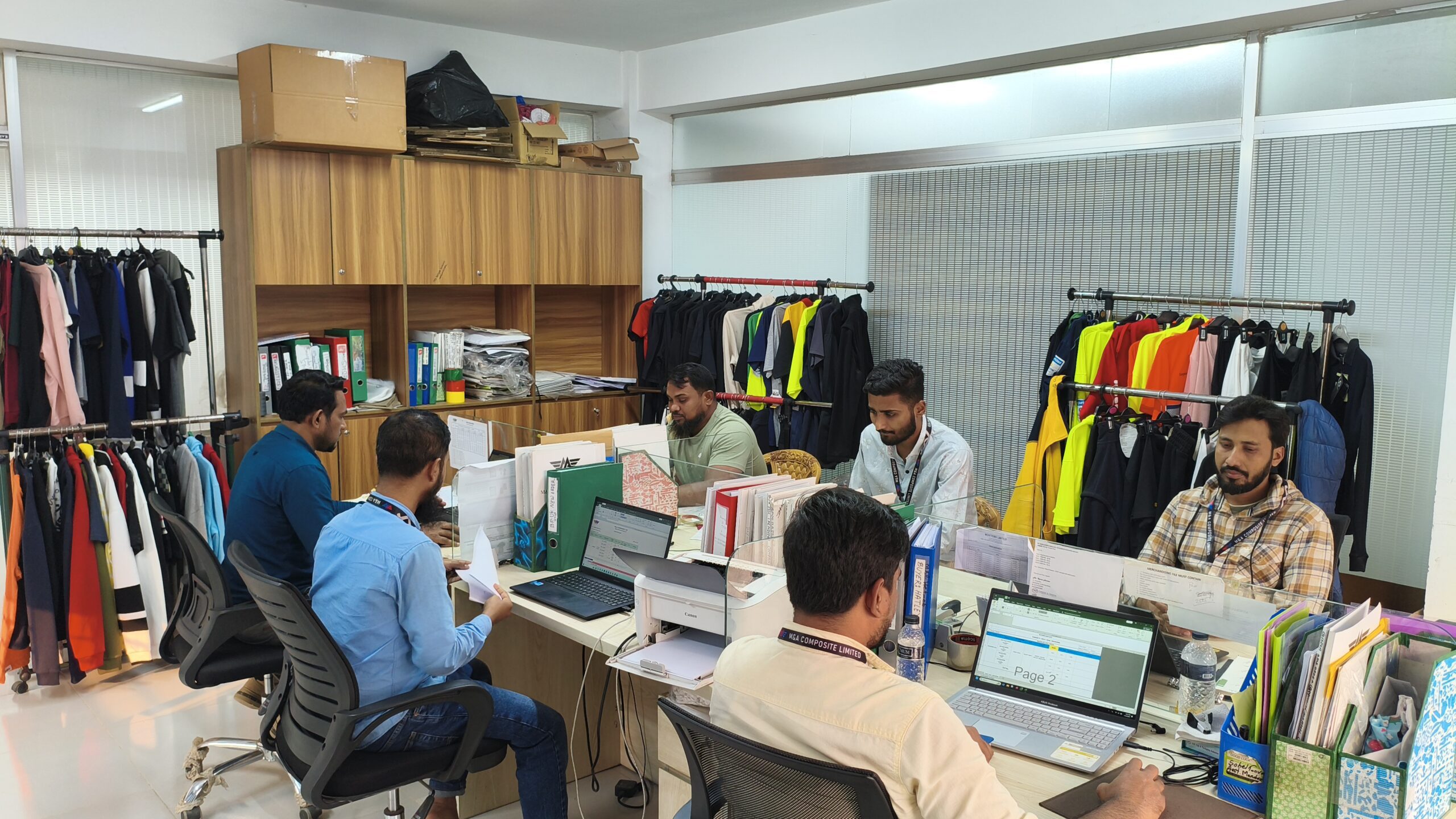
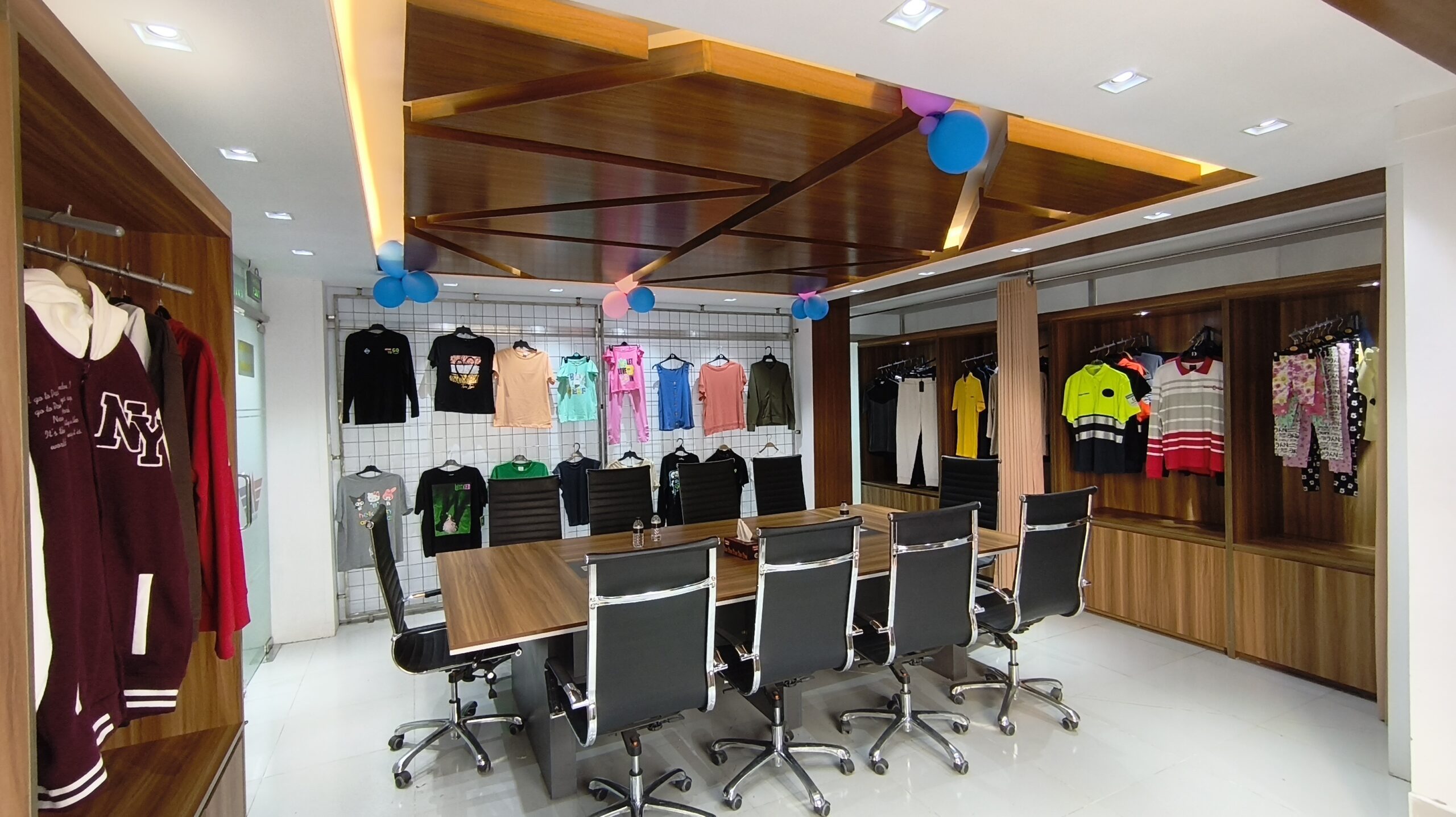
Agree a named contact and escalation route. The images introduce the working environment; relevant samples and current documentation support specific capability claims.
Sampling and pre-production approval
Agree the development, fit, decoration and pre-production stages required for the programme. Identify what each sample resolves and which materials or details remain provisional.
Keep a sample log with dates, references, specification revisions, comments and approval status. State the measurement, component or position affected by a change and update the corresponding chart, drawing or artwork.
Before production release, consolidate the accepted sample, materials, trims, branding, labels and packing instructions. Confirm who authorises release and which revision controls manufacturing.
Review the product, cost and schedule impact of late changes before acceptance. This prevents a new instruction from silently replacing an approved reference.
Corporate uniform progress: 7 approval milestones
These bars illustrate a buying process. They are not live completion percentages, supplier scores or delivery guarantees.
Record wearer groups, categories, branding and quantity allocation.
Confirm references, production arrangement and commercial assumptions.
Resolve fabric, colour, trim and measurement comments.
Confirm decoration, labels, packing and the accepted reference pack.
Track dated updates, findings and corrective actions.
Check acceptance criteria, identification and packing.
Coordinate dispatch and retain the records for replenishment.
For an actual order, maintain a dated tracker with responsible people, open issues and next actions. Update dependent dates when approvals or materials change.
Quality records, packing and rollout readiness
| Checkpoint | Record | Buyer decision |
|---|---|---|
| Sample approval | Fit, construction and decoration comments | Approve or revise |
| Materials | Fabric, trims and colour references | Release or resolve differences |
| Inline review | Dated findings and corrective actions | Confirm corrections and follow-up |
| Final inspection | Results against the agreed inspection plan | Accept, rework or further review |
| Allocation and packing | Style, size, labels and carton identification | Confirm readiness or correct distribution details |
Define measurable criteria before production. If acceptance sampling is used, agree the method, levels and defect categories. An AQL reference alone does not explain the whole inspection plan or mean every garment has been checked.
Keep unresolved product, packing or document issues visible at release. Where the programme includes several locations, verify that allocation instructions match the accepted quantity matrix.
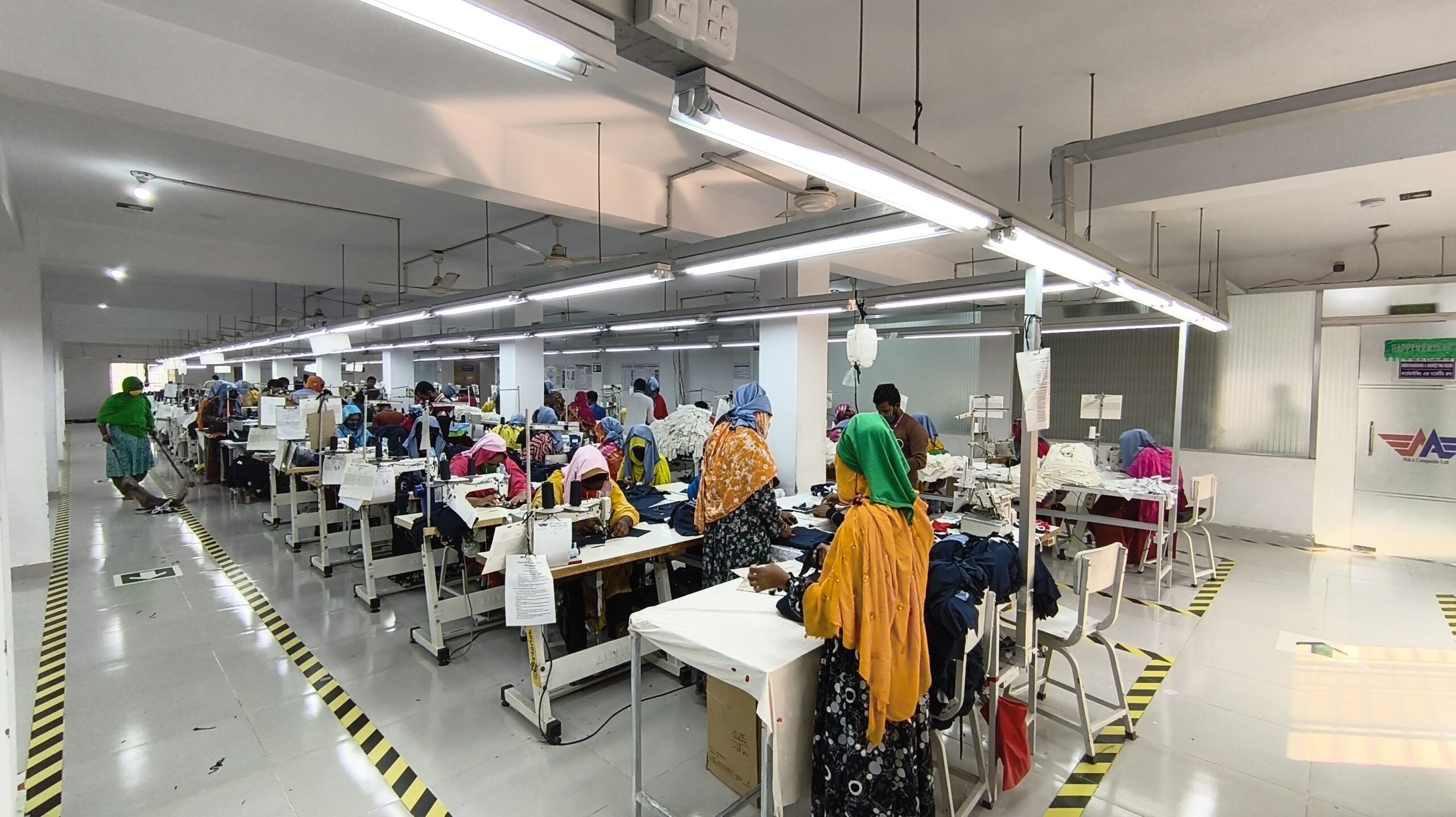
Related real images: garment production and handling
These existing company photographs show workers at sewing stations and garment handling areas. Discuss the site and operations proposed for your programme.
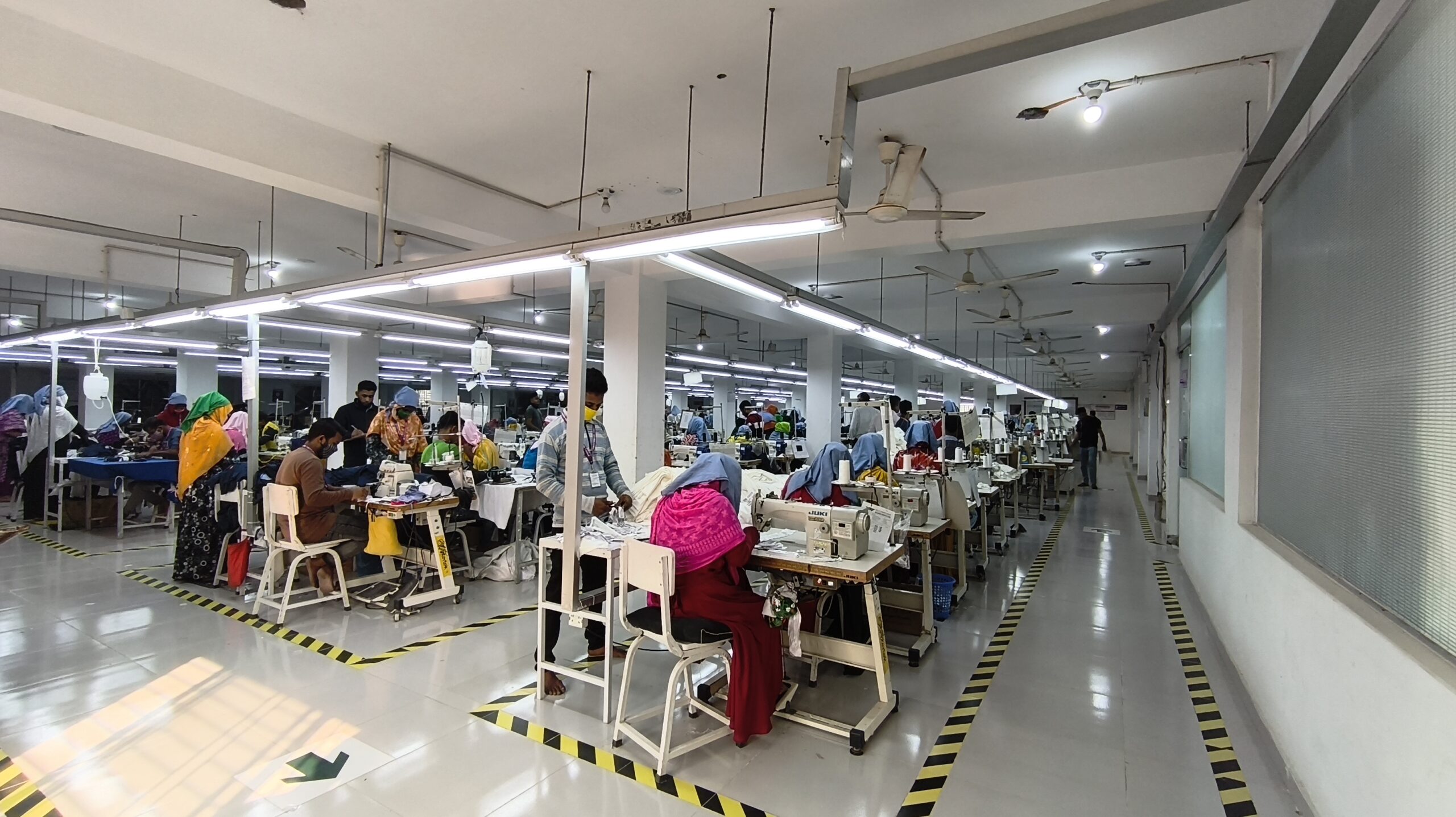
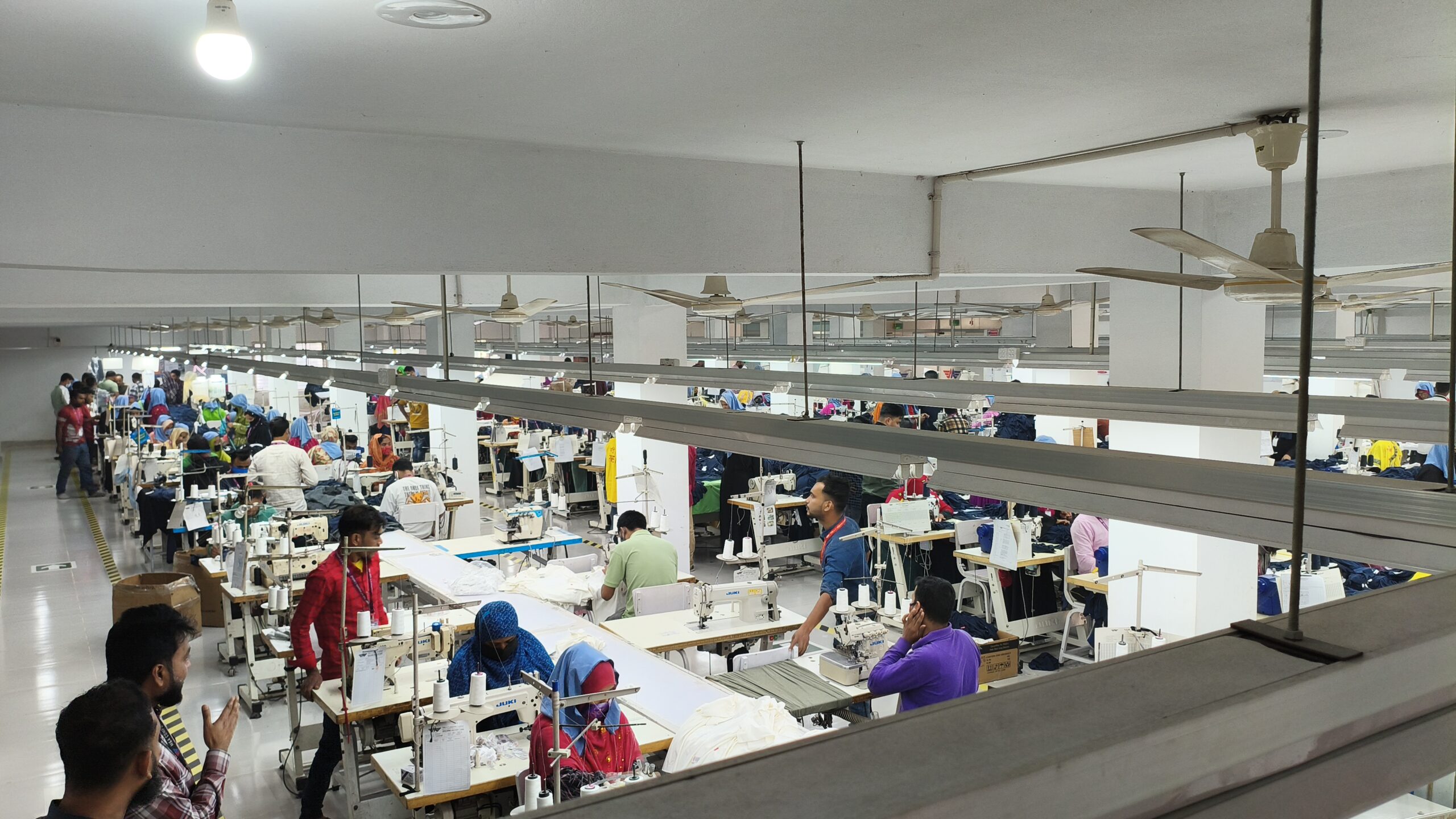
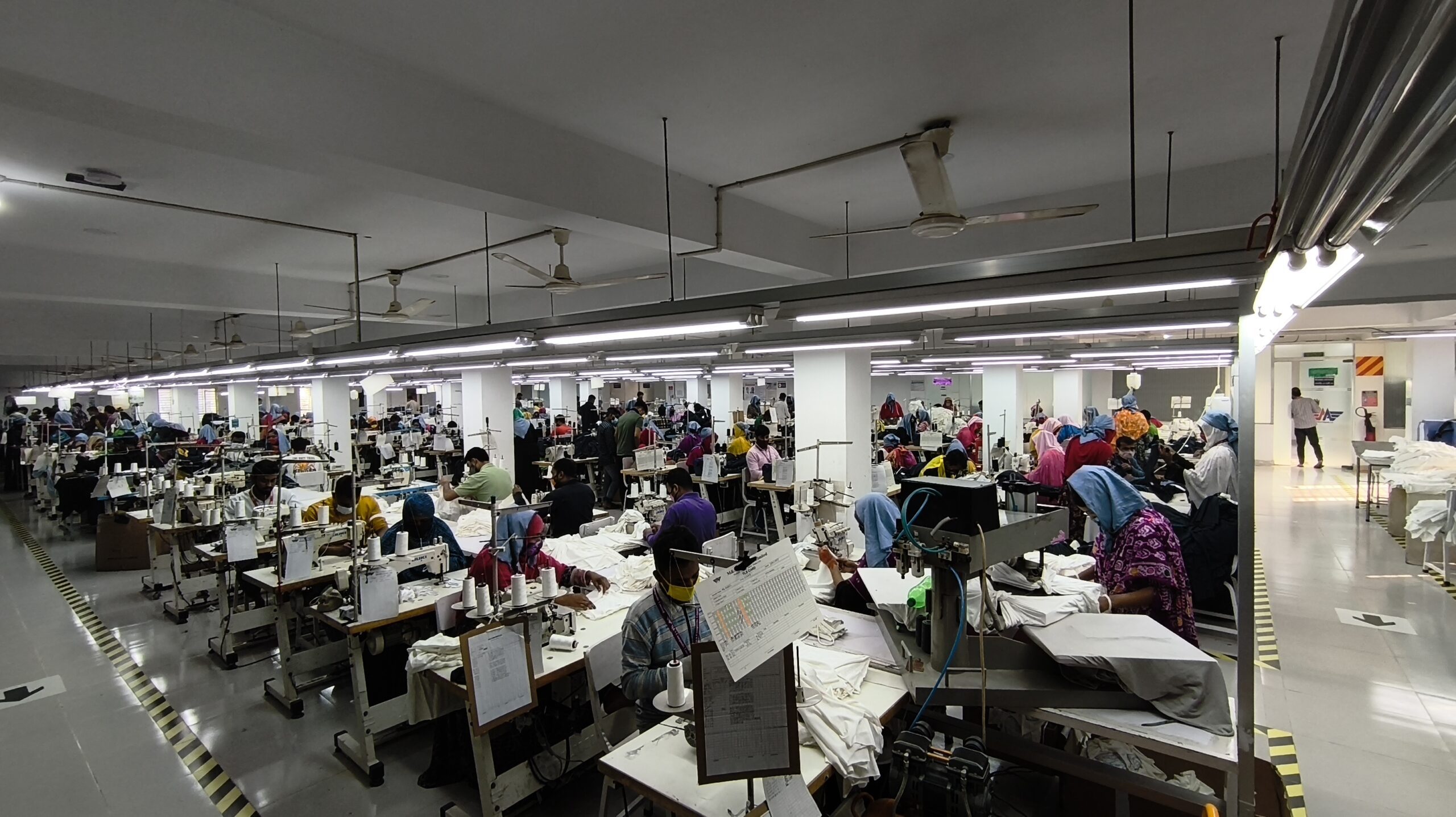
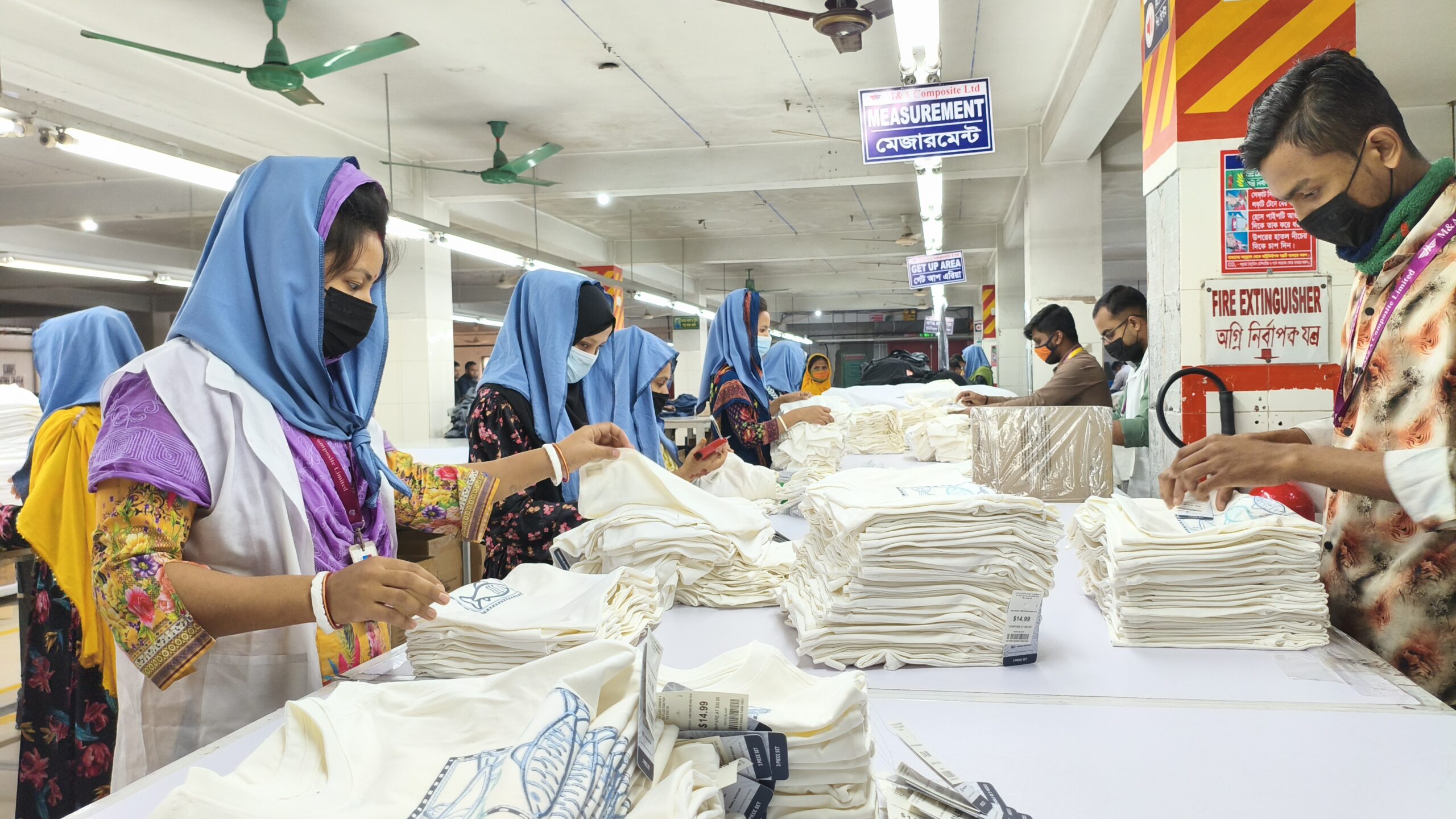
The images do not represent a particular corporate customer’s order or prove capacity, audit status or shipment progress. Request current project-specific records when those details support an approval.
Responsible sourcing and material evidence
Review documents for the actual manufacturing entity and allocated site. Check scope, dates, findings and corrective actions. Documentation from another factory does not establish the selected site’s status.
Sedex’s SMETA guidance describes a social audit methodology rather than certification. Review site-specific findings and improvement actions.
OEKO-TEX STANDARD 100 concerns textiles tested for harmful substances. Confirm the relevant certificate and article scope.
If recycled materials or environmental attributes are requested, define the specific claim and evidence for the programme. Broad sustainability wording should not substitute for product or site documentation.
MOQ, price, lead time and replenishment
No universal MOQ, price or timeline is stated here. Ask for an offer based on the actual materials, quantity breakdown, branding and packing plan.
| Question | Confirm in writing | Purpose |
|---|---|---|
| What minimums apply? | Style, colour, fabric and trim restrictions | Checks feasibility of the allocation |
| What is included? | Product revision, branding, labels, packing and services | Allows comparable offers |
| What costs are separate? | Samples, tests or inspections where applicable | Clarifies additional activities |
| What starts the schedule? | Material, approval and payment dependencies | Connects dates to milestones |
| How are changes handled? | Product, cost and timing impact | Controls revisions |
| How are repeat orders managed? | References, substitutions and current terms | Maintains an approved basis for replenishment |
Retain approved samples, charts, materials, artwork, packing and inspection records. Before repeating an order, review proposed changes and confirm current availability and terms.
Use specific wearer feedback to revise future specifications. For bulk allocation, see the wholesale workwear guide; for order coordination, read the garment sourcing workflow.
Frequently asked questions
How do I choose a corporate workwear supplier in Bangladesh?
Compare products, materials, fit, branding, quantity allocation, production responsibilities, sample approvals, quality records and commercial terms against your programme’s brief.
Can I discuss corporate uniforms with M&A Sourcing Ltd.?
Yes. Share wearer groups, product references, materials, branding, quantities and destination. Confirm feasibility, production arrangement and commercial scope in an order-specific proposal.
Where can I see real product examples?
Use the linked Shirts, Tees and Polos, Sweaters and Softshell product cards in this guide. Each image and button opens its dedicated catalogue category.
How should staff sizes be allocated?
Prepare quantities by style, colour and size, with location or team allocation where needed. Agree the measurement chart, sample review and distribution instructions.
Can the garments include our logo?
Discuss artwork, colours, dimensions, positions and decoration methods. Approve the relevant decorated reference before releasing bulk branding.
How should corporate colours be approved?
Agree brand references and a comparison method for each material. Review actual colour samples rather than assuming the same colour name looks identical across fabrics.
Is there a fixed MOQ or lead time?
No universal MOQ or timeline is offered here. Request terms based on materials, quantities, approvals and the production arrangement.
Do the progress bars show live order status?
No. They illustrate seven corporate uniform approval milestones. A real order needs a dated tracker with owners, issues and next actions.
How can repeat uniforms stay consistent?
Retain approved materials, fit charts, samples, artwork and packing references. Review substitutions and current terms before replenishment.
How can I contact M&A Sourcing?
Use the contact page, email info@mnasourcing.com or WhatsApp +8801993672513. Include the uniform brief, quantity matrix and delivery requirements.
Corporate workwear supplier Bangladesh: Related Guides
Corporate workwear supplier Bangladesh: Enquiry Planning
Send M&A Sourcing Ltd. your wearer brief, product references, brand colours, artwork, quantity allocation and destination. Request a proposal covering sampling, production responsibilities, quality checks and commercial assumptions.