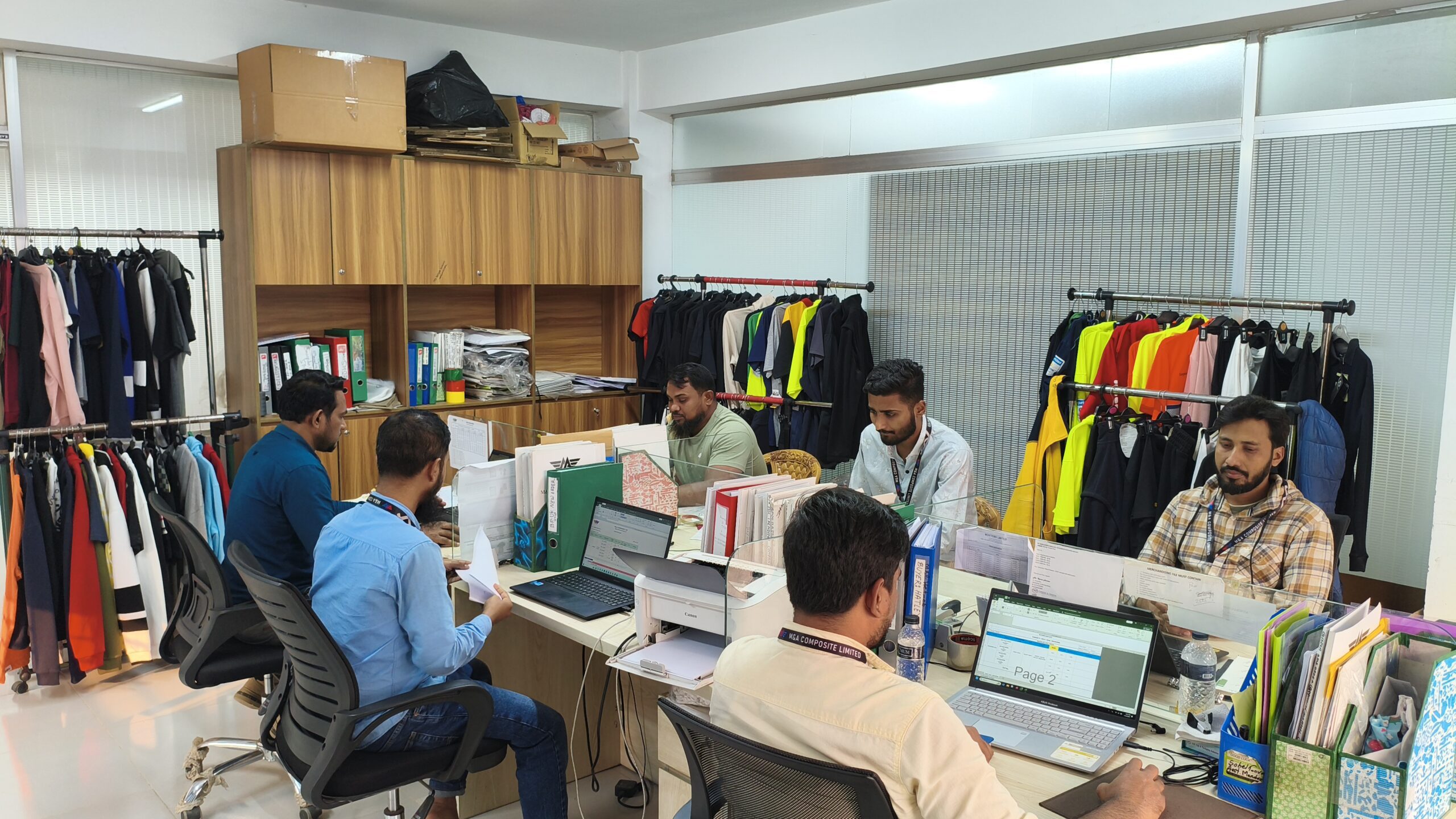
Best Apparel Sourcing Company in Bangladesh: 7 Essential Tips
Finding the best apparel sourcing company in Bangladesh starts with your product, evidence requirements and commercial brief. This guide helps international importers, uniform distributors and private-label buyers compare sourcing partners through practical questions about development, quotations, samples, quality and shipment coordination.
Table of Contents
What makes the best apparel sourcing company in Bangladesh?
The best apparel sourcing company in Bangladesh for your order is the partner that can demonstrate a suitable product route, clear commercial responsibilities and consistent approval records. A broad claim of being “best” is not independent evidence. Buyers should compare the proposed service against their actual garment, market, quantity and delivery requirements.
This is a buyer evaluation guide published by M&A Sourcing Ltd., not an independent ranking or an award announcement. It explains the records to request before choosing a sourcing partner. No comparison here assigns unsupported ratings to competitors or claims that one company is the best for every buyer.
Begin by describing the work the partner must perform. Factory identification, material development, sample coordination, inspection support and shipment coordination are separate activities. Ask which are included, who performs them and which decisions remain with the buyer.
The sourcing relationship should make an order easier to understand. A useful answer identifies the responsible person, the document controlling the decision and the next action. A vague promise of “complete service” gives the buyer less information than a specific scope with stated limits.
For industry background, BGMEA’s overview of Bangladesh’s garment industry describes the sector’s development. Industry context can explain the sourcing environment, but it does not prove a particular supplier’s capacity, membership or performance. Verify company-specific claims separately.
| Route | Buyer question | Evidence to request |
|---|---|---|
| Direct factory | Who develops, produces and communicates? | Named production party and scope |
| Sourcing company | Which activities are coordinated? | Written service and responsibility matrix |
| Trading arrangement | Who sells and invoices the goods? | Contracting party and commercial documents |
| Inspection support | Who checks goods and authorises release? | Agreed scope, criteria and report |
1. Check product fit before company size
When comparing the best apparel sourcing company in Bangladesh, start with the garment category. A company may understand polo development without being the right partner for a technically different jacket or a specialised uniform. Ask for relevant examples and discuss the actual construction, materials and production route.
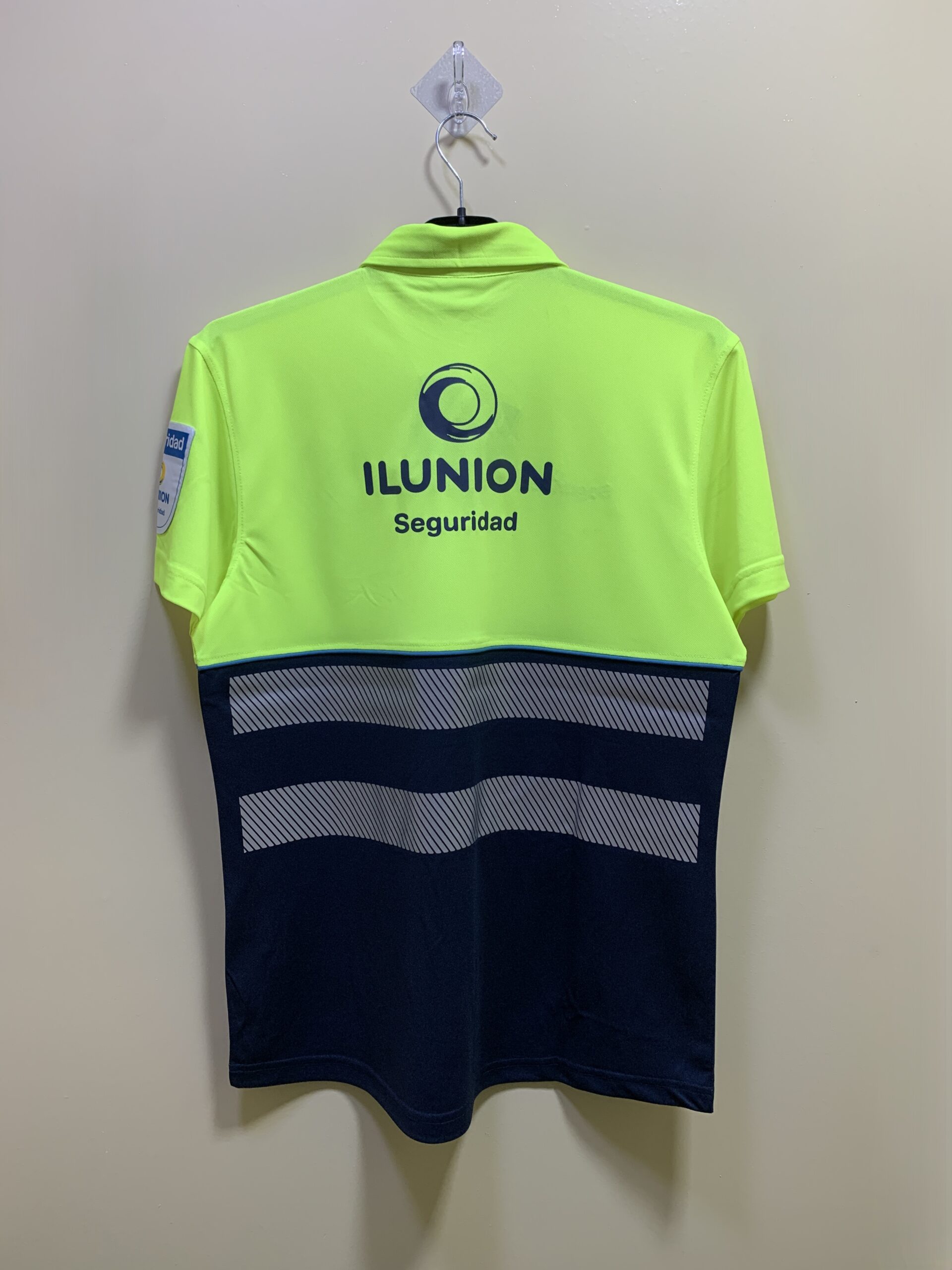
Separate knit tops, woven bottoms, outerwear and uniform sets in the brief. Each category brings different development questions. A polo needs decisions about body fabric, collar, placket and care performance. A trouser needs an agreed fit, waistband, pocket construction and closures. A jacket may add lining, filling, layering and functional details.
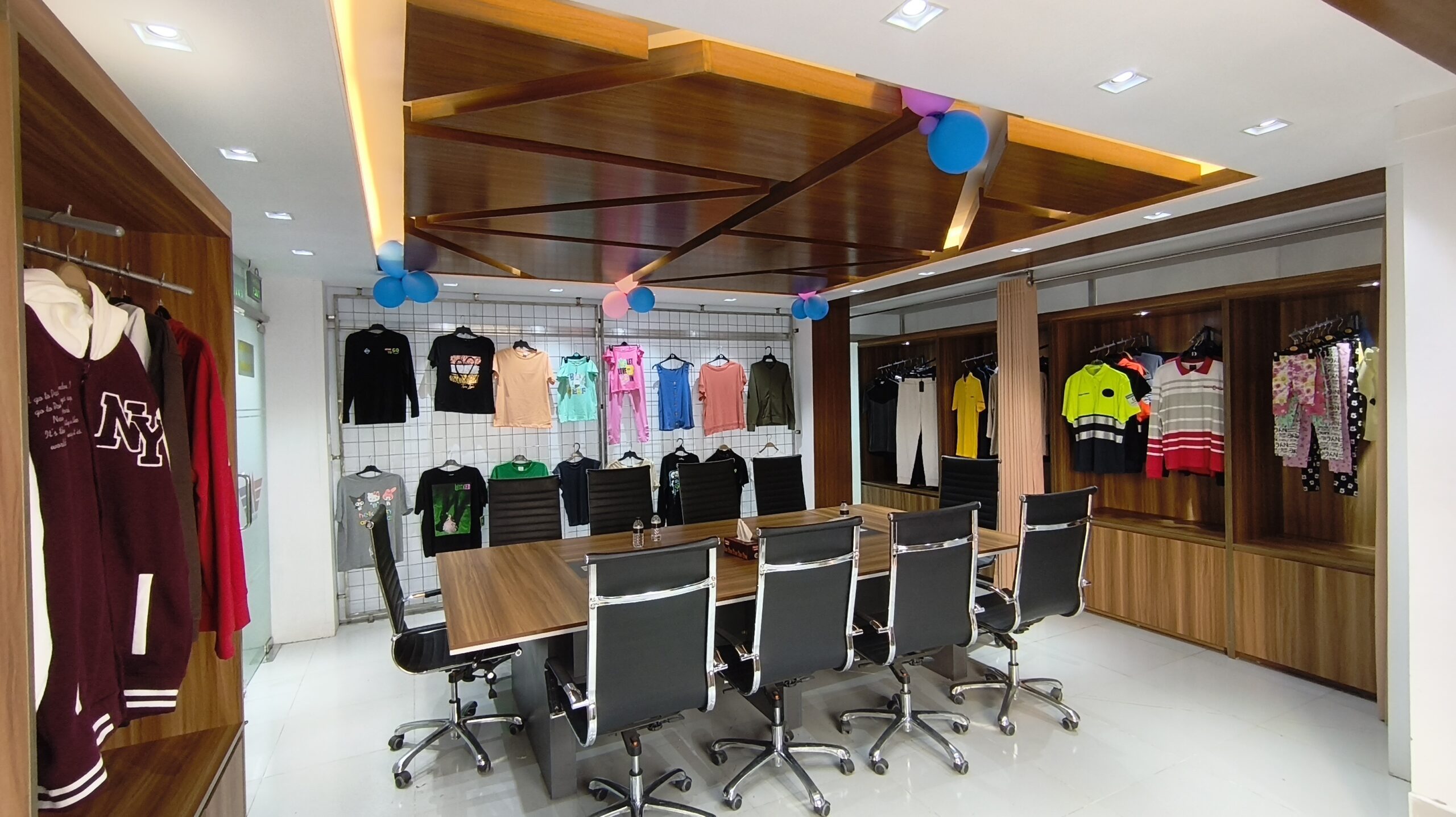
Review M&A Sourcing’s workwear product range and fashionwear catalogue as starting points. Individual categories include cargo trousers, tees and polos, softshell jackets and school uniforms. Confirm current availability and feasibility rather than treating a catalogue as a stock commitment.
Ask what information the team needs to evaluate a new style. A considered request for drawings, measurements, material details and quantities is useful evidence of a structured development conversation. It is reasonable for a supplier to need those details before confirming cost or timing.
Product photographs can show construction direction and appearance, but they do not prove fibre composition, factory ownership, a current customer relationship or tested protective performance. Ask for evidence connected to the exact proposal. For regulated or protective apparel, have the relevant requirements reviewed by qualified specialists.
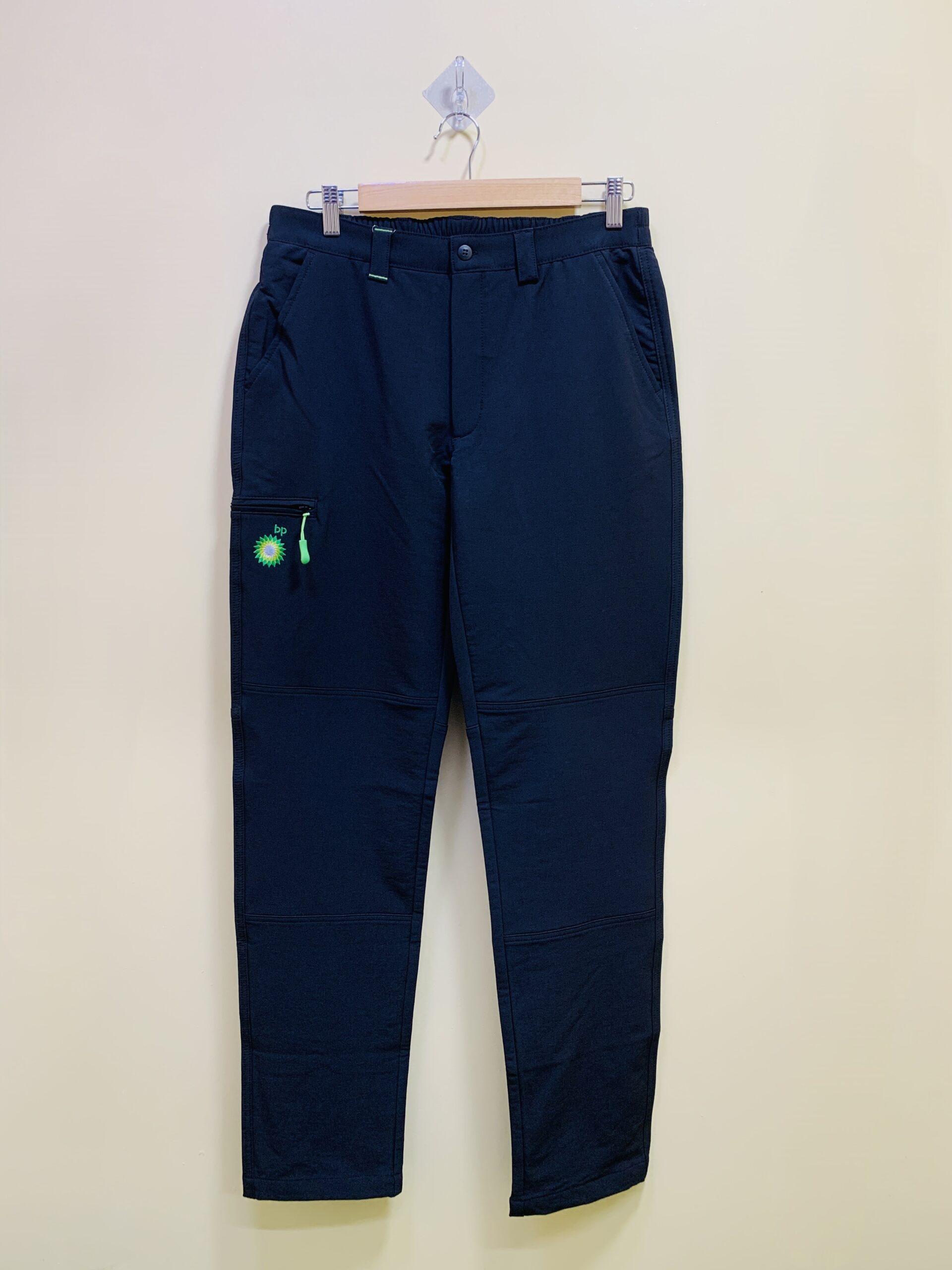
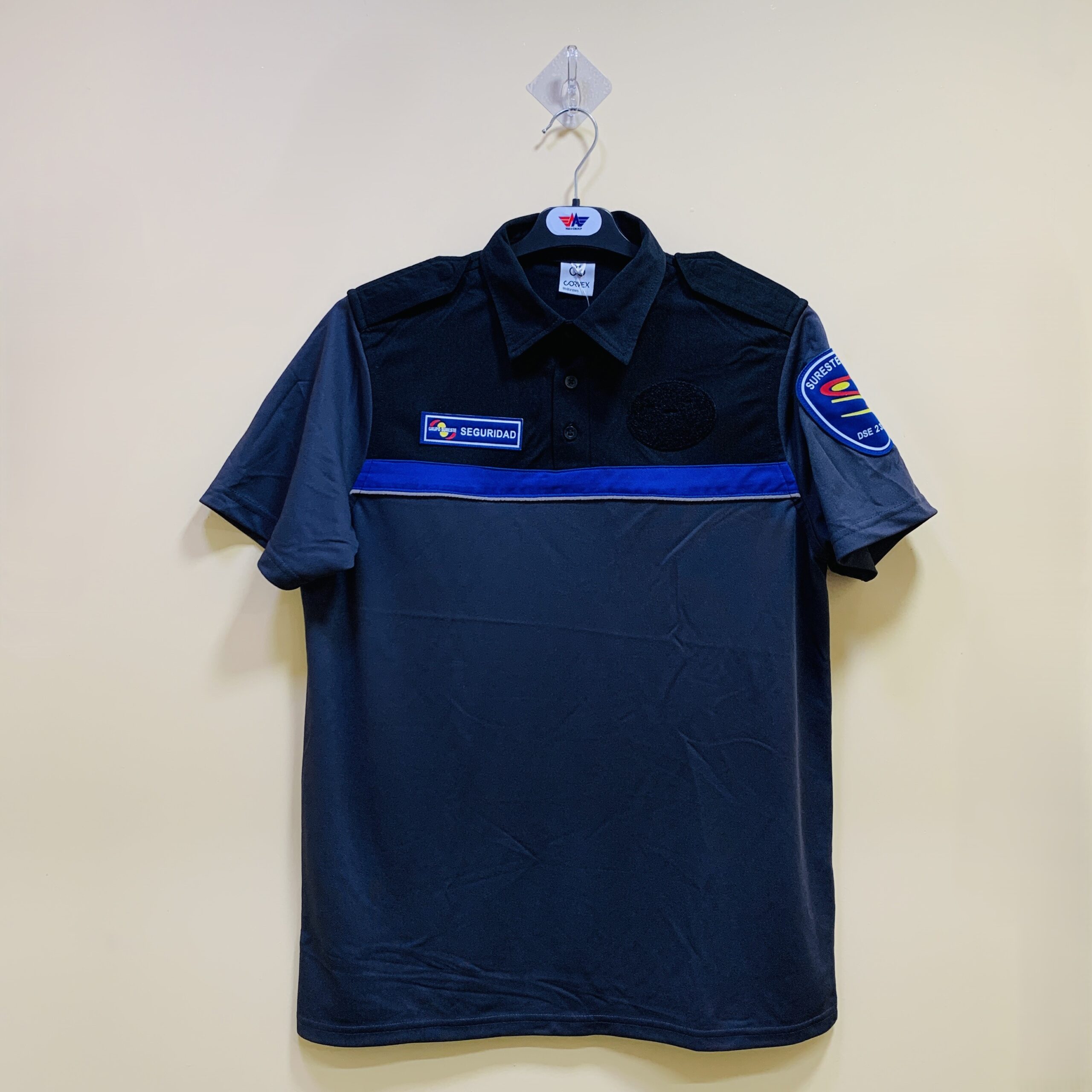
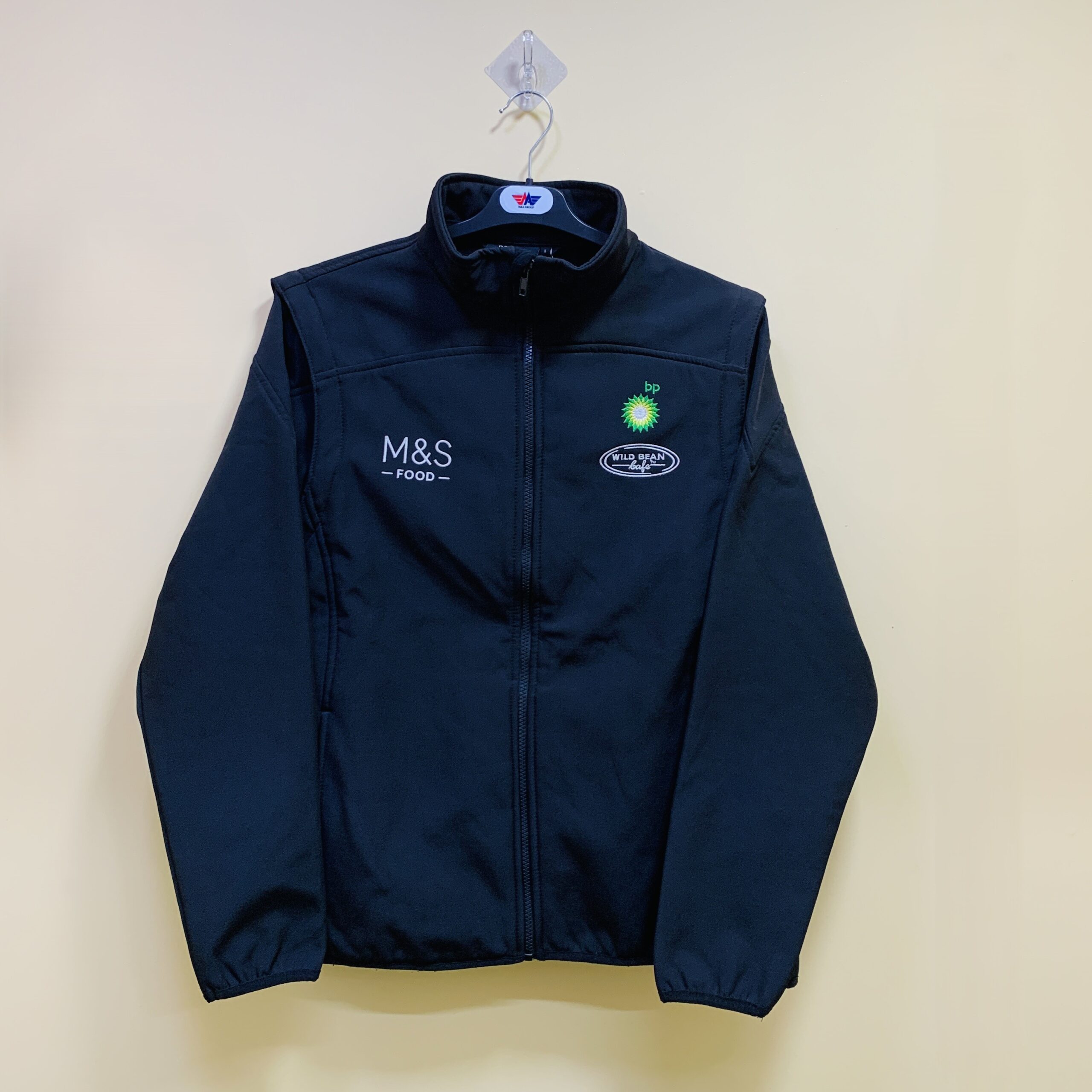
Catalogue photographs show style references, not current stock, customer relationships, tested ratings or proof of factory ownership.
2. Prepare one quotation-ready brief
A search for the best apparel sourcing company in Bangladesh should lead to comparable offers. Send the same brief to each shortlisted partner. Include drawings or references, bill of materials, measurement chart, colours, artwork, quantities by size, packaging, destination and delivery expectations.
Mark provisional decisions clearly. If the fabric has not been chosen, ask the supplier to quote an identified proposal and explain assumptions. An indicative price is useful when its basis is clear; it becomes misleading when treated as a final price for an undefined garment.
Use stable style and revision codes. A change to a pocket, fabric weight or embroidery size should be visible in the specification history. Without version control, two suppliers may appear to quote the same item while actually working from different information.
Our tech pack checklist provides a detailed framework. Even for a simple style, retain the fields needed to explain what the buyer expects and how approval will be recorded.
For example, an enquiry reading “1,000 navy polos with logo” leaves material, size allocation, collar, decoration and packing open. A stronger enquiry identifies the proposed fabric, reference sample, chart, artwork dimensions and carton instructions. The supplier can then identify remaining questions instead of guessing.
| Field | Buyer input | Supplier response |
|---|---|---|
| Garment | Style reference, drawings and construction | Feasibility and open questions |
| Materials | Composition, construction and approved reference | Identified proposal and availability |
| Fit | Chart, diagrams and tolerances | Sample and grading approach |
| Branding | Artwork, dimensions and placement | Proposed method and sampling |
| Quantity | Style, colour and size matrix | Minimums and quotation basis |
| Destination | Delivery point and required arrival | Proposed responsibilities and dependencies |
3. Understand quotations, fees and responsibilities
The best apparel sourcing company in Bangladesh for a buyer should explain the commercial arrangement clearly. Identify who contracts to supply the goods, who invoices, who receives payment and who is responsible for each service. Do not assume these parties are identical in every sourcing model.
Ask whether charges are included in the garment price or shown separately. Clarify sample development, testing, inspection, packaging and other relevant costs before comparing totals. Request written treatment of changes, cancellations or additional work rather than assuming every revision is included.
Compare like with like. An offer based on a different material, fewer decoration positions or a different delivery basis is not automatically cheaper for the same requirement. Keep a comparison sheet listing the specification and exclusions alongside each price.
Confirm the delivery term, named place and responsibility allocation with appropriate commercial and logistics advice. A garment unit price does not by itself establish the total delivered cost. Avoid relying on generic tariff or freight figures that are disconnected from the actual product and route.
Do not use an online guide as proof of a universal MOQ or fixed production period. Material sourcing, colours, quantities, factory scheduling and approvals affect the proposed plan. Ask the sourcing company to state what must be completed before it can confirm each milestone.
Retain the accepted quotation revision with the purchase order and specification. If a material or design decision changes, obtain a revised offer before treating the original price and schedule as unchanged.
4. Evaluate sampling and communication discipline
A candidate for the best apparel sourcing company in Bangladesh should explain its sample process in terms a buyer can review. Ask what each sample will prove, which material it will use and which approvals remain open. A development sample made in a substitute material should be marked accordingly.
Approve fit, fabric, colour and decoration as defined decisions. These can be coordinated, but approval of one is not automatic approval of all. A logo panel can prove decoration execution without proving garment fit. A fit sample can establish proportions without proving final shade.
Use one current comment sheet. Identify the sample, revision, observation and requested correction. A photograph can help show the problem, but the instruction should also identify the relevant measurement or construction detail. Ask how the correction will be checked on the next sample.
Agree who can approve on the buyer’s side and who consolidates supplier questions. Several reviewers may contribute, but conflicting messages should be resolved before the production team receives an instruction. Record a decision date and any limitation on approval scope.
Our sample approval guide and size chart planning guide provide related examples. Keep the final sample ID connected to the production specification, not only in a message thread.
Communication quality also includes escalation. Ask what happens when a proposed material is unavailable, a test result is outside the agreed criterion or a milestone may be missed. A useful process identifies the issue, its effect, possible options and the person authorised to decide.
5. Ask for quality evidence and responsible sourcing records
The best apparel sourcing company in Bangladesh should help buyers distinguish a marketing statement from product-specific evidence. Ask for the agreed quality plan, inspection scope, reporting method and correction process. Clarify who authorises production and shipment release.
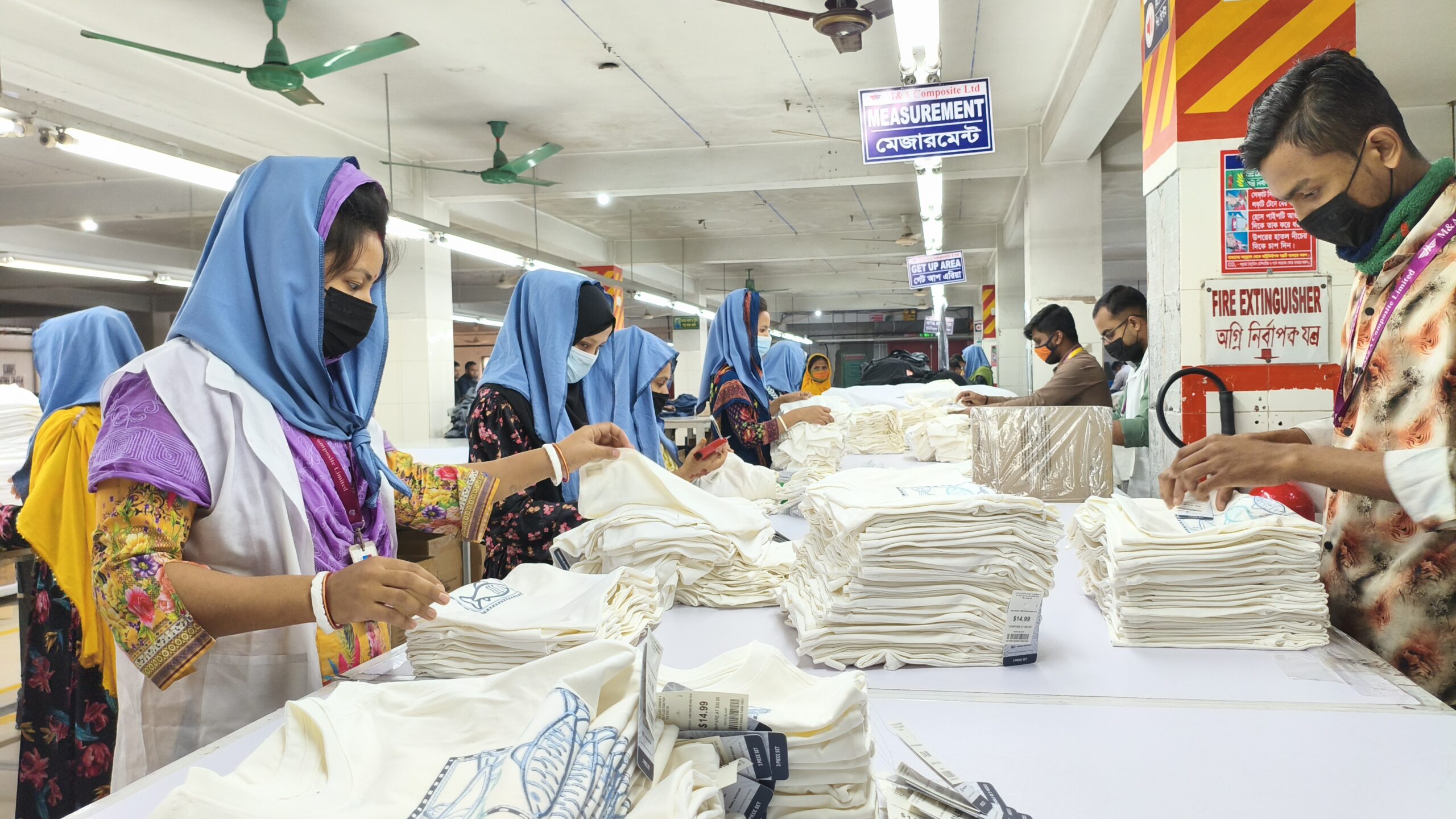
Review fabric identity, appearance, measurements, seams, closures, labels and decoration against approved references. For performance requirements, agree the applicable methods and obtain suitable evidence. A routine visual inspection cannot establish every technical or product safety requirement.
Check what a report actually covers. Identify the product or material, date, issuing organisation and scope. A result for a different fabric or style may not support the claim made for your garment. Similarly, a factory certificate should not be described as certifying every product or every activity of a sourcing company.
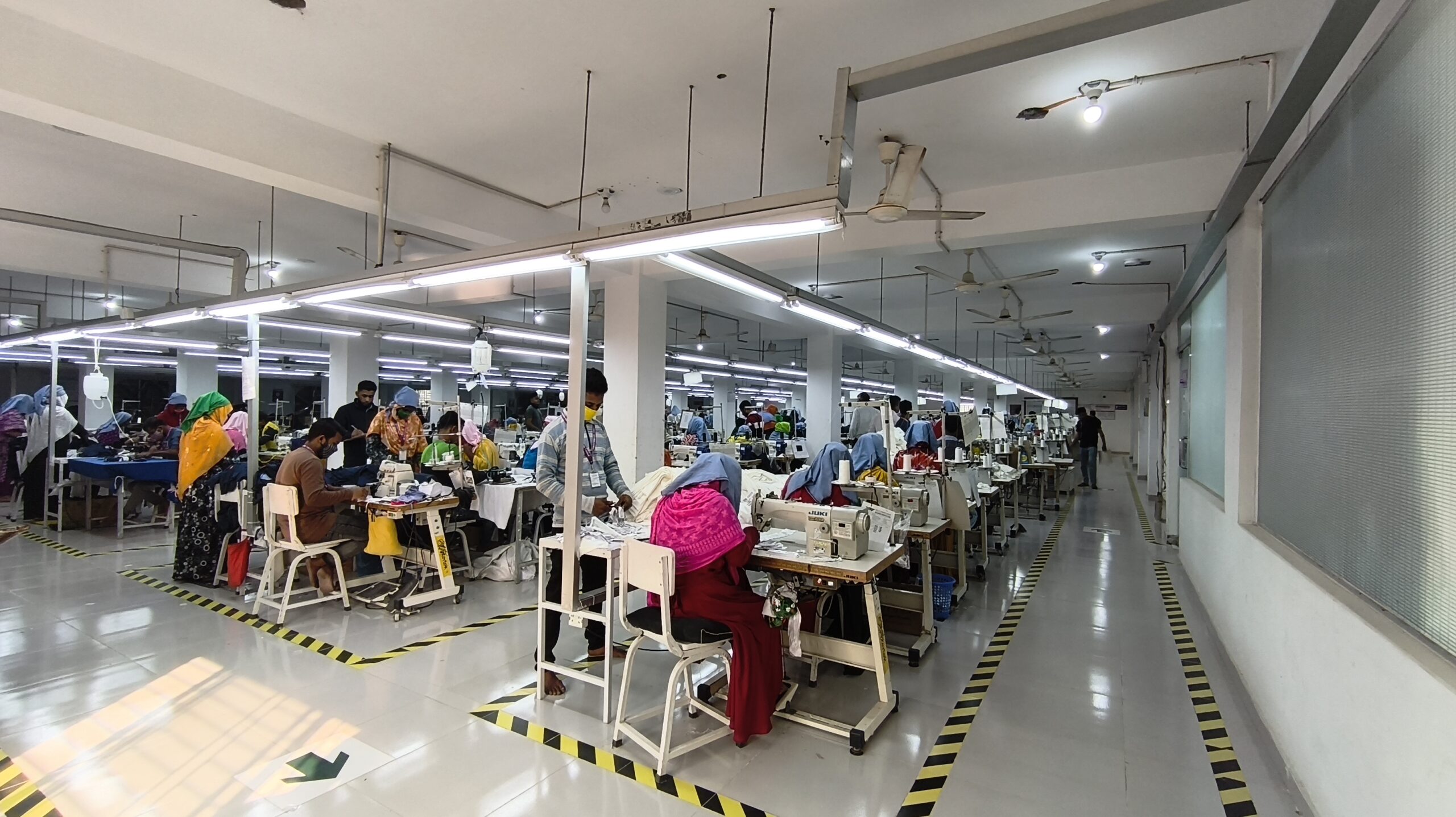
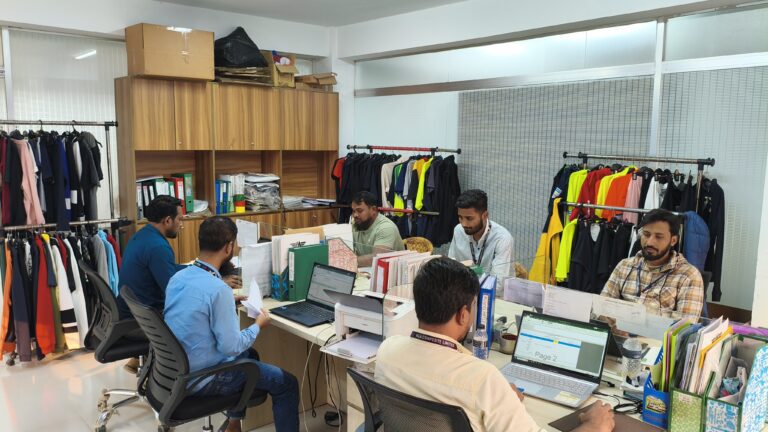
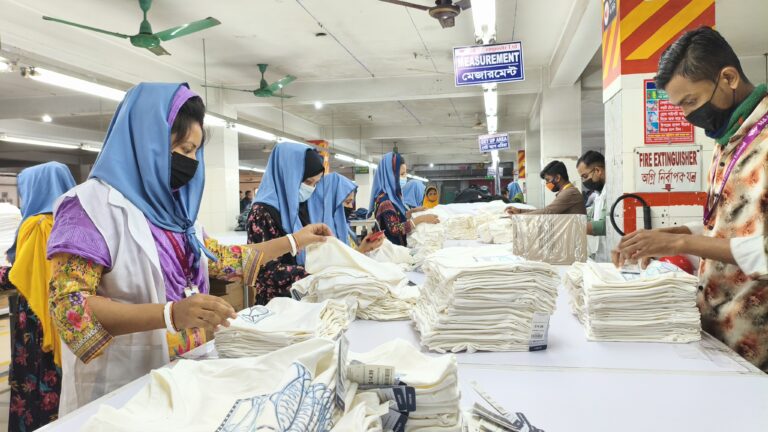
Ask about the proposed production facility and any subcontracting relevant to the order. Review the evidence required by your responsible sourcing programme. Do not infer working conditions, environmental performance or audit status solely from a company photograph.
For a practical schoolwear example, see the school uniform quality control checklist. Buyers should agree inspection criteria and sample scope for the actual order; this article does not prescribe one universal defect allowance or acceptance plan.
When issues are found, retain a correction record showing the observation, affected scope, action and recheck result. Closure should rest on evidence rather than a general statement that the problem has been fixed.
| Claim or decision | Ask for | Avoid assuming |
|---|---|---|
| Material identity | Specification and relevant evidence | A photograph proves composition |
| Fit | Approved chart and measured sample | A label guarantees fit |
| Quality | Agreed plan and inspection record | A sample proves the entire shipment |
| Certification | Issuer, scope, validity and relevant facility | Every product is covered |
| Correction | Issue log and verified recheck | Verbal closure is enough |
6. Connect packing, documents and shipment handover
A sourcing partner’s work should remain clear when the garments are ready to pack. Confirm the size assortment, product identification, carton marking and packing list format before final preparation. A correct garment can still create a receiving problem if it is labelled or packed against an outdated matrix.
Use the packing checklist to connect physical contents with the final records. Identify balance cartons and any changes made after a carton is reopened. Use measured shipment values where required rather than copying early estimates without verification.
Ask who prepares and checks the shipment documents and which responsibilities sit with the buyer, supplier and logistics provider. The required document set depends on the transaction and destination. A general sourcing guide does not replace shipment-specific advice.
Confirm handover arrangements in writing. Distinguish the planned factory release, transport movement and buyer receiving date. An agreed production milestone is not the same as a guaranteed arrival date, especially while approvals or logistics decisions remain open.
For background on the sourcing-to-shipment relationship, review our garment sourcing and export guide. Keep the final release decision traceable to the accepted commercial and quality records.
The progress bars below illustrate seven sourcing decisions. They do not show an actual order status, company quality rating, factory completion rate or guaranteed delivery performance.
Stage 1: Brief defined
Stage 2: Product route reviewed
Stage 3: Quotation clarified
Stage 4: Samples approved
Stage 5: Quality evidence reviewed
Stage 6: Packing reconciled
Stage 7: Release recorded
7. Choose the partner using a documented evaluation
Choosing the best apparel sourcing company in Bangladesh should be the result of a documented comparison. Decide which criteria are essential for your order, what evidence supports each criterion and which questions remain unresolved. Avoid letting an impressive presentation substitute for answers about the actual garment.
A buyer can use pass, clarification required and not suitable as simple decision states. This is often more useful than assigning arbitrary numerical scores. Keep the same criteria across candidates and record why a decision was made.
For a new relationship, agree a development or trial scope that allows you to assess communication and execution before expanding the programme. Define the limits and commercial terms with the supplier. A small first order is not automatically feasible for every material route, so discuss the proposal rather than assuming it.
Keep repeat-order requirements in the evaluation. Ask how approved material, colour, fit and artwork references are retained and how substitutions are reviewed. A good first sample matters, but replenishment depends on a process that can identify and manage changes.
M&A Sourcing’s website provides workwear, uniform and other apparel category references for discussion. Explore the homepage for Workwear Manufacturer in Bangladesh and the garments sourcing workflow. Discuss your specific scope with the team; do not treat this guide as a guarantee of capacity, certification, price or timing.
| Criterion | Evidence to review | Decision |
|---|---|---|
| Product fit | Relevant proposal and development discussion | Pass / clarify / unsuitable |
| Specification control | Tech pack and revision process | Pass / clarify / unsuitable |
| Commercial clarity | Quotation and responsibility matrix | Pass / clarify / unsuitable |
| Samples | Purpose, comments and approval record | Pass / clarify / unsuitable |
| Quality and sourcing | Relevant plan and verified records | Pass / clarify / unsuitable |
| Handover and repeat supply | Packing, release and change process | Pass / clarify / unsuitable |
Ready to shortlist the best apparel sourcing company in Bangladesh for your project? Send M&A Sourcing your enquiry with garment references, material requirements, size quantities, artwork, destination and delivery expectations. Request a written feasibility review, quotation assumptions and sampling plan before placing an order.
Best Apparel Sourcing Company in Bangladesh: FAQs
How do I choose the best apparel sourcing company in Bangladesh?
Compare relevant product expertise, written responsibilities, quotation assumptions, sample control, quality evidence and shipment coordination against your actual order.
Is this an independent ranking of sourcing companies?
No. It is a buyer evaluation guide published by M&A Sourcing Ltd. It does not award an independently verified number-one position or rate competitors.
What does an apparel sourcing company do?
The agreed scope may include product development, material sourcing, factory coordination, sampling, inspection support and shipment coordination. Confirm what is included in writing.
Is a sourcing company the same as a factory?
Not necessarily. Identify the production facility, contracting party and coordinating team separately, and confirm who is responsible for each activity.
What should I send for a quotation?
Provide style references, materials, measurements, colours, artwork, size quantities, packing requirements, destination and delivery expectations.
What minimum order quantity applies?
Request a product-specific confirmation. Material sourcing, colours, branding and size allocation can affect the proposed terms.
Do catalogue photos prove current customer relationships?
No. They are visual references. Confirm availability and request appropriate evidence for claims relevant to your enquiry.
How should certification claims be checked?
Verify the issuing organisation, validity, scope, relevant facility and relationship to the actual product or service. Do not assume one record covers everything.
Can a sourcing company guarantee every shipment will arrive on a fixed date?
Timing should be confirmed for the actual project, including development, approvals, production and logistics dependencies. A generic guide cannot establish that guarantee.
What helps repeat orders remain consistent?
Retain approved material, colour, chart, artwork and sample references. Reconfirm availability and review substitutions before repeat production.